Best Beginner Portrait Lenses: FAQ for Crop Sensor and Mirrorless Shooters
Choosing your first portrait lens can feel overwhelming, especially when you are balancing focal length, budget, camera format, and brand compatibility. At Unique Photo, we help new portrait photographers narrow the options by focusing on what matters most: flattering perspective, reliable autofocus, and the kind of background separation that helps subjects stand out.
If you are shooting portraits on a crop sensor DSLR or mirrorless body, or comparing native and third-party lenses, this FAQ breaks down the key decisions in a practical way.
What focal length is ideal for portraits on a crop sensor camera?
For most beginners, the sweet spot for portraits on a crop sensor camera is typically an effective full-frame equivalent of about 75mm to 135mm. That range gives you flattering facial proportions without forcing you too far away from your subject. On APS-C cameras, lenses around 50mm to 85mm are popular choices because they land in that portrait-friendly field of view. If you prefer tighter headshots, a longer option can work beautifully; if you want environmental portraits with more background context, something a bit wider may be easier to use indoors.
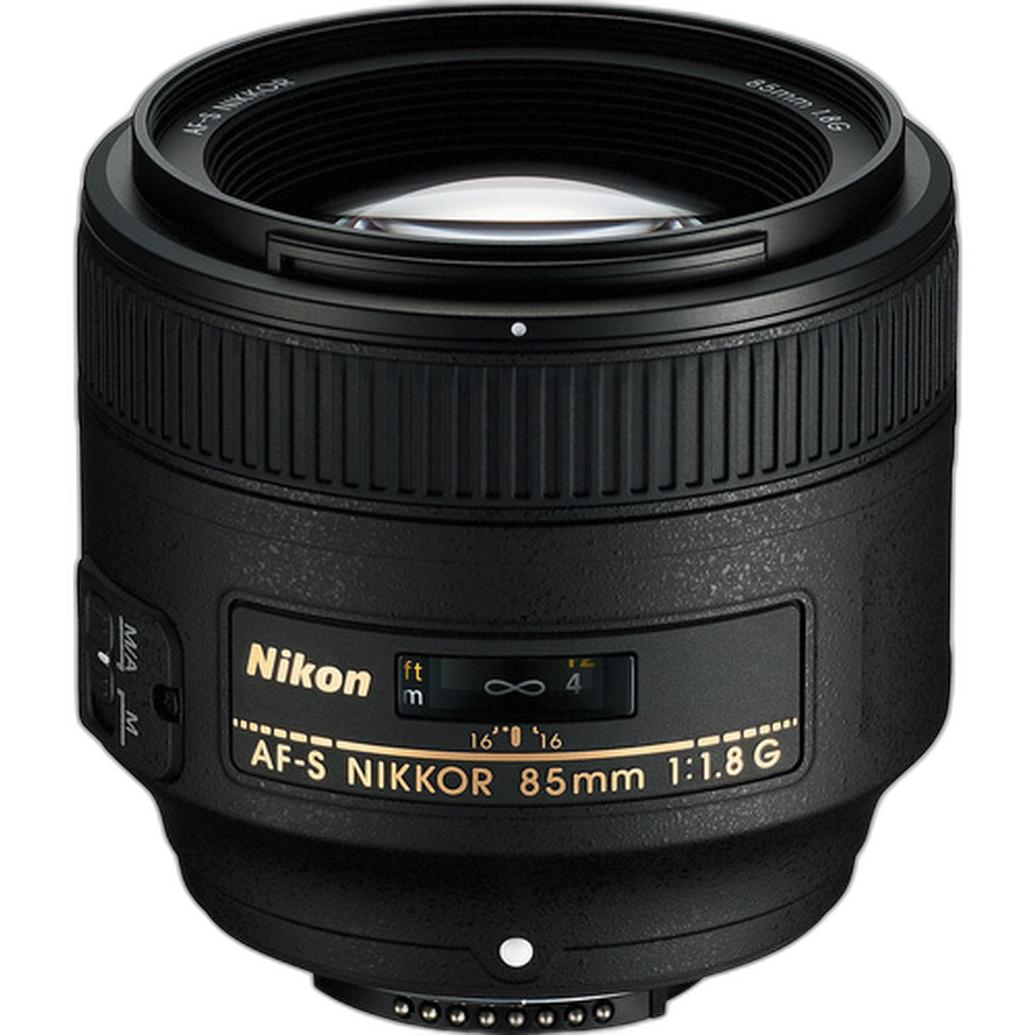
A classic example is an 85mm lens. On many crop sensor bodies, that gives you a tighter portrait framing that works especially well outdoors or in larger studios. The Nikon AF-S Nikkor 85mm f/1.8G is a strong beginner-friendly choice for Nikon DSLR users because it delivers the classic portrait look with a bright aperture and manageable size.
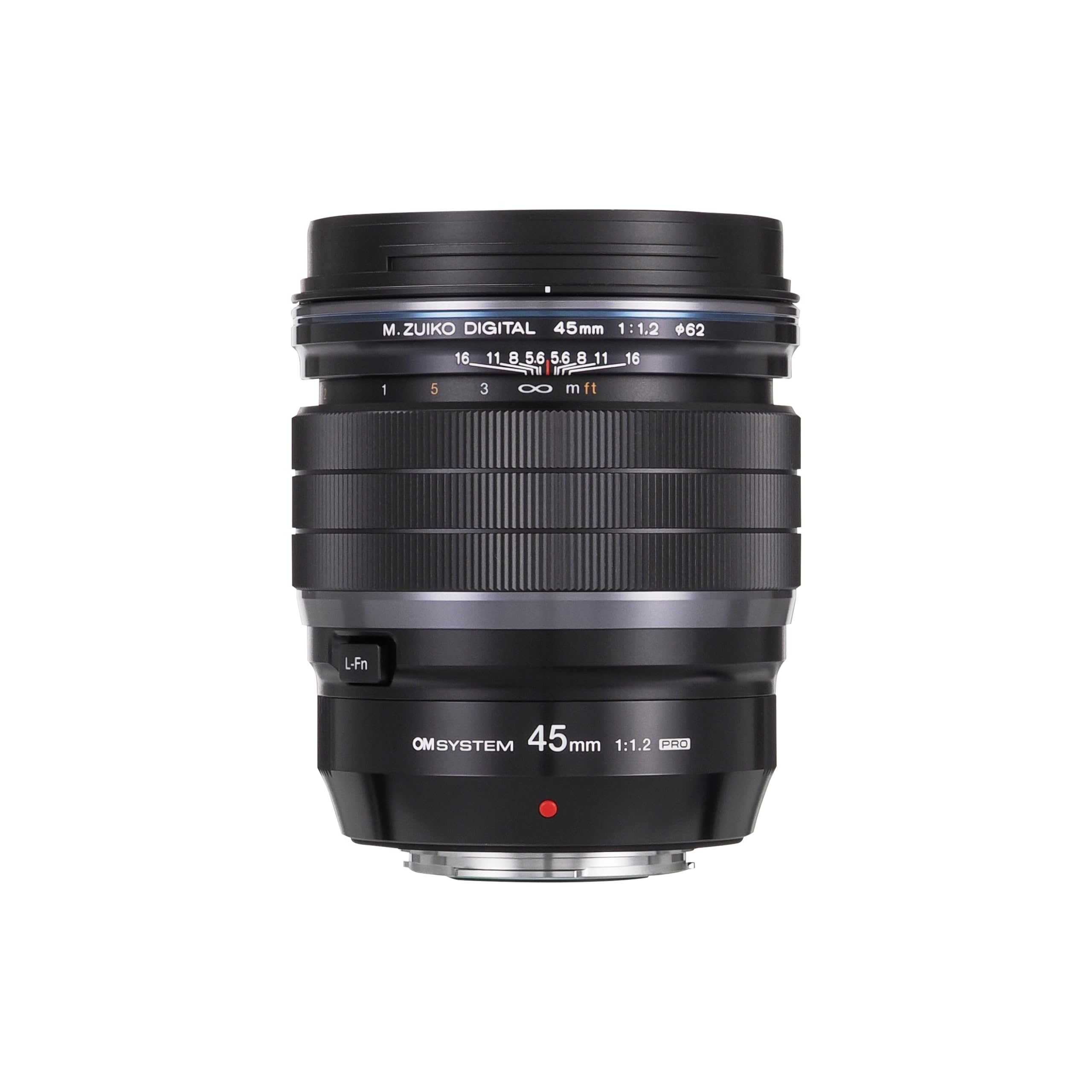
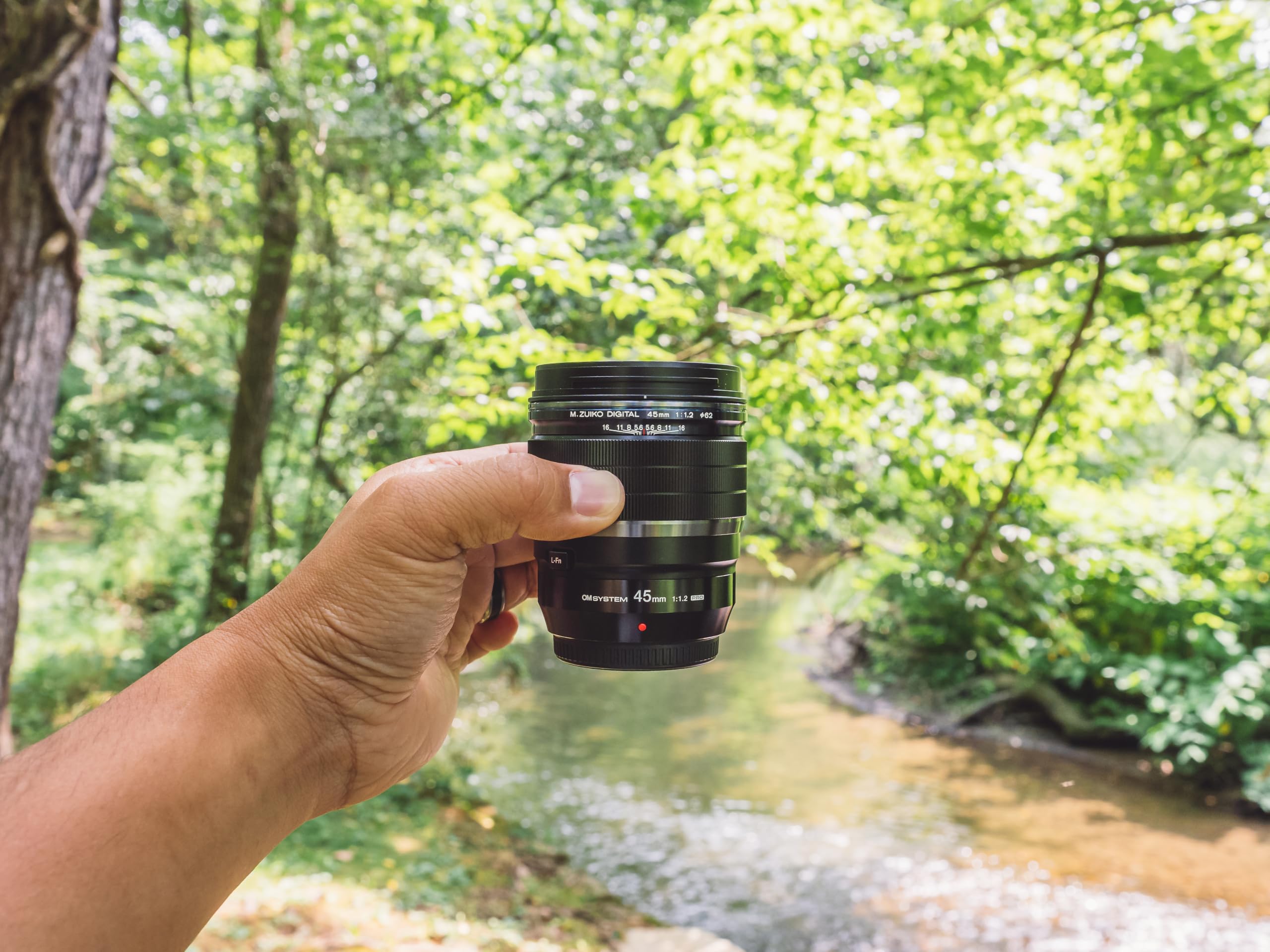
If you are using Micro Four Thirds, the OM SYSTEM M.Zuiko Digital ED 45mm f/1.2 PRO gives you an angle of view similar to a short telephoto portrait lens on full frame, making it an excellent option for creamy background blur and flattering subject isolation.
Is 85mm too long for a beginner portrait photographer?
Not necessarily, but it depends on where you shoot. An 85mm lens is one of the most popular portrait focal lengths because it flatters facial features and helps create smooth background blur. The tradeoff is working distance. In a small room or apartment, 85mm can feel restrictive because you may not have enough space to back up for half-body or full-body portraits.
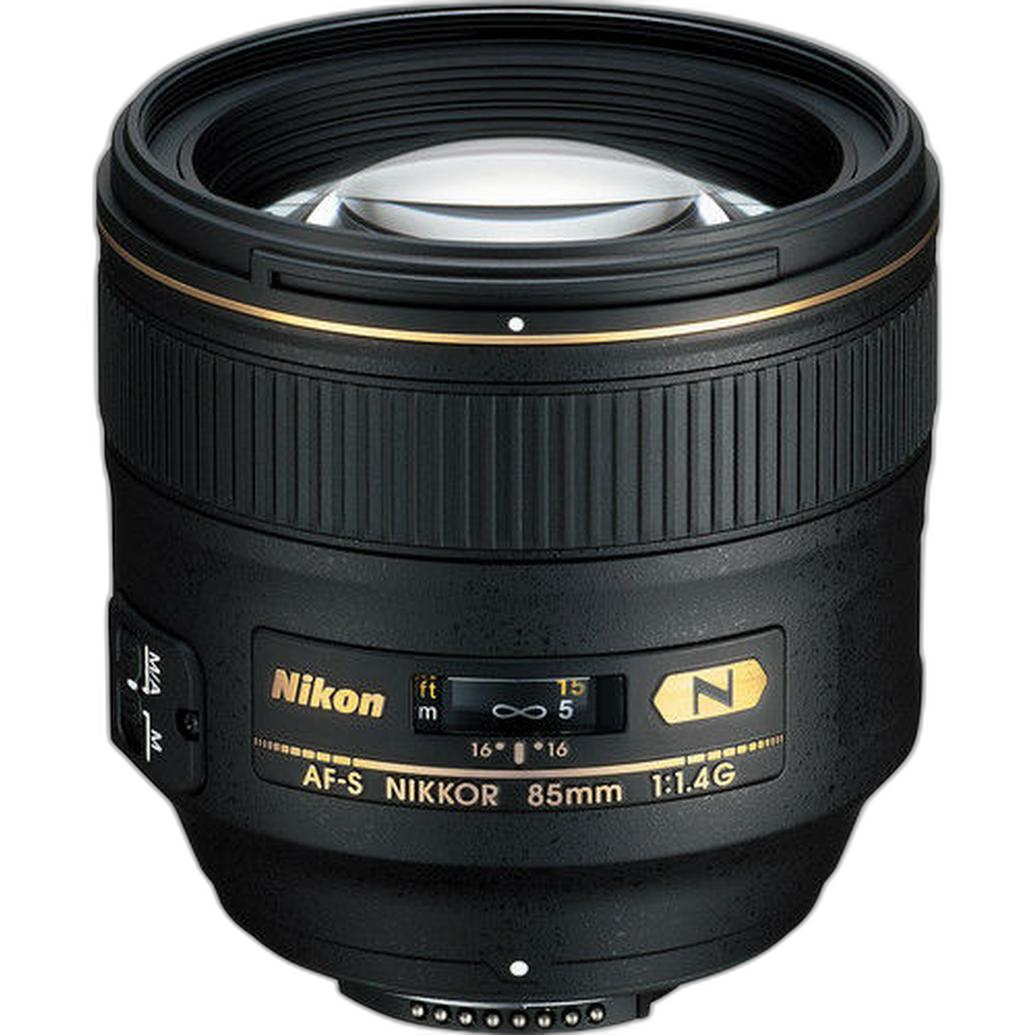
If you mostly shoot outdoors, in a studio, or in open indoor spaces, 85mm is an excellent place to start. The Nikon AF-S Nikkor 85mm f/1.4G is a premium example for photographers who want especially shallow depth of field and a polished portrait rendering.
For photographers who want a slightly more budget-conscious route while keeping the same classic focal length, the Nikon AF-S Nikkor 85mm f/1.8G remains one of the most approachable portrait primes in its class.
Should beginners choose a prime lens or a zoom for portraits?
Prime lenses are often the easiest way to learn portrait photography because they encourage you to think about composition, subject distance, and background control. They also tend to offer wider apertures, which makes it easier to blur the background and work in lower light. That is why lenses like an 85mm f/1.8, 85mm f/1.4, or 45mm f/1.2 are so often recommended for portrait work.
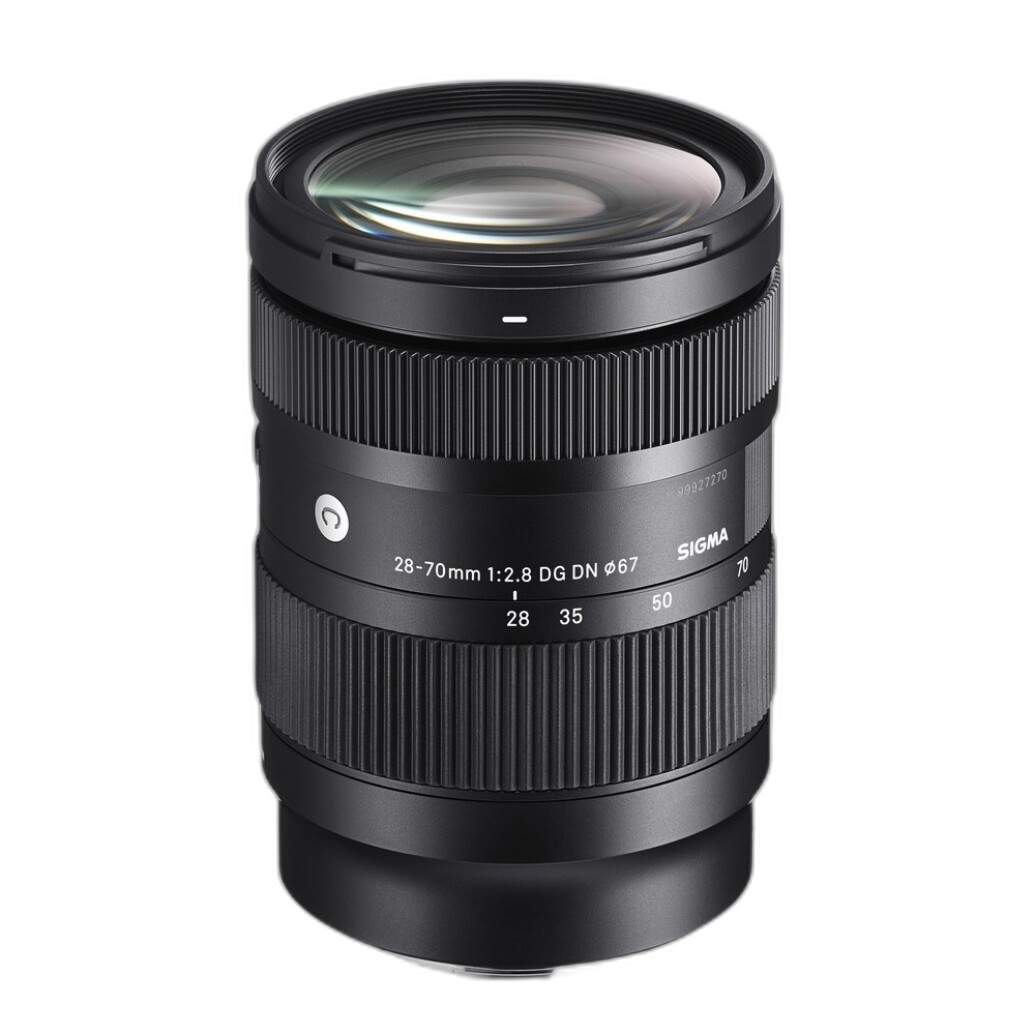
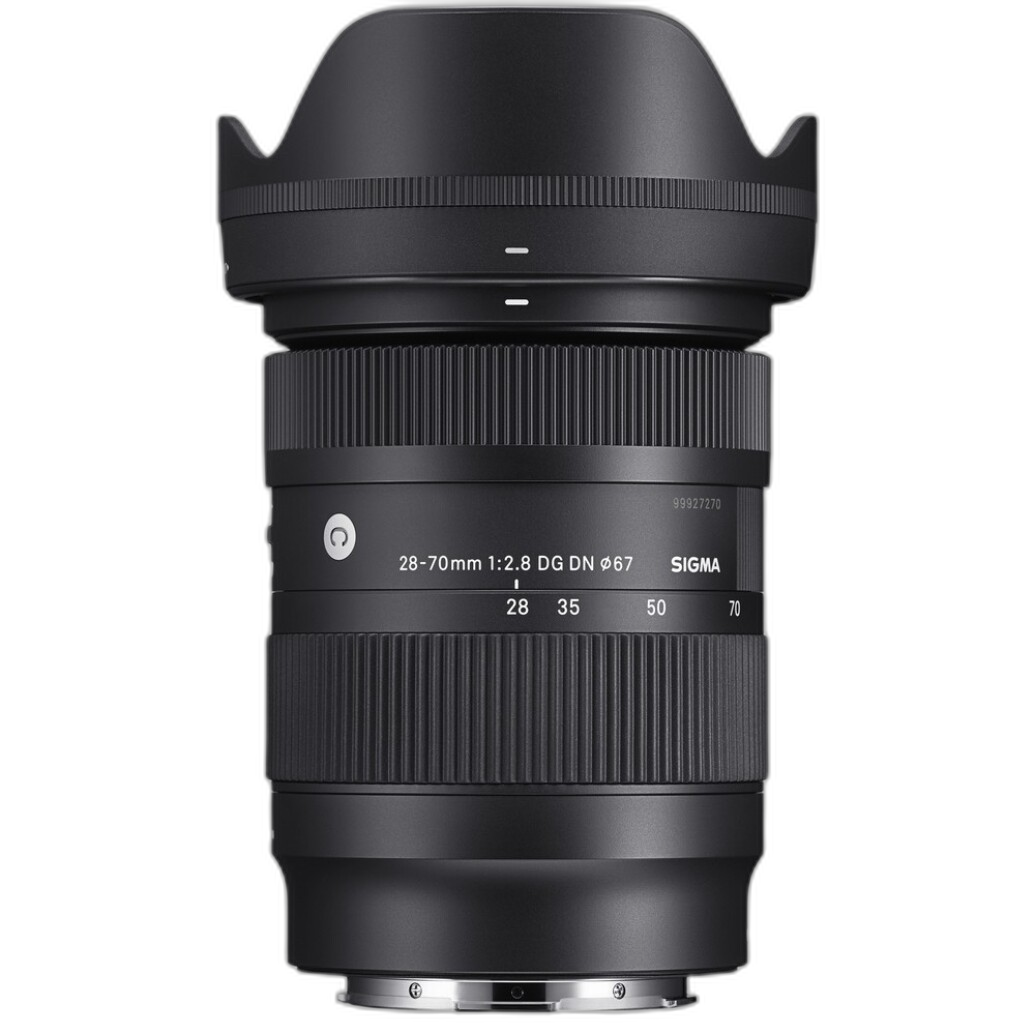
That said, a zoom can be a smart choice if you are still discovering your preferred portrait style. A lens like the Sigma 28-70mm f/2.8 Contemporary DG DN gives mirrorless shooters flexibility for environmental portraits, half-body framing, and even general everyday photography. It is especially useful if you want one lens that can cover portraits, events, and travel while still maintaining a bright f/2.8 aperture.
In short, choose a prime if your goal is the strongest portrait look for the money. Choose a zoom if versatility matters more right now.
Are third-party lenses reliable for portrait work, or should I stick to native brands?
Today’s third-party lenses can be excellent for portrait photography, especially from established brands with strong autofocus performance and modern optical designs. Native lenses still offer advantages in some systems, including seamless compatibility, familiar rendering, and firmware support directly from the camera manufacturer. But many portrait photographers use third-party lenses every day with great results.
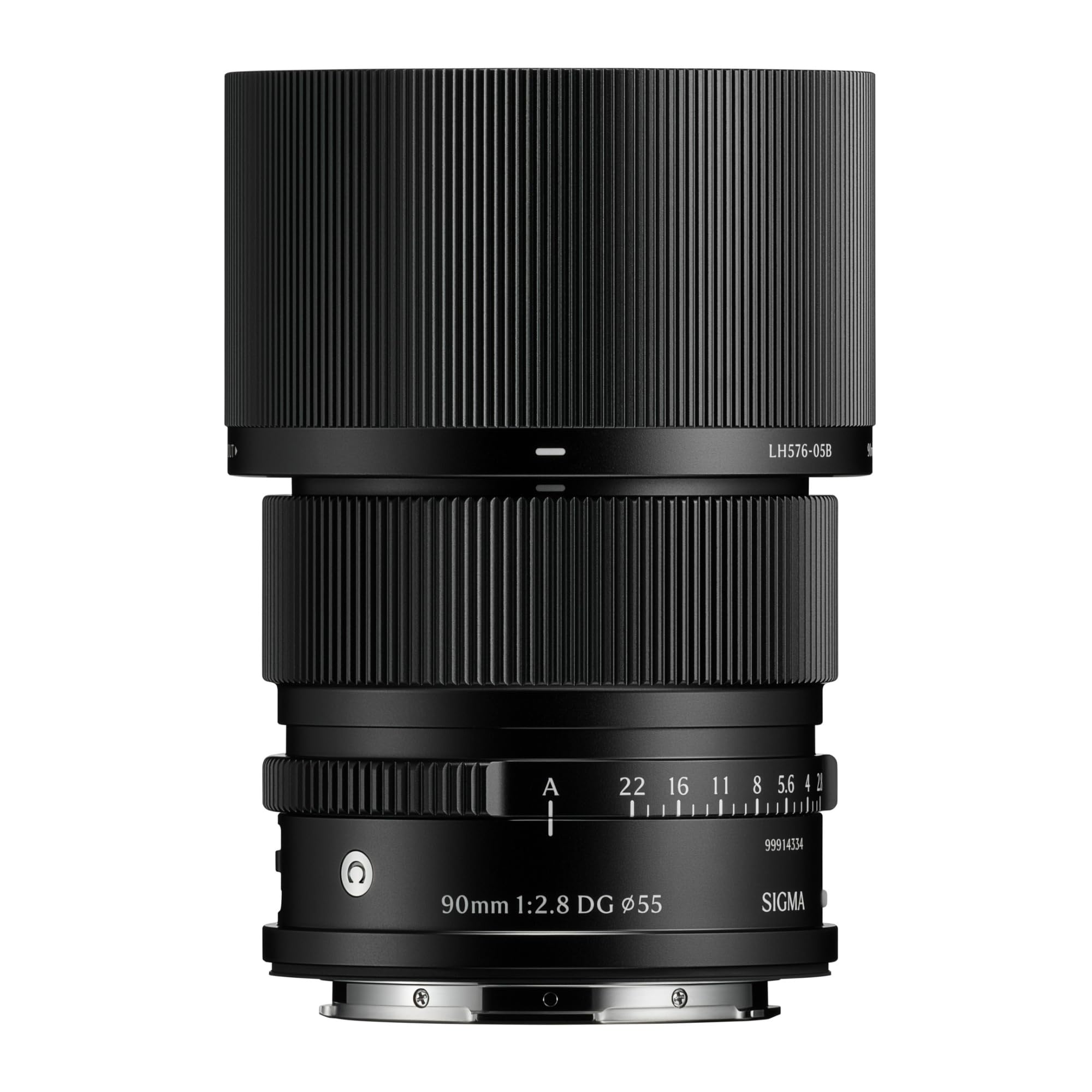
For example, Sigma offers portrait-friendly options that appeal to photographers who want a distinctive look in a compact package. The Sigma 90mm F2.8 DG Contemporary is a sleek, sharp short telephoto option that works well for natural-looking portraits and travel-friendly setups.
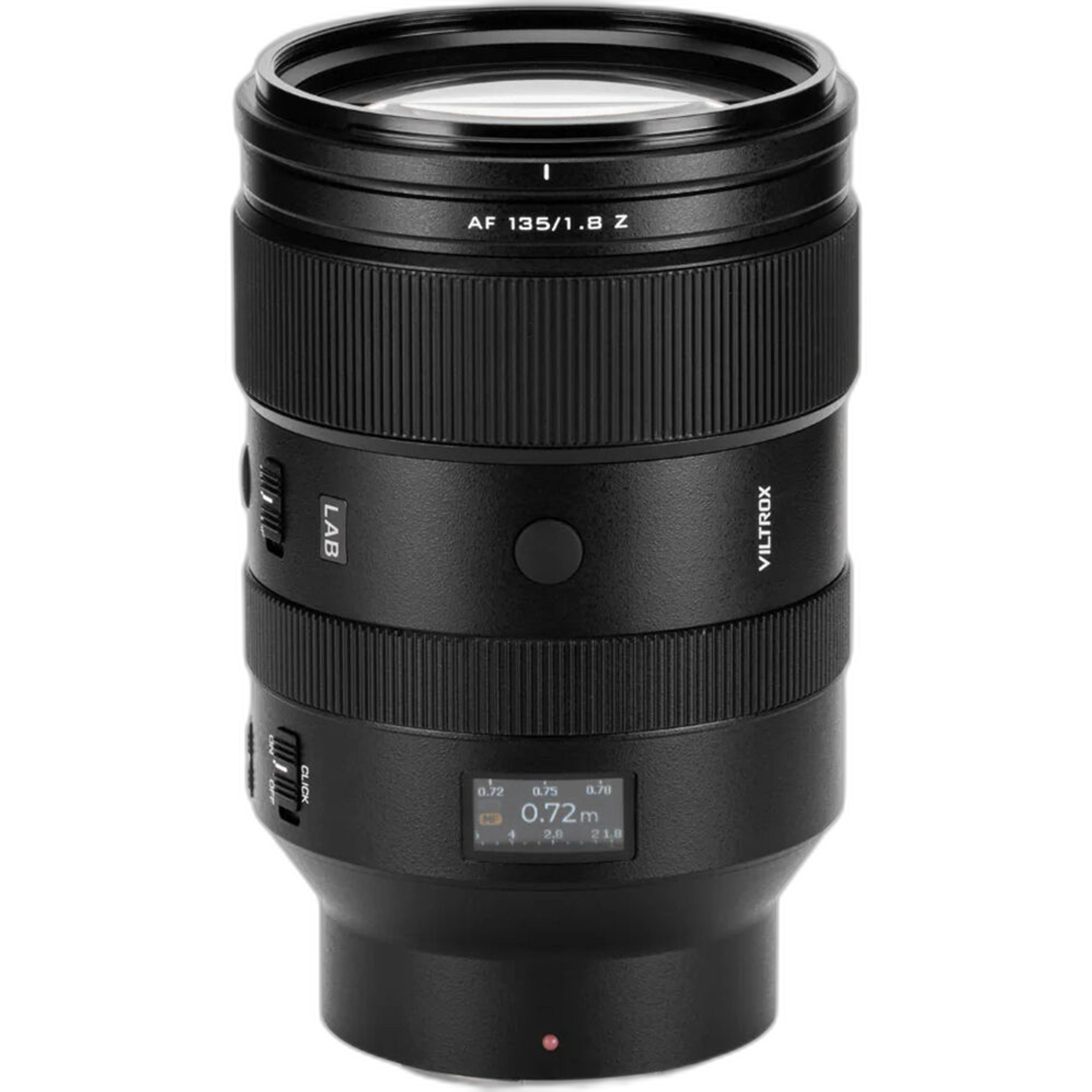
Viltrox is another brand many photographers consider when they want strong value. The Viltrox AF 135mm 1.8 Z for Nikon Z is a compelling longer portrait lens for Nikon Z users who want compressed perspective and dramatic subject separation for outdoor portraits and tight headshots.
The best approach is to buy from trusted brands and a trusted retailer. At Unique Photo, we recommend looking closely at mount compatibility, autofocus behavior, size, and how the lens fits your real shooting style rather than choosing based on brand alone.
Does image stabilization matter for portrait photography?
Image stabilization can help, but it is not usually the first priority for beginner portrait photographers. Stabilization is most useful when you are shooting in lower light at slower shutter speeds, especially for still subjects. However, it does not stop subject movement. If your subject shifts, blinks, or turns their head, you still need a shutter speed fast enough to keep them sharp.
For portraits, a wide maximum aperture often matters more than lens stabilization because it lets you use faster shutter speeds and create better background separation. That is one reason portrait photographers often gravitate toward lenses like the Nikon AF-S Nikkor 85mm f/1.8G, the Nikon AF-S Nikkor 85mm f/1.4G, or the OM SYSTEM M.Zuiko Digital ED 45mm f/1.2 PRO.
If your camera body already has in-body image stabilization, that can further reduce the need to prioritize optical stabilization in the lens itself. Focus first on focal length, autofocus accuracy, aperture, and handling.
What aperture is best for beginner portraits?
Many beginners assume they should always shoot portraits at the widest possible aperture, but the best setting depends on the look you want. Wide apertures such as f/1.2, f/1.4, and f/1.8 are excellent for isolating one subject and creating a soft, blurred background. They are especially effective for close-up portraits. However, for couples, families, or slightly angled poses, stopping down to f/2.8 or f/4 can make it easier to keep important facial features in focus.
A lens like the OM SYSTEM M.Zuiko Digital ED 45mm f/1.2 PRO gives you plenty of creative flexibility, from dreamy shallow depth of field to more controlled sharpness when stopped down.
Likewise, an 85mm portrait lens with an f/1.8 or f/1.4 aperture gives DSLR shooters room to experiment with different portrait styles as they build confidence.
What if I want tighter headshots or more dramatic background compression?
If your style leans toward tight framing, dramatic separation, and a more compressed look, a longer portrait lens can be a great step up. Longer focal lengths narrow the angle of view, which simplifies busy backgrounds and gives portraits a polished, editorial feel. The main requirement is space, since you will need to stand farther back.
The Viltrox AF 135mm 1.8 Z for Nikon Z is a strong option for photographers who want to move beyond the standard 85mm look. It is especially useful outdoors, where the longer focal length helps melt away distracting backgrounds.
Micro Four Thirds users looking for a tighter portrait option may also appreciate the OM SYSTEM M.Zuiko Digital ED 75mm f/1.8, which is known as a strong focal length for striking portraits on that system. Just keep in mind that longer lenses are less forgiving in tight spaces.
How do I choose the right portrait lens for my camera system and budget?
Start with your camera mount, then think about where you shoot most often. If you use a Nikon DSLR and want a classic portrait prime, the Nikon AF-S Nikkor 85mm f/1.8G is an accessible place to begin, while the Nikon AF-S Nikkor 85mm f/1.4G suits photographers ready for a premium upgrade. If you shoot Nikon Z and want something more specialized, the Viltrox AF 135mm 1.8 Z can add a more dramatic portrait style.
For Micro Four Thirds photographers, the OM SYSTEM M.Zuiko Digital ED 45mm f/1.2 PRO is a standout portrait choice that combines speed, subject separation, and pro-level handling. For mirrorless users who want one flexible lens before committing to a prime, the Sigma 28-70mm f/2.8 Contemporary DG DN is a practical way to learn what focal lengths you naturally prefer.
Budget-wise, prioritize lenses that give you the best mix of sharpness, autofocus confidence, and usable focal length for your space. A less expensive lens that fits how you shoot will always outperform a more expensive lens that rarely leaves the bag.
The best beginner portrait lens is the one that matches your camera system, shooting environment, and creative goals. Whether you are looking for a classic 85mm prime, a flexible zoom, or a longer lens for dramatic headshots, Unique Photo carries portrait-ready options for a wide range of photographers. Explore our lens selection online or connect with the Unique Photo team for help finding the right fit for your next portrait session.