Outdoor Photography Accessories FAQ: Filters, Protection, Bags & Field Gear
Outdoor photography rewards preparation. Whether you are heading out for landscapes, wildlife, travel, or changing weather, the right accessories can help you protect your gear, improve image quality, and stay efficient in the field.
At Unique Photo, we help photographers build practical kits for real-world shooting conditions. Below, we answer some of the most common questions about filters, weather protection, bags, and other accessories that make outdoor photography easier in 2024.
What filters are most useful for landscape and nature photography?
For many outdoor photographers, filters are still among the most valuable accessories you can pack. A circular polarizer is often the first recommendation because it can reduce glare on water and foliage, deepen blue skies, and improve contrast in natural scenes. Neutral density filters are also extremely useful when you want slower shutter speeds for moving water, drifting clouds, or wind-blown grass in bright daylight.
If you are building a filter kit, matching filter size to your lens is essential. Unique Photo carries practical options such as the Tiffen 72mm Photo Essentials Kit/TPK1, Tiffen 77mm Photo Essentials Kit/TPK1, and Tiffen 82mm Photo Essentials Kit/TPK1 for photographers using popular landscape lens diameters. These kits are a smart starting point for shooters who want dependable filter options without piecing together every component individually.
How do I choose the right filter size for my outdoor lenses?
The right filter size depends on the diameter of the front thread on each lens. You can find this printed on the lens barrel or inside the lens cap, usually marked with the diameter symbol followed by a number in millimeters. Common outdoor photography sizes include 72mm, 77mm, and 82mm, especially on wide-angle zooms and professional standard zoom lenses.
If your main landscape lens uses one of these common sizes, it often makes sense to buy the filter kit that fits that lens first. From there, some photographers use step-up rings so one larger filter can work across multiple lenses. For example, if your widest lens takes 82mm filters, a kit such as the Tiffen 82mm Photo Essentials Kit/TPK1 can become the hub of a more flexible field setup.
How can I protect my camera gear in harsh weather conditions?
Outdoor photography often means dealing with wind, dust, moisture, sudden temperature shifts, and mud. Start with the basics: keep a dedicated weather-resistant bag, microfiber cloths, sealed pouches for small accessories, and a routine for drying gear before packing it away. Even if your camera body and lens are weather-sealed, that does not mean they are immune to prolonged exposure.
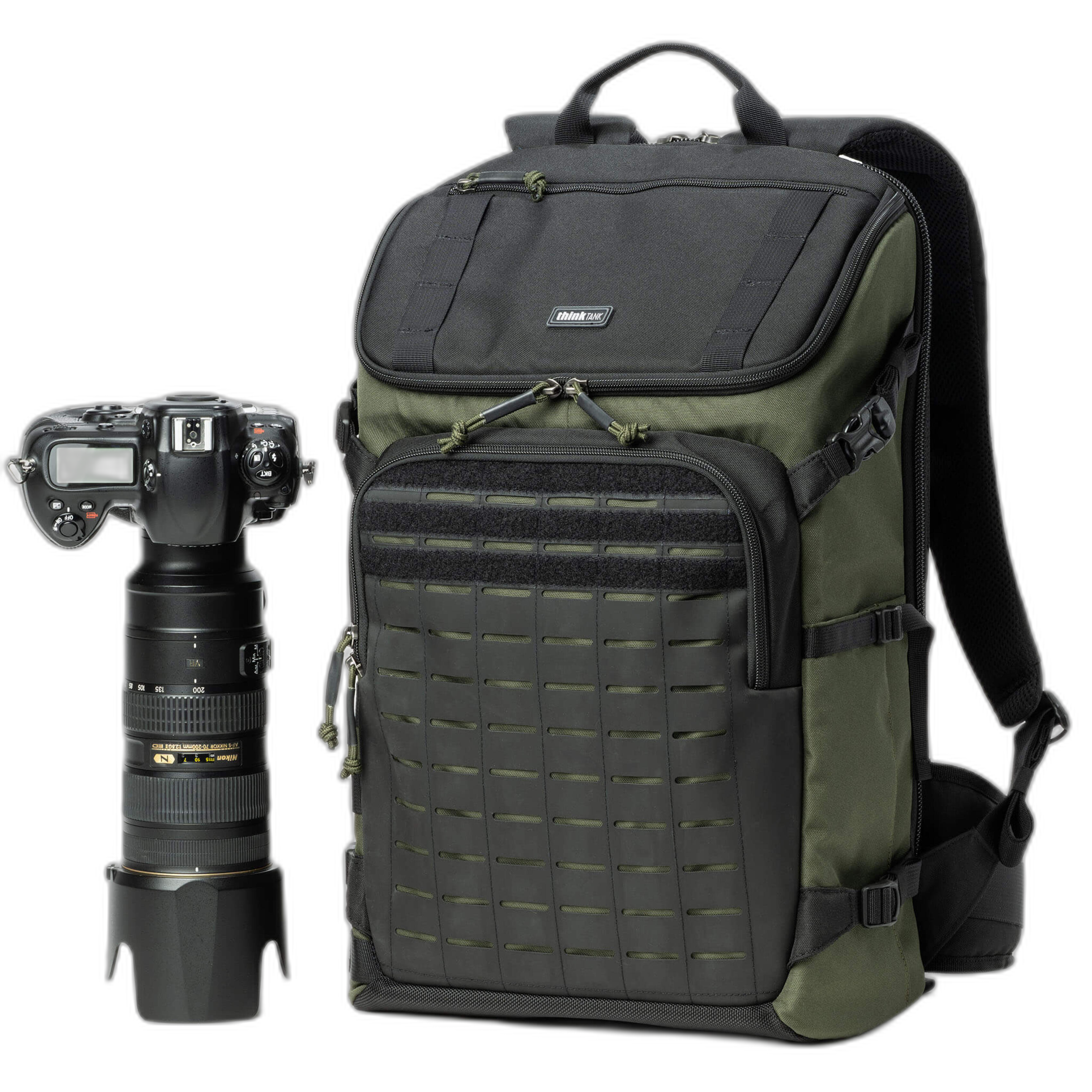
Organization matters just as much as weather resistance. A well-designed backpack helps keep gear sheltered, accessible, and separated. The Think Tank DarkLight 25L - Montane Green is a strong example of a field-friendly bag for photographers who need capacity, structure, and outdoor-ready portability for day shoots.
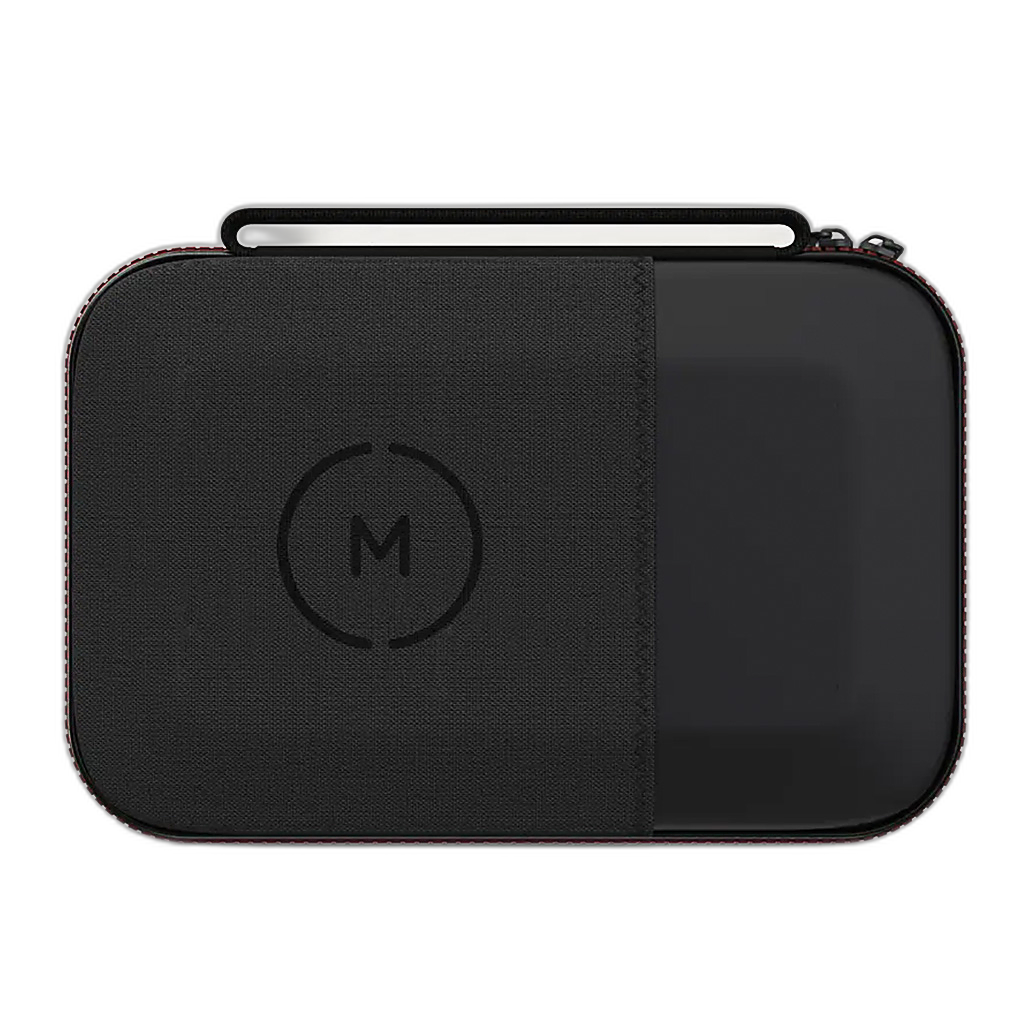
For specialized kits, dedicated cases can also help. Drone shooters, for instance, benefit from compartmentalized storage that keeps batteries, propellers, and accessories protected from bumps and debris. The Moment Rugged Drone Accessory Carrying Case is useful when you want more secure organization for outdoor aerial work.
What kind of camera bag works best for outdoor photography?
The best camera bag depends on how you shoot. For hiking, nature photography, and mixed-terrain travel, a backpack is usually the most practical choice because it distributes weight better and leaves your hands free. Look for a bag with a stable harness system, adaptable compartments, and enough room for layers, water, and personal essentials in addition to camera gear.
The Think Tank DarkLight 25L - Montane Green fits this need well for photographers who want a backpack that can transition from urban outings to trail-based sessions. If your outdoor work includes drones or compact accessories that need their own dedicated protection, pairing your main backpack with a smaller case like the Moment Rugged Drone Accessory Carrying Case can create a more organized and safer field kit.
Are tripods still must-have accessories for outdoor shoots?
Yes, for many photographers a tripod remains one of the most important outdoor accessories, even in the age of excellent image stabilization. A tripod is essential for sunrise and sunset landscapes, long exposures, waterfall photography, astrophotography, self-portraits, panoramas, and precise composition. It also helps reduce fatigue when you are waiting for the right light or wildlife moment.
When choosing a tripod for outdoor use, prioritize stability, packability, and weather-resistant construction. Carbon fiber models are popular because they are lighter for hiking, while aluminum options can be excellent for value-conscious shooters. Even if the perfect tripod choice depends on your camera system and terrain, the key is to avoid undersizing; a tripod that is too light or too flimsy can be frustrating in wind and uneven ground.
What accessories help content creators shoot outdoors more efficiently?
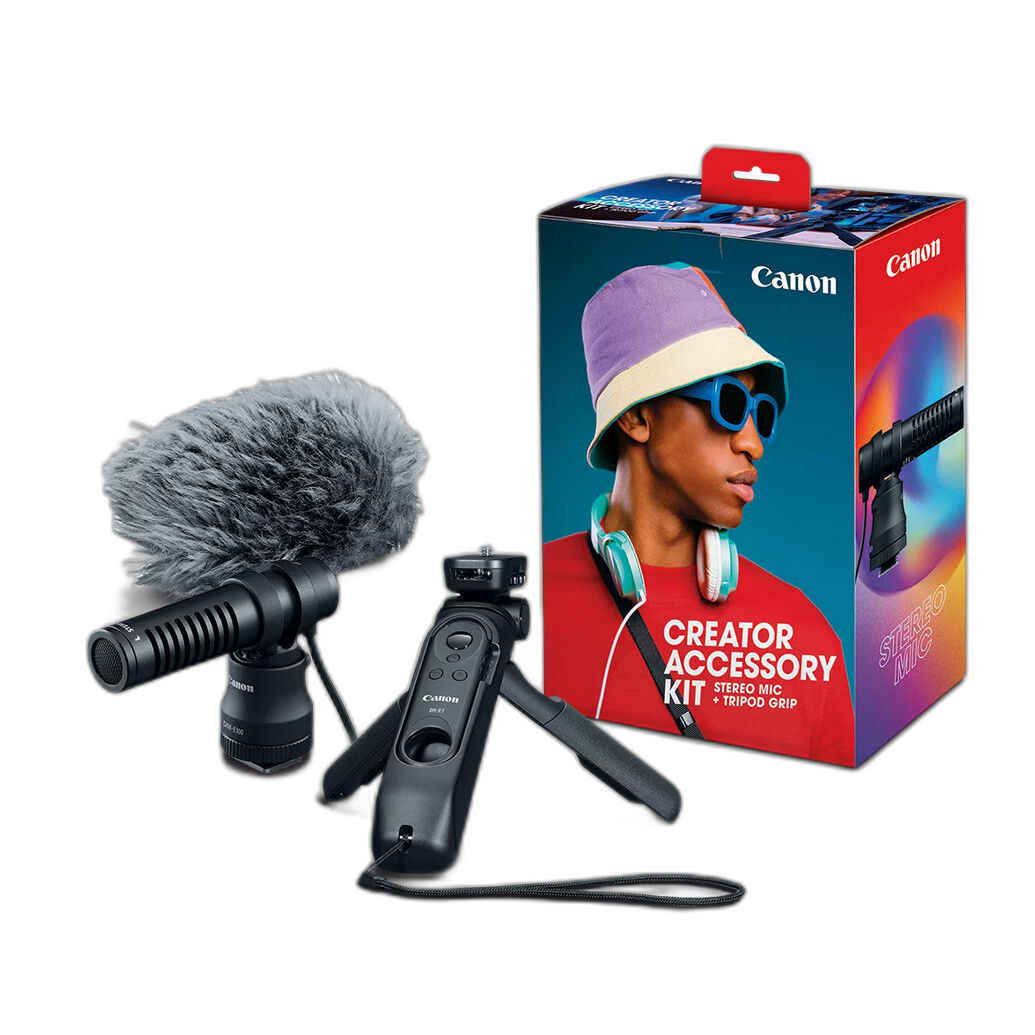
Outdoor photography increasingly overlaps with video, vlogging, and social content creation. If you shoot both stills and motion, accessory kits can simplify your workflow by bundling the basics you are likely to need in the field. The Canon Creator Accessory Kit is a good example for creators who want a more streamlined setup for filming, audio capture, or mobile-style production around a compatible Canon workflow.
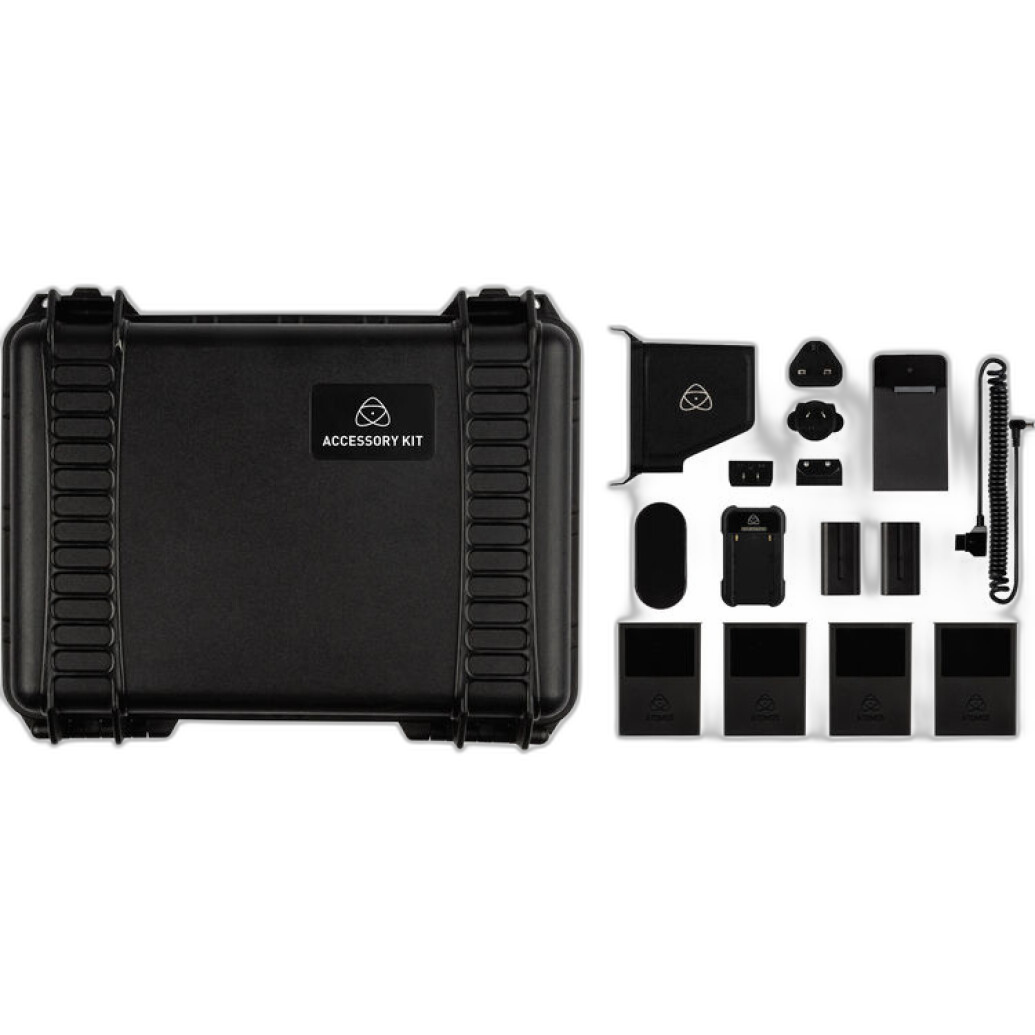
For monitor-based video production outdoors, dedicated accessory bundles can also be helpful. The Atomos Accessory Kit for 7in Shogun 7 Monitor supports a more complete monitoring setup for filmmakers who need to work more confidently on location.
How should I organize accessories for faster shooting in the field?
Field efficiency comes from keeping your most-used accessories easy to reach and your fragile items protected. Filters should live in dedicated sleeves or a protective pouch. Batteries, memory cards, cables, and cleaning tools should each have fixed locations in your bag so you can find them quickly without unpacking everything on the ground.
Many photographers divide gear by use case: capture tools in one section, power and media in another, and weather protection or cleaning items in a quick-access pocket. A structured backpack like the Think Tank DarkLight 25L helps support that kind of repeatable organization. If you use drones or compact camera accessories, a dedicated case like the Moment Rugged Drone Accessory Carrying Case keeps smaller items from getting lost in larger bags.
What should be in a basic outdoor photography accessory kit in 2024?
A well-rounded outdoor kit usually includes filters, a sturdy bag, cleaning tools, extra batteries, spare memory cards, and a tripod. Depending on your style of shooting, you may also want a compact monitor accessory kit, creator-focused accessories, or a dedicated case for drone gear and electronics.
For many photographers, a sensible starting point is a filter kit sized to their main lens, a protective backpack, and a few accessories that support their specific workflow. A Tiffen Photo Essentials Kit in the correct size, paired with a capable bag like the Think Tank DarkLight 25L, covers a lot of ground for landscape and outdoor shooting. Creators who blend photography and video can expand from there with options such as the Canon Creator Accessory Kit or the Atomos accessory bundle.
Choosing the right accessories is about making outdoor photography more reliable, more comfortable, and more creative. If you are building or upgrading your field kit, Unique Photo can help you find the right filters, carrying solutions, and creator accessories for your next adventure.