Choosing cine lenses for an indie film is always a balancing act between look, flexibility, crew size, and budget. In 2024, many filmmakers are building leaner productions that still need polished cinematic results, which makes lens selection more important than ever. Whether you are shooting a narrative short, music video, branded content piece, or documentary-style feature, the right cine zoom can simplify your kit while keeping your visual language consistent. Below are practical tips for selecting essential cine lenses for indie filmmaking, along with standout Canon options worth considering.
Start with a Versatile Midrange Zoom
1. Make your first cine lens the one that lives on the camera most often
For many indie productions, a midrange zoom is the smartest first investment because it covers interviews, walk-and-talk scenes, handheld work, and controlled narrative setups without constant lens swaps. A lens like the Canon CINE-SERVO 11-55MM Compact-Servo Cine Zoom Lens (Canon RF) is especially appealing for filmmakers who want cinema-style operation in a compact package. That focal range is highly practical for establishing shots, medium coverage, and tighter compositions in small locations where backing up is not always possible.
For owner-operators and small crews, a compact servo cine zoom can also speed up production days. You get more repeatable framing, smoother zoom control, and a workflow that feels more production-ready than still photo glass adapted for video.
Choose Zooms That Support Small-Crew Efficiency
2. Prioritize lenses that reduce downtime on set
Indie filmmaking often means moving fast, lighting quickly, and capturing multiple setups before losing the location. That is where cine zooms can outperform a bag full of primes. Instead of swapping lenses between every shot size, you can move fluidly from wide to medium to tight coverage while maintaining a consistent rendering style.
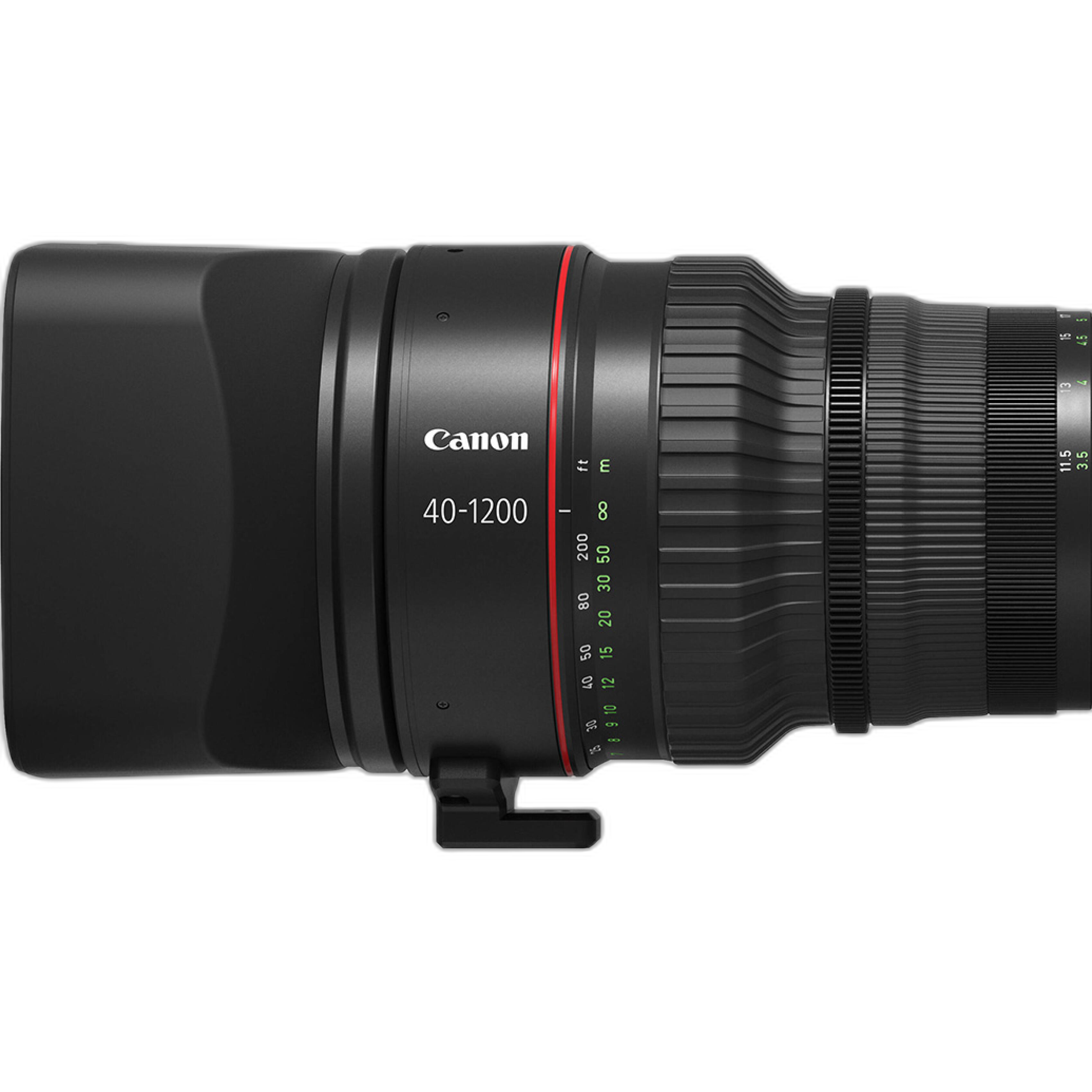
If your project demands an even broader focal range for specialty work, live capture, or second-unit production, the Canon CINE-SERVO 40-1200mm T5.0-10.8 Cinema Zoom Lens (ARRI PL) shows just how far modern cinema zoom design can go. While this lens is more specialized than the typical indie everyday option, it is a powerful example of how a single cine zoom can cover dramatic framing changes in documentary, wildlife, sports, and long-lens cinematic applications.
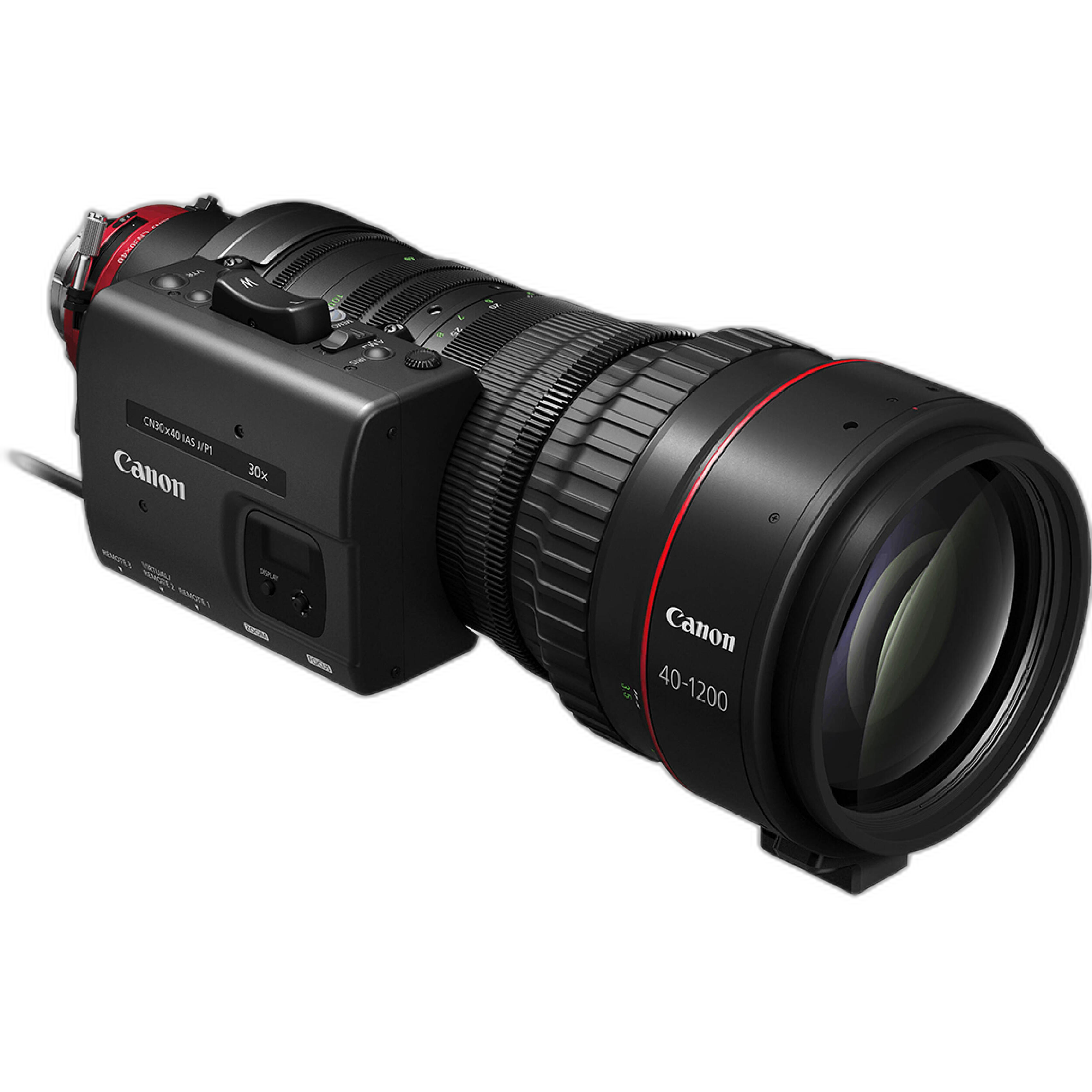
For RF-mount workflows, the Canon CINE-SERVO 40-1200MM T5.0-10.8 Cinema Zoom Lens (Canon RF) offers similar reach for productions built around Canon RF cinema systems. It is not the first lens most indie filmmakers will buy, but for niche productions that need extreme telephoto coverage without sacrificing cinema control, it can be a game-changing rental or production choice.
Match Your Lens Mount to Your Camera Strategy
3. Think about your camera ecosystem before you commit
Lens mount decisions affect your flexibility more than many filmmakers expect. If you are working with RF-based cinema bodies, choosing an RF-native cine lens can simplify your setup and reduce the need for adapters. If you are building around a PL ecosystem for broader compatibility across rental houses and cinema cameras, that path may make more sense for collaborative productions.
For example, the RF version of the long-range Canon CINE-SERVO platform is a natural fit for filmmakers standardizing around Canon RF. Productions working with more traditional cinema platforms may prefer the ARRI PL version for integration across multiple bodies and crews.
It also helps to think ahead: if your indie project may scale into commercial, documentary, or multicam work, investing in the right mount now can save money and frustration later.
Consider Servo Functionality for Real-World Production
4. A servo kit can be more valuable than it sounds on paper
Many indie filmmakers focus on focal length and speed first, but servo performance can be just as important in day-to-day shooting. Smooth zoom moves, repeatability, and easier operation during live takes are major advantages when your crew is small and every take matters.
The Canon CINE-SERVO 40-1200MM T5.0-10.8 Cinema Zoom Lens with SS-41 Servo Kit is a good reminder that bundled servo solutions can make setup and operation more efficient. If your productions include event cinema, documentary capture, or scenes where zooming during the shot is part of the language, a package with a dedicated servo kit may be the more production-friendly choice.
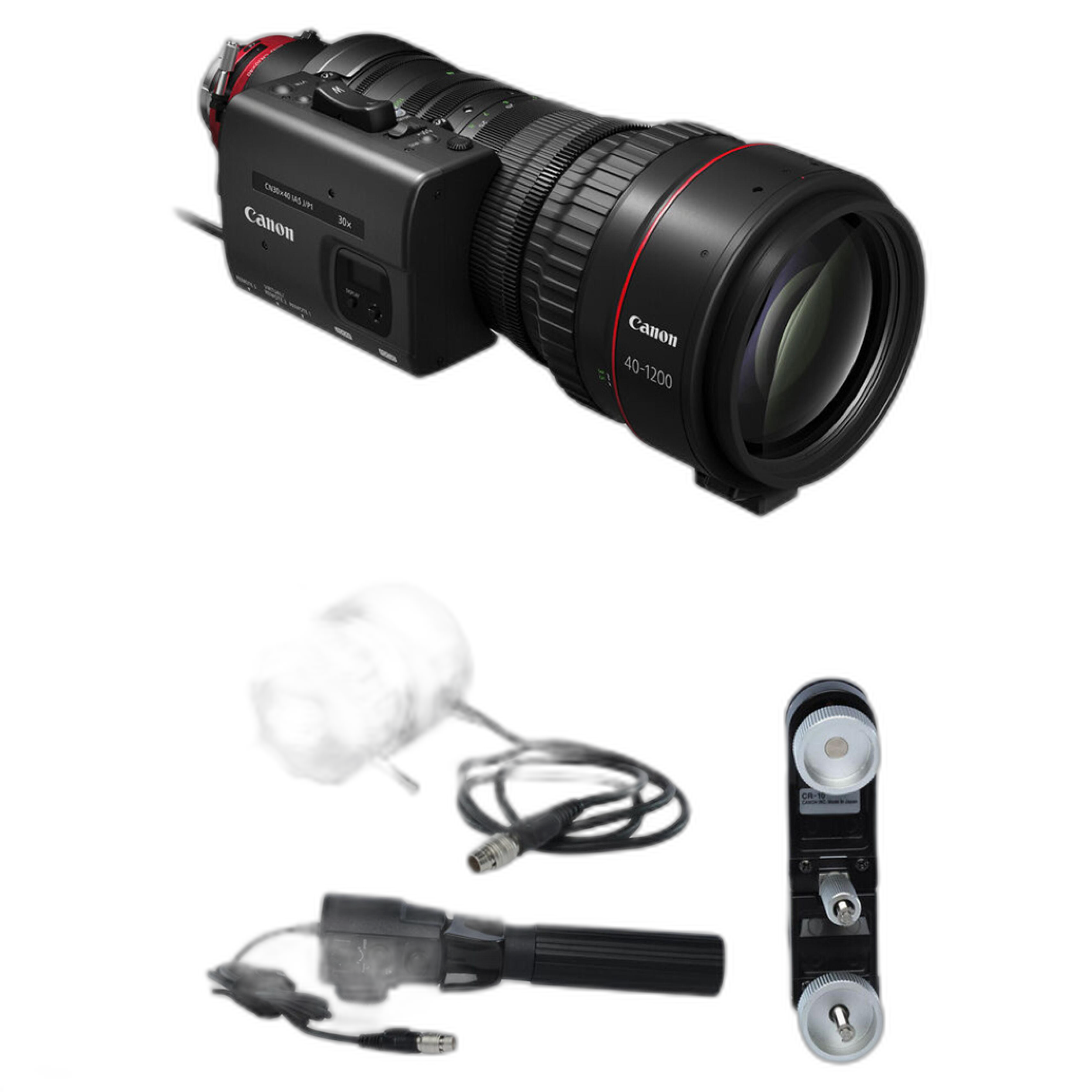
The RF-mount version, Canon CINE-SERVO 40-1200MM T5.0-10.8 Cinema Zoom Lens with SS-41 Servo Kit, is similarly worth a look for crews that want native integration with RF systems while keeping servo-assisted control in the package.
Build Your Lens Kit Around the Stories You Actually Shoot
5. Narrative, documentary, and commercial work all need different lens priorities
It is easy to chase the most impressive specs, but your ideal cine lens depends on your shooting style:
- Narrative shorts and features: A compact midrange zoom is often the most useful foundation, especially for interiors and controlled dialogue scenes.
- Documentary and run-and-gun projects: Servo operation and a flexible zoom range matter more than carrying several primes.
- Live performance, sports, or wildlife inserts: Long-range cine zooms become much more relevant, especially when camera position is limited.
- Commercial and branded content: A clean, repeatable cine workflow with professional zoom control can help productions move faster and maintain consistency.
If most of your shoots involve smaller crews, tighter spaces, and fast setups, the 11-55mm class is likely more essential. If your work includes specialty capture, multicam events, or high-reach visuals, the 40-1200mm class may be a smart rental or advanced addition.
Pair Cine Lenses with a Camera Body That Supports Your Growth
6. Your lens choice should make sense with the camera package around it
Even a great lens performs best when it is part of a balanced cinema setup. Indie filmmakers stepping into higher-end production may be pairing lenses with ambitious camera systems for commercial work, premium shorts, or future-proofed acquisition.
The RED Digital Cinema V-RAPTOR XE Cine Essentials Pack (Nikon Z) is one example of a modern cinema package built for serious production flexibility. While your lens mount and adapter strategy will define compatibility, it is useful to think about how your lenses will scale with higher-end bodies as your projects grow.
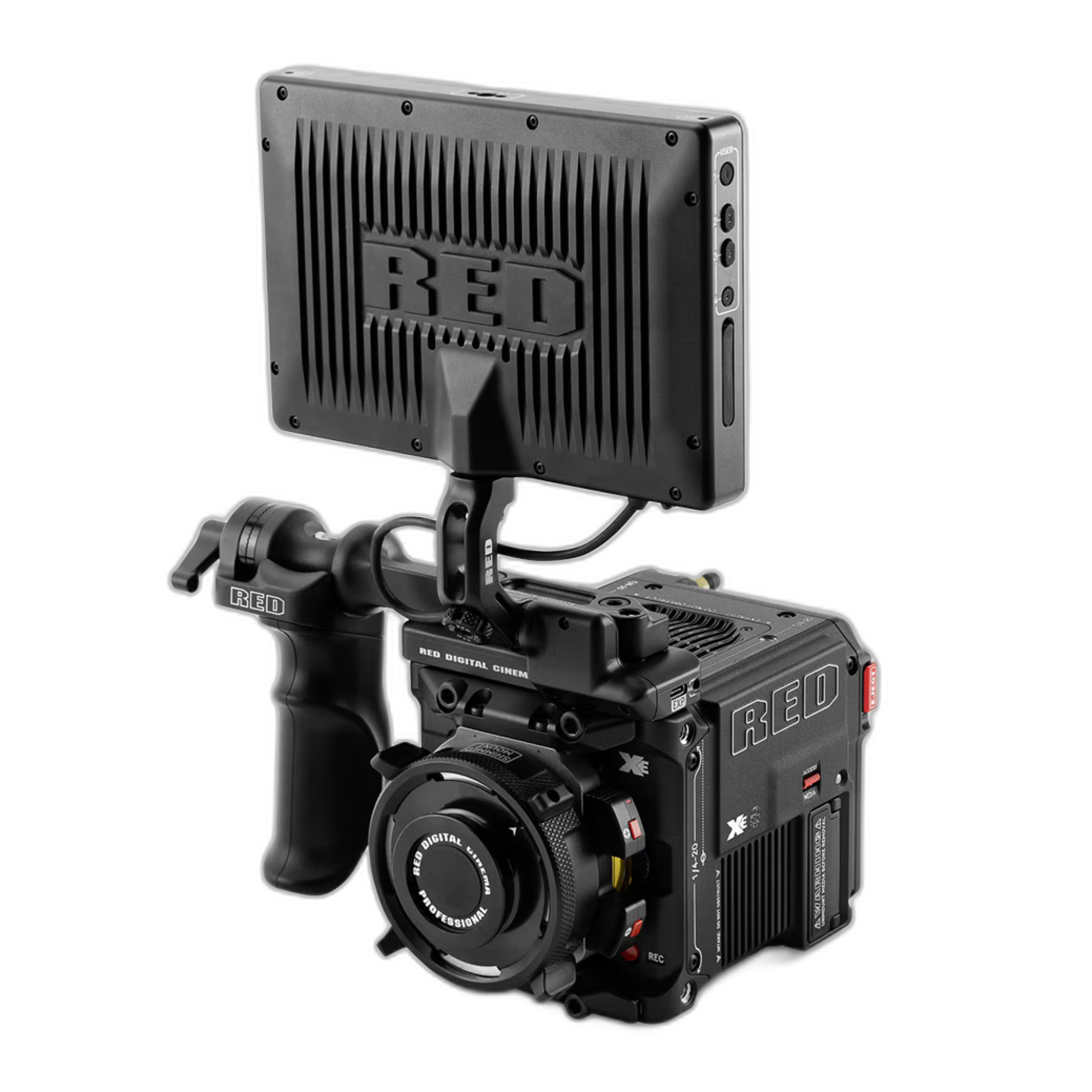
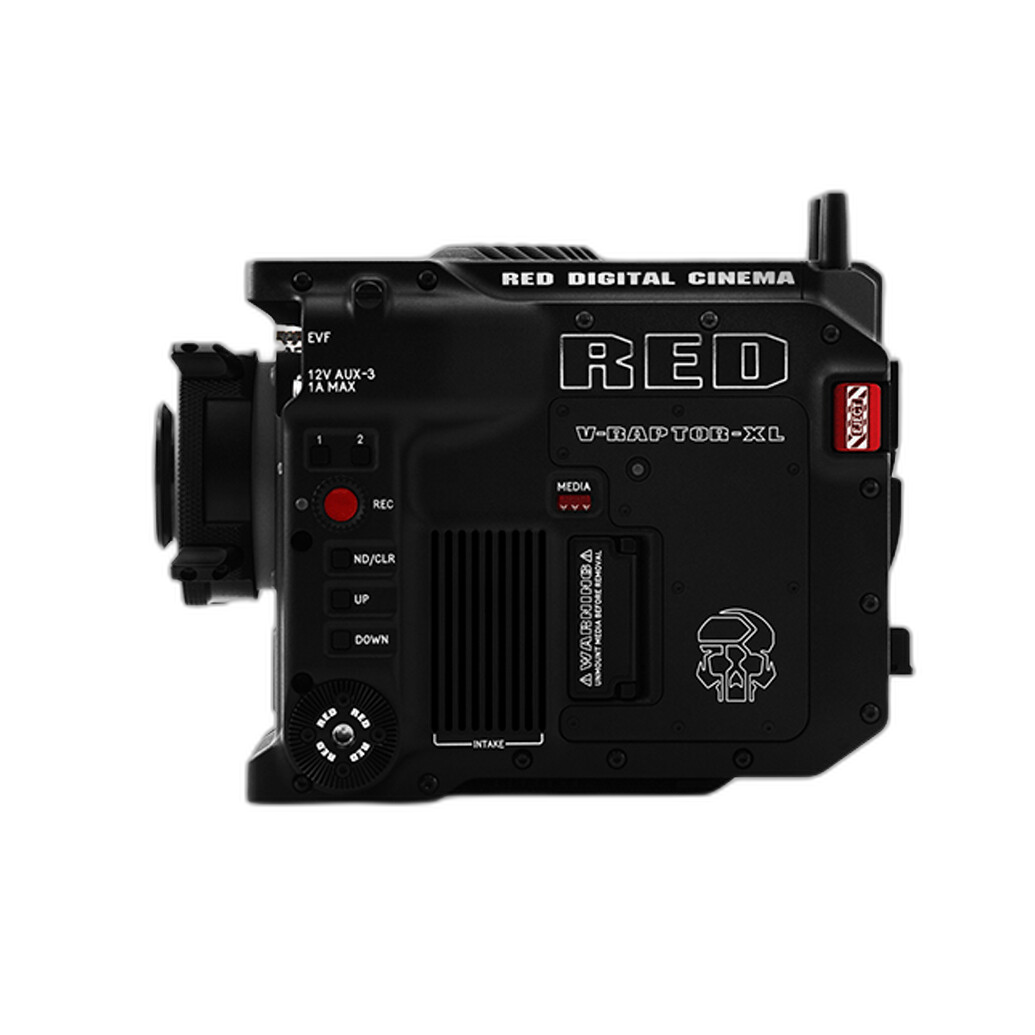
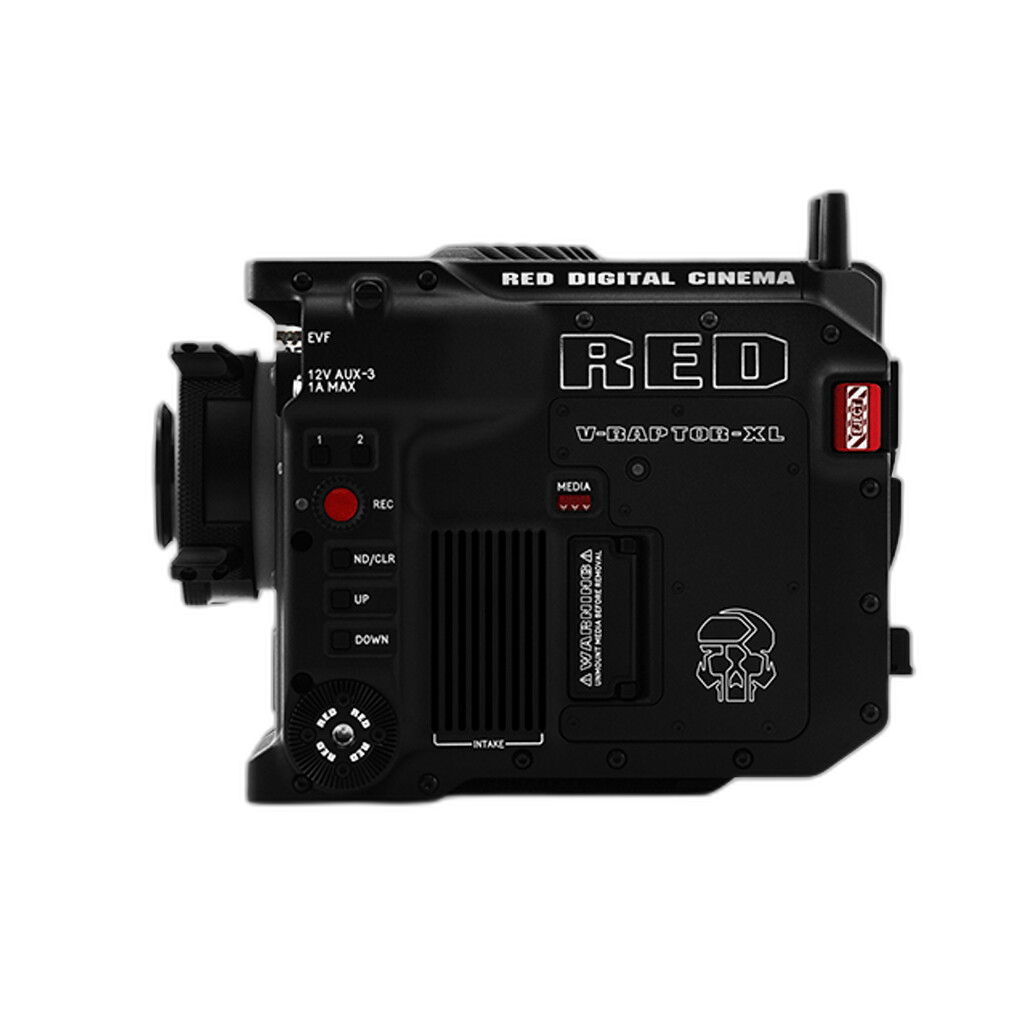
Likewise, cameras like the RED DIGITAL CINEMA V-RAPTOR XL 8K VV Cinema Camera (V-Lock) and RED DIGITAL CINEMA V-RAPTOR XL 8K VV Cinema Camera (Gold Mount) show the level of professional production environment many indie filmmakers aspire to. Even if those systems are rental choices today, selecting cine lenses with long-term compatibility in mind can make your kit more sustainable.
Think in Terms of One Core Lens and One Specialty Lens
7. A two-lens strategy is often enough for indie work
Instead of trying to build a huge lens set immediately, many filmmakers are better served by choosing:
- One core everyday cine zoom for most scenes and production days
- One specialty lens for the kind of work that defines their creative niche
For example, an indie filmmaker could use the Canon CINE-SERVO 11-55MM Compact-Servo Cine Zoom Lens (Canon RF) as the primary narrative and handheld lens, then rent or add a longer CINE-SERVO option when a project calls for extreme reach. This approach keeps the kit practical while still allowing room to scale.
Conclusion
The best cine lens for indie filmmaking in 2024 is not necessarily the most expensive or the most exotic. It is the one that helps you move faster, shoot more confidently, and support the kinds of stories you actually tell. For many filmmakers, that means starting with a flexible compact cine zoom and expanding into specialty lenses only when the project truly demands it. If you are ready to refine your cinema kit, Unique Photo is a great place to explore professional lens and camera options for your next production.