If you love photographing mountains at sunrise, coastlines at golden hour, or forests filled with layered detail, this guide is for you. Tack sharp landscape images come from more than just owning a good camera—they depend on smart lens choices, stability, focus technique, exposure control, and a careful approach to light. Below, we’ll break down the practical settings and shooting habits that help you maximize detail, then recommend a few useful tools and learning resources available at Unique Photo to help refine your landscape workflow.
What Makes a Landscape Look Truly Sharp?
Sharp landscape photography is a combination of several factors working together:
- A strong lens or optical setup with good edge-to-edge performance
- The right aperture, often avoiding extremes like wide open or very small apertures
- Stable support and vibration control
- Precise focusing, often using live view magnification or careful autofocus placement
- Clean exposure technique, especially in changing light
- Atmospheric awareness, since haze, wind, and heat shimmer can soften detail
For many landscape shooters, sharpness starts with using a lens in its optimal aperture range—commonly around f/8 to f/11 on many systems—while keeping ISO low and shutter release steady. Just as important, filters can help balance bright skies and darker foregrounds so you don’t have to compromise image quality in post.
Best Camera Settings for Tack Sharp Landscapes
Before diving into gear recommendations, it helps to establish a few reliable shooting settings:
- Use base ISO whenever possible for maximum detail and dynamic range.
- Choose a mid-range aperture like f/8 or f/11 for strong overall sharpness.
- Avoid unnecessary diffraction by not defaulting to f/16 or f/22 unless depth of field truly demands it.
- Focus carefully about one-third into the scene or use live view to focus on the most critical subject area.
- Use a timer, remote release, or electronic shutter when possible to reduce camera shake.
- Turn off stabilization on a tripod-mounted setup if your camera or lens manufacturer recommends it.
If foreground-to-background sharpness is difficult in one frame, focus stacking can be more effective than stopping down too far. This is especially useful when shooting with close foreground elements and distant horizons.
Lenses, Filters, and Tools That Help Landscape Images Stay Sharp
While no single accessory creates sharpness on its own, certain tools make it much easier to control exposure and preserve fine detail. Filters are among the most useful for landscape photographers because they help manage contrast in bright outdoor conditions without forcing awkward compromises in aperture or shutter speed.
LEE Filters LEE100 Landscape Kit
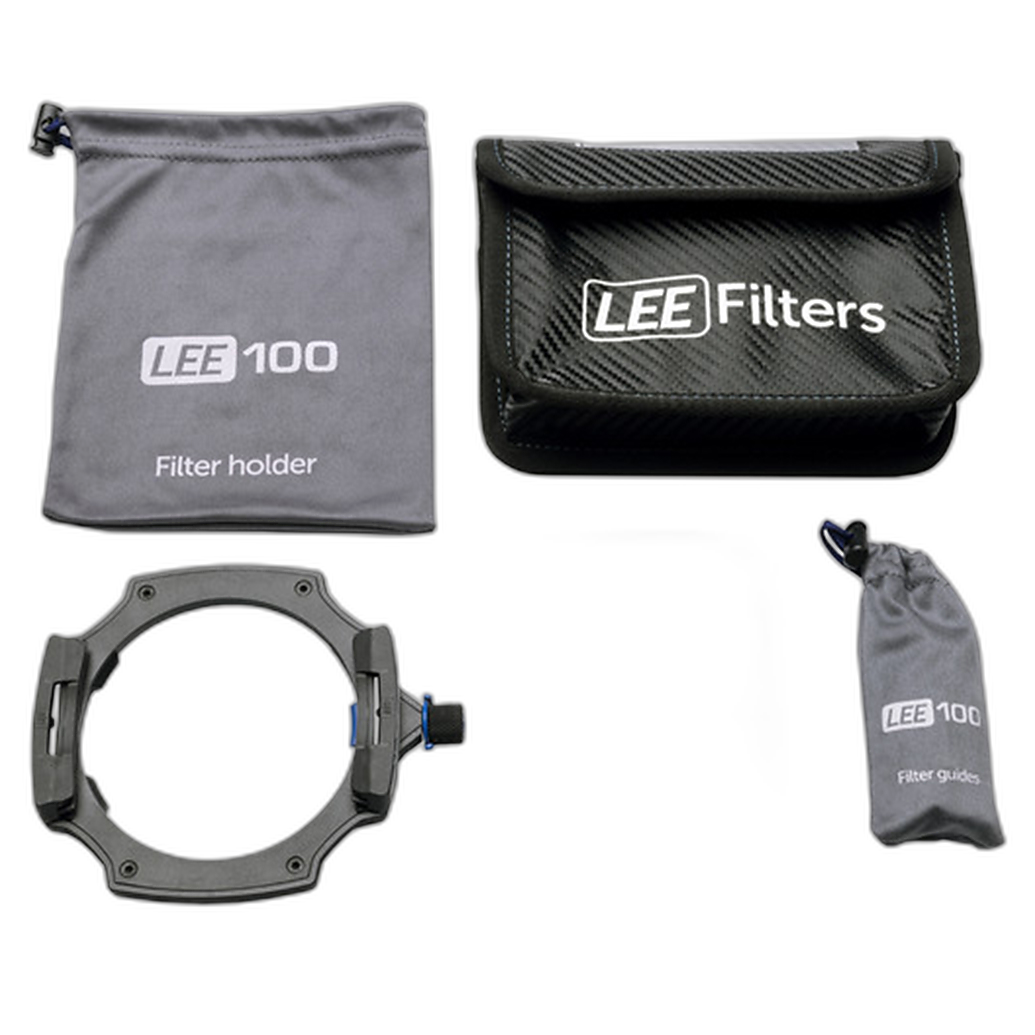
The LEE Filters LEE100 Landscape Kit is one of the most practical additions for serious landscape work. A quality filter system helps you control bright skies, reflections, and contrast at capture, which can preserve cleaner files and more natural-looking detail. For photographers chasing tack sharp results, that matters because balanced exposures reduce the need for aggressive recovery in post-processing.
This type of kit is especially valuable for sunrise and sunset scenes, seascapes, waterfalls, and mountain vistas where the sky can easily overpower the land. By keeping highlights under control, you can stay at your preferred low ISO and sharp aperture settings rather than making quality sacrifices to handle difficult light.
Best for: Landscape photographers who want better exposure control in the field.
Why it stands out: A dedicated landscape filter system is one of the smartest upgrades for photographers looking to improve image quality at capture rather than relying entirely on editing.
Our Pick: If you’re building a serious landscape kit, this is the standout accessory recommendation in this guide.
Art Science Craft of Great Landscape Photo - Glenn Randall
Technique is often more important than gear, and Art Science Craft of Great Landscape Photo is an excellent resource for photographers who want to better understand the decision-making behind strong landscape images. Sharpness is not just technical—it’s also about how you read the scene, choose depth of field, and handle the relationship between light and detail.
This book is a smart recommendation for anyone who wants to move beyond basic settings and better understand what makes landscapes visually compelling and technically refined.
Best for: Photographers ready to improve both technical skill and artistic judgment.
Rocky Nook - Light on the Landscape by William Neill
Even the sharpest file can fall flat without great light. Light on the Landscape focuses on seeing and using light more effectively, which is a huge part of producing landscape photos that feel crisp, dimensional, and intentional. Better light often means less atmospheric haze, more texture, and stronger perceived sharpness.
For many photographers, learning when not to shoot is just as important as learning the right settings. This book helps sharpen that instinct.
Best for: Landscape shooters who want to improve timing, mood, and visual impact.
Rocky Nook - The Landscape Photography Book by Scott Kelby

If you want practical, accessible instruction, The Landscape Photography Book is a helpful guide for building a repeatable field workflow. It’s especially useful for photographers who want straightforward advice on settings, composition, and common landscape mistakes.
For newer landscape photographers, this kind of resource can shorten the learning curve dramatically and help turn inconsistent sharpness into more reliable results.
Best for: Beginners and intermediate shooters who want clear, actionable landscape tips.
Comparison Table
| Product | Type | Best For | Why It Helps with Sharp Landscapes |
|---|---|---|---|
| LEE Filters LEE100 Landscape Kit | Filter System | Field exposure control | Helps manage bright skies and contrast so you can preserve detail and use ideal settings. |
| Art Science Craft of Great Landscape Photo | Book | Technical and creative development | Builds understanding of how technique, observation, and optics work together. |
| Light on the Landscape | Book | Improving use of natural light | Better light often creates more texture, separation, and perceived sharpness. |
| The Landscape Photography Book | Book | Practical field guidance | Offers straightforward workflow advice for getting more consistent results. |
Our Pick
LEE Filters LEE100 Landscape Kit
Among the products in this guide, the LEE100 Landscape Kit is the clearest gear upgrade for photographers focused on tack sharp landscapes. It directly improves how you handle difficult outdoor light, helping you maintain cleaner files, lower ISO settings, and stronger detail retention in high-contrast scenes.
Field Techniques That Matter Just as Much as Gear
- Use a sturdy tripod whenever light drops or precision is critical.
- Check focus at high magnification instead of trusting the rear screen at normal view.
- Watch the corners when composing with ultra-wide lenses, since edge sharpness can vary.
- Clean your front element and filters before shooting into low-angle light.
- Bracket exposures when needed rather than pushing one file too hard.
- Shoot when the air is clear, especially for distant mountain scenes where atmosphere reduces clarity.
One overlooked reality is that environmental conditions can matter more than expensive equipment. Wind can blur foliage, moving water can soften micro-detail, and heat shimmer can ruin a distant landscape even at perfect focus.
Do You Need a Special Landscape Lens?
A dedicated landscape lens can help, but the most important qualities are strong optical performance, good corner sharpness, and a focal length that matches your vision. Wide-angle lenses are popular, but landscapes don’t always need to be ultra-wide. Normal and short telephoto lenses can often produce sharper-looking, more layered compositions by simplifying the scene and reducing edge distortion.
If you’re shopping for lenses in general, prioritize:
- Strong center and edge sharpness
- Minimal field curvature
- Good flare control
- Reliable manual focus handling or precise autofocus
- Compatibility with filters if you shoot outdoors frequently
Conclusion
Tack sharp landscape photography comes from a combination of smart settings, patient technique, and the right accessories. Start with low ISO, a sharp mid-range aperture, stable support, and precise focusing. Then add tools that make outdoor shooting easier—especially a quality filter setup like the LEE Filters LEE100 Landscape Kit. If you also want to build your skills behind the camera, the recommended Rocky Nook books are excellent companions for improving consistency and creative judgment.
For photographers ready to upgrade their landscape workflow, Unique Photo is a great place to shop for the tools and educational resources that help turn good scenery into truly crisp, detailed images.