When you’re shooting solo, audio has to be fast, reliable, and easy to manage without a dedicated sound person. The best run-and-gun setups keep your rig light while giving you enough flexibility to handle interviews, quick standups, ambient sound, and unpredictable locations. If you’re deciding between on-camera mics, wireless systems, or compact adapters, here are some practical tips to help you build an audio kit that actually works in the field.
Start with the fastest mic you can trust
1. Use an on-camera shotgun when speed matters most
If your priority is staying mobile, an on-camera shotgun is often the simplest solution. A compact option like the Used Sony ECM-B1M Shotgun Microphone - Excellent Condition can be a smart fit for solo shooters who want to keep setup time to a minimum and avoid extra cables hanging off the camera. For fast-moving documentary clips, walk-and-talk coverage, or quick B-roll with natural sound, an on-camera shotgun keeps your workflow lean.
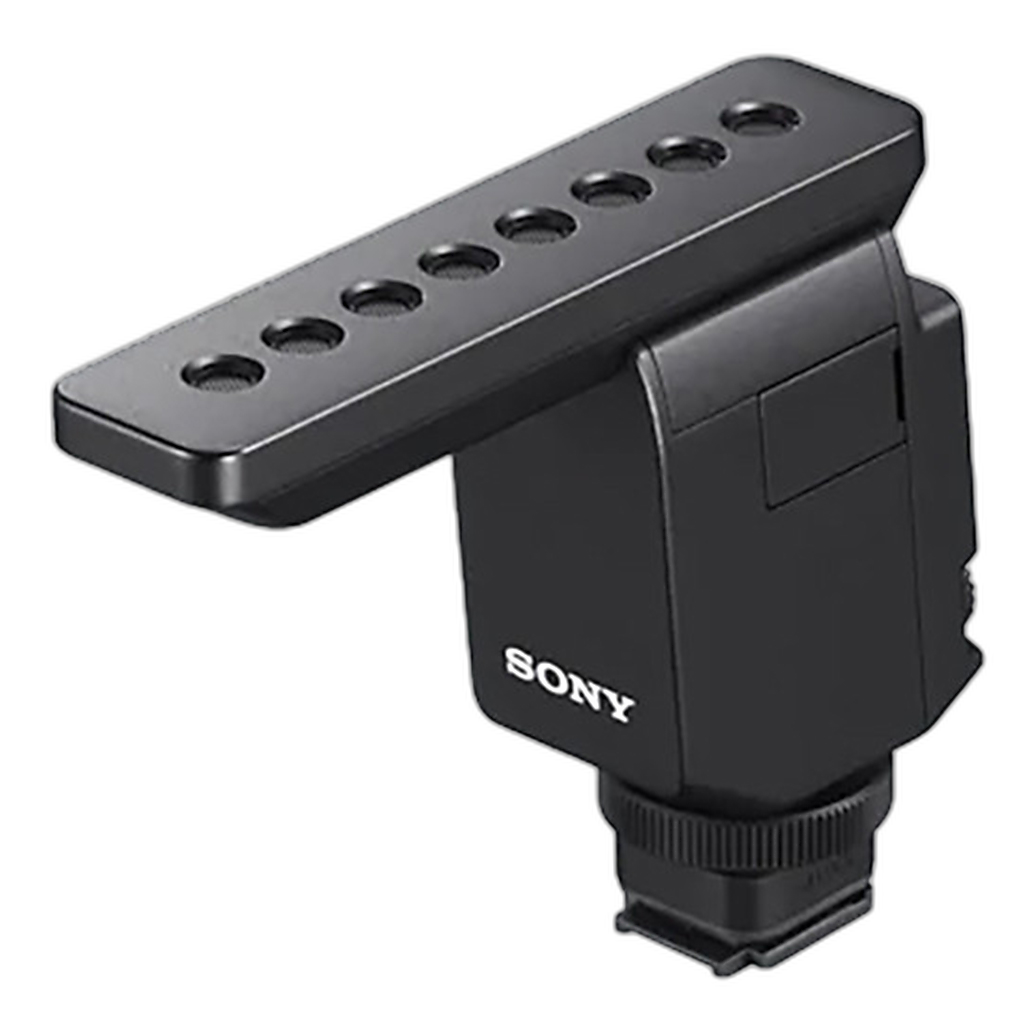
Just remember that convenience comes with limits: on-camera mics sound best when your subject is relatively close. If you’re filming from several feet away in a noisy environment, you’ll want a stronger dialogue-focused option.
For cleaner dialogue, go wireless
2. Lavalier systems are often the best solo-shooter upgrade
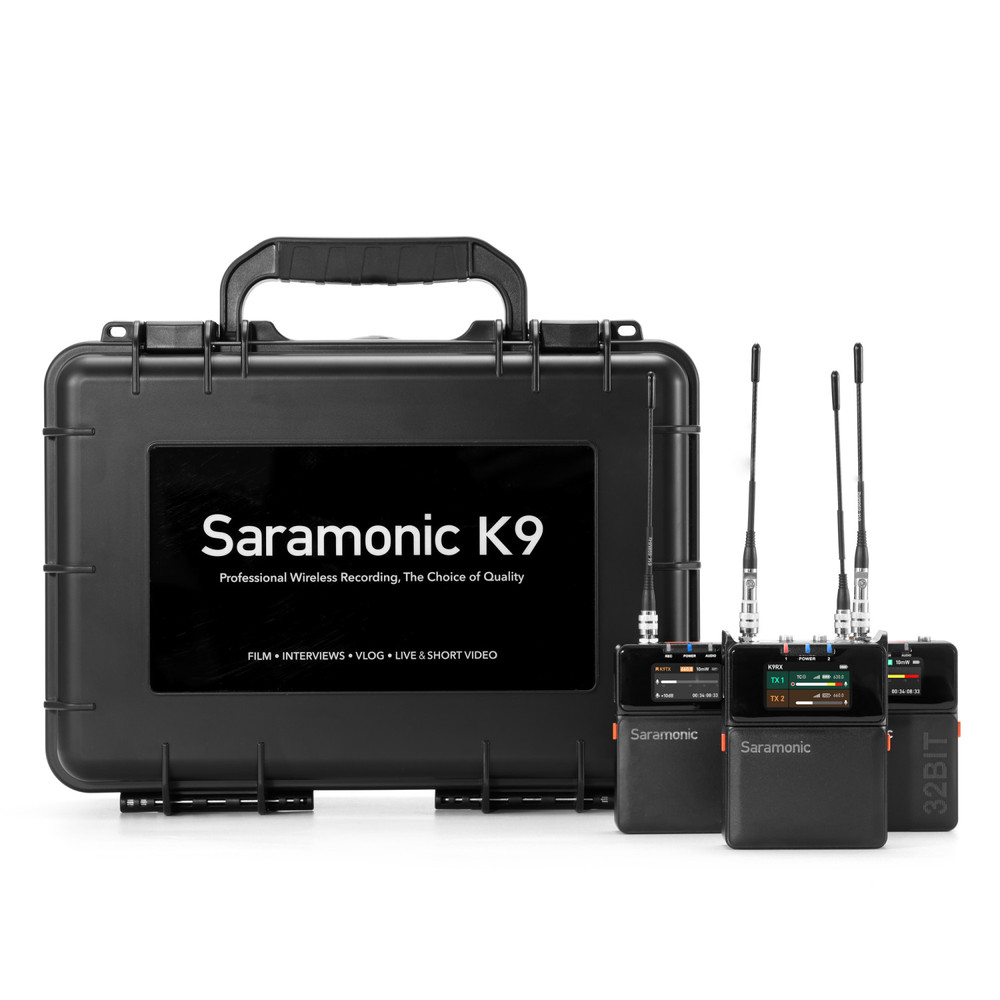
When clear speech is the priority, a wireless lav system usually beats an on-camera mic. The Saramonic K9-US Professional Dual Digital UHF Wireless Mic System makes a lot of sense for solo run-and-gun work because it gives you flexibility for interviews, presenters, and two-person setups without dramatically slowing you down. A dual-channel wireless system is especially useful if you’re filming both your subject and occasional host commentary.
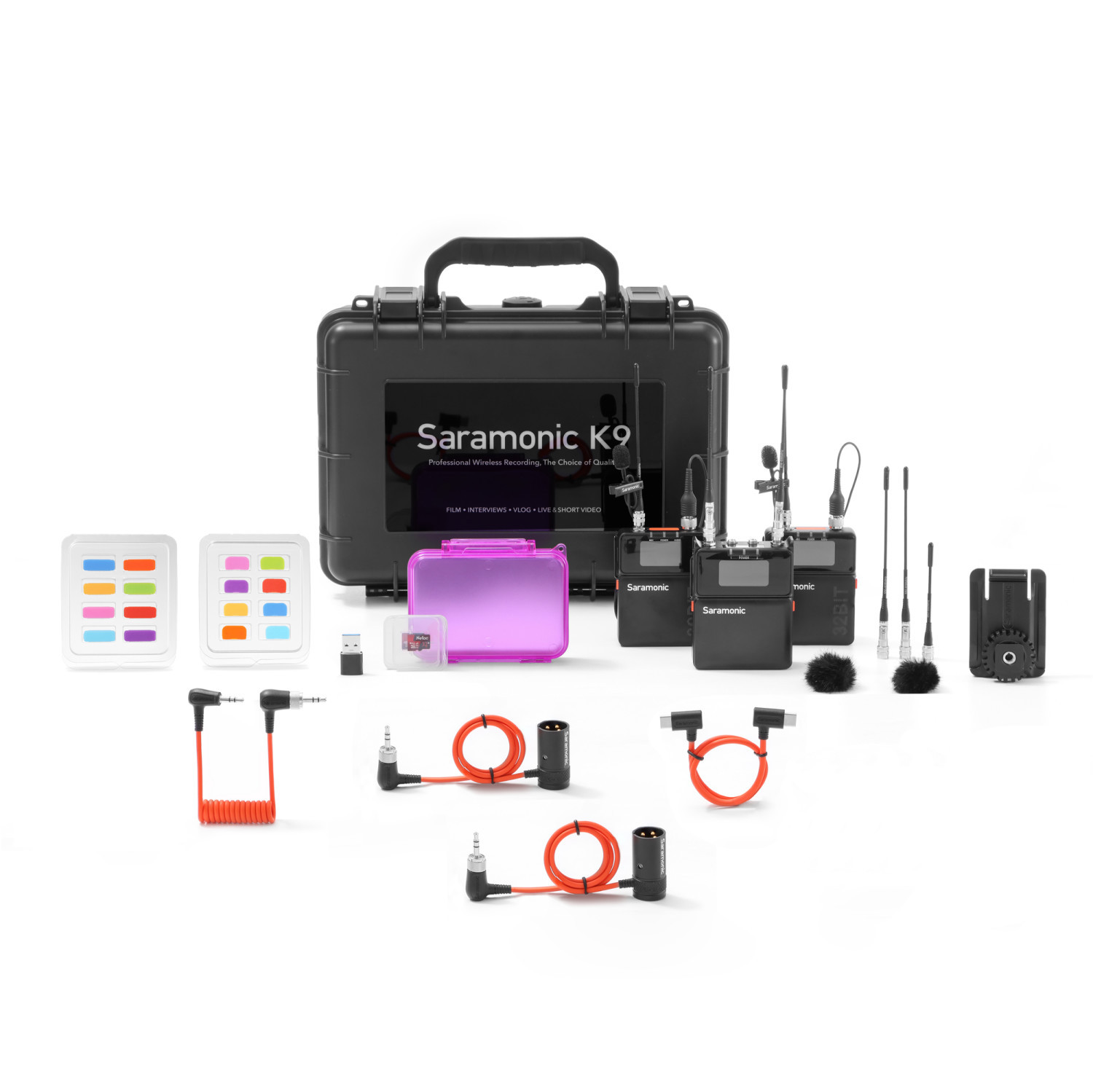
Clip the lav, do a quick level check, and you’re ready to move. That’s hard to beat when you’re working alone. If you frequently shoot street interviews, events, or branded social content, this style of system can become the backbone of your audio kit.
3. Dual-channel wireless helps you stay ready for unexpected interviews
Solo videographers often don’t know exactly who will be on camera next. A dual-channel setup like the Saramonic K9-US Professional Dual Digital UHF Wireless Mic System gives you room to mic two people without rebuilding your rig between takes. That can save valuable time during weddings, event coverage, corporate testimonials, or fast-paced behind-the-scenes shoots.
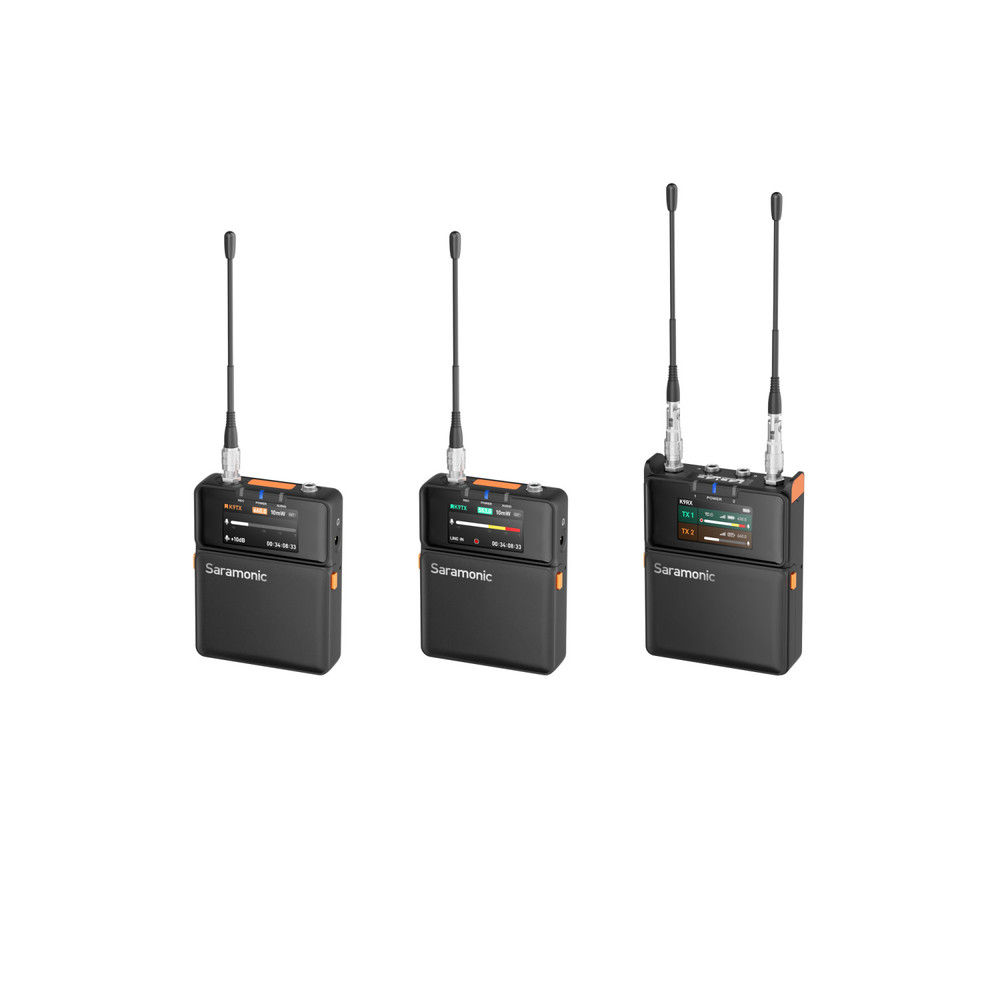
Even if you usually record only one person, having the second channel available gives your setup more longevity.
Keep a shotgun in the kit for backup and directional pickup
4. A traditional shotgun is still useful for controlled run-and-gun moments
Wireless lavs are great, but a shotgun mic still earns its place in a solo kit. The Used Sennheiser Shotgun Microphone System - Good is worth considering if you want more directional pickup for sit-down interviews, quick indoor setups, or scenes where placing a lav isn’t practical. A shotgun can also serve as your backup plan if wireless frequencies get crowded or talent doesn’t want to wear a mic.
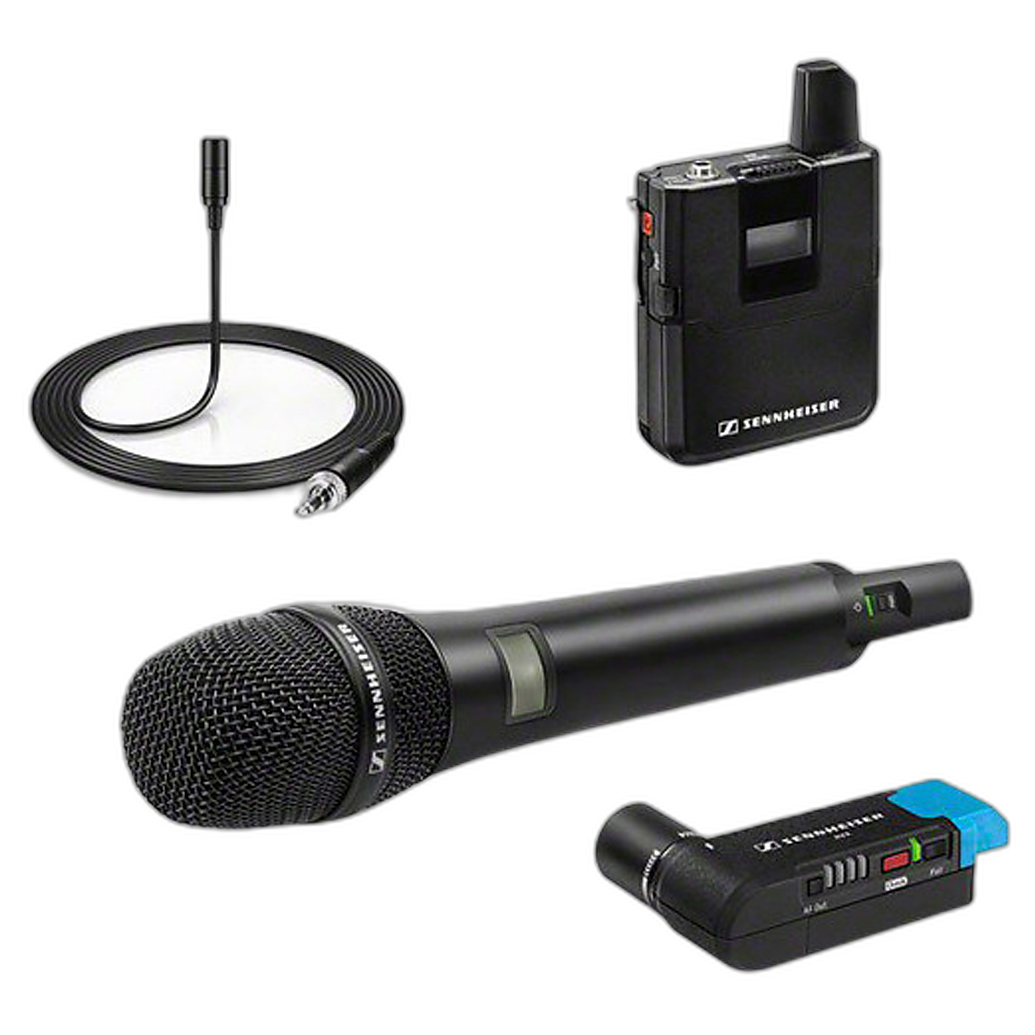
For the solo shooter, backup options matter. Audio problems are much harder to fix than visual ones, so having both a wireless solution and a directional mic is often the safest approach.
Expand inputs without overcomplicating your rig
5. Add a compact adapter when you need more control
If your camera setup needs better input management, a small audio adapter can make a big difference. The Saramonic SR-AX100 - 2-Channel Passive Audio Adapter is helpful for solo operators who want to connect multiple mics or better organize audio sources without carrying a full mixer. It’s a practical middle ground between a basic direct-to-camera connection and a larger field audio bag.
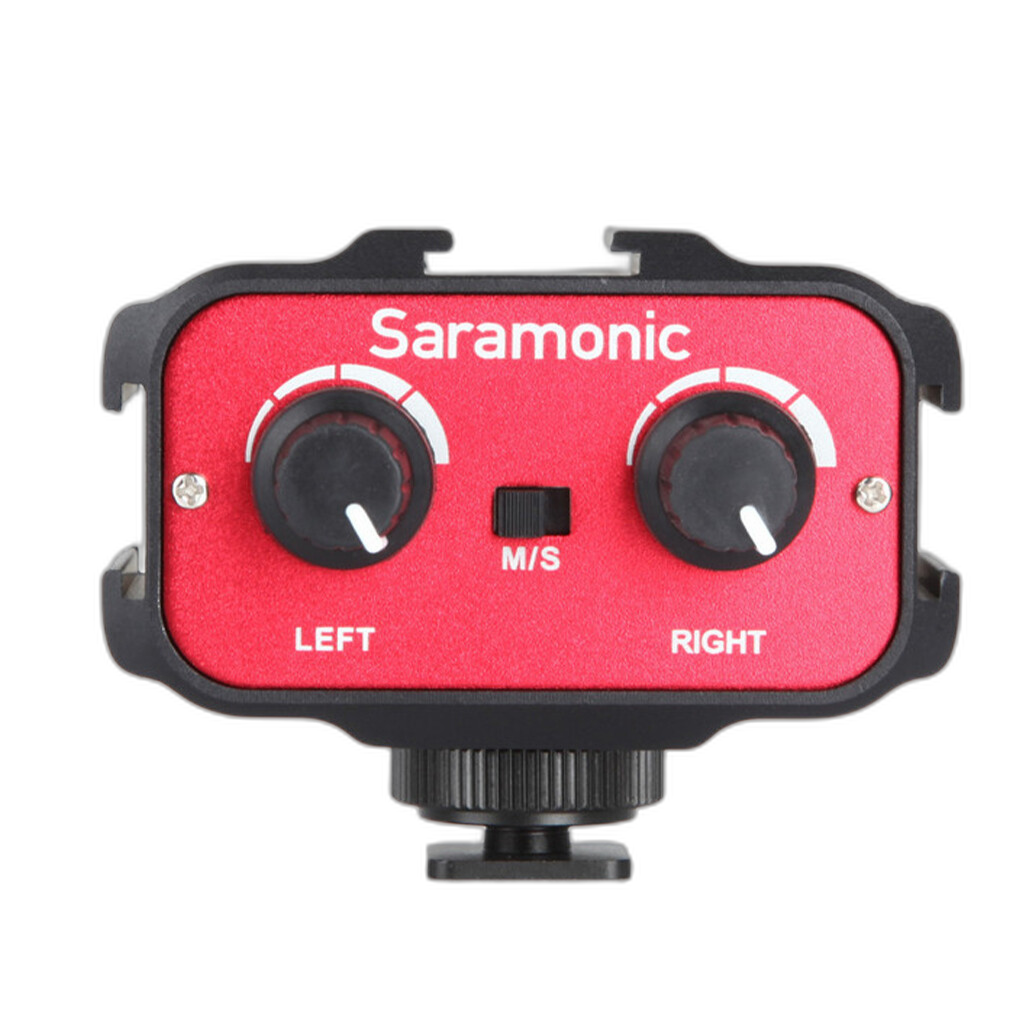
This kind of adapter is useful when combining a shotgun and a wireless receiver, or when you want simpler physical access to controls while keeping your camera package compact. For many one-person crews, that balance of portability and control is exactly what makes a setup sustainable.
6. Build a simple audio chain you can troubleshoot quickly
The more complex your rig becomes, the easier it is to miss a cable issue or level problem. Keeping your signal path simple is one of the best run-and-gun habits you can develop. A camera, one reliable mic or wireless system, headphones, and a compact adapter like the Saramonic SR-AX100 - 2-Channel Passive Audio Adapter can be much more effective than an overbuilt setup that slows you down.
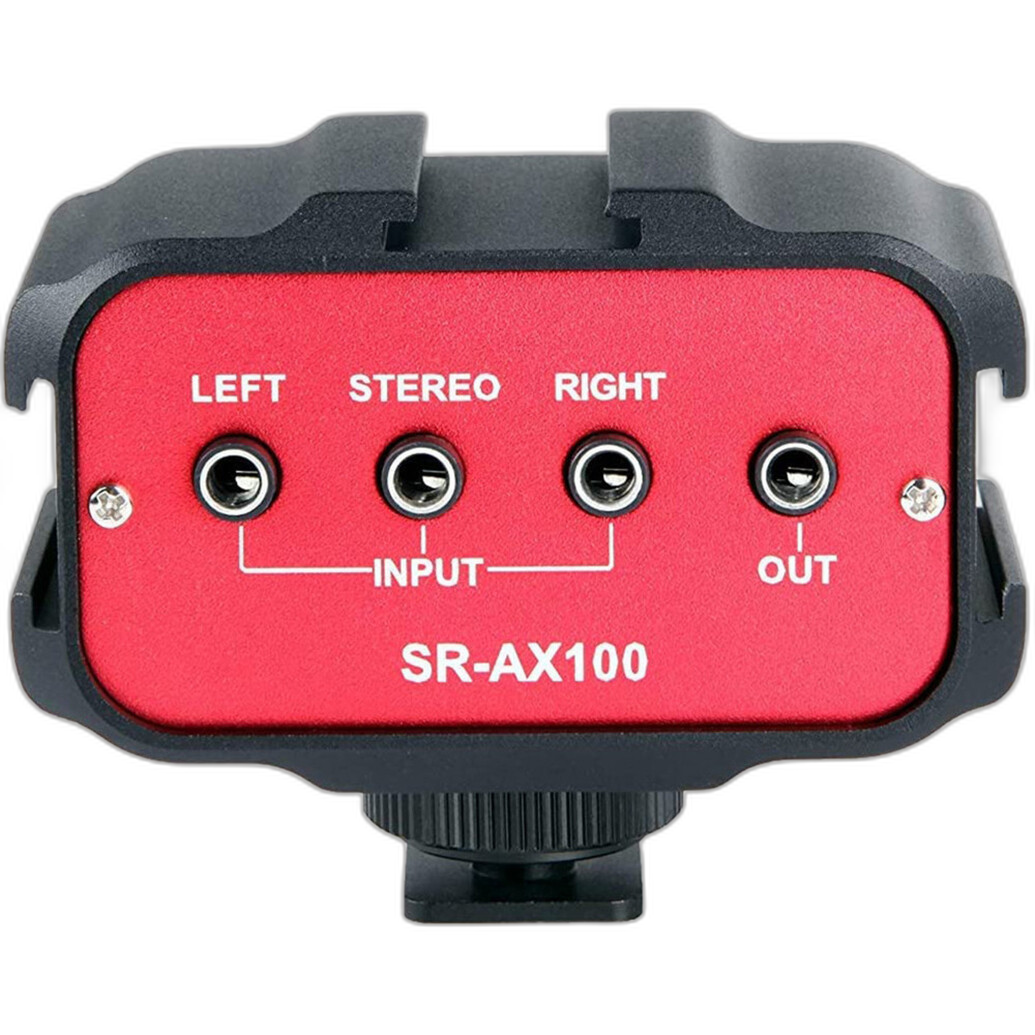
Before each shoot, test your chain exactly as you plan to use it in the field. Solo operators benefit from consistency more than complexity.
Don’t overlook smartphone-friendly kits
7. A phone-based setup can be the right run-and-gun solution
Not every solo video project needs a larger camera rig. If you’re creating quick vertical content, travel clips, or social-first video, the Rode Vlogger Kit Universal Filmmaking Kit for Smartphones with 3.5mm Ports is a practical option that keeps your setup light and approachable. For creators who work fast and publish often, a mobile audio kit can make more sense than carrying a bigger system all day.
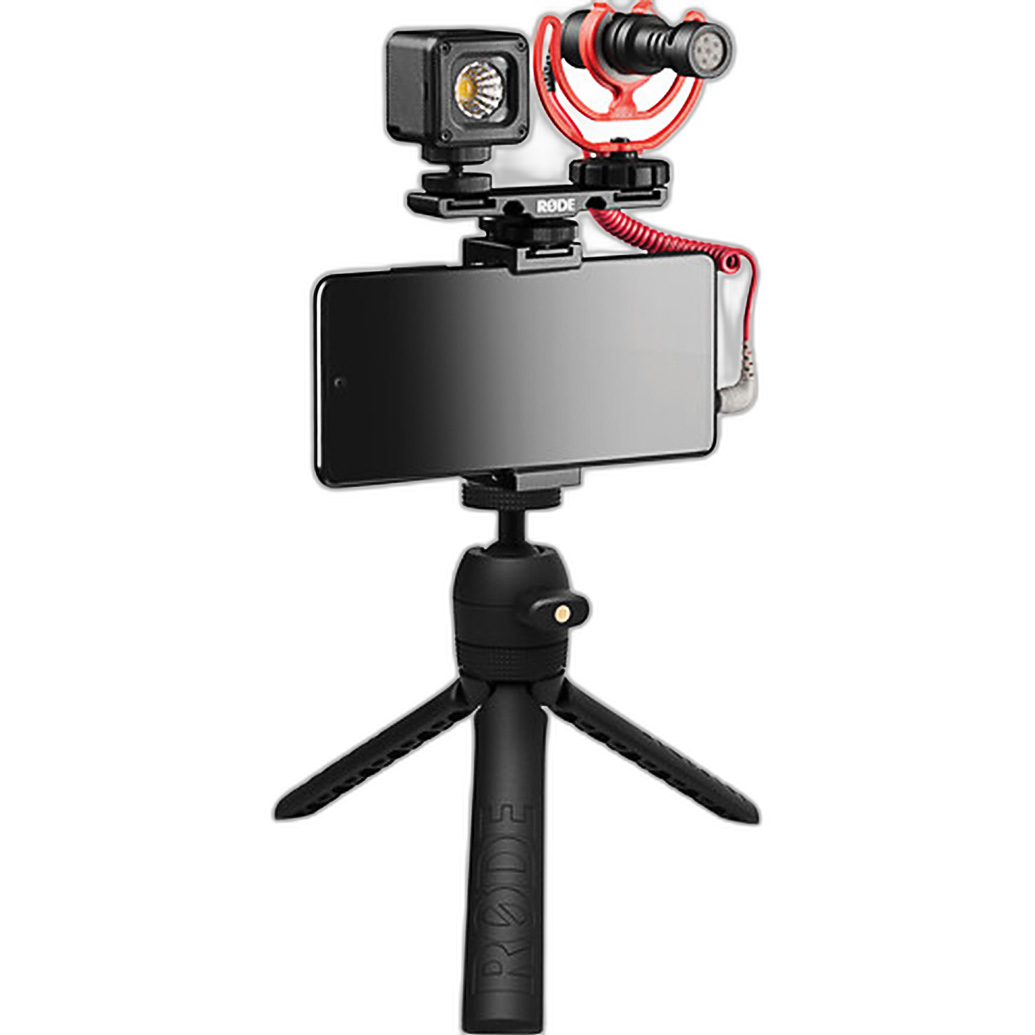
This kind of kit is especially useful when discretion matters or when you need to capture footage in tight spaces where a full camera rig would slow you down.
8. Smaller kits are easier to use consistently
One of the biggest mistakes solo shooters make is bringing gear they don’t actually want to set up. The Rode Vlogger Kit Universal Filmmaking Kit for Smartphones with 3.5mm Ports works well because it removes friction. If a kit is simple enough that you’ll use it every time, it often delivers better real-world results than a more advanced setup left in the bag.
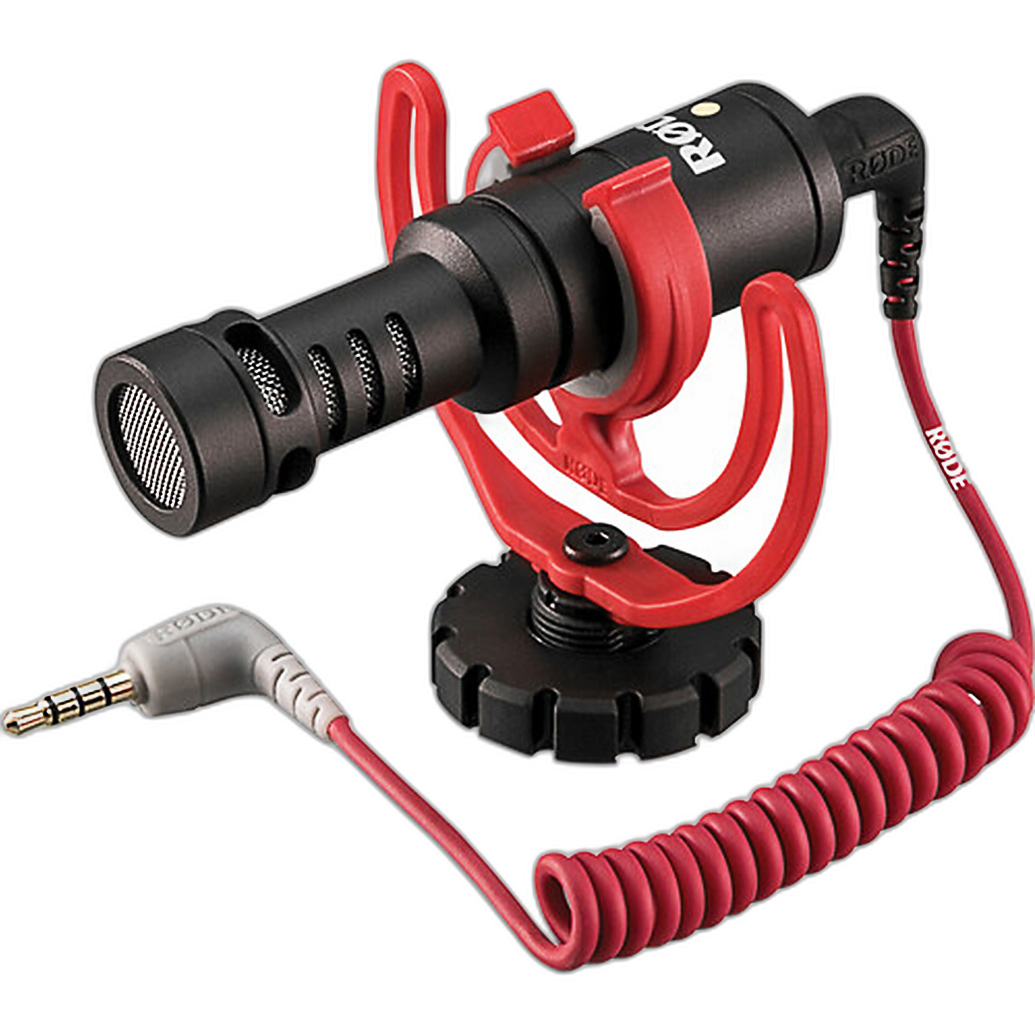
Run-and-gun success is often about repeatable habits, not maximum complexity.
Choose gear based on your most common shooting scenario
9. Match the mic to the job, not just the spec sheet
- For walk-and-talk or general camera-mounted pickup: a compact shotgun like the Used Sony ECM-B1M Shotgun Microphone - Excellent Condition can keep you moving.
- For interviews and presenter-led video: the Saramonic K9-US Professional Dual Digital UHF Wireless Mic System gives you cleaner, closer dialogue.
- For a more directional backup or controlled setup: the Used Sennheiser Shotgun Microphone System - Good is a useful addition.
- For smartphone creators: the Rode Vlogger Kit Universal Filmmaking Kit for Smartphones with 3.5mm Ports keeps things simple and portable.
- For organizing multiple sources: the Saramonic SR-AX100 - 2-Channel Passive Audio Adapter helps streamline your compact rig.
The best audio gear for solo run-and-gun videography is the gear that helps you work faster while still delivering clean, dependable sound.
Conclusion
For solo videographers, the winning audio setup is usually the one that balances speed, clarity, and minimal setup stress. A compact on-camera shotgun, a reliable wireless lav system, and a small adapter can cover a surprising range of real-world jobs without weighing you down. If you’re ready to refine your run-and-gun kit, Unique Photo is a great place to explore practical audio tools that fit the way you actually shoot.