Introduction
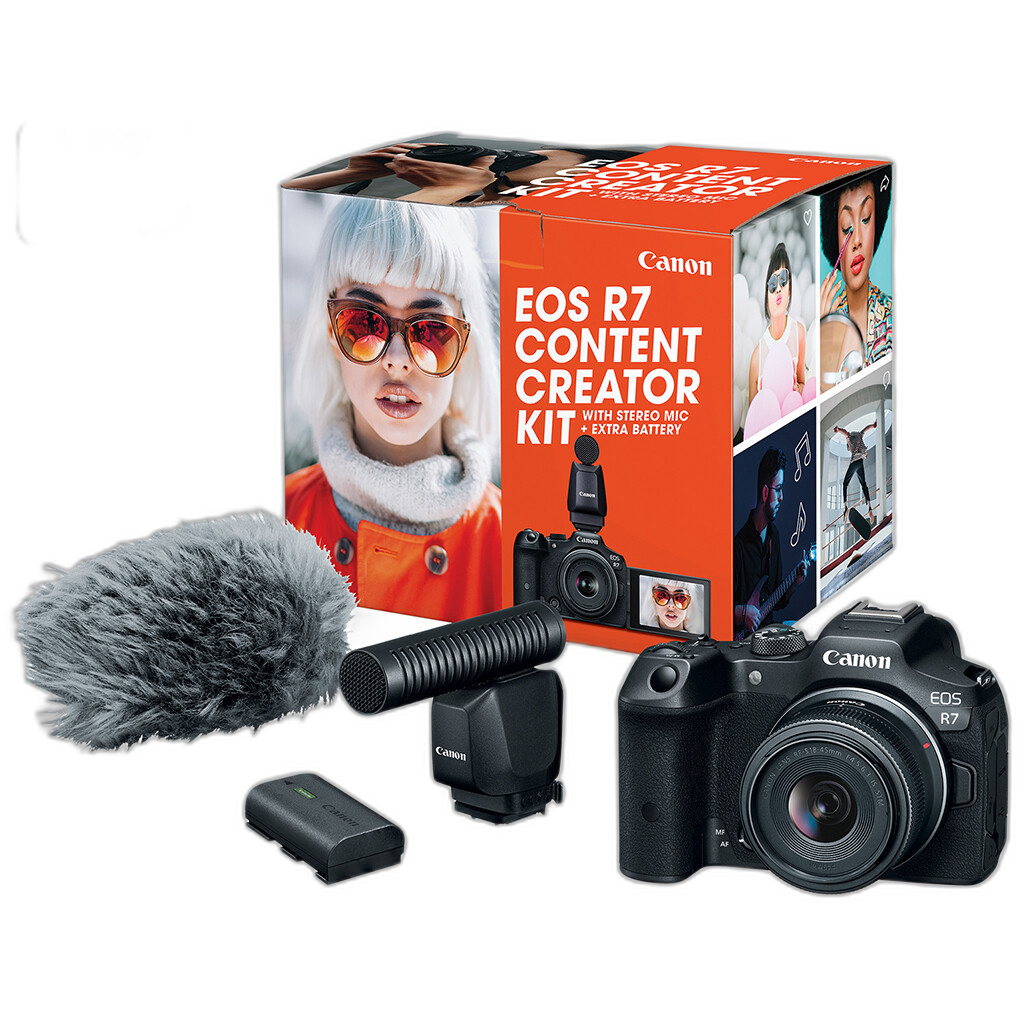
Photo contest ethics often come down to one core question: where does legitimate craftsmanship end and unacceptable manipulation begin? To explore that question in a practical way, this comparison looks at three very different stages of image-making represented by products from Unique Photo: the Canon EOS R7 Content Creator Kit and Canon EOS R10 Content Creator Kit as examples of modern in-camera capture, and Ilford Harman Direct Positive Fiber Based Paper as an example of analog darkroom interpretation. We also touch on Hahnemühle fine-art papers as the final presentation layer, where ethical concerns can shift from image alteration to print fidelity and truthful representation.
In contests, judges and entrants alike need to separate acceptable tonal correction, cropping, and output preparation from edits that materially change the content of the scene. Comparing digital capture tools with darkroom and print media helps clarify why the ethics discussion is not really about whether an image is edited, but how much, for what purpose, and under what rules.

Side-by-Side Comparison
| Product | Type | Role in Contest Workflow | Ethical Relevance | Best Use Case |
|---|---|---|---|---|
| Canon EOS R7 Content Creator Kit | Mirrorless camera kit | Image capture | Raises questions around RAW editing latitude, AI-assisted processing, and metadata transparency | Contests that allow standard global adjustments but prioritize scene authenticity |
| Canon EOS R10 Content Creator Kit | Mirrorless camera kit | Image capture | Similar digital ethics considerations, especially around permissible post-processing and workflow disclosure | Emerging creators entering general, travel, documentary, or hybrid media contests |
| Ilford Harman Direct Positive Fiber Based Paper | Darkroom paper | Analog image creation/output | Highlights that manipulation has always existed through exposure, contrast, chemistry, and printing choices | Contests that accept analog work or emphasize handcrafted photographic processes |
| Hahnemühle Photo Rag Ultra Smooth 305gsm | Inkjet fine-art paper | Final print presentation | Ethically neutral for capture, but important for honest tonal and surface rendering in judged prints | Fine-art contests and exhibitions requiring museum-quality print output |
| Hahnemühle Photo Rag Baryta 315gsm | Inkjet fine-art paper | Final print presentation | Can enhance perceived depth and contrast without changing image content; useful when presentation matters | Black-and-white and exhibition-style contest prints |
| Hahnemühle Photo Rag 308gsm | Inkjet fine-art paper | Final print presentation | Supports faithful, elegant output while keeping emphasis on image quality over gimmickry | Fine-art, portrait, and juried print competitions |
What Are We Really Comparing?
This is not a traditional camera-versus-camera showdown. Instead, it is a comparison of ethical pressure points in the photographic process. The Canon kits represent the modern reality of flexible digital files that can be transformed extensively after capture. The Ilford paper represents a more visibly handcrafted process, reminding us that dodging, burning, contrast control, and interpretation long predate Photoshop. The Hahnemühle papers represent the final print stage, where honest output matters if a contest is being judged from physical prints rather than screens.

Digital Capture Ethics: Canon EOS R7 vs. Canon EOS R10
Between the two Canon kits, the ethical issues are broadly the same. Both sit squarely in the modern mirrorless workflow, where creators can shoot JPEG for a more fixed interpretation or RAW for maximum post-processing latitude. That flexibility is useful and normal, but it creates gray areas in contests.
For example, most contests accept some combination of exposure adjustment, white balance correction, global contrast tuning, sharpening, noise reduction, and cropping. The problem starts when editing moves from interpretation to alteration: adding or removing subjects, replacing skies, compositing multiple moments, or using aggressive local edits that change the factual character of the scene.
The Canon EOS R7 Content Creator Kit is the stronger symbol of the enthusiast-to-serious-user workflow, where more advanced creators may be more likely to exploit deeper editing latitude. The Canon EOS R10 Content Creator Kit appeals to many newer creators, who may be entering contests without fully understanding the difference between acceptable adjustments and disallowed manipulation. In that sense, the R10 is not less ethical; it simply underscores the need for clearer contest education.
Analog Ethics: Ilford Harman Direct Positive Fiber Based Paper
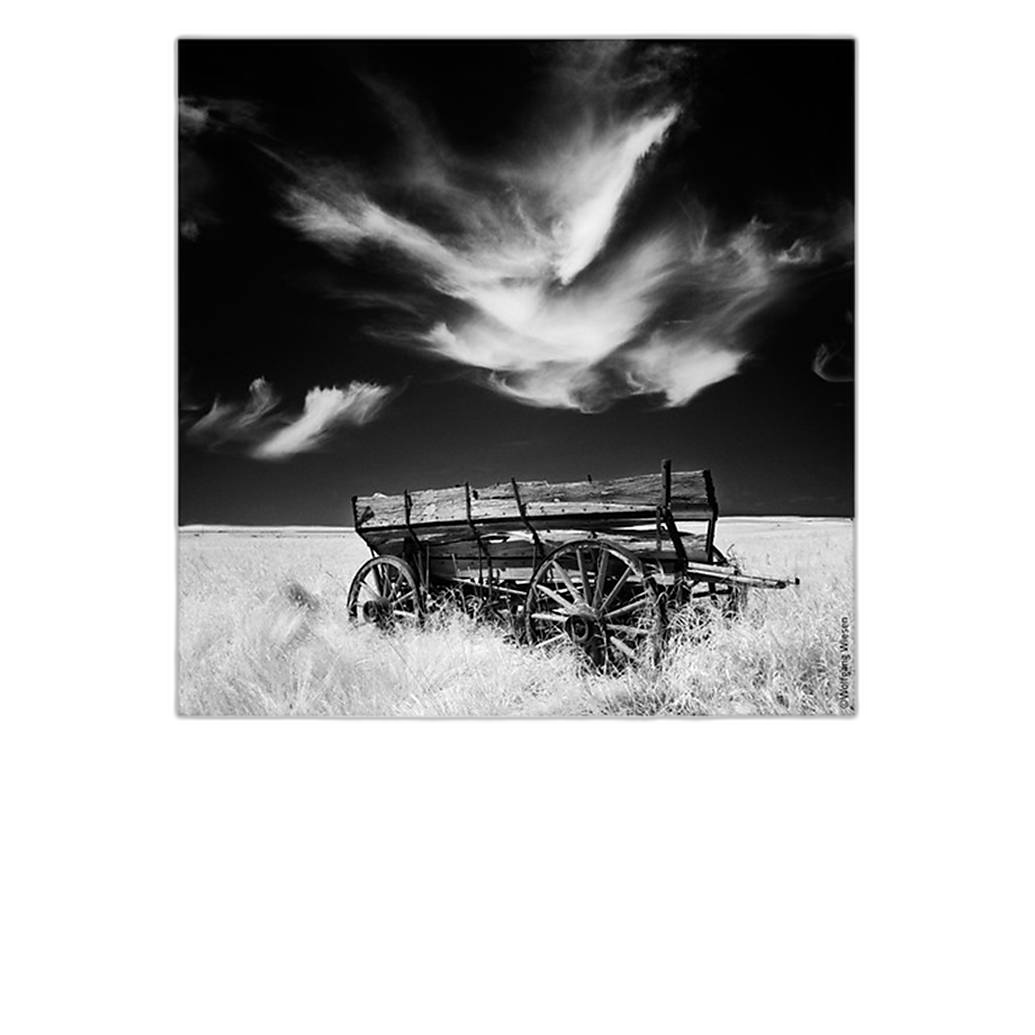
The Ilford Harman Direct Positive Fiber Based Paper is a useful counterpoint because it exposes a common misconception: that analog photography is somehow free from manipulation. It is not. Darkroom practice has always involved interpretation. Exposure decisions, development variables, paper choice, contrast control, cropping under the enlarger, and selective burning and dodging all shape the final image.
What makes analog processes feel more ethically acceptable in many contests is not that they are unedited, but that their manipulations are often more transparent, materially constrained, and culturally recognized as part of photographic craft. A darkroom print made on direct positive paper can be deeply expressive without necessarily violating the spirit of competition rules—provided the contest allows such interpretive printing.
That distinction matters. If a contest is documentary in nature, heavy darkroom intervention can be just as ethically problematic as heavy Photoshop work. If a contest is fine-art focused, those same interventions may be entirely appropriate.
Print Presentation Ethics: Hahnemühle Papers
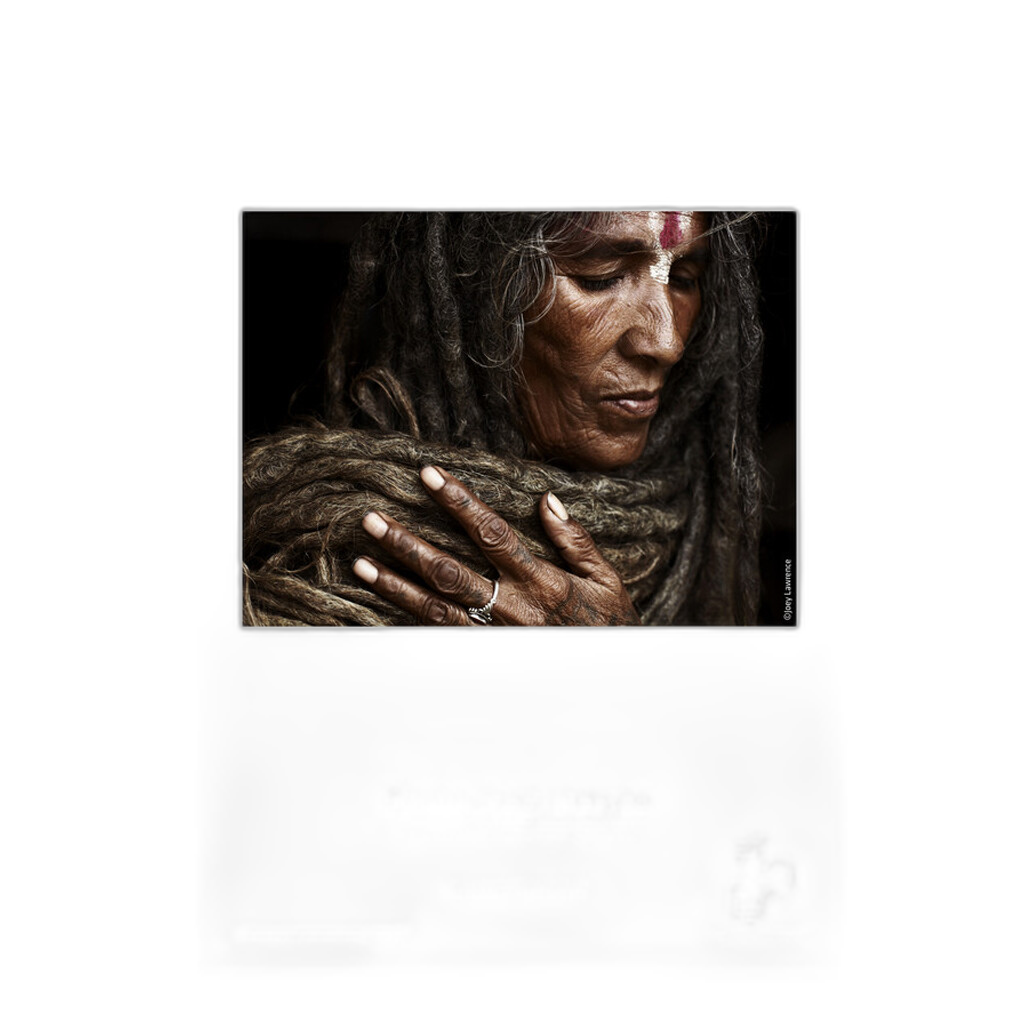
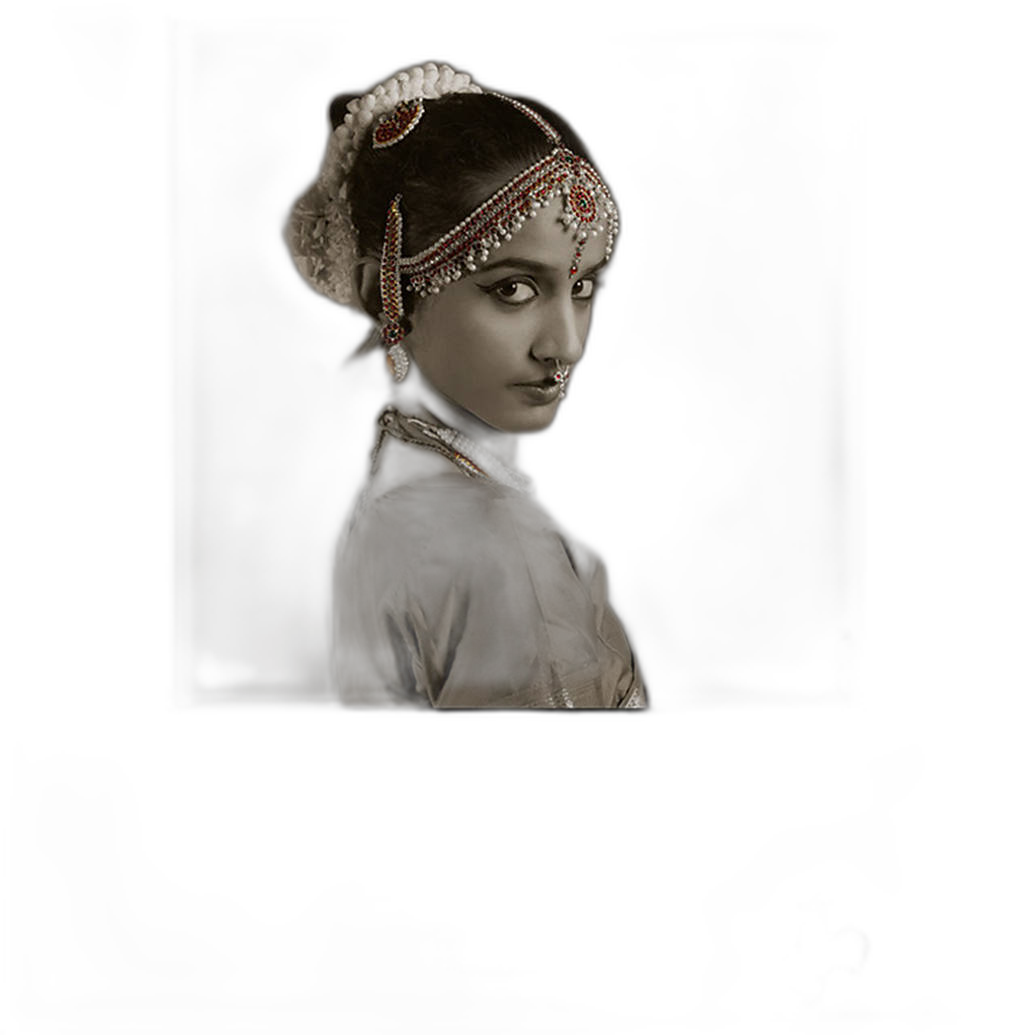
Fine-art papers like Hahnemühle Photo Rag Ultra Smooth 305gsm, Photo Rag Baryta 315gsm, and Photo Rag 308gsm do not alter the underlying content of an image in the same way editing software can, but they do influence how a print is perceived. Surface sheen, black density, microcontrast, and tactile feel can all affect judging.
Ethically, this is usually acceptable because print material is part of presentation, not deception. Still, there is one important caveat: photographers should ensure their print faithfully represents the submitted file and does not rely on misleading output tricks that conceal poor editing, blocked shadows, or overcooked color. In print competitions, craftsmanship includes honest, high-quality output.
Transparency and Rule Compliance
The most ethical workflow is not tied to one product category. It is tied to disclosure and compliance. A Canon-shot file can be completely ethical if edited within the contest rules and submitted honestly. An Ilford darkroom print can be unethical if the contest prohibits extensive tonal manipulation or requires journalistic fidelity. A Hahnemühle print can be ideal if it faithfully presents an allowed image.
Contest entrants should always ask:
- Does the contest allow RAW processing?
- Are local adjustments permitted?
- Is compositing forbidden?
- Can elements be removed?
- Must original files or negatives be provided?
- Is the category documentary, editorial, nature, or fine art?
Those questions matter more than whether the image began on a mirrorless camera or in a darkroom.
Our Pick
Our Pick: Canon EOS R7 Content Creator Kit
For this ethics-focused comparison, the Canon EOS R7 Content Creator Kit is the best example of the modern contest entrant's reality. It represents the balance point where image quality, creator control, and post-processing flexibility meet the need for personal discipline and rule awareness. If your goal is to enter contests responsibly, the R7 setup best illustrates the importance of capturing a strong file up front so editing remains minimal, defensible, and within the spirit of the competition.
That said, for photographers working in alternative or analog-friendly contests, the Ilford Harman Direct Positive Fiber Based Paper is the strongest reminder that photographic interpretation has always been part of the medium.
Final Verdict
The ethics of post-processing in photo contests are not a simple digital-versus-analog argument. Digital tools like the Canon EOS R7 Content Creator Kit and Canon EOS R10 Content Creator Kit make powerful editing possible, but that does not make them unethical. Analog materials like Ilford Harman Direct Positive Fiber Based Paper preserve a handcrafted tradition, but they do not automatically guarantee objectivity. And presentation papers from Hahnemühle show that final output quality can elevate a submission without crossing ethical lines.
The real standard is whether the photographer respects the contest's intent, follows its rules, and presents the work honestly. For gear, workflow guidance, and print solutions that support that process, Unique Photo offers strong options across digital capture, darkroom practice, and fine-art printing.