Beautiful wedding footage can lose its impact fast if the audio is thin, distorted, or inconsistent. Vows, toasts, laughter, and live music all happen once, so wedding videographers need an audio kit that is flexible, fast to deploy, and dependable under pressure. From compact interfaces for mobile backup recording to expandable field recorders and camera-mounted XLR options, here are practical tips for building an audio setup that helps you capture the day with confidence.
1. Start with a recorder that can handle unpredictable wedding audio
Use a field recorder for vows, speeches, and ambient backup
Wedding audio changes constantly. A whisper during the ceremony can be followed by a loud applause or a sudden DJ announcement, so having a dedicated recorder is one of the smartest upgrades you can make. The Zoom H6Essential Series 6-Track 32-Bit Float Handheld Recorder is especially appealing for wedding videographers because 32-bit float recording gives you far more safety when levels spike unexpectedly. That makes it a strong choice for placing near the officiant, connecting to a house feed, or using as a backup recorder during speeches.
Its multi-track flexibility is also helpful when you want separate sources for cleaner editing later. Instead of relying only on in-camera sound, you can capture room tone, podium audio, and a direct feed with more control in post.
2. Always carry the right cable for venue sound systems
One simple adapter cable can save your reception audio
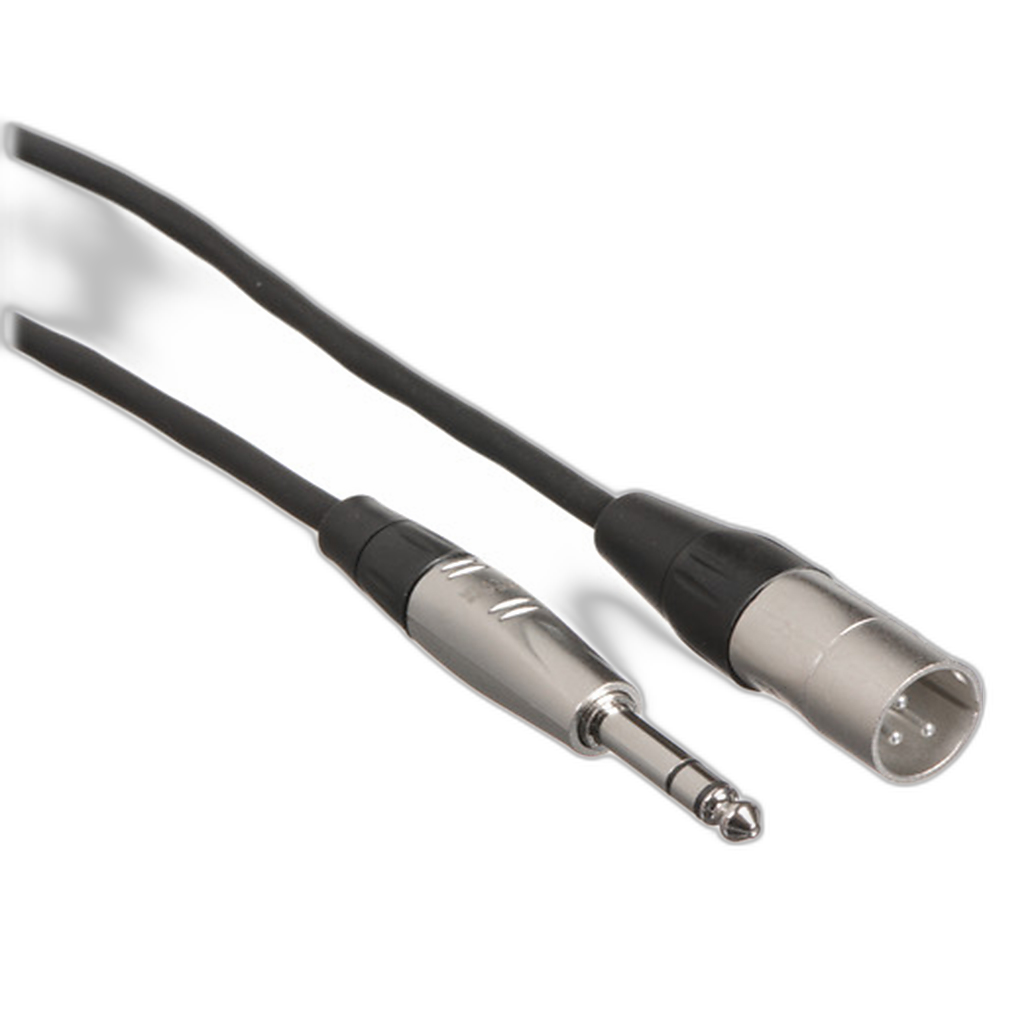
Many reception venues and DJs can provide an output, but only if you have the right connection ready to go. The Hosa Technology Balanced 1/4in TRS Male to 3-Pin XLR Male Audio Cable (10FT) is the kind of cable that earns a permanent spot in your bag. It can help bridge your recorder or mixer setup to a venue audio source without last-minute improvising.
- Ask the DJ or sound tech early what outputs are available.
- Test the feed before toasts begin.
- Record a backup source even when the board feed sounds clean.
- Label your cables so setup stays fast in low-light reception environments.
For wedding work, redundancy matters. A clean board feed plus a nearby ambient microphone often gives you the most natural final mix.
3. Improve your run-and-gun setup with direct camera XLR audio
Keep your ceremony rig compact and professional
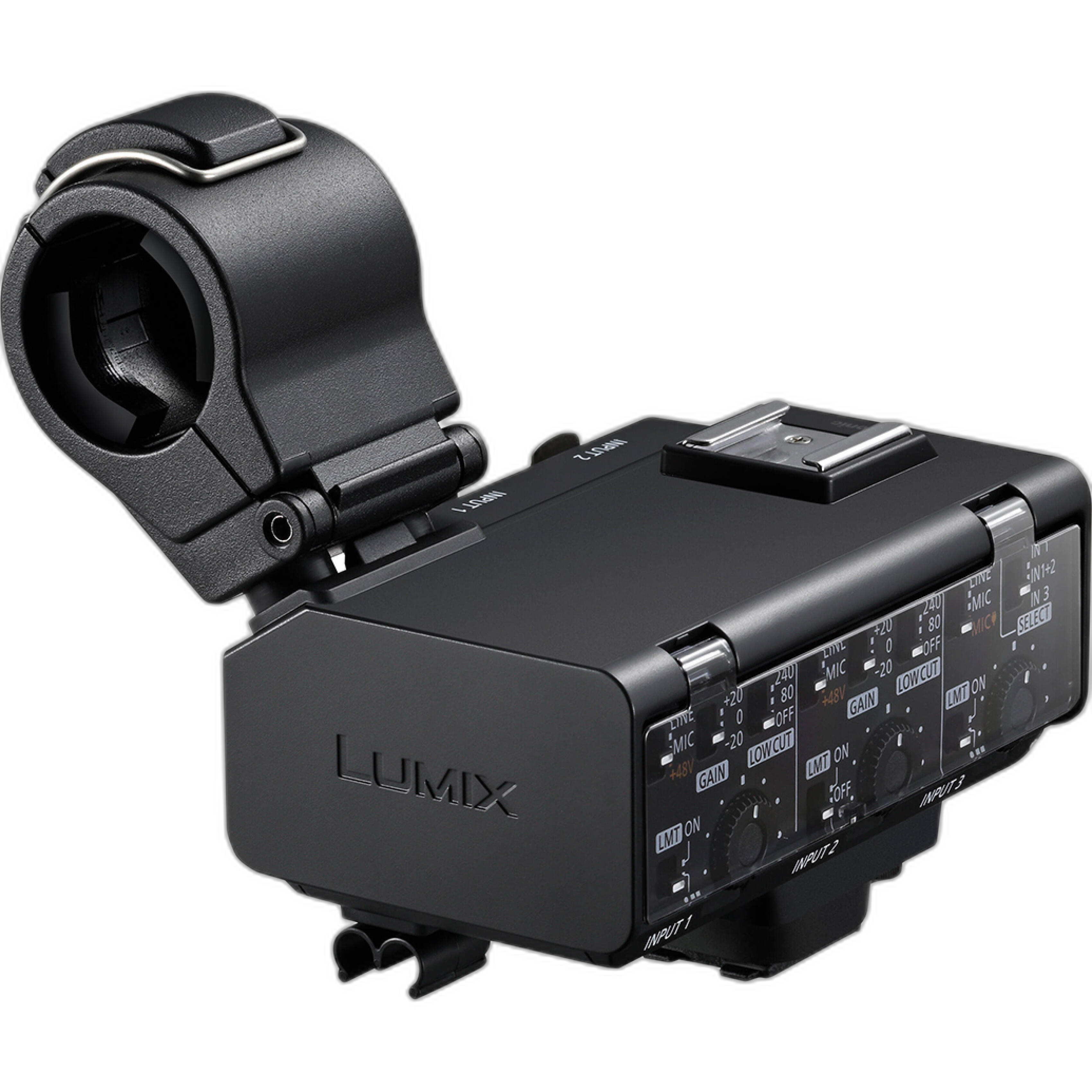
If you shoot on a compatible Panasonic system, the Panasonic LUMIX DMW-XLR2 Audio Expansion Unit can streamline your workflow by bringing professional XLR connectivity directly to your camera rig. For wedding videographers who move quickly between the bridal suite, ceremony aisle, and cocktail hour, reducing extra boxes and mounting points can make a real difference.
This type of setup is especially useful when you want cleaner primary audio directly into camera for easier syncing and faster turnaround edits. It is a practical option for documentary-style shooters covering fast transitions who still want access to professional microphones and stronger audio control.
4. Keep a tiny interface ready for mobile backup recording
Compact tools are perfect for travel, secondary kits, and emergency use
Not every wedding assignment calls for a full-sized audio bag. The Rode AI-Micro Ultracompact USB Type-C Audio Interface is a smart addition for creators who want an ultra-portable audio solution for smartphone or lightweight device-based recording. It can be useful for quick backup capture, social content, behind-the-scenes coverage, or compact secondary setups when your main rig is tied up elsewhere.
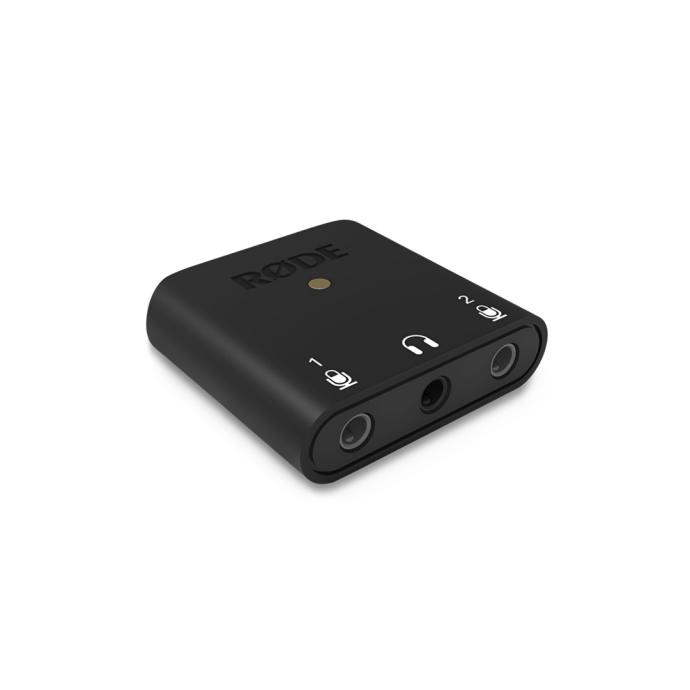
For wedding videographers, a small interface like this can be a lifesaver when you need to capture an extra source without adding bulk. It is also great to keep in your case as a contingency tool when timelines shift or locations get tight.
5. For larger productions, consider a mixer-recorder for more control
Ideal for multi-source events, live music, and complex reception coverage
Some weddings are simple and intimate, while others include live bands, multiple speakers, and extensive AV support. In those cases, the Tascam Model 24 - Digital Mixer, Recorder, and USB Audio Interface can make sense for teams handling larger-scale production needs. This kind of unit is better suited to elaborate reception setups, same-day edits with more involved audio capture, or hybrid teams that also manage livestreaming and event sound.
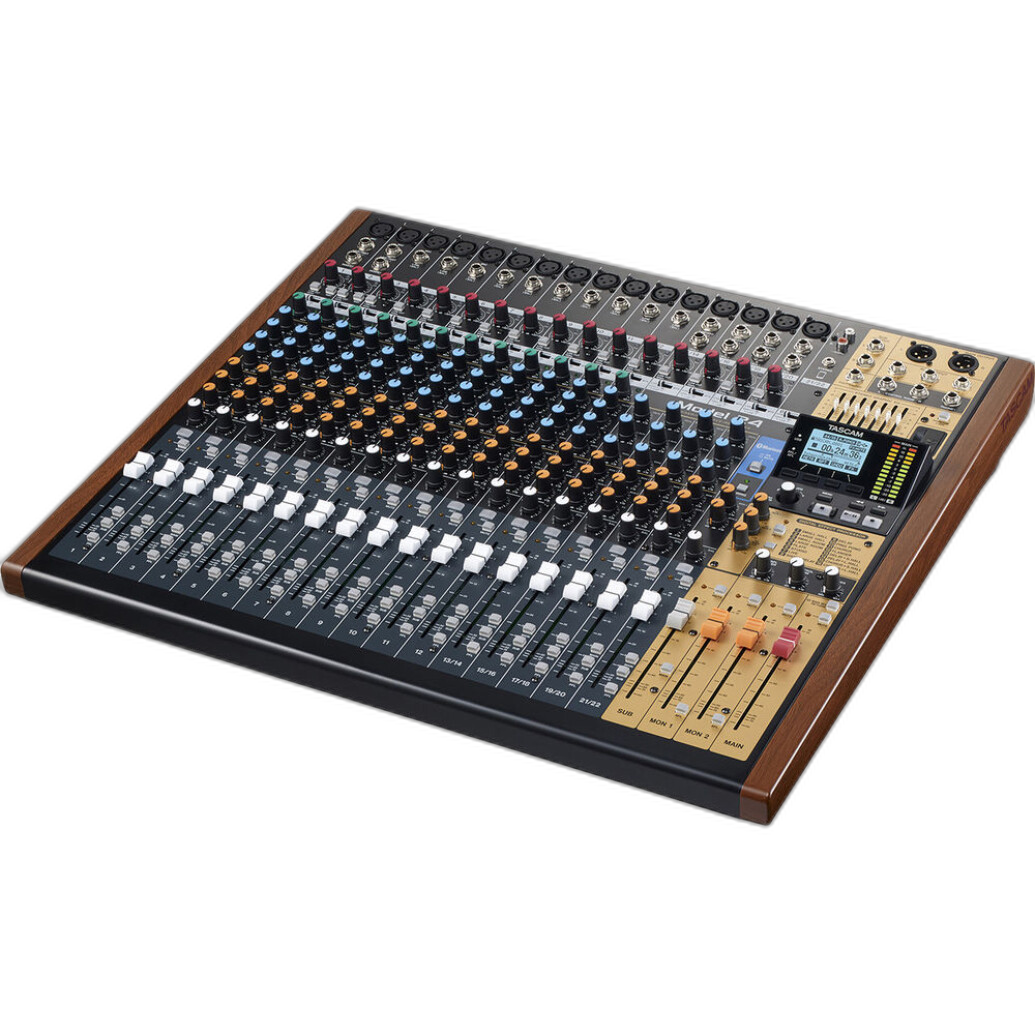
While not every solo wedding filmmaker needs a mixer of this size, it can be a powerful tool for businesses that regularly cover luxury weddings or multi-camera productions where audio routing needs become more demanding.
6. Build redundancy into every part of your workflow
Never trust a single audio source
The best wedding audio strategy is not just about buying gear, but about using it in layers. A practical wedding setup might look like this:
- Primary audio into camera using a solution such as the Panasonic LUMIX DMW-XLR2 Audio Expansion Unit if your rig supports it.
- Backup standalone recording with the Zoom H6Essential.
- A direct venue or DJ feed connected with a reliable cable like the Hosa Technology Balanced 1/4in TRS Male to 3-Pin XLR Male Audio Cable.
- An ultra-compact emergency or mobile option like the Rode AI-Micro.
This layered approach gives you more protection against interference, cable failure, bad gain staging, or unexpected movement during key moments.
7. Practice your setup before the wedding day
Preparation is just as important as gear choice
Even excellent equipment only helps if you know how to deploy it quickly. Test your recorders, check media cards, confirm cable paths, and rehearse how you will mic the officiant area or connect to a DJ booth. Build a checklist for each wedding so you arrive knowing which devices are assigned to vows, toasts, ambience, and backup.
Couples may never notice your audio workflow directly, but they will absolutely notice clear vows and intelligible speeches in the final film.
Conclusion
For wedding videographers, strong audio gear is not a luxury; it is part of protecting the most emotional moments of the day. A flexible recorder like the Zoom H6Essential, a reliable connection option from Hosa Technology, a camera-integrated solution like the Panasonic LUMIX DMW-XLR2, a compact backup such as the Rode AI-Micro, or even a more advanced hub like the Tascam Model 24 can all play an important role depending on your workflow. Explore the right audio tools for your wedding kit at Unique Photo, and keep building a setup that lets you capture every word, cheer, and toast with confidence.