Preparing Contest Images the Right Way
When entering a photo contest, image preparation can matter almost as much as the photograph itself. Resolution that is too low can disqualify an otherwise strong entry. Cropping that is too aggressive can weaken composition. Watermarks, while helpful for online sharing, are often prohibited in judged submissions. In this comparison-style guide, we look at several useful Unique Photo offerings and how they relate to the three big contest-prep concerns: resolution, cropping, and presentation.
Rather than comparing similar products head-to-head, this article compares how different tools, educational resources, and services help solve different contest-entry problems. That makes it easier to decide whether you need capture help, editing guidance, portfolio feedback, or inspiration before you submit.
Side-by-Side Comparison
| Product | Best For | Resolution Help | Cropping Help | Watermark Guidance | Who It Suits |
|---|---|---|---|---|---|
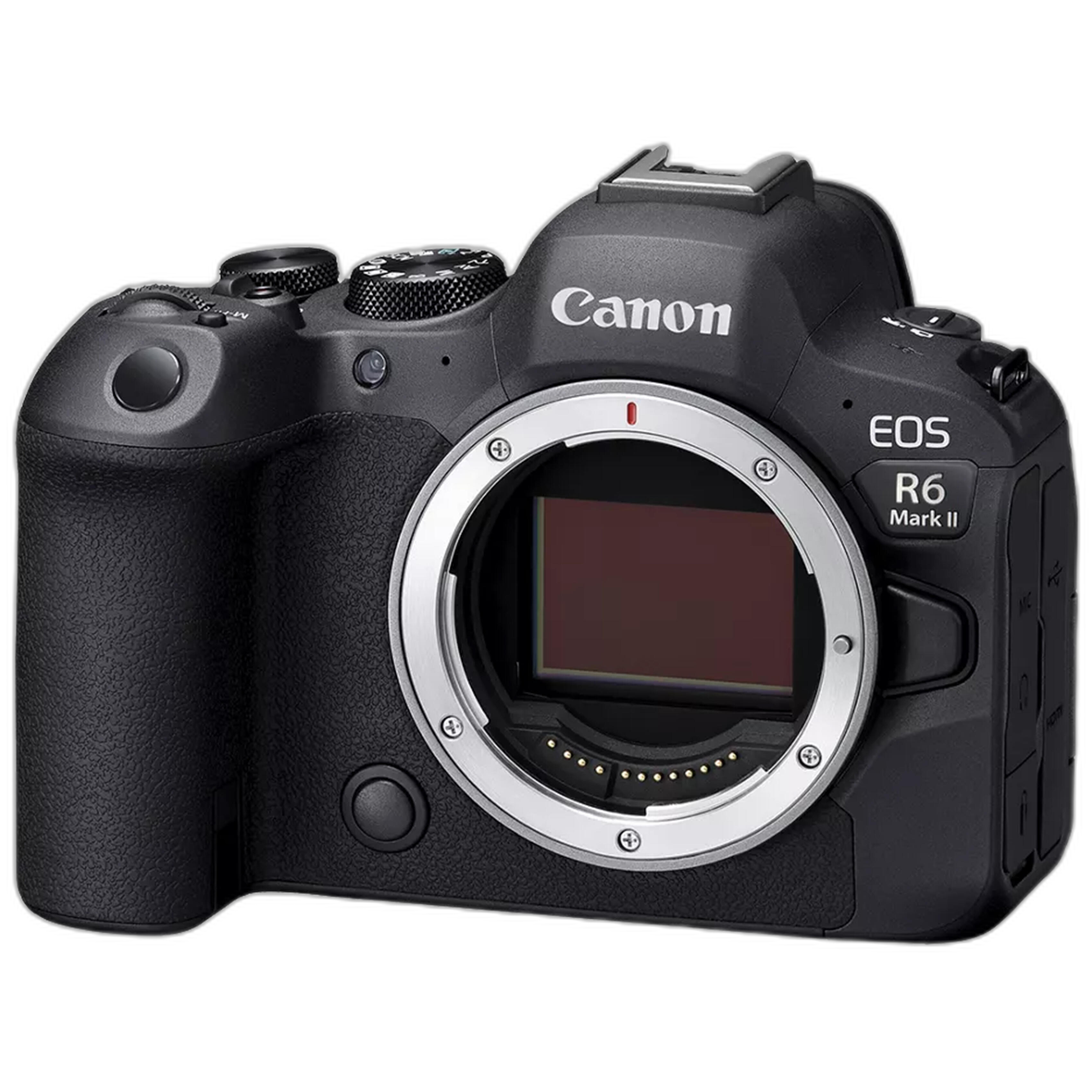
| Canon EOS R6 Mark II w/ Cropping Guide Firmware | Creating strong source files in-camera | Excellent | Excellent | Indirect | Photographers capturing new contest work |
| Portfolio Consultation and Images Reviewed by Judith Farber - 30 min. | Quick edit and submission feedback | Moderate | Excellent | Excellent | Photographers needing targeted advice |
| Portfolio Consultation and Images Reviewed by Judith Farber - 60 min. | Deeper review of multiple contest images | Moderate | Excellent | Excellent | Photographers refining a small set of finalists |
| Portfolio Consultation and Images Reviewed by Judith Farber - 120 min. | Comprehensive portfolio and submission strategy | Moderate | Excellent | Excellent | Serious entrants building a stronger overall submission |
| UUOnline: NJ Monthly 2020 Cover Search Contest Winners Reveal | Learning from winning images | Indirect | Strong | Indirect | Photographers studying what succeeds in contests |
| Race Stories: Essays on the Power of Images | Visual literacy and image meaning | None | Indirect | None | Photographers strengthening storytelling and intent |
| 16 x 20 Precut Custom Mat for 4/UP Images | Physical presentation reference | None | Indirect | None | Photographers preparing prints or display concepts |
| 3 x 4 Two-Sided Metal Ornament - Two Images | Print sizing awareness | Indirect | Indirect | None | Photographers evaluating image adaptability across formats |
Resolution: Capture Quality vs Submission Requirements
Best option for starting with enough detail
If resolution is your biggest concern, the Canon EOS R6 Mark II w/ Cropping Guide Firmware is the strongest product in this group because it helps at the source. Contest rules often ask for minimum pixel dimensions, file size ranges, or print-ready files for finalists. Starting with a high-quality original gives you more freedom to crop without dropping below required output standards.
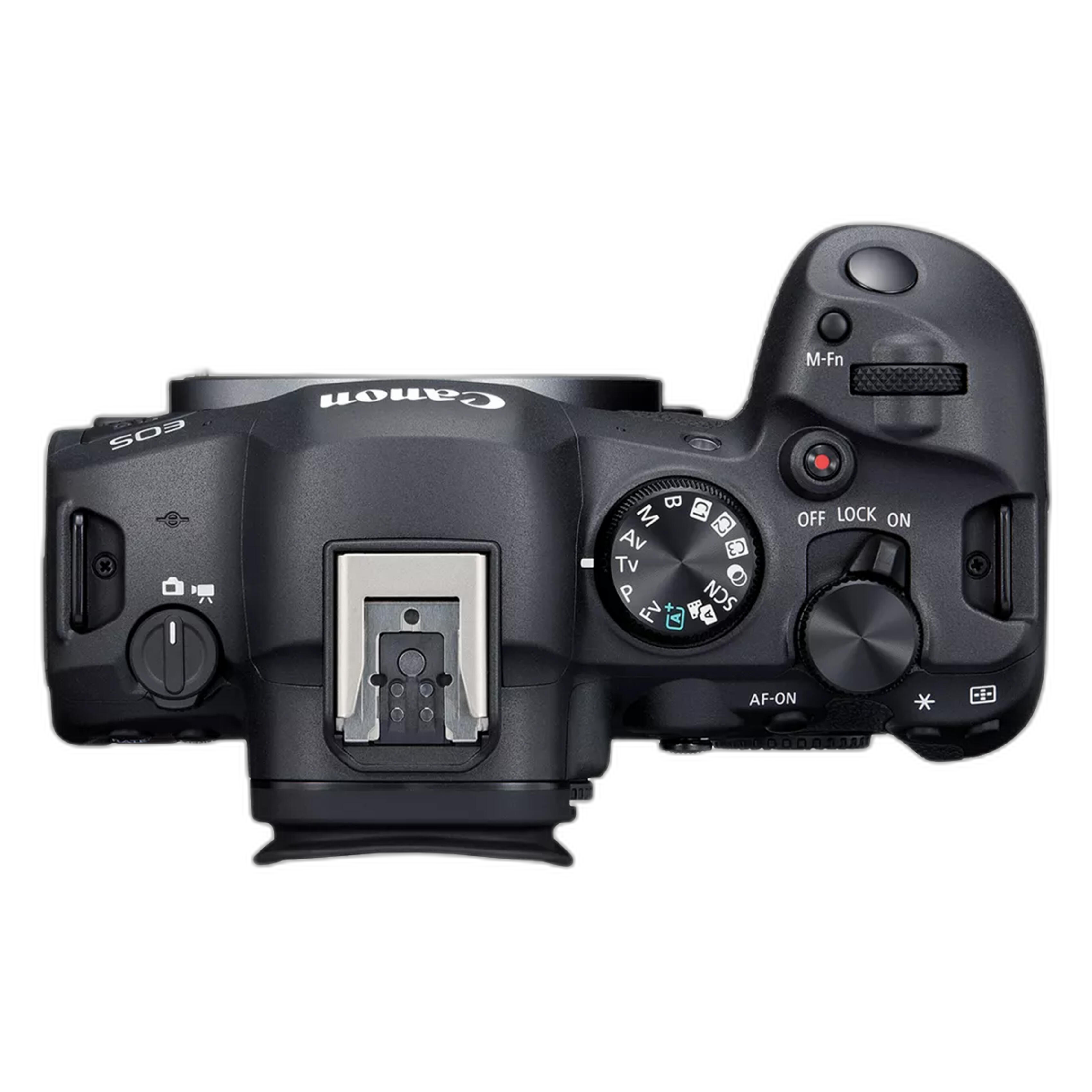
For contest photographers, this matters because every crop removes pixels. A stronger original file means more flexibility when fine-tuning composition later. If you frequently shoot wildlife, sports, portraits, or editorial work where reframing is common, capture resolution and clean output are major advantages.
Best option for confirming your files are submission-ready
The Judith Farber portfolio consultations are less about generating higher resolution and more about making sure your chosen files are the right files. A reviewer can help you decide whether an image has enough technical strength, whether detail holds up, and whether a different file from the same session might be a better contest choice.
The 30-minute session is best for a quick check before deadline. The 60-minute session is a better fit if you are comparing several finalist images. The 120-minute session is the most complete option for photographers entering multiple contests or rebuilding a submission set from scratch.
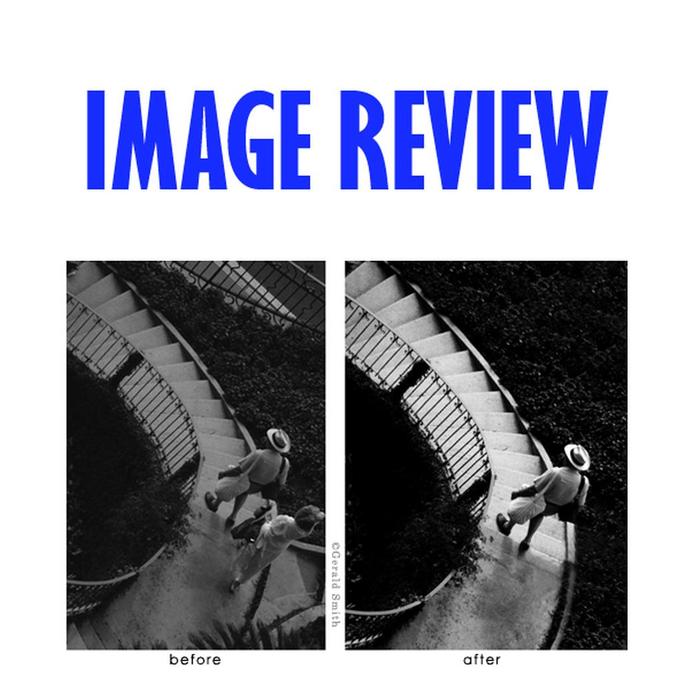
Cropping: Technical Trim vs Creative Intent
Camera-based cropping help
Cropping is one of the most important contest-prep steps because judges often respond to clarity and intent. The Canon EOS R6 Mark II version listed here specifically highlights cropping guide firmware, making it especially relevant for photographers who want better framing discipline in-camera. The better you compose up front, the less you need to rescue an image later.
This is especially helpful when contest rules specify aspect ratios or when you expect a possible magazine-cover, exhibition, or publication crop. A camera workflow that trains you to see edges more carefully can improve both aesthetics and file efficiency.
Consultation-based cropping help
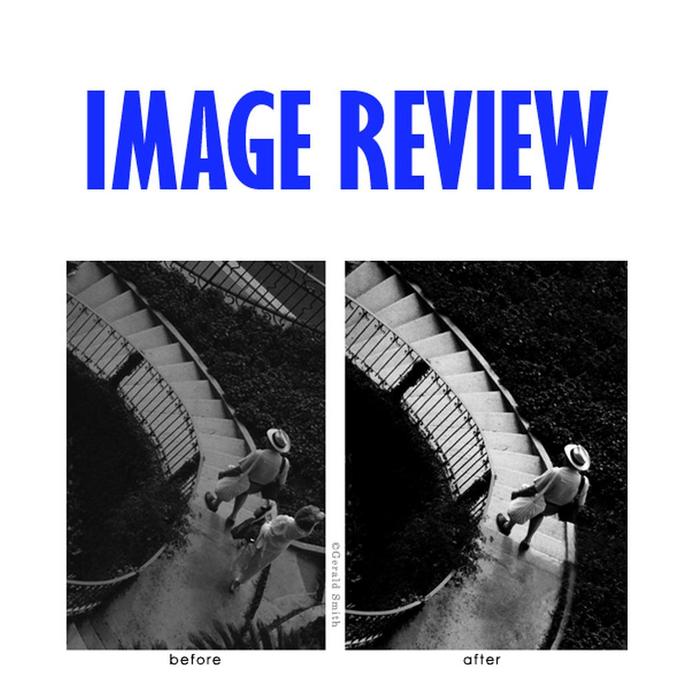
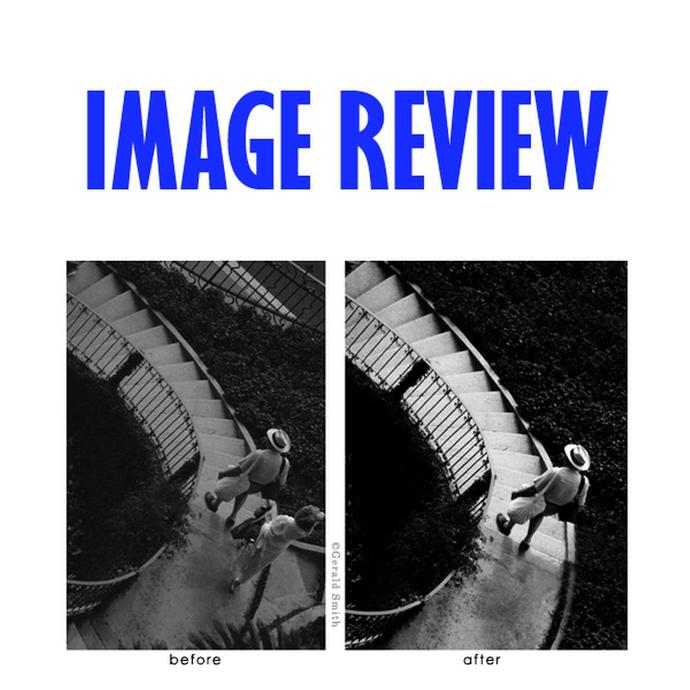
For many entrants, the bigger issue is not how to crop, but which crop is strongest. This is where portfolio review sessions can outperform gear. A reviewer can point out when a crop feels too tight, when important negative space should stay, or when a horizontal image should be submitted vertically or square if rules allow.
The contest-winner reveal session is also useful here. Seeing successful images in a contest context can teach you how judges respond to framing, subject placement, and visual impact.

Print products as a reminder about aspect ratio
Although they are not contest-training tools in the same way, products like the 16 x 20 Precut Custom Mat for 4/UP images and the 3 x 4 Two-Sided Metal Ornament are useful reminders that images behave differently across formats. If a contest includes exhibition prints, publication layouts, or themed presentation formats, thinking about image shape and edge discipline can improve your cropping decisions.

Watermarks: Protection vs Contest Compliance
Why most contest entries should not be watermarked
In most judged competitions, visible watermarks are discouraged or outright banned because they can distract from the image and interfere with anonymous judging. That makes watermarks one of the easiest mistakes to avoid. If contest rules ask for unbranded files, submit clean images only.
Best help for watermark decisions
The strongest options in this comparison for watermark guidance are the Judith Farber portfolio consultations. A reviewer can help you separate files meant for public sharing from files meant for official submission. This is especially important if you maintain online galleries with branded exports and need to prepare contest-specific versions.
The winners reveal class can also help indirectly by showing how successful contest images are presented: clean, direct, and focused on visual storytelling rather than branding overlays.
Inspiration and Image Meaning
Studying what makes an image resonate
Technical preparation is only part of contest success. Strong contest entries also communicate clearly. Race Stories: Essays on the Power of Images is not a technical guide, but it can deepen your understanding of how photographs convey meaning, context, and impact. That kind of visual literacy can influence what image you choose, how tightly you crop it, and whether your presentation supports the story.

For photographers entering documentary, portrait, editorial, or socially engaged work, this kind of resource can be valuable because judges often respond to images that are not just technically correct, but emotionally and conceptually strong.
Our Pick
Our Pick: Portfolio Consultation and Images Reviewed by Judith Farber - 60 min.
If you want the most balanced recommendation for contest preparation, the 60-minute consultation is the best overall choice. It offers enough time to review multiple images, discuss whether your resolution is sufficient for submission, compare crop options, and confirm that your final files are clean and watermark-free. It is more thorough than a quick 30-minute check, but more accessible than a full 120-minute deep dive.
If you are still creating the work and want maximum flexibility in post, the Canon EOS R6 Mark II is the best capture-oriented choice. But for photographers who already have images and need to optimize them for competition, the 60-minute portfolio consultation is the most practical recommendation.
Conclusion
Preparing contest images comes down to three essentials: keep enough resolution for the required output, crop with purpose, and remove watermarks unless the rules explicitly allow them. In this comparison, the Canon EOS R6 Mark II stands out for capture flexibility, while the Judith Farber consultation sessions stand out for submission-ready decision-making. Educational resources like the winners reveal session and visual reading materials can also sharpen your judgment before you enter.
If you are getting ready for your next competition, Unique Photo offers both the gear and the guidance to help you submit with confidence.