Entry-Level Audio Solutions for YouTube: Shotgun vs Lavalier Mics
For new YouTube creators, upgrading audio is often the fastest way to make videos feel more professional. While many beginners start by comparing a shotgun microphone to a lavalier microphone, the real decision usually comes down to how you shoot: at a desk, handheld, on a camera, or in a more controlled talking-head setup. In this comparison, we’re focusing on entry-friendly shotgun-style solutions available from Unique Photo and using them to explain where a shotgun mic shines, where a lav would normally be better, and which option makes the most sense for different YouTube workflows.
If you film seated content, vlogs, reviews, tutorials, or run-and-gun video, an on-camera shotgun can be the easiest way to get cleaner sound without the added complexity of hiding a body mic and managing cables or wireless packs. By contrast, lavaliers are typically the better fit when the speaker moves around a lot, needs consistent voice level, or when the mic must stay close to the mouth but out of frame.
Shotgun vs Lavalier: Quick Difference
A shotgun mic is directional and usually mounted on-camera, on a boom, or just out of frame. It captures sound from where it is pointed, which makes it ideal for simple setups and natural-sounding room tone when used correctly. A lavalier mic clips onto clothing and stays close to the speaker’s mouth, which helps maintain consistent dialogue levels even when the subject turns or moves.
For YouTube beginners, the biggest tradeoff is simple:
- Shotgun: faster setup, cleaner visual presentation, great for camera-top use, but placement matters a lot.
- Lavalier: more consistent vocal pickup, especially for movement, but can be more fiddly to hide and manage.
Since the products provided here are shotgun-oriented, this guide compares the most relevant entry-level and step-up shotgun choices and explains when you may still want a lav instead.
Side-by-Side Specs Comparison
| Product | Type | Best Use | Key Advantage | Who It Suits |
|---|---|---|---|---|
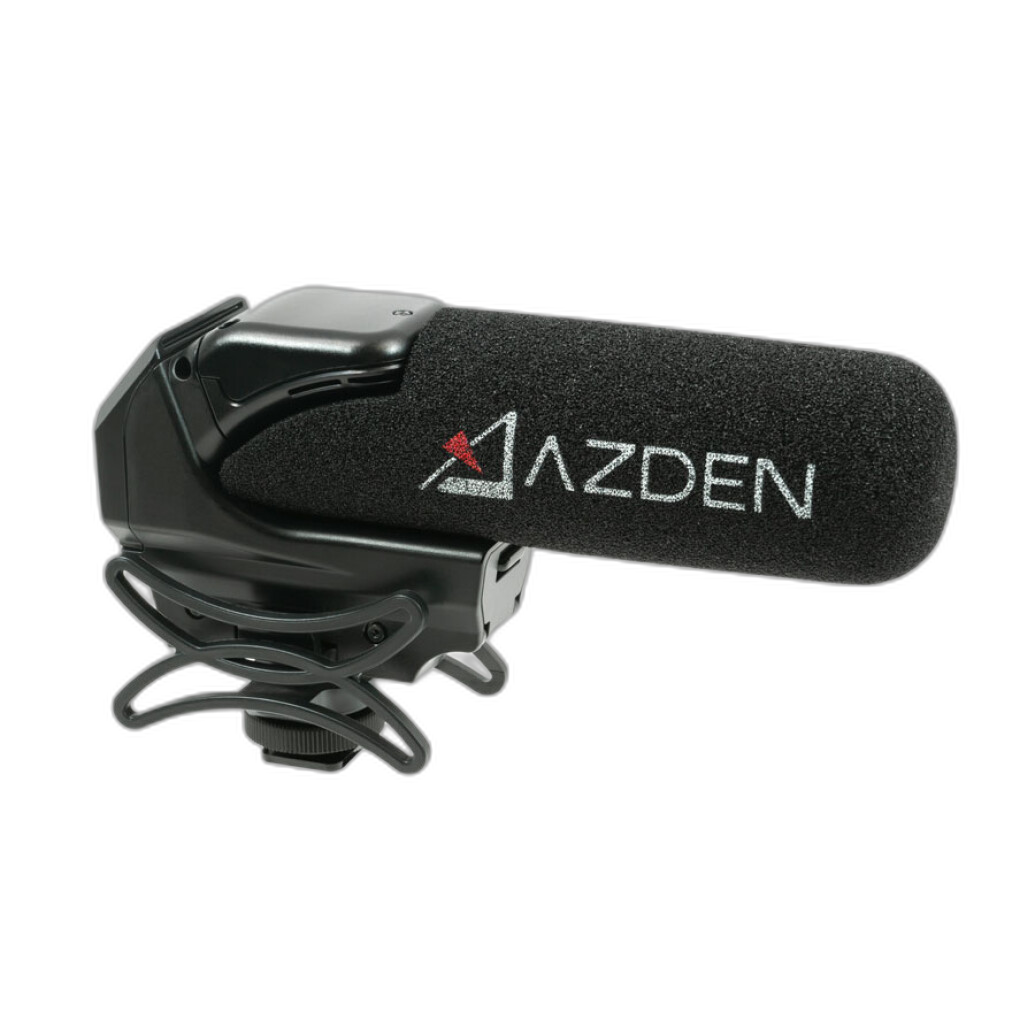
| Azden SMX-15 Powered Shotgun Video Microphone | Compact on-camera shotgun | Beginner YouTube, vlogging, simple talking-head content | Entry-friendly powered design | Creators wanting an affordable first external mic |
| Open Box Azden SMX-15 Powered Shotgun Video Microphone | Compact on-camera shotgun | Budget-conscious content creation | Value-oriented path into better audio | Beginners prioritizing savings |
| Rode VideoMic NTG Hybrid Analog/USB On-Camera Shotgun Microphone | Hybrid shotgun | Camera, desktop, mobile, USB recording | Flexible analog and USB connectivity | Creators recording across multiple devices |
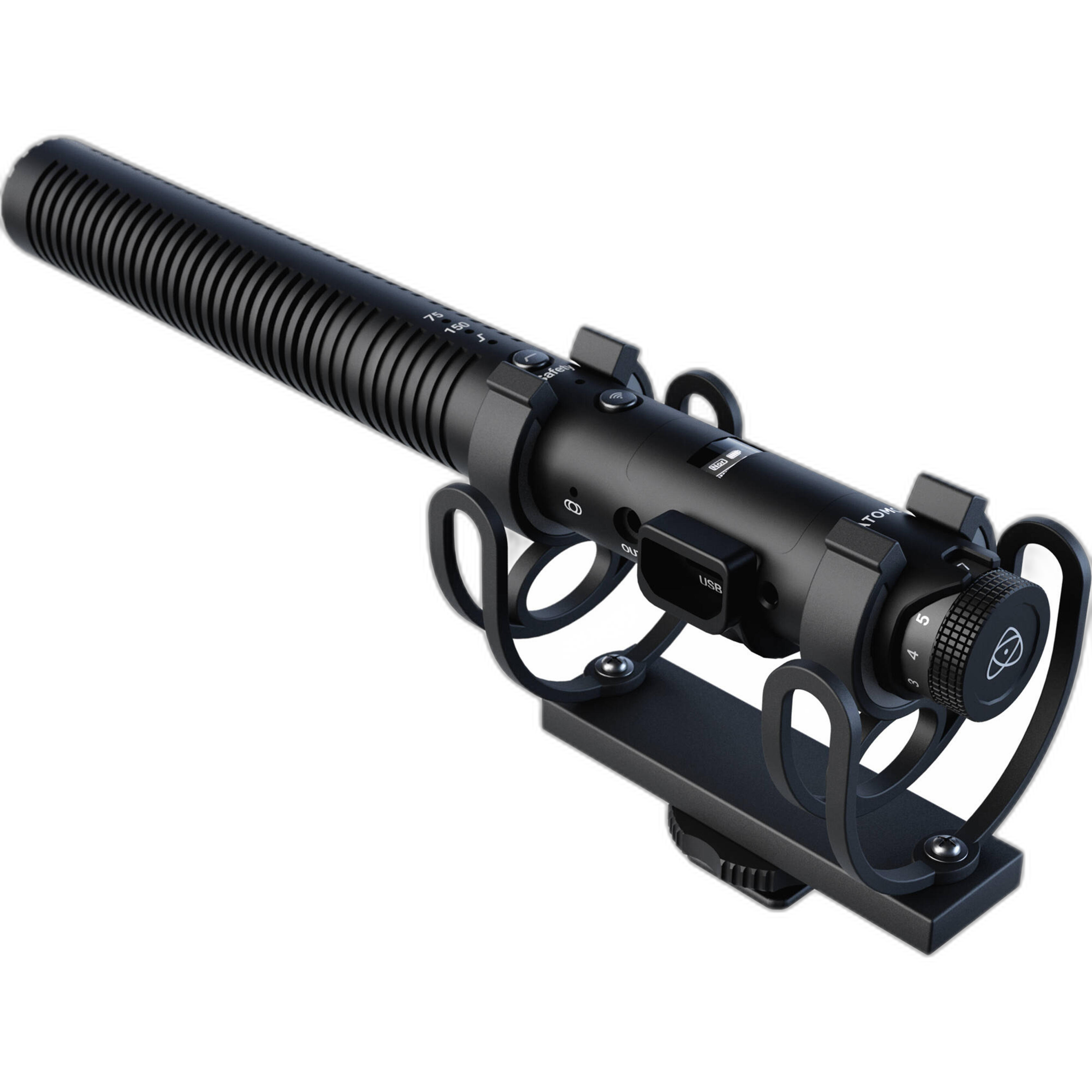
| Atomos StudioSonic Shotgun Mic | Shotgun microphone | General video capture | Simple directional pickup | Users wanting straightforward on-camera audio |
| Sennheiser MKE 600 Shotgun Microphone | Shotgun microphone | Boom or more advanced video production | More professional upgrade path | Creators growing into higher-end dialogue capture |
| Sony ECM-M1 Digital Shotgun Microphone | Digital shotgun microphone | Sony camera users, streamlined hybrid shooting | Integrated digital workflow for compatible Sony cameras | Sony creators who want convenience and control |
| Rode NTG5 Moisture Resistant Shotgun Microphone Location Recording Kit | Professional location shotgun kit | Field recording, advanced productions, booming | Location-ready kit with pro ambitions | Users beyond entry level |
| Sennheiser MKE 440 Compact Stereo Shotgun Microphone | Compact stereo shotgun mic | Ambient capture, events, wider sound image | Stereo pickup for more environmental realism | Creators who want room sound, not just isolated voice |
Best Entry-Level Choices for YouTube Creators
Azden SMX-15: Simple and Affordable
The Azden SMX-15 Powered Shotgun Video Microphone is the kind of mic that makes sense for a first serious audio upgrade. If you’re moving from built-in camera audio and want something easy to mount and use, this style of compact powered shotgun is a practical starting point. It’s especially well suited to solo creators filming product videos, beginner interviews, unboxings, and straightforward YouTube setups where the camera stays relatively close to the subject.
The main reason to choose a model like this over a lav is convenience. You don’t need to clip anything to your shirt, route cables under clothing, or worry about mic visibility. The tradeoff is that your sound quality depends much more on distance. If the camera is too far away, even a decent shotgun won’t sound as intimate as a lav clipped near your mouth.
Open Box Azden SMX-15: Best Budget Value
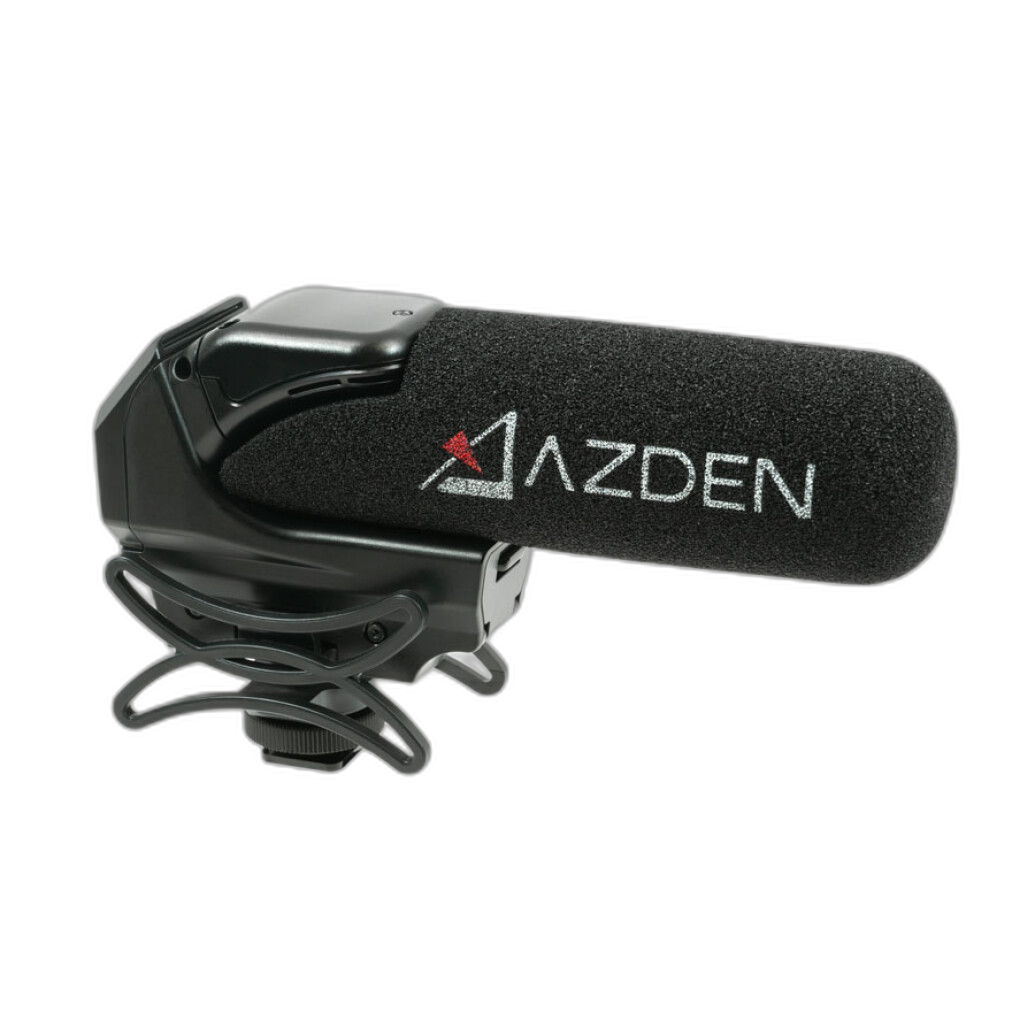
If your main goal is getting off your camera’s internal microphone without overspending, the Open Box Azden SMX-15 may be the best value pick in this group. For entry-level YouTube, sound improvements do not always require a complex audio chain. A budget-friendly shotgun can already deliver a major step up in clarity and directionality compared to onboard audio.
This is the route for creators who are still testing their content style and want to improve production quality while keeping costs controlled. Compared with a lav, it remains easier to deploy quickly, especially for casual home shooting.
Rode VideoMic NTG: The Most Flexible Option
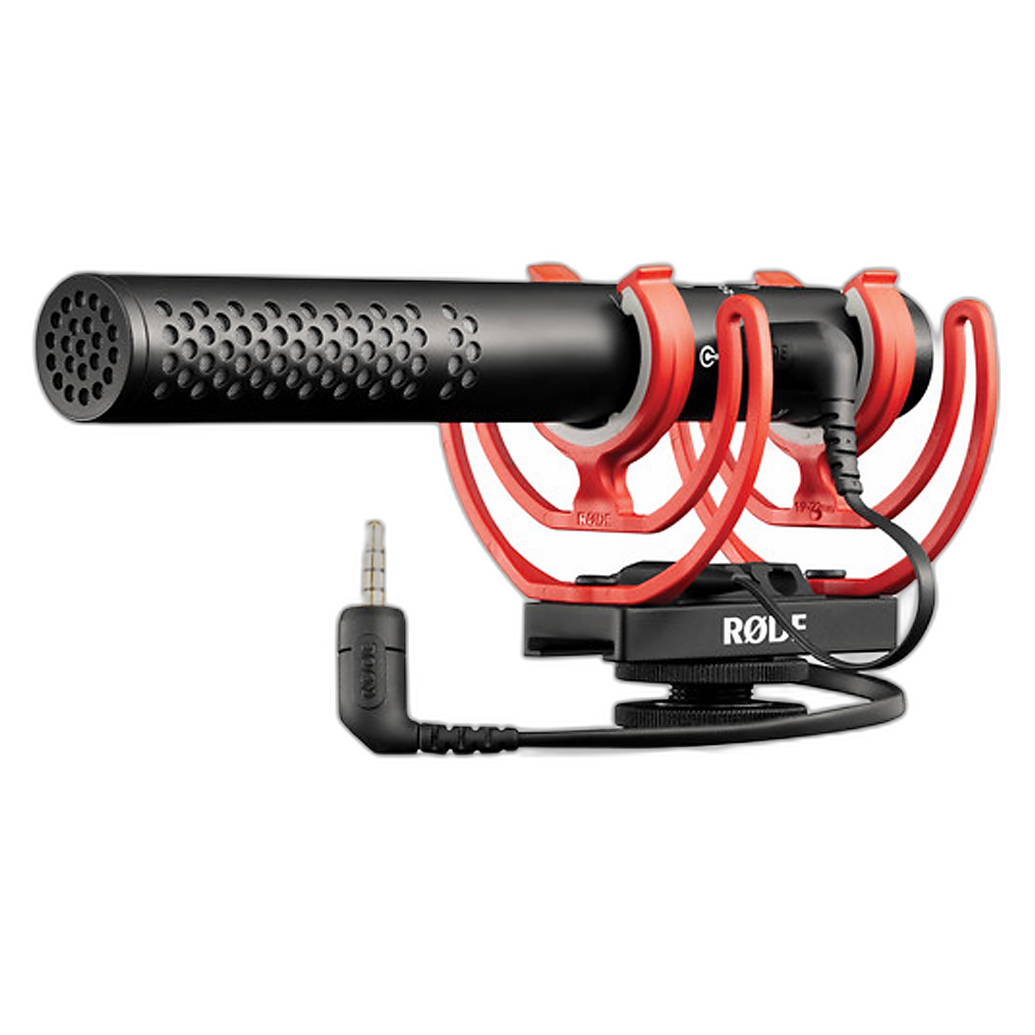
The Rode VideoMic NTG Hybrid Analog/USB On-Camera Shotgun Microphone stands out because it bridges multiple recording styles. For creators who film on a camera one day, record voiceovers to a computer the next, and maybe connect to a mobile device as well, hybrid connectivity is a huge advantage.
This flexibility makes it one of the strongest choices for YouTubers who are not sure whether they need a traditional on-camera mic or a more desktop-friendly audio solution. In a shotgun-vs-lav conversation, this matters because many beginners do not actually need a lav at first—they need a mic that can adapt as their workflow evolves. The VideoMic NTG is especially appealing if you want one tool that can cover talking-head video, streaming, voiceover, and mobile content creation.
When a Shotgun Mic Is Better Than a Lavalier
Cleaner Setup on Camera
For many YouTube creators, one of the biggest benefits of a shotgun mic is keeping the subject visually clean. You don’t have to hide a mic on clothing, and there’s no visible clip unless you choose to frame the mic overhead or use a boom. That’s ideal for beauty videos, product demos, and minimalist talking-head content.
Faster for Solo Shooters
If you work alone, a shotgun mic is often faster. Mount it, point it correctly, check levels, and start recording. A lav setup can involve clipping, cable management, rustle testing, and repositioning for each wardrobe change.
Better for Shared or Changing Subjects
If different people rotate in and out of frame, a shotgun mic can be more practical than repeatedly miking each subject. This is useful for simple interview content, family channels, and behind-the-scenes shooting.
When a Lavalier Is Better Than a Shotgun
Consistent Voice Level During Movement
If you walk around while filming, teach while standing, or frequently turn your head, a lavalier usually keeps your voice more consistent because it stays close to your mouth. A camera-mounted shotgun cannot overcome distance nearly as effectively.
More Isolation in Challenging Spaces
In echoey rooms or noisy environments, a lav often has the advantage because close mic placement beats distance. Many beginners assume a shotgun “zooms in” on sound from across the room, but that’s not really how it works. The mic still performs best when it’s reasonably close.
Step-Up Shotgun Options
Sony ECM-M1: Great for Compatible Sony Shooters
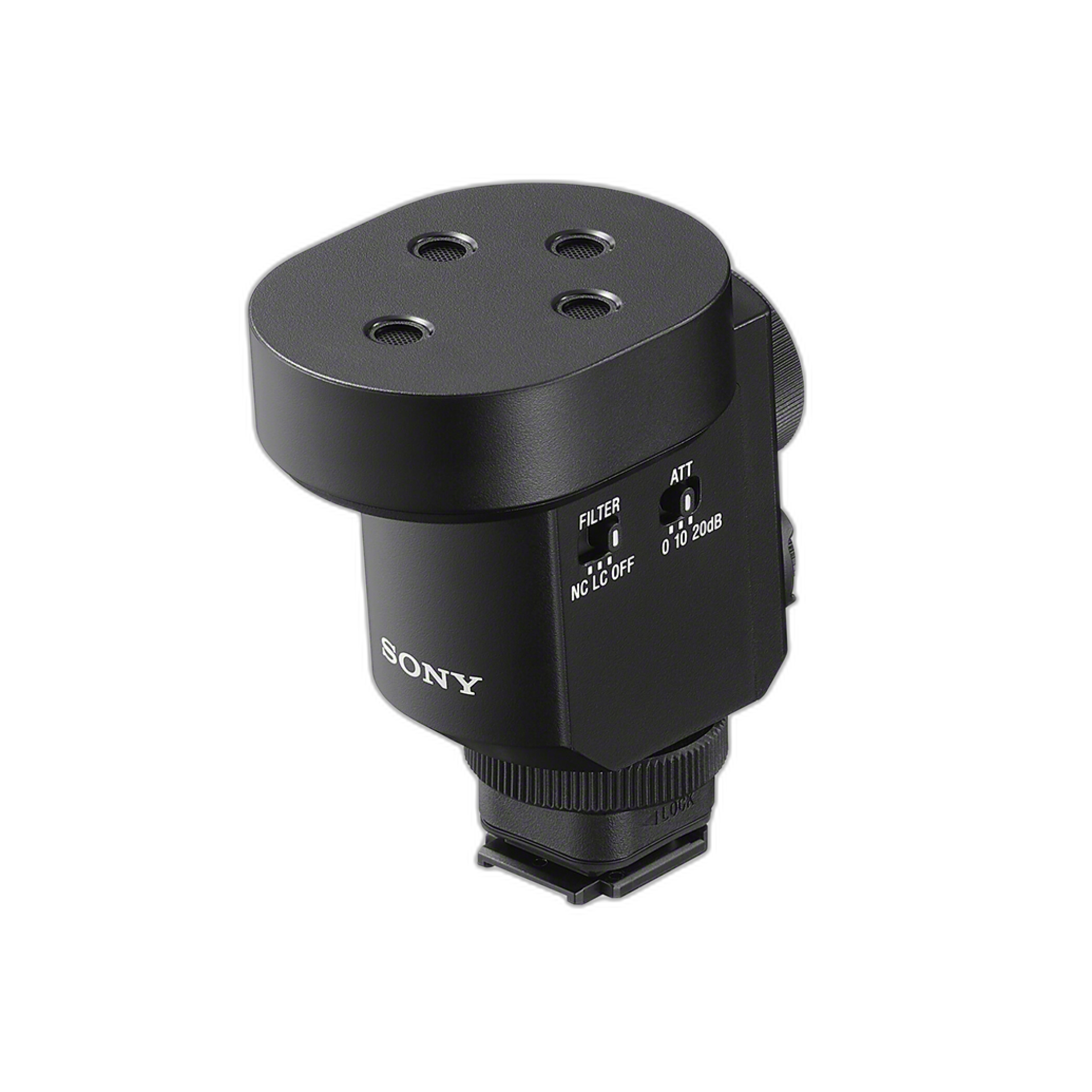
The Sony ECM-M1 Digital Shotgun Microphone is especially compelling for creators already invested in a compatible Sony camera ecosystem. For those users, the appeal is streamlined operation and a more integrated workflow. If you want to reduce accessory clutter and maintain a neat on-camera setup, this is a very modern shotgun solution.
Compared with a lav, this kind of integrated digital shotgun still favors creators who stay near camera and value convenience over body-worn consistency.
Sennheiser MKE 600: A Serious Dialogue Upgrade
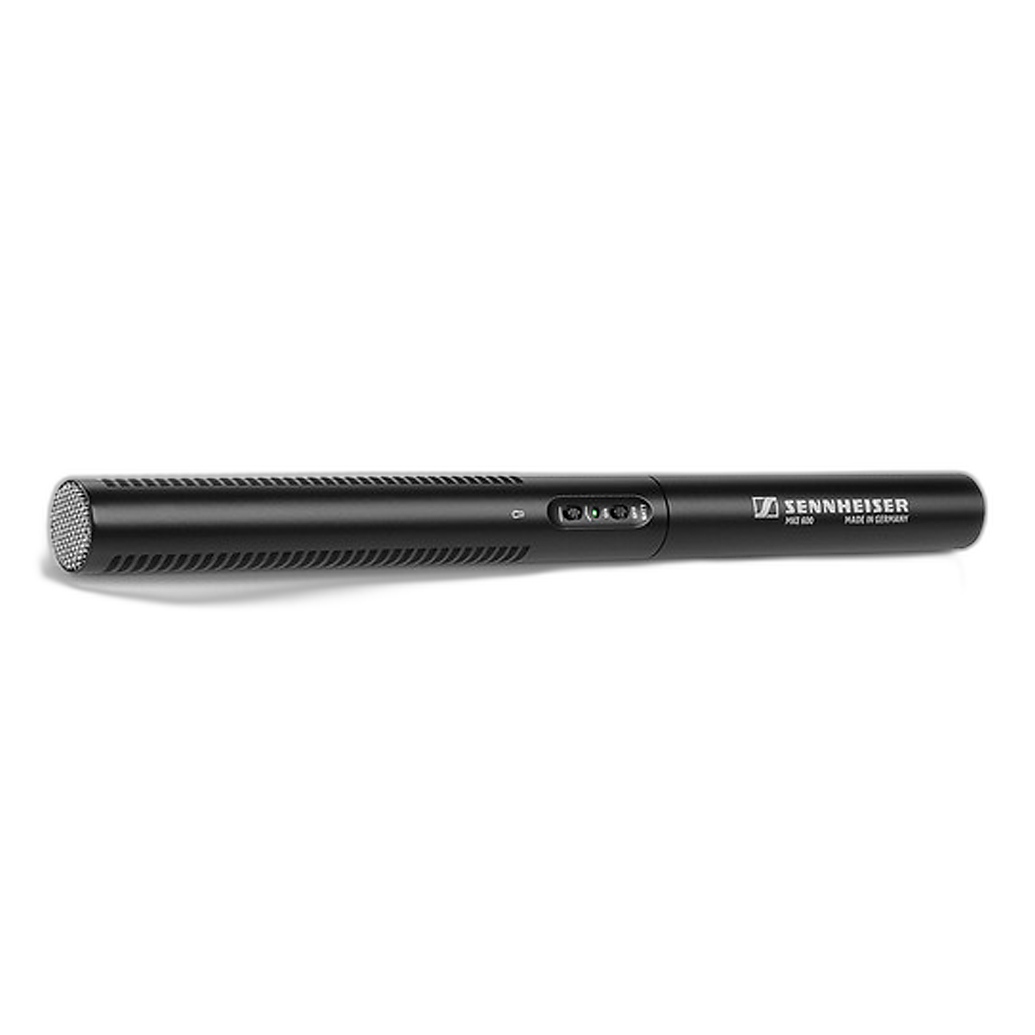
The Sennheiser MKE 600 Shotgun Microphone is better viewed as a more advanced investment than a pure beginner solution. It makes sense for YouTubers moving toward short films, interviews, or boom-mounted dialogue capture. If your content is growing beyond basic on-camera recording, this is the kind of mic that can support more polished production methods.
Rode NTG5 Kit: More Than Most Beginners Need
The Rode NTG5 Moisture Resistant Shotgun Microphone Location Recording Kit is a strong professional-oriented package, but for most entry-level YouTube creators it will be more than necessary. It is best for users who already know they want location-ready gear and more advanced audio workflows.
Sennheiser MKE 440: Best for Wider Natural Sound
The Sennheiser MKE 440 Compact Stereo Shotgun Microphone is a different kind of choice. Because it is oriented toward stereo capture, it can be attractive for creators who want to preserve a sense of environment—events, live spaces, travel content, and atmospheres—rather than focus only on the tightest possible voice isolation.
Our Pick
Our Pick: Rode VideoMic NTG Hybrid Analog/USB On-Camera Shotgun Microphone
For most beginner and intermediate YouTube creators deciding between shotgun convenience and lav-like flexibility, the Rode VideoMic NTG is the smartest overall recommendation. It offers the broadest usability across cameras, computers, and hybrid recording setups, which makes it a safer long-term buy than a basic entry-only mic. If you want one microphone that can grow with your channel, this is the best balance of simplicity, quality, and versatility.
If your budget is tighter, the Azden SMX-15 is a strong starter choice, and the Open Box Azden SMX-15 is the value option worth considering first.
Final Thoughts
For YouTube beginners, the shotgun-vs-lavalier decision is really about how you shoot. If you record seated videos, camera-facing content, or quick solo productions, a shotgun microphone is often the easiest and cleanest upgrade. If you move a lot, need consistently close voice capture, or film farther from the camera, a lavalier may still be the better fit.
Among the shotgun options here, the best entry path is the Azden for affordability, while the Rode VideoMic NTG is the strongest all-around investment for creators who want room to grow. If you’re ready to improve your YouTube audio, Unique Photo offers a range of creator-friendly microphone options to match your workflow and budget.