Do You Need Expensive Gear to Win Photo Contests?
Photo contests are often won by images with strong ideas, timing, light, and storytelling—not simply by the most expensive camera in the room. While better equipment can expand your options and improve reliability, many photographers create award-worthy work with modest kits and careful technique.
At Unique Photo, we help photographers build smart systems for the kind of images they want to make. If you're trying to improve your contest results, it helps to understand when gear truly matters and when your budget is better spent on support tools, printing, or refining your shooting approach.
Do contest-winning photos usually require pro-level cameras and lenses?
No. A professional camera can absolutely help in demanding situations—such as low light, fast action, or scenes with extreme dynamic range—but judges respond first to impact, composition, originality, and execution. A beautifully timed image from an older DSLR can outperform a technically perfect but uninspired frame from a flagship body.
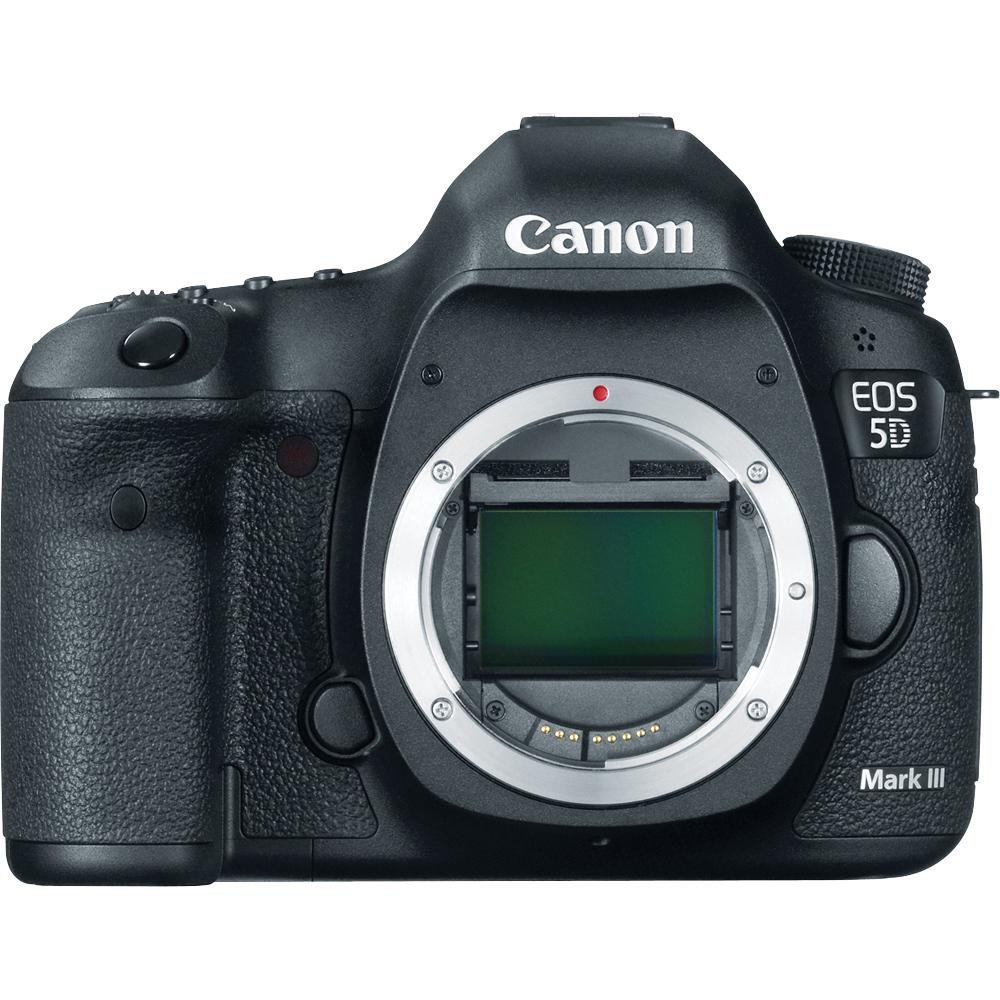
That said, dependable cameras with strong image quality can make it easier to come home with the shot. A proven full-frame DSLR like the Canon 5D Mark III remains a practical option for photographers entering portrait, landscape, documentary, and general editorial-style contests. It offers solid full-frame files, dependable handling, and a price point that can leave room in your budget for lenses, printing, and accessories.
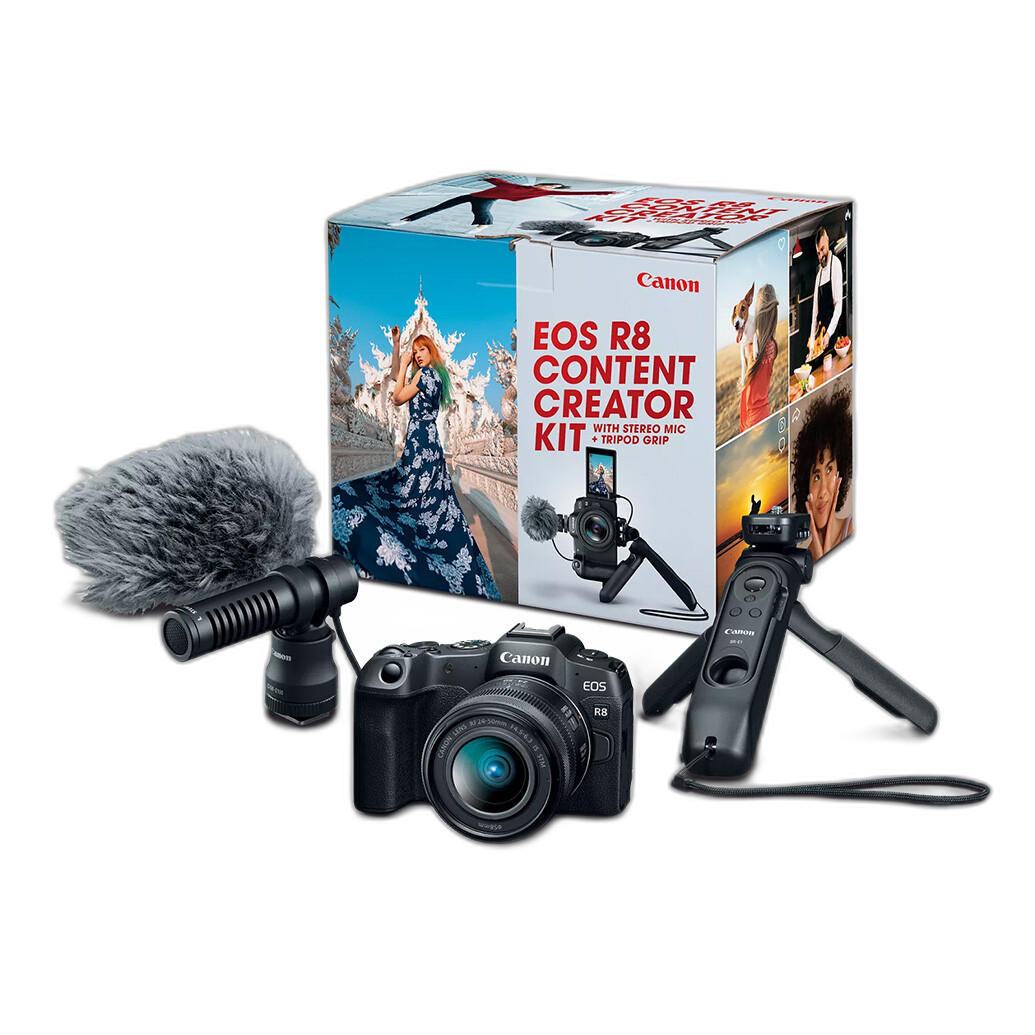
If you prefer a newer mirrorless workflow, the Canon EOS R8 Content Creator Kit is another strong path for photographers who want excellent image quality, fast autofocus, and an easy-to-carry setup. Modern autofocus and clean high-ISO performance can be especially helpful for wildlife, events, and portrait submissions.
Can you win photo contests with budget gear?
Yes. Budget gear wins when it is matched to the subject and used intentionally. Many successful contest entries come from photographers who know their equipment thoroughly, work within its limits, and pay close attention to light and moment. Good composition, thoughtful editing, and a clear visual concept usually matter more than whether the camera is the newest release.
A budget-conscious DSLR can still be a smart learning and shooting platform. For example, used cameras often give photographers access to larger sensors and interchangeable lenses without the cost of a brand-new system. A body like the used Canon 5D Mark III can be a particularly good value if your goal is image quality and system flexibility over cutting-edge features.
Even an older APS-C DSLR can be useful for categories like travel, street, and nature, where timing and perspective outweigh prestige. The main point is this: if your camera gives you enough resolution, reliable exposure, and files you can edit well, it is capable of serious work.
When does higher-end gear make a real difference in contests?
Higher-end gear matters most when the subject is difficult. Fast action, low-light scenes, dramatic weather, and split-second expression work all benefit from stronger autofocus, faster bursts, better buffer performance, and improved sensor latitude. In those cases, premium gear raises your keeper rate and gives you more usable frames to choose from.
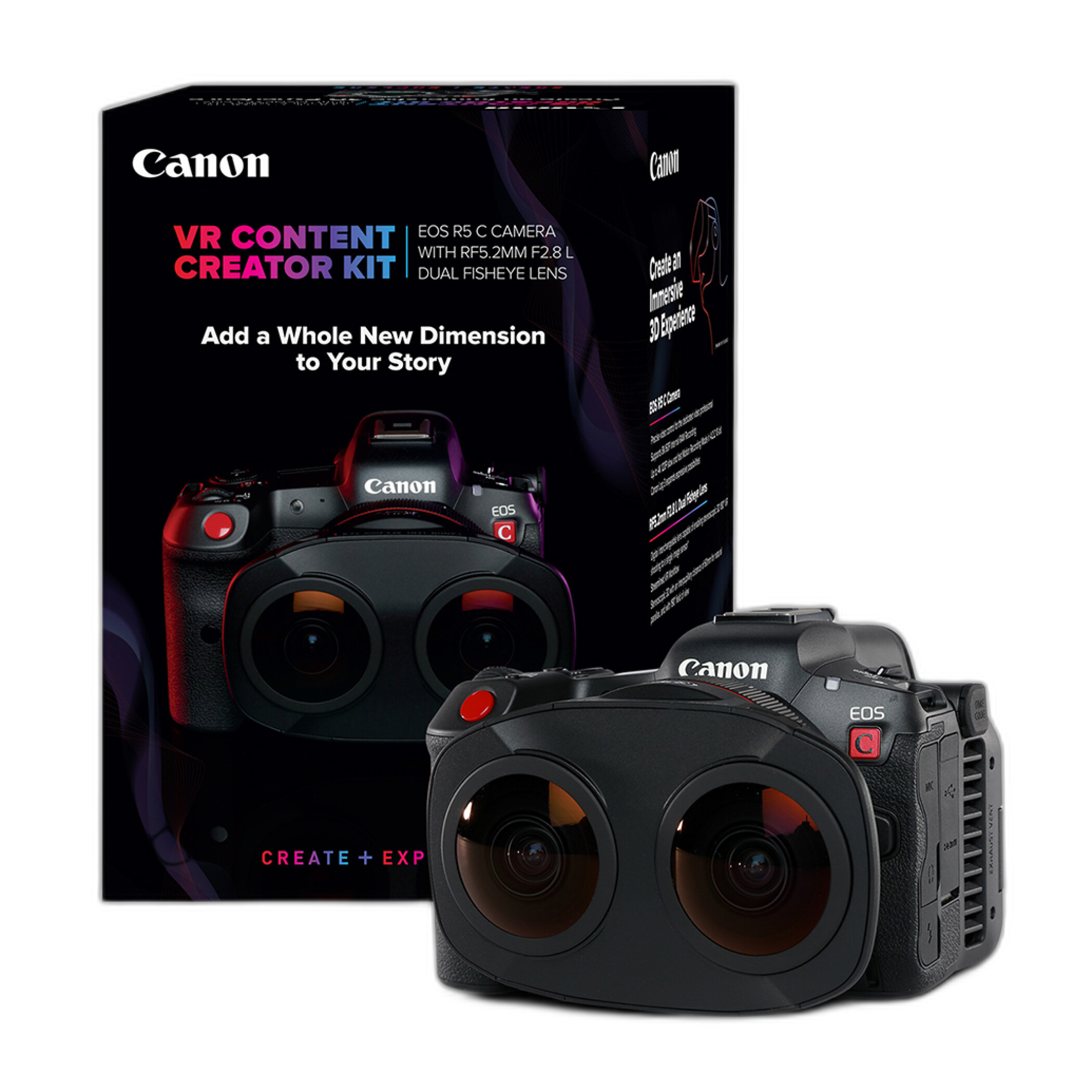
Specialized creative categories can also demand more advanced tools. If you're exploring immersive storytelling, 3D capture, or cutting-edge visual presentation, a system like the Canon EOS R5 C VR Content Creator Kit can help you produce work that stands out in innovation-focused competitions or multimedia categories.
For most still-photo contests, though, spending more only makes sense if it solves a specific problem in your workflow. If missed focus, poor low-light performance, or slow operation are holding you back, an upgrade may be justified. If not, your money may go further in better lenses, support, or presentation.
Are certain focal lengths better for contest-winning images?
There is no single winning focal length, but some ranges are especially versatile. Wide angles are effective when you want to emphasize place, scale, and foreground interest, making them popular for landscape, architecture, and environmental portrait categories. Standard focal lengths tend to feel natural and can work beautifully for documentary and storytelling. Short telephoto lenses are often favored for portraits because they flatter facial features and help isolate the subject.
Longer focal lengths can also create standout images by compressing perspective, simplifying backgrounds, or bringing distant subjects into reach. In wildlife, sports, and some fine-art work, telephoto framing can be what transforms a busy scene into a clean, contest-ready image.
Rather than chasing one magic focal length, build your approach around the kind of images you want to submit. Many photographers are better served by mastering one or two focal lengths deeply than by carrying too many options and shooting inconsistently.
What accessories can help create stronger contest images?
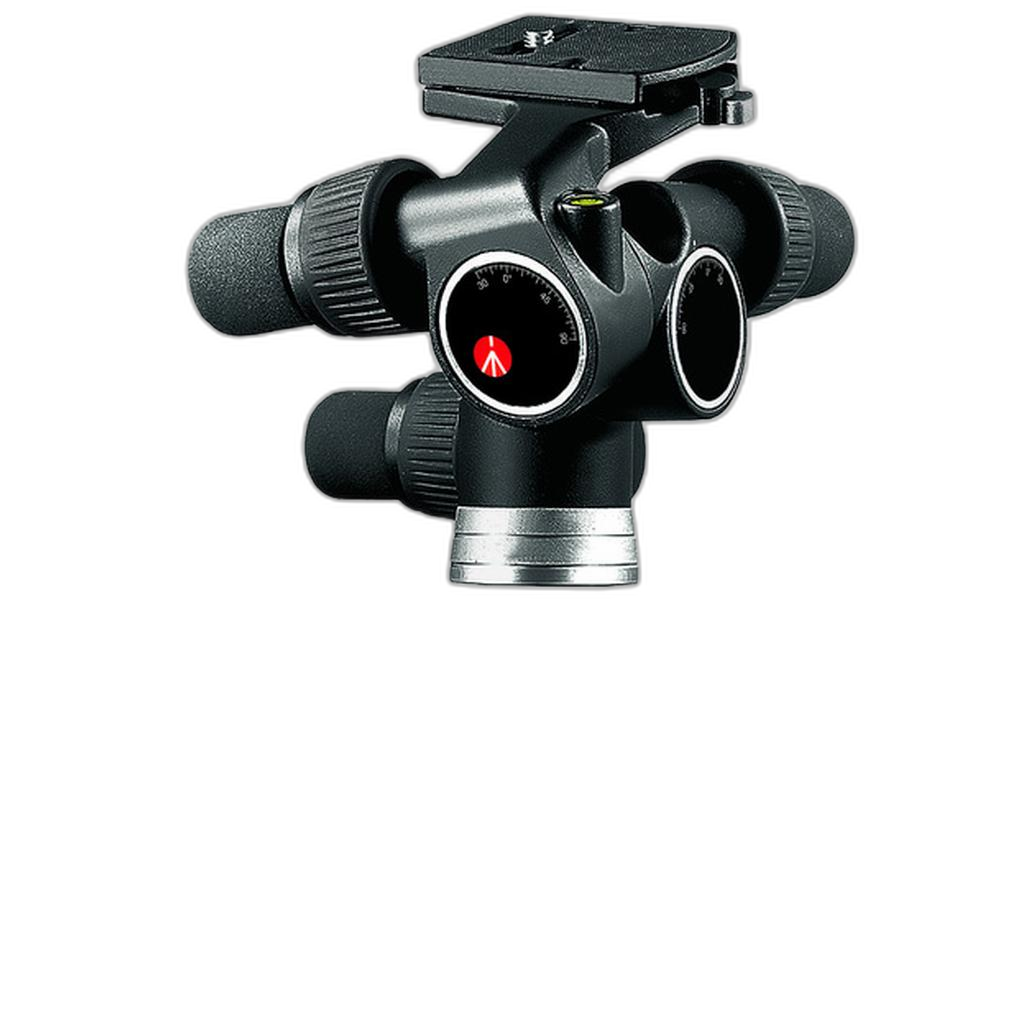
Accessories can make a bigger difference than many photographers expect. A stable support system improves sharpness, repeatability, and framing precision—especially for landscapes, architecture, macro, and composite work. A geared head is particularly useful when your composition needs fine adjustment.
The Manfrotto 405 Pro Digital Geared Head is an excellent example of an accessory that can directly improve image quality and consistency. For photographers making carefully composed images, its precise control helps refine lines, horizons, and framing in a way that ball heads often cannot.
Other useful accessories may include filters, remote releases, extra batteries, and color-managed printing tools. These are not flashy purchases, but they often support the kind of disciplined workflow that leads to stronger final submissions.
Does printing matter for photo contests?
Absolutely. If a contest includes physical judging or exhibition prints, print quality can have a major impact on how your image is perceived. A strong file can lose its effect if the print lacks density, color accuracy, sharpness, or consistent finish. Conversely, a well-made print can elevate an image by presenting it with polish and clarity.
For photographers who regularly prepare entries, a dedicated photo printer can be a smart investment. The DNP DS620A Dye Sub Photo Printer is a great option for producing high-quality prints efficiently, while the DNP DS820A 8-inch Professional Photo Dye Sublimation Printer is well suited for larger output needs and presentation-minded workflows.
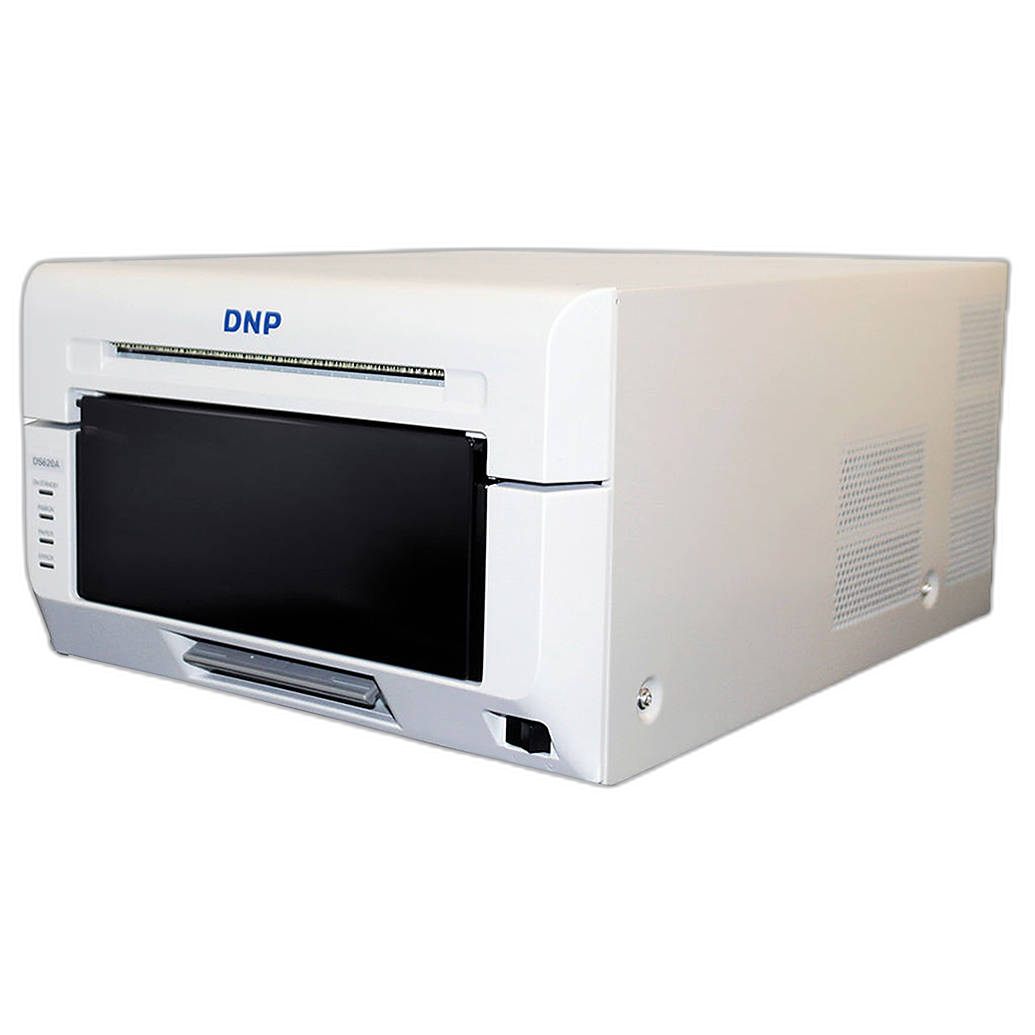
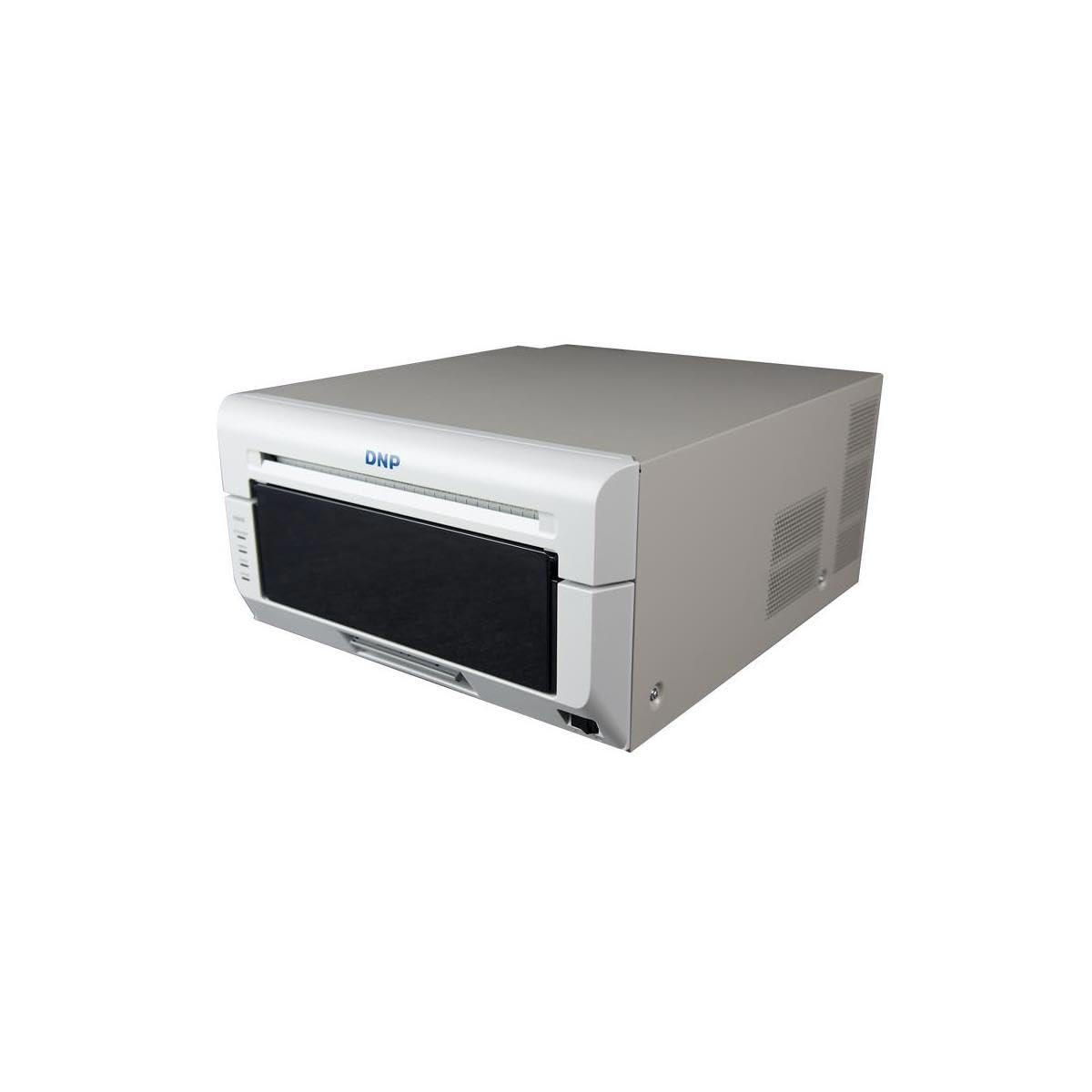
Even when contests are judged digitally, preparing your work with print-quality discipline often improves the final result. It encourages careful editing, tonal control, and attention to detail.
Should you spend your budget on a camera body, accessories, or output?
It depends on your weakest link. If your current camera is limiting focus accuracy, low-light performance, or overall file quality, replacing the body can make sense. If your images are already technically solid but lack polish, you may see more improvement from support gear, calibrated editing, or better printing. Many photographers are surprised by how much a stable shooting platform and strong presentation improve contest outcomes.
A balanced approach usually works best. For example, pairing a dependable used full-frame camera with a precision support accessory and a solid print workflow can be more effective than spending the entire budget on a single premium body. The photographers who improve fastest tend to invest where their actual bottlenecks are, not where marketing is loudest.
What matters most to judges besides gear?
Judges typically respond to emotional impact, visual clarity, originality, and technical control. They notice whether the image has a clear subject, whether distracting elements are minimized, and whether the treatment supports the idea. Light, gesture, timing, and point of view often carry far more weight than spec-sheet advantages.
Strong contest images also feel intentional. That may mean waiting for better light, simplifying a scene, choosing a more effective crop, or editing more selectively before submission. Gear helps you execute, but vision is what makes an image memorable.
What is the smartest contest-focused setup for a developing photographer?
A smart setup is one you can afford, carry, and use confidently. For many photographers, that means starting with a dependable camera body, one or two focal lengths they truly understand, and accessories that improve control. A used full-frame DSLR like the Canon 5D Mark III can be a cost-effective entry into high-quality imaging, while a modern option like the Canon EOS R8 Content Creator Kit offers speed and ease for those who want mirrorless advantages.
From there, add tools that support your intended categories: stable support for landscapes and architecture, strong autofocus for action and wildlife, or a reliable print solution for competitions that value presentation. The goal is not to own the most gear—it's to build a system that helps you make better images consistently.
If you're planning your next contest submission, Unique Photo can help you choose the right camera, support gear, and printing tools for your budget and goals. Explore our new and used selection to build a kit that strengthens your creativity where it matters most.