Photo contests reward clarity of vision, consistent technique, and thoughtful presentation. Whether you shoot film or digital, the right lens choices and reliable exposure habits help judges focus on your story—not your mistakes. Here’s a practical, gear-forward guide to building a contest-ready kit and dialing in settings that hold up under scrutiny.
Build a Contest-Ready Kit
Tip 1: Carry a fast normal for versatility
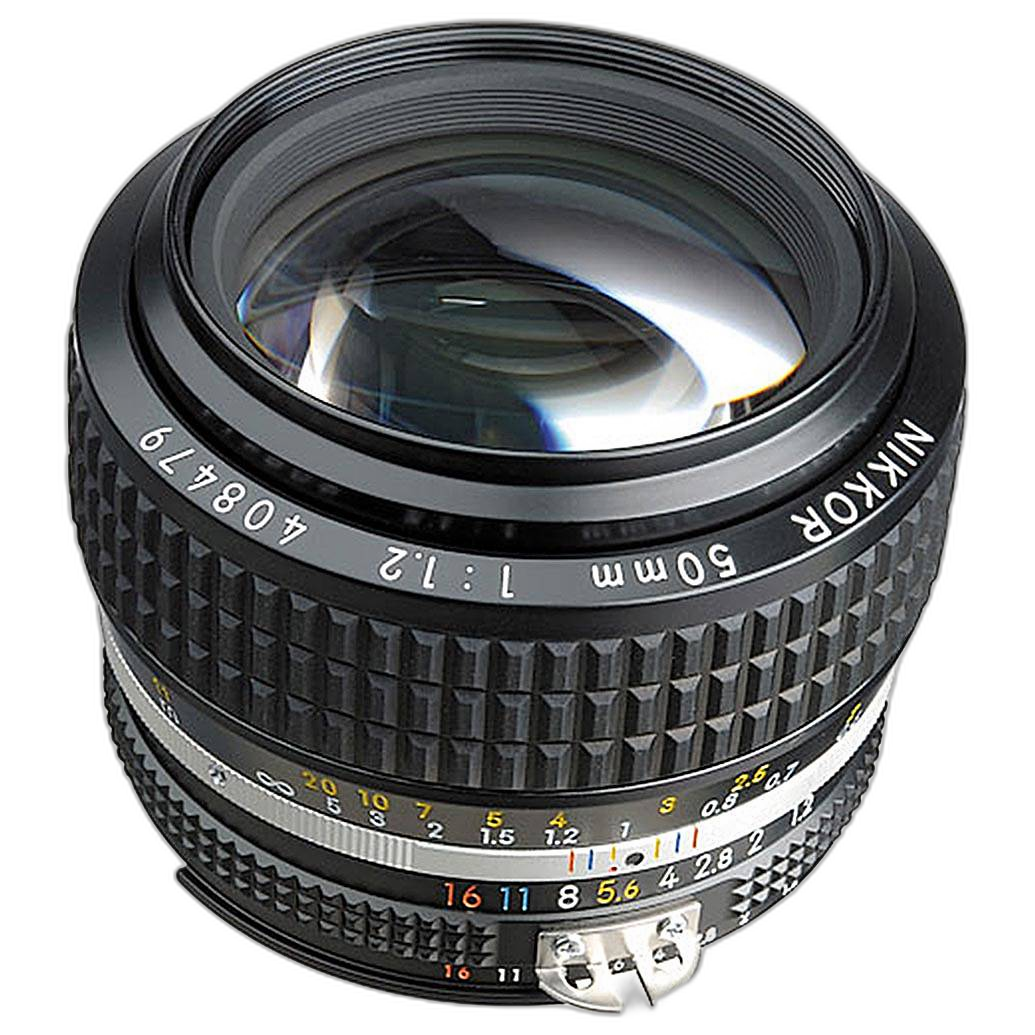
A fast 50mm keeps your setup simple and your style consistent. For low light and shallow depth of field, a classic like the Used Nikon 50mm f/1.2 Ai balances subject isolation with natural perspective—great for portraits, documentary, and detail shots that judges love for clarity and intent.
Quick setup: 1/250 s, f/2–f/2.8, ISO 400–800; focus on the eye, use a lens hood to tame flare.
Tip 2: Build a budget-friendly standard with crisp rendering
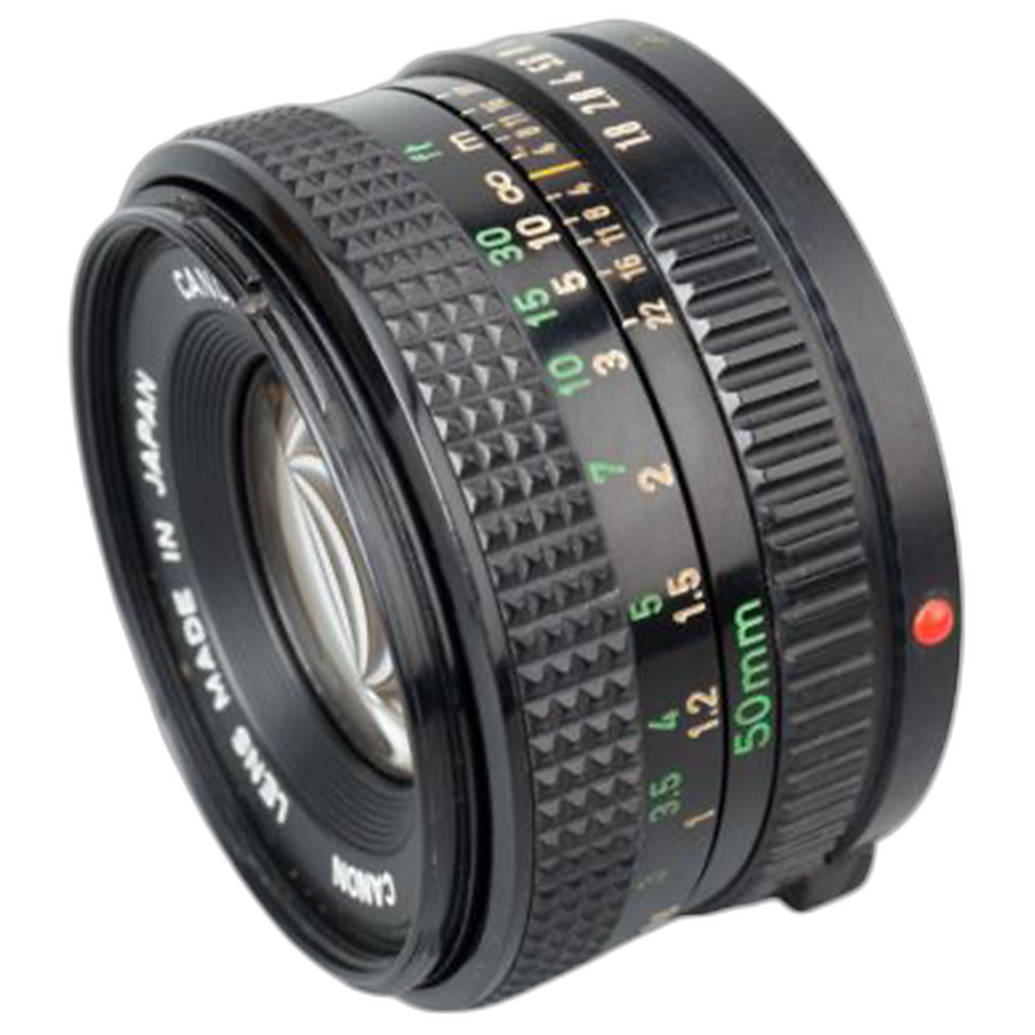
If you’re entering categories that value sharpness and clean tonality, a simple standard prime can be a winner. The Used Canon FD 50mm f/1.8 is compact and contrasty—ideal for walk-around storytelling and detail frames that anchor a series.
Quick setup: 1/200 s, f/4 for edge-to-edge sharpness, ISO 200; set exposure to protect highlights.
Tip 3: Go compact with rangefinder precision (plus small flash)
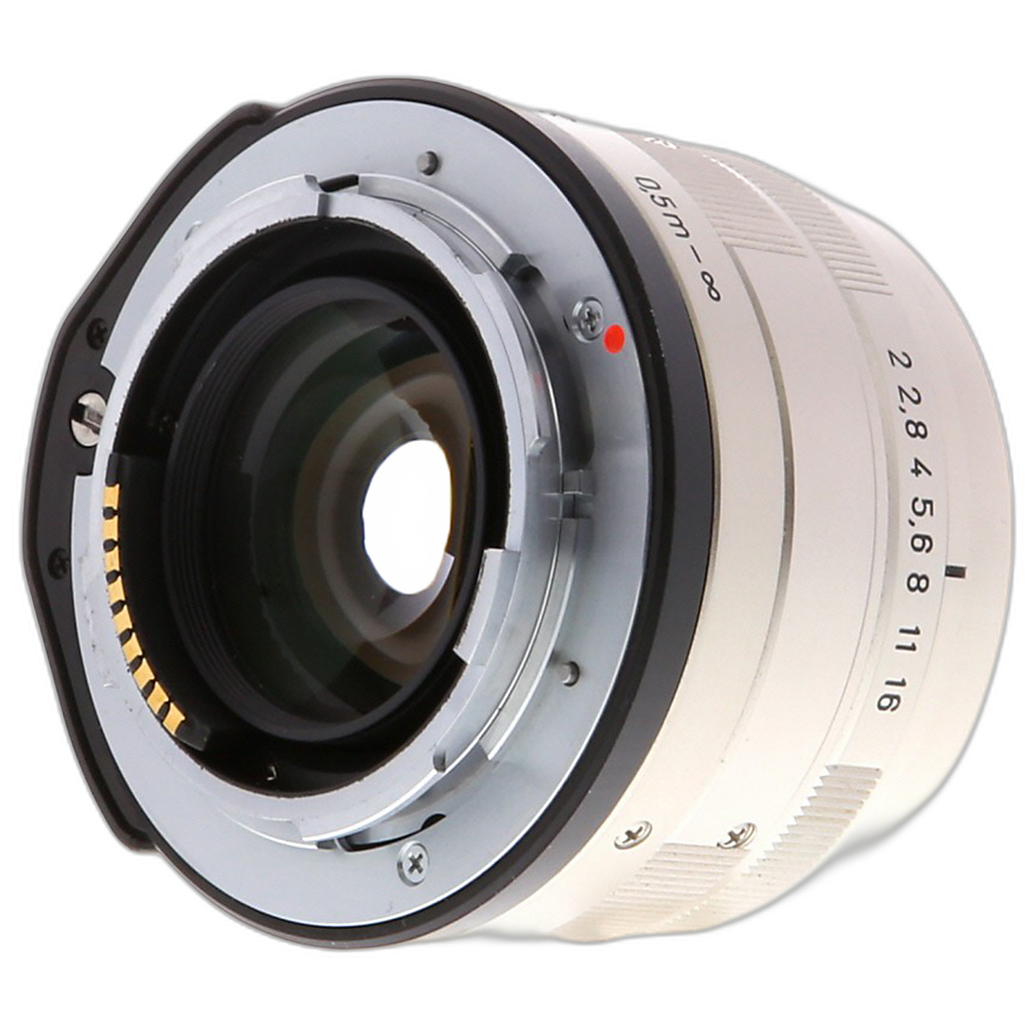
When mobility and quiet operation matter, a rangefinder-style film body keeps you nimble. The Used Contax G1 with 45mm f/2 and TLA140 Flash is an elegant contest-day combo: the 45mm f/2 offers beautiful micro-contrast, and the petite flash adds subtle fill when faces need pop without looking lit.
Quick setup: Aperture priority, f/2.8–f/4, -0.3 EV exposure comp outdoors; TLA140 at -1 EV for gentle fill.
Tip 4: Add a wide that judges recognize in landscapes and architecture
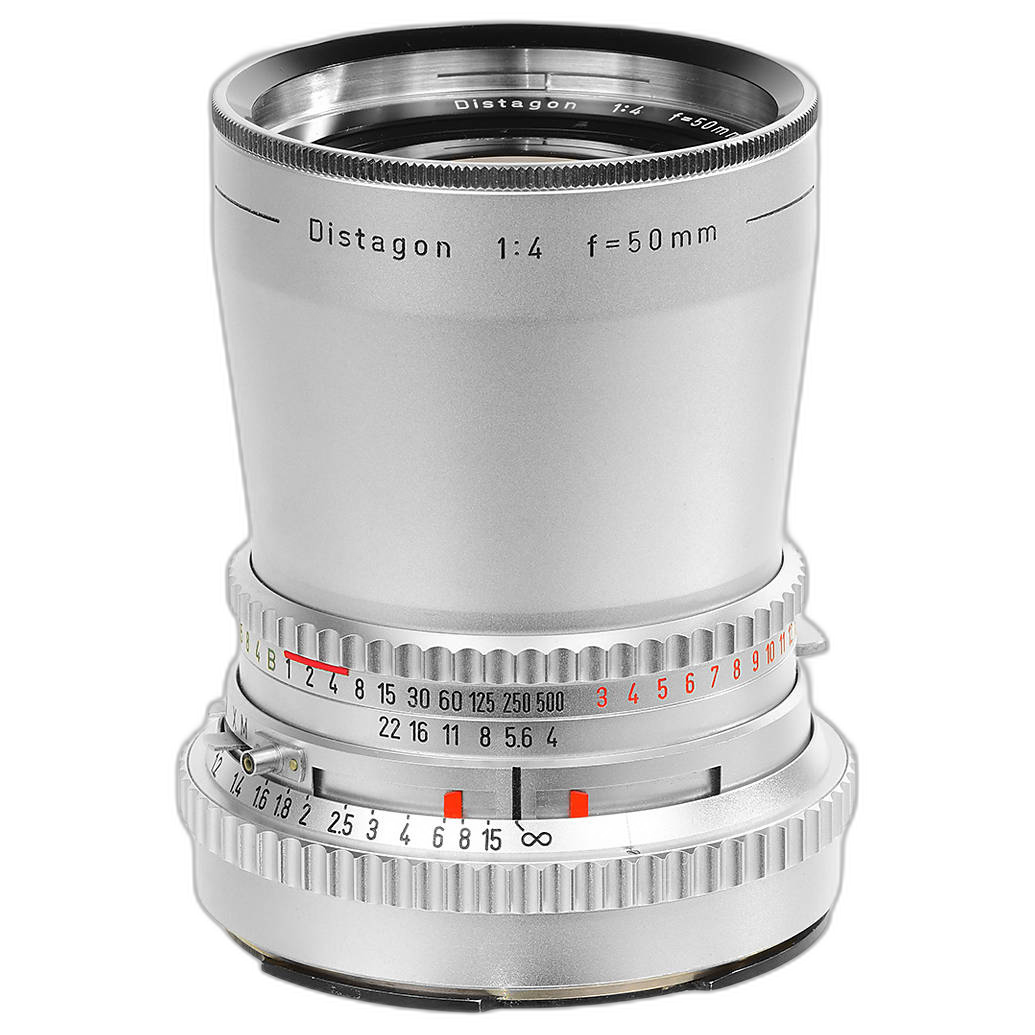
Wide-angle images stand out when they’re clean, controlled, and distortion-aware. The Used Hasselblad 50mm f/4 CF T* on medium format delivers that signature crisp, wide field with excellent flare resistance—perfect for landscapes, interiors, and environmental portraits.
Quick setup: Tripod, base ISO, f/8–f/11; level the horizon and bracket exposures for complex light.
Tip 5: Isolate subjects with a longer focal length
When you need separation and minimal background clutter, a moderate tele can be your best friend. A lens like the Used Nikon Nikkor-W 135mm f/5.6 (for large format workflows) can produce meticulous edge detail and controlled perspective—useful for fine-art, architecture, and still-life categories where precision matters.
Quick setup: Stop down to f/16–f/22 as needed, use movements if your system supports them, and meter with intention for highlight retention.
Tip 6: Embrace point-and-shoot simplicity for candid categories
A compact like the Used Konica Big Mini Zoom TR BM-610Z keeps you reactive for street, candid, and travel themes. Judges appreciate authentic moments; simple cameras let you capture more of them.
Quick setup: Auto mode with exposure comp -0.3 to protect highlights; look for clean backgrounds and strong light direction.
Tip 7: Draw inspiration from vintage press tools
Classic fast-lens cameras like the Ermanox Ernemann with 100mm f/2 helped define available-light reportage. While this specific sample requires a shutter replacement before use, its history is a reminder: contests reward images that feel immediate, intimate, and technically assured.
Settings That Win Judges
Tip 8: Nail exposure the same way, every time
- Start point: ISO 400 (film or digital) for flexibility; 1/250 s for people, 1/500–1/1000 s for action.
- Protect highlights: dial -0.3 to -0.7 EV in contrasty scenes; expose for the face in portraits.
- Bracket critical frames (0/±1 EV) in high dynamic range scenes.
Tip 9: Control color so a series looks cohesive
- Digital: Set a custom white balance or use Kelvin; avoid Auto WB shifts across a series.
- Film: Stick to one stock per entry; note stock and processing so tones stay predictable.
Tip 10: Make focus decisions that support the story
- Single-point AF for portraits and moments; recompose minimally to keep eyes sharp.
- Manual focus lenses (like a fast 50mm) benefit from magnification/peaking or a split-prism screen.
- Stop down to f/4–f/5.6 for groups or when movement is unpredictable.
Tip 11: Use subtle flash for polish, not a giveaway
- Small flash like the TLA140: -1 EV for fill, bounce when possible, and keep ISO moderate to preserve ambience.
- Watch for specular highlights on skin; diffuse or feather the light if needed.
Tip 12: Process for clarity, not gimmicks
- Prioritize clean tones, accurate color, and natural contrast; avoid heavy HDR.
- Sharpen last and lightly; export at the contest’s required size and color space (often sRGB for web).
Prep, Process, and Presentation
Tip 13: Read the brief, test, and rehearse
- Build a short shot list that hits the theme: opener, detail, environmental, action, and quiet moment.
- Make a test entry with your chosen lens to confirm exposure and color decisions.
Tip 14: Back up, label, and caption
- Duplicate memory cards/negatives and maintain a consistent file naming scheme.
- Write concise captions that add context without re-explaining the picture.
Tip 15: Keep learning with real-world practice
Workshops sharpen technique and help you build portfolio-ready work. Unique Photo’s Macro and Landscape Photography at Duke Farms with Michael Downey is a great way to practice composition, focus discipline, and fieldcraft—skills that translate directly to contest success.

Quick Starting Points
- Documentary/street: 45mm at f/2.8, 1/250 s, ISO 400; -0.3 EV for highlight protection.
- Portrait: Fast 50mm at f/2, 1/500 s, ISO 200–400; single-point AF or careful manual focus on the eye.
- Landscape: Wide lens at f/8–f/11, base ISO, tripod; bracket and blend if needed.
- Detail/product: Stop down to f/5.6–f/8; use diffused light and a reflector for clean contrast.
Final Thoughts
Winning contest entries are intentional: a clear idea, a dependable lens, consistent exposure, and a clean finish. Start with one or two lenses you trust, work a scene patiently, and present a cohesive set. Explore used gems and hands-on classes at Unique Photo to refine your craft and create images that stand out for all the right reasons.