Getting into film photography is exciting, but choosing your first camera can feel overwhelming. Should you start with a classic SLR for full control, a rangefinder for a more deliberate shooting experience, or a point & shoot for simplicity and portability? This guide is for beginners who want a camera that matches how they actually like to shoot, whether that means learning exposure, carrying a camera every day, or keeping things as easy as possible.
The good news is that there is no single "best" first film camera for everyone. The right choice depends on your priorities: ease of use, lens flexibility, compact size, or the hands-on experience of manual photography. Below, we break down the strengths of each type and highlight a few standout used options available from Unique Photo.
SLR vs Rangefinder vs Point & Shoot: What’s the Difference?
| Camera Type | Best For | Pros | Things to Consider |
|---|---|---|---|
| SLR | Beginners who want to learn photography fundamentals | Through-the-lens viewing, interchangeable lenses, strong manual control | Larger and heavier than compact cameras |
| Rangefinder | Shooters who want a compact manual camera and a classic film experience | Quiet operation, bright viewfinder, compact body | Different focusing method can take practice |
| Point & Shoot | Casual users, travel, everyday carry, simple film shooting | Easy to use, portable, fast to bring anywhere | Less control and usually fixed lens |
Why an SLR Is Often the Best First Film Camera
If your goal is to really learn film photography, an SLR is usually the easiest place to start. You look directly through the lens, so what you see is what the film sees. That makes composition simpler for beginners, especially when learning focus, framing, and exposure. Many SLRs also offer manual and semi-automatic shooting modes, which is perfect if you want room to grow.
Used Canon A-1 Film 35MM Film SLR - Excellent
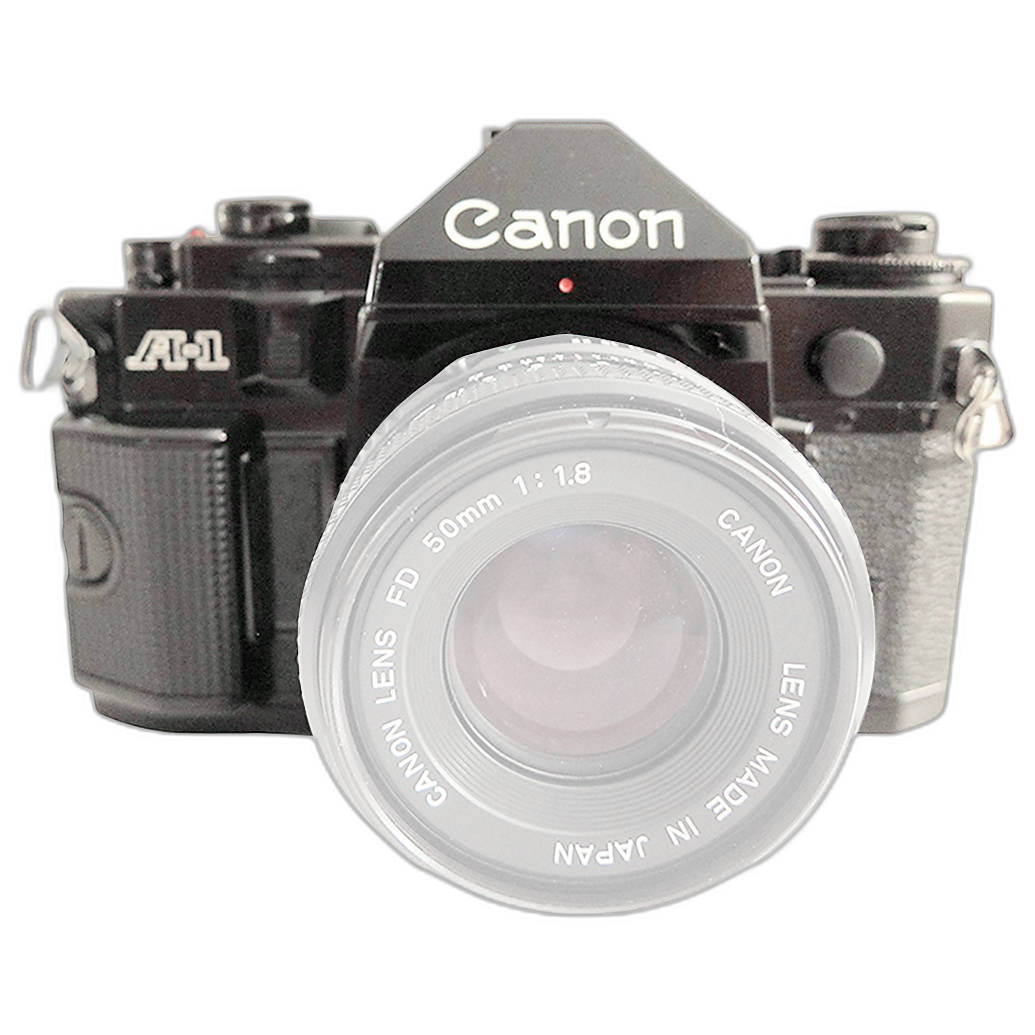
The Canon A-1 is a classic recommendation for anyone serious about starting film photography the right way. It gives beginners a dependable SLR platform with the kind of controls that make learning easier, not harder. Because it is an SLR, viewing and focusing feel intuitive, and the camera offers a strong path from automatic shooting into manual experimentation.
This is a great fit for students, hobbyists, and digital photographers who want a film camera that feels substantial and capable. If you want a first camera that can stay with you well after the beginner stage, the A-1 is one of the strongest choices in this guide.
Used Canon A1 35mm SLR With 50mm F/1.8 (Black) - Good
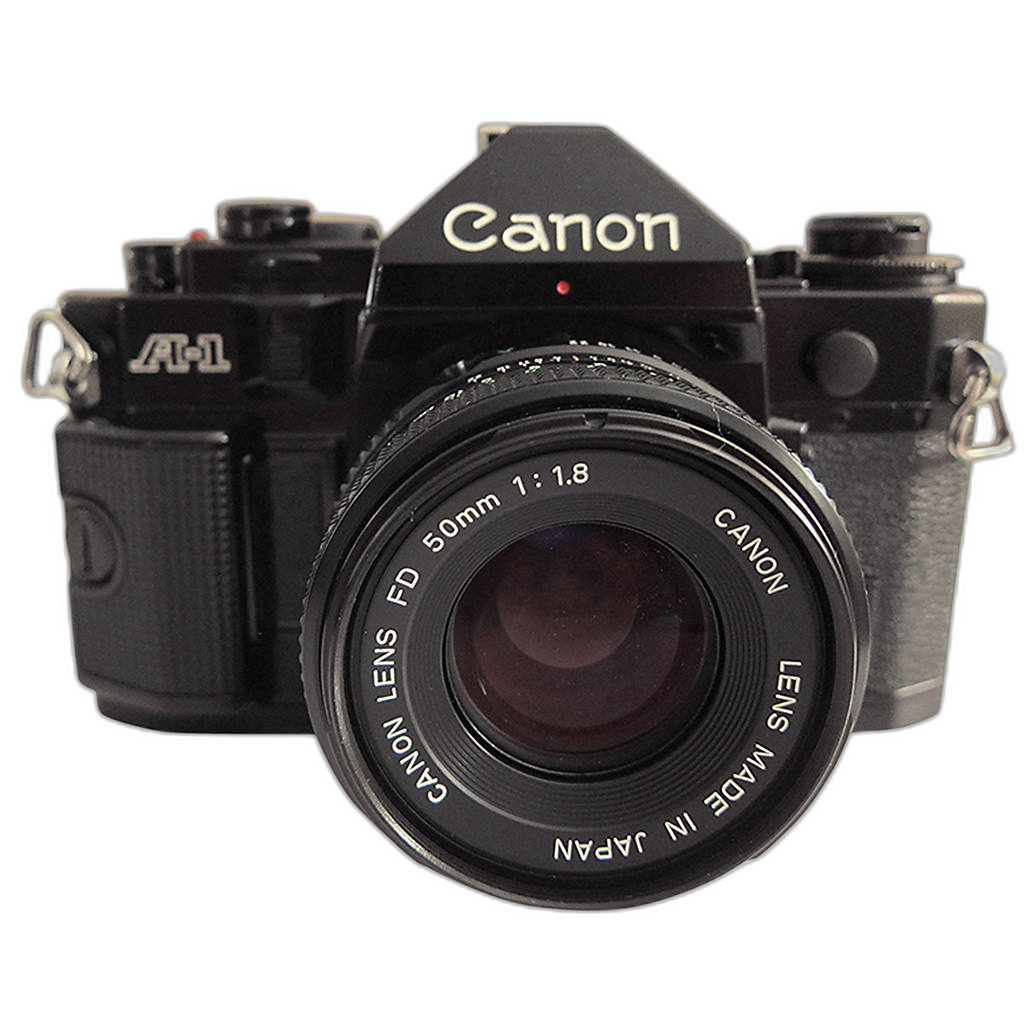
This Canon A1 kit is especially appealing for first-time buyers because it includes a 50mm f/1.8 lens, one of the most versatile starting focal lengths in film photography. A 50mm lens is excellent for portraits, street scenes, day-to-day shooting, and learning depth of field. For many beginners, getting a camera body and a practical lens together makes the buying process much easier.
If you want to begin shooting right away with a classic setup, this is an excellent starting point. It offers the same core advantages of an SLR while removing one of the biggest beginner questions: which lens should I start with?
Why Choose a Rangefinder First?
Rangefinders appeal to photographers who want a more tactile, intentional process. They are often more compact than SLRs and provide a different style of focusing through a separate viewfinder system. Many photographers love them for street photography and travel because they are discreet and encourage careful composition.
That said, a rangefinder is usually not the simplest first camera for everyone. If you are brand new to film and want the easiest learning curve, an SLR still has the edge. But if you already know you want a classic manual experience and are comfortable learning a different focusing method, a rangefinder can be deeply rewarding.
Used Voigtlander R4M 35MM Rangefinder - Fair
The Voigtlander R4M is a compelling first rangefinder for someone drawn to manual photography and compact design. It offers the kind of shooting experience that many film enthusiasts eventually seek out: direct, minimalist, and highly engaging. If you enjoy slowing down and making each frame count, a rangefinder like this can make film photography feel especially immersive.
This is best for the beginner who already knows they want a more specialized camera experience. It is less about convenience and more about connection to the craft.
Why a Point & Shoot Makes Sense for Many Beginners
Not every first film camera needs to be a learning tool in the traditional sense. Sometimes the best first camera is the one you will actually carry. Point & shoot film cameras are ideal for travel, snapshots, parties, everyday life, and anyone who wants the look of film without the size or complexity of an interchangeable-lens system.
They are also a smart choice for digital photographers who want a fun second camera rather than a full manual workflow. If convenience matters most, this category is hard to beat.
Used Rollei 35S Black 35mm Film Point and Shoot Camera - Fair *Light Meter D
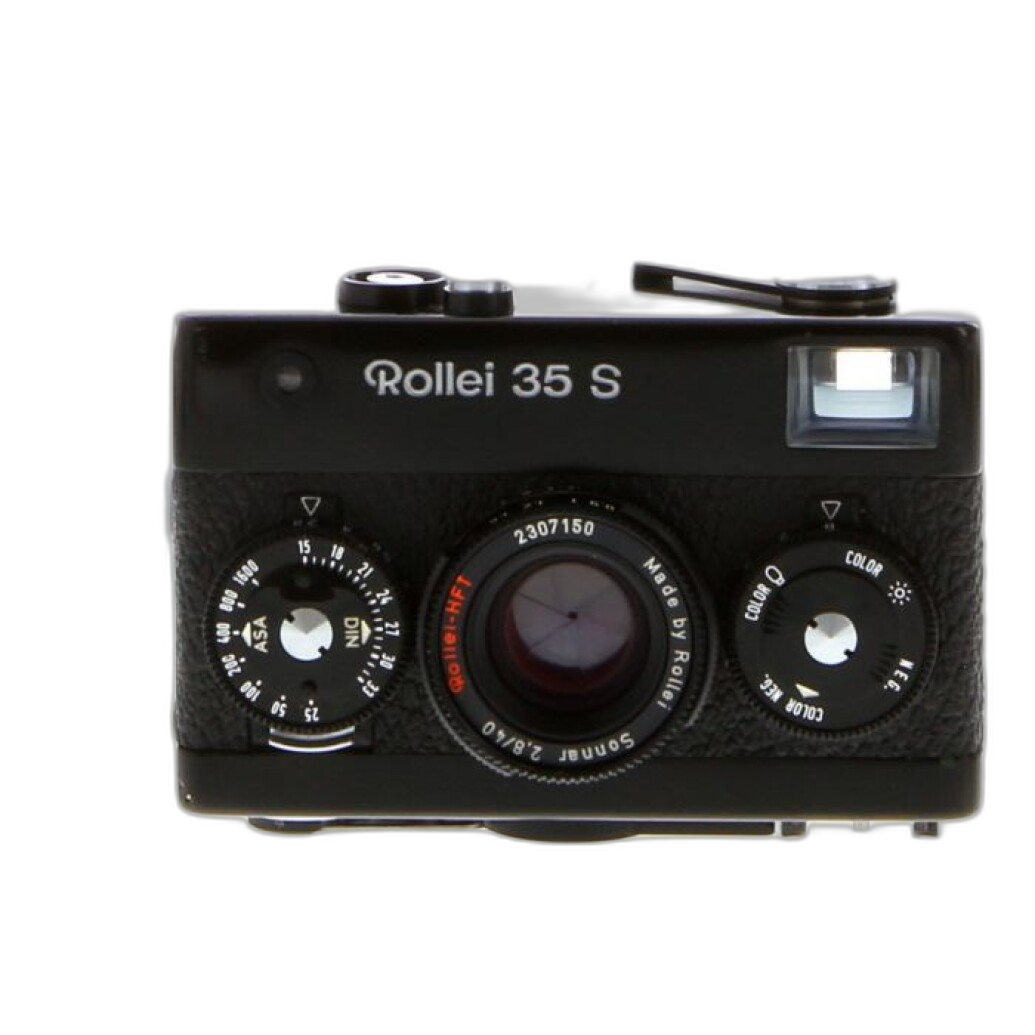
The Rollei 35S is one of the most iconic compact film cameras ever made. Its big advantage is portability: this is the kind of camera you can bring almost anywhere. For a beginner who values a truly compact film setup, the Rollei stands out immediately.
It is worth noting that this particular unit is listed with a light meter issue, so it is best suited to someone comfortable working around that limitation. For the right beginner, especially one willing to learn exposure a bit more manually, it can still be a stylish and memorable entry into film.
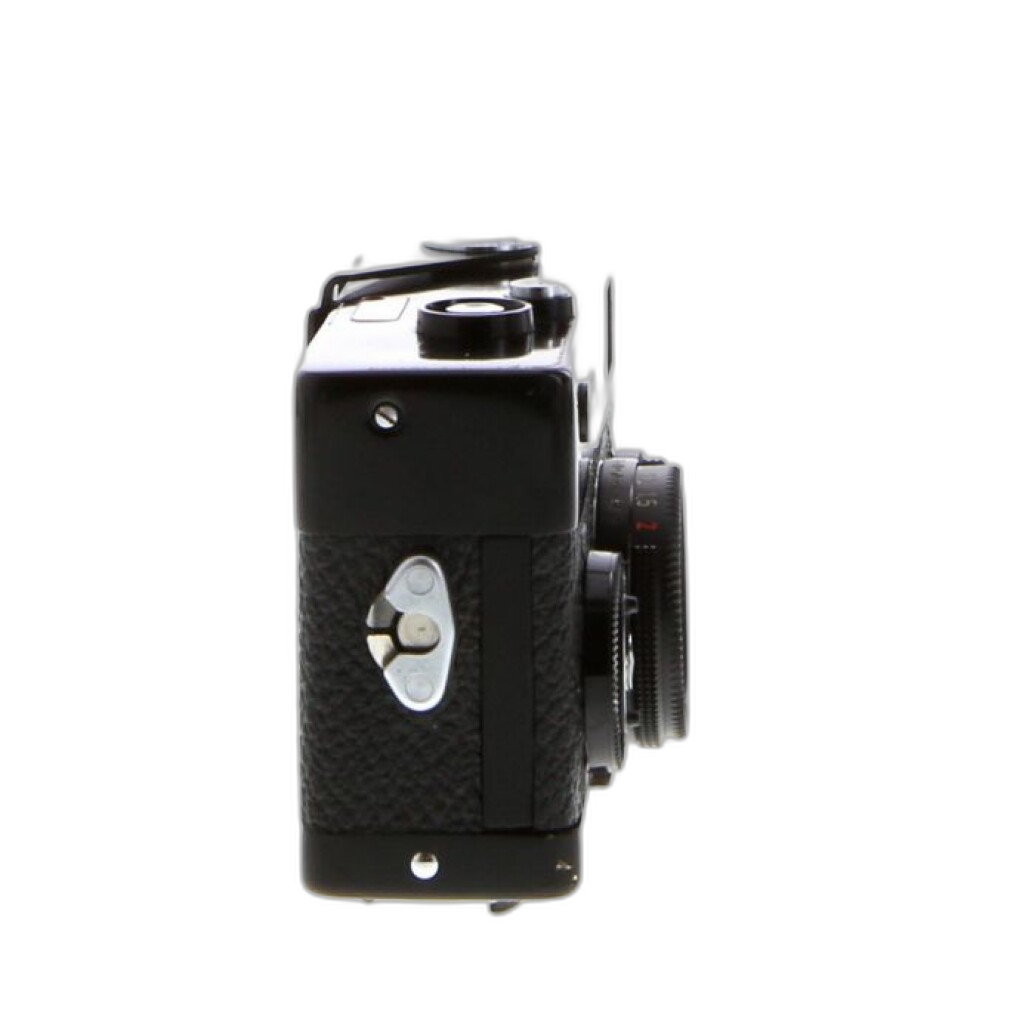
Used Leica Mini Film Point and Shoot - Good
The Leica Mini is a strong option for someone who wants the easiest path into film photography while still getting a premium compact-camera experience. It fits the classic point & shoot appeal perfectly: small, approachable, and ideal for daily carry. If your goal is to load a roll and start shooting with minimal fuss, this style of camera makes a lot of sense.
This is a particularly good fit for casual shooters, travelers, and anyone who wants film photos without needing to think constantly about settings.
Used Film Point and Shoot Camera Random Brand - Good
For buyers focused primarily on affordability and accessibility, a used random-brand point & shoot can be a practical entry point. These cameras are often the easiest way to test whether film photography fits your style before investing more deeply in a system camera.
If you want a low-pressure first step and value simplicity over specific brand features, this category is worth considering.
Which First Film Camera Type Is Right for You?
| If you want... | Best Choice | Recommended Product |
|---|---|---|
| To learn manual exposure and focusing | SLR | Used Canon A-1 Film 35MM Film SLR - Excellent |
| A ready-to-shoot beginner kit | SLR | Used Canon A1 35mm SLR With 50mm F/1.8 (Black) - Good |
| A compact, classic manual experience | Rangefinder | Used Voigtlander R4M 35MM Rangefinder - Fair |
| Maximum portability and easy everyday shooting | Point & Shoot | Used Leica Mini Film Point and Shoot - Good |
| A tiny camera with iconic appeal | Point & Shoot | Used Rollei 35S Black 35mm Film Point and Shoot Camera - Fair *Light Meter D |
Final Recommendation
For most beginners, an SLR is the best first film camera because it offers the clearest path to learning while still being enjoyable long after the basics click. In this guide, the strongest overall choice is the Canon A-series, especially if you want a dependable camera with room to grow. If convenience matters more than learning every control, a compact point & shoot is a great alternative. And if you are already drawn to the classic, deliberate side of film photography, a rangefinder can be an inspiring place to begin.
No matter which style fits you best, shopping used is a smart way to enter film photography. Unique Photo offers a strong selection of used film cameras, making it easier to find a first camera that matches your budget, shooting style, and long-term goals.