Building a portfolio for themed photo contests takes more than collecting your favorite images. To compete effectively, you need a focused body of work that fits the contest brief, shows consistency, and demonstrates your point of view. Whether you are entering local juried competitions or larger online showcases, a well-built contest portfolio can help your photography stand out. At Unique Photo, photographers often look for practical ways to refine their presentation, edit with purpose, and prepare both digital and printed submissions with confidence.
How to build a portfolio for themed photo contests
The first step is understanding the theme as clearly as possible. Many photographers make the mistake of interpreting a contest too broadly, submitting strong individual images that do not work together. Instead, read the prompt closely and identify its visual possibilities. If the theme is motion, for example, decide whether your portfolio will explore sports, street life, dance, or abstract blur. If the theme is identity, think about portraiture, environment, personal symbolism, or documentary storytelling.
Your goal is to create a portfolio that feels intentional. Judges often respond well to entries that show a clear concept rather than a random assortment of technically good photographs. Start by gathering 20 to 30 candidate images, then narrow them down to the strongest set that best reflects the theme.
Choosing images that fit the contest theme
When selecting images, ask three simple questions:
- Does this photo clearly relate to the theme?
- Does it add something unique to the sequence?
- Does it match the quality and style of the rest of the portfolio?
A themed photo contest portfolio should balance variety and cohesion. Variety keeps the set engaging, while cohesion makes it feel professional. You can achieve this through recurring color palettes, similar lighting approaches, subject matter, or compositional style.
It also helps to avoid near-duplicates. If two images communicate the same idea, choose the stronger one. Judges usually have limited time, so every frame should earn its place.
How many photos should be in a contest portfolio?
The required number of photos depends on the contest, but many themed competitions ask for between 5 and 15 images. If guidelines are flexible, submit enough work to fully develop the concept without weakening the set. In most cases, a tighter edit is stronger than an oversized submission.
For example:
- 5 images: Best for a highly focused concept with no filler
- 8 to 10 images: Ideal for showing range within a clear theme
- 12 to 15 images: Useful for documentary or narrative-driven themes
As you edit, think like a judge. If one image lowers the overall impact, remove it. A portfolio is only as strong as its weakest photo.
Sequencing your themed photography portfolio
Image order matters. A strong sequence can make a portfolio feel more polished and persuasive. Start with an image that immediately communicates the theme and grabs attention. From there, build rhythm by alternating wide shots, details, portraits, or scenes with different emotional tones. End with a memorable image that leaves a lasting impression.
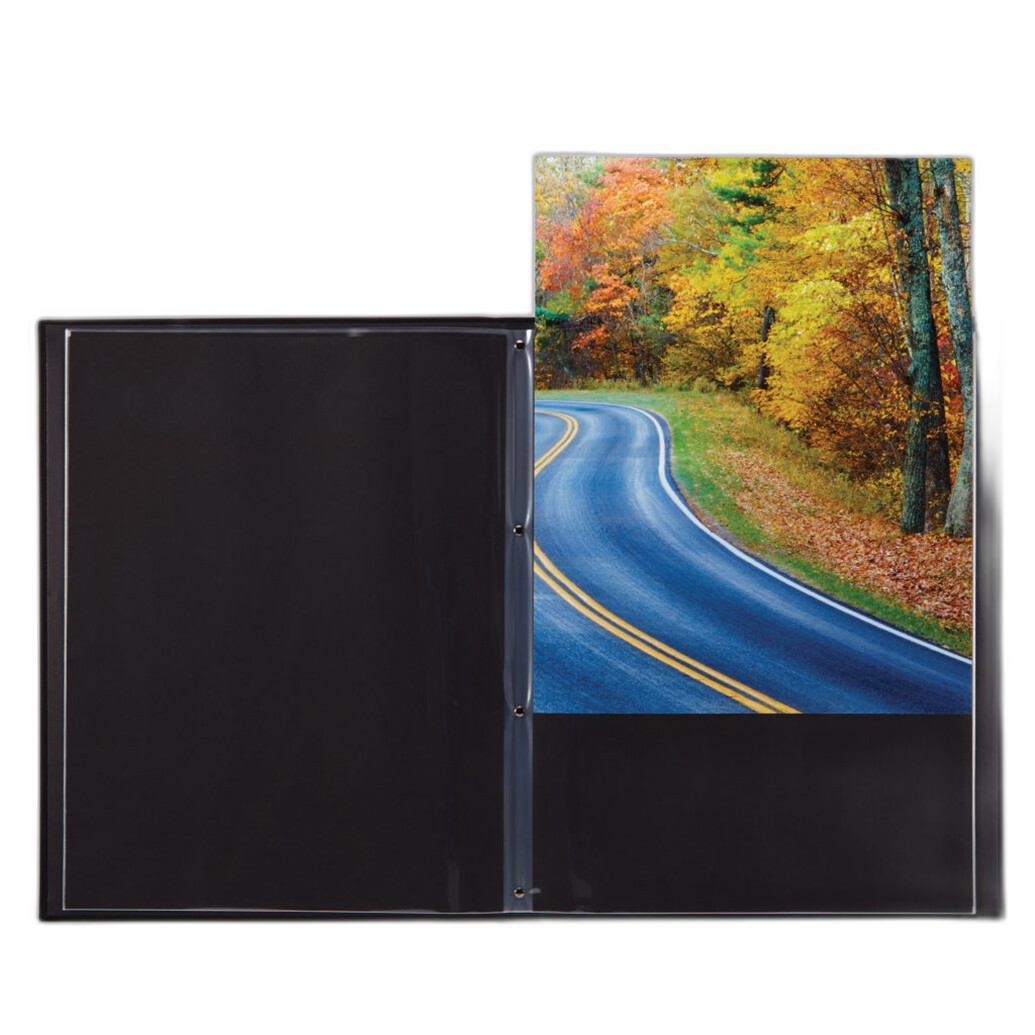
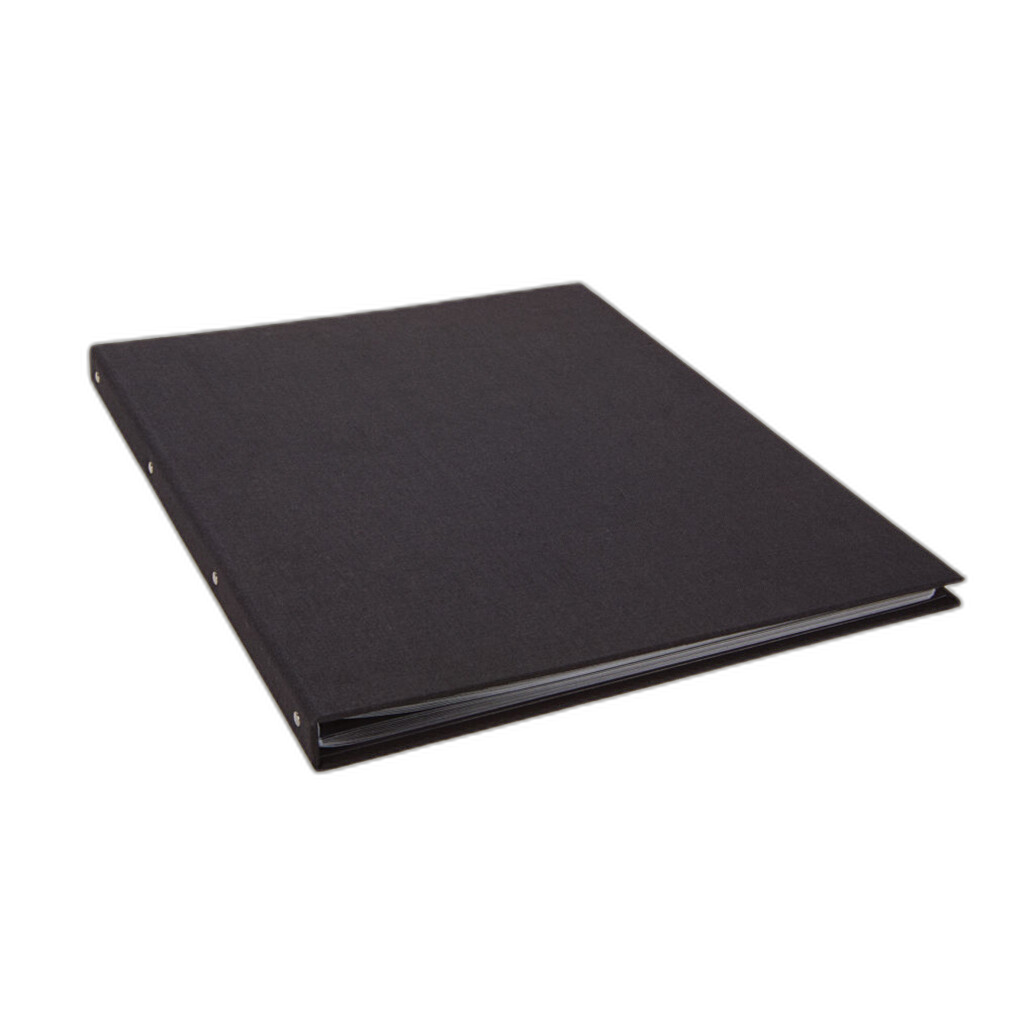
Sequencing is especially important for printed presentations. A clean layout in a presentation book can help your work feel organized and easy to review. For photographers preparing physical submissions or in-person critiques, the Itoya ProFolio Professional Presentation Book 8.25x11.75 A4 is a practical option for presenting smaller prints neatly and professionally. Unique Photo customers often use presentation books like this to keep portfolios protected while maintaining a polished look.
Editing for consistency and impact
One of the most important parts of building a portfolio for themed photo contests is maintaining visual consistency. That does not mean every image needs identical editing, but they should feel like they belong together. Pay attention to:
- Contrast and tonal range
- Color temperature and saturation
- Black-and-white conversion style
- Cropping and aspect ratio
- Retouching approach
If one image is dramatically more saturated, softer, or more heavily processed than the others, it can interrupt the flow. Judges notice these inconsistencies quickly. Create a final review pass specifically for continuity before exporting your submission files or printing your portfolio.
Printed vs. digital portfolios for photo contests
Many contests are now digital-first, but print still matters for exhibitions, reviews, and certain juried opportunities. A digital portfolio should be optimized for screen viewing, with accurate color, sharp exports, and file names that follow contest requirements. A printed portfolio, on the other hand, needs quality paper, careful sequencing, and protection during handling.
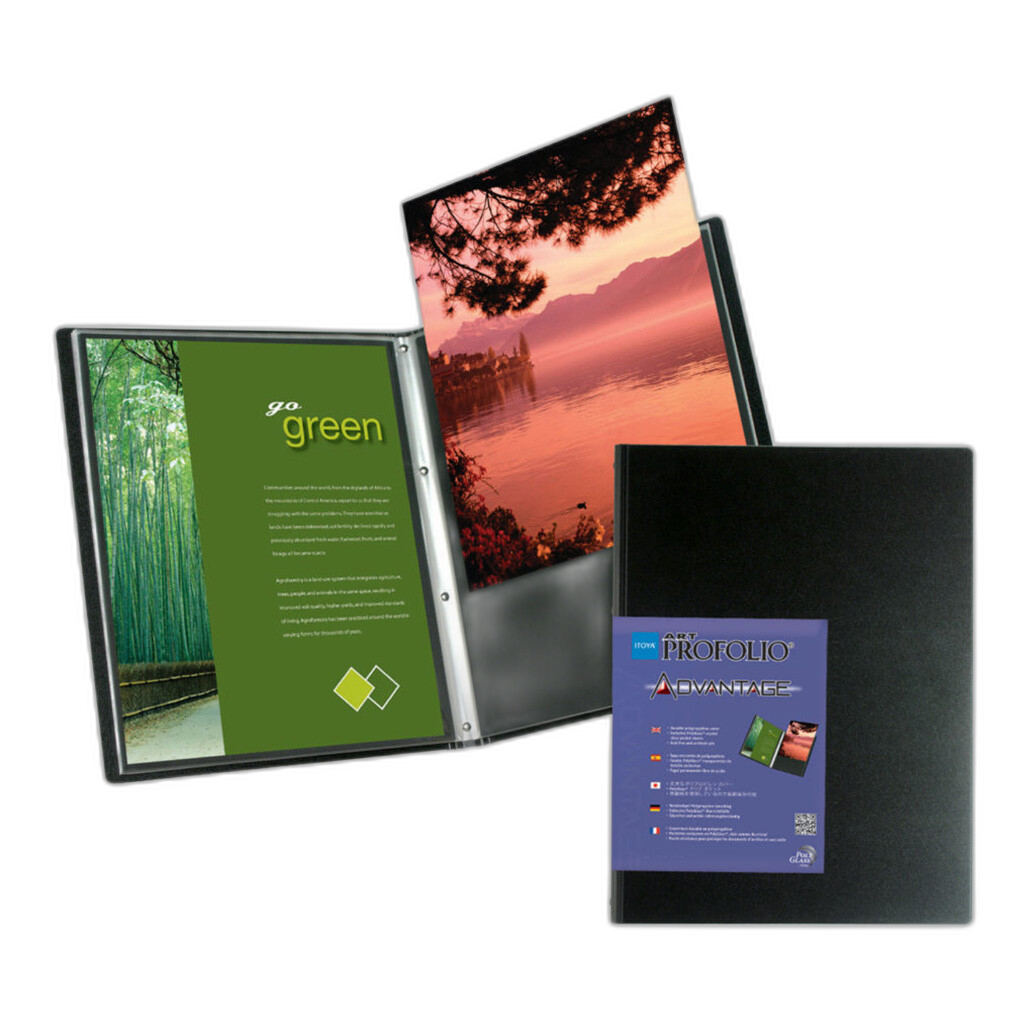
If you are producing larger prints for review or transport, the Itoya ProFolio Advantage 16.5x23.375 inch - A2 size can help keep prints clean, flat, and organized. For photographers assembling a serious physical presentation, storage and protection are part of the overall impression. Unique Photo is a useful resource when you are preparing both your images and the presentation materials around them.
Writing captions and artist statements for themed contests
Some photo contests require captions, project descriptions, or artist statements. Keep your writing concise and relevant. The best statements clarify your interpretation of the theme without overexplaining the images. Focus on intent, approach, and what ties the portfolio together.
A strong artist statement often includes:
- Your interpretation of the contest theme
- The subject or project focus
- Your visual approach or technique
- Why the work matters to you
If captions are allowed, use them strategically. They can add context, but they should not be necessary for understanding every image. The photographs should still carry the main impact.
Common mistakes when entering themed photo contests
Even talented photographers can weaken their chances with avoidable errors. Watch out for these common issues:
- Submitting images that only loosely fit the theme
- Including too many photos
- Mixing unrelated styles in one set
- Ignoring technical quality such as focus, exposure, or print quality
- Using generic titles and weak statements
- Missing submission specs for file size, dimensions, or naming
Always review the rules carefully. A great portfolio can be disqualified or overlooked if it does not meet the contest format.
How to strengthen your portfolio before submission
Before entering, ask for feedback from photographers, mentors, or a trusted camera store community like Unique Photo. Fresh eyes can spot weak images, inconsistent edits, or sequencing problems you may have missed. If possible, step away from the portfolio for a day or two, then review it again with the contest theme in mind.
You can also compare your final selection against these criteria:
- Clarity: Is the theme obvious but not cliché?
- Cohesion: Do the images feel like one body of work?
- Originality: Does the portfolio show a personal perspective?
- Craft: Are technique and presentation strong throughout?
- Memorability: Will at least one or two images stay with the viewer?
If the answer is yes across the board, your portfolio is likely ready.
Portfolio presentation tips for emerging photographers
If you are new to themed photo contests, start with a simple process. Build a small portfolio around one idea, edit ruthlessly, and present it cleanly. Do not try to cover every interpretation of the theme. A focused concept usually lands better than a broad one.
Presentation also matters beyond the images themselves. Keeping your prints in a professional book or case shows care and preparation. Products like the Itoya ProFolio line are especially helpful for photographers who want to bring order to printed submissions, class critiques, or portfolio reviews. While contest success ultimately depends on the work, polished presentation supports your professionalism.
Conclusion: create a contest portfolio with a clear vision
Building a portfolio for themed photo contests is about clarity, consistency, and strong editing. Choose images that genuinely support the theme, sequence them with intention, maintain a unified visual style, and present them professionally in digital or print form. With thoughtful preparation, your portfolio can do more than meet the brief; it can communicate a distinctive photographic voice.
At Unique Photo, photographers can find presentation tools that help support the final step of the process, from organizing printed work to protecting larger portfolio prints. If you are continuing to refine your contest entries, consider exploring related resources and internal pages such as camera buying guides, photo printing services, portfolio presentation supplies, and educational content for composition, editing, and critique preparation.