Prime vs. Zoom Lenses: What’s the Best Choice for Everyday Photography?
Choosing between a prime lens and a zoom lens is one of the most common decisions photographers face when building an everyday kit. The right answer depends on how you shoot, what you value most, and whether you want maximum flexibility, stronger low-light performance, or the most compact setup possible.
At Unique Photo, we help photographers compare these options every day, and the good news is that modern lens design has made both primes and zooms more capable than ever. Here’s how to decide which type fits your style best.
Are prime lenses really sharper and better in low light?
In general, prime lenses still hold an advantage when your priority is maximum aperture and the ability to gather more light. A lens with a wider aperture can make handheld shooting easier indoors, help keep ISO lower, and create stronger background blur for portraits or detail shots. That said, sharpness is no longer a simple prime-versus-zoom debate. Many current zoom lenses deliver excellent detail, contrast, and autofocus performance for daily photography.
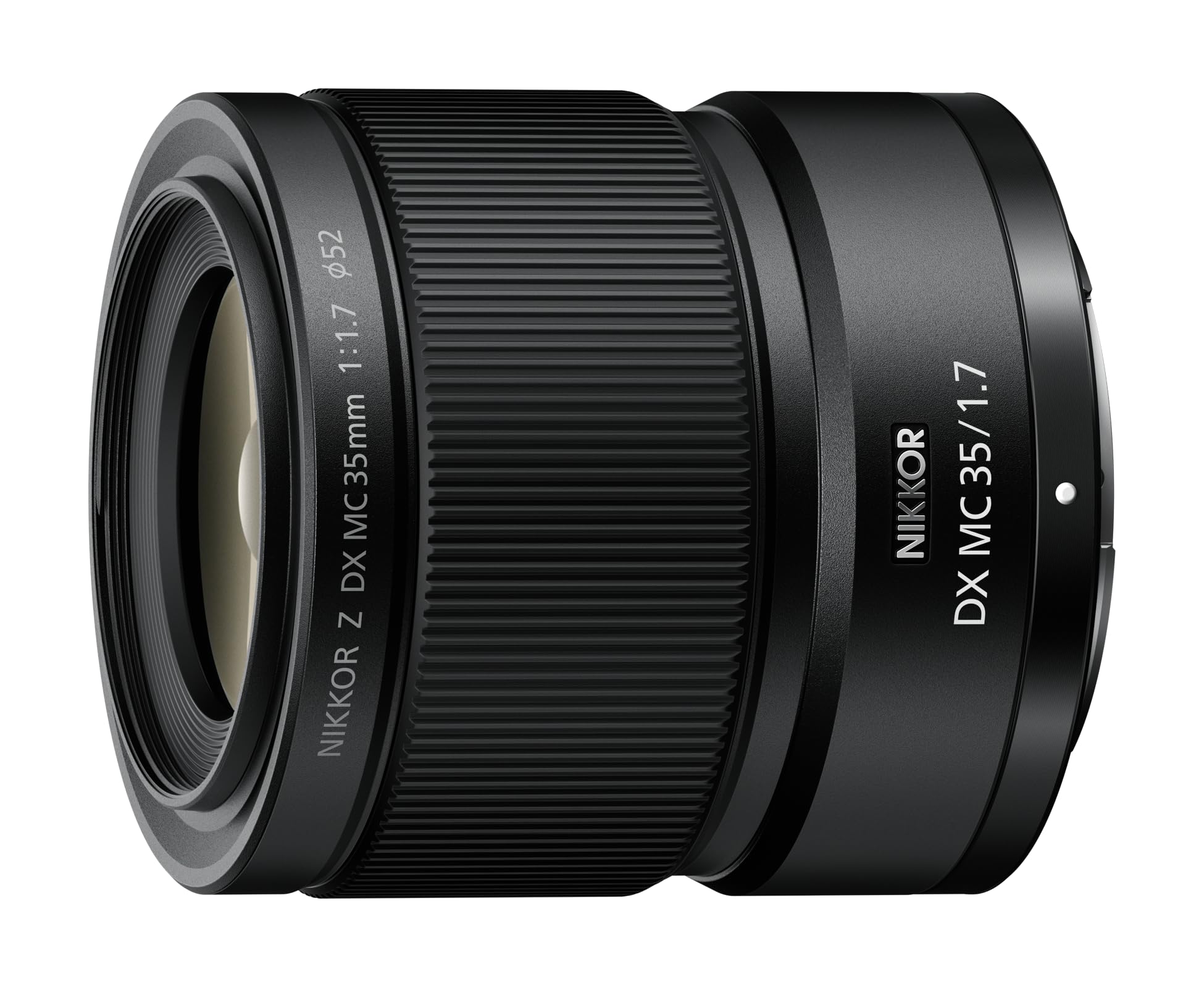
If low-light shooting is high on your list, a lens like the Nikon NIKKOR Z DX MC 35mm f/1.7 Lens is a strong example of why primes remain popular. Its bright aperture makes it especially useful for casual portraits, street scenes, and available-light photography.
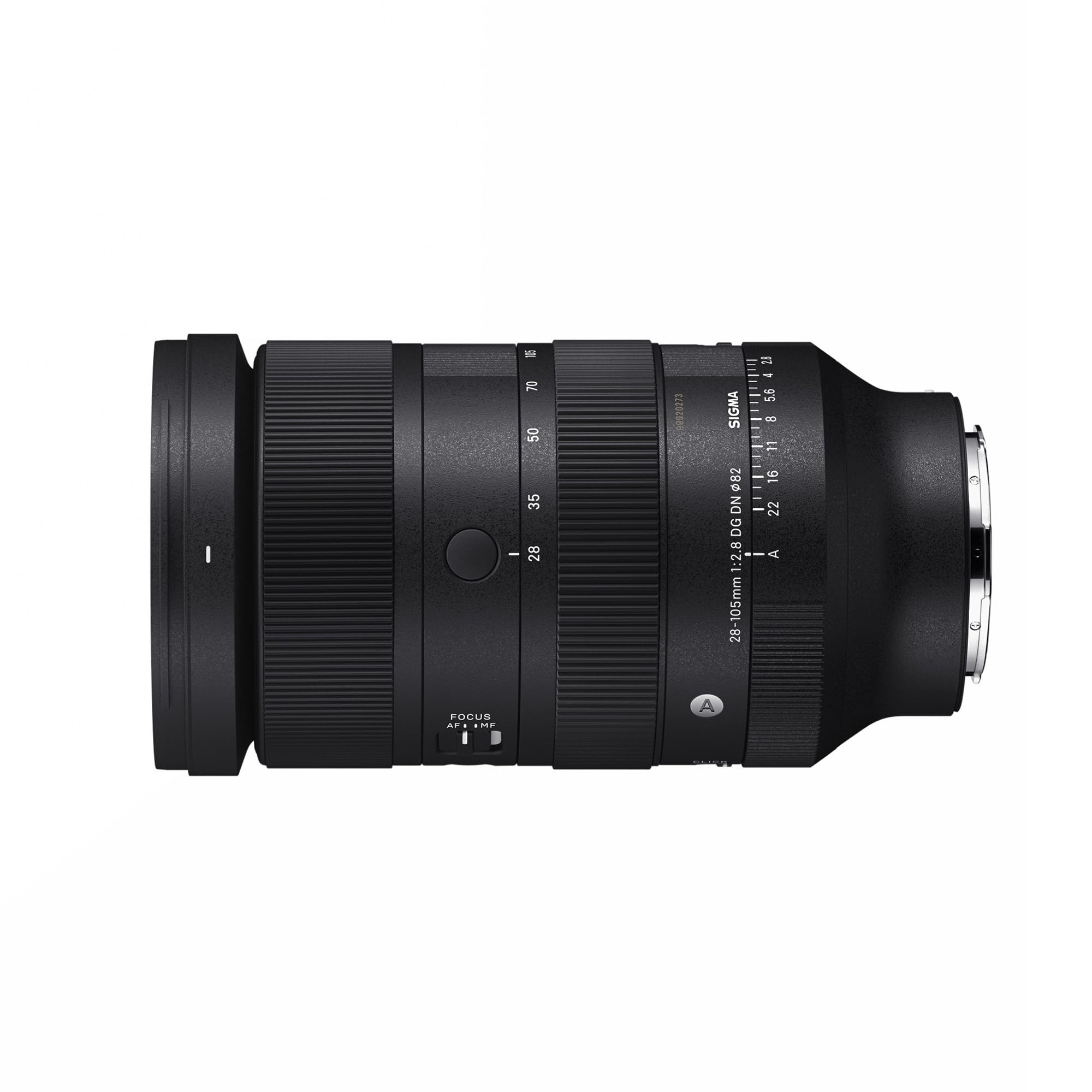
On the zoom side, premium constant-aperture options have narrowed the gap considerably. The Sigma 28-105MM F2.8 DG DN ART for L Mount offers a fast f/2.8 aperture throughout its range, making it a compelling choice for photographers who want strong low-light performance without giving up flexibility.
If I can only afford one lens to start, should I buy a prime or a zoom?
For most beginners, a zoom is the more practical first purchase because it lets you explore different focal lengths without changing lenses. That versatility helps you learn whether you naturally prefer wider scenes, normal perspectives, or tighter framing. A compact everyday zoom can cover family photos, travel, street photography, and general walkaround use in one lens.
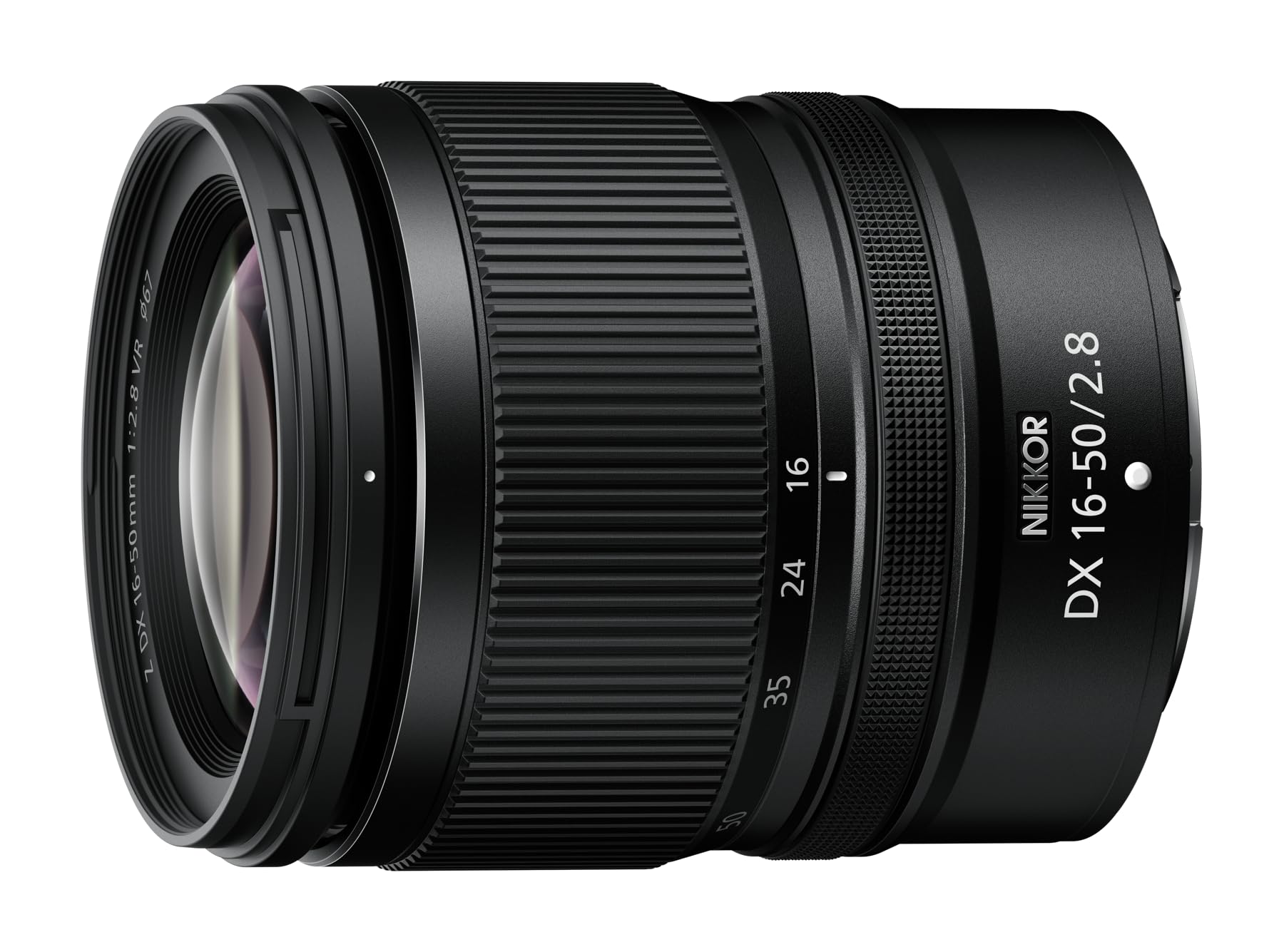
A great example is the Nikon NIKKOR Z DX 16-50mm f/2.8 VR, which offers a useful wide-to-normal range that suits everything from landscapes to portraits. For someone starting with a Nikon Z DX body, that kind of lens can be an excellent all-around foundation.
If you already know you love natural-looking perspective, shoot frequently in dim light, or want more subject separation, a prime can be a smart first lens too. A normal focal length prime teaches composition discipline and often delivers strong value for the money. The best first lens is the one that supports how you actually plan to shoot.
How much does the weight difference matter in daily use?
It matters more than many photographers expect, especially if the camera comes with you all day. Small primes and compact zooms often get used more simply because they are easier to carry on walks, at events, or while traveling. A lens that stays on the camera tends to create more opportunities than a larger lens left at home.
If portability is the priority, a compact option like the OM SYSTEM M.Zuiko Digital ED 14-42mm f/3.5-5.6 EZ Lens can make a lot of sense for casual everyday shooting. It keeps a Micro Four Thirds setup light and approachable, which is a real advantage for commuters, travelers, and family photographers.
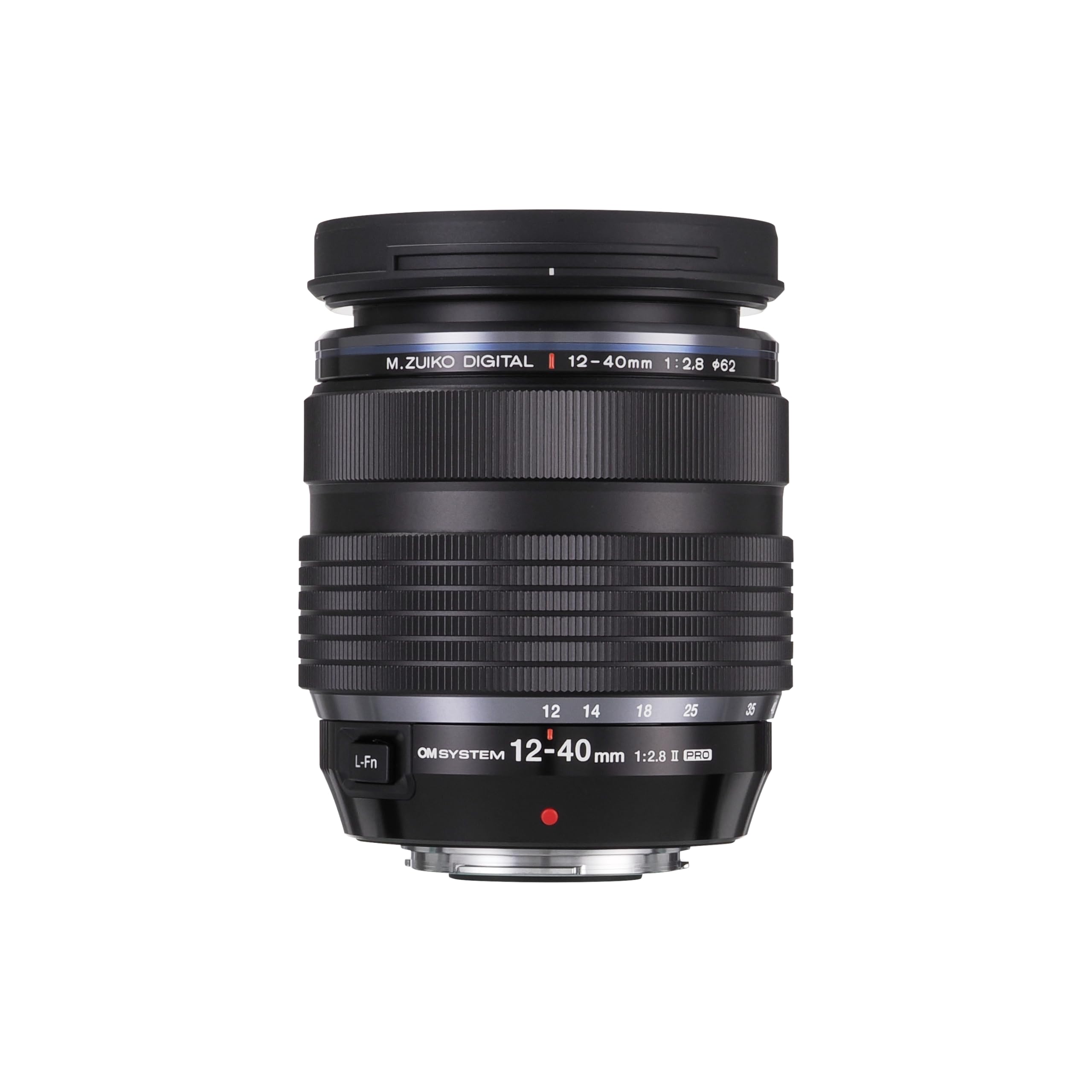
For photographers who want a step up in build and performance while keeping a practical everyday range, the OM SYSTEM M.Zuiko Digital ED 12-40mm f/2.8 PRO II Lens is another excellent zoom choice. It offers pro-level versatility in a relatively compact package.
Does a zoom lens compromise too much on image quality for convenience?
For most photographers, no. Modern zooms are often more than good enough for everyday photography, professional work, and large prints. The real question is whether the convenience of changing focal lengths quickly outweighs the benefits of a simpler optical design and wider aperture.
High-quality zooms now offer strong sharpness, dependable autofocus, and very useful focal ranges. The Sigma 28-105MM F2.8 DG DN ART for L Mount is a good example of a zoom designed for photographers who want near-all-purpose coverage without stepping down to a slower variable aperture. Likewise, the OM SYSTEM 12-40mm f/2.8 PRO II is widely appealing because it balances portability, weather-ready design, and image quality.
Where primes still stand out is when you want the brightest apertures, the shallowest depth of field, or the most specialized rendering. If those are central to your style, a prime may still feel more rewarding even if a zoom is objectively more convenient.
Is a fast 50mm-style prime still the best everyday lens?
A standard prime remains one of the most useful lens types because it encourages a natural perspective and works across portraits, food, detail shots, and casual documentary-style photography. On many systems, a normal prime is also one of the most affordable ways to get into low-light shooting.
But it is not automatically the best everyday choice for everyone. Some photographers find a fixed focal length liberating, while others quickly miss the ability to frame wider interiors, group photos, or distant details without moving. If your routine includes mixed subjects throughout the day, a zoom may suit you better.
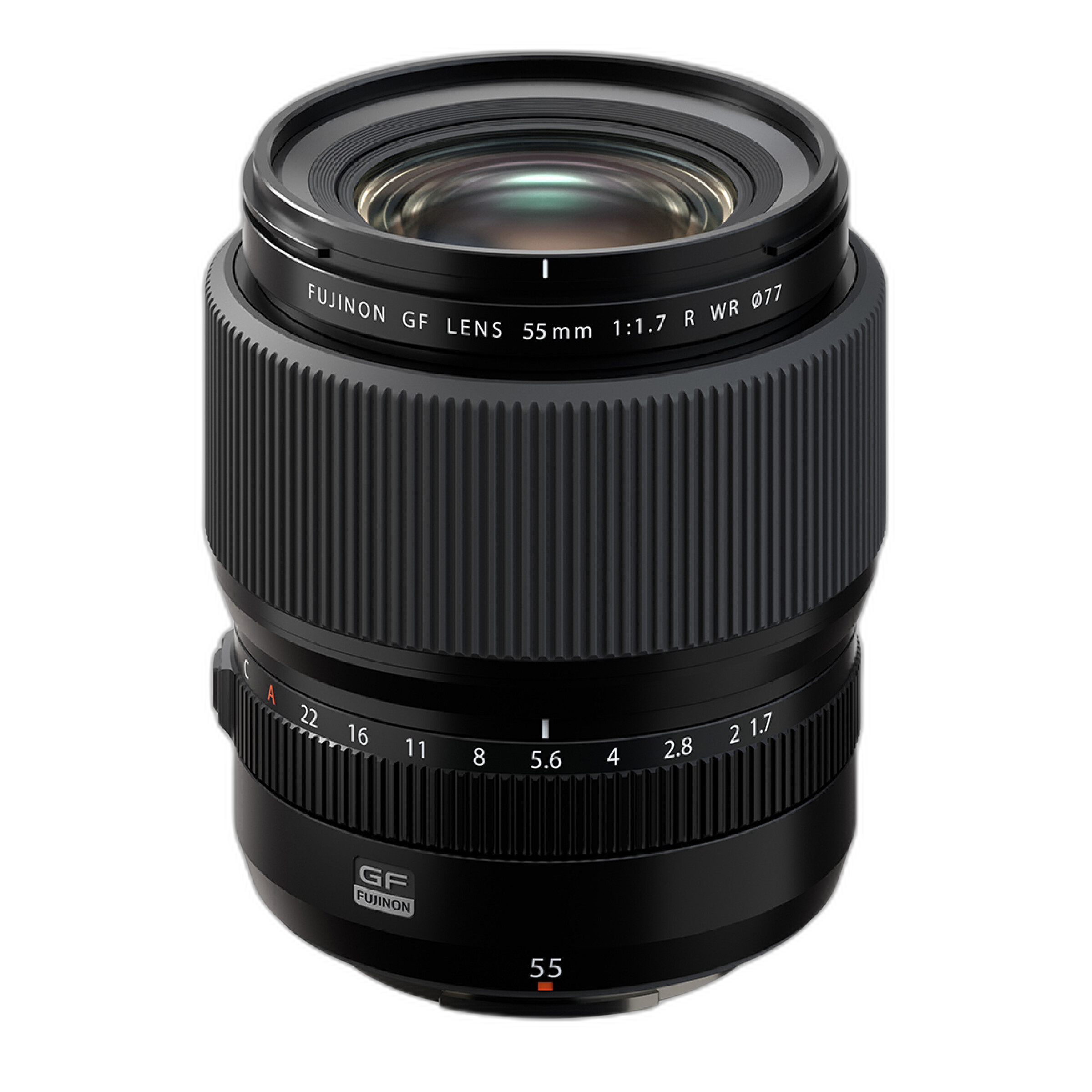
For photographers who love the look of a fast normal lens and want premium subject separation, the Fujifilm FUJINON GF 55mm f/1.7 R WR Lens shows how compelling a bright prime can be when image quality and depth are priorities.
What kind of photographer should choose a zoom first?
A zoom is usually the better first choice for travel photographers, parents, event shooters, and anyone who wants one lens that can adapt quickly. If your subjects change constantly and you don’t always have time to move your feet, a zoom makes everyday shooting easier and more efficient.
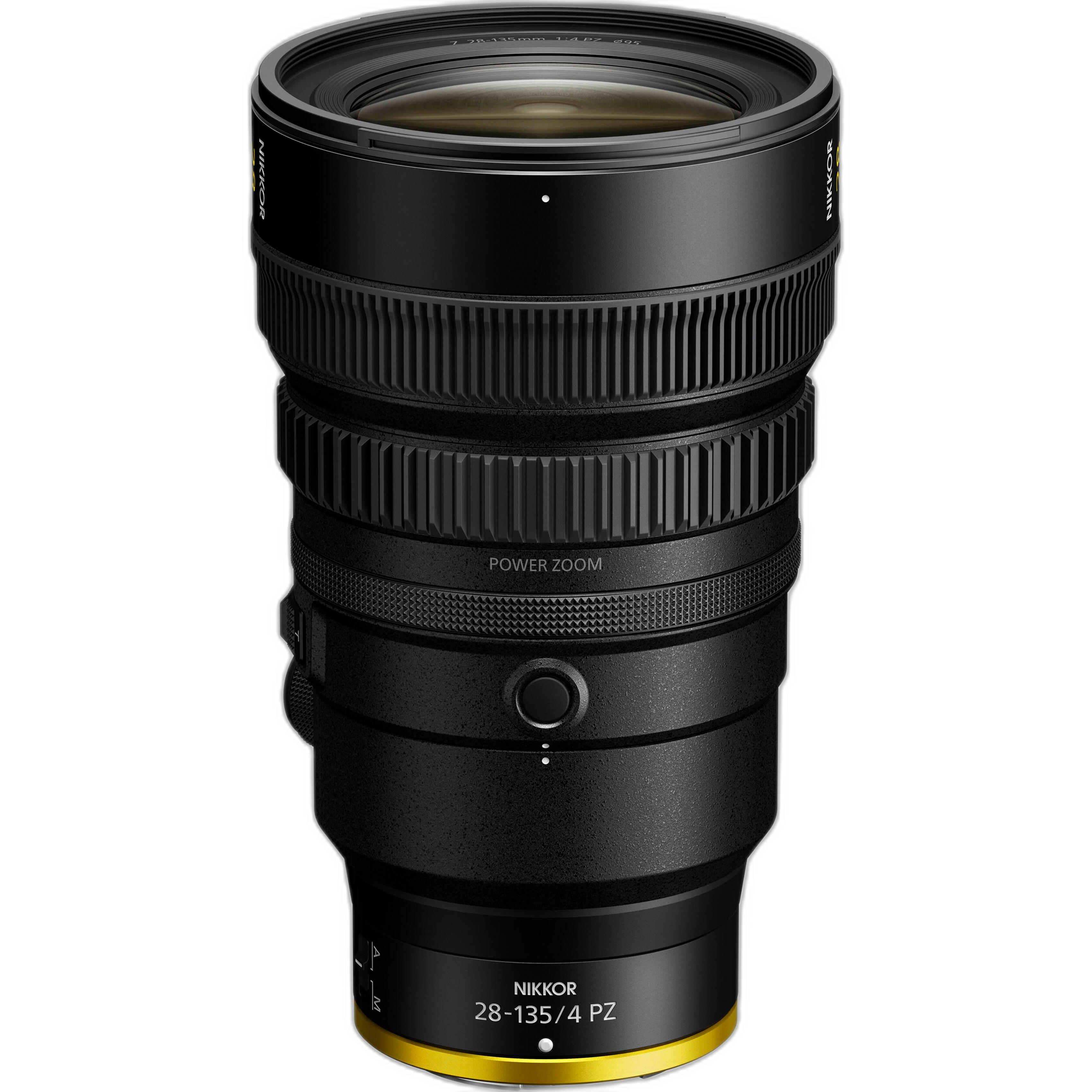
A broader-range zoom can be especially useful when convenience is the top concern. The Nikon NIKKOR Z 28-135mm f/4 PZ Lens, for example, gives photographers a wide span of focal lengths in one lens, making it appealing for users who need flexibility across multiple shooting situations.
For many photographers, a zoom also acts as a learning tool. After a few months of shooting, you may notice that most of your favorite images cluster around one focal length. That can help you decide which prime to add later.
What kind of photographer should choose a prime first?
A prime makes a lot of sense for photographers who care most about low-light capability, background blur, and a more intentional shooting experience. Fixed focal lengths can sharpen your compositional habits because they encourage you to think more actively about distance, framing, and subject placement.
Primes are also ideal if you often photograph indoors, at night, or in situations where flash is impractical. A bright lens such as the Nikon NIKKOR Z DX MC 35mm f/1.7 can be more useful than a slower zoom when available light is limited. If you frequently shoot portraits or detail-oriented subjects, that extra aperture can make a visible difference.
Can I build a smart kit around both a prime and a zoom?
Absolutely. In fact, that is often the best long-term answer. Many photographers use a zoom as their flexible daytime or travel lens, then add one fast prime for low light, portraits, or creative shallow-depth-of-field work. This approach gives you versatility without asking one lens to do everything.
For example, a photographer might use the Nikon NIKKOR Z DX 16-50mm f/2.8 VR or OM SYSTEM 12-40mm f/2.8 PRO II as the everyday lens, then add a brighter prime such as the Nikon 35mm f/1.7 for evenings and subject isolation. That combination covers practical needs while still leaving room for more expressive shooting.
So which is the better everyday lens: prime or zoom?
If you want the simplest answer, choose a zoom for versatility and choose a prime for speed, portability, and creative depth of field. Neither is universally better. The best everyday lens is the one that fits your subjects, your shooting habits, and the size of kit you genuinely enjoy carrying.
If you are still deciding, start with how and where you shoot most often. Everyday family photos, travel, and general walkaround photography usually favor a versatile zoom. Low-light portraits, street shooting, and a minimalist setup often favor a prime. At Unique Photo, we carry a wide selection of both, and our team can help you compare lens options for your camera system so you can build a kit that feels right from day one.