Photo contest ethics can be surprisingly complicated. Nearly every photographer edits their work, but where is the line between acceptable post-processing and a disqualifying manipulation? If you enter competitions regularly, understanding how much editing is too much can protect your reputation, keep your submissions eligible, and help you create stronger images from the start. At Unique Photo, we work with photographers at every level, and one truth comes up again and again: the best contest workflow begins long before you open your editing software.
What photo contests usually allow in editing
Many photo contests permit global adjustments that improve the technical quality of an image without changing its core content. Typical acceptable edits often include exposure correction, white balance adjustments, color correction, contrast changes, sharpening, noise reduction, lens corrections, and modest cropping. In RAW workflows, these are often considered part of normal image development rather than manipulation.
The key question is simple: does the edit change what was actually photographed? If the answer is no, your edit is more likely to fall within common contest guidelines.
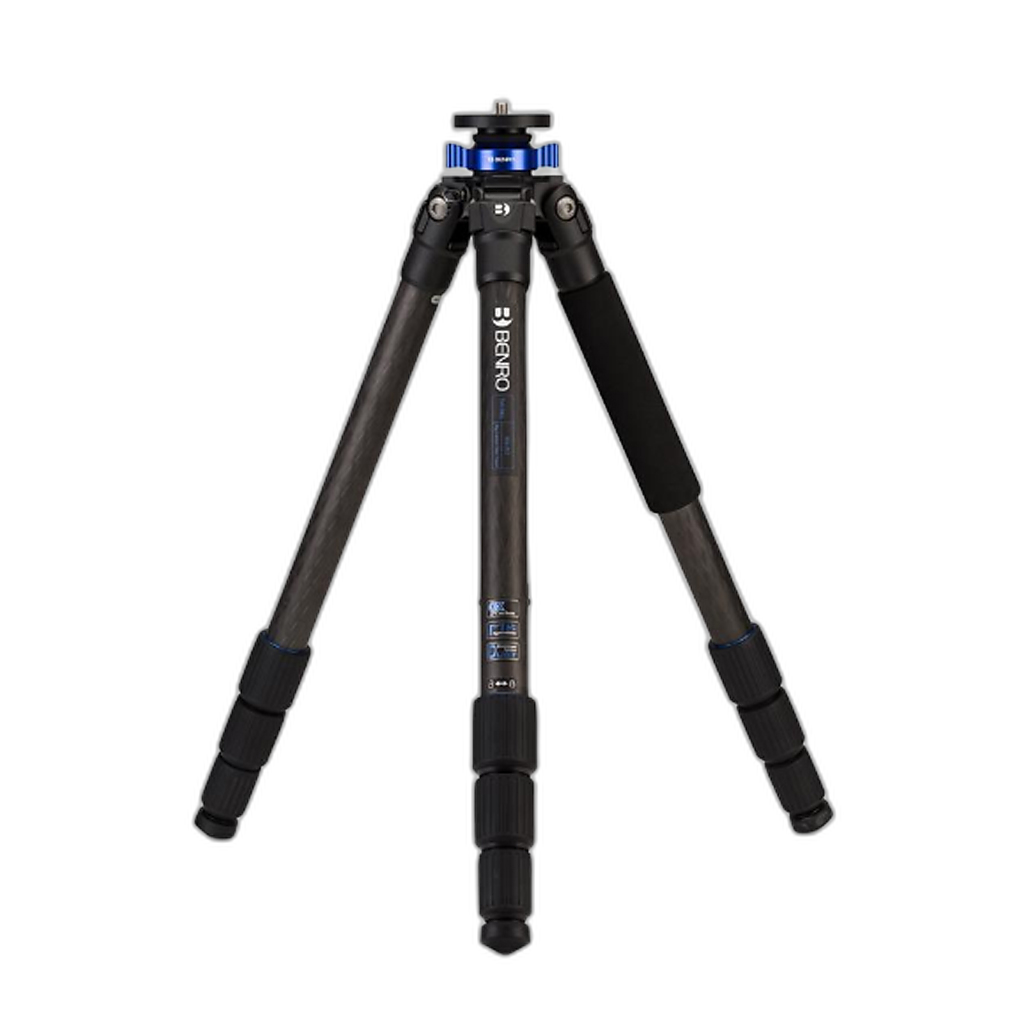
Photographers who want cleaner files in-camera can reduce the need for heavy rescue editing by using stable support and sound field technique. For example, a sturdy tripod like the Benro TMA38CL Mach3 9X Carbon Fiber Tripod can help maximize sharpness and consistency during landscape, architecture, and low-light work.
What kind of photo editing gets contest entries disqualified
The edits most likely to trigger disqualification are the ones that add, remove, or significantly alter visual elements. Examples often include:
- Removing distracting objects, people, wires, or signs
- Adding skies, smoke, birds, stars, or other elements from another frame
- Compositing multiple images when the rules require a single exposure
- Using AI tools to generate missing content
- Excessive skin retouching or body reshaping in portrait categories
- Moving elements around the frame
- Selective edits that materially misrepresent a scene, especially in journalism or nature contests
These changes may be artistically valid in other contexts, but in many competitions they cross the line from enhancement into deception. Always remember that contest ethics depend on the category. A fine art competition may welcome compositing, while a wildlife or photojournalism contest may ban even subtle cloning.
How much retouching is acceptable in photography competitions?
This is one of the most searched questions around contest submissions, and the answer is: it depends on the rules, the genre, and the intent. In portrait and wedding competitions, moderate retouching may be common. In documentary, nature, and editorial competitions, even small removals can be considered unethical.
A helpful rule of thumb is to separate edits into three levels:
- Technical corrections: usually allowed
- Stylistic grading: sometimes allowed, but must remain truthful in documentary categories
- Content alteration: often prohibited unless the contest explicitly allows creative manipulation
If your editing makes a judge believe something happened that did not actually happen, you are entering dangerous territory.
Why RAW files matter for photo contest integrity
Many major competitions now ask finalists to provide RAW files or original JPEGs for verification. That means your editing decisions must be defensible. If your final image cannot be reasonably traced back to the original capture, you may lose eligibility even if the image is visually impressive.
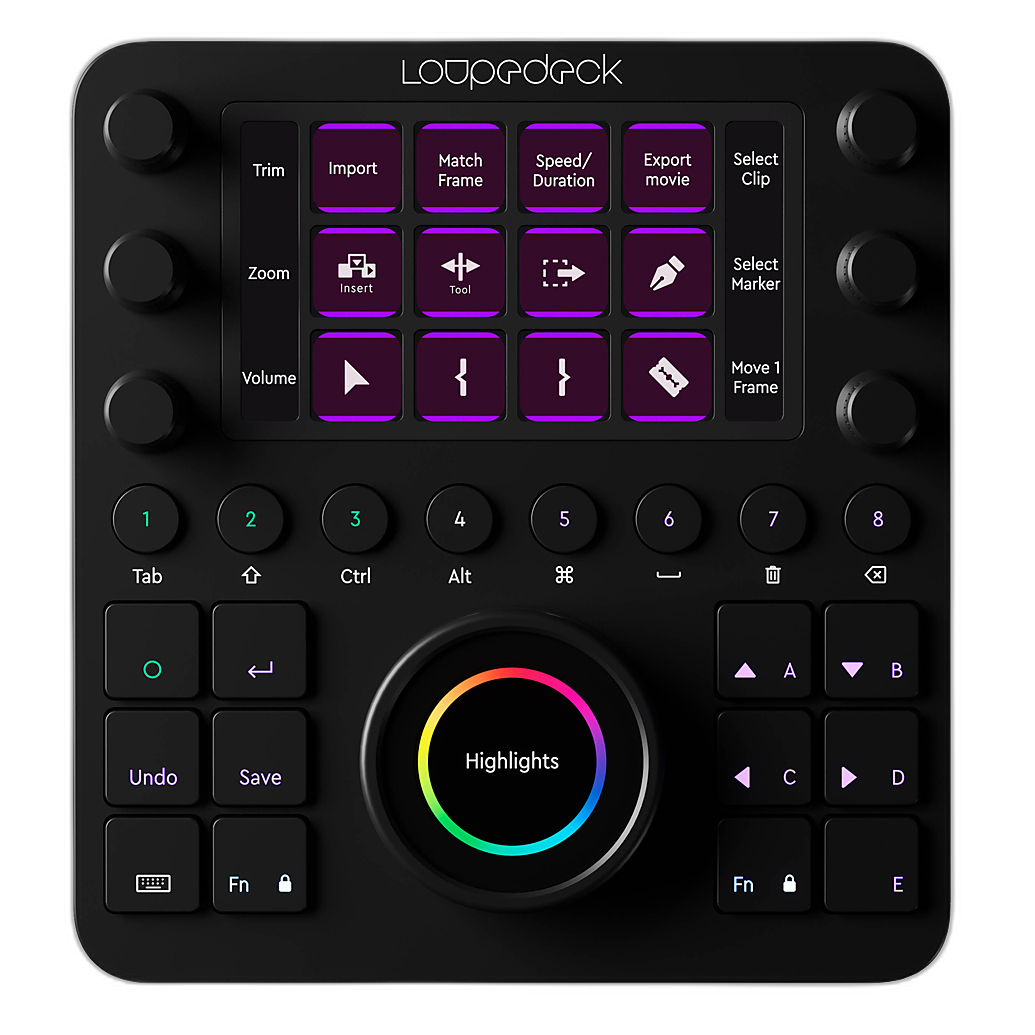
Good file management and a transparent workflow are essential. Keep your original captures, sidecar files, layered edits, and exported versions organized. Efficient editing tools can help speed up honest workflow without encouraging unnecessary over-processing. The Loupedeck Creative Tool, available at Unique Photo, is one example of a controller that can make culling, color correction, and tonal adjustments faster and more consistent.
Are Lightroom and Photoshop edits allowed in contests?
Yes, in many contests both Lightroom and Photoshop edits are allowed, but the software itself is not the issue. The issue is what you do with it. Basic Lightroom adjustments are commonly accepted. Photoshop becomes riskier when you use healing, clone, content-aware fill, compositing, or AI-based generative features in categories that require authenticity.
Before submitting, review the contest terms for language like:
- "Minor adjustments only"
- "No addition or removal of content"
- "Single capture only"
- "RAW file required upon request"
- "Composite images allowed in creative categories"
Those phrases tell you more than the platform or app ever will.
Photojournalism and wildlife contest ethics are stricter
If you shoot documentary, conservation, or wildlife photography, contest ethics become even more important. Judges in these categories are evaluating truth as much as aesthetics. Heavy dodging and burning, selective saturation, object removal, baiting, staging, or misleading captions can all raise ethical concerns.
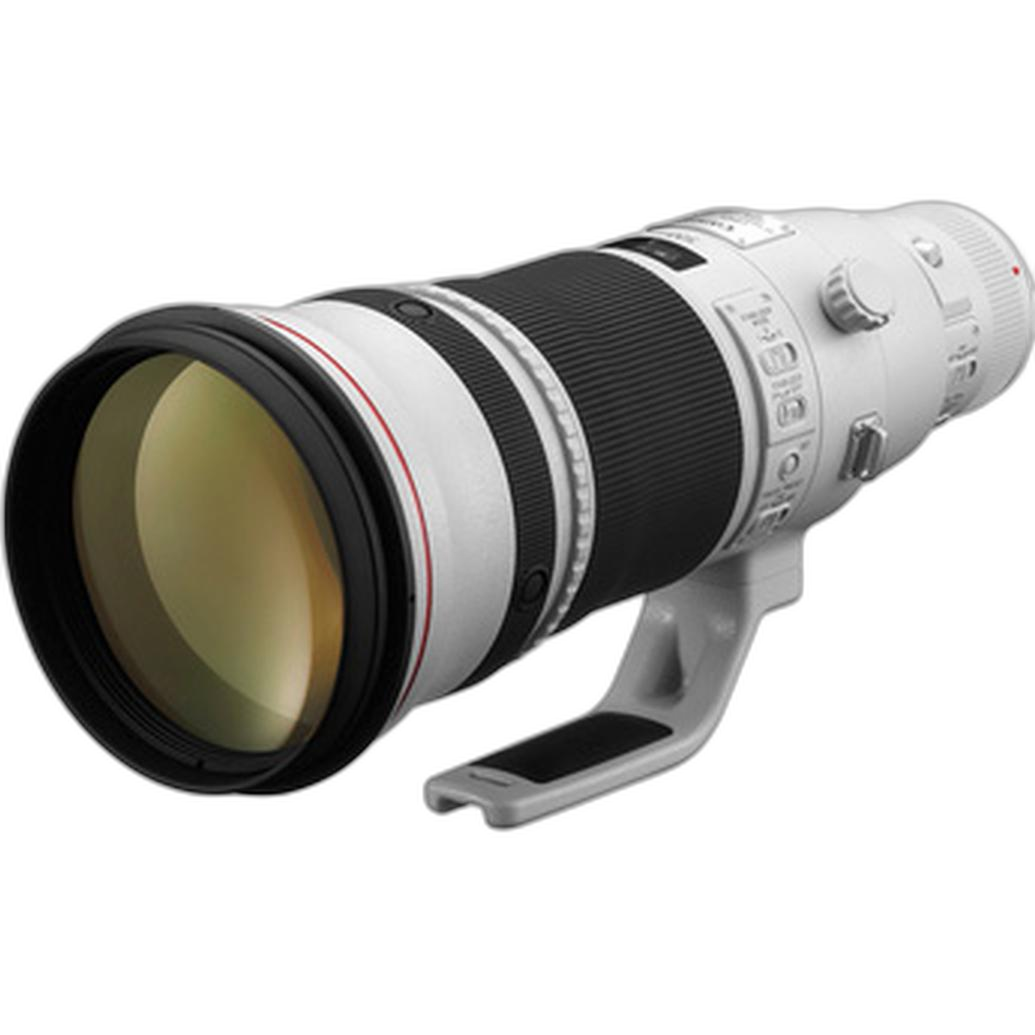
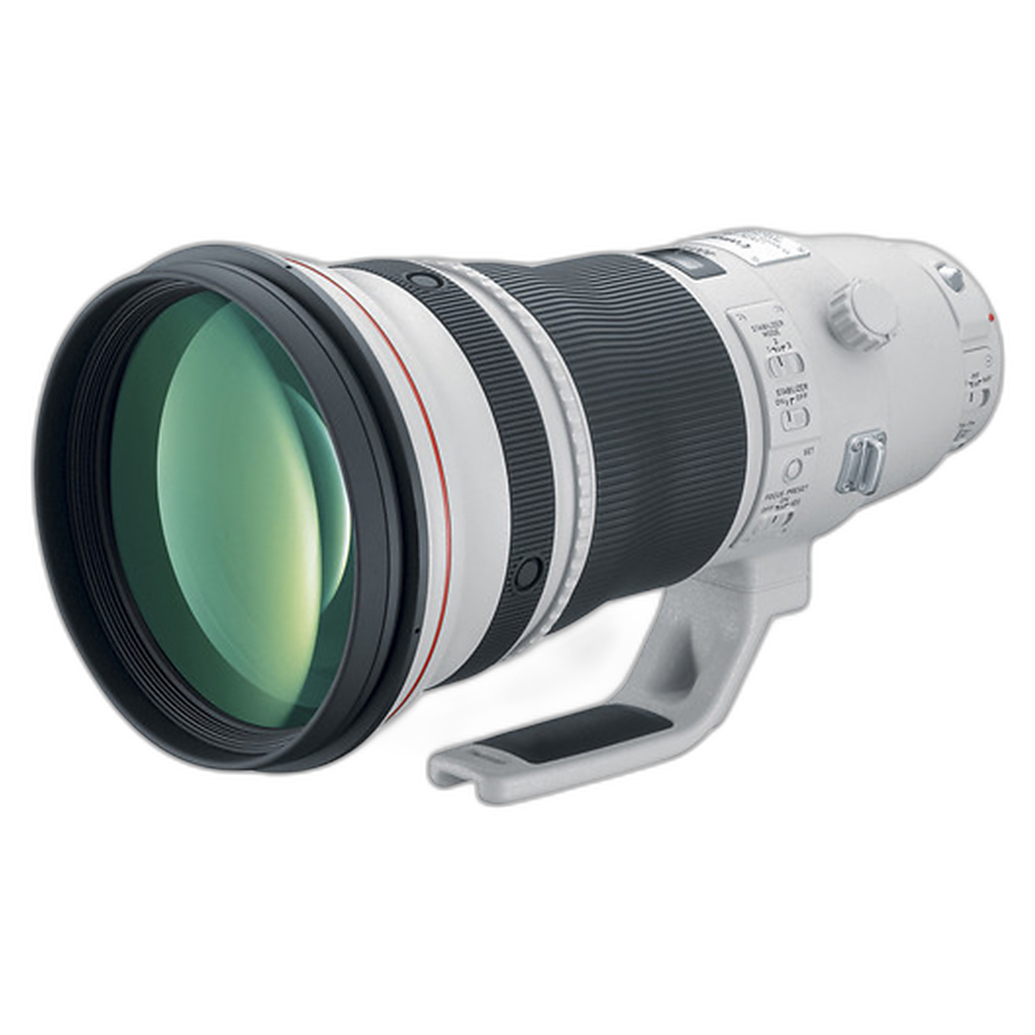
For wildlife photographers, strong fieldcraft often matters more than editing skill. Long glass can help you capture authentic moments from a respectful distance instead of relying on crops or manipulations later. Unique Photo offers used super-telephoto options like the Used Canon 500mm f/4 IS II and the Used Canon EF 400mm f2.8 L IS II, both of which are relevant for serious bird, sports, and wildlife shooters who want stronger source files straight out of camera.
Is cropping considered cheating in a photo contest?
Usually no. Cropping is often accepted as a normal compositional adjustment, provided the contest rules do not prohibit it. However, extreme cropping can create other problems. It may reduce image quality, misrepresent the context of a scene, or suggest a level of proximity that was not truly there. In journalism and wildlife categories, even a legal crop should not create a misleading impression.
A better approach is to capture the strongest composition possible in the field. Stable support, patience, and the right focal length can reduce the temptation to crop aggressively during post-production.
Can you remove dust spots and sensor marks in contest photos?
In many contests, yes. Dust spot removal is usually treated as a technical cleanup rather than content manipulation, especially when the marks are clearly artifacts from the sensor rather than real scene elements. But even here, read the rules carefully. A contest with very strict authenticity standards may define any pixel-level removal more narrowly than expected.
When in doubt, ask the organizer directly. Getting clarification before you submit is always smarter than defending a borderline edit after the fact.
How to read photo contest rules the right way
Many photographers skim contest rules and focus only on deadlines, fees, and prizes. That is a mistake. Ethical compliance usually lives in the fine print. Look for specific guidance on:
- Allowed and prohibited editing techniques
- Whether composites are accepted
- RAW or original file requirements
- Category-specific standards
- AI-generated or AI-assisted restrictions
- Caption and metadata expectations
- Whether staged scenes must be disclosed
If a rule sounds vague, assume the contest will interpret it conservatively. A cautious submission is better than a flashy disqualification.
How to edit ethically without losing your creative voice
Ethical editing does not mean boring editing. You can still create distinctive contest images with strong tonal control, color harmony, and precise local adjustments. The goal is to enhance what was there, not to invent what was not.
Try this ethical editing checklist before exporting:
- Does the final image reflect the real scene or moment?
- Have I removed or added anything important?
- Would I feel comfortable sending the RAW file to the judges?
- Does my caption accurately describe the photograph?
- Would another photographer view this edit as fair within the category?
That last question matters. Contest ethics are not just about technical compliance. They are also about community trust.
Build stronger contest images in-camera
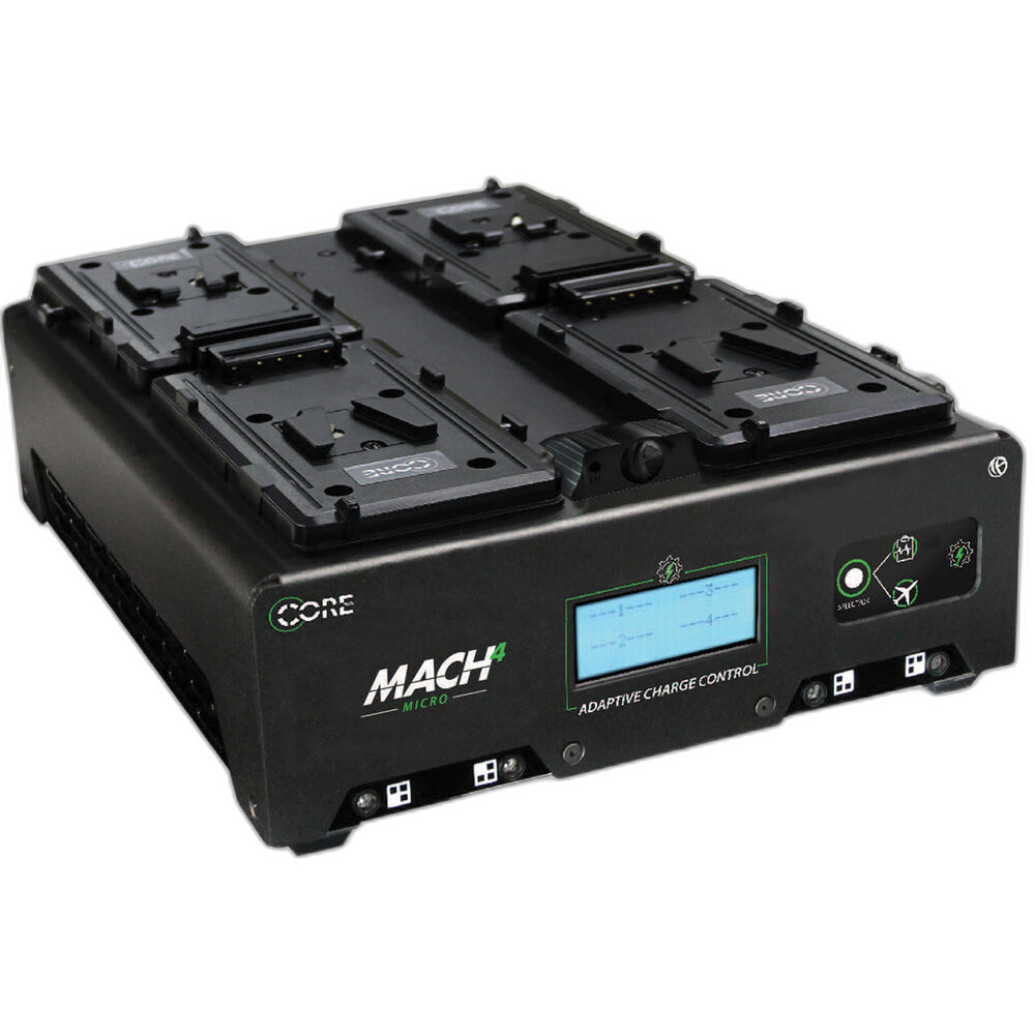
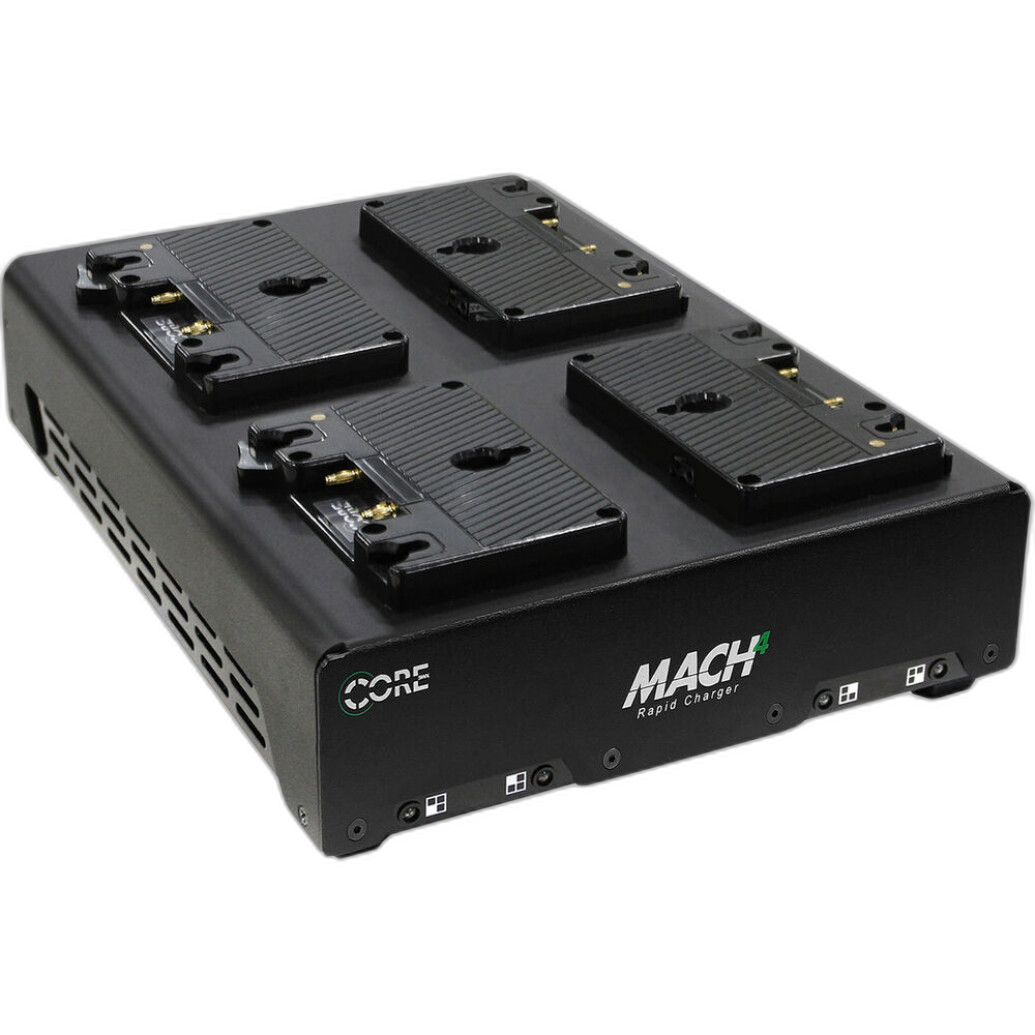
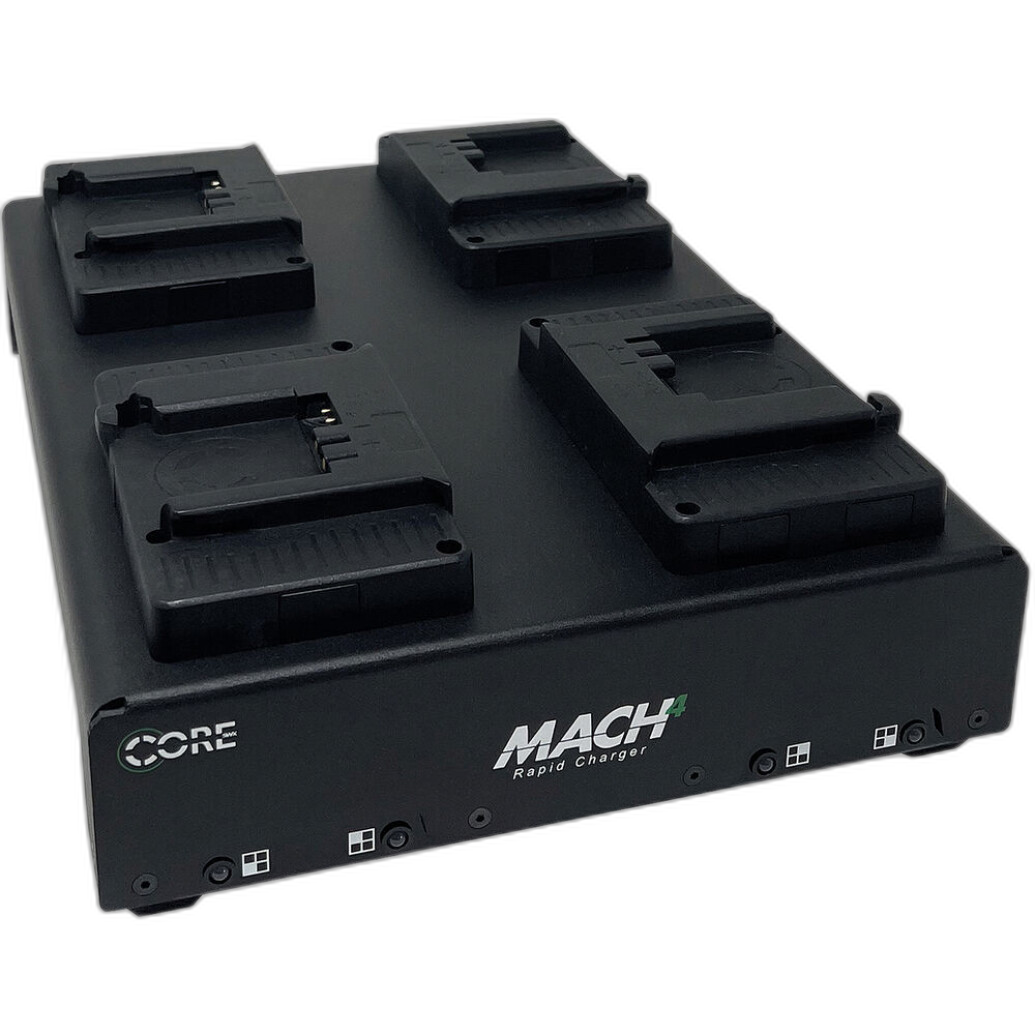
One of the best ways to avoid ethical gray areas is to improve capture quality so you do less corrective editing later. That means better support, better timing, better light, and more deliberate composition. It can also mean having a reliable power setup for longer shoots or production environments. For photographers and hybrid creators managing multiple batteries, products like the Core SWX Mach4 Micro Four-Position Battery Charger - V-Mount, Gold Mount, and B-Mount can help keep gear ready during demanding schedules.
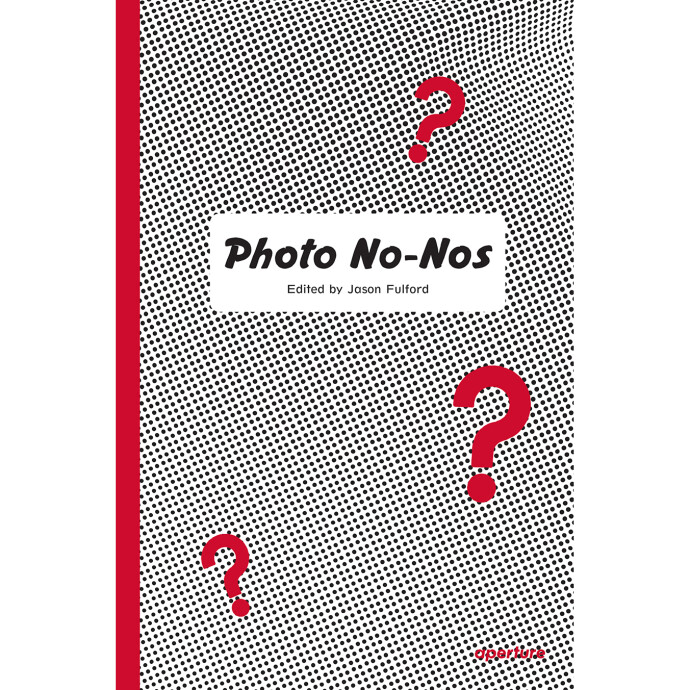
And if you want to sharpen your visual judgment more broadly, photography books can be surprisingly useful. A title like Photo No-Nos: Meditations on What Not to Photograph can encourage more intentional seeing, which often leads to stronger, more honest contest submissions.
Final thoughts on how much editing is too much
So, how much editing is too much in a photo contest? The moment your post-processing changes the truth of the image beyond what the rules allow, you have gone too far. Some contests welcome creative manipulation. Others demand strict authenticity. Ethical editing starts with reading the rules carefully, understanding the category, preserving your original files, and making adjustments you can defend with confidence.
At Unique Photo, we always encourage photographers to develop both their vision and their discipline. Great contest images are not just beautiful; they are credible. If you want to improve your submissions, consider refining your capture workflow, upgrading support gear, exploring used super-telephoto lenses for wildlife work, or streamlining your post-production setup.
For internal linking, consider pointing readers to related Unique Photo category pages such as used lenses, tripods, editing accessories, battery chargers, and photography books to help them build an ethical, contest-ready workflow.