Photography contests can be a powerful way to build your portfolio, gain recognition, attract clients, and push your creativity further. Whether you are entering a small hometown competition or a major international online photo contest, the difference between an honorable mention and a winning image often comes down to preparation, strategy, and attention to detail. At Unique Photo, we work with photographers at every level, and one thing is clear: contest success is rarely accidental.
Below are some of the best tips for winning local and online photography contests, from choosing the right image to understanding judging criteria and presenting your work professionally.
How to choose the right photography contest to enter
One of the most overlooked contest tips is simply choosing the right competition. Not every contest is worth your entry fee, time, or best work. Start by researching the contest organizer, previous winners, judging panel, and rights agreement. A well-run local photography contest may offer excellent exposure in your community, while an online photography contest can put your work in front of editors, brands, and a global audience.
Look for contests that match your style and strengths. If your strongest work is street photography, avoid entering wildlife-focused competitions just because the prize sounds attractive. Read category descriptions carefully and study what kinds of images have placed well in previous years. This helps you understand whether the judges favor storytelling, technical precision, emotional impact, or conceptual work.
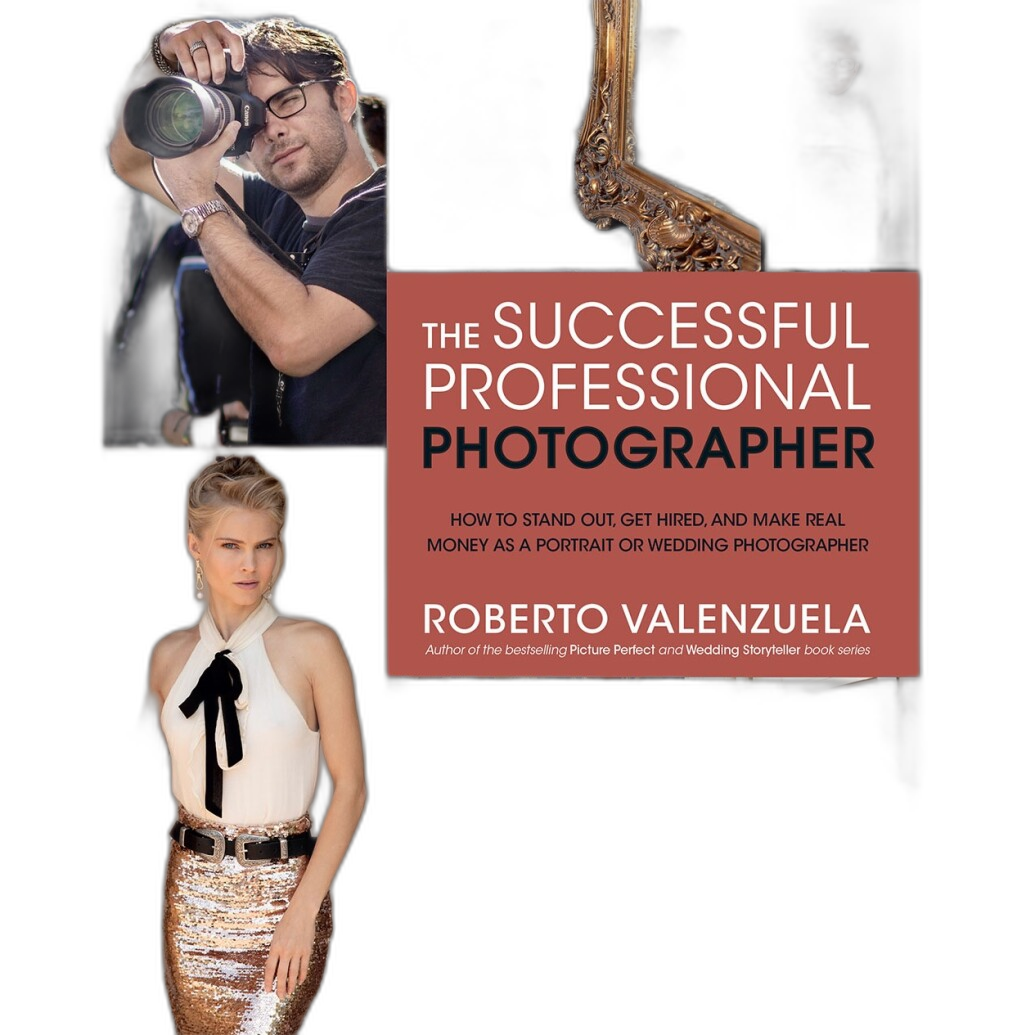
For photographers looking to turn contest exposure into career growth, professional development resources can help sharpen both your creative and business decisions. Books like Best Business Practices for Photographers by John Harrington and Successful Professional Photographer by Roberto Valenzuela, both available at Unique Photo, can help you think more strategically about how contests fit into your long-term goals.
What judges look for in winning contest photos
If you want to win photography contests, think like a judge. Most judges are evaluating images based on impact, originality, technical execution, composition, relevance to the theme, and storytelling. A technically perfect image may still lose if it feels generic, while a slightly imperfect image can place highly if it creates a strong emotional response.
Ask yourself the following before submitting:
- Does the image grab attention immediately?
- Is the subject clear and intentional?
- Does the composition guide the viewer effectively?
- Is the editing polished but not overdone?
- Does the image fit the category or prompt exactly?
Many entrants make the mistake of submitting photos they personally like instead of images that communicate clearly to strangers. Winning contest photography usually balances personal vision with broad visual impact.
Best photo selection tips for local and online photography contests
Image selection is often more important than gear. Instead of entering your newest image automatically, review your archive with fresh eyes. Compare several strong options side by side and look for the frame with the best combination of timing, mood, composition, and subject separation.
For local contests, community relevance can matter. An image tied to local culture, events, landmarks, or emotion may resonate strongly with regional judges and viewers. For online contests, the competition is broader, so your image often needs an immediate visual hook to stand out in large digital review pools.
It also helps to get outside feedback. Share your shortlist with trusted photographer friends, mentors, or the knowledgeable staff and community around Unique Photo workshops and events. Sometimes the image you have overlooked is actually your strongest submission.
How to match your photo to the contest theme
One of the simplest ways to improve your odds is to follow the theme exactly. Judges see many entries that are beautiful but off-topic. If the theme is “connection,” do not assume any portrait qualifies. Show connection in a way that is visually undeniable. If the category is “nature,” make sure the image emphasizes the natural world rather than appearing like a travel snapshot.
Think beyond literal interpretation, but do not drift so far into abstraction that the theme becomes unclear. The best contest entries often feel fresh while still being unmistakably relevant.
Technical quality matters more than most photographers think
Even in highly creative competitions, technical mistakes can hurt your chances. Before uploading or printing your image, inspect it carefully at full size. Look for dust spots, oversharpening halos, clipped highlights, muddy shadows, poor white balance, distracting background elements, and compression artifacts.
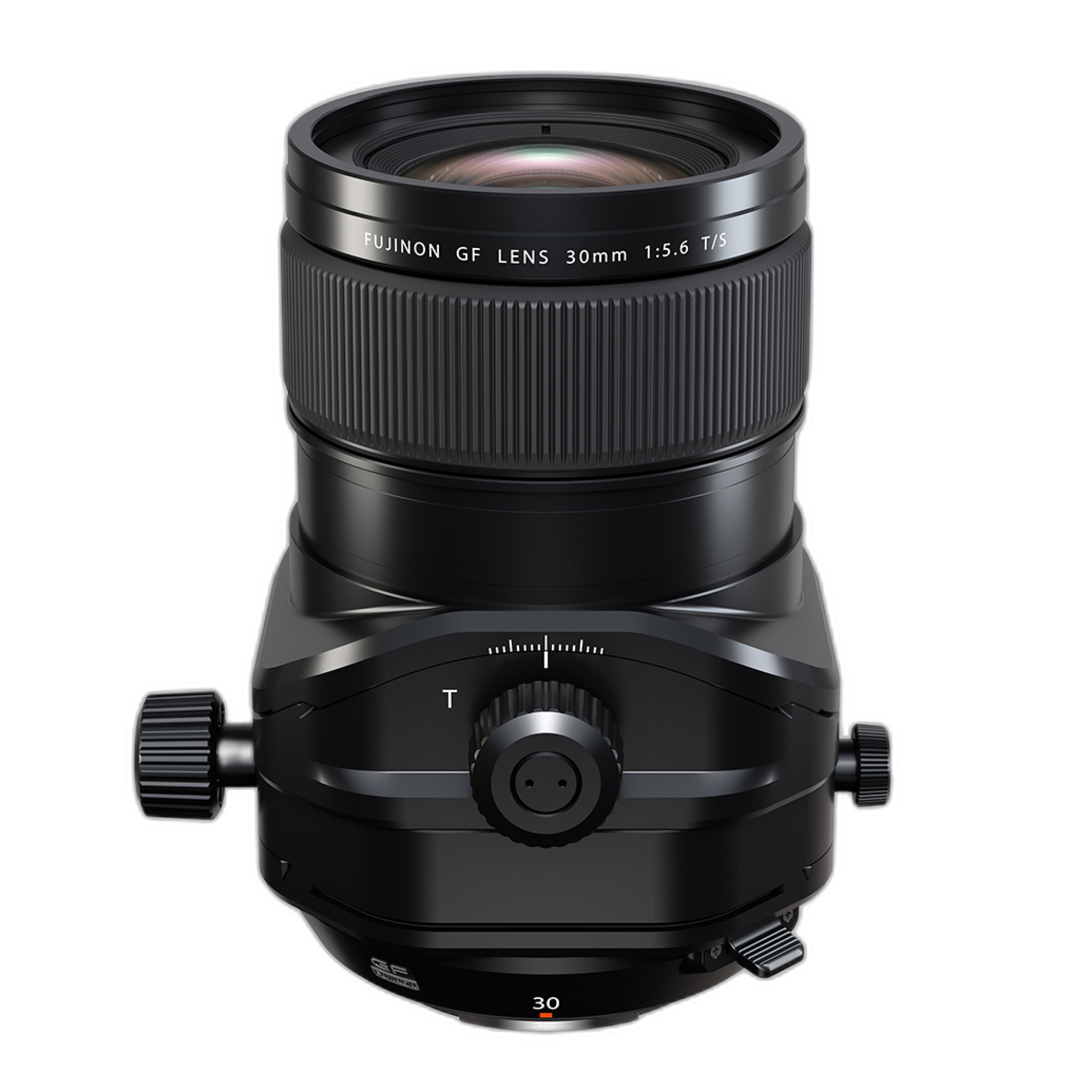
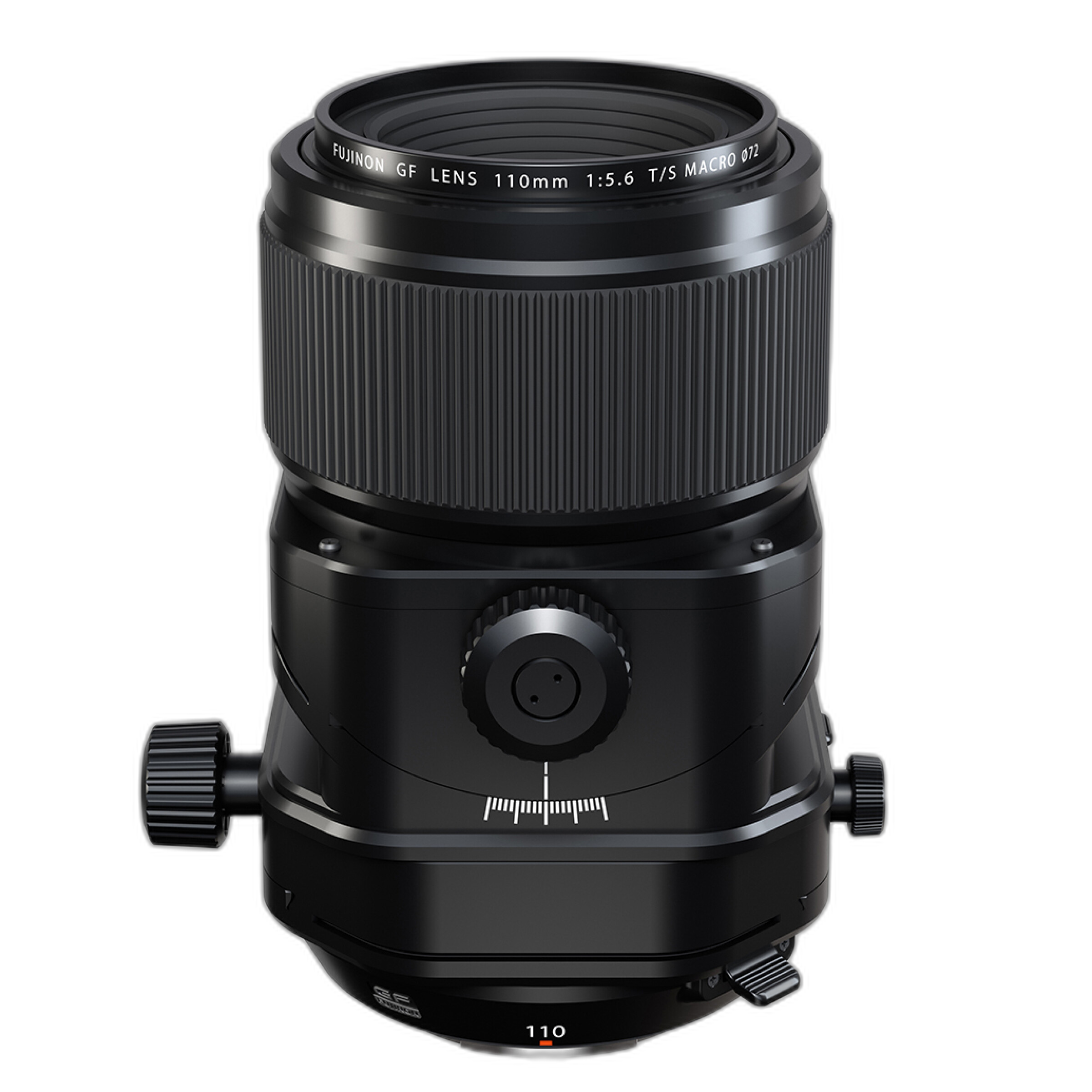
If you are preparing highly detailed work for competition, lens choice can play a role in image quality and precision. For example, photographers working in architecture, still life, or fine art may appreciate specialized optics like the Fujifilm FUJINON GF 30mm f/5.6 T/S Lens or the Fujifilm FUJINON GF 110mm f/5.6 T/S Macro Lens, both available through Unique Photo. These tools can help create refined perspective control and exceptional detail for contest-ready imagery.
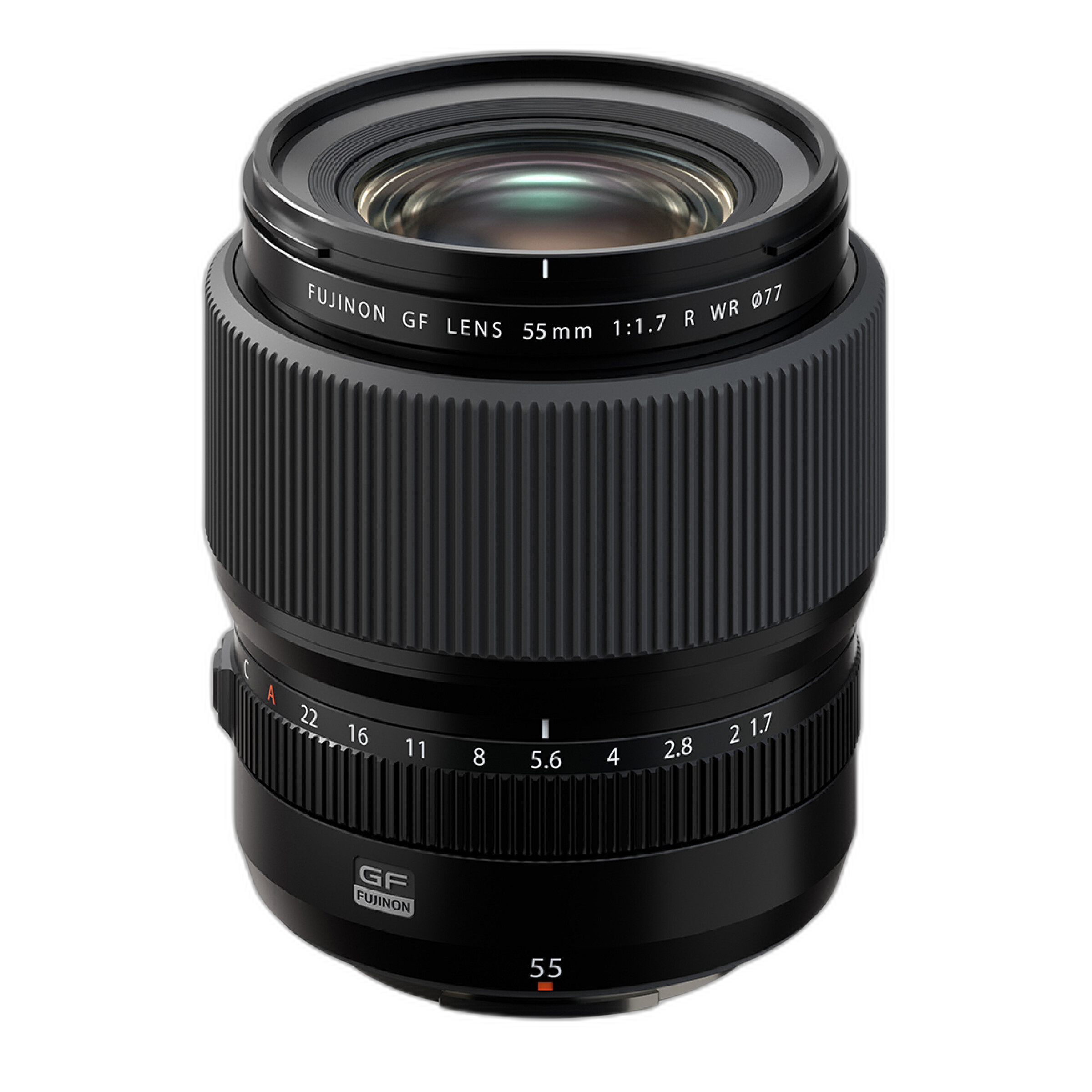
Likewise, for portrait and editorial-style contest entries, a lens with strong subject separation and character, such as the Fujifilm FUJINON GF 55mm f/1.7 R WR Lens, may help you create images with more depth and visual impact.
Editing tips for photography contests
Post-processing should strengthen your image, not distract from it. Overediting is one of the most common reasons good images lose credibility with judges. Avoid extreme HDR effects, unnatural skin tones, excessive clarity, and overly saturated colors unless the contest specifically embraces experimental work.
Use editing to refine exposure, contrast, color harmony, and local emphasis. Crop with purpose. Remove distractions only if allowed by the rules. Many documentary and photojournalism contests have strict editing guidelines, and violating them can lead to disqualification.
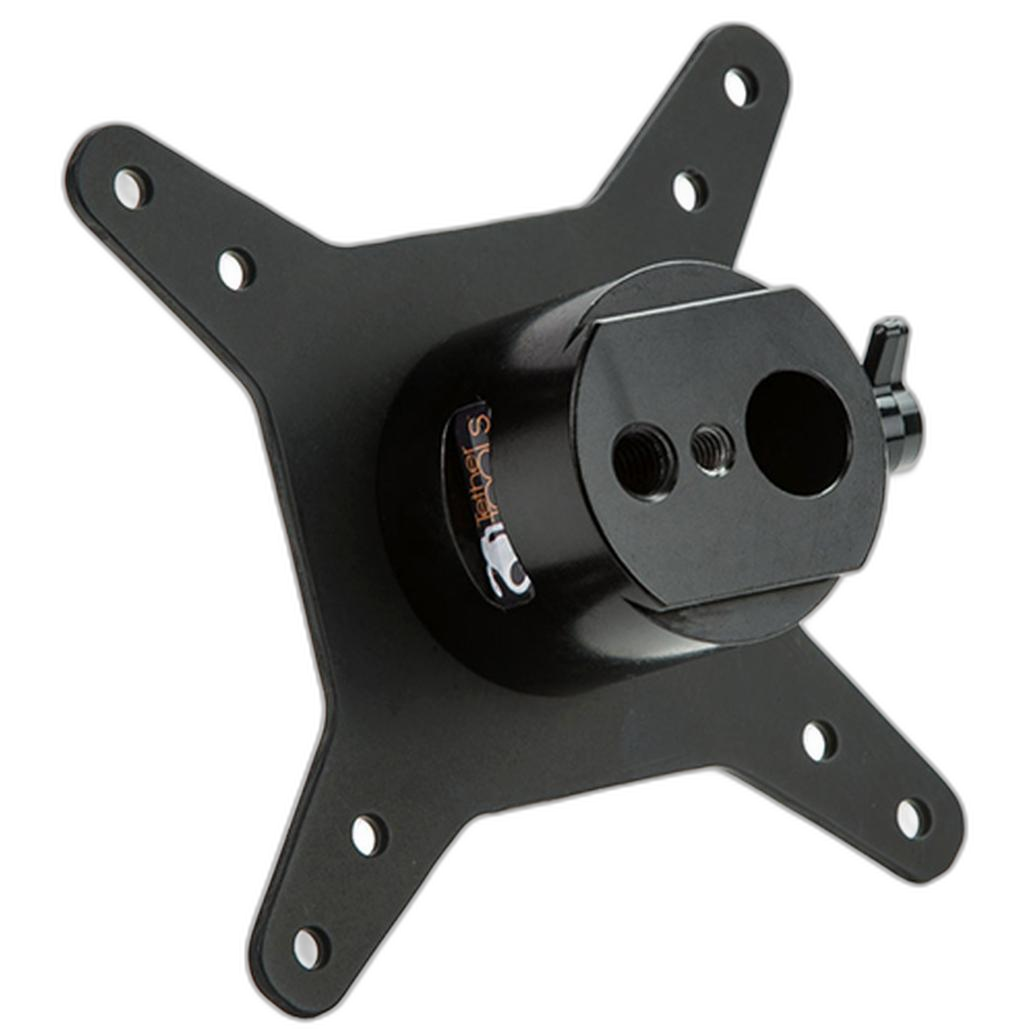
A calibrated monitor and an efficient review setup can make a real difference when preparing entries. Accessories like the Tether Tools Local Vu Monitor Bracket can help photographers streamline image review and presentation during tethered sessions or studio workflows.
Why print quality matters in local photography contests
Many local photography contests still involve physical exhibition and in-person judging. In those situations, print quality matters tremendously. A strong image can lose impact if printed too dark, too soft, or on the wrong paper. Test your print before the final submission deadline whenever possible.
Pay attention to:
- Correct print dimensions and mounting requirements
- Paper choice for your subject matter
- Accurate brightness and contrast for gallery lighting
- Clean borders, labels, and presentation
Local contests often give photographers a chance to be seen by community businesses, art buyers, and future clients. A polished print signals professionalism as much as artistic skill.
How to write strong titles and captions for contest entries
Some contests judge anonymously with no supporting text, but others allow or require titles, captions, or short artist statements. If text is part of the submission, keep it concise and purposeful. A great title can add intrigue or emotional depth, while a weak title can make an image feel generic.
Avoid overexplaining the photograph. Let the image do most of the work. If a caption is required, provide context that enhances the viewing experience without sounding forced or overly dramatic.
Best strategies for entering online photography contests
Online photography contests introduce a different set of challenges. Your image may first be viewed as a small thumbnail on a screen, so immediate impact is crucial. Fine details are important, but your composition and subject need to read quickly.
Here are a few online contest tips:
- Export in the exact file size and color space requested
- Rename files properly and professionally
- Double-check metadata or watermark rules
- Preview the image on desktop and mobile before submitting
- Submit early to avoid deadline issues or upload problems
Online entries also benefit from disciplined organization. Keep a folder with contest versions, full-resolution masters, captions, and release documents so you are ready if your image advances.
How to improve your odds of winning photography contests over time
Winning is not only about one perfect image. It is about building a repeatable process. Photographers who place consistently usually do the following:
- Study contest rules carefully
- Curate ruthlessly
- Seek critique before submitting
- Enter contests aligned with their strengths
- Review results to learn what worked
Just as important, they keep shooting with intention. If contests are part of your strategy, create projects with categories and themes in mind. This does not mean chasing trends; it means recognizing opportunities and planning your work so it is ready when the right competition appears.
Education can be a major advantage here. Resources like Successful Professional Photographer by Roberto Valenzuela can help photographers refine both their artistic and professional mindset, which often translates into better contest preparation and presentation.
Common mistakes that can ruin a contest entry
Even talented photographers get eliminated for avoidable reasons. Some of the most common contest mistakes include:
- Ignoring the theme or category
- Submitting too many similar images
- Poor retouching or visible editing artifacts
- Missing deadlines or formatting rules
- Uploading low-resolution or incorrect files
- Entering a good image in the wrong contest
- Using an image that lacks originality
Before submitting, create a final checklist. Review every rule, inspect the file one last time, and confirm that your chosen image still feels like your strongest option.
Confidence, consistency, and learning from losses
Not every great image wins, and not every winning image will be your personal favorite. Contest results are subjective. Different judges respond to different visual languages. Instead of seeing every loss as failure, treat contests as feedback opportunities. Over time, patterns emerge. You will learn which images resonate, which themes suit your style, and where your presentation can improve.
Local and online photography contests can be incredibly valuable, especially when approached with patience and purpose. Keep entering, keep refining, and keep building a body of work that reflects your vision. Unique Photo is a great place to continue that journey, whether you are upgrading gear, exploring books for professional growth, or connecting with a broader photography community.
Conclusion: Put your best work forward
The best tips for winning local and online photography contests come down to a few essentials: choose the right contest, match the theme, select your strongest image, perfect the technical details, and present your work professionally. Combine those habits with ongoing learning and honest critique, and your odds improve significantly.
If you are ready to strengthen your contest workflow, Unique Photo can help with gear, education, and inspiration. For helpful next steps, consider linking readers to internal pages such as your lenses section, photography books collection, and educational events or workshops pages to support photographers preparing for their next contest submission.