Budget Portrait Lens FAQ: How to Choose the Right Affordable Setup
Choosing a budget portrait lens is really about balancing focal length, aperture, subject distance, and the camera system you plan to grow with. At Unique Photo, we often recommend looking at the entire portrait setup—not just the lens—so beginners and enthusiasts can get flattering results now while leaving room to upgrade later.
If you're shopping for your first portrait-ready camera kit, a versatile mirrorless bundle can be a smart starting point. Many photographers begin with a zoom lens, learn which focal lengths they use most, and then add a dedicated portrait prime later.
What makes a lens good for portraits on a budget?
A good budget portrait lens typically gives you a flattering field of view, enough background separation to make your subject stand out, and reliable autofocus. For most photographers, that means looking for a lens in the short telephoto range or using the longer end of a kit zoom. On APS-C cameras, focal lengths around 50mm to 85mm equivalent are especially popular because they avoid the exaggerated facial features that can happen with wider lenses used too close to the subject.
Budget shoppers should also think beyond aperture alone. A very fast lens can be excellent, but even a modest zoom can produce attractive portraits if you use the longer focal lengths, position your subject away from the background, and work with soft light. That is why many starter kits can still be strong portrait tools while you build toward a dedicated lens collection.
Do I need a prime lens for portraits, or can a kit zoom work?
You do not need a prime lens to start taking portraits. A kit zoom can absolutely work, especially if it reaches into a useful portrait range. In fact, using a zoom first is one of the easiest ways to learn what focal length feels most natural for your style—headshots, half-length portraits, family photos, or environmental portraits.
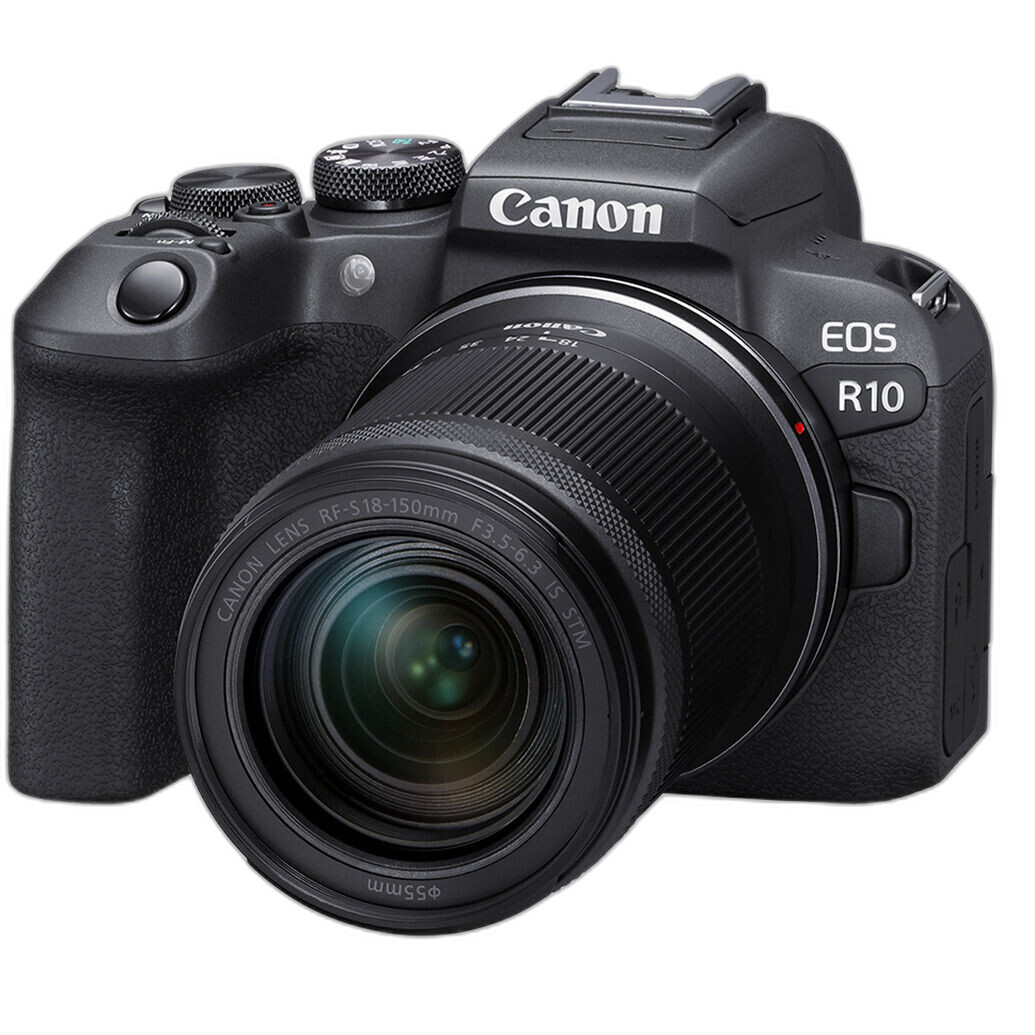
For example, the Canon EOS R10 Mirrorless Camera with 18-150mm Lens gives you a wide focal range that includes portrait-friendly telephoto settings. At the longer end, you can create more flattering perspective and better background blur than you might expect from an all-in-one lens, especially outdoors.
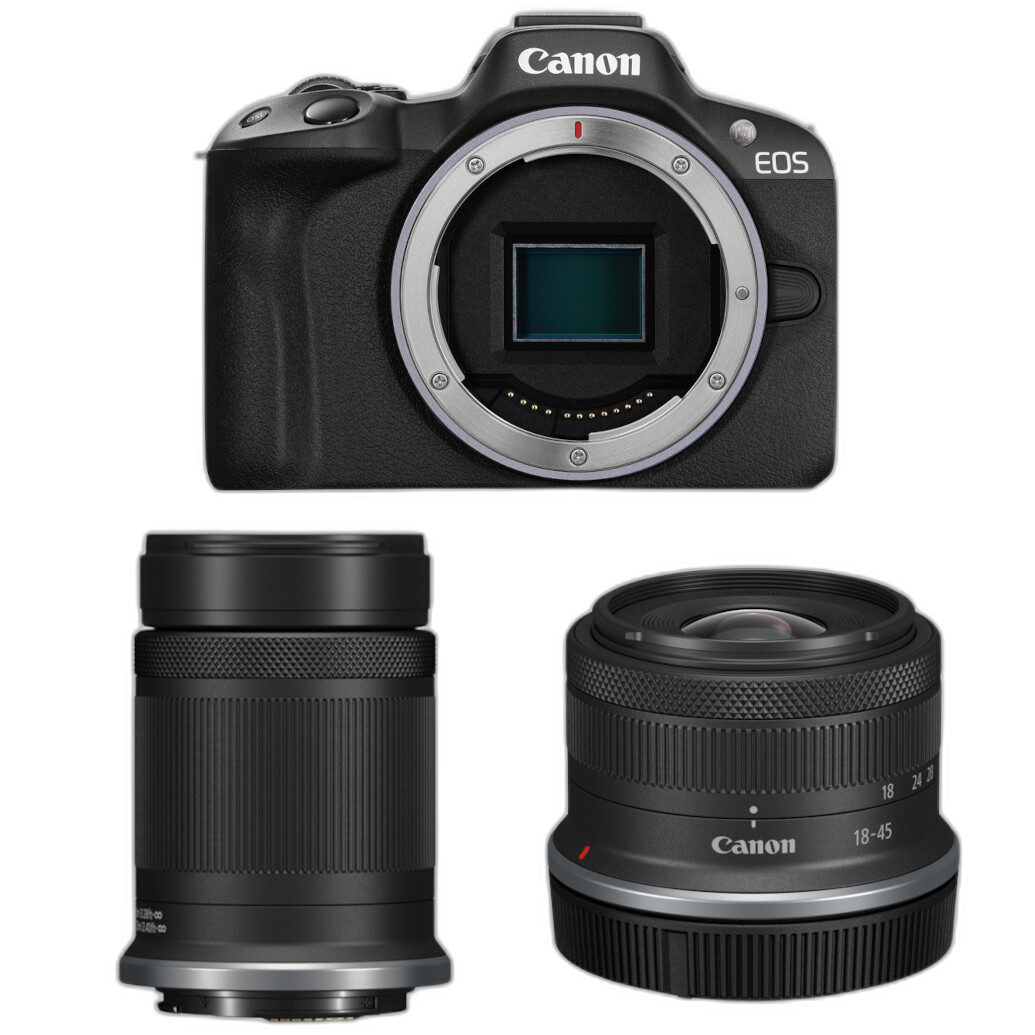
The Canon EOS R50 Mirrorless Camera with RF-S 18-45mm and 55-210mm Lenses is another smart option for portrait beginners because the included telephoto zoom gives you extra reach for tighter framing. That longer lens is especially helpful for outdoor portraits where you want softer backgrounds without stepping extremely close to your subject.
What focal length is best for flattering portraits?
The best focal length depends on the type of portrait you shoot. For classic head-and-shoulders portraits, a short telephoto perspective is often the most flattering because it keeps facial proportions natural. On APS-C cameras, many photographers like the equivalent of roughly 50mm to 85mm. For full-body or environmental portraits, slightly wider focal lengths can work beautifully as long as you do not stand too close.
If you are using a standard zoom, try moving toward the longer end before assuming you need a new lens. That simple adjustment often improves portrait rendering immediately. If your current lens tops out at a moderate focal length, you can still make strong images by backing up a bit and keeping your composition intentional.
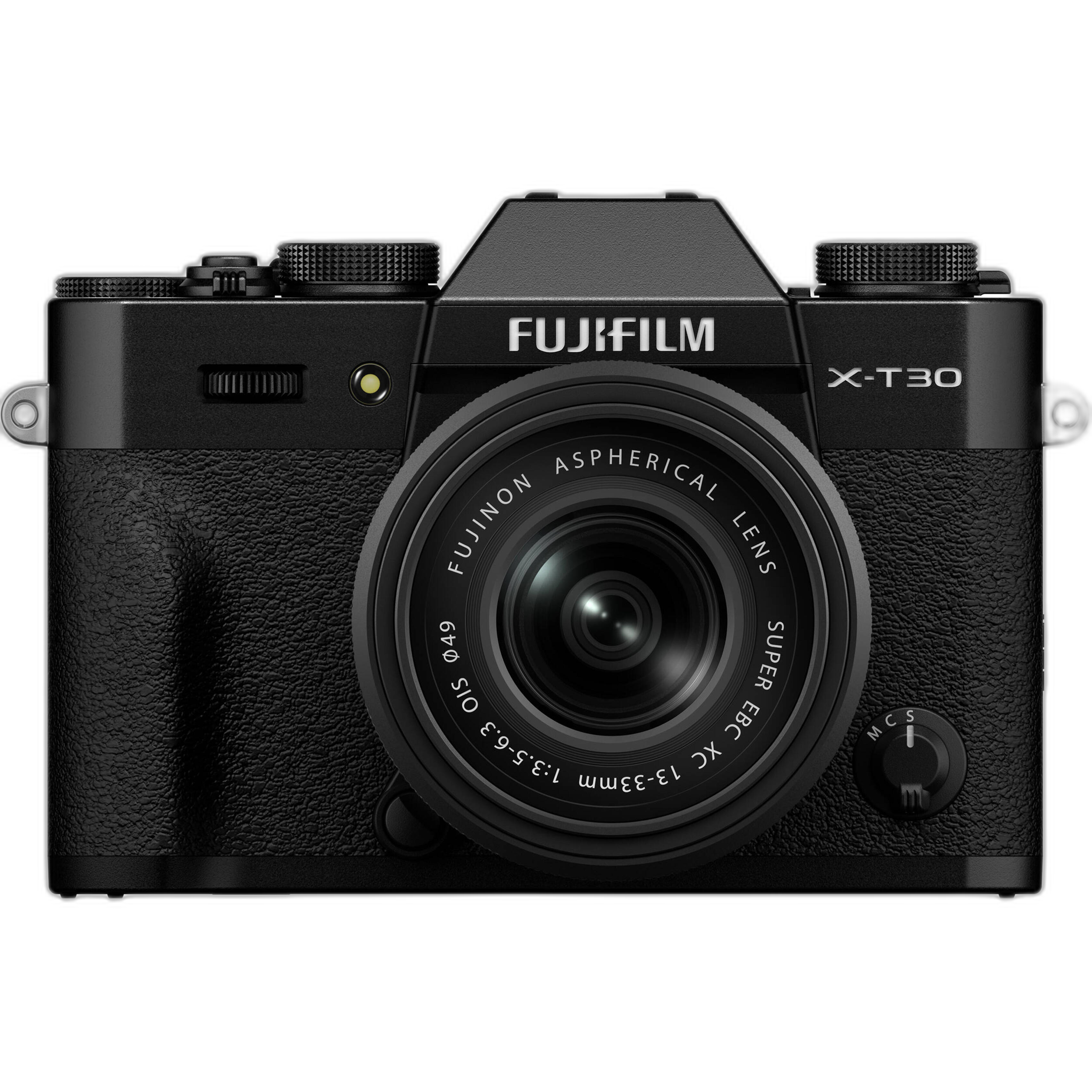
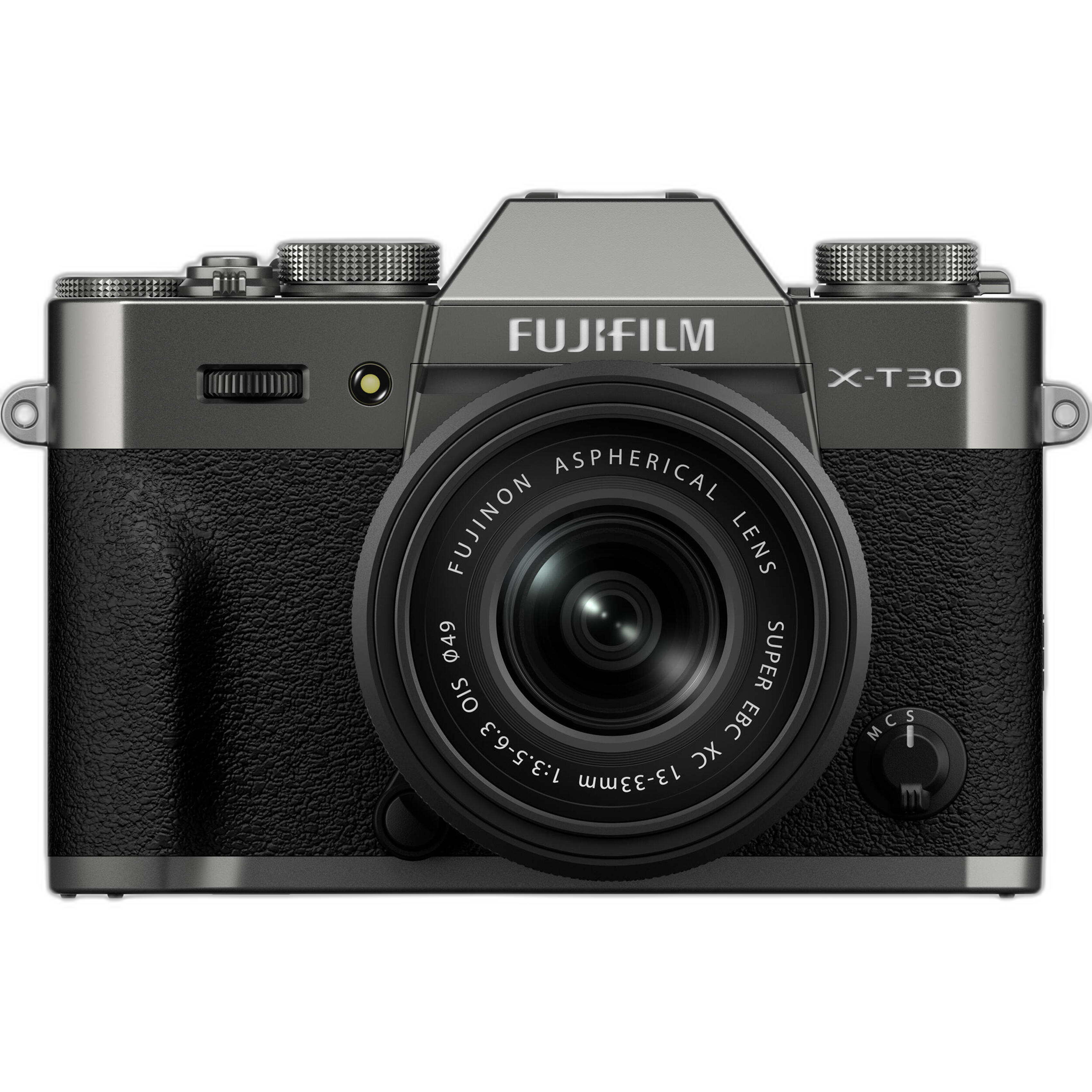
The FUJIFILM X-T30 III Mirrorless Camera Body with XC13-33mm Lens Kit is a good example of a setup that is excellent for lifestyle and environmental portraits. While the included lens is not a traditional portrait telephoto, it is very useful for wider portraits, travel portraits, and storytelling images where the background matters as much as the subject.
Is aperture the most important thing for portrait lenses?
A wide aperture helps, but it is not the only factor. Aperture affects depth of field and light gathering, yet focal length, subject-to-background distance, and sensor size all influence the final look. A lens at a longer focal length can often blur the background more effectively than a wider lens with a slightly faster aperture, depending on how you frame the shot.
For budget-conscious photographers, this is great news. It means you can create polished portraits with a practical kit lens by using smart technique: choose the longest focal length available, place your subject several feet away from the background, focus precisely on the eyes, and shoot in soft window light or open shade. As your skills develop, adding a fast prime can be your next step rather than your first expense.
What is the best budget portrait setup for beginners?
The best beginner setup is one that is easy to use, affordable, and flexible enough to support more than one kind of photography. If portraits are your main priority but you still want a camera for travel, family events, and everyday shooting, a two-lens or superzoom kit can be a strong value.
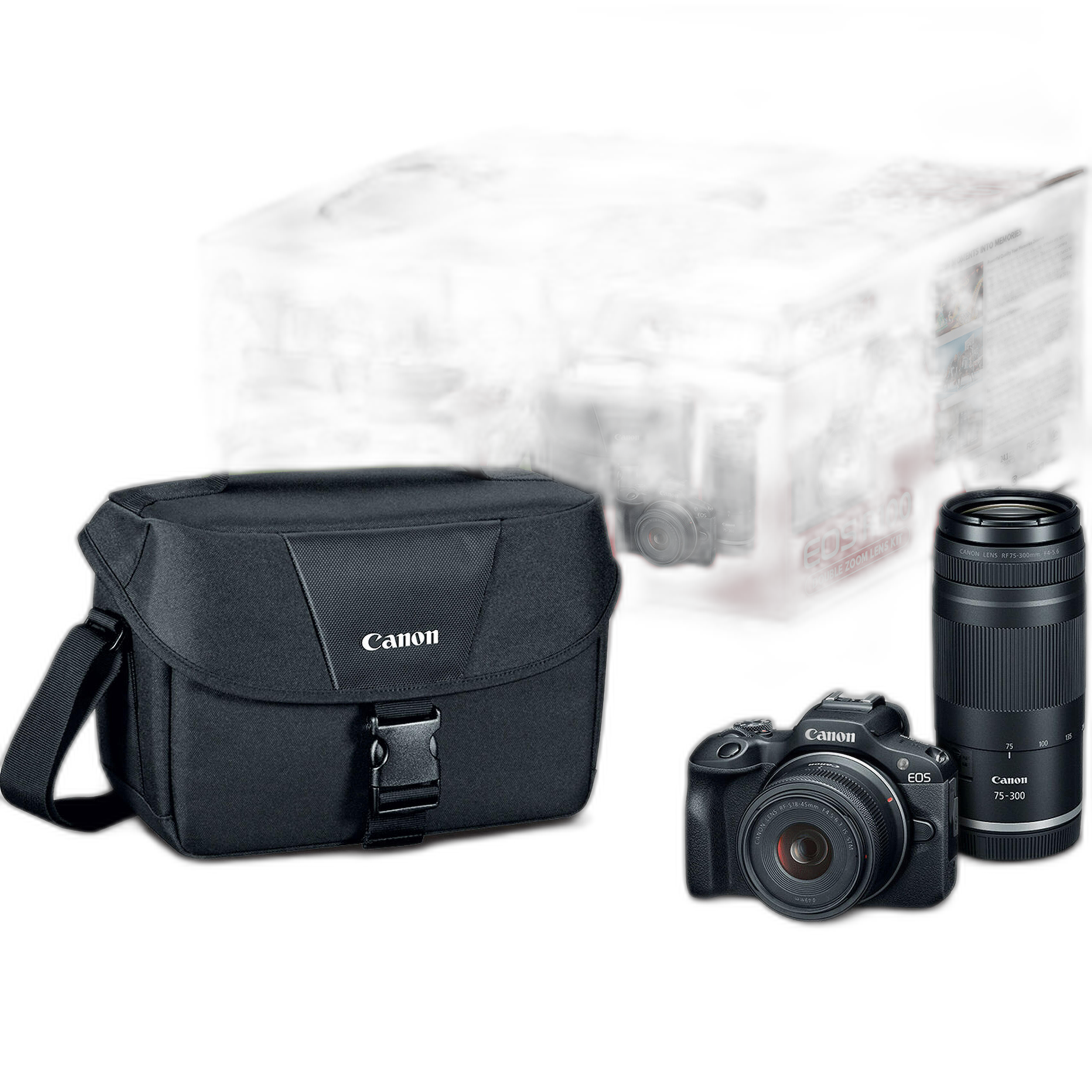
The Canon EOS R100 Double Lens Zoom Kit is especially appealing for new photographers who want versatility at an accessible price point. It gives you multiple focal length options, which helps you experiment with wider portraits and tighter compositions before deciding whether a dedicated portrait prime is your next purchase.
If you want a more advanced autofocus experience and a camera that can grow with you, the Canon EOS R10 with 18-150mm lens is another excellent all-around choice. For photographers who prefer Fujifilm color profiles and compact handling, the X-T30 III kits are also compelling for portrait shooters who mix lifestyle, travel, and everyday work.
Can I shoot professional-looking portraits with an affordable camera kit?
Yes—absolutely. Professional-looking portraits come from a combination of light, composition, subject connection, and lens choice. A high-end lens can help, but it is not the only path to strong results. Many photographers produce beautiful portraits with entry-level and midrange mirrorless systems by controlling their lighting and choosing their focal lengths carefully.
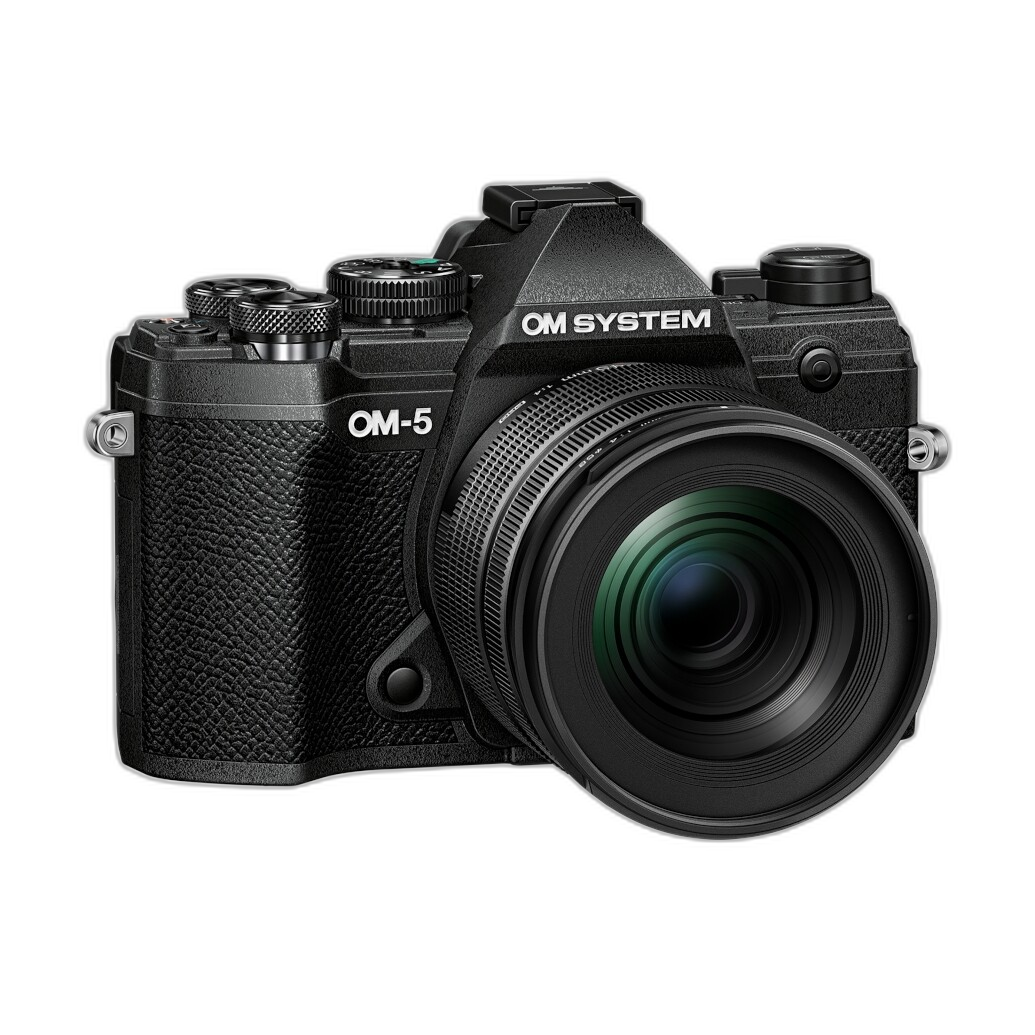
The OM SYSTEM OM-5 Mirrorless Camera with 12-45mm f/4.0 PRO Lens is a great example of a compact setup that can deliver polished results in capable hands. While the included lens is more general-purpose than portrait-specialized, it offers professional build quality and dependable image performance for location shooting, travel portraits, and environmental work.
If your goal is creamy background blur for classic portraiture, you may eventually want to add a dedicated prime lens to a camera system like Canon EOS R or Fujifilm X. Starting with a strong camera kit from Unique Photo lets you begin shooting right away and upgrade strategically later.
Should I buy a camera kit now and upgrade the lens later?
For many shoppers, yes. This is one of the most cost-effective ways to enter portrait photography. A kit camera gives you immediate flexibility and teaches you what you actually need. Once you know whether you prefer headshots, couples portraits, family sessions, or environmental portraits, you can choose a more specialized lens with confidence.
This approach is especially practical with systems that offer room to grow. Canon EOS R bodies like the R50, R100, and R10 make sense for photographers who want to start affordably and later move into more portrait-focused RF lenses. Fujifilm shooters can do the same with the X-T30 III, beginning with the kit zoom and later adding a prime that better matches their preferred portrait look.
The FUJIFILM X-T30 III Mirrorless Camera Body with XC13-33mm Lens Kit in Charcoal is another attractive option if you want compact size and stylish design without giving up strong image quality. It is an easy camera to carry daily, which matters because the best portrait practice comes from shooting often.
What should I prioritize if I only have a limited portrait budget?
If your budget is tight, prioritize in this order: camera system, useful focal length, autofocus reliability, and lighting technique. A flexible camera kit from a current mirrorless system often gives you more long-term value than stretching for a single specialized lens on a platform you may outgrow. After that, look for enough reach to frame portraits comfortably, then focus on improving your use of natural light and posing.
For many entry-level photographers, a two-lens bundle like the Canon EOS R50 with 18-45mm and 55-210mm lenses offers one of the most practical paths. It covers everyday shooting and gives you a telephoto option for portraits. If you want maximum flexibility in a single lens, the R10 with 18-150mm is also worth serious consideration.
And remember: portrait quality is not just about gear. A shaded outdoor location, a clean background, thoughtful subject direction, and careful eye focus can elevate even a modest setup.
Finding the ideal budget portrait lens often starts with choosing the right camera kit and learning how focal length affects your results. At Unique Photo, we can help you compare beginner-friendly mirrorless systems, build a portrait-ready setup, and decide when it makes sense to move from a kit zoom to a dedicated portrait lens.
Explore mirrorless cameras and portrait-friendly kits at Unique Photo to get started with a system that fits your budget and your style.