Choosing the right Sony portrait lens can feel harder than it should. A beta recommendation tool might suggest one focal length based on neat categories and technical inputs, but real-world portrait work is messier, more creative, and much more personal. If you are asking which Sony lens should I pick for portraits, the best answer usually comes from balancing software suggestions with practical experience in how you actually shoot.
At Unique Photo, we talk to photographers at every level who want a lens that does more than look good on paper. They want flattering perspective, strong subject separation, reliable autofocus, and a focal length that fits the way they direct people. This guide breaks down how to think about Sony portrait lenses beyond simple beta-tool logic so you can make a smarter decision for studio work, environmental portraits, events, and everyday people photography.
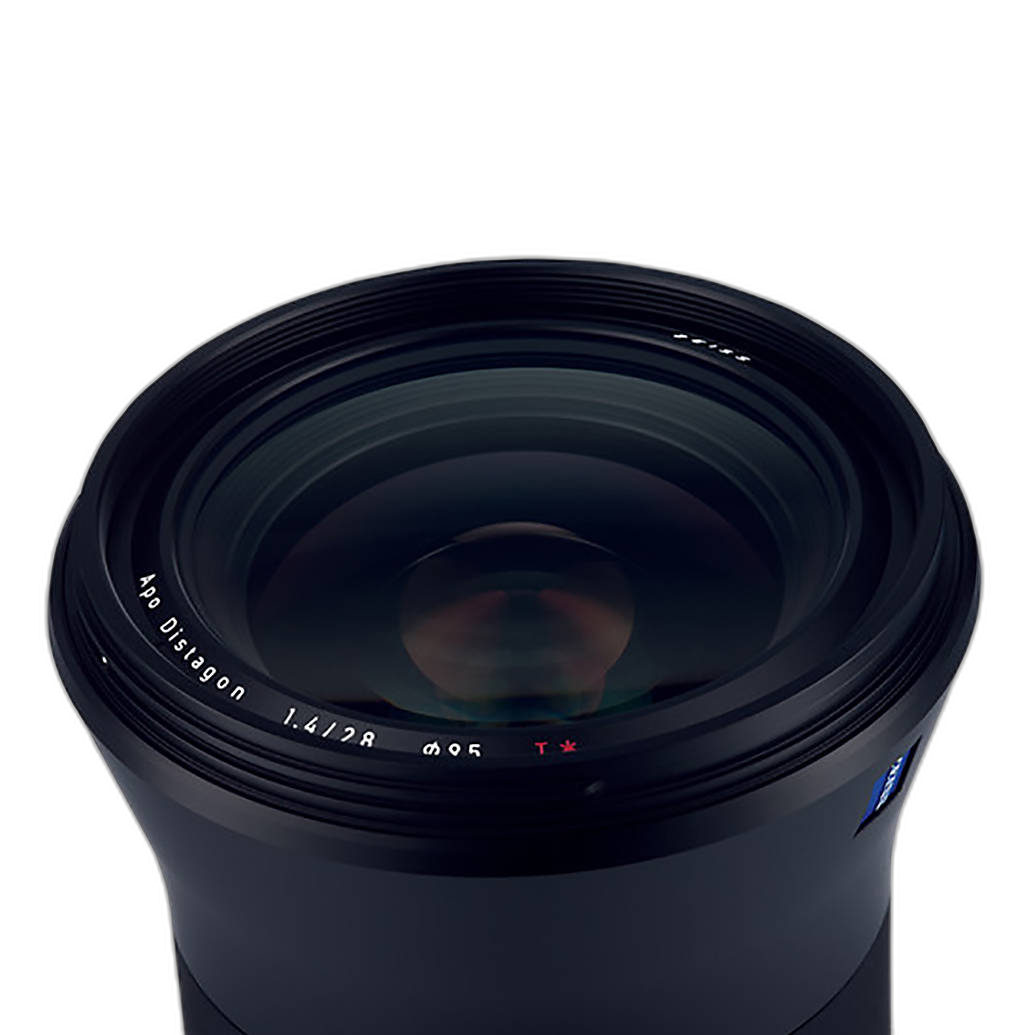
What Makes a Sony Lens Good for Portrait Photography?
When photographers search for the best Sony lens for portraits, they are usually trying to optimize a few key traits:
- Focal length: Common portrait ranges include 50mm, 85mm, 105mm, and even 70mm to 135mm depending on the look you want.
- Maximum aperture: Wider apertures can help blur backgrounds and isolate your subject.
- Rendering: Sharpness matters, but so do transition zones, contrast, and how skin tones feel in the final image.
- Autofocus performance: Eye AF can make a major difference for moving subjects, weddings, and family sessions.
- Working distance: Some lenses let you stay close and connected; others give your subject more breathing room.
A beta tool may rank lenses based on idealized use cases, but portrait photographers often discover that their best lens is the one that fits their workflow, not the one with the cleanest spec-sheet score.
Beta Tool vs. Practical Experience: Why Lens Recommendations Can Differ
A beta tool is useful as a starting point. It can sort Sony lenses by mount, focal length, aperture, and intended genre. That helps narrow the field quickly. But a tool cannot fully predict how you work with people.
For example, one photographer may prefer a classic short-telephoto portrait look with stronger compression, while another may shoot environmental portraits in tighter interiors and need more flexibility. A recommendation engine might push you toward a “portrait prime,” but in real sessions, a zoom can be the more practical choice.
Practical experience adds the missing variables:
- How much room you usually have on location
- Whether you shoot posed portraits or fast candid moments
- If you prefer one consistent look or multiple framing options
- How often you work in natural light versus strobes
- Whether you need one lens for portraits and events
This is why Unique Photo often encourages photographers to think in terms of how they shoot portraits, not just what category a lens belongs to.
Best Sony Portrait Lens Choice for Versatility
If you want one Sony lens that can handle portraits, events, lifestyle sessions, and general photography, the Sony FE 24-105mm f/4 G OSS Lens is a highly practical option. It may not be the first lens a beta tool labels as a “portrait specialist,” but practical experience says otherwise.
At 70mm, 85mm, and 105mm, this lens covers several classic portrait-friendly focal lengths. That means you can move from environmental portraits to tighter headshots without changing lenses. For photographers shooting families, seniors, content creation, corporate portraits, or events, that flexibility is a major advantage.
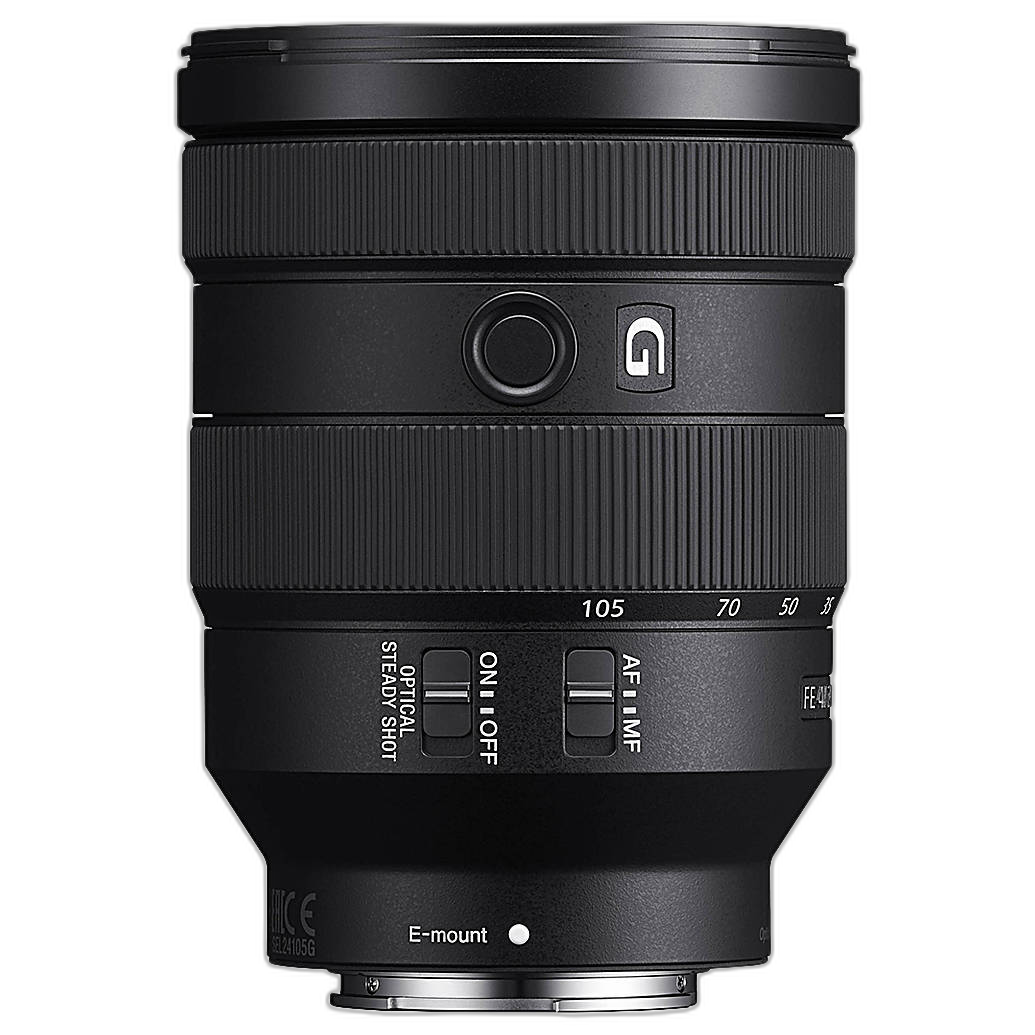
Why it works well for portraits:
- Useful range from environmental wide shots to flattering telephoto framing
- Optical stabilization for handheld shooting
- Strong all-around image quality
- Excellent choice for photographers who need one lens to do many jobs
When practical experience favors it over a prime:
- You shoot portrait sessions in changing spaces
- You photograph weddings or events and need to move quickly
- You want fewer lens swaps during paid work
- You value flexibility more than the shallowest possible depth of field
For many photographers shopping at Unique Photo, this is the lens that makes the most sense when portrait photography is important but not the only thing they shoot.
Can a Wide Sony Lens Work for Portraits?
Portrait photographers often assume they should avoid wide lenses entirely, but that is not always true. The Sony FE 12-24mm f/2.8 GM Lens is not a traditional portrait lens, yet it can be a creative tool for environmental portrait photography.
If your style includes dramatic foregrounds, architecture, interiors, fashion concepts, or storytelling compositions, an ultra-wide lens can produce portraits that feel immersive and cinematic. The key is understanding distortion and using it intentionally. Keep your subject away from the frame edges and be careful with close-up facial framing.
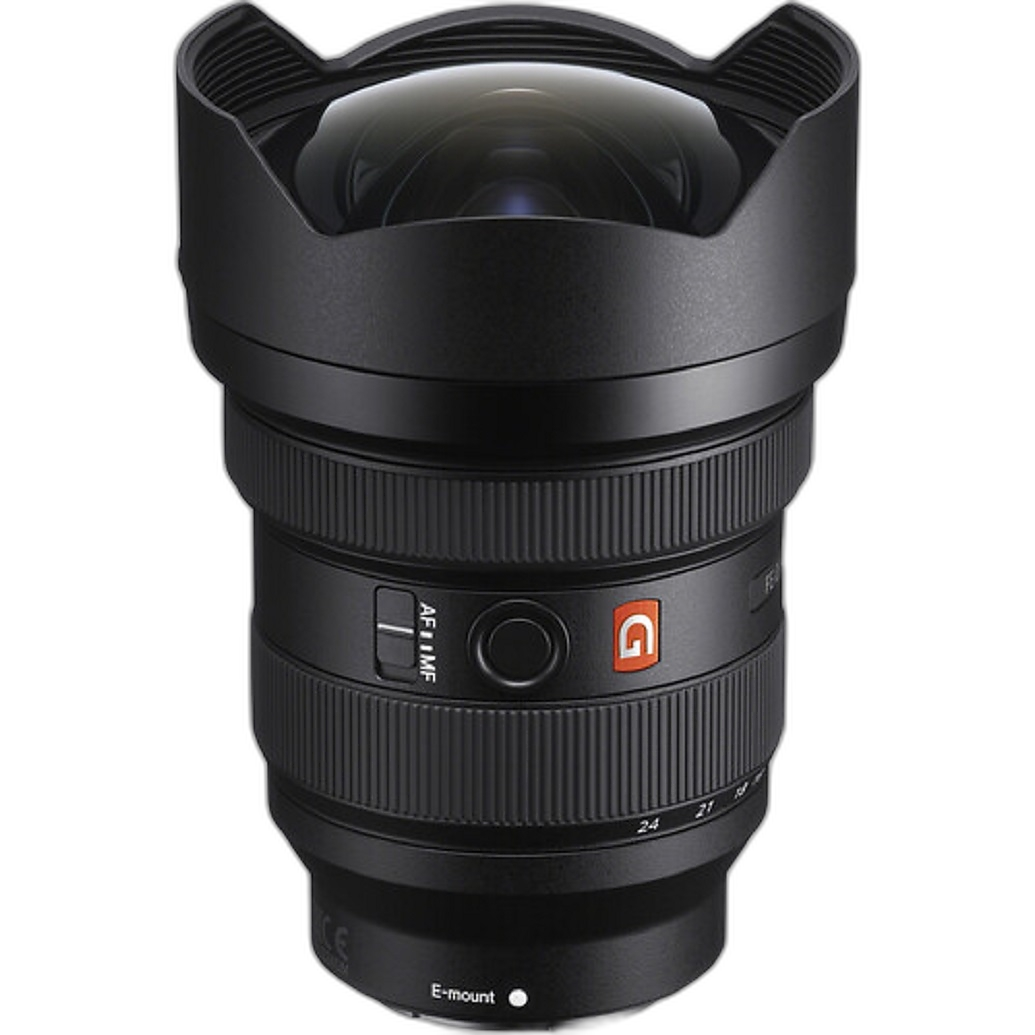
When a wide lens helps portrait work:
- Environmental portraits in tight spaces
- Creative editorial images
- Travel portraits with a strong sense of place
- Dramatic full-body compositions
When it is not the best main portrait lens:
- Traditional headshots
- Close facial framing
- Classic compressed portrait looks
This is where beta-tool logic can be too rigid. A tool may dismiss an ultra-wide option for portraits, but practical experience shows that some portrait artists use lenses like this to create highly distinctive work. Unique Photo customers who specialize in branding, real estate lifestyle imagery, and editorial storytelling often see the value immediately.
Prime Lens Thinking vs. Zoom Lens Thinking for Sony Portraits
One of the biggest decisions in portrait photography is whether to choose a prime or a zoom. Even if your beta tool leans toward fast primes, practical experience may point you elsewhere depending on how you shoot.
Prime lens strengths:
- Often wider maximum apertures
- Potentially stronger subject isolation
- Consistent visual style
- Encourages deliberate composition
Zoom lens strengths:
- Faster framing changes
- More adaptable for mixed assignments
- Less downtime switching lenses
- Useful for events, families, and active subjects
In practical terms, photographers who shoot controlled portraits in a studio may love the discipline of a prime. But portrait photographers who work on location, cover events, or need flexibility often prefer a zoom like the Sony FE 24-105mm f/4 G OSS Lens. It is not always about what is theoretically “best.” It is about what gets the shot reliably.
How Focal Length Changes the Look of Your Portraits
If you are still wondering which Sony lens to pick for portraits, think less about labels and more about focal length behavior.
24mm to 35mm: Best for environmental portraits, storytelling, and location-heavy compositions. Can distort facial features if used too close.
50mm: Natural perspective, great for half-body portraits, lifestyle work, and general use.
70mm to 105mm: A sweet spot for flattering portraits. This range often gives faces a pleasing shape and cleaner background separation.
Beyond 105mm: Great for tight headshots and compressed backgrounds, but you need more working distance.
This is exactly why the Sony FE 24-105mm f/4 G OSS Lens is such a sensible real-world choice. It lets you explore multiple portrait looks in one lens, which can teach you a lot about your own preferences before committing to a specialized prime later.
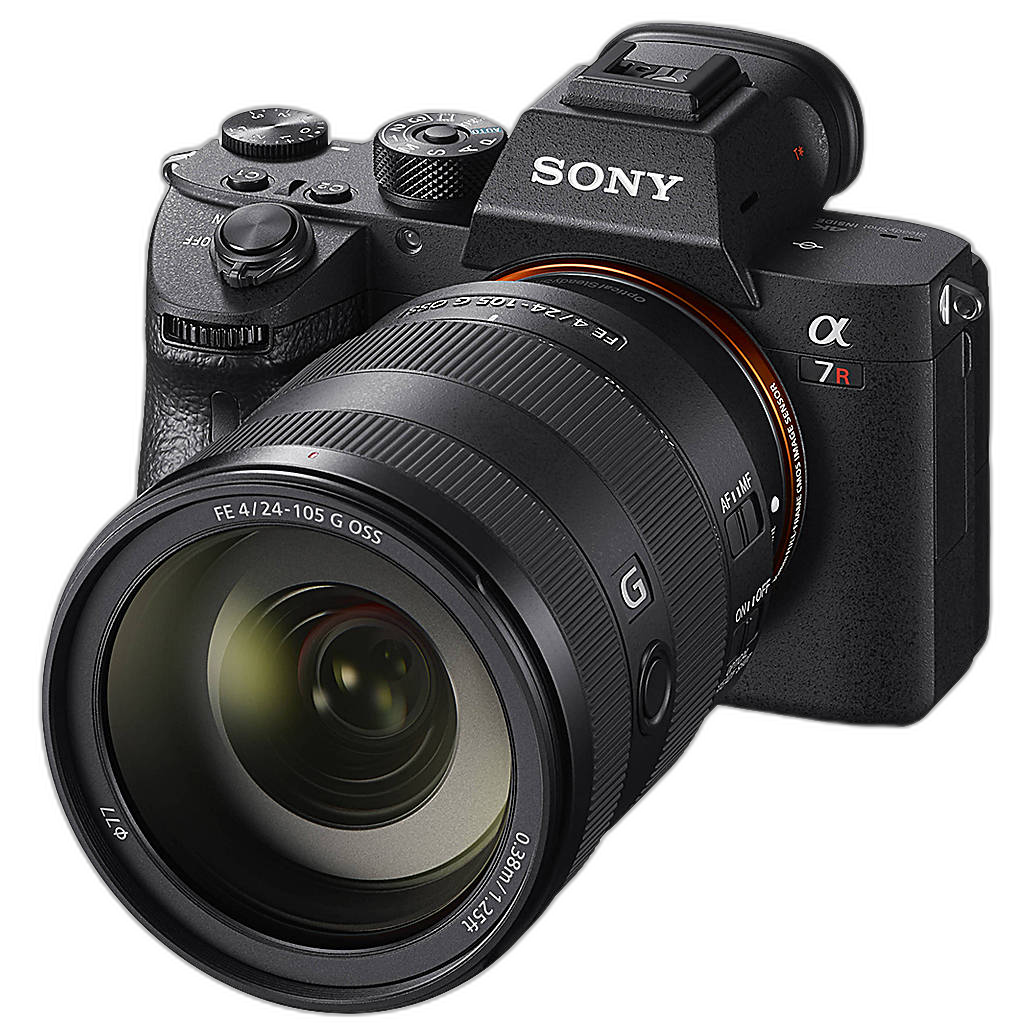
Should You Trust the Recommendation Tool or Your Shooting Style?
The best answer is both, but in the right order. Use the beta tool to narrow your options, then sanity-check the recommendation against your real shooting style.
Ask yourself:
- Do I mostly shoot indoors or outdoors?
- Do I want classic portraits or environmental storytelling?
- Do I have time to move my feet and change lenses?
- Do I shoot paid sessions where speed matters?
- Will this lens also cover travel, events, or video?
If a tool recommends a specialized lens but your assignments demand flexibility, the recommendation may be technically correct but practically wrong. At Unique Photo, that is often the difference between a lens that looks great in theory and a lens that becomes a daily favorite.
Practical Sony Portrait Lens Scenarios
Here are a few common portrait scenarios and which approach tends to work best:
Family sessions outdoors:
A flexible zoom is often ideal because you can quickly move from group shots to tighter portraits.
Corporate portraits on location:
A zoom with useful telephoto reach can help you adapt to office layouts and varying backgrounds.
Creative editorial portraits:
A wide lens like the Sony FE 12-24mm f/2.8 GM Lens can deliver dramatic, unconventional results when used carefully.
Weddings and events:
Versatility and speed matter. A lens such as the Sony FE 24-105mm f/4 G OSS Lens makes a lot of sense when portraits are part of a larger job.
Learning your portrait style:
A zoom can act like a focal-length testing tool. Over time, your favorite settings will show you whether you eventually want a dedicated 50mm, 85mm, or 105mm prime.
Final Thoughts: Which Sony Lens Should You Pick for Portraits?
If your beta tool and your instincts disagree, trust the lens choice that fits your actual workflow. For many photographers, the Sony FE 24-105mm f/4 G OSS Lens is the smartest practical portrait pick because it covers multiple flattering focal lengths and adapts well to real assignments. If your portrait style is more dramatic and environmental, the Sony FE 12-24mm f/2.8 GM Lens can open creative possibilities a simple recommendation engine may not fully appreciate.
Unique Photo is a great place to compare Sony lenses based not only on specs, but on how photographers really use them. If you are still deciding, consider browsing Sony full-frame lenses, portrait-friendly zooms, and Sony accessories to build out a kit that supports the way you actually shoot.
Internal linking suggestions: link this article to Sony lens category pages, Sony full-frame camera bodies, portrait lighting guides, and beginner portrait photography tutorials on Unique Photo for a stronger shopping and learning path.