A strong lens review does more than list specs—it helps readers imagine how a lens will actually perform in real-world shooting. Whether you're reviewing a kit zoom, a pro optic, or an integrated video lens, the most useful reviews combine clear testing, honest observations, and practical context. If you want your lens reviews to be more helpful, credible, and engaging, these best practices will keep readers coming back for more.
Start With the Shooting Experience, Not Just the Spec Sheet
1. Explain who the lens is really for
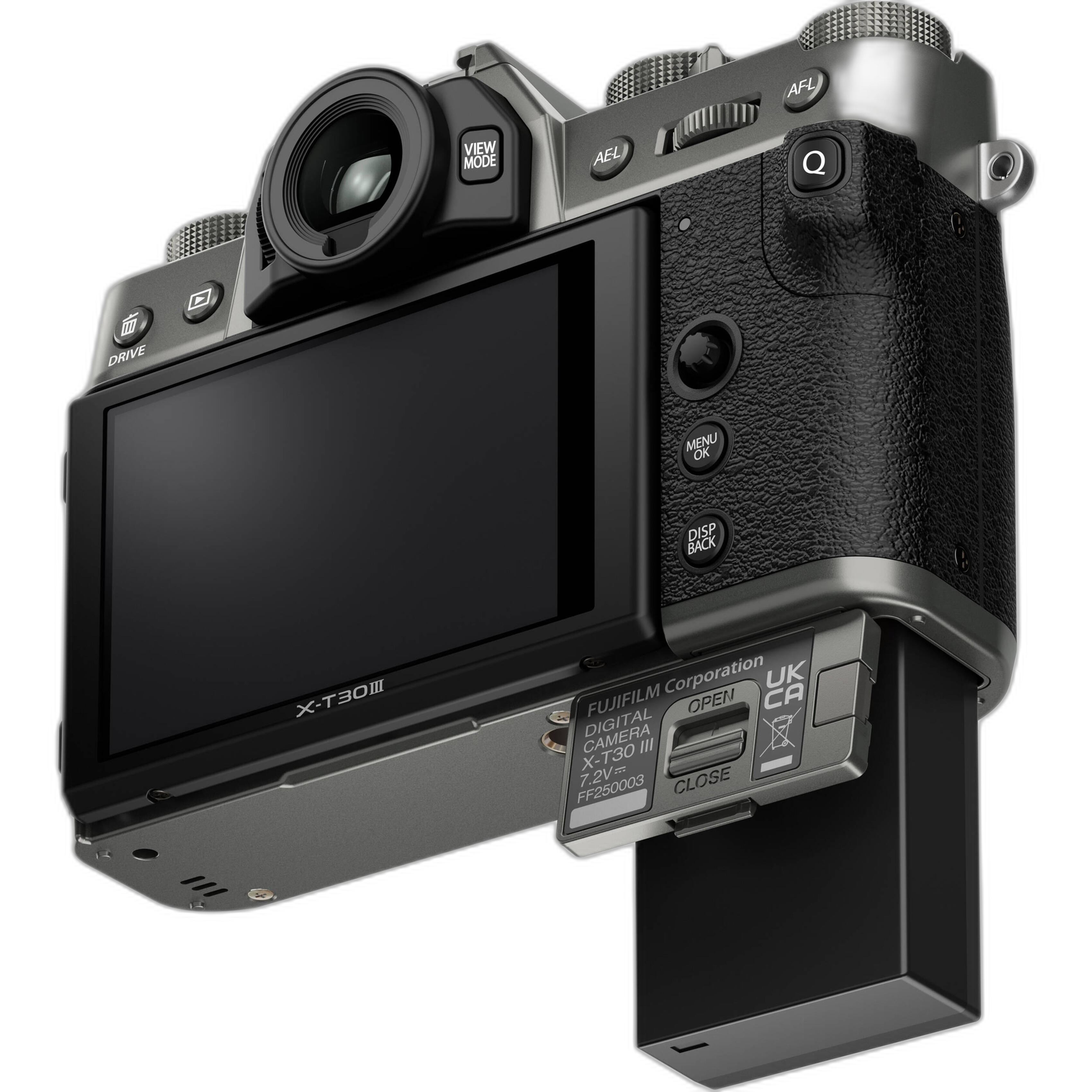
Readers want quick context: is the lens best for travel, portraits, sports, video, or everyday shooting? Instead of opening with aperture and focal length alone, describe the intended user and use case. For example, a flexible setup like the Canon EOS R10 Mirrorless Camera with 18-150mm Lens gives reviewers a chance to discuss how an all-in-one zoom fits travel, family, and walkaround photography. That kind of framing makes the review instantly more useful.
- Identify the ideal photographer or filmmaker
- Describe common scenarios where the lens shines
- Mention any limitations up front
Show Real-World Performance at Different Focal Lengths
2. Test and describe the lens across its full zoom range
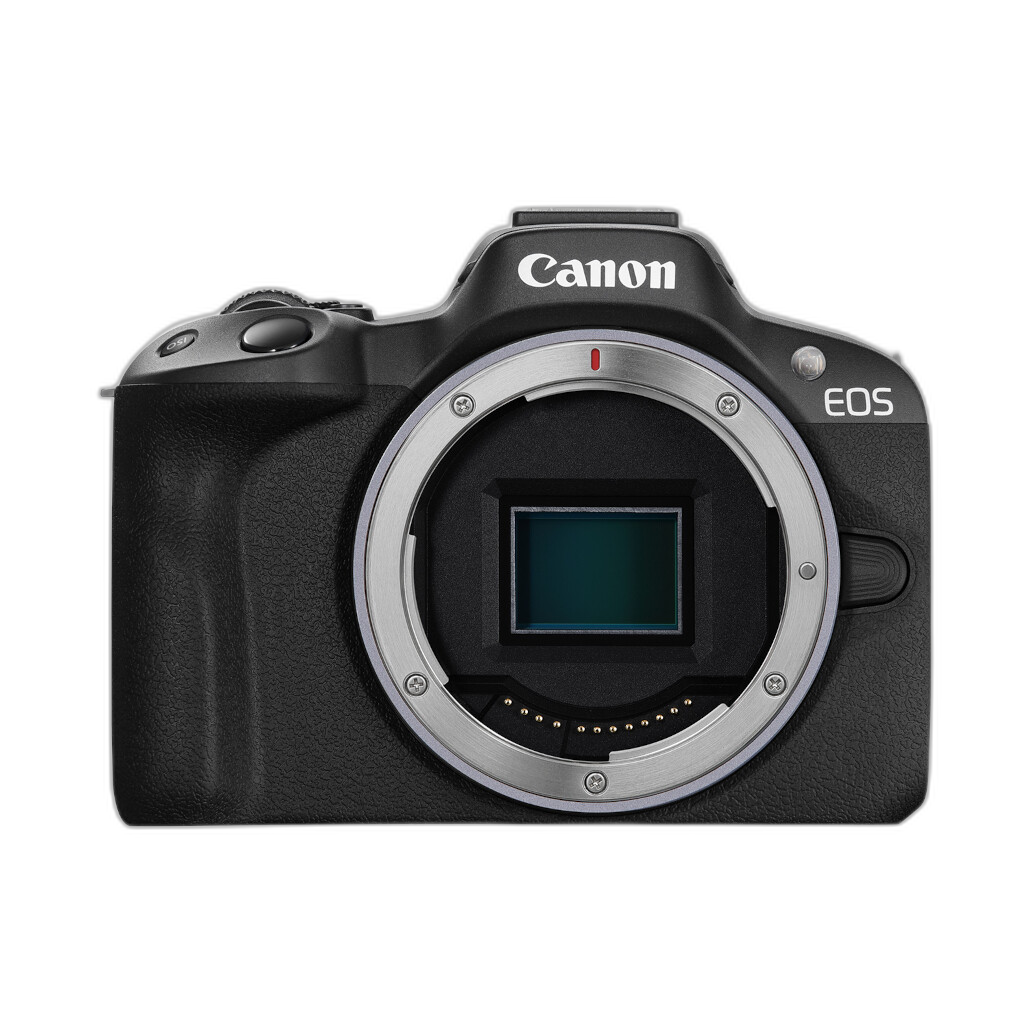
One of the most common weaknesses in lens reviews is focusing only on one end of a zoom. Readers want to know how the lens behaves wide, mid-range, and telephoto. If you're reviewing a two-lens setup like the Canon EOS R50 Mirrorless Camera (Black) with RF-S 18-45mm and 55-210mm Lenses, it's especially helpful to explain what each lens adds and where the handoff between them feels natural in actual shooting.
- Compare center and edge sharpness at multiple focal lengths
- Note changes in distortion, contrast, and rendering
- Include how handling changes as you zoom
Prioritize Image Quality Notes Readers Can Actually Use
3. Focus on sharpness, contrast, color, and background rendering
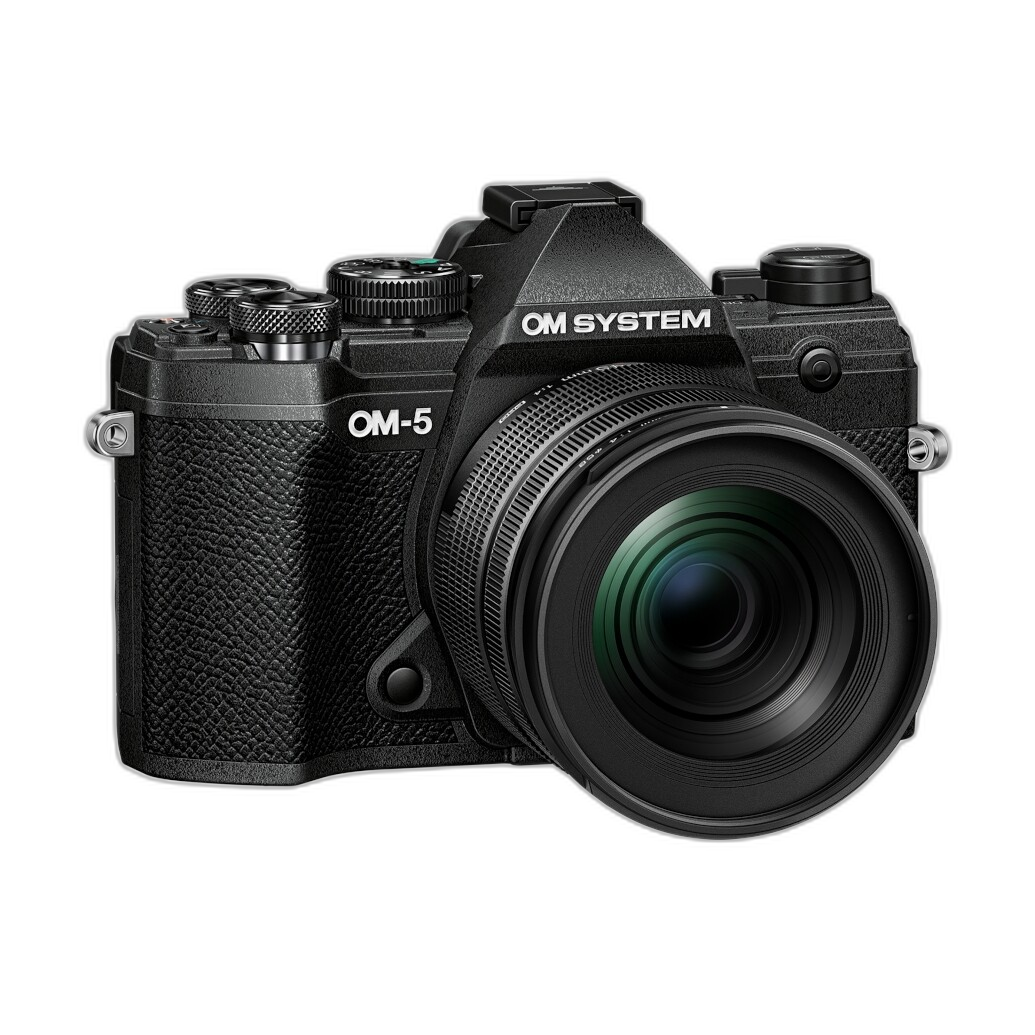
Technical language has its place, but readers often care most about whether images look pleasing. Explain sharpness in plain terms, describe color and contrast, and mention how the lens renders backgrounds. A camera-and-lens combination like the OM SYSTEM OM-5 Mirrorless Camera (Black) with 12-45mm f/4.0 PRO Lens is a good example of a review subject where readers will appreciate comments on consistency, portability, and overall rendering more than a lab-heavy breakdown alone.
- Use plain English before technical jargon
- Describe how files look straight out of camera
- Mention whether the lens has a distinctive character or a neutral look
Be Honest About Autofocus and Handling
4. Cover focus speed, accuracy, and ease of use
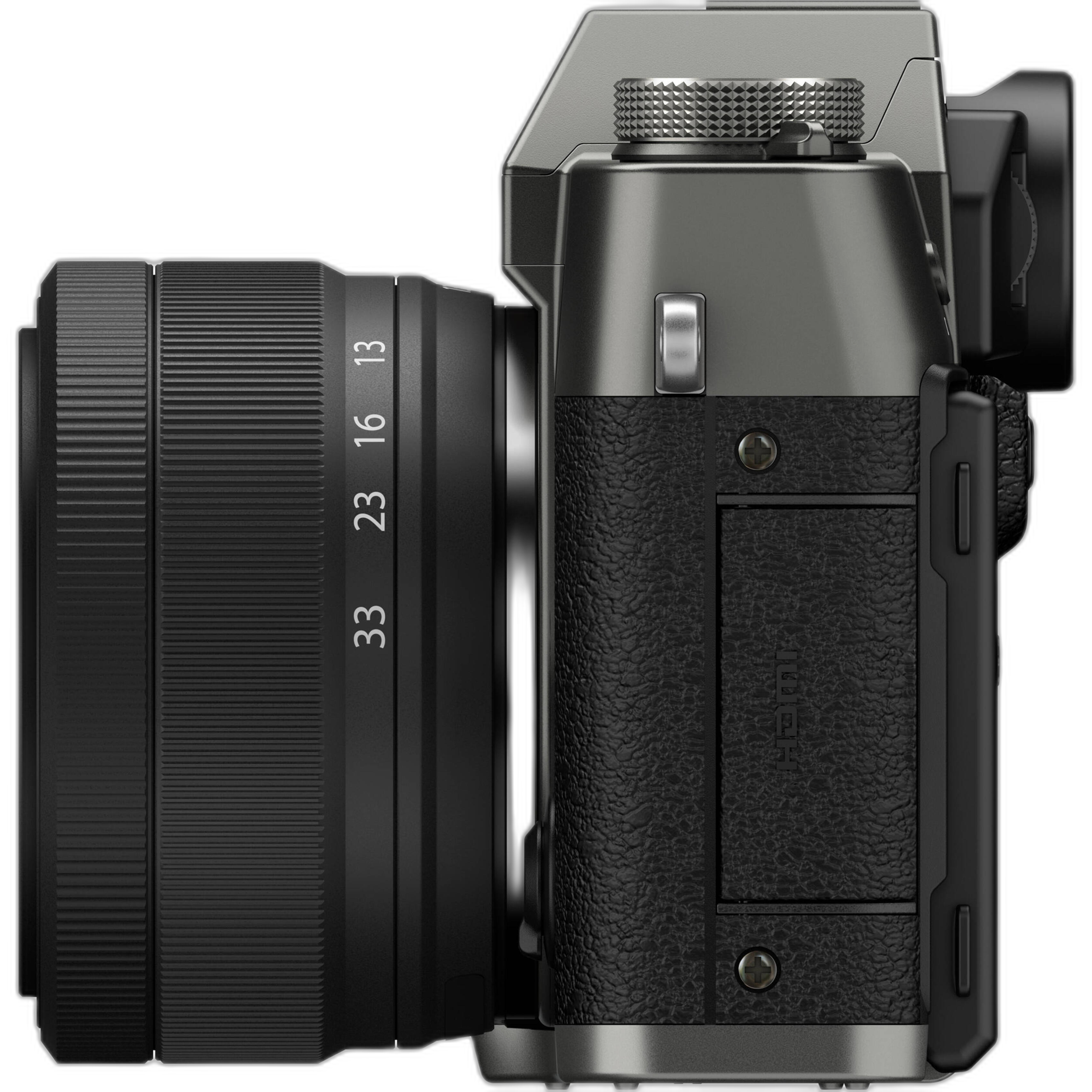
Lens reviews become much more valuable when they discuss how the lens feels in use. Is autofocus confident in low light? Does the zoom ring feel smooth? Is the lens balanced on the camera body? A compact kit such as the FUJIFILM X-T30 III Mirrorless Camera Body with XC13-33mm Lens Kit - Charcoal is perfect for discussing ergonomics and responsiveness, because readers considering lightweight systems often care deeply about everyday comfort.
- Test autofocus for stills and video if relevant
- Comment on manual focus feel and precision
- Note whether the setup feels front-heavy or travel-friendly
Include Video Performance When It Matters
5. Review focus breathing, zoom smoothness, and stabilization behavior
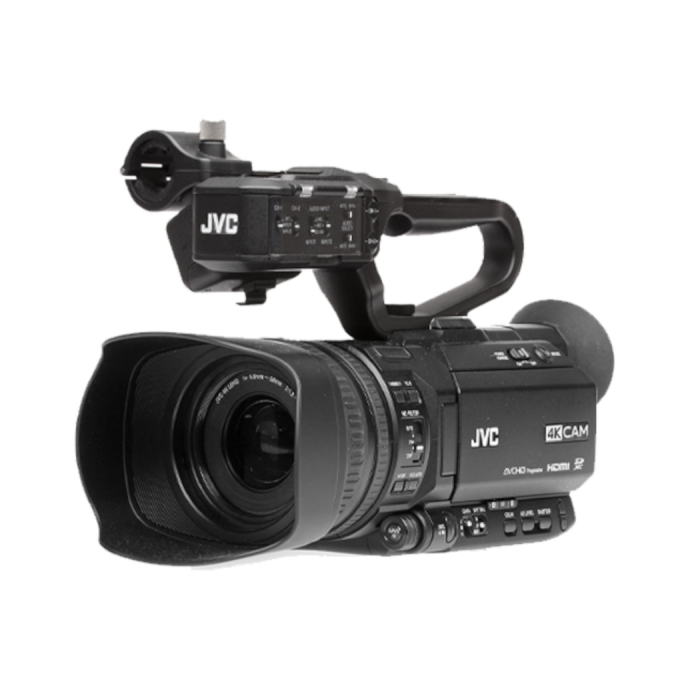
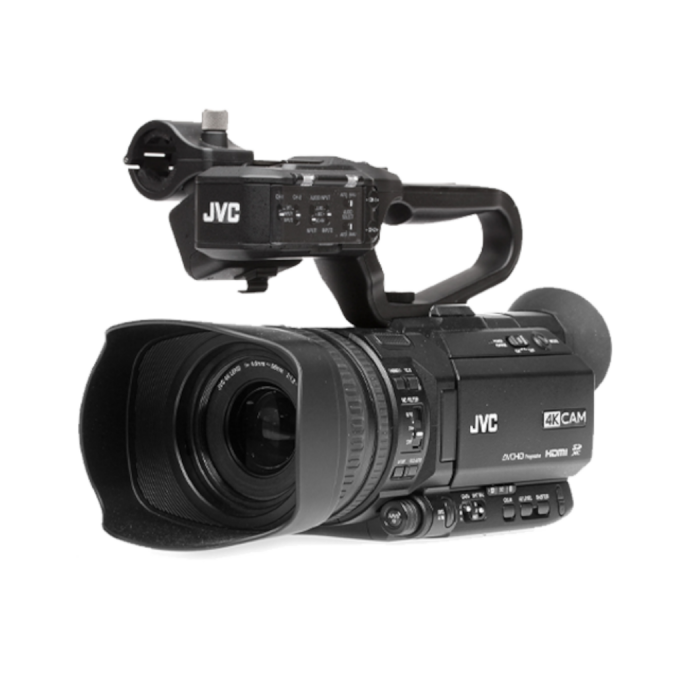
Many readers now expect lens reviews to address video use, even for stills-oriented products. If a lens is likely to be used for content creation, your review should mention focus transitions, breathing, and stabilization. For integrated-lens video products like the JVC GY-HM180U 4K Cam HD-SDI Handheld Camcorder with Integrated 12x Lens or the JVC GY-HM250SP Compact Handheld Camcorder with Integrated 12x Lens and Sports, a useful review should explain how the built-in lens behaves during real production work, not just in a static test.
- Mention whether zooming looks smooth on camera
- Discuss autofocus transitions during clips
- Call out stabilization strengths and weaknesses
Compare Value, Not Just Performance
6. Help readers understand what they get for the money
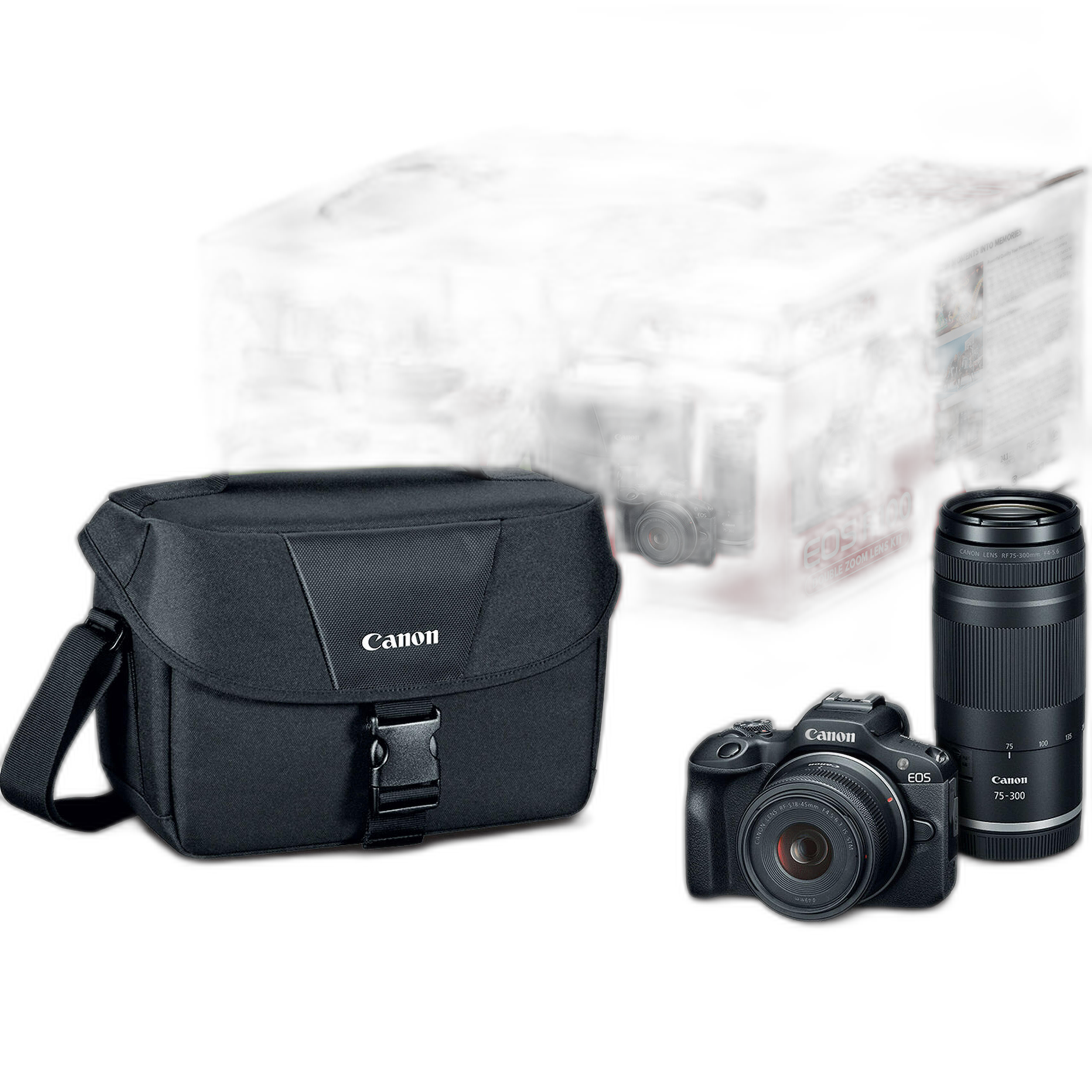
A lens doesn't have to be perfect to be worth recommending. Readers appreciate reviews that place performance in the context of price, build, and versatility. A package like the Canon EOS R100 Double Lens Zoom Kit can be very appealing for beginners, and a helpful review should explain why convenience and focal-length coverage may matter more than premium build or constant aperture for that audience.
- Explain what compromises are acceptable at the price point
- Highlight where the lens overdelivers
- Recommend it only for the users it truly suits
Use a Consistent Testing Method
7. Make your review easy to trust and easy to compare
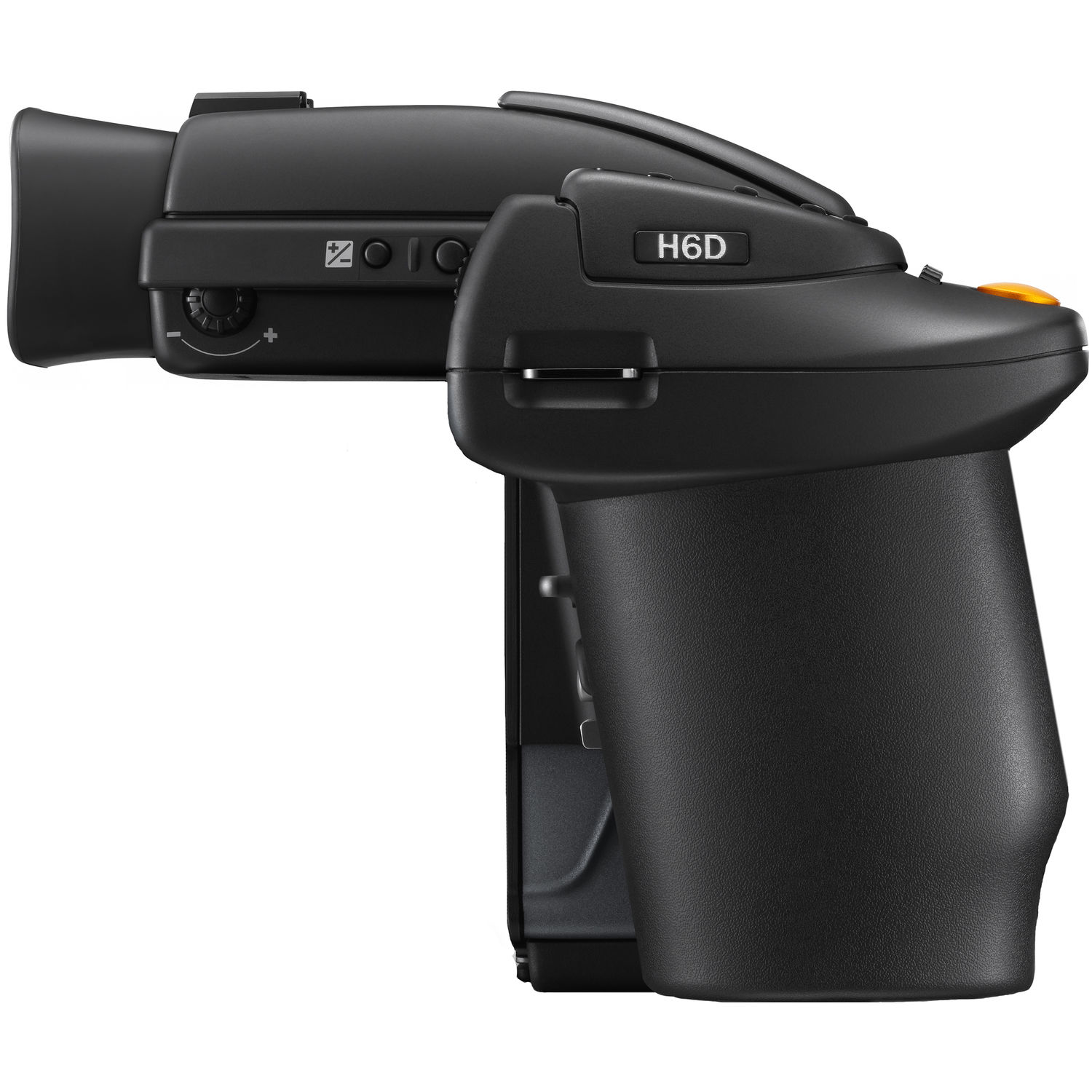
Consistency is one of the biggest factors in review credibility. If readers know you test lenses the same way each time, they'll trust your conclusions more. Shoot similar scenes, use repeatable settings, and evaluate lenses under the same conditions whenever possible. This matters whether you're discussing an everyday zoom or a premium platform associated with systems like the Hasselblad H6D Medium Format Camera Body with HV 90X-II Viewfinder, where readers may expect a higher standard of scrutiny around optical performance and rendering.
- Use the same types of subjects in every test
- Keep lighting and distances consistent
- Separate objective findings from personal preference
Include the Downsides Clearly
8. Don't hide flaws—explain how much they matter
Readers find reviews most useful when they feel balanced. If there is softness in the corners, visible distortion, slow autofocus, or a dim maximum aperture, say so plainly. The key is to explain whether those flaws affect real-world use. A review that says a lens has compromises but still performs well for travel, learning, or content creation will be far more persuasive than one that sounds overly positive.
- List meaningful cons, not filler negatives
- Explain who will notice the issue most
- Put flaws in practical context
Wrap Up With a Clear Recommendation
9. End with a direct takeaway readers can act on
The best lens reviews finish with a concise verdict. State who should buy it, who should skip it, and what kind of photographer or filmmaker will get the most value. Readers shouldn't have to interpret your conclusion for themselves.
- Summarize strengths in one or two lines
- Name the ideal user
- Offer a simple final recommendation
Conclusion
When writing lens reviews, readers usually find practical insights more useful than long spec recaps. Clear testing, honest pros and cons, real-world examples, and strong audience context will make your reviews much more valuable. If you're exploring cameras, lenses, and creator tools for your next review project, Unique Photo is a great place to discover gear that fits every style and shooting need.