Photo contests can be a great way to gain exposure, challenge your creativity, and even build your portfolio—but only if you are entering the right ones. With so many online listings, social promotions, and pay-to-play opportunities out there, it is important to know where to look and what warning signs to watch for. Here are practical tips for finding reputable photo contests and avoiding the scams that can waste your time, money, and images.
Start with Established Photography Organizations
1. Look for contests run by recognized institutions
One of the safest places to find legitimate photo contests is through museums, photography nonprofits, major publications, and well-known industry organizations. These groups usually publish clear rules, judging criteria, deadlines, usage rights, and prize details. If the sponsor has a long history in photography, a strong public reputation, and past winners you can verify, that is a very good sign.
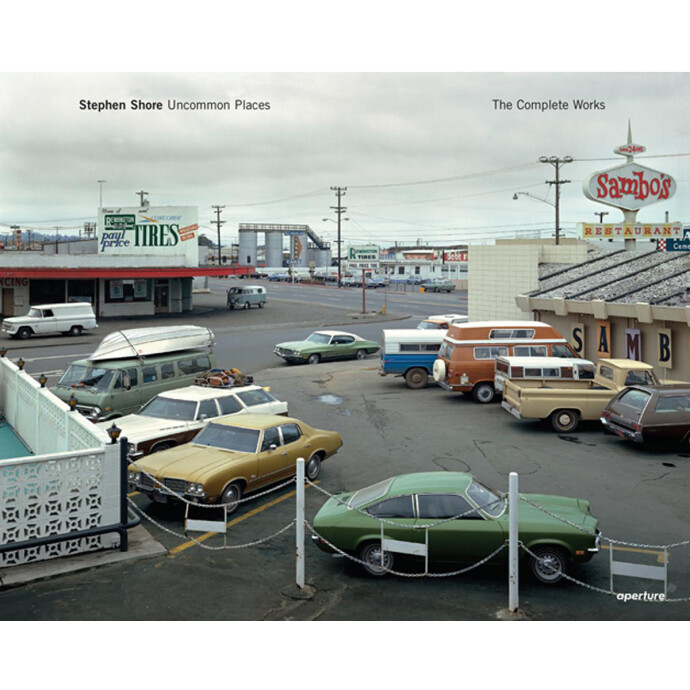
It also helps to stay connected to the broader photography world. Studying respected work, such as Aperture Books' Stephen Shore: Uncommon Places, can sharpen your eye for the kinds of projects and visual consistency that often stand out in serious competitions.
Use Trusted Contest Listing Sources
2. Check reputable photography education and community sites
Instead of clicking random ads or social media posts, use trusted photography websites, schools, and retailer resources that regularly share industry opportunities. Reputable sources tend to filter out questionable calls for entry and often provide context about fees, legitimacy, and deadlines.
If a contest appears on multiple respected sites and the information matches across all of them, that is another positive indicator. If details are vague or inconsistent depending on where you found the listing, dig deeper before submitting.
Research the Sponsor Before You Enter
3. Verify who is behind the contest
Before uploading your images, take a few minutes to research the organizer. Look for a real website, contact information, social presence, previous editions of the contest, named judges, and published winners. Search the contest name alongside terms like "review," "scam," or "rights grab" to see whether photographers have raised concerns.
A legitimate contest should make it easy to understand who they are. If there is no address, no staff listing, no judge bios, and no evidence the contest existed before this year, be cautious.
Read the Rights and Usage Terms Carefully
4. Watch for excessive image rights grabs
This is one of the biggest red flags. Many reputable contests ask for limited promotional use related to the competition itself, such as showing winners in an online gallery or social post. That is normal. What you want to avoid are terms that give the organizer perpetual, unrestricted, royalty-free rights to use, sell, alter, or sublicense your images for any purpose.
If the legal language seems overly broad, that could mean the contest exists mainly to collect free content. When in doubt, compare it with terms from respected competitions. Serious contests value photographers and do not hide exploitative licensing in fine print.
Be Realistic About Entry Fees
5. Ask whether the fee matches the opportunity
Not every entry fee is a scam. Many respected contests charge a modest fee to cover administration, judging, exhibitions, or printing. The question is whether the fee is transparent and appropriate for what is being offered. If the cost is high but the prize is vague, the judges are unnamed, and the exposure is unclear, that is worth questioning.
For contests that lead to physical exhibitions or print display, presentation quality matters. If you are preparing printed submissions or portfolio materials, premium media like the Hahnemühle Photo Rag Book and Album can help you evaluate how your work translates on fine art paper before you commit to exhibition-focused entries.

Look for Transparent Judging
6. Favor contests with named judges and clear criteria
Reputable contests usually tell you who is judging and what they are looking for. That might include originality, technical execution, storytelling, relevance to theme, or series cohesion. Named judges add accountability and help you decide whether your work is a good fit.
If a contest promises huge exposure but offers no information about who is selecting the winners, how finalists are chosen, or what standards are being used, proceed carefully.
Check Whether Past Winners Are Real and Relevant
7. Review previous winners, finalists, and exhibitions
A trustworthy contest should have an archive of past winners or at least public evidence of prior results. Look at the quality of the selected images, the diversity of categories, and whether winners actually received the exposure or prizes promised. If every year seems to vanish without follow-up, that is not a good sign.
Reviewing strong bodies of work can also help you enter more strategically. Books like Stephen Shore: Uncommon Places are useful reminders that consistent vision often carries more weight than one-off images when judges are evaluating serious photography.
Be Cautious with "Everyone Wins" Language
8. Avoid contests that feel more like sales funnels
Some scammy contests rely on flattering language to get entries, then upsell overpriced certificates, books, gallery spots, or "award packages." If every entrant is suddenly a finalist, honorable mention, or special recognition recipient—as long as they pay for something—that is a warning sign.
Legitimate contests can absolutely offer add-ons, but the award itself should not depend on buying products or paying surprise fees after selection.
Protect Your Submission Workflow
9. Use secure, organized systems when preparing entries
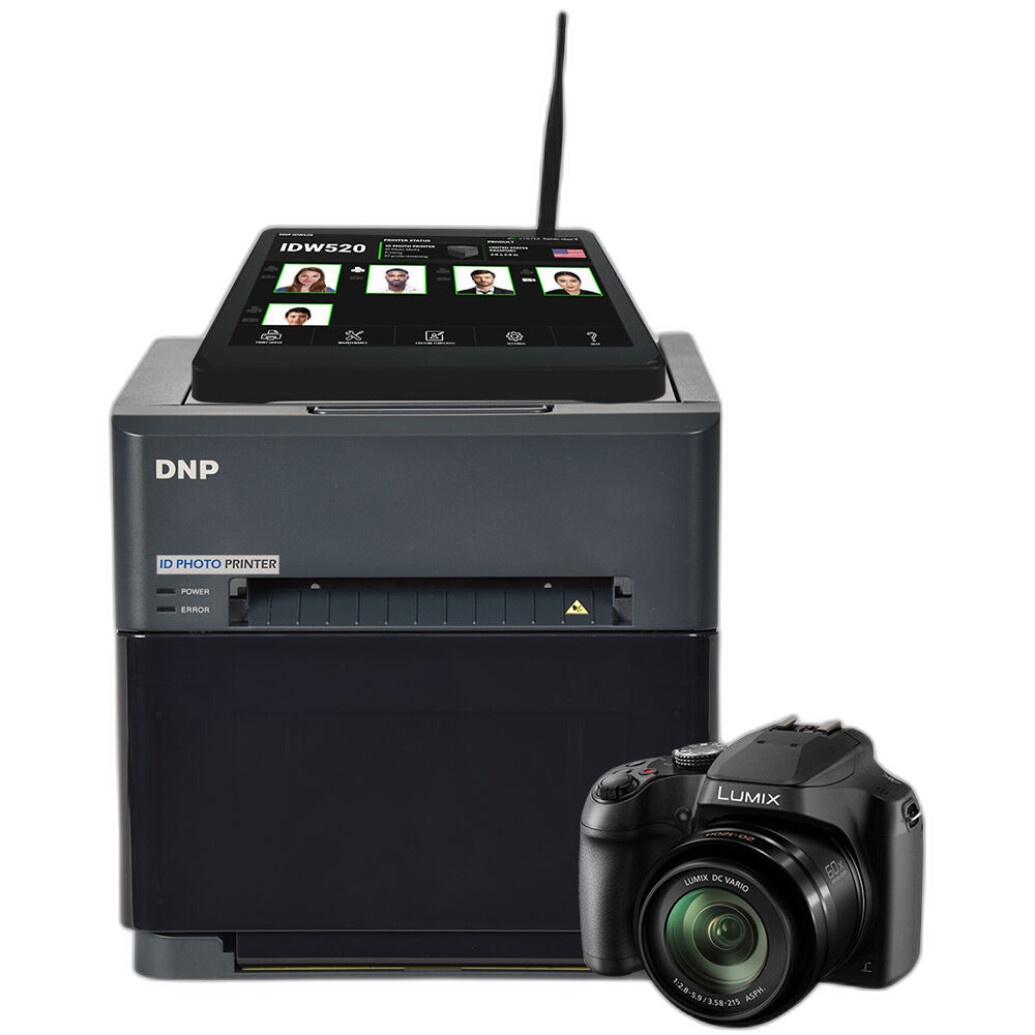
Entering multiple contests means tracking deadlines, file specs, captions, model releases, and category rules. Stay organized so you do not rush into questionable submissions. For photographers who also handle formal identification or document-style image output for clients, tools like the DNP IDW520-SET Passport and ID Photo Solution show how much easier it is to work with systems designed around consistency and standards. That same mindset applies to contest entries: follow specs carefully, keep records, and submit only through secure portals.
For Video and Multimedia Competitions, Vet Technical Requirements
10. Make sure professional production contests list clear delivery specs
Some contests now accept hybrid storytelling, short films, and multimedia pieces. In those cases, legitimacy often shows up in the technical details: accepted codecs, audio specs, exhibition formats, screening plans, and backup requirements. Vague video guidelines can be a sign the organizer is not prepared to present work professionally.
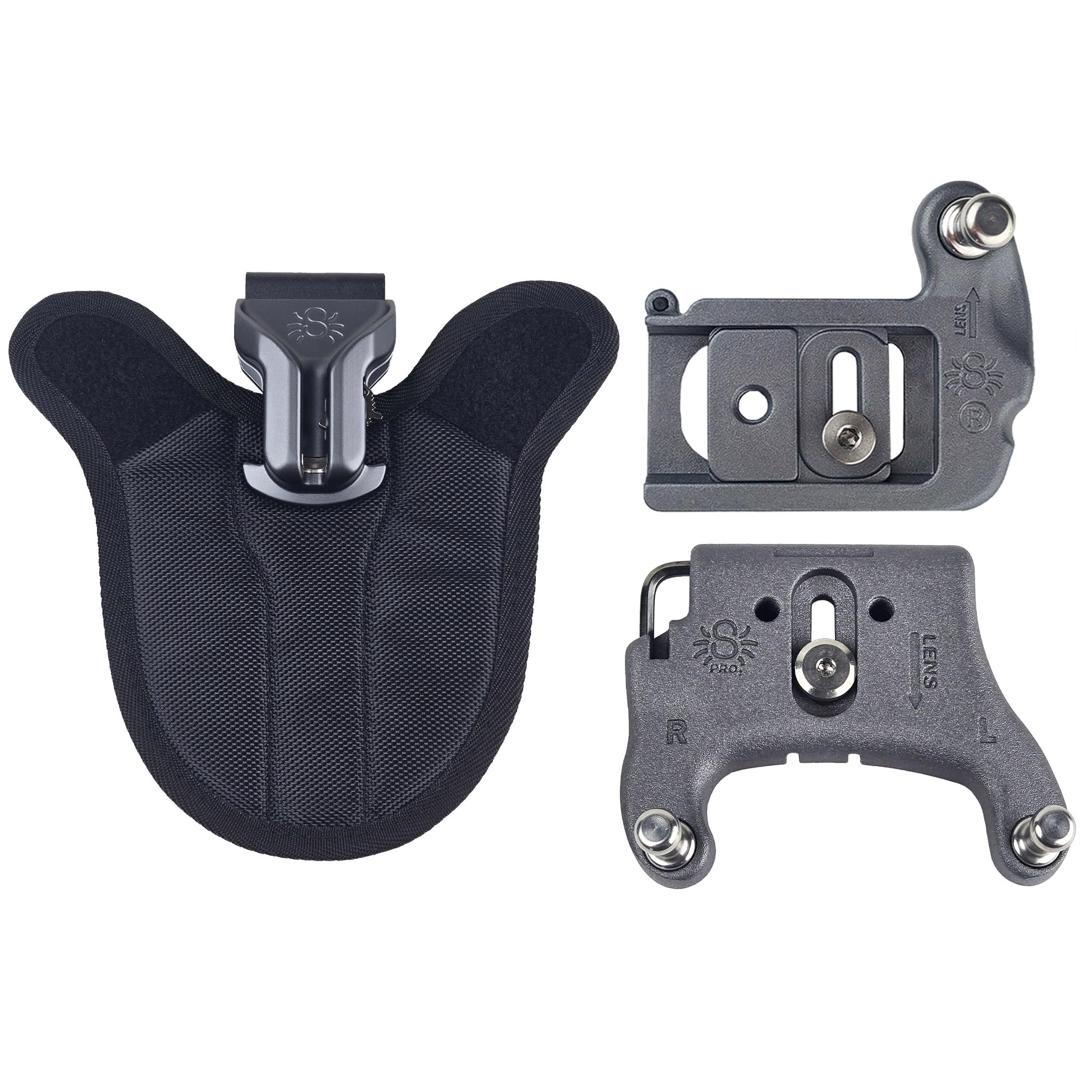
If you regularly shoot video in the field, dependable power and carry systems can help you capture stronger submissions in the first place. Accessories such as the SpiderPro Single to Dual Belt Upgrade v2 can streamline access to gear during long event coverage, while production-focused accessories from Core SWX, like the Helix V-Mount to V-Mount Hot Swap/Shark Fin Battery Mount Plate or Helix Gold Mount to Gold Mount Hot Swap/Shark Fin Batt Mount Plate, fit the kind of serious workflow often expected for advanced video contest entries.
Print and Presentation Still Matter
11. Be prepared for contests that require exhibition-quality output
Some of the best contests lead to gallery shows, print reviews, or juried exhibitions. In those cases, your final print quality can matter just as much as your digital file. If you print your own work, keeping archival materials and ink on hand is essential. Serious printmakers preparing large exhibition pieces may appreciate dependable supplies like the 4-Pack Epson T80010V UltraChrome PRO Photo Black Ink Cartridge for maintaining consistent black density in fine art output.

Trust Your Instincts If Something Feels Off
12. Walk away from pressure tactics and vague promises
If a contest uses countdown timers, aggressive emails, unclear prize descriptions, missing rules, or suspiciously broad rights language, you do not have to convince yourself it is fine. There are too many worthwhile opportunities to waste time on bad ones. A good contest should make you feel informed, not rushed or manipulated.
As a simple rule: if the organizer is not transparent, do not send your files.
Conclusion
The best places to find reputable photo contests are usually the most transparent ones: established organizations, respected publications, verified photography communities, and sponsors with clear rules and visible history. Take time to research, read the fine print, and make sure the opportunity respects both your work and your rights. As you refine your entries and presentation, Unique Photo is a great place to explore books, printing supplies, and workflow tools that support stronger submissions from start to finish.