Winning a photo contest rarely comes down to gear alone. Judges usually respond to photographs that feel intentional, emotionally clear, and technically polished without looking overworked. Whether you are entering a local camera club competition or a major international call for entries, understanding how judges think can help you make stronger images and submit them with more confidence. Below are practical tips on what contest juries often look for, along with a few resources and tools that can help you refine your eye and execution.
1. Start with a Clear Idea or Point of View
Tell the judge what matters in one frame
Many contest images fail because they are visually busy but emotionally vague. Judges often gravitate toward photographs with a clear subject, a defined mood, or a distinct perspective. Before you press the shutter, ask yourself: what is this image actually about? If the answer is unclear, the photograph may not hold attention for long in a judging round.
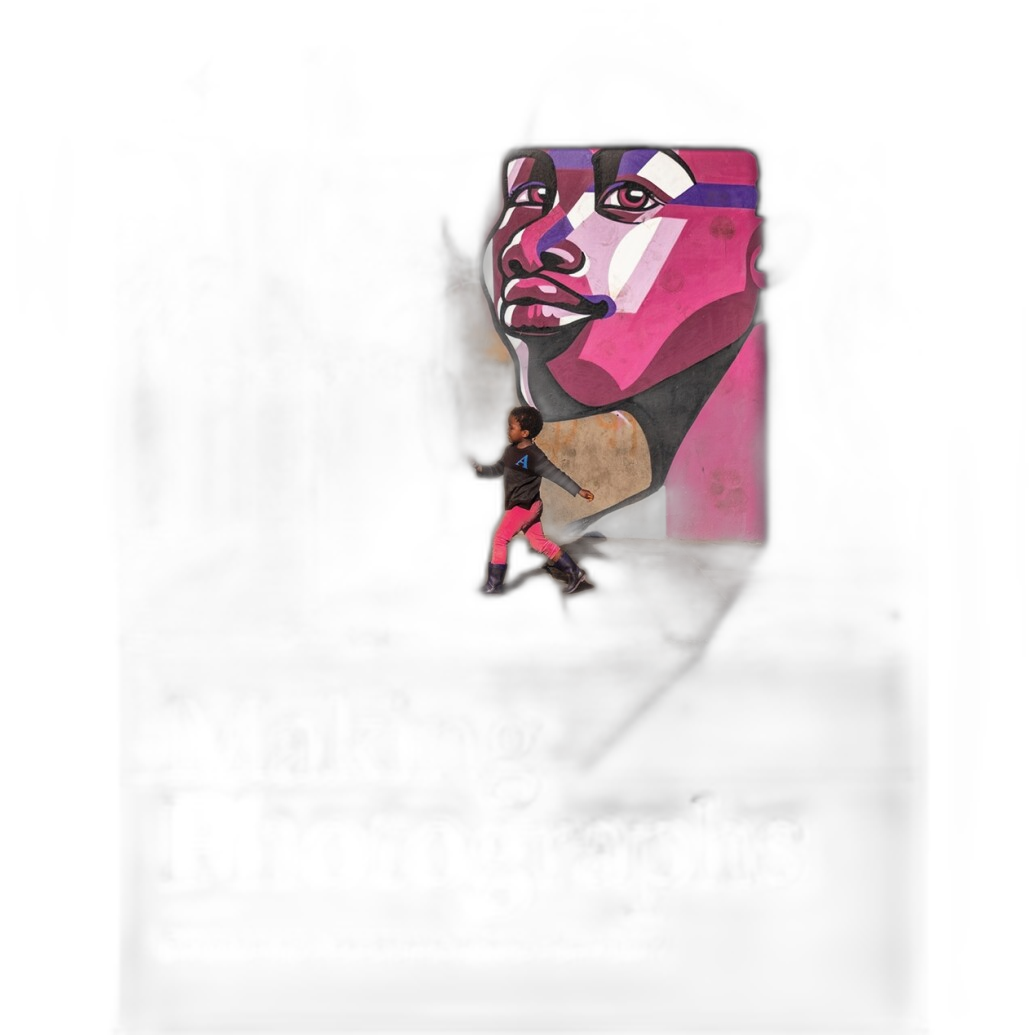
Books that sharpen visual decision-making can be surprisingly useful here. Rocky Nook - Making Photographs by Ibarionex Perello encourages photographers to think beyond capture and toward meaning, intention, and visual voice.
2. Prioritize Impact in the First Few Seconds
Judges notice instant visual pull
- Strong light or contrast that directs the eye
- A moment of tension, humor, beauty, or surprise
- Clean composition that reads quickly
- Color or monochrome choices that support the subject
In many contests, judges review hundreds or even thousands of entries. That means your photograph needs immediate presence. An image can reveal nuance over time, but it still has to land quickly.
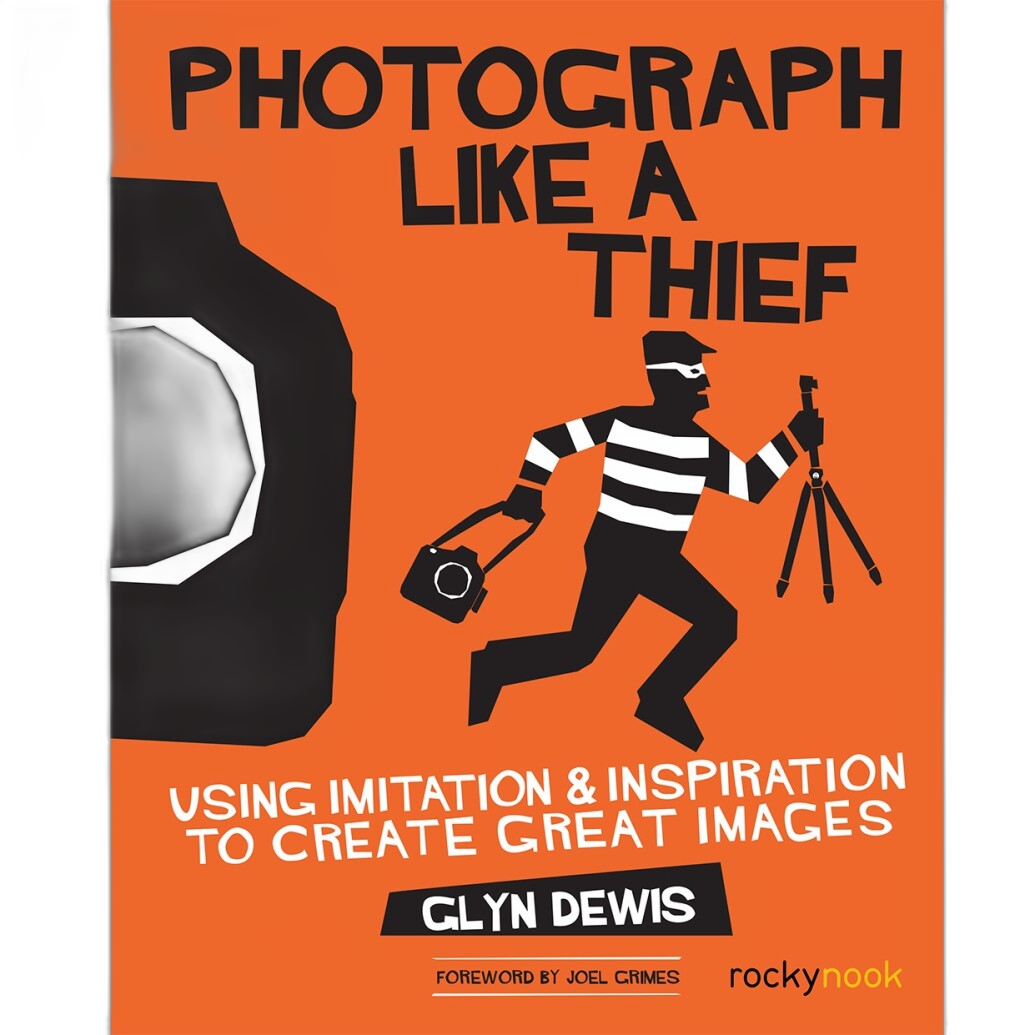
If you are studying how unusual framing and observational instinct can make an image stand out, Rocky Nook - Photograph Like a Thief by Glyn Dewis is a smart source of inspiration.
3. Compose with Intention, Not Decoration
Every element in the frame should earn its place
Contest judges often reward images where composition feels purposeful rather than accidental. Leading lines, symmetry, negative space, layering, and subject placement all matter, but only when they strengthen the story. Extra background clutter, mergers, and distracting highlights can quickly weaken a strong concept.
A useful exercise is to review your image and identify what could be removed without hurting the meaning. If the frame improves when something disappears, it probably should not have been there.
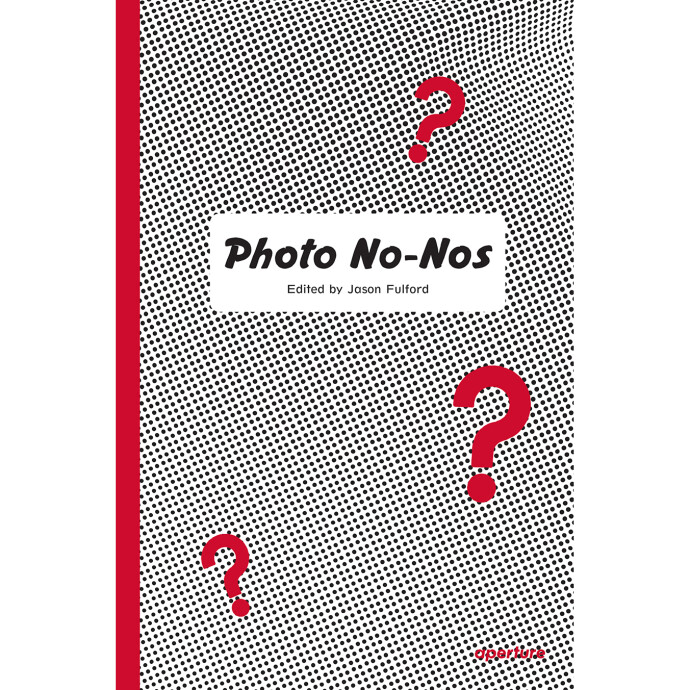
For photographers interested in editing their instincts and avoiding predictable visual habits, Photo No-Nos: Meditations on What Not to Photograph offers a thought-provoking way to question clichés and reconsider what belongs in the frame.
4. Light Is One of the Fastest Ways to Separate Your Work
Intentional lighting signals control and craft
Judges consistently notice light. That does not always mean dramatic golden hour landscapes or complex studio setups. It means the light feels chosen. Soft light can emphasize intimacy, hard light can build graphic power, and off-camera flash can give your subject separation and dimension when ambient light falls flat.
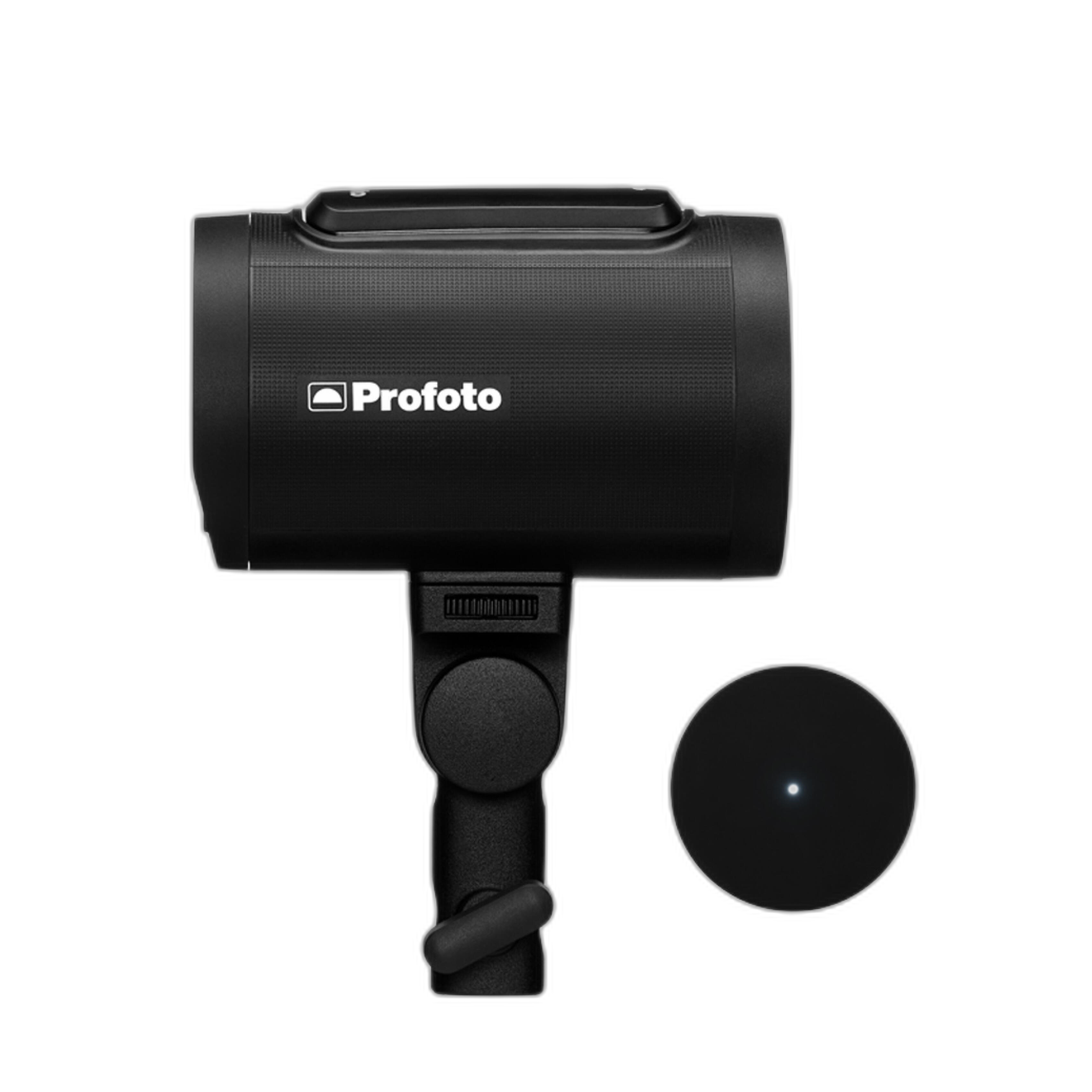
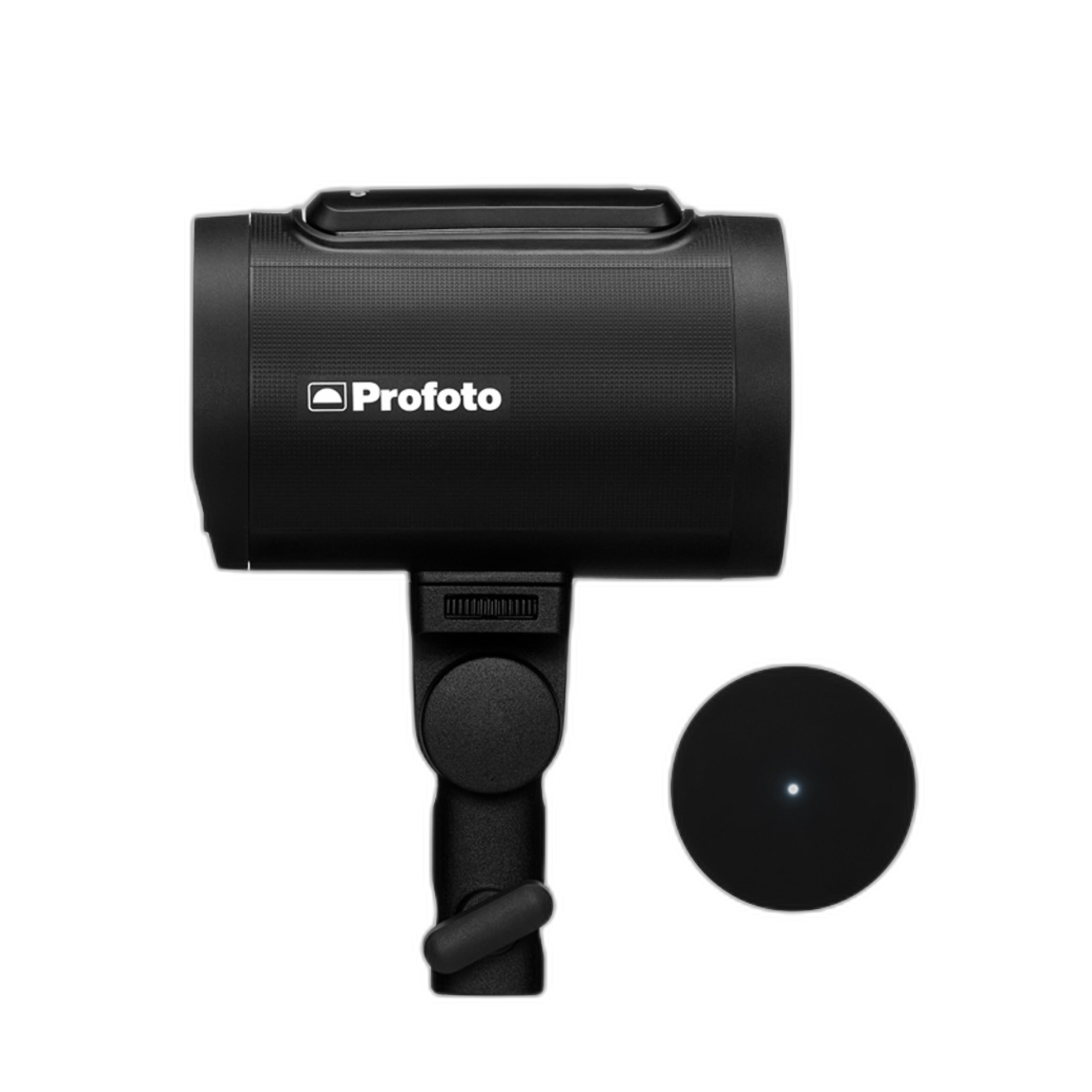
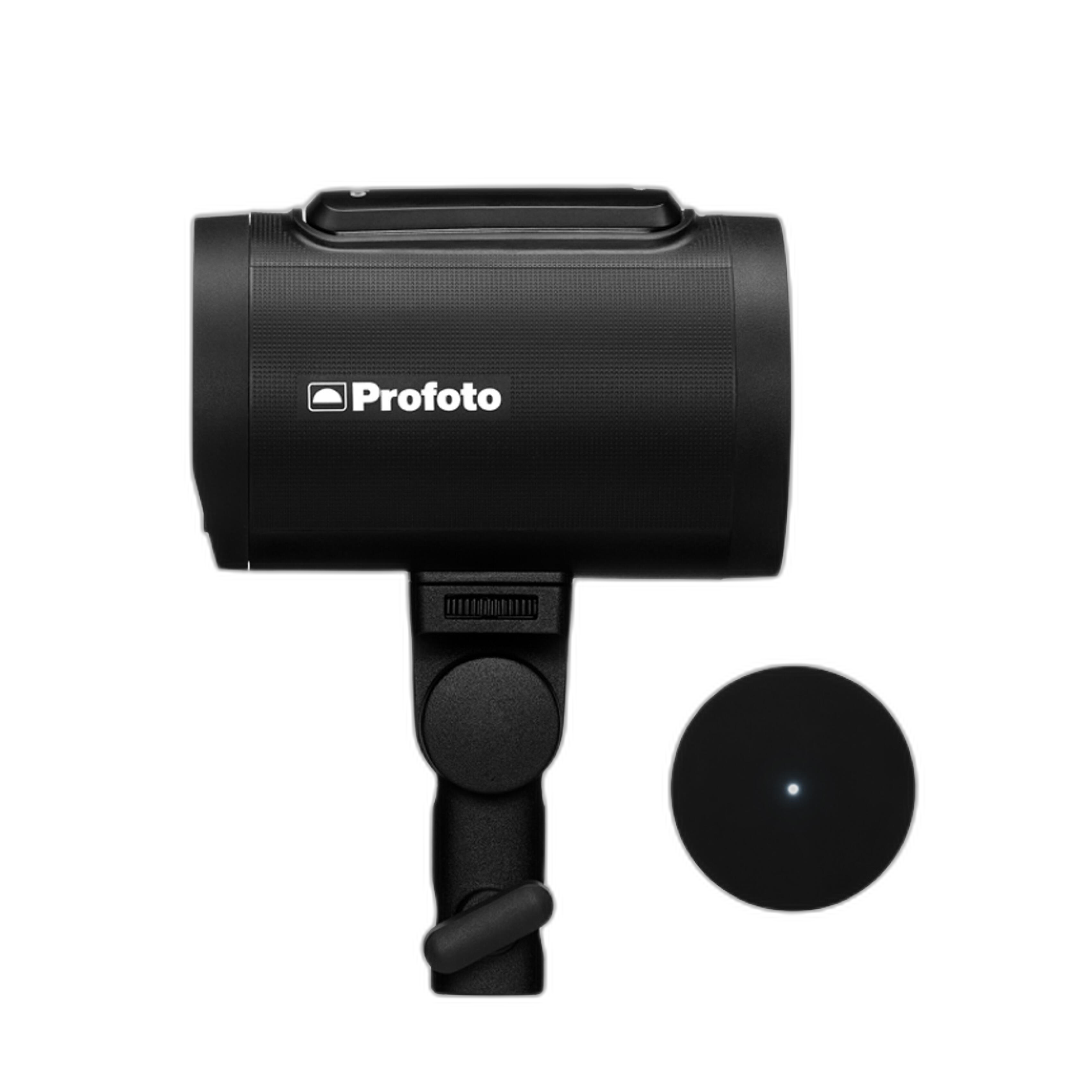
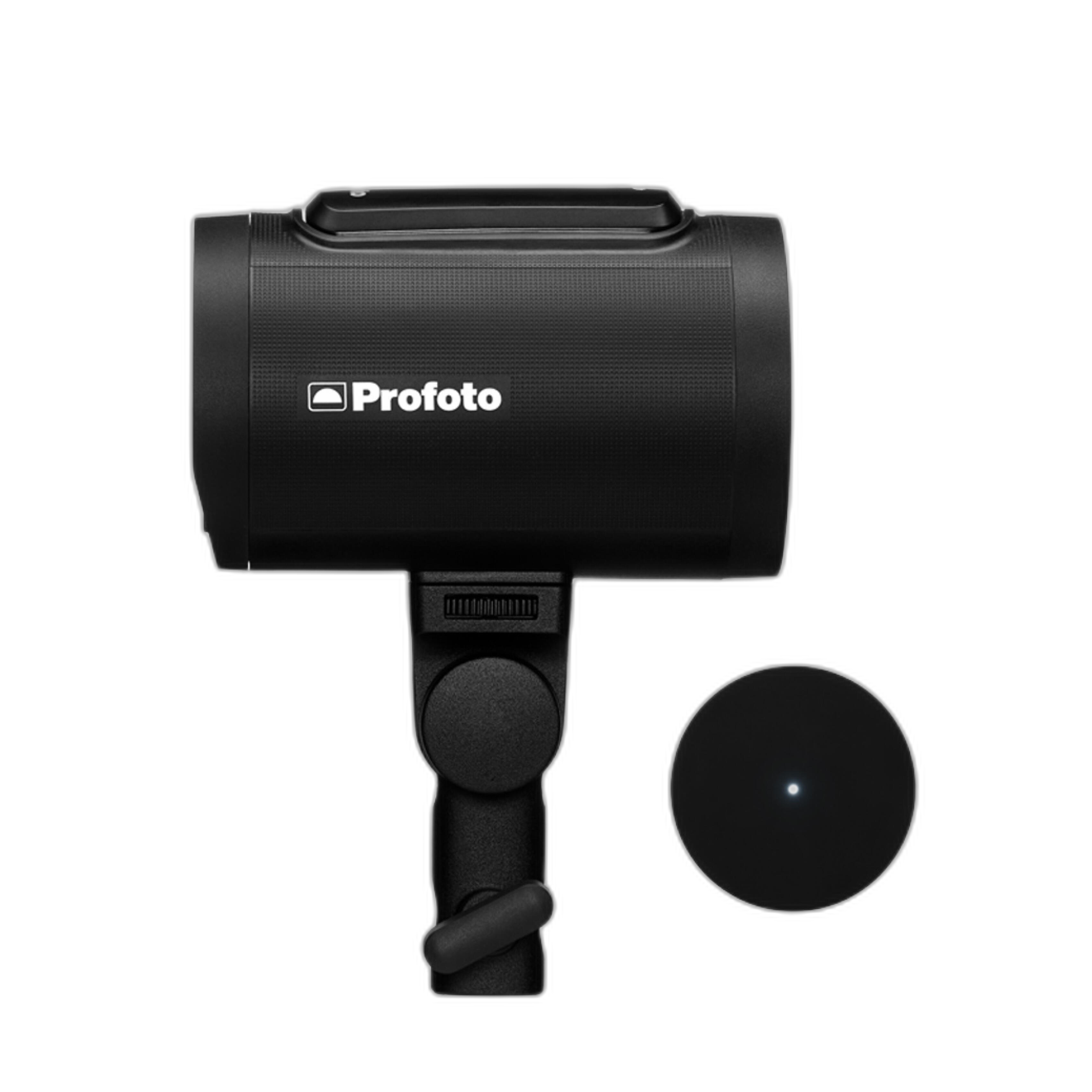
For portrait, editorial, and still life entries, a compact flash system like the Profoto A2 Connect Kit can help you create more deliberate lighting on location. Depending on your camera system, the kit is available for Canon, Sony, Fujifilm, and Nikon users, making it easier to shape a competition-ready look without carrying a full studio.
5. Technical Quality Still Matters
Emotion wins attention, but technical mistakes can cost you
- Critical focus should land where it matters most
- Exposure should preserve essential detail
- Noise, oversharpening, and halos should be controlled
- Retouching should support the image, not distract from it
A contest-winning photo does not have to be clinically perfect, but technical issues should never become the main thing a judge notices. If motion blur is present, it should feel expressive and intentional. If grain appears, it should enhance mood rather than look accidental.
6. Originality Beats Familiarity
Judges see many versions of the same photograph
Sunsets, iconic skylines, posed portraits, and travel landmarks can all be beautiful, but contests often reward images that reveal something fresh. That freshness might come from access, timing, point of view, or personal interpretation. A familiar subject seen in an unfamiliar way can feel far stronger than an exotic subject photographed predictably.
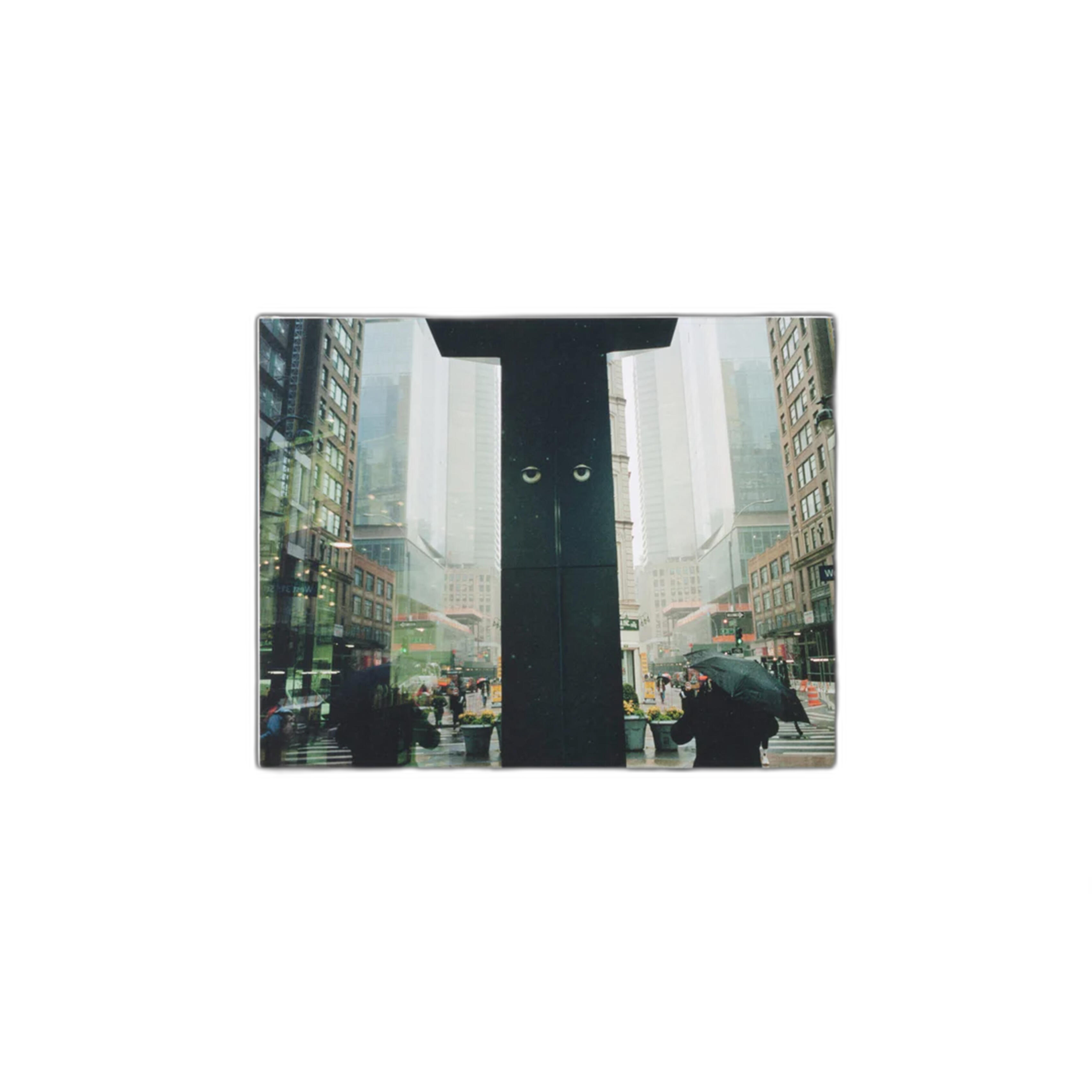
You Are What You Do - Daniel Arnold is a helpful reminder that distinctive photography often grows from consistent seeing and personal curiosity, not just one-off luck.
7. Edit Ruthlessly Before You Submit
Your strongest image is usually not your most sentimental one
One of the biggest contest mistakes is entering too many similar photographs or choosing the image with the strongest memory instead of the strongest visual result. Build a shortlist, step away, then review again with fresh eyes. Better yet, ask a trusted photographer or mentor which frame has the most impact.
- Compare near-identical images at full size
- Choose the frame with the cleanest gesture or expression
- Remove duplicates that dilute your submission
- Check edges and backgrounds one last time
This is where photography books and critical self-review can really help. Revisiting titles like Making Photographs or Photo No-Nos before editing can help you be more objective about what truly works.
8. Match the Image to the Contest Category
A great photo can still be the wrong entry
Judges evaluate based on the category and brief. A subtle documentary image may struggle in a category that rewards conceptual portraiture, while a highly stylized composite might miss the mark in a natural history contest. Always read the rules carefully and study past winners if possible.
Ask these questions before submitting:
- Does this image fit the category clearly?
- Does it follow all processing and file rules?
- Would a judge understand why it belongs here?
- Does the title or caption help without overexplaining?
9. Emotional Resonance Often Decides the Final Round
Memorable photographs make people feel something
When technical quality and composition are already strong, emotion can be the deciding factor. Judges often remember photographs that create empathy, curiosity, discomfort, wonder, or joy. The image does not need to be dramatic, but it should leave a trace after the screen changes or the print is set aside.
That emotional quality is often built from timing, gesture, expression, atmosphere, and honesty. It is difficult to fake and easy to recognize.
10. Presentation Matters More Than Many Photographers Expect
Polish the final submission
Even a strong image can lose momentum if the final presentation feels careless. Double-check cropping, color consistency, file dimensions, and naming conventions. If the contest allows a title, keep it thoughtful and concise. If it allows a statement, add context only when it genuinely deepens the image.
A polished entry tells judges you respect both your work and the competition.
Conclusion
A contest-winning photograph usually combines clarity, originality, technical control, and emotional impact. Judges want to see images that feel deliberate and memorable, not just attractive. Study strong work, edit honestly, and keep refining how you see. If you are building your contest portfolio, Unique Photo is a great place to explore photography books, lighting tools like the Profoto A2 Connect Kits, and other creative resources that can help elevate your next submission.