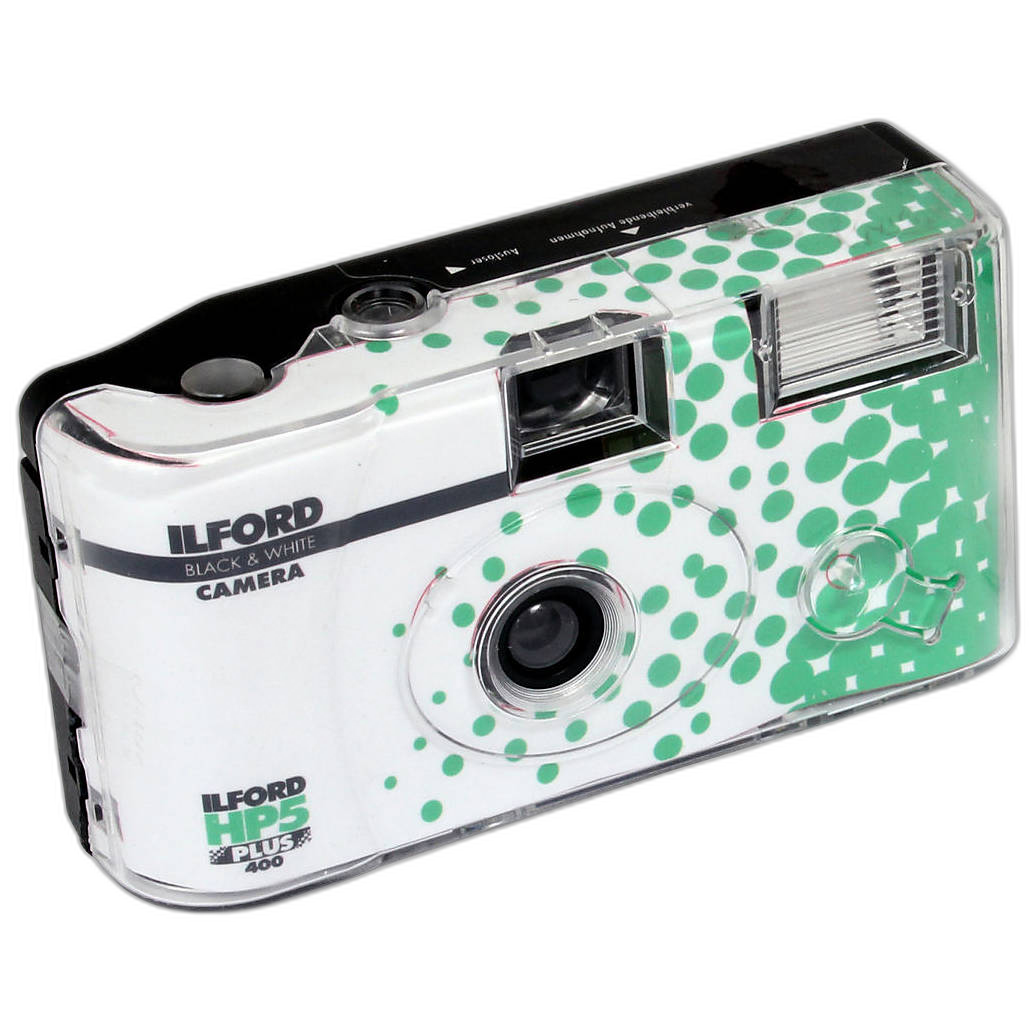
Choosing the best Ilford black and white film has never been just about picking a single “best” stock. For generations of photographers, Ilford has offered a remarkably consistent range of emulsions, each with its own personality in speed, grain, contrast, and workflow. That is why a serious comparison of Ilford HP5 Plus, FP4 Plus, Delta 100, Delta 400, Delta 3200, XP2 Super, and Pan F Plus is less about declaring one universal winner and more about matching a film to the way you actually shoot.
As a historical buying guide from the 2025 period, this comparison looks at the core strengths that continue to define Ilford’s black and white lineup: film speed, grain structure, pushability, and whether a stock makes more sense for lab processing or home development. For beginners, Ilford offers some of the easiest black and white films to learn on. For experienced photographers, the lineup remains one of the most flexible systems in analog photography.
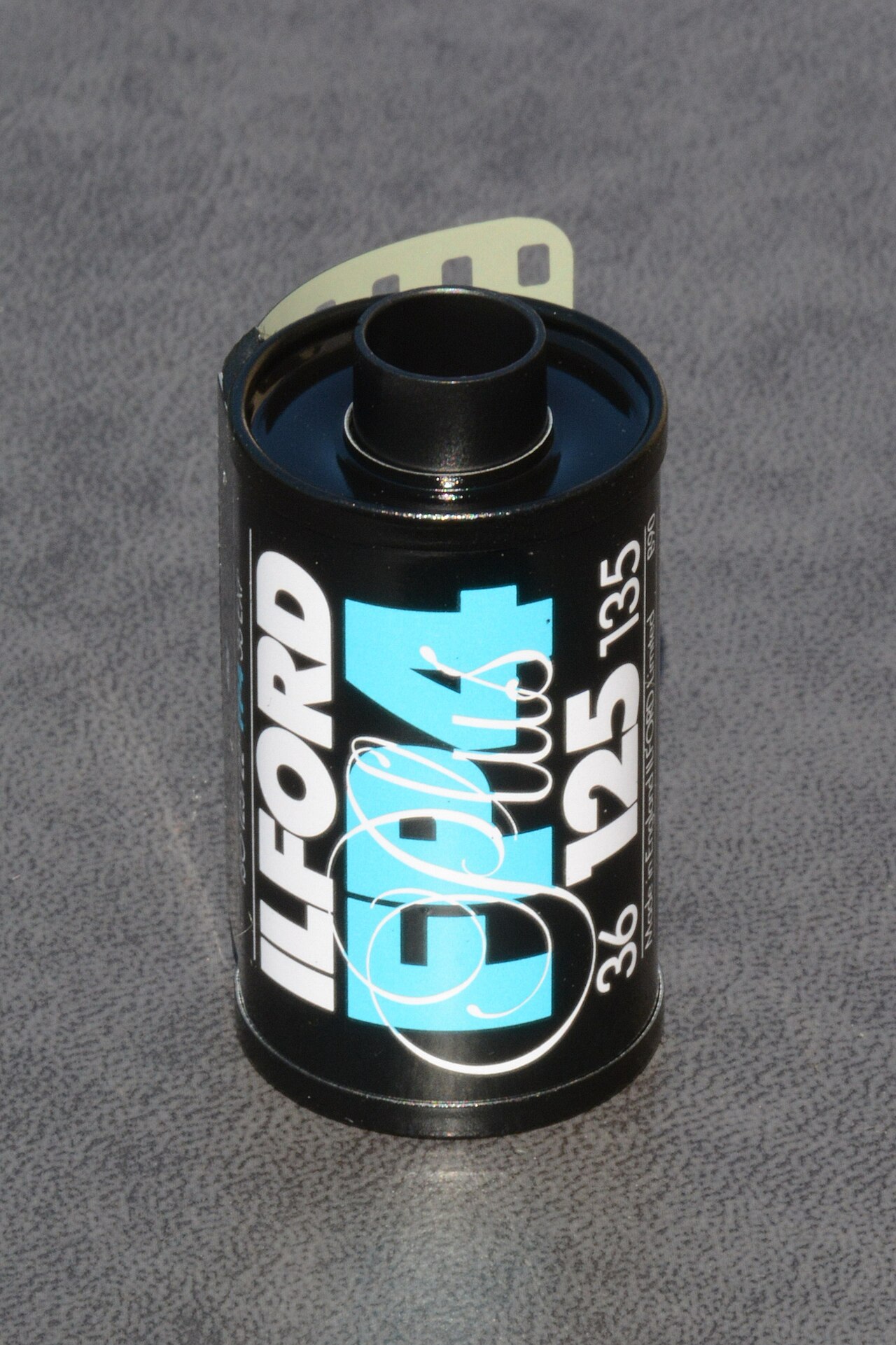
Why Ilford Film Still Matters
Ilford occupies a distinctive place in photographic history. While many classic film names have disappeared, changed hands, or narrowed their offerings, Ilford has remained one of the defining manufacturers of traditional black and white materials. That continuity matters. Photographers know what to expect from Ilford film, whether they are loading a roll of HP5 Plus into a mechanical 35mm camera, shooting FP4 Plus in medium format, or using Delta sheet film for careful large-format work.
Part of Ilford’s appeal is that its lineup spans multiple black and white shooting styles. Some films emphasize classic grain and tonal flexibility. Others prioritize finer grain and sharper rendering. XP2 Super offers the convenience of C-41 processing, while traditional silver-based films reward hands-on darkroom and home developing workflows.
How to Compare Ilford Black and White Film
For most photographers, the decision comes down to four main questions:
- Speed: Do you need a slower film for bright light and fine detail, or a faster film for handheld shooting and low light?
- Grain: Are you after smooth tonality and minimal grain, or do you want a more classic textured look?
- Pushability: Will you rate the film above box speed for lower-light situations?
- Lab vs home development: Do you want easy minilab-style C-41 processing, or do you plan to develop traditional black and white film yourself?
Ilford HP5 Plus: The Classic All-Rounder
Ilford HP5 Plus is often the default recommendation for photographers who want one black and white film that can handle almost anything. It is a fast, versatile traditional emulsion known for its forgiving exposure latitude, classic grain, and excellent pushability. Historically and practically, HP5 Plus has been one of the foundational films for documentary work, street photography, student use, and general-purpose everyday shooting.
Who HP5 Plus Is Best For
HP5 Plus is ideal for photographers who want flexibility. It works well in changing light, performs confidently when handheld shutter speeds matter, and responds well to pushing. If you shoot indoors, on overcast days, at events, or on the street, HP5 Plus remains one of Ilford’s safest bets.
Look and Workflow
Compared with finer-grained films, HP5 Plus shows more visible grain, but that grain is part of its appeal. It delivers a classic black and white character rather than a clinically smooth rendering. It is also especially attractive for home development because it is so well documented and widely used. If you are learning to develop your own film, HP5 Plus is one of the most approachable places to start.
Ilford FP4 Plus: A Traditional Medium-Speed Favorite
FP4 Plus occupies a sweet spot for photographers who want classic black and white tonality with somewhat finer grain than a faster general-purpose stock. It has long been admired for its balance of sharpness, moderate speed, and elegant tonal range. In bright outdoor conditions, controlled portrait sessions, and tripod-based work, FP4 Plus can be exceptionally rewarding.
Why Choose FP4 Plus
FP4 Plus is often chosen by photographers who want a traditional look but do not need the extra speed of HP5 Plus. It is slower, which generally supports finer grain and a cleaner rendering. That makes it attractive for landscape photography, architecture, and portrait work where available light is sufficient.
Development Considerations
Like HP5 Plus, FP4 Plus is a traditional black and white film and is highly suitable for home development. For photographers interested in refining technique, FP4 Plus rewards careful metering and development control while still remaining practical and dependable.
Ilford Delta Films: Modern Grain, Modern Rendering
The Delta series represents Ilford’s more modern black and white film design philosophy. While HP5 Plus and FP4 Plus are often discussed in terms of traditional character, Delta films are more closely associated with finer grain and a cleaner, more contemporary look. The three best-known options in this range serve different needs.
Delta 100
Delta 100 is a low-speed film prized for fine grain and high detail. It is a natural choice for bright-light shooting, landscape work, still life, architecture, and any application where image clarity is a priority. If your goal is maximum detail and a smoother image structure, Delta 100 is one of the strongest options in Ilford’s catalog.
Delta 400
Delta 400 offers a versatile middle ground. It gives photographers more speed than Delta 100 while maintaining a relatively refined grain structure for its class. This makes it a compelling alternative to HP5 Plus for those who want a 400-speed film but prefer a somewhat more modern rendering. It is useful for portraits, travel, and general-purpose photography where both flexibility and finer grain matter.
Delta 3200
Delta 3200 is the specialist in the group. It is designed for very low-light situations where other films would struggle. Concerts, nighttime street scenes, dim interiors, and other difficult lighting environments are where Delta 3200 stands out. It is not the everyday choice for everyone, but for photographers who need speed above all else, it remains an important part of the Ilford range.
Delta and Pushability
Pushability is one reason many photographers keep both HP5 Plus and Delta films in rotation. HP5 Plus has a long-standing reputation as an excellent pushing film, while Delta 3200 is already oriented toward low-light use. Delta 400 can also appeal to photographers who want speed with a cleaner grain profile. In practice, your choice often comes down to whether you prefer classic grain and flexibility or a more modern tonal and grain signature.
Ilford XP2 Super: The Easiest Ilford Black and White Film for Lab Users
XP2 Super is unique in this comparison because it is designed for C-41 processing rather than traditional black and white chemistry. That single distinction makes it one of the most convenient black and white films on the market for photographers who rely on commercial labs. In an era when not every lab handles true black and white film in-house, XP2 Super has remained especially relevant.
Why XP2 Super Makes Sense
If you want black and white images but do not want to mix chemistry or search for a lab that processes traditional silver-based film, XP2 Super is the obvious Ilford choice. It is ideal for casual shooters, travelers, and anyone who wants a simpler workflow. Historically, it has also appealed to photographers who want broad exposure flexibility combined with the convenience of standard color-negative processing infrastructure.
Lab vs Home Development
Among the films in this guide, XP2 Super is the clear standout for lab convenience. By contrast, HP5 Plus, FP4 Plus, Pan F Plus, and the Delta films are natural fits for photographers who enjoy home developing or traditional darkroom practice. That difference alone can settle the buying decision for many users.
Ilford Pan F Plus: Slow, Fine-Grained, and Distinctive
Pan F Plus is the most specialized low-speed traditional film in this group. It is best known for very fine grain and strong detail, making it especially appealing for bright conditions and deliberate photography. It is not the film most photographers would choose for changing light or spontaneous indoor work, but in the right conditions it can produce strikingly crisp black and white images.
When Pan F Plus Is the Best Choice
Pan F Plus excels when there is plenty of light and when the photographer wants the finest-grained traditional look possible from Ilford’s classic lineup. It is particularly attractive for landscapes, carefully composed street scenes in bright daylight, and subjects where texture and edge detail are central to the image.
Which Ilford Black and White Film Is Best?
The answer depends on your priorities:
- Best all-around choice: HP5 Plus
- Best traditional medium-speed film: FP4 Plus
- Best for fine grain and detail: Delta 100 or Pan F Plus
- Best 400-speed film with a more modern look: Delta 400
- Best for very low light: Delta 3200
- Best for easy lab processing: XP2 Super
If you are new to black and white film, HP5 Plus and XP2 Super are often the easiest entry points, depending on whether you plan to develop at home or use a lab. If you already know your preferred workflow, then the choice becomes more aesthetic: classic versus modern grain, slower versus faster speed, and everyday versatility versus specialized performance.
Final Thoughts
Ilford’s black and white lineup remains one of the most coherent and useful film families in photography. HP5 Plus continues to define the all-purpose black and white experience. FP4 Plus offers measured classic control. Delta films broaden the range with more modern rendering and greater specialization. XP2 Super remains the practical option for C-41 lab users, while Pan F Plus rewards deliberate work in bright light.
There is no single Ilford film that is best for every photographer, but there is almost certainly one that is best for the way you shoot. To buy Ilford black and white film or learn more about which stock fits your camera and workflow, visit Unique Photo.