Best Hybrid Cameras in 2024: 4K Video & Stills on a $2K Budget
Hybrid shooting—capturing both high-quality photos and 4K video—demands smart choices that balance features, usability, and cost. As New Jersey’s go-to camera store, Unique Photo helps creators build reliable hybrid kits that fit real-world budgets, workflows, and creative goals.
What’s the best hybrid camera under $2,000 for 4K video and stills?
Under $2,000, several bodies deliver excellent photo performance alongside robust 4K video. Popular choices include the Panasonic Lumix S5 II (great for 10-bit 4K60, IBIS, and improved phase-detect AF), Sony a6700 (class-leading subject tracking, 10-bit codecs, strong 4K), Canon EOS R8 (superb AF and image quality, lightweight), Nikon Z6 II (great stills with dependable 4K30 and 4K60 in crop), and Fujifilm X-S20 (IBIS, 10-bit, and open-gate options). Your pick should align with your shooting style: if you prioritize handheld video and color tools, the S5 II is compelling; for action and eye-detect AF, Sony and Canon are standouts.
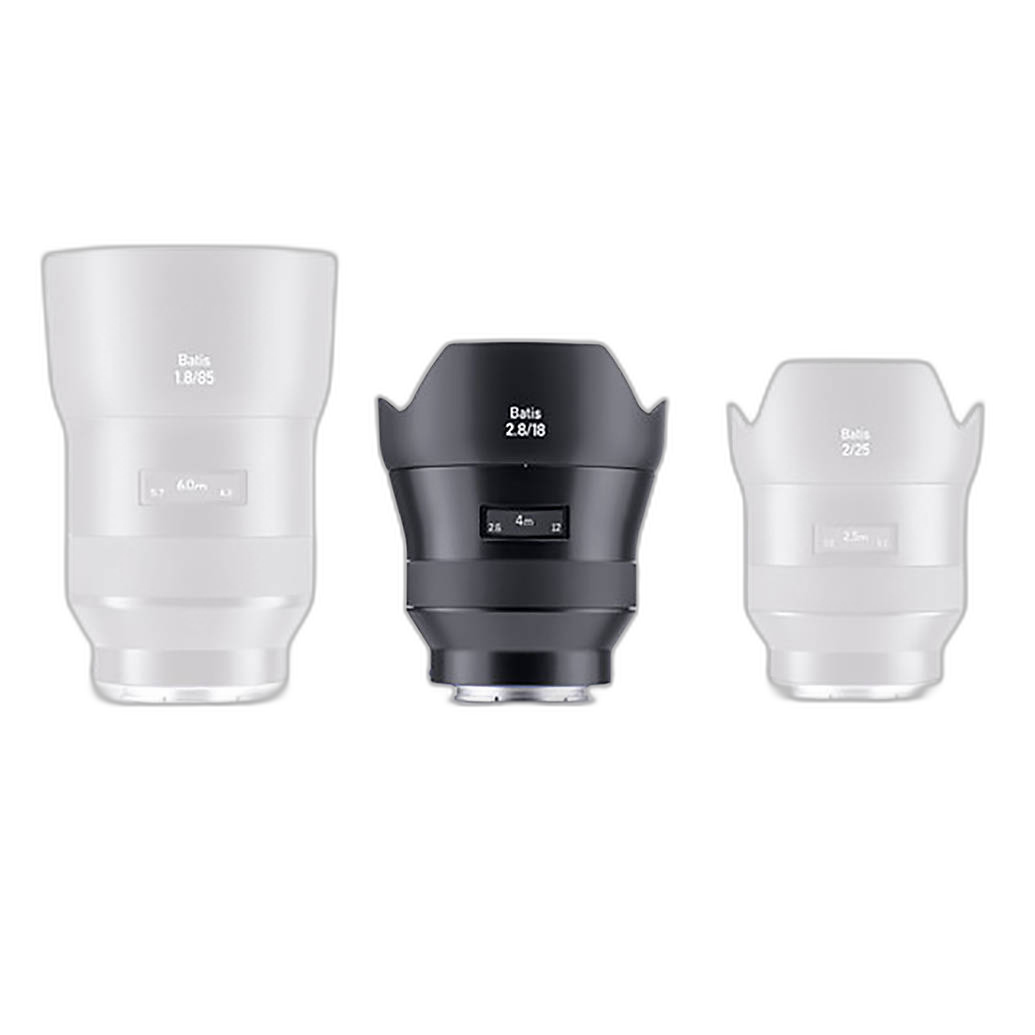
If you’re leaning Sony E-mount for its autofocus and lens ecosystem, a wide, fast prime brings hybrid flexibility—great for stills and gimbal-friendly video. The Zeiss Batis 18mm f/2.8 offers sharp rendering, weather sealing, and fast AF, perfect for establishing shots, interiors, and vlogging on full-frame Sony bodies. 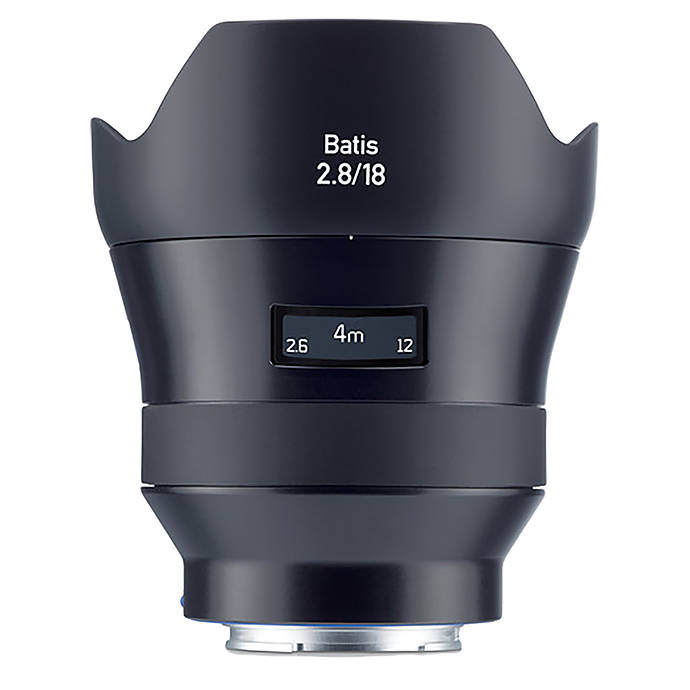
Should I prioritize color science, autofocus, or battery life for hybrid shooting?
Prioritize according to your work: autofocus first for people and events, stabilization second for handheld video, then color and power. For creators capturing unpredictable moments, top-tier AF (Sony Real-time Tracking, Canon Dual Pixel, modern Panasonic PDAF) prevents missed shots. If you shoot handheld video frequently, IBIS and lens IS keep footage watchable and reduce reliance on gimbals. Color science matters, but modern log profiles and LUTs let you shape the final look across brands.
Battery life often becomes the hidden bottleneck. Plan for USB-C PD charging or AC power, especially if you add a dedicated video body to your kit. For those running a Blackmagic Pocket Cinema Camera as the video half of a hybrid setup, a reliable AC adapter keeps you rolling on interviews and long takes without swapping batteries. 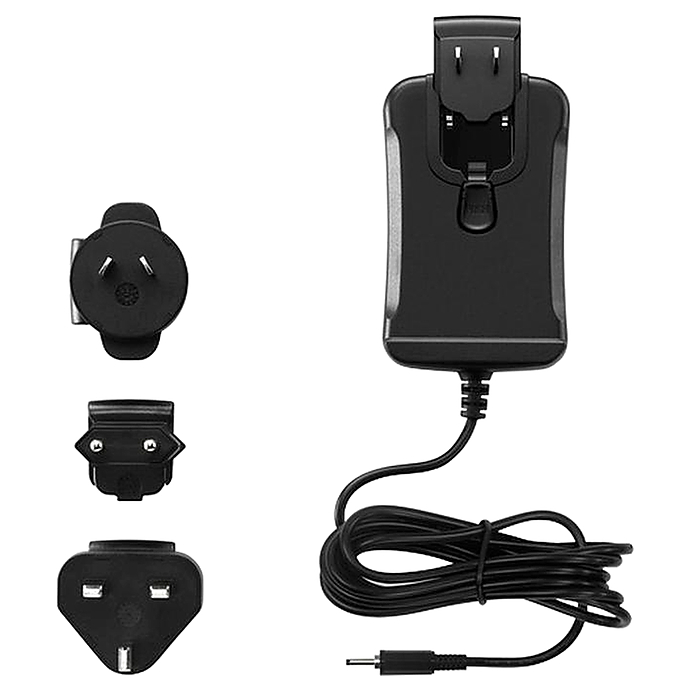
Is a recent crop-sensor better than an older full-frame for video?
Often, yes. Modern APS-C cameras frequently deliver 10-bit 4:2:2 internal recording, excellent oversampled 4K, and advanced AF—features many older full-frame bodies lack. Older full-frame models can offer nicer low-light stills and shallower depth of field, but they may be limited to 8-bit, have more rolling shutter, or fewer video tools. If your budget sits around $2,000 and video is a priority, a newer crop-sensor with strong codecs and AF will typically outperform an older full-frame for hybrid use. If you still want full-frame depth and low-light, consider current-generation full-frame bodies that meet modern video specs or shop certified used gear with updated features.
Do I really need Log and 10-bit for hybrid work?
If you grade your footage and want consistent results across cameras, Log (S-Log, C-Log, V-Log, etc.) and 10-bit 4:2:2 are worth it. Log preserves highlights and shadow detail, and 10-bit prevents banding when you push colors. Creators delivering straight-to-camera content can stick with baked profiles (like Rec.709) to speed up post. If your hybrid day toggles between stills, quick social videos, and a few hero shots, consider shooting standard profiles for fast turnaround and enabling Log for the must-grade clips.
How important are stabilization and rolling shutter control?
Hybrid shooters benefit hugely from stabilization. IBIS plus lens IS smooths handheld shots, while digital stabilization can help with minor jitters (at the cost of a crop). Rolling shutter—skew in fast motion—varies by camera; oversampled and stacked-sensor bodies usually fare better. Wide-angle primes reduce perceived shake and rolling shutter artifacts, which is why a compact wide like the Zeiss Batis 18mm is a strong hybrid choice for gimbal work and walk-and-talk video on Sony E-mount. 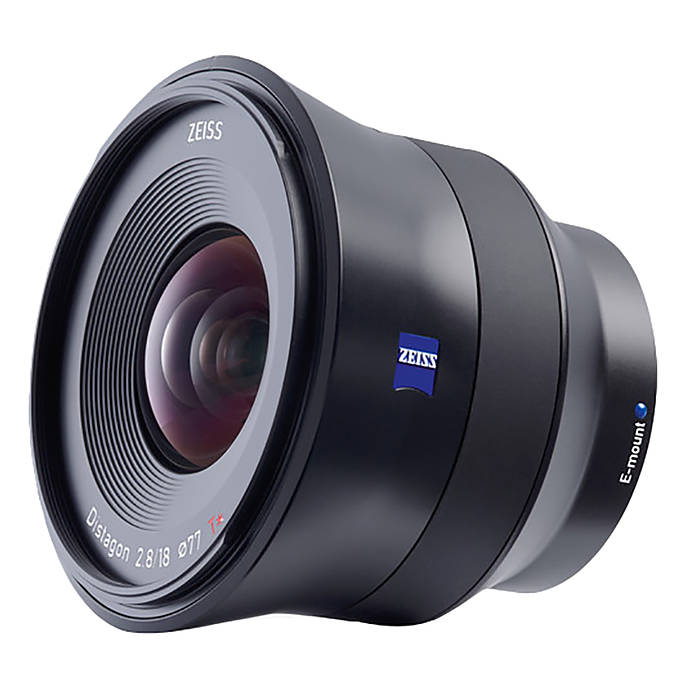
Which accessories make hybrid shooting easier on a $2,000 budget?
Smart accessories elevate any hybrid rig. A streamlined camera bag that protects and organizes both photo and video essentials saves time on set; the Nomatic Luma Camera Pack 18L has quick access, modular organization, and a sleek footprint for urban and travel shoots. 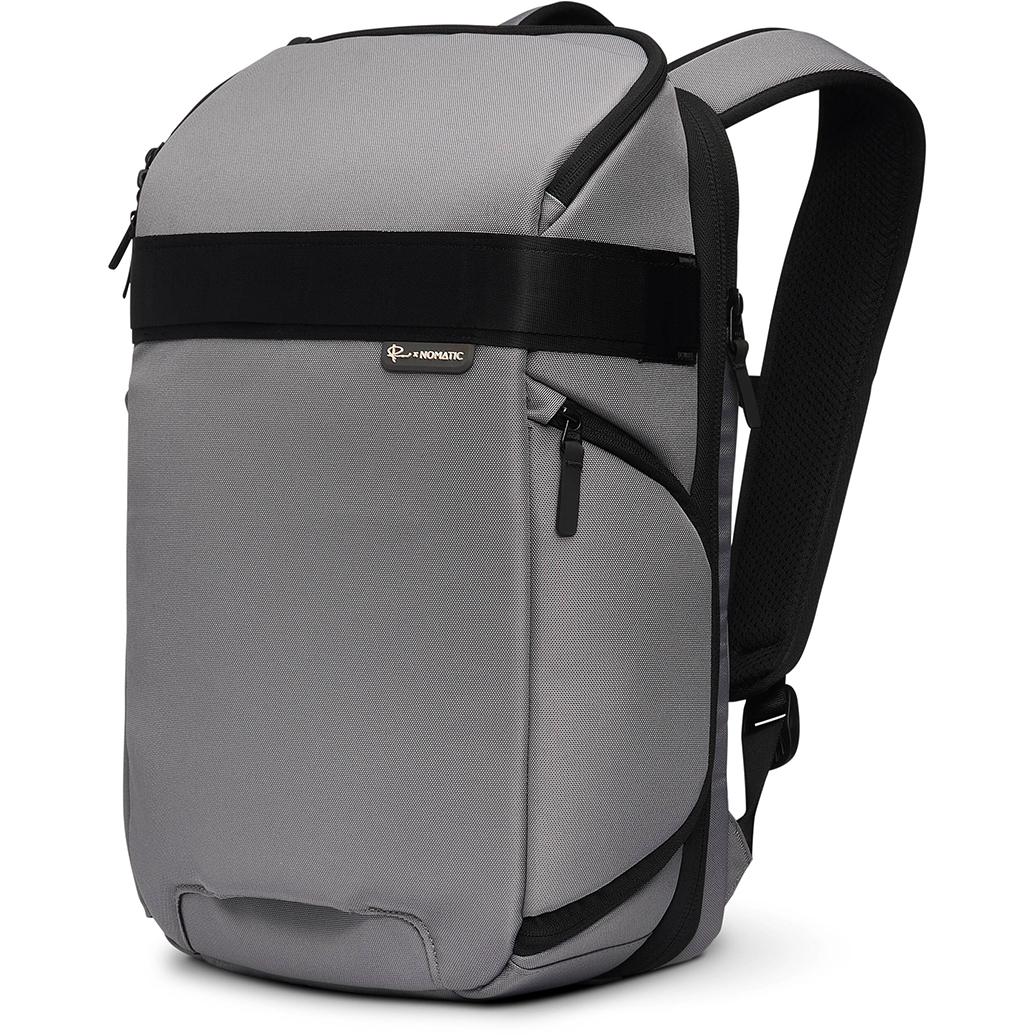
Add a comfortable strap for long shoot days—like the PGYTECH Camera Strap Slim—for painless transitions between handheld video and stills. For power, consider AC adapters or USB-C PD solutions; Blackmagic users can rely on the official Pocket Cinema Camera power supply shown above. If you go Nikon, a manufacturer-backed plan such as the Nikon Care 2-Year Camera Warranty provides extra peace of mind. And if you eventually step into cinema territory with a RED KOMODO-X, plan ahead with coverage like the RED Extended Warranty for long-term reliability. 
How do I set up a single camera for quick photo/video switches?
Use custom modes to store your photo and video setups separately—one for RAW stills, another for 4K 10-bit with your preferred profile. Map buttons for zebra, peaking, white balance, and subject detection so you can toggle critical tools instantly. Keep a fast, high-capacity UHS-II or CFexpress card dedicated to video, and a second card for photos when possible. Pre-balance audio: carry a compact on-camera mic and set safe levels, then save that configuration to your video mode. Practice changing exposure and color settings by touch, so you can adapt without menu-diving.
For lenses, a two-prime combo works well: wide for video movement and tight for portraits. On Sony full-frame, pairing a wide prime like the Zeiss Batis 18mm with a fast normal or short tele keeps your kit nimble without sacrificing quality. 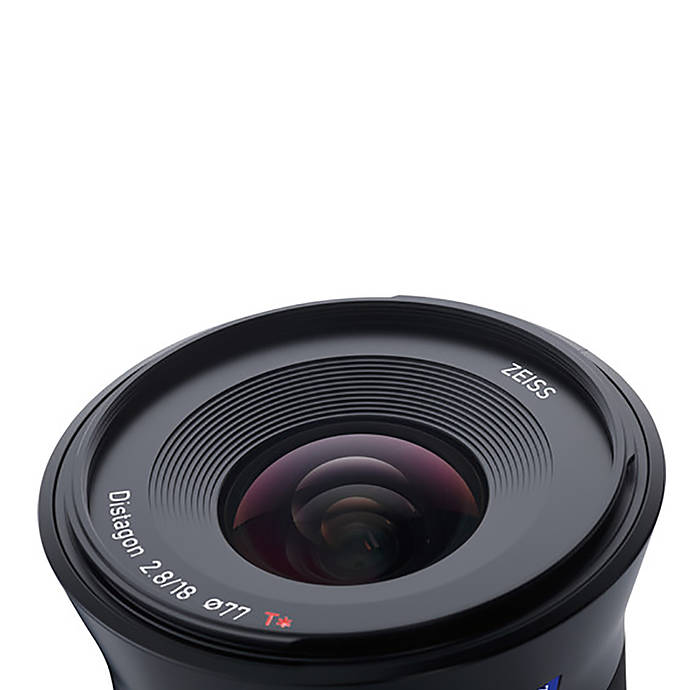
Ready to build your hybrid kit? Visit Unique Photo in Fairfield, NJ or shop online for mirrorless bodies, lenses, and accessories. Our team offers hands-on demos, trade-ins, and personalized recommendations to help you hit your creative goals within budget.