Best Beginner Mirrorless Cameras Under $1,000: Expert FAQ
Starting your photography journey with a mirrorless camera under $1,000 is a smart move. You’ll get modern autofocus, solid video features, and compact bodies without breaking the bank. Below, Unique Photo’s experts answer the most common questions to help you pick the right first camera and grow confidently.
What are the best beginner mirrorless camera choices under $1,000?
Look for an interchangeable-lens camera with a simple menu system, reliable autofocus, and a bundled kit zoom. Popular entry points to consider include compact APS-C bodies from Canon (e.g., EOS R-series entry models), Sony (e.g., ZV-E10), Fujifilm (e.g., X-T30 II or X-S10 via certified used), and Nikon (e.g., Z50/Z30). These offer excellent image quality, 4K or high-quality 1080p video, and intuitive controls. Visit Unique Photo for hands-on demos—our team can match you to a body that fits your budget and shooting style.
Are there significant differences between Fujifilm, Sony, and Canon entry-level models?
Yes. Fujifilm’s entry bodies are known for their tactile dials and film simulations that make JPEGs look great straight out of camera—perfect if you love a classic shooting experience. Sony’s entry models emphasize industry-leading continuous autofocus with robust face/eye tracking and vast lens choices—ideal for action and hybrid photo/video. Canon’s entry R-series bodies deliver pleasing color science, solid Dual Pixel autofocus, and beginner-friendly menus—great for family, travel, and content creation. Ergonomics, lens availability, and autofocus behavior are key distinctions; handling them in person at Unique Photo can clarify which brand feels right to you.
Does IBIS (in-body stabilization) or autofocus matter more for learning?
For most beginners, autofocus matters more. Reliable subject detection and tracking help you nail sharp photos and clips while you master composition and timing. IBIS is valuable for low-light handheld shooting and smoother video, but many entry bodies rely on lens-based optical stabilization, which often suffices. If you plan lots of handheld video or shooting in dim environments, consider IBIS as a nice-to-have; otherwise, prioritize the autofocus system.
Which lens should I start with—and when should I upgrade?
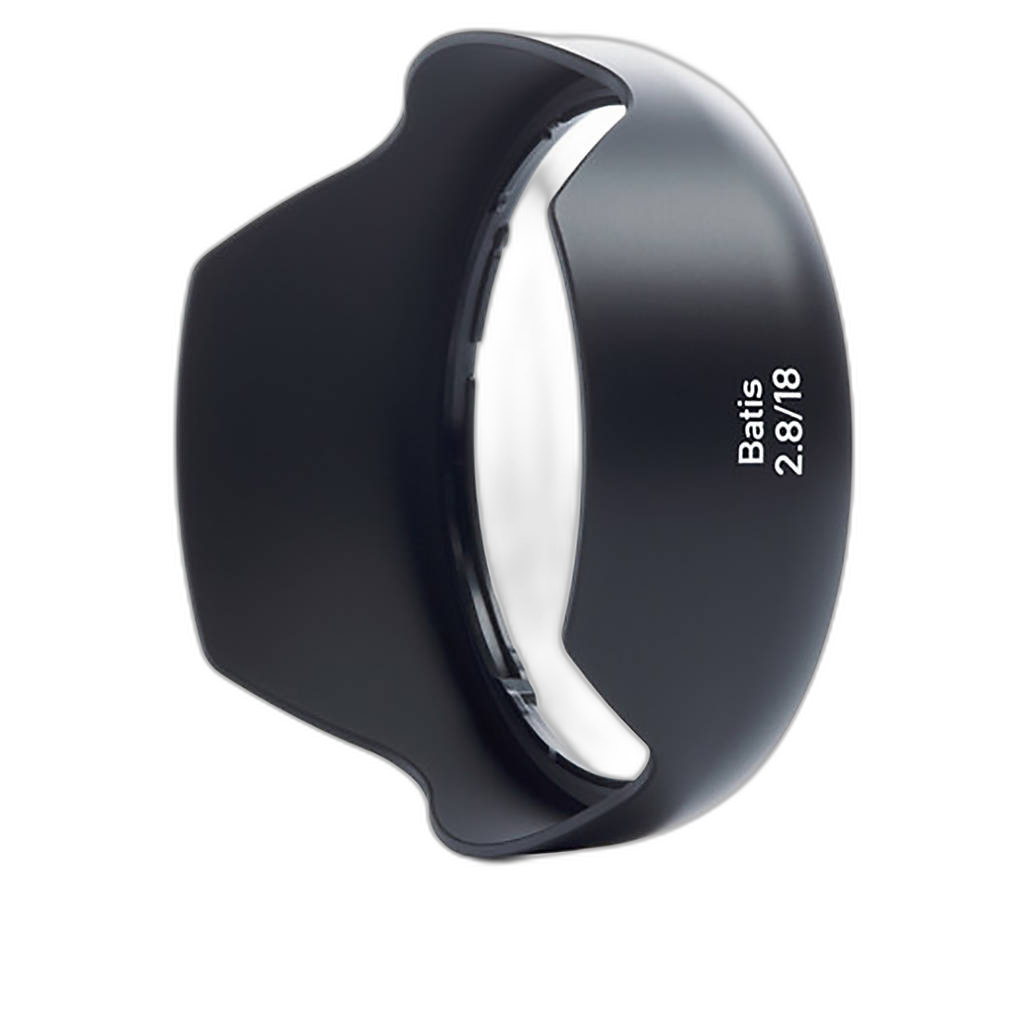
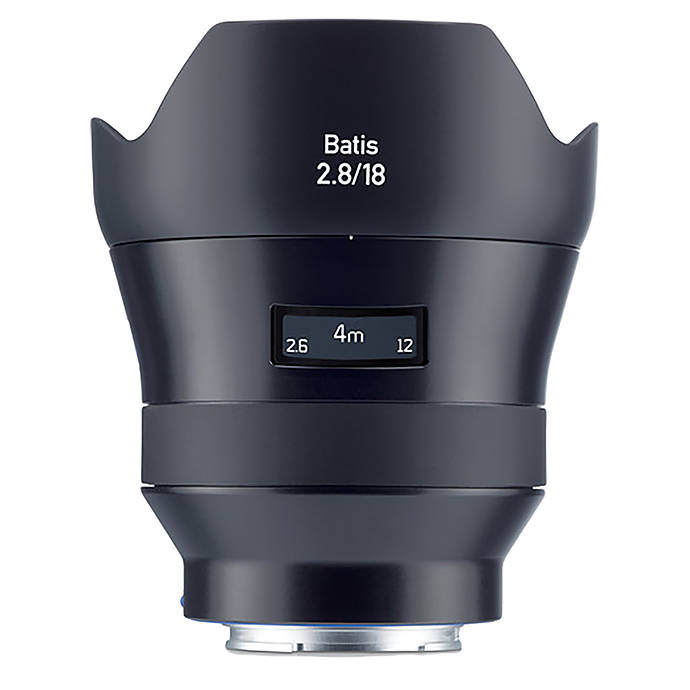
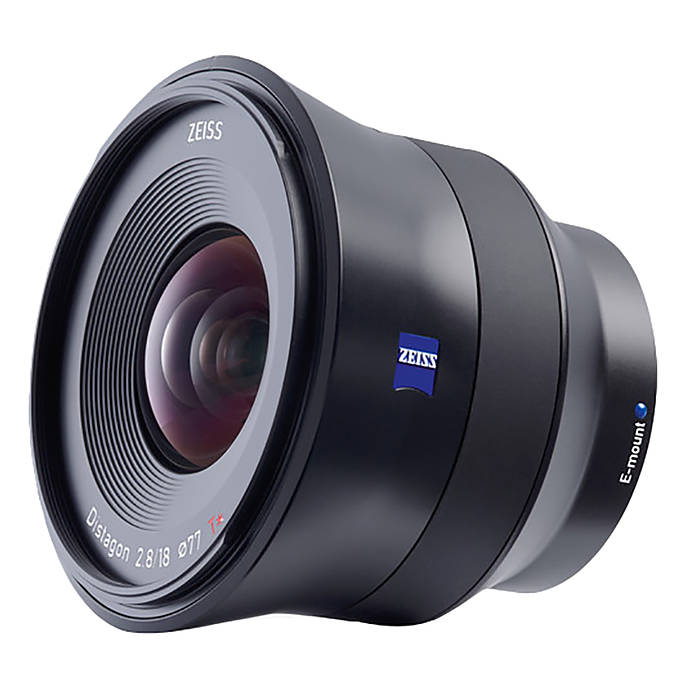
Begin with the kit zoom (often in the 16–50mm or 18–55mm range on APS-C). It’s versatile for travel, portraits, and everyday scenes. Your first upgrade is typically a fast prime (about 35mm or 50mm equivalent) to learn depth of field and shoot in low light. If you know you want wide landscapes or architecture on Sony E-mount down the road, a premium option like the Zeiss Batis 18mm f/2.8 delivers superb sharpness and fast autofocus. It’s an advanced lens—most beginners don’t need it immediately—but it’s a worthy goal as your skills grow.
What accessories are worth buying on day one?
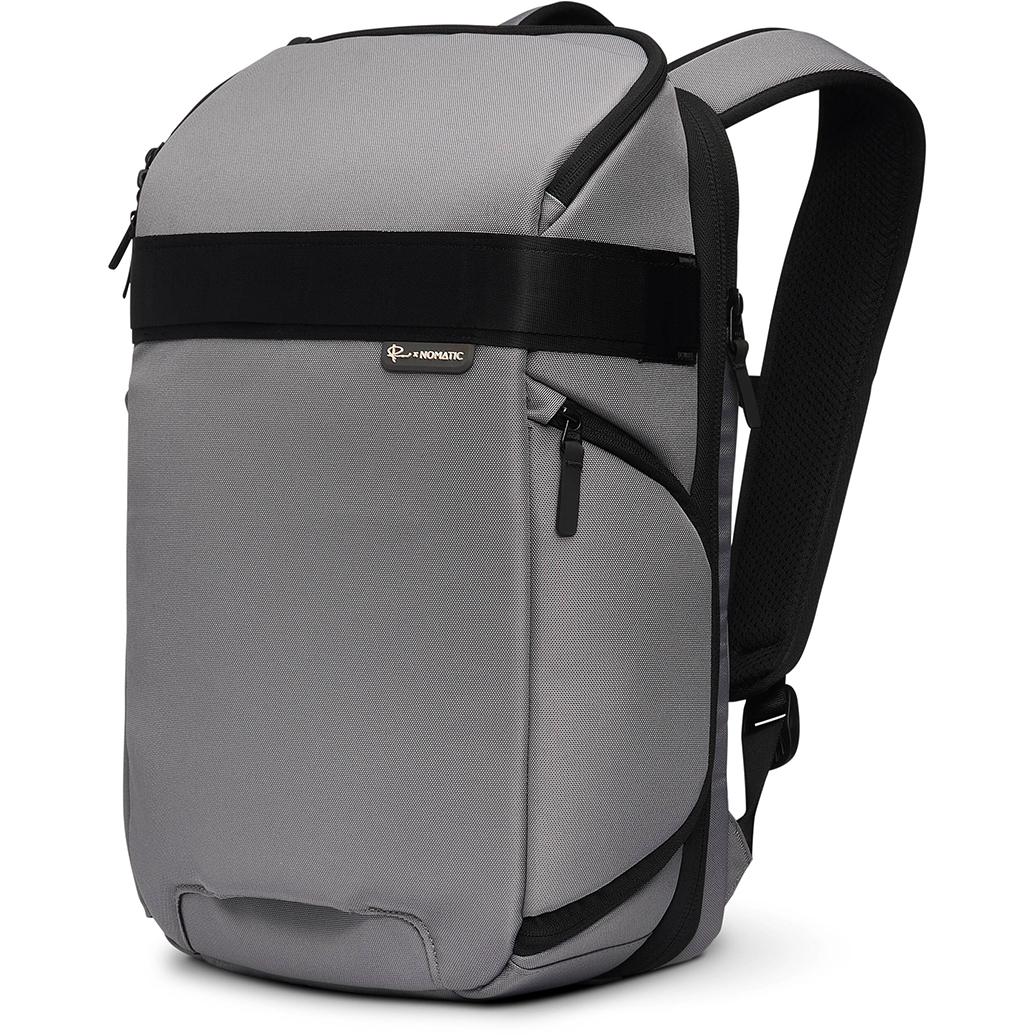
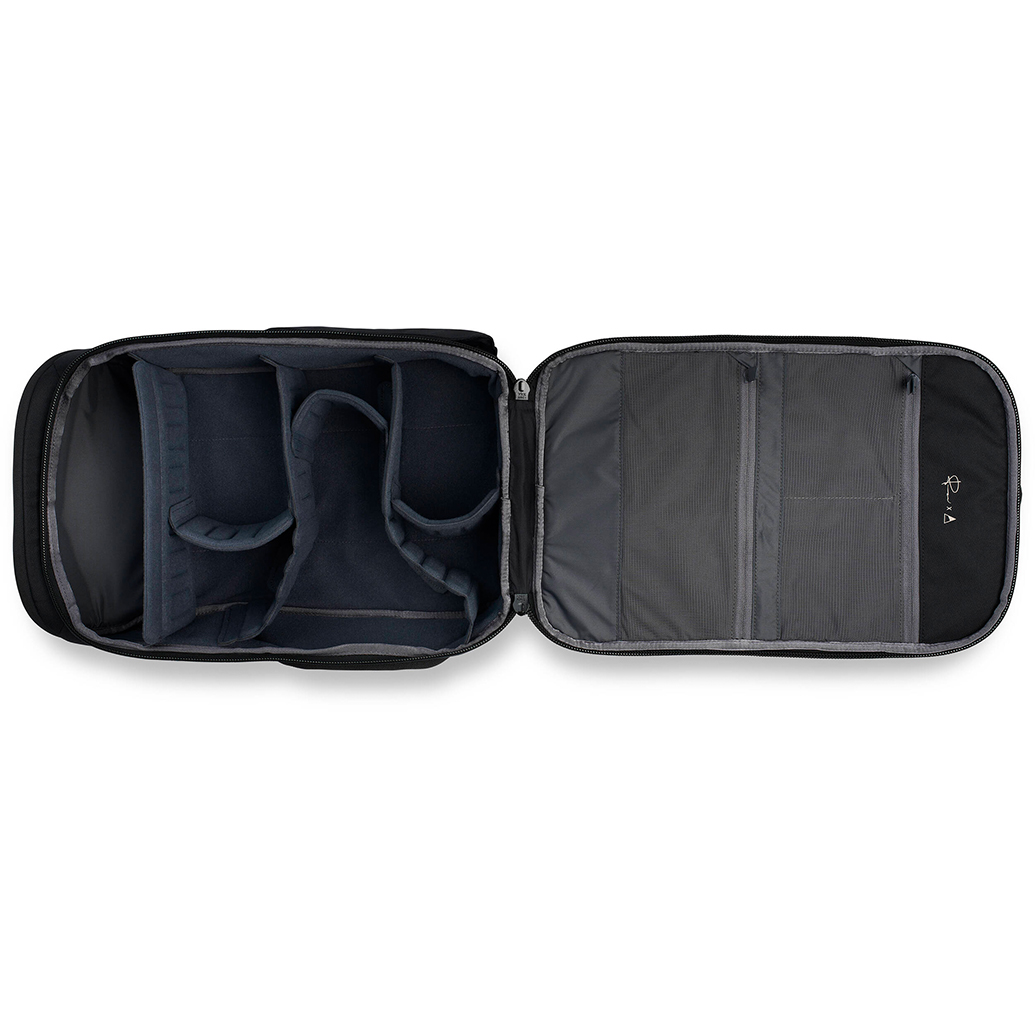
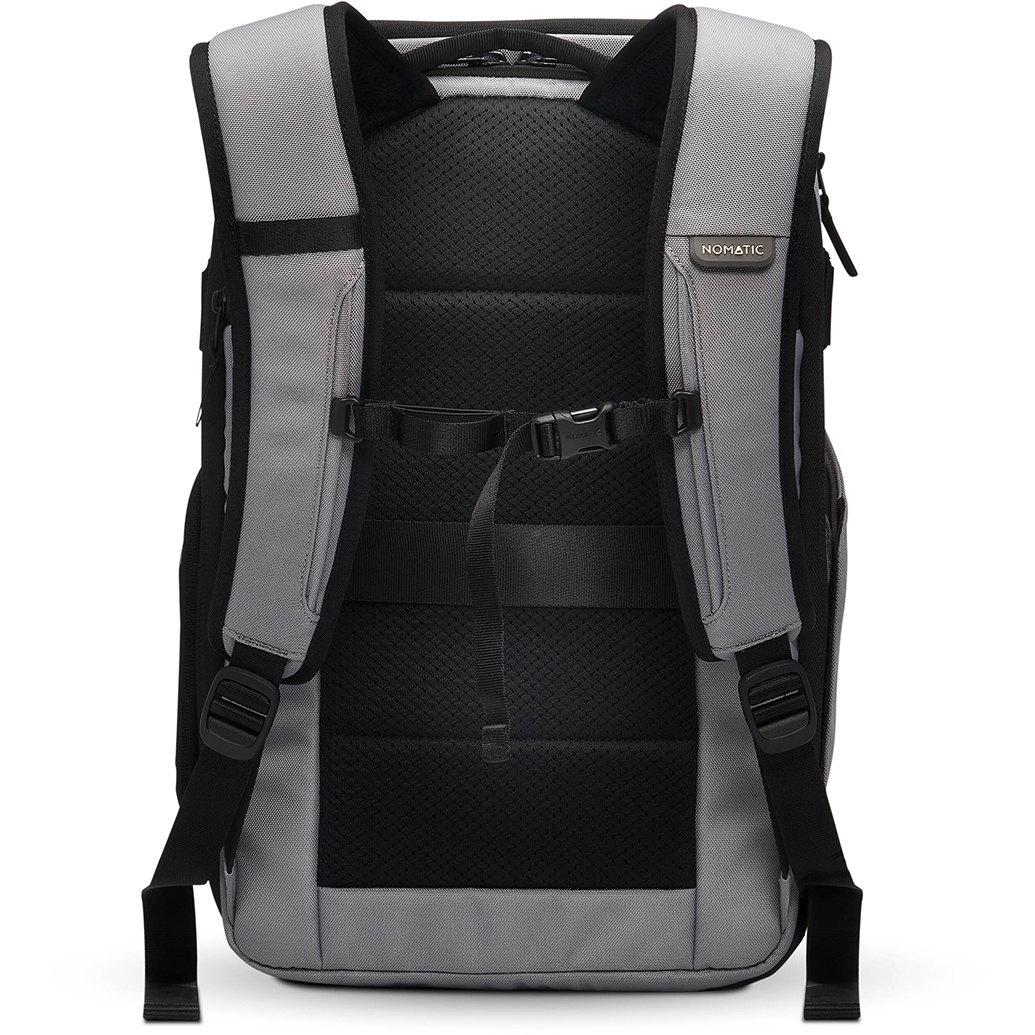
A comfortable strap, a protective bag, and extra batteries/memory are day-one essentials. A well-designed pack keeps your new kit organized, protected, and ready to travel. The Nomatic Luma Camera Pack 18L balances everyday carry with photo gear organization—perfect for students, commuters, and travelers building a starter kit. Pair that with a slim, comfortable strap to keep your camera accessible and secure while you learn on the go.
Should I buy new or used to stay under $1,000?
Certified used is a smart way to stretch your budget. You can often move up a tier (better sensor, IBIS, or stronger autofocus) for the same price as a new entry model. Buy from a trusted dealer who inspects gear and offers returns and support—Unique Photo carries vetted used equipment and can guide you on shutter count, cosmetic condition, and functional checks. If you prefer a factory warranty and the latest features, a new entry body plus kit lens is still an excellent value.
What video features matter in this price range?
Expect polished 1080p and often 4K up to 30p, with solid autofocus and decent internal audio. For vlogging or casual content, flip screens, mic inputs, reliable eye AF, and lens stabilization help more than advanced codecs. If video is your priority, consider bodies designed for creators (e.g., with strong subject tracking and easy touchscreen controls) and add a protective pack to carry a small mic and extra batteries.
How do I make sure my first camera can grow with me?
Pick a system with a healthy lens ecosystem and accessories. Sony E, Canon RF (including RF-S), Fujifilm X, and Nikon Z all offer excellent growth paths—everything from affordable primes to pro zooms. As you specialize, you can add premium optics like the Zeiss Batis 18mm for wide work or build a thoughtful carry setup with a durable pack like the Nomatic Luma so your kit scales gracefully.
Ready to find your first mirrorless camera? Visit Unique Photo in Fairfield, NJ or shop online at uniquephoto.com. Our experts will help you compare bodies, choose the right starter lens and accessories, and set you up with a kit that fits your budget today and your ambitions tomorrow.