If you're shopping for your first portrait camera, it's easy to get overwhelmed by debates about full-frame vs. APS-C, autofocus performance, lens choices, and whether you need expensive lighting right away. This guide is for new photographers who want practical advice on building a portrait setup that produces flattering results without overspending. We'll break down what actually matters for portraits, explain key features to prioritize, and recommend a few useful products and accessories available from Unique Photo.
Portrait photography is less about having the most expensive camera body and more about choosing a system with reliable eye autofocus, good lens options, pleasing image quality, and room to grow. For most beginners, the smartest investment is often in lenses and lighting rather than in the most advanced camera body.
What Matters Most in a Portrait Camera
When choosing a camera for portraits, start with these priorities:
- Reliable autofocus with eye detection: This helps keep your subject's eyes sharp, especially at wide apertures.
- Lens selection: Great portrait photography depends heavily on lenses. Look for systems with strong 50mm, 85mm, and short telephoto options.
- Sensor size: Full-frame offers shallower depth of field and often better low-light performance, while APS-C can be more affordable and still deliver excellent results.
- Comfort and ease of use: New photographers benefit from intuitive controls, good ergonomics, and a clear menu system.
- Lighting compatibility: Portraits improve dramatically when you add flash or continuous lighting, so think beyond the camera body.
Full-Frame vs. APS-C for Portrait Photography
This is one of the biggest debates among photographers. Here's the simple version:
| Feature | Full-Frame | APS-C |
|---|---|---|
| Background blur potential | Stronger at equivalent framing | Still very good with fast lenses |
| Low-light performance | Typically better | Good for most beginners |
| System cost | Usually higher | Usually more budget-friendly |
| Lens size/weight | Often larger | Often smaller and lighter |
| Best for | Enthusiasts wanting maximum image quality and shallow depth of field | Beginners balancing quality and budget |
Bottom line: If your budget is limited, an APS-C camera with a good portrait lens can outperform a more expensive body paired with a weak kit lens. If you want the classic portrait look and have room in your budget, full-frame is a great long-term platform.
Portrait Lens Choices Matter More Than Many Beginners Expect
For portraits, lenses in the 50mm to 135mm equivalent range are the most useful. These focal lengths create flattering perspective and let you isolate your subject from the background. Wide-angle lenses can be creative, but they are not usually the first choice for classic headshots because they can distort facial features at close distances.
Zeiss Batis 18mm f/2.8 AF Lens for Sony Full Frame E-Mount Cameras
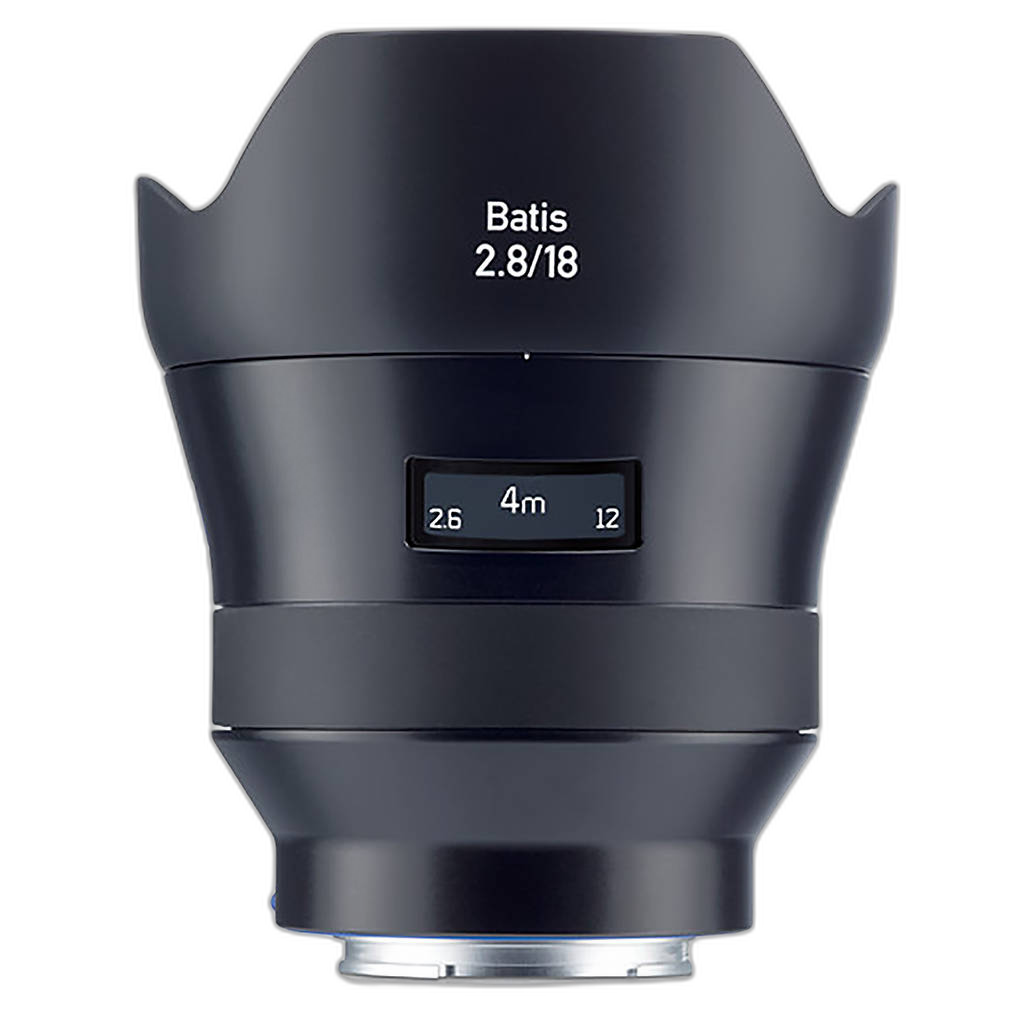
The Zeiss Batis 18mm f/2.8 is not a traditional portrait lens, but it can still play a creative role for environmental portraits. If you photograph people in meaningful locations such as studios, city streets, interiors, or travel settings, a wide lens like this can help tell a fuller story. It's especially appealing for Sony full-frame users who want premium optics and fast autofocus.
Best for: Environmental portraits, dramatic compositions, and photographers who want to include more of the setting around their subject.
Keep in mind: For tight portraits and flattering facial rendering, you'll still want a standard or short telephoto portrait lens in your bag.
Features Beginners Should Prioritize
If you're deciding between camera models, these features matter most for portrait work:
- Eye AF / Face detection: A major help when shooting at f/1.8, f/2, or f/2.8.
- Good skin tone rendering: Every brand handles color a little differently, but editing also plays a big role.
- Articulating screen: Useful for self-portraits, client work, and creative angles.
- Dual card slots: Nice for professionals, but not essential for most beginners.
- In-body image stabilization: Helpful, though less critical if you're using flash in a portrait setup.
Accessories That Can Help Your Portrait Workflow
Portrait photography isn't just about the camera body. A few accessories can make shooting easier and more professional.
Nissin PS 8 Power Pack for Select Canon Cameras
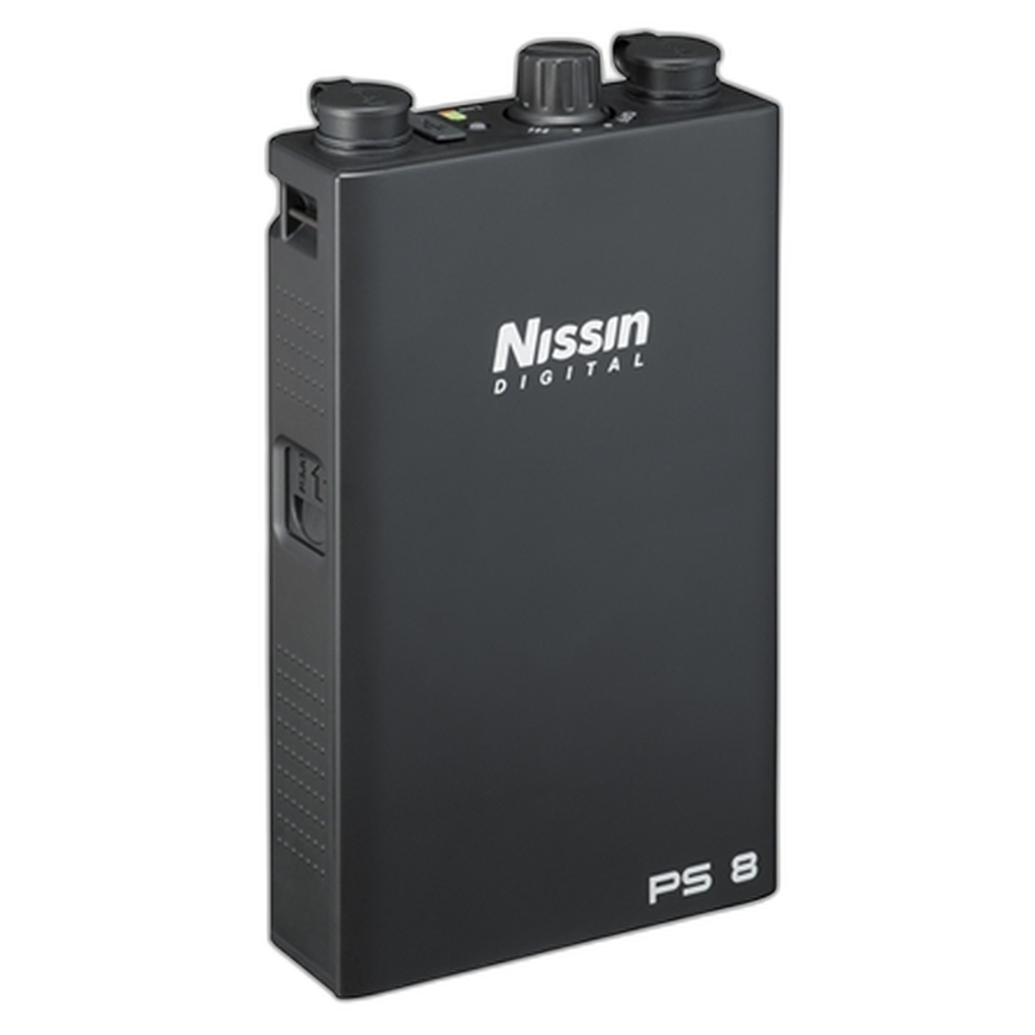
If you plan to shoot portraits with flash, especially at events or in high-volume sessions, the Nissin PS 8 Power Pack can be a valuable addition for compatible Canon flash setups. Faster recycling means less waiting between shots, which helps keep your session flowing smoothly and your subject engaged.
Best for: Portrait shooters using flash who want quicker recycle times and more efficient sessions.
Canon EOS Webcam Accessories Starter Kit for EOS Rebel Cameras
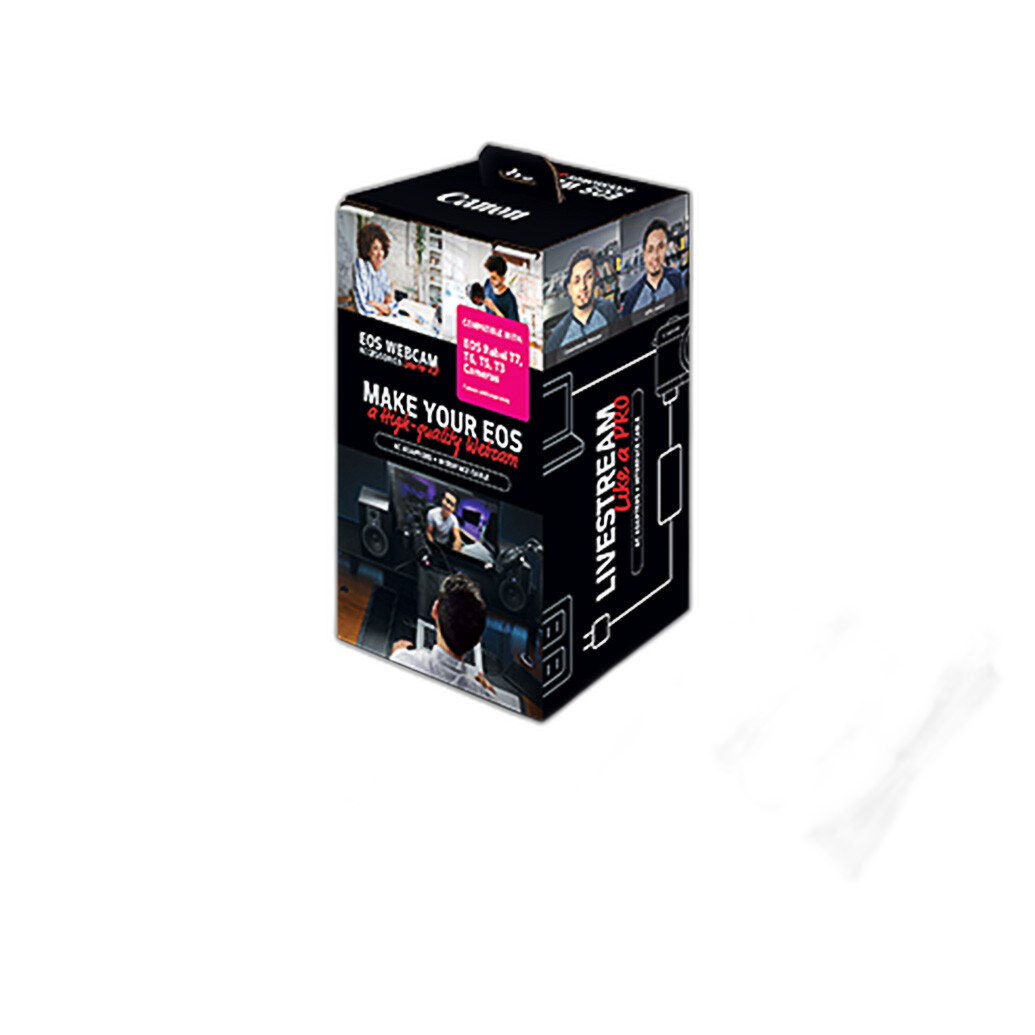
For beginners who also create online content, teach, livestream, or meet with portrait clients remotely, the Canon EOS Webcam Accessories Starter Kit can add versatility to a Canon Rebel setup. While it isn't a portrait tool in the traditional sense, it can help photographers use their camera beyond stills and build a stronger online presence.
Best for: Hybrid creators, remote consultations, online coaching, and content creators using Canon Rebel cameras.
Lighting Tips for Better Portraits
Even the best camera can't replace good light. If you're just starting out, learn these basics:
- Use window light first: A large window can create soft, flattering light for beautiful beginner portraits.
- Watch the catchlights: Bright reflections in the eyes make portraits feel more alive.
- Try a reflector: An inexpensive reflector can fill shadows and improve skin tone.
- Start with one light: You don't need a complex multi-light setup to make strong portraits.
- Position matters: Move your subject and your light source before changing camera settings.
Budget Advice for New Portrait Photographers
A smart portrait budget often looks like this:
| Budget Level | Recommended Priority |
|---|---|
| Entry-Level | APS-C camera body + affordable 50mm-equivalent prime + natural light or reflector |
| Mid-Range | Better autofocus body + fast 50mm or 85mm lens + beginner flash or LED light |
| Enthusiast | Full-frame body + premium portrait lens + dedicated portrait lighting setup |
If you only have room in the budget for one major upgrade, choose the lens. A strong portrait lens usually has a bigger impact on your look than moving up one camera tier.
Should You Buy Full-Frame Right Away?
If you know portraits are your long-term focus and you want the smooth background separation many photographers love, full-frame can be worth it. But if you're still learning posing, lighting, and editing, an APS-C camera is often the more practical starting point. Portrait quality comes from the total setup: lens choice, light quality, subject direction, and post-processing all matter more than spec sheets alone.
Final Recommendation
For new photographers getting into portrait work, the best path is to choose a camera system with dependable eye autofocus and strong lens options, then invest in a portrait-friendly lens and simple lighting. Full-frame is excellent if your budget allows, but APS-C remains a highly capable and cost-effective option for learning and producing professional-looking results.
If you're building your first portrait kit, Unique Photo is a great place to compare lenses, accessories, and camera systems that fit your goals. Start with a body you can grow into, add the right lens, and don't overlook how much lighting and accessories can improve your portraits.