When you are choosing a landscape lens, center sharpness is only part of the story. The real test often happens in the corners, where mountains, trees, rocks, and fine texture can reveal softness fast—especially in wide-angle compositions. If you are using Sony Lens Compare Beta to evaluate options, it helps to know what to look for beyond the headline specs. Below are practical tips to help you decide which wide angle makes the most sense for your landscape work, with special attention to corner sharpness.
Start by Comparing the Focal Length You Actually Shoot
1. Match the comparison to your real landscape style
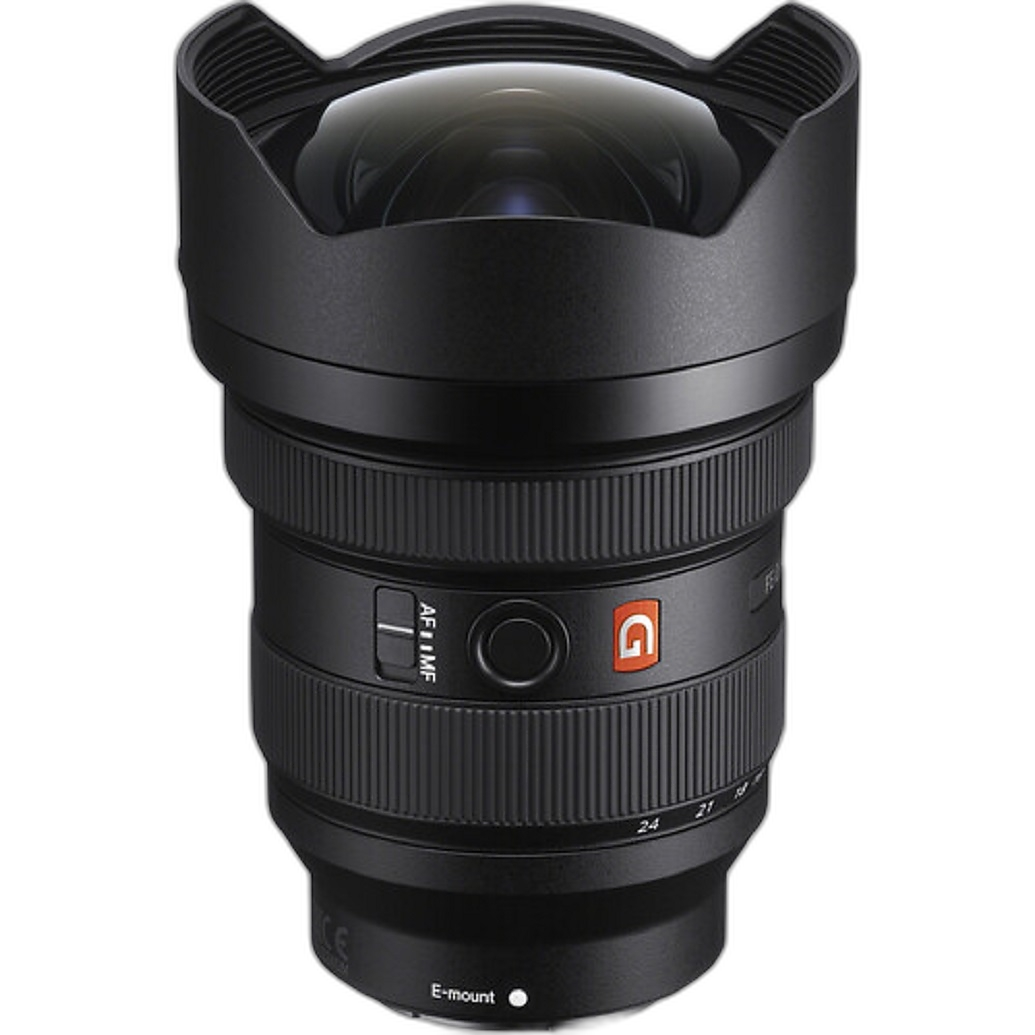
A lens may look excellent in a comparison, but the focal length matters. If you regularly shoot dramatic foregrounds, expansive skies, and tight interiors of canyons or forests, the Sony FE 12-24mm f/2.8 GM Lens gives you access to ultra-wide views that many landscape photographers love. In Sony Lens Compare Beta, pay close attention to the corners at 12mm, 14mm, and 16mm, since those settings are where edge performance becomes especially important.
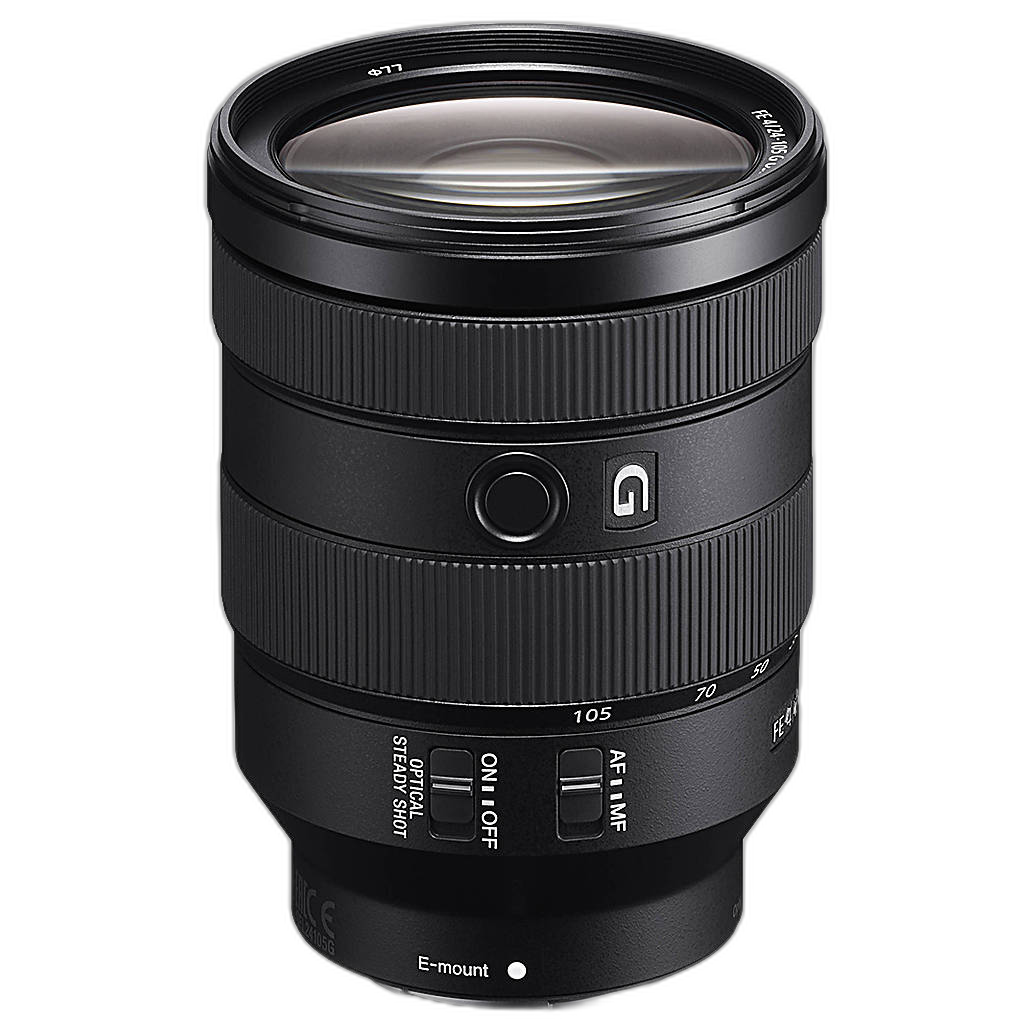
On the other hand, not every landscape needs to be ultra-wide. The Sony FE 24-105mm f/4 G OSS Lens starts at a more moderate 24mm, but it gives you much more framing flexibility for stitched panoramas, compressed mountain scenes, and detail shots. If your idea of landscape photography includes both wide views and short telephoto work, it can be the more practical choice even if your main question begins with corner sharpness.
Look at Corners Wide Open and Stopped Down
2. Landscape lenses should be judged at the apertures you use outdoors
One of the smartest ways to use Sony Lens Compare Beta is to check performance at multiple apertures. Many landscape photographers work around f/8 or f/11 for depth of field, so do not base your decision only on wide-open samples.
- At f/2.8: the Sony FE 12-24mm f/2.8 GM shows you how the lens behaves for astro-landscapes, sunrise scenes, and low-light work.
- At f/4: the Sony FE 24-105mm f/4 G OSS is already at its maximum aperture, so you can quickly see its baseline edge performance.
- At f/8: compare both lenses again. This is often where landscape buyers discover whether corner sharpness becomes excellent, simply good, or still somewhat limited.
If your main priority is the cleanest possible corners in traditional daylight landscapes, stopped-down results deserve the most weight.
Do Not Confuse Distortion With Softness
3. Ultra-wide lenses can look less tidy at the edges even when they are sharp
At very wide focal lengths, corners can appear stretched because of perspective and geometric distortion. That does not automatically mean the lens is unsharp. With the Sony FE 12-24mm f/2.8 GM Lens, the extreme field of view at 12mm can make edge subjects look more exaggerated than they would at 24mm on the Sony FE 24-105mm f/4 G OSS Lens. In Sony Lens Compare Beta, try to separate true lack of detail from the visual effect of a very wide perspective.
This is especially important if you often place rocks, flowers, or leading lines near the frame edge. An ultra-wide lens may be technically sharp there, but composition placement still has a huge effect on how the corners look.
Think About Field Curvature in Real Landscapes
4. Flat test scenes are helpful, but nature is rarely flat
Corner sharpness tests are useful, but real landscapes are three-dimensional. Some lenses render a flat test chart differently than they render distant hills or layered foreground elements. When using Sony Lens Compare Beta, remember that field curvature can influence whether a corner looks sharp at the same focus point as the center.
For practical landscape use:
- The Sony FE 12-24mm f/2.8 GM Lens is often attractive for dramatic compositions where you want foreground and background scale in one frame.
- The Sony FE 24-105mm f/4 G OSS Lens may be easier to manage when you want consistent sharpness across less extreme compositions.
If you tend to shoot seascapes, open vistas, and flat horizons, corner consistency becomes even more visible, so comparisons at those focal lengths matter more.
Use the Right Lens for the Scene, Not Just the Sharpness Chart
5. The sharpest corner is not always the best landscape choice
It is easy to get locked into test results, but your best lens is the one that supports your shooting style. The Sony FE 12-24mm f/2.8 GM Lens is the obvious choice when you need an expansive angle of view, strong low-light capability, and a premium build for serious outdoor work. If your portfolio leans toward grand foreground-heavy scenes, this is likely the more exciting option.
The Sony FE 24-105mm f/4 G OSS Lens, however, can be the smarter all-around landscape tool for many photographers. It covers classic wide-angle framing at 24mm, then extends into normal and short telephoto territory for tighter compositions. If you want one lens for travel, hikes, roadside overlooks, and changing weather, versatility can outweigh the need for the widest possible perspective.
Pay Attention to What Happens in the Extreme Corners
6. Corner sharpness is not just about the outer edge—it is about usability across the frame
When reviewing Sony Lens Compare Beta, zoom in on the far corners, not just the mid-frame. For large prints, those last few millimeters of the image area can matter a lot. Tree branches against the sky, fine stone texture, and distant buildings can all reveal whether a lens is truly holding together across the frame.
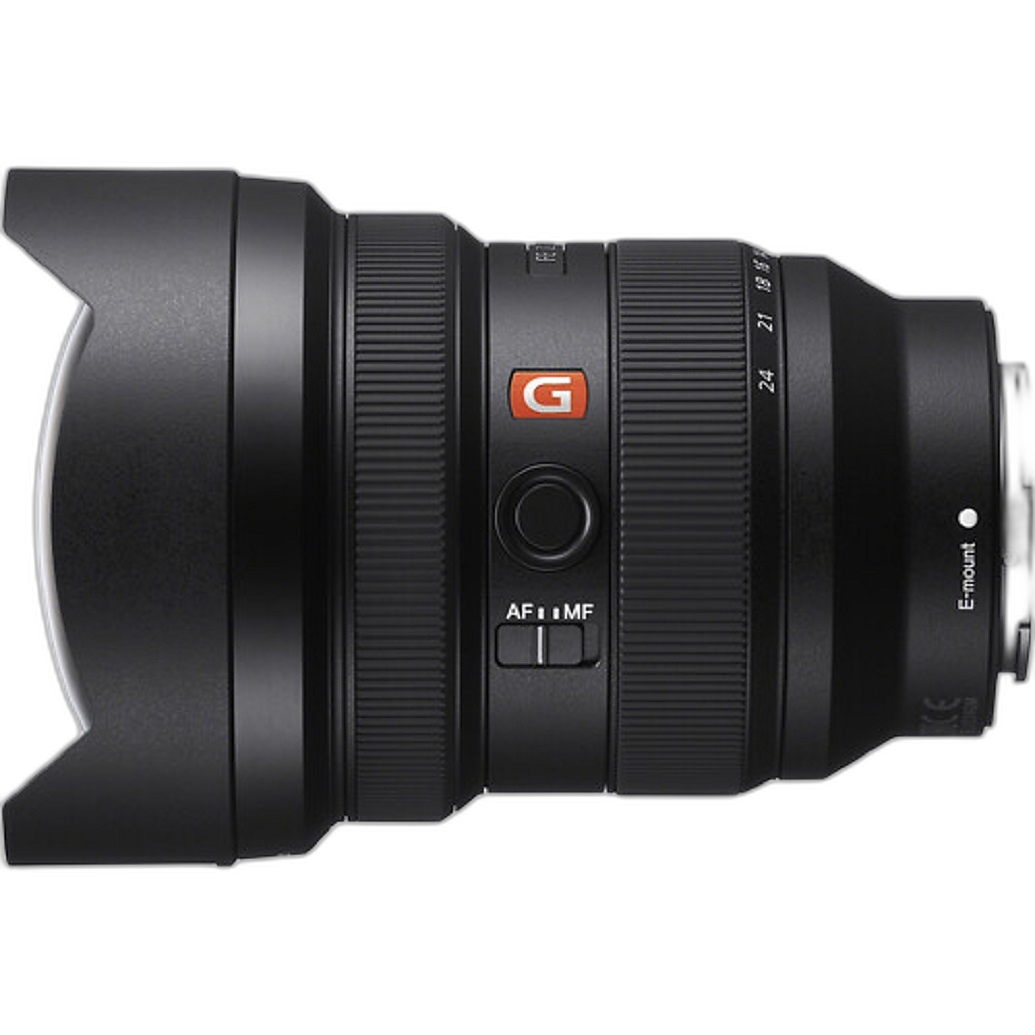
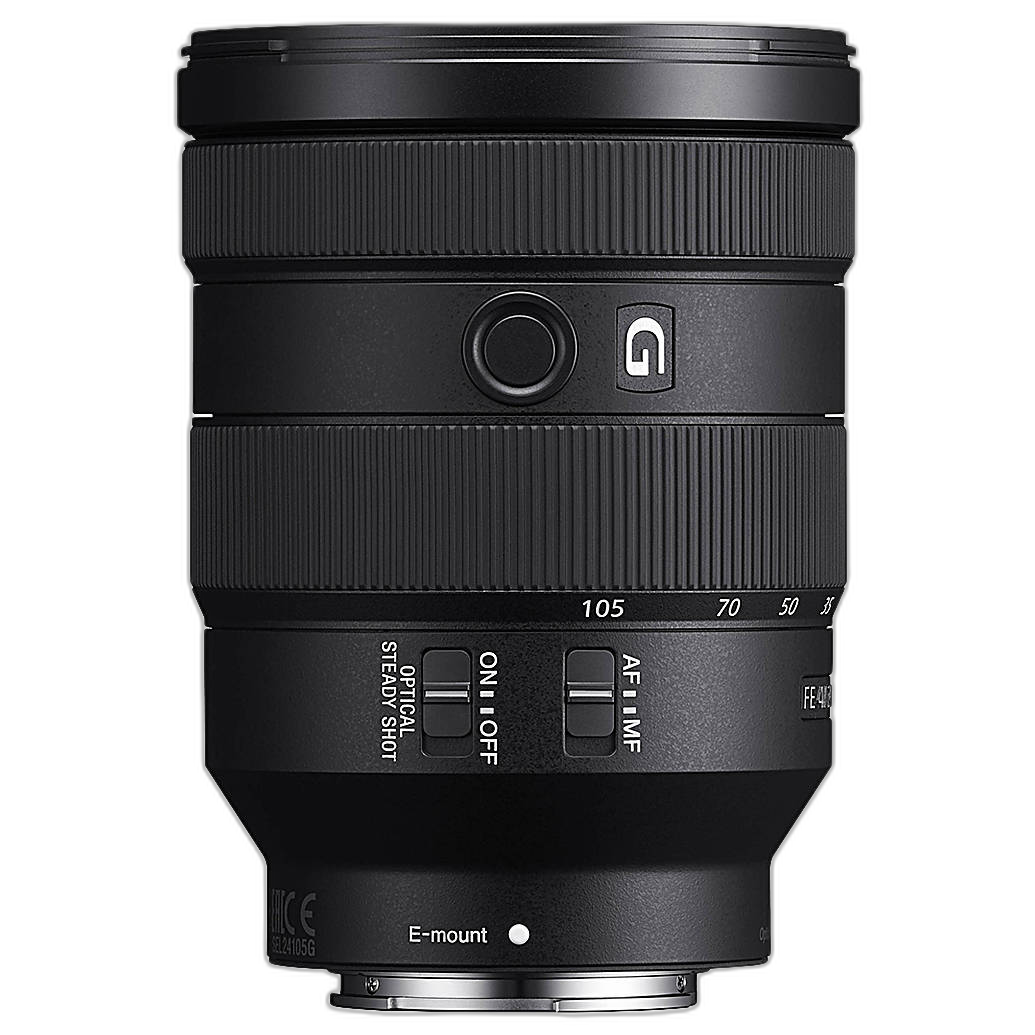
For photographers who print large landscape work, this is where the Sony FE 12-24mm f/2.8 GM Lens has to justify its premium status. Ultra-wide lenses are hard to design, so strong extreme-corner performance is a major advantage. Meanwhile, the Sony FE 24-105mm f/4 G OSS Lens may surprise some users by being the more balanced solution at 24mm if they do not need to go wider.
Remember That Technique Still Matters
7. Even the best lens will show weak corners if your field technique slips
Before blaming the lens, make sure your shooting process supports maximum sharpness:
- Use a sturdy tripod when light drops.
- Focus carefully, especially in scenes with near-to-far depth.
- Watch for diffraction if you stop down too far.
- Keep the sensor plane in mind when photographing flat scenes.
- Bracket focus if the foreground is extremely close.
If you want to build those skills in the field, a hands-on outing like Macro and Landscape Photography at Duke Farms with Michael Downey can be a great way to refine both lens choice and technique while working in real outdoor conditions.

So, Which Wide Angle Is Best for Sharp Corners?
8. Choose based on whether you need ultra-wide impact or flexible landscape coverage
If your main goal is the widest possible view with high-end landscape and astro potential, the Sony FE 12-24mm f/2.8 GM Lens is the standout option to examine closely in Sony Lens Compare Beta. It is built for photographers who want premium ultra-wide performance and who will truly use that 12mm perspective.
If your goal is strong image quality with more everyday flexibility, the Sony FE 24-105mm f/4 G OSS Lens may be the better fit overall. It is not as wide, but for many landscape shooters, 24mm is enough—and the added zoom range makes it a highly capable travel and outdoor lens.
In short:
- Pick the Sony FE 12-24mm f/2.8 GM if ultra-wide compositions and premium wide-angle performance are your priority.
- Pick the Sony FE 24-105mm f/4 G OSS if you want a versatile landscape zoom and only occasionally need a wide perspective.
Conclusion
The best way to answer the corner-sharpness question is to compare lenses at the focal lengths and apertures you actually use, then match those results to your style of landscape photography. For dramatic ultra-wide work, the Sony FE 12-24mm f/2.8 GM is the natural place to start. For photographers who want flexibility without giving up strong landscape capability, the Sony FE 24-105mm f/4 G OSS remains a compelling choice. If you are ready to explore Sony lenses and sharpen your landscape kit, Unique Photo is a great place to start.