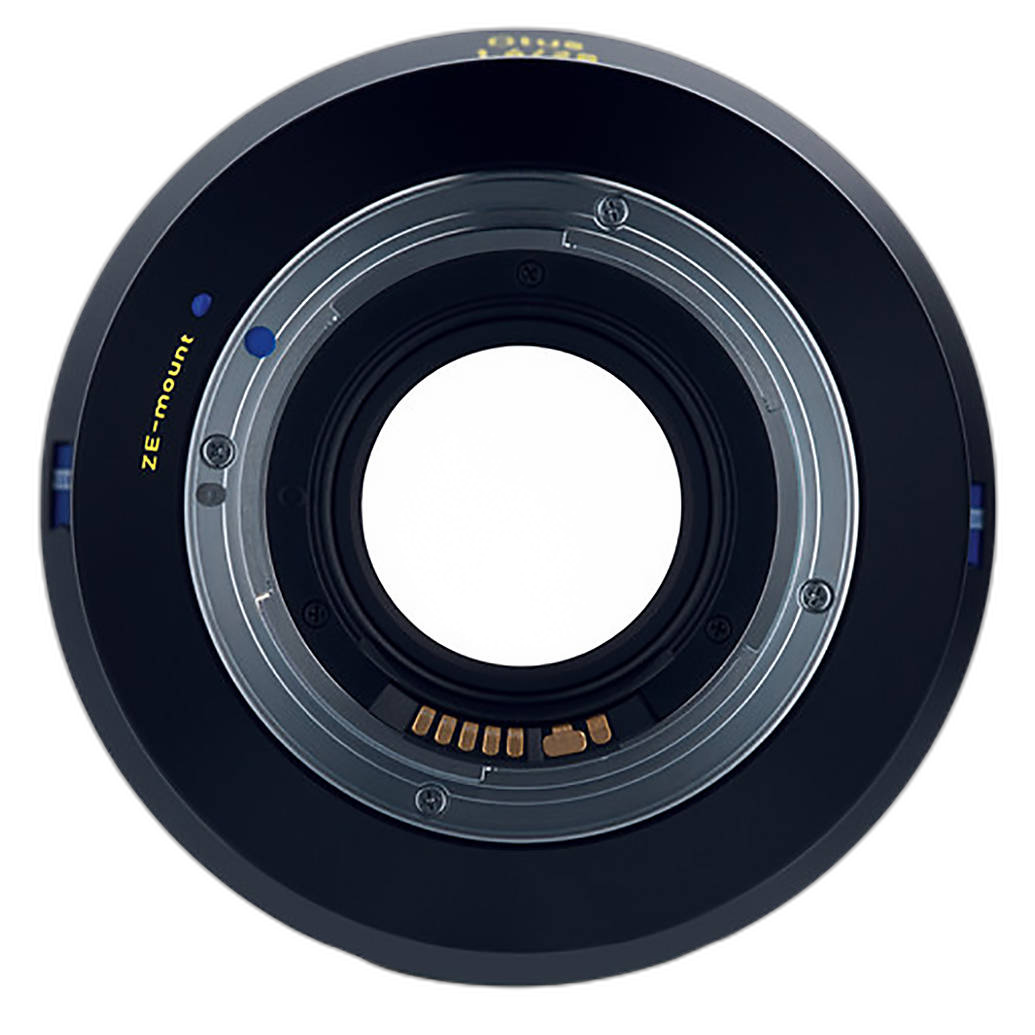
For landscape photographers, choosing a wide-angle lens is rarely about focal length alone. Edge-to-edge sharpness, distortion control, and vignetting all become obvious when you are photographing coastlines, mountain horizons, dramatic skies, and detailed foregrounds. Sony Lens Compare Beta can be a useful starting point for narrowing down options, especially when you want to examine how a lens may behave in demanding scenic work. The key is knowing how to interpret what you see. Here are practical tips for evaluating recommendations with a landscape mindset.
Start With the Corners, Not the Center
1. Prioritize edge-to-edge sharpness for real landscape detail
When using Sony Lens Compare Beta, it is easy to be impressed by strong center sharpness. For landscapes, though, corners matter just as much. Fine foliage, rock textures, and distant tree lines often reveal whether a lens truly holds up across the frame. If a recommendation looks excellent in the middle but softens noticeably at the edges, that may be less ideal for large prints.
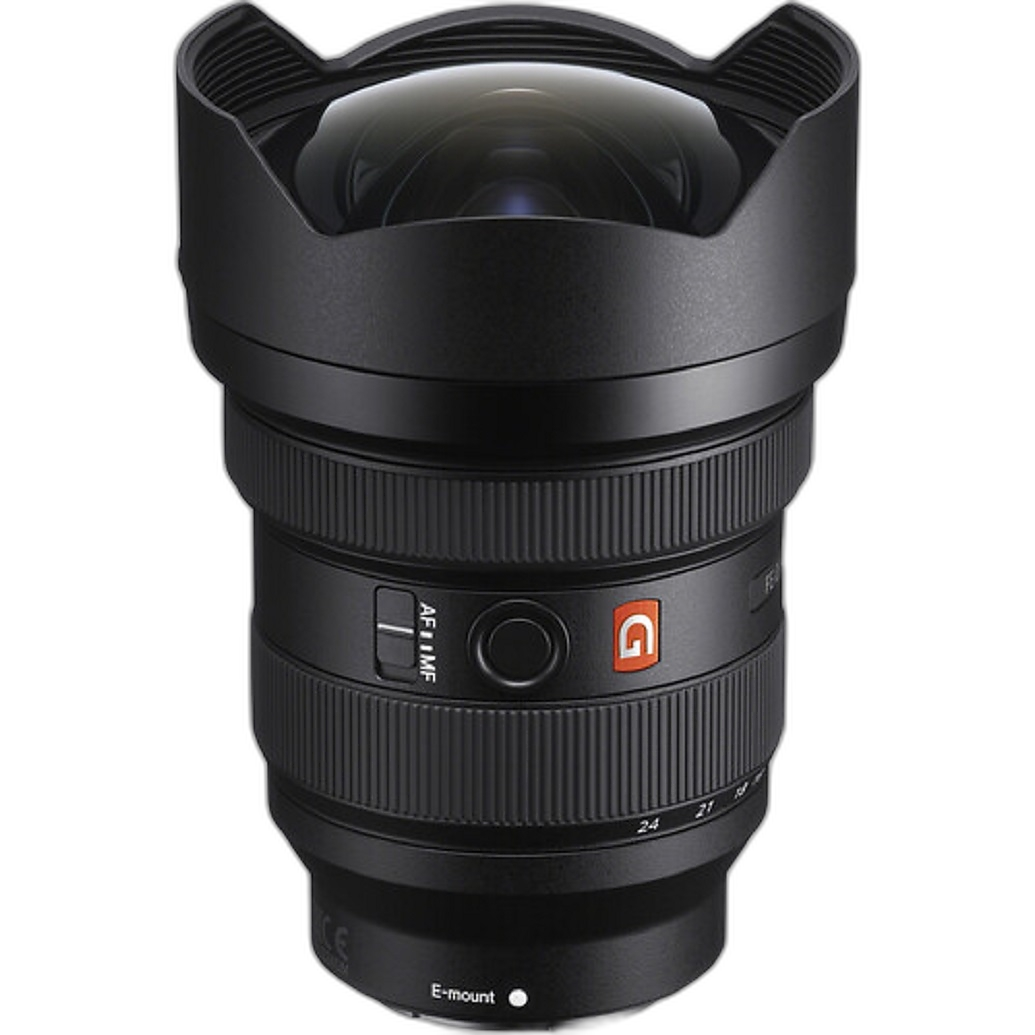
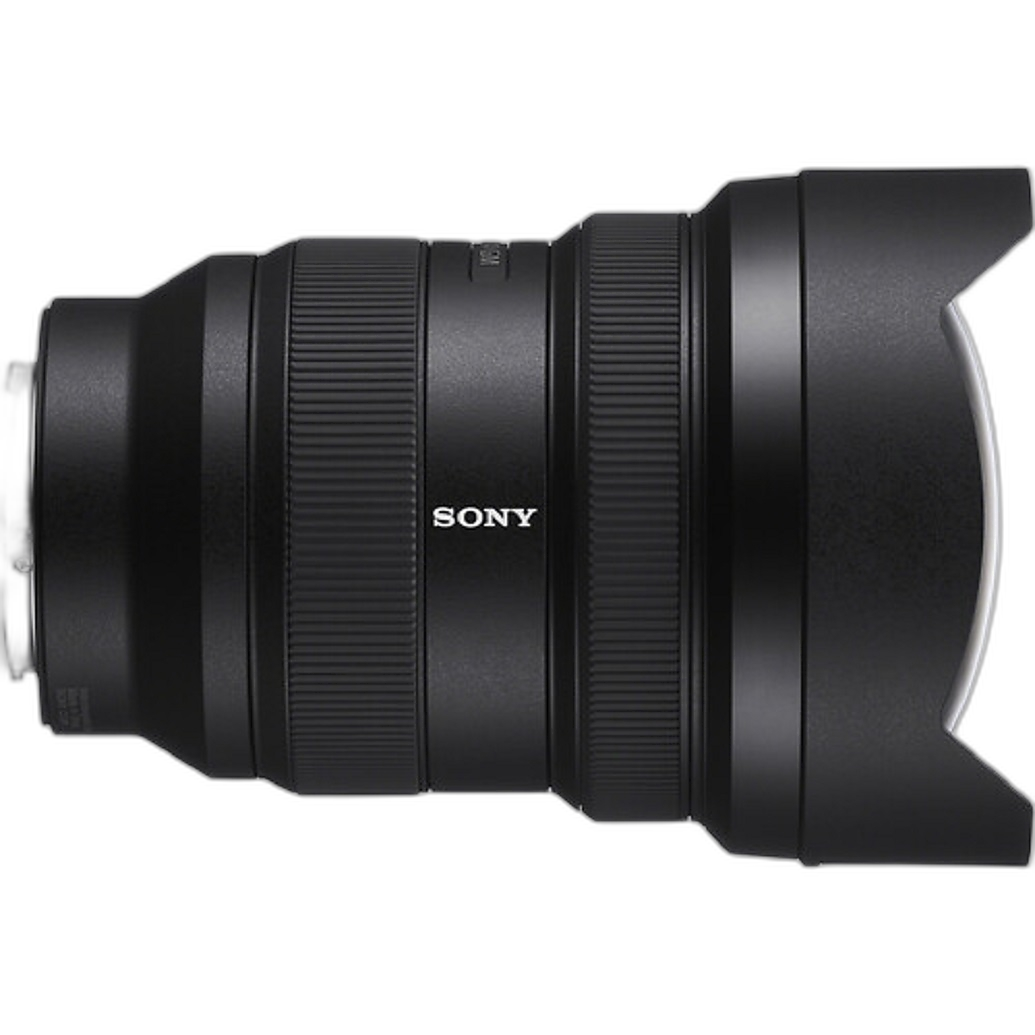
This is where an ultra-wide option like the Sony FE 12-24mm f/2.8 GM Lens stands out in serious landscape kits. It is the kind of lens photographers often consider when they need expansive framing without giving up high-level detail. In Lens Compare Beta, pay close attention to how sharpness changes from 12mm through 24mm rather than assuming every focal length performs identically.
Check Distortion at the Widest End First
2. Evaluate whether straight horizons and natural foregrounds hold their shape
Landscape photographers frequently include horizons, waterlines, tree trunks, and architectural elements in scenic compositions. Distortion can bend these lines in ways that are distracting, especially near the edges. When Sony Lens Compare Beta recommends a wide-angle lens, inspect the widest focal lengths first, because that is usually where barrel distortion is most pronounced.
With a lens like the Sony FE 12-24mm f/2.8 GM Lens, this matters a lot because 12mm opens up dramatic possibilities, but also places more pressure on optical correction. If your work includes seascapes, desert vistas, or scenes with a clean horizon, compare how much correction may be needed in post. A little distortion is manageable; heavy correction can sometimes affect edge detail.
Don’t Ignore Vignetting Just Because It Can Be Corrected
3. Look at darkened corners as both an aesthetic and technical issue
Vignetting is often easy to fix in software, but landscape photographers should still take it seriously. Bright skies, snow scenes, and evenly lit water can make dark corners more visible than expected. Lens Compare Beta can help reveal how strong the falloff is at wider apertures and whether it improves as you stop down.
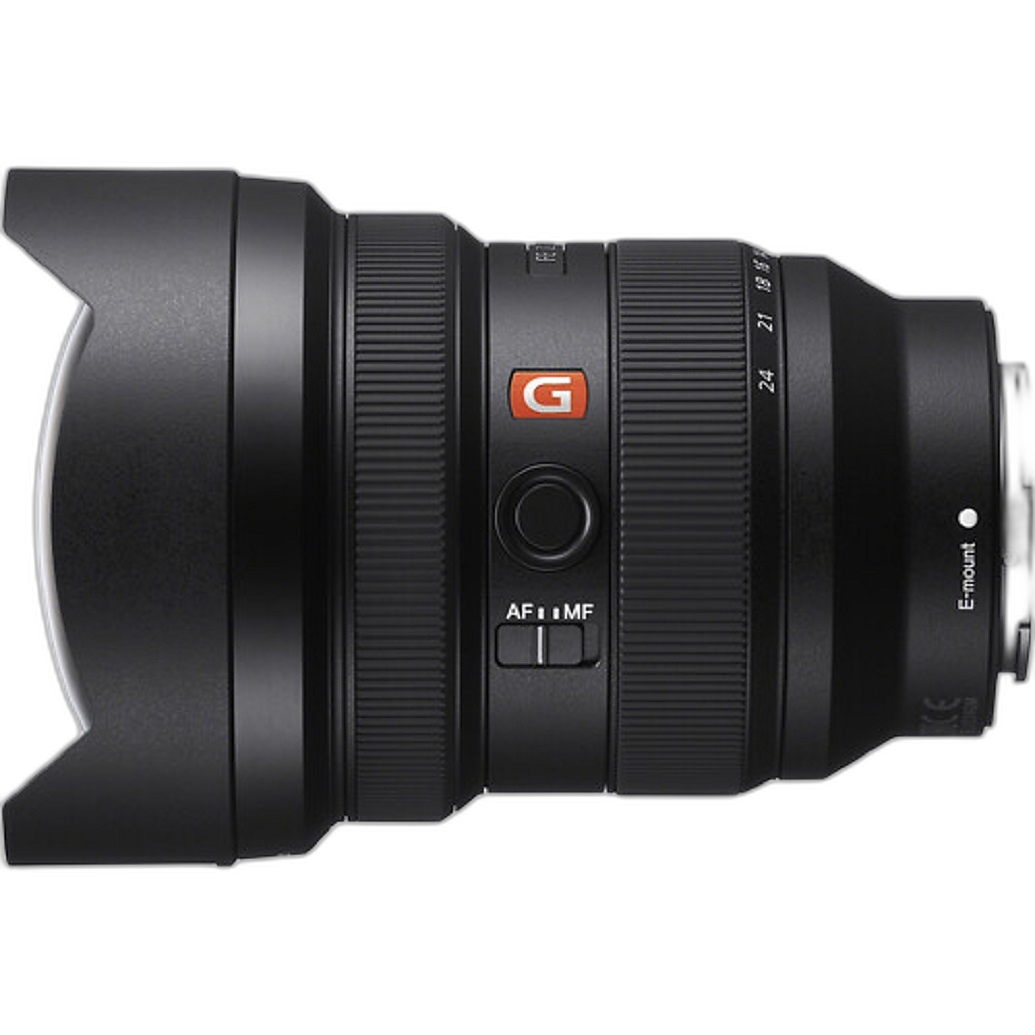
For example, if you are considering the Sony FE 12-24mm f/2.8 GM Lens for sunrise or blue-hour work, note how much corner shading appears wide open versus at common landscape apertures like f/8 or f/11. Even if you usually stop down, it is helpful to know how much correction a file may need before stitching panoramas or making large prints.
Compare Zooms at the Apertures You Actually Use
4. Landscape performance at f/8 and f/11 can matter more than wide-open results
Many photographers review lens comparisons at maximum aperture, but landscape shooting often happens stopped down for depth of field. That means the most useful Lens Compare Beta recommendation is not always the lens with the most dramatic wide-open performance. Instead, compare lenses at the apertures you realistically use in the field.
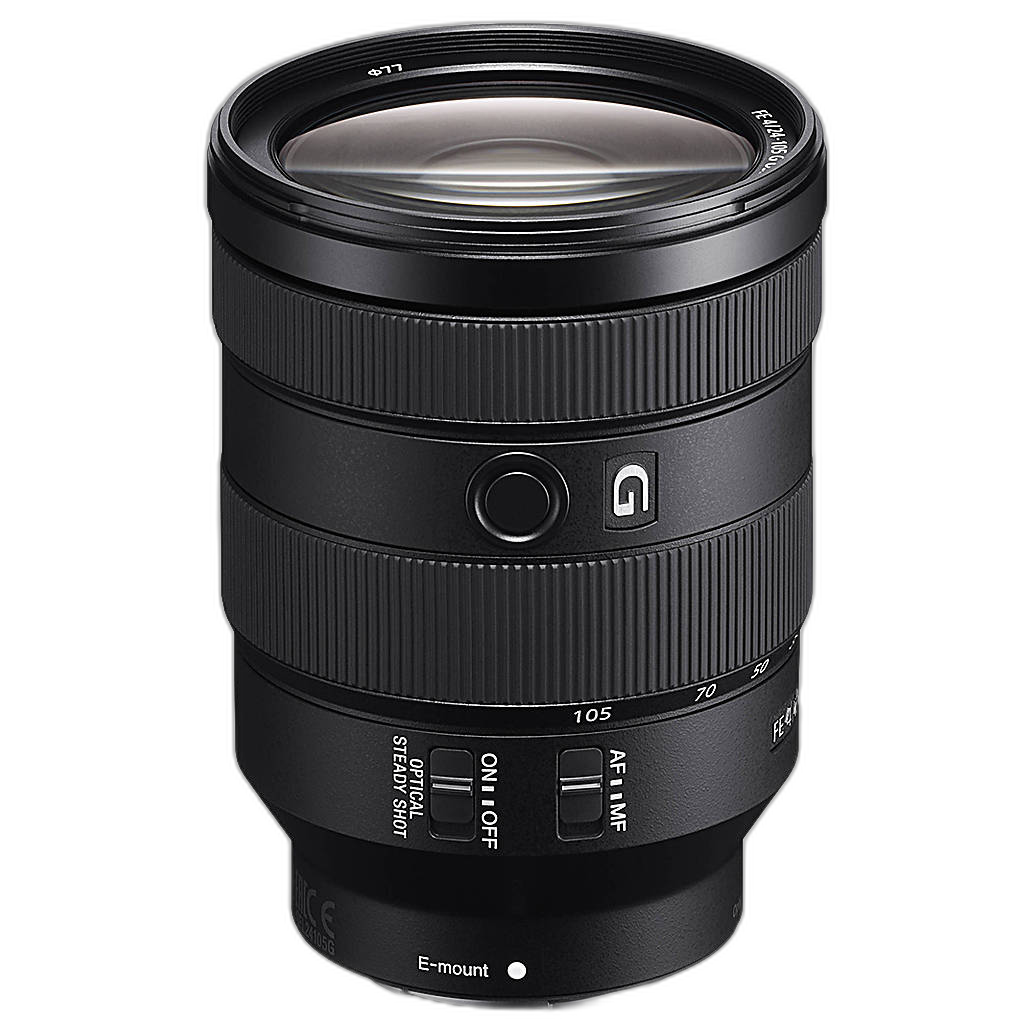
The Sony FE 24-105mm f/4 G OSS Lens is a good example of a versatile landscape option that may appeal to photographers who want one lens for both wide views and tighter compositions. While it is not as wide as a 12-24mm, Lens Compare Beta can help show whether its sharpness, distortion, and vignetting are well controlled at the 24mm end, which is often enough for many travel and general landscape scenes.
Think About Your Shooting Style, Not Just Optical Scores
5. Match the recommendation to expansive vistas or flexible field use
A lens comparison tool can point you toward the technically stronger optic, but the best landscape lens still depends on how you shoot. If you specialize in dramatic foreground emphasis, towering skies, and immersive compositions, an ultra-wide zoom may be the better fit. If you often hike with one lens and compose both wide scenes and isolated mountain layers, a standard zoom can be more practical.
That is why comparing the Sony FE 12-24mm f/2.8 GM Lens and the Sony FE 24-105mm f/4 G OSS Lens is so useful. One leans into maximum width and premium ultra-wide coverage, while the other offers broader versatility. Lens Compare Beta is most valuable when you use it to support your own shooting priorities rather than chasing a single number or ranking.
Use Sample Analysis to Predict Post-Processing Work
6. A better optical starting point can save time on every landscape file
Sharpness falloff, distortion correction, and vignetting compensation all influence your editing workflow. If one lens needs more aggressive profile correction, you may lose a bit of edge resolution or spend more time balancing tonal consistency across the frame. For photographers producing galleries, prints, or client work, that extra effort adds up.
When you study Sony Lens Compare Beta, ask a simple question: which lens gives you the cleanest file before editing? In many cases, that answer helps justify investing in higher-end glass like the Sony FE 12-24mm f/2.8 GM Lens for photographers who demand strong wide-angle landscape results right from capture.
Build Knowledge Beyond the Comparison Tool
7. Pair online comparisons with hands-on learning and field practice
Lens comparison tools are excellent for narrowing choices, but landscape photography always benefits from real-world technique. Composition, filtration, tripod use, aperture selection, and weather awareness all affect how much you get from a lens. Photographers looking to sharpen both their gear knowledge and outdoor shooting skills may also benefit from educational experiences like Macro and Landscape Photography at Duke Farms with Michael Downey, which can help translate technical lens choices into stronger images in the field.

Conclusion
Sony Lens Compare Beta can be a smart resource for landscape photographers, especially when you focus on the qualities that matter most in wide-angle work: corner sharpness, distortion control, and vignetting behavior. Whether you are leaning toward the expansive reach of the Sony FE 12-24mm f/2.8 GM Lens or the flexible all-around performance of the Sony FE 24-105mm f/4 G OSS Lens, the best results come from combining comparison data with your own shooting goals. Explore your options, get into the field, and if you are ready to upgrade your landscape kit, Unique Photo is a great place to start.