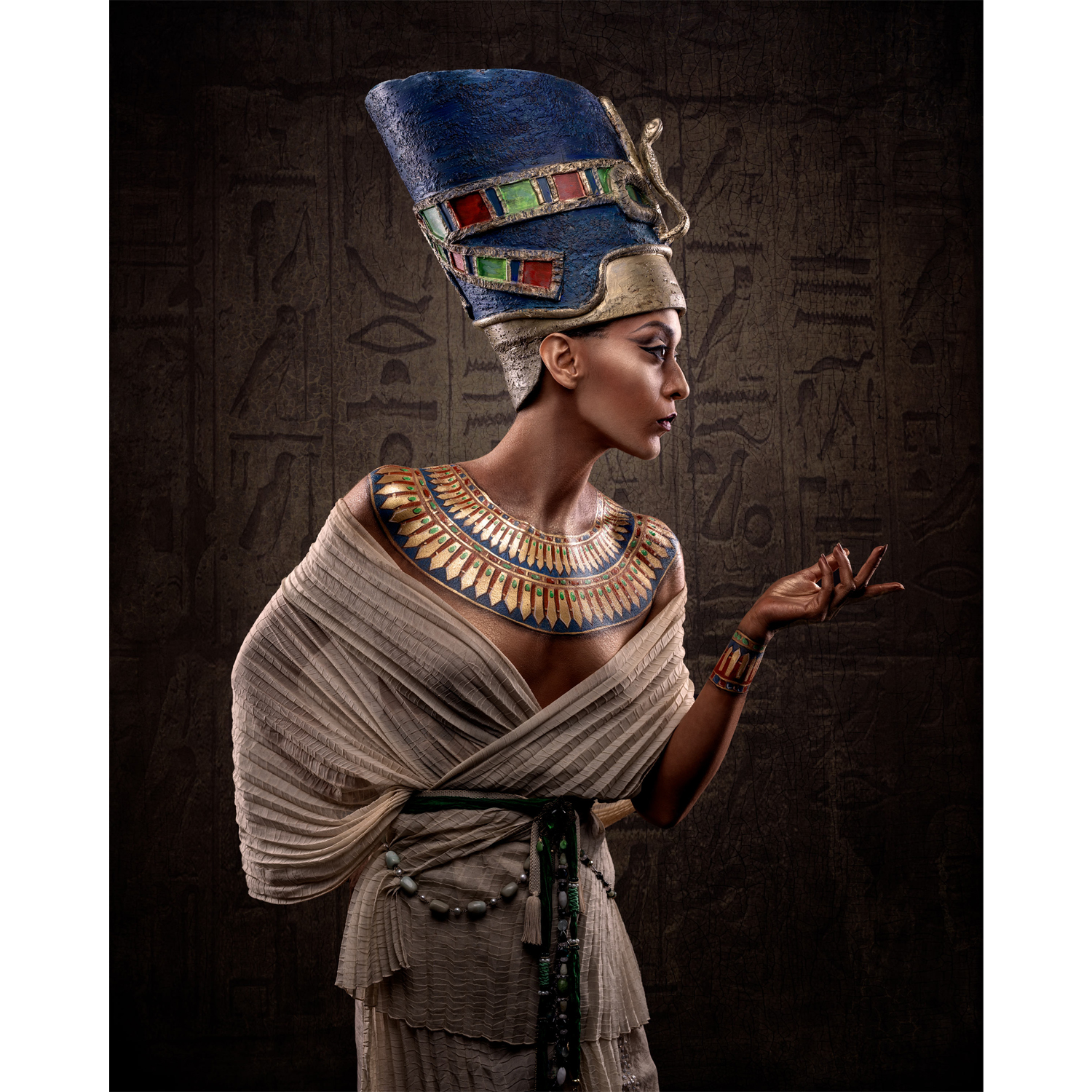
If you’re shopping for your first camera for portrait photography, it’s easy to get overwhelmed by specs, sensor sizes, and endless gear advice. The truth is, great portraits come from a combination of camera handling, lighting, comfort, and learning how to direct your subject. This guide is for beginners who want to start making flattering, expressive portraits and are wondering what to prioritize first.
Because the available products here lean more toward portrait education, accessories, and creative used options rather than a wide range of new portrait camera bodies, this guide focuses on what actually helps a first-time portrait photographer get started successfully: learning lighting, building confidence, and choosing practical add-ons that support better shooting.
What Matters Most in a First Portrait Photography Setup
Before buying your first portrait camera, focus on these essentials:
- Ease of use: A beginner-friendly camera with reliable autofocus and simple controls helps you learn faster.
- Lens choice: For portraits, lenses often matter as much as the camera body. A fast prime in the normal-to-short-telephoto range is a classic starting point.
- Lighting: Good light is often the biggest difference between average and excellent portraits.
- Comfort: A camera strap and manageable kit make it easier to shoot longer sessions.
- Education: Learning posing, light placement, and subject interaction can improve results more than chasing expensive gear.
Our Pick
Best first investment for aspiring portrait photographers: Portrait Lighting Made Easy with Joel Grimes (Westcott)
If you’re just getting into portrait photography, lighting knowledge will improve your images faster than almost any gear purchase. For a beginner deciding how to build a portrait kit, this is the strongest recommendation from the products available here.
Recommended Products
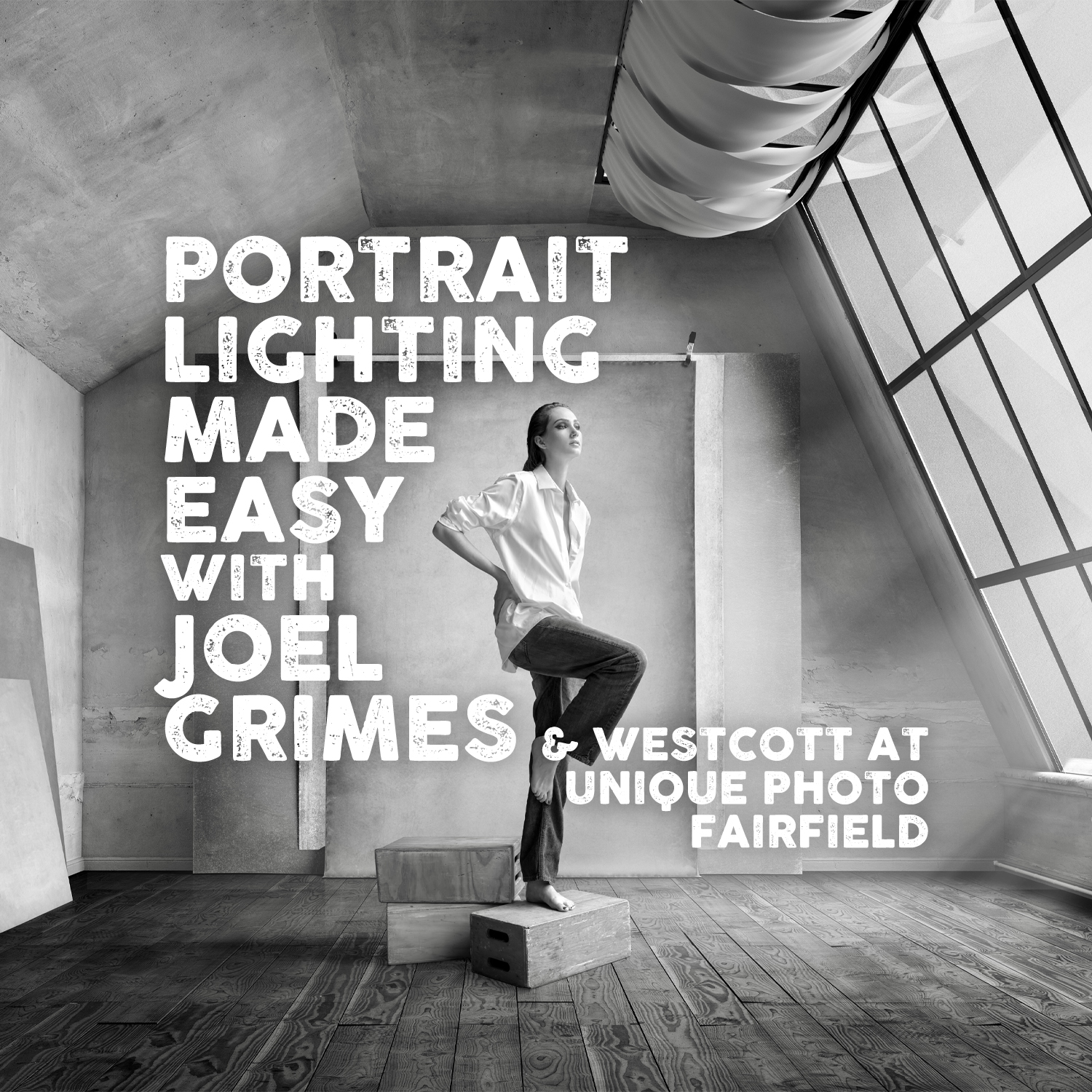
Portrait Lighting Made Easy with Joel Grimes (Westcott)
Why it’s recommended: Portrait photography is fundamentally about light. If you’re buying your first camera specifically for portraits, understanding how to shape light on a face will make a bigger impact than obsessing over camera specs. Joel Grimes is well known for practical, dramatic portrait lighting instruction, making this a smart starting point for beginners.
Best for: New portrait photographers who want to improve quickly, especially those planning to shoot friends, family, or creative portraits.
Why beginners will like it:
- Helps you understand flattering portrait lighting
- Builds confidence before investing heavily in more gear
- Useful whether you shoot digital or film
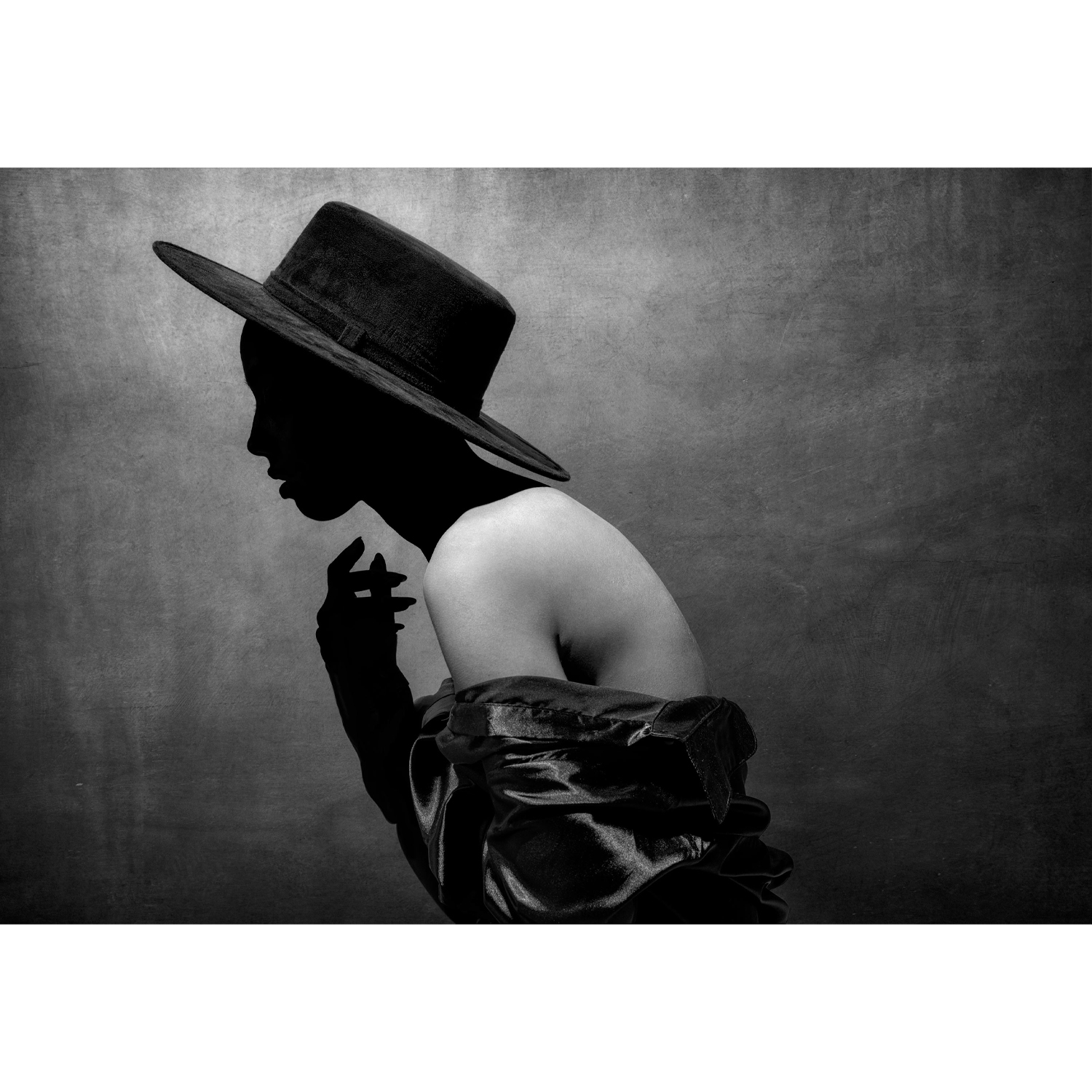
PGYTECH Camera Strap Slim - Vintage-Olive Green
Why it’s recommended: A good strap may not be glamorous, but it makes carrying your first camera more comfortable and encourages you to bring it everywhere. That matters when you’re practicing portraits regularly.
Best for: Beginners building a simple, portable portrait kit.
Why beginners will like it:
- Makes hand-carrying a camera easier during portrait sessions
- Useful for location portraits and casual everyday practice
- A practical accessory that works with many camera setups
Used Polaroid SX-70 Alpha 1 Camera W/ Close up kit - Good
Why it’s recommended: If your interest in portraits leans artistic, instant film can be a fun and inspiring way to learn composition and subject interaction. The included close-up kit makes this especially interesting for tighter portrait framing.
Best for: Creatives who want a more experimental first portrait camera experience.
Keep in mind: This is not the easiest or most practical all-around beginner portrait camera compared with a modern autofocus digital option, but it can be rewarding for stylized work and personal projects.
Used Ermanox Ernemann Camera With 100MM F/2 - As Is *Needs Shutter Replaceme
Why it’s here: The 100mm f/2 specification sounds attractive for portraits on paper, but this listing is clearly a specialty used item and is marked as needing shutter replacement.
Best for: Collectors, vintage camera enthusiasts, or advanced hobbyists—not most first-time portrait photographers.
Beginner advice: If you’re asking for your first portrait camera, this is likely not the right place to start due to condition and usability concerns.
Quick Comparison
| Product | Best For | Portrait Beginner Friendly? | Why It Stands Out |
|---|---|---|---|
| Portrait Lighting Made Easy with Joel Grimes (Westcott) | Learning flattering light | Yes | Improves portrait quality regardless of camera |
| PGYTECH Camera Strap Slim | Comfort and portability | Yes | Simple accessory that supports more frequent shooting |
| Used Polaroid SX-70 Alpha 1 w/ Close up kit | Creative instant portraits | Somewhat | Fun, artistic portrait experience |
| Used Ermanox Ernemann Camera 100MM F/2 | Collectors and vintage specialists | No | Interesting historic option, but not practical for most beginners |
How to Choose Your First Portrait Camera
If you’re still deciding what kind of camera to buy, here’s a simple framework:
- Want the easiest path? Start with a beginner-friendly digital camera body and a portrait-friendly prime lens.
- Want to improve image quality fastest? Invest in lighting knowledge and practice posing.
- Want a creative film-inspired experience? Try an instant or vintage camera, but expect a steeper learning curve.
- Want gear you’ll actually use? Keep your setup comfortable and portable with accessories like a good strap.
Learning Matters as Much as the Camera
Many beginners assume the camera body is the main ingredient in portrait photography, but portraits are different from many other genres. Expression, communication, and lighting are often more important than having the newest model. That’s why education can be such a valuable first step.
For photographers who want to build stronger fundamentals beyond portrait-specific lighting, classes and events can also help develop visual confidence and creativity.
Extra Learning Options to Grow Your Skills
Macro and Landscape Photography at Duke Farms with Michael Downey
While not portrait-focused, photography workshops like this can help beginners become more confident with camera settings, composition, and seeing light. Those skills absolutely carry over into portrait work.

EXPO: Stories from the Road - Photography Across Worlds w. Matthew Borowick
Events and talks can be a great way to stay inspired, learn how working photographers think, and expand your visual style. Inspiration often leads to better portraits because you start noticing mood, color, and storytelling.

Final Recommendation
If you’re choosing your first camera for portrait photography, the smartest move is to keep your setup simple and focus on the tools that will immediately improve your results. From the products available here, Portrait Lighting Made Easy with Joel Grimes (Westcott) is the standout recommendation because better lighting technique will elevate your portraits no matter what camera you buy.
Pair that mindset with a comfortable accessory like the PGYTECH Camera Strap Slim, and if you want a more artistic route, consider the Used Polaroid SX-70 Alpha 1 for creative portrait experiments. For practical guidance, inspiration, and hands-on learning, Unique Photo is a great place to continue building your portrait kit and skills.