Hybrid creators need a camera that can handle both high-quality stills and dependable video without forcing major compromises. Whether you shoot weddings, events, travel, social content, commercial work, or documentary projects, the best cameras for hybrid photo/video shooters combine strong autofocus, excellent image quality, solid video specs, practical ergonomics, and a lens ecosystem that can grow with your work. At Unique Photo, many shoppers looking for one do-it-all body are really searching for the right balance between photography performance and video usability.
In this guide, we’ll break down the key features that matter most when choosing a hybrid camera, explain which types of shooters benefit from different setups, and highlight useful accessories and lenses that can round out a modern hybrid kit.
What Is a Hybrid Camera?
A hybrid camera is designed to perform well for both photography and video capture. Unlike cameras that are primarily optimized for one discipline, hybrid models aim to deliver fast burst shooting, strong still-image resolution, accurate autofocus, and professional-grade video features like 4K or higher recording, high frame rates, log profiles, headphone and mic ports, in-body image stabilization, and dependable heat management.
For many creators, a hybrid camera makes more sense than owning separate bodies. A wedding photographer may need cinematic clips during a reception. A content creator may need thumbnails, portraits, product shots, and short-form video from the same shoot. A travel shooter may want lightweight gear that can capture both landscapes and polished video diaries. Unique Photo customers often gravitate toward hybrid systems because they offer flexibility without overcomplicating the kit.
Best Camera Features for Hybrid Photo and Video Shooting
When comparing the best cameras for hybrid photo/video shooters, it helps to focus on a few core areas rather than chasing specs alone.
1. Autofocus Performance
Reliable autofocus is essential for both stills and video. For photography, you want accurate subject detection and fast continuous AF for people, pets, sports, and events. For video, smooth face and eye tracking can make solo shooting dramatically easier. If you’re filming yourself, conducting interviews, or moving through scenes handheld, autofocus confidence is a major advantage.
2. Sensor Resolution and Readout Speed
Higher megapixel counts are useful for commercial photography, cropping flexibility, and large prints. Faster sensor readout improves video quality by reducing rolling shutter and often helps with burst shooting performance. The ideal balance depends on your work. A portrait and editorial shooter may prioritize resolution, while an event filmmaker may care more about readout speed and low-light performance.
3. Video Specifications
Look for oversampled 4K, 10-bit recording, high frame rate options, and log or flat profiles for color grading. If you create professional video content, internal codecs, recording limits, and thermal control matter too. Some hybrid shooters need 6K or open-gate capture for reframing, while others are perfectly served by excellent 4K with dependable autofocus and stabilization.
4. In-Body Image Stabilization
IBIS is especially useful for hybrid work because it helps in both disciplines. It supports handheld stills at slower shutter speeds and smooths out motion during video capture. While a gimbal may still be needed for advanced movement, strong in-body stabilization is a major benefit for travel, event, and documentary shooters.
5. Lens Ecosystem
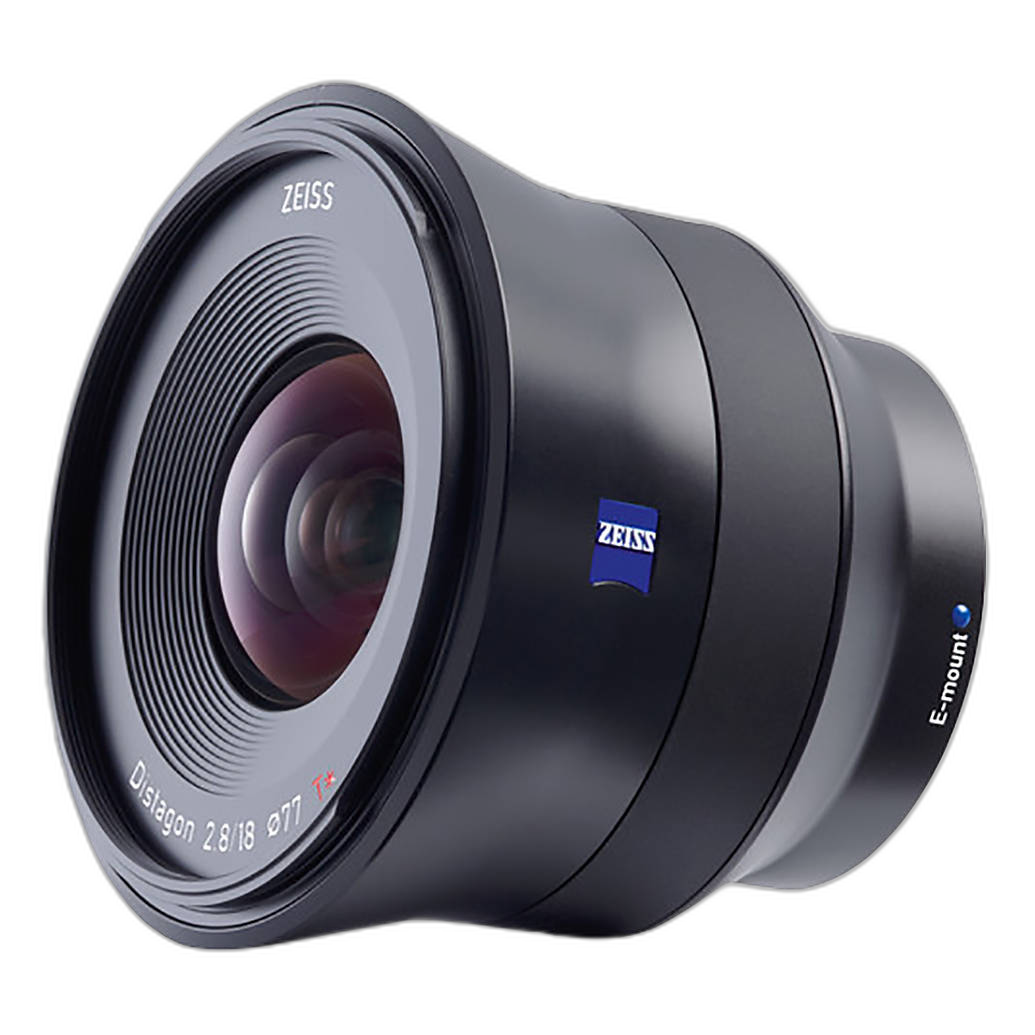
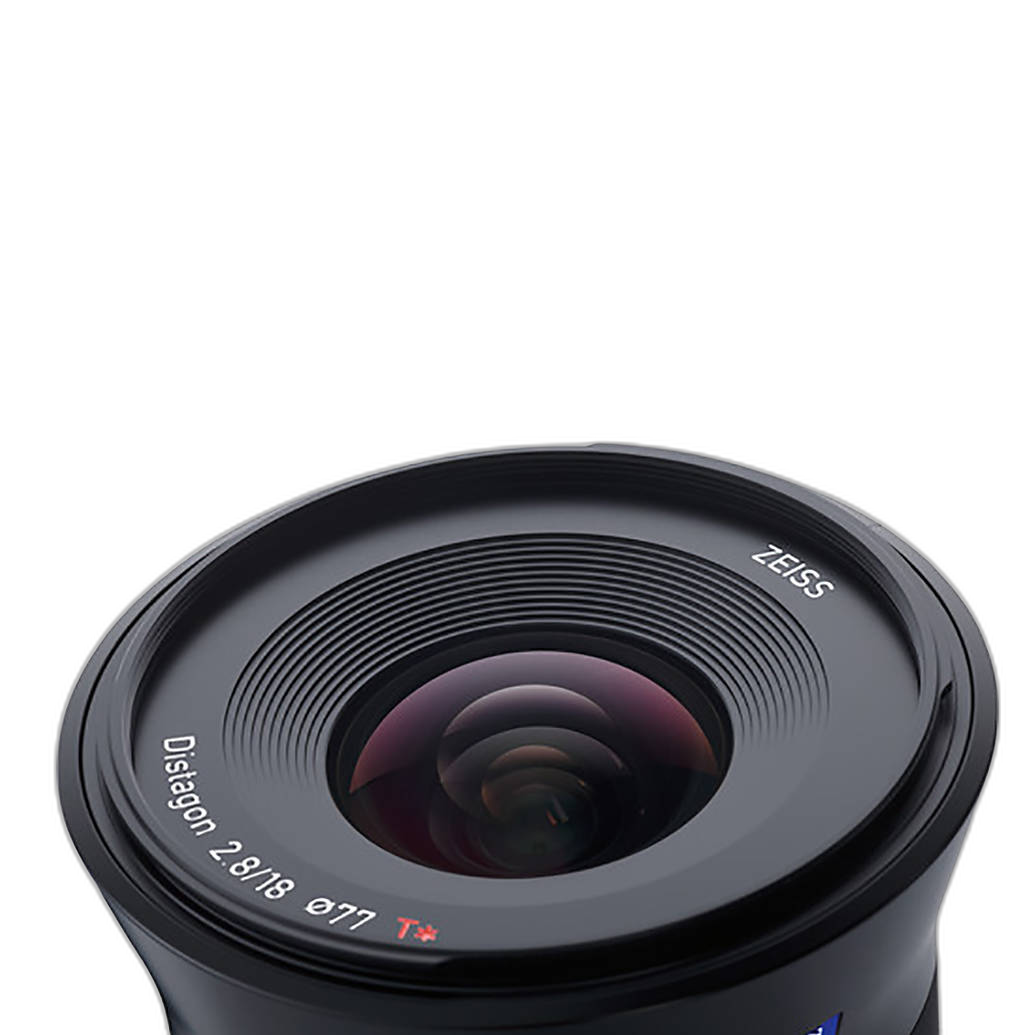
The camera body matters, but lenses often define the real-world shooting experience. A strong system should offer fast primes, versatile zooms, ultra-wide options, and dependable autofocus performance. For example, Sony hybrid shooters who need a wide-angle perspective for landscapes, interiors, architecture, or vlog-style environmental work may pair their camera with a lens like the Zeiss Batis 18mm f/2.8 AF lens for Sony Full Frame E-Mount Cameras, available at Unique Photo.
Who Should Buy a Hybrid Camera?
Hybrid cameras appeal to a wide range of creators, but not every shooter needs the exact same feature set.
Wedding and Event Shooters
Wedding professionals often need high burst rates, dual card slots, strong low-light performance, and polished video options. A camera that transitions seamlessly between stills and short highlight clips can streamline coverage and reduce gear changes during important moments.
Content Creators and YouTubers
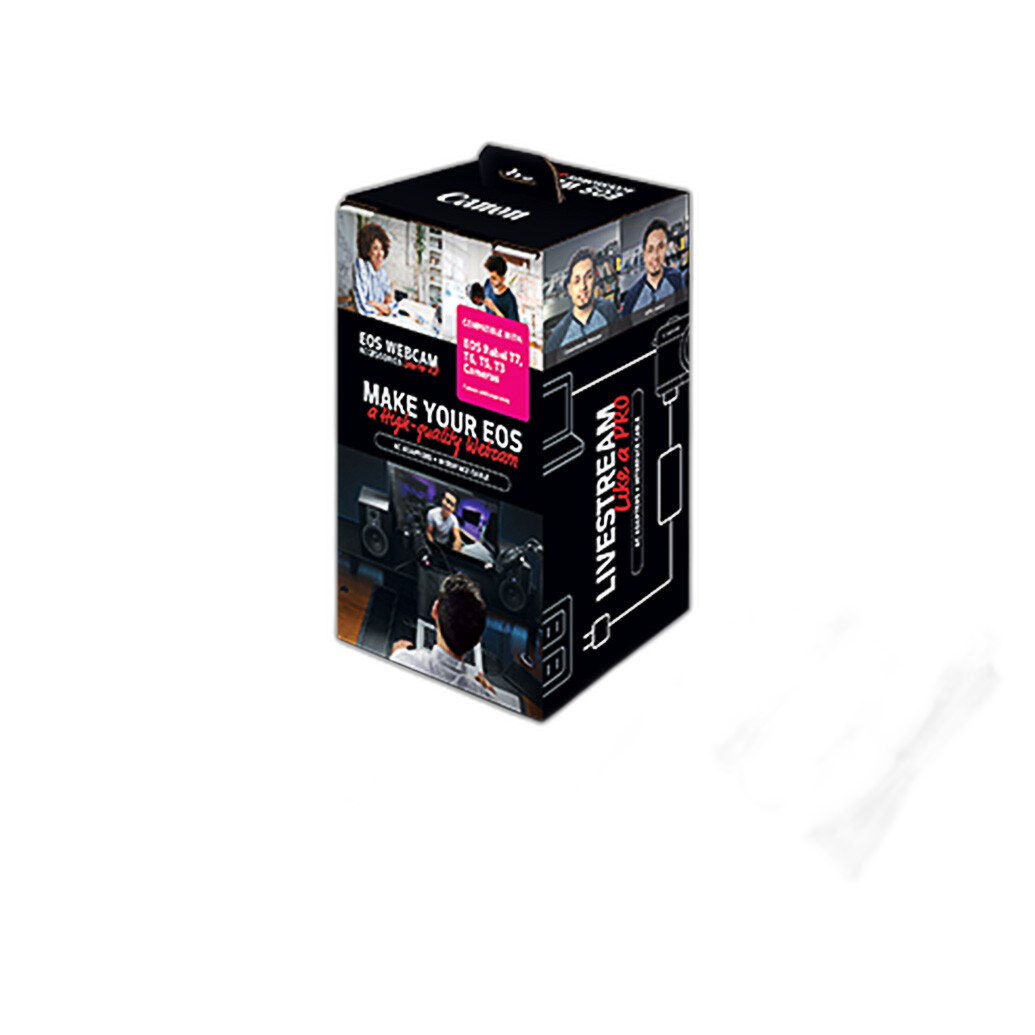
Creators benefit from flip screens, dependable eye AF, solid internal audio options, and simple connectivity for livestreaming or webcam use. If you’re building a creator workflow around Canon gear, accessories such as the Canon EOS Webcam Accessories Starter Kit for EOS Rebel Cameras can be a practical addition for streamers, educators, and remote presenters shopping through Unique Photo.
Travel and Documentary Photographers
For travel-focused hybrid shooters, compact size, battery life, weather resistance, and stabilization are often more important than maximum resolution. A lightweight mirrorless system with a versatile lens lineup can make a major difference when you’re carrying gear all day.
Commercial and Brand Creators
If you produce campaigns, product photography, and branded video, color depth, dynamic range, tethering options, and lens quality may rank above portability. In these workflows, cameras with robust codec options and high-resolution sensors often stand out.
Mirrorless vs DSLR for Hybrid Shooters
Today, mirrorless cameras dominate the hybrid category. They typically offer better video autofocus, more advanced subject detection, more modern codecs, and stronger live-view shooting experiences. While DSLRs can still produce great results, mirrorless systems are generally the smarter long-term investment for anyone serious about both photo and video.
Unique Photo shoppers comparing systems will usually find that mirrorless platforms provide a more future-ready path, especially when it comes to autofocus performance, compact lenses, and accessory compatibility for creator-focused workflows.
What Makes a Camera Great for Both Stills and Video?
The best hybrid cameras don’t just check boxes on a spec sheet. They make the shooting experience easier. That means intuitive menus, well-placed controls, customizable buttons, good EVFs or LCDs, reliable battery performance, and media support that fits your workload.
Here are a few practical signs of a strong hybrid camera:
- Fast startup and responsive operation
- Comfortable grip for long shoots
- Dual card slots for backup and separation of file types
- Mic and headphone ports
- Clean HDMI output
- Strong heat management for longer recording sessions
- USB charging or USB power delivery
- Flexible color profiles for editing
If a camera is excellent on paper but difficult to use under pressure, it may not be the right hybrid choice.
Best Lenses for Hybrid Photo/Video Shooters
Lenses can significantly shape your hybrid workflow. Many shooters build a kit around three categories: a fast standard zoom, a portrait prime, and a wide-angle lens for establishing shots, interiors, architecture, or vlogging. Wide lenses are especially valuable in hybrid work because they add visual context in both stills and video.
The Zeiss Batis 18mm f/2.8 AF lens for Sony Full Frame E-Mount Cameras is a good example of a lens that complements a hybrid setup. Its ultra-wide field of view can be useful for dramatic landscape photography, real estate, travel visuals, environmental portraiture, and handheld video where you want immersive framing. For Sony full-frame users shopping at Unique Photo, adding a premium wide-angle lens can make a hybrid body far more versatile.
Accessories That Improve a Hybrid Camera Setup
A hybrid kit is more than a camera and lens. The right accessories can make your workflow faster, safer, and more professional.
Power and Endurance
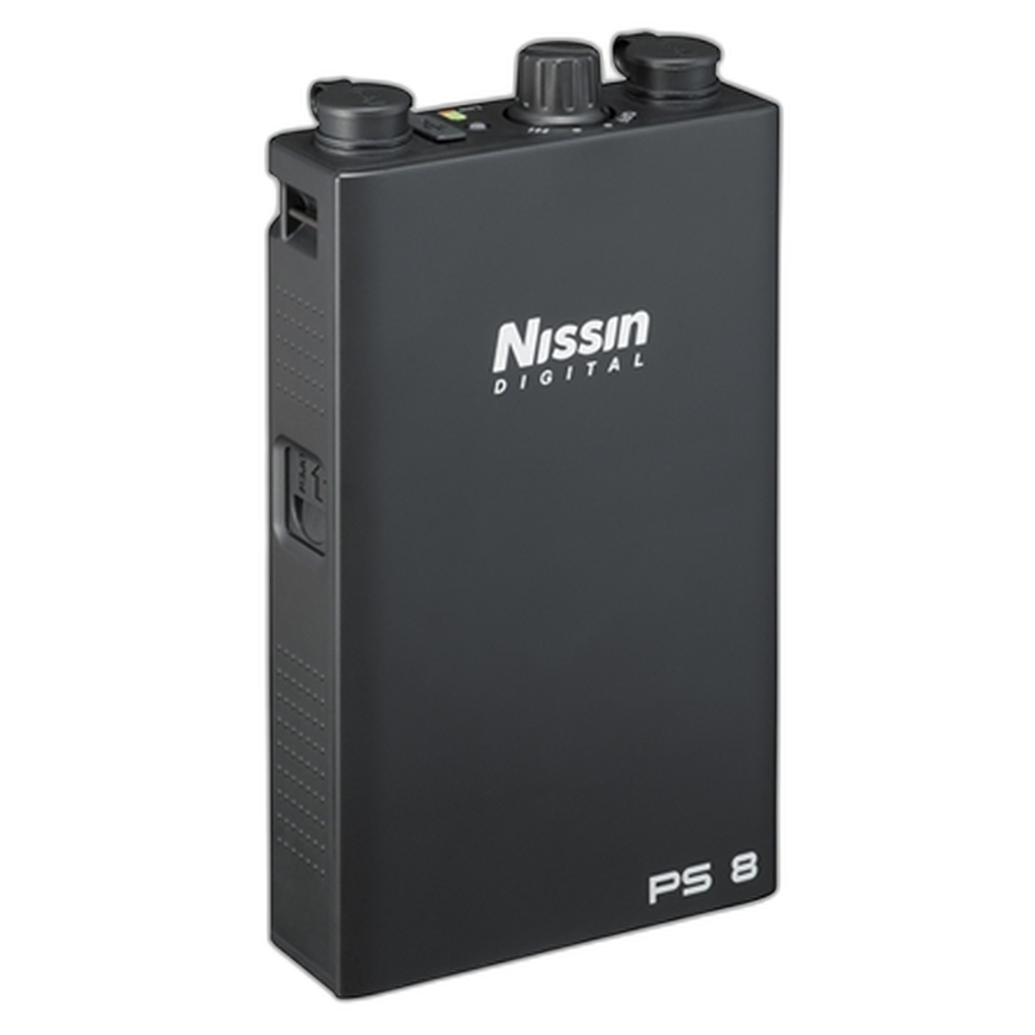
Long photo/video days demand reliable power. Event and location shooters often benefit from battery solutions that support extended use. For compatible flash-based workflows, the Nissin PS 8 Power Pack for Select Canon Cameras may help streamline demanding assignments where fast recycle and dependable power matter.
Monitoring and Viewing
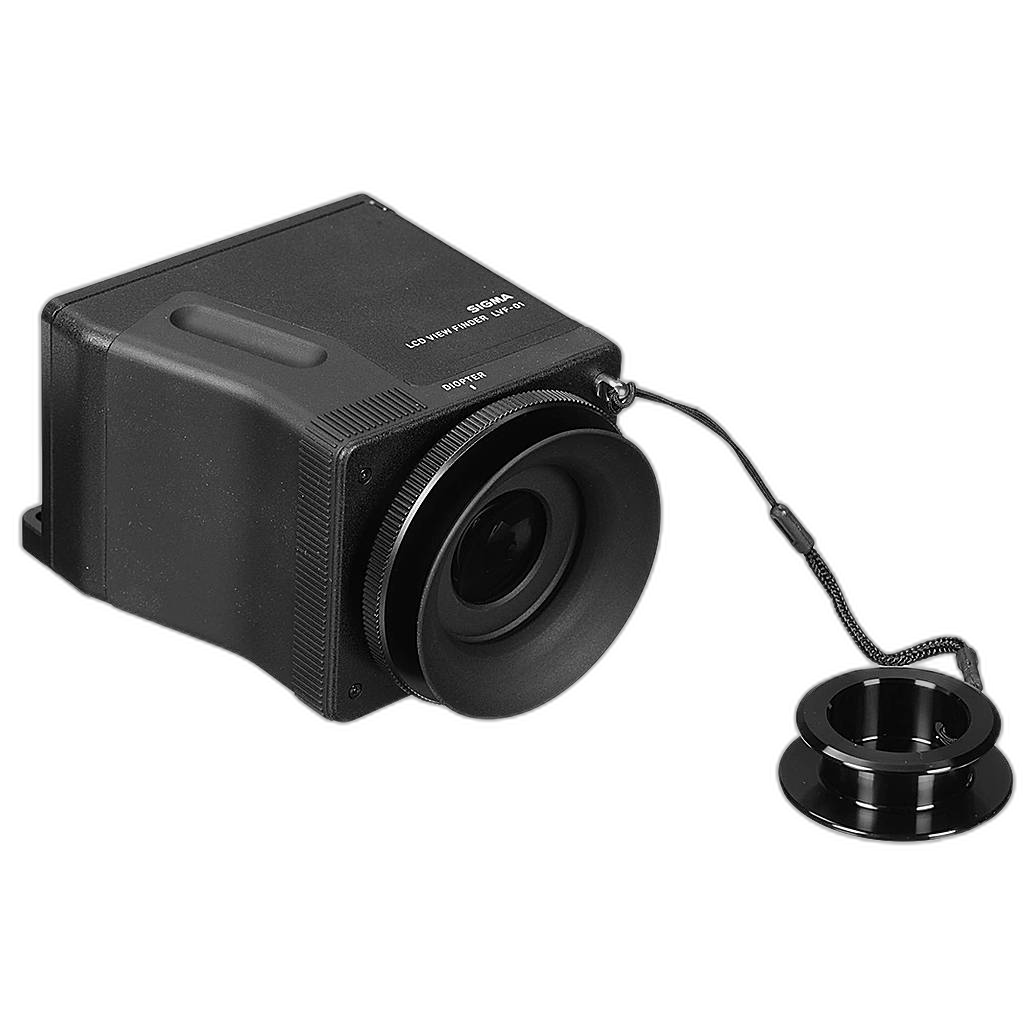
Clear monitoring is important outdoors and in bright conditions. While modern hybrid cameras often include strong rear screens and EVFs, some photographers and specialty shooters also appreciate tools that improve viewing comfort. The Sigma LVF-01 LCD Viewfinder for Sigma DP Quattro Cameras is an example of an accessory built to improve screen visibility and framing in challenging light.
Protection and Long-Term Ownership
For professionals investing in camera systems used on client jobs, protection plans can also be part of the buying decision. If your hybrid workflow expands into cinema-oriented Canon bodies, service options like Canon CarePAK PRO EOS Cinema Cameras coverage may be worth considering through Unique Photo for added peace of mind.

How to Choose the Right Hybrid Camera for Your Budget
The best camera for hybrid photo/video shooters depends on your actual workload more than your wishlist. Here’s a simple way to narrow it down:
Entry-Level Hybrid Buyers
Focus on autofocus, ease of use, flip-screen design, and good 4K quality. You likely don’t need advanced codecs or high-end media formats right away. Prioritize a system with room to grow, especially in lenses and accessories.
Enthusiast Creators
Look for 10-bit video, stronger stabilization, better battery life, and improved subject tracking. This is often the sweet spot for photographers who increasingly deliver video to clients.
Professional Hybrid Shooters
Pros should pay close attention to dual card slots, weather resistance, rolling shutter control, dependable thermal management, color science, dynamic range, and lens availability. Workflow features matter just as much as image quality.
Common Mistakes Hybrid Shooters Make
Many buyers overemphasize one spec and ignore the total system. A few common mistakes include:
- Buying a high-resolution body without budgeting for quality lenses
- Choosing video specs they will never actually use
- Ignoring ergonomics and menu design
- Overlooking battery and storage costs
- Forgetting about audio needs for video work
- Skipping stabilization considerations for handheld shooting
At Unique Photo, the smartest hybrid purchases are usually system-based decisions rather than body-only decisions.
Final Thoughts on the Best Cameras for Hybrid Photo/Video Shooters
The best hybrid camera is the one that supports how you really shoot. For some creators, that means a compact mirrorless body with easy autofocus and clean 4K. For others, it means a higher-end system with advanced codecs, superior dynamic range, and professional controls. The right answer depends on your mix of photography, video, client needs, and preferred lens ecosystem.
Unique Photo is a great place to explore hybrid-ready cameras, lenses, accessories, and protection options as you build a setup that works across both stills and motion. If you’re planning your next upgrade, consider pairing your camera search with the right ultra-wide lens, creator accessory kit, power solution, or service coverage to create a more complete hybrid workflow.
For internal linking opportunities, consider guiding readers to related pages such as mirrorless cameras, Sony E-mount lenses, camera accessories, video accessories, and used camera gear on Unique Photo.