For creators who shoot both stills and video, the search for the best hybrid camera is really about efficiency. You want one body that can capture sharp photos, record high-quality video, track subjects reliably, handle audio well, and fit smoothly into your editing workflow. Instead of constantly switching between a dedicated photo camera and a separate cinema setup, many photographers and content creators are now looking for a single versatile solution.
At Unique Photo, this is one of the most common conversations among customers upgrading their gear. Whether you shoot weddings, events, documentary work, social media campaigns, interviews, or travel content, a strong hybrid camera setup can help you move faster and carry less while still delivering professional results.
What Is a Hybrid Camera and Why Are So Many Creators Choosing One?
A hybrid camera is designed to perform well for both photography and video. Unlike older camera generations that were clearly optimized for one discipline, today’s leading mirrorless models combine high-resolution sensors, advanced autofocus, strong burst rates, and increasingly professional video tools in a single body.
This makes them especially appealing for:
- wedding photographers who also deliver highlight films
- commercial shooters producing stills and short-form branded video
- content creators filming reels, YouTube videos, and product photography
- event professionals moving quickly between candid moments and interviews
- travel shooters who want to minimize kit weight
The biggest advantage is flexibility. A good hybrid camera lets you respond to the scene in front of you without changing systems. That means fewer missed moments and a more streamlined workflow from capture to delivery.
Best Hybrid Camera Features for Stills and Video
If you are comparing the latest hybrid cameras, start by looking beyond megapixels alone. The best hybrid camera for photography and video should balance imaging performance with real-world usability.
Sensor Performance and Image Quality
Still photographers care about dynamic range, color depth, low-light performance, and resolution. Videographers often prioritize readout speed, rolling shutter control, oversampled 4K, and clean high ISO output. The strongest hybrid cameras manage to do both well, giving you enough resolution for large prints or cropping without sacrificing video quality.
In practice, many buyers find that a moderate-to-high resolution sensor offers the best compromise. Extremely high megapixel counts can be excellent for commercial stills, but they may increase file sizes and affect workflow if you also shoot lots of video.
Video Resolution, Frame Rates, and Codecs
When shoppers search for the best camera for photo and video, video specs are often the deciding factor. Important considerations include:
- 4K quality and whether it is oversampled from a higher-resolution readout
- 6K or open-gate recording for reframing and vertical crops
- high frame rate options for slow motion
- 10-bit internal recording for better color grading
- Log profiles for dynamic range and matching footage
- All-I or long GOP codec options depending on your workflow
If you edit heavily or shoot client work, robust codec choices can make a huge difference. A camera that captures great footage is only part of the story; you also want footage that is manageable in post.
Autofocus for Photo and Video
Autofocus is one of the biggest reasons creators upgrade to a modern hybrid camera. Reliable eye detection, subject recognition, and video AF transitions can dramatically improve your keeper rate.
For stills, look for fast acquisition and dependable tracking during bursts. For video, smooth focus transitions and stable face or eye detection are especially important if you work solo. If you shoot interviews, gimbal footage, or walk-and-talk content, autofocus reliability may matter more than one extra stop of dynamic range.
In-Body Image Stabilization
In-body image stabilization helps both sides of hybrid shooting. Photographers benefit from slower handheld shutter speeds, while video shooters get steadier footage for handheld clips, run-and-gun coverage, and travel work. It does not replace a tripod or gimbal, but it expands what you can shoot without additional gear.
How to Compare Hybrid Cameras for Video Quality
Two cameras can both advertise 4K video and still deliver very different results. If video performance is a major part of your business, look deeper into how the camera records.
Oversampled 4K vs Cropped 4K
Oversampled 4K usually provides more detail and a cleaner image. Cropped 4K can still be useful, but it changes your field of view and may complicate lens choices, especially for vlogging, interiors, or event coverage.
Rolling Shutter
Rolling shutter matters if you shoot fast motion, handheld movement, sports, or quick pans. Hybrid shooters often underestimate this until they start filming more seriously. Faster sensor readout generally gives more natural motion and fewer artifacts.
Recording Limits and Heat Management
If you cover long interviews, ceremonies, podcasts, or live events, overheating and clip limits matter. A great hybrid camera should be dependable across longer recording sessions, not just in short test clips.
For creators building out a more capable monitoring and recording setup, an external monitor-recorder can be useful. Unique Photo also carries options such as the Used Blackmagic Design Video Assist 7 12G-SDI/HDMI HDR Recording Monitor, which can help with monitoring, exposure tools, and certain external recording workflows depending on your camera system.

Autofocus, Tracking, and Real-World Hybrid Shooting
Searches for the best autofocus hybrid camera usually come from photographers who have started doing more video. In stills, a slightly imperfect AF system may be manageable. In video, especially solo video production, weak autofocus becomes much more disruptive.
Look for cameras that offer:
- eye AF for humans, animals, or vehicles where relevant
- subject tracking that stays sticky under motion
- customizable AF speed and responsiveness in video mode
- strong low-light autofocus performance
- minimal focus pulsing in continuous AF
If your work includes weddings, events, documentary, or branded content, autofocus consistency can be the difference between an efficient one-person setup and a frustrating reshoot.
Audio Features to Look for in a Hybrid Camera
One of the biggest gaps between a basic creator camera and a truly useful hybrid camera is audio support. Great visuals are only half the project. If your work includes interviews, speeches, client testimonials, or educational content, sound quality is essential.
When comparing hybrid camera options, prioritize:
- a microphone input
- a headphone jack for monitoring
- manual audio level control
- clean preamps or compatibility with digital audio accessories
- multi-interface options if available in your camera ecosystem
Even if your camera is strong on internal video specs, poor audio handling can slow down production and post. Many hybrid shooters eventually add external microphones, recorders, or wireless systems as their projects grow.
Best Hybrid Camera Workflow Considerations
Workflow is often overlooked when people compare cameras, but it has a huge impact on long-term satisfaction. The best hybrid camera is not just the one with the best spec sheet. It is the one that fits your editing, storage, delivery, and shooting habits.
File Sizes and Editing Performance
High-bitrate 10-bit footage and large RAW stills are great, but they can quickly strain storage and editing hardware. If you shoot volume work, think about how quickly your files move from camera to backup to final edit.
Color Matching and Profiles
If you produce both stills and video for the same client, color consistency matters. Cameras with reliable color science and flexible profiles can help your final gallery and film feel more cohesive.
External Monitoring and Collaboration
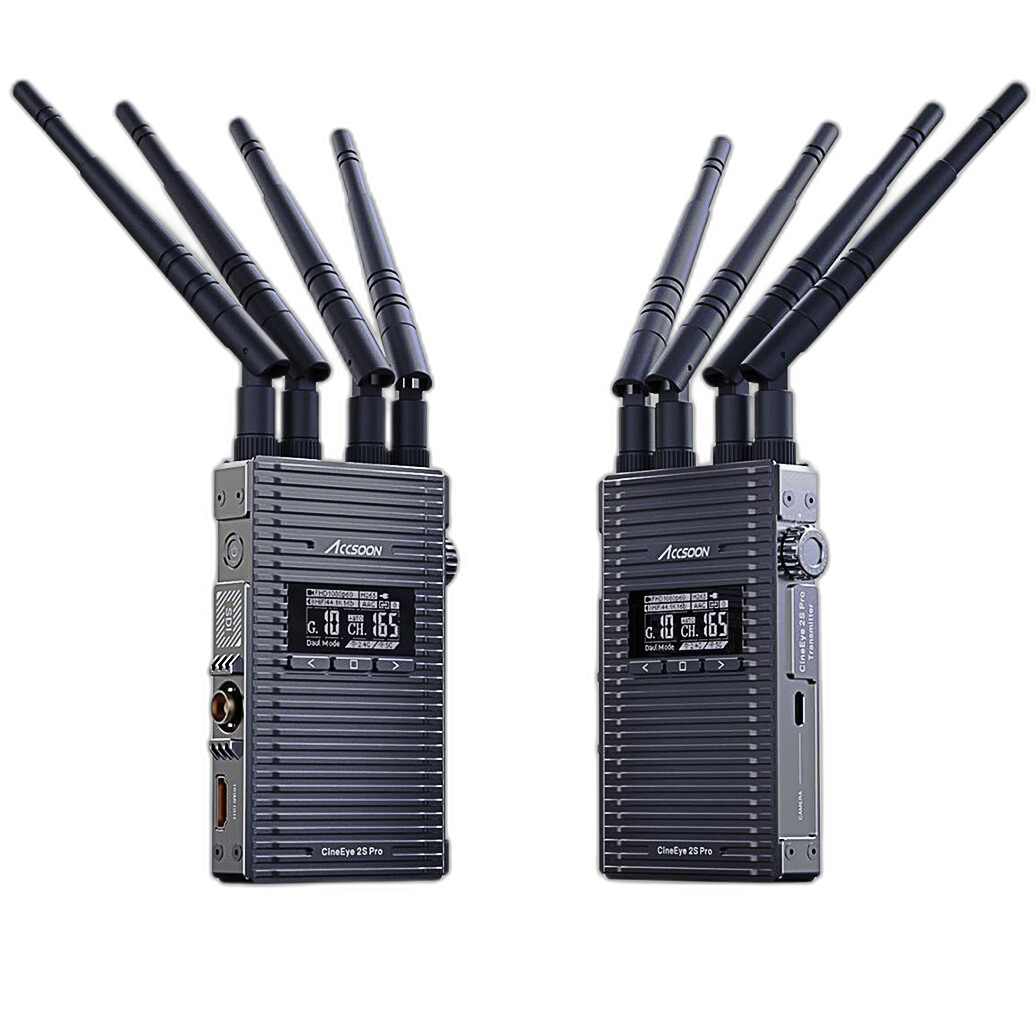
As your productions become more complex, external monitoring can make a big difference. For example, wireless video transmission tools can help clients, assistants, or directors view the shot without crowding the camera. Unique Photo often stocks useful accessories for this style of setup, including used gear like the Accsoon CineEye 2S Pro Wireless Video Transmitter for creators looking to build a more collaborative video workflow on a budget.
Do You Need a Dedicated Cinema Camera or Is a Hybrid Camera Enough?
This is one of the most important questions for creators shopping at Unique Photo. The answer depends on your ratio of stills to video and the complexity of your productions.
A hybrid camera is often enough if you:
- regularly switch between photo and video during the same assignment
- work solo or with a small crew
- need a lightweight travel-friendly system
- deliver short-form commercial, event, wedding, or social media work
- want strong quality without carrying multiple bodies built for different tasks
A dedicated cinema camera may make more sense if you:
- rarely shoot still photos
- need built-in ND filters, timecode, and advanced rigging options
- record very long interviews or productions routinely
- depend on pro video connections and larger on-set workflows
For many modern creators, though, a high-end hybrid mirrorless camera is the sweet spot. It covers the majority of paid work while keeping the kit simpler and more portable.
Accessories That Make a Hybrid Camera More Versatile
One reason hybrid systems are so effective is that the right accessories can quickly adapt them to different jobs. Instead of carrying separate specialized camera systems, you can build around one strong body.
Fluid Heads and Tripod Support
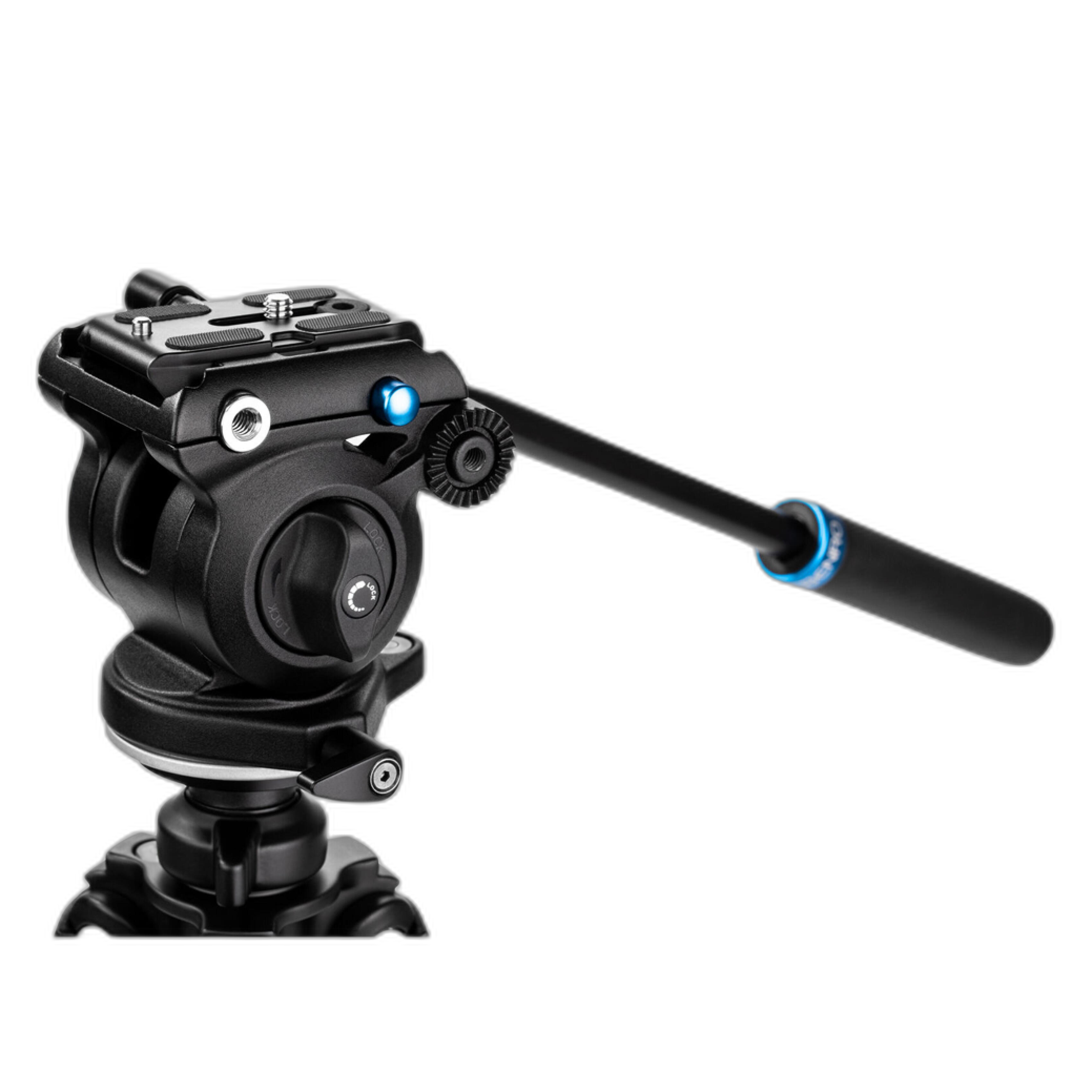
If you are shooting both stills and video, stable support is essential. A product like the Benro S2 PRO Flat Base Fluid Video Head can be a smart addition for smoother pans, interview framing, and controlled motion. It helps a hybrid camera feel more purpose-built for video without losing the flexibility of your core photo kit.
Monitoring and Recording Tools
External monitors improve framing, exposure, focus checking, and client viewing. In some cases, they also unlock recording options that strengthen your post-production pipeline.
Wireless Video Transmission
Wireless transmitters are useful for interviews, small crews, event coverage, and commercial sets where someone other than the camera operator needs to monitor the image.
Protection and Warranty Coverage
Because hybrid cameras often see heavy use across many types of assignments, warranty coverage is worth considering. Unique Photo offers options like Mack Camera warranties, including plans for still and video gear that can add peace of mind for creators investing in a more capable all-in-one setup.

Who Should Buy a Hybrid Camera?
The best hybrid cameras are ideal for a wide range of users, but they are especially attractive for creators who cannot afford to miss moments while changing rigs.
A hybrid camera is a strong choice for:
- wedding professionals who deliver both photo galleries and films
- content creators making vertical video, thumbnails, lifestyle images, and branded posts
- event shooters covering speeches, portraits, and b-roll in the same day
- commercial teams producing still campaigns alongside motion clips
- travel and documentary shooters who need compact versatility
If that sounds like your workload, a hybrid camera is likely a better long-term value than maintaining separate specialized systems.
How to Choose the Best Hybrid Camera for Your Needs
When narrowing down your options, ask yourself a few practical questions:
- Do you shoot more stills or more video?
- How important is autofocus for your subjects?
- Do you need long recording times?
- Will you color grade heavily?
- How much do file sizes affect your workflow?
- Do you need strong audio controls on-camera?
- Will you build out with monitors, wireless video, or tripod support?
The best camera for photography and videography is not always the flagship model with the biggest numbers. Often, it is the camera that gives you the right mix of image quality, dependable autofocus, manageable workflow, and expandability.
If you are still deciding, Unique Photo is a great place to compare camera bodies, accessories, and even used workflow tools that can help you get more from a hybrid system.
Final Thoughts on the Best Hybrid Cameras for Photo and Video
Hybrid cameras have become the go-to choice for many modern creators because they let you do more with less gear. Instead of constantly swapping between a dedicated stills body and a video-first setup, you can work faster with one adaptable camera that handles both disciplines well.
The most important things to compare are video quality, autofocus, audio support, stabilization, and overall workflow. Once you find the right camera body, the right accessories can make it even more capable. Unique Photo can help you round out that kit with support gear, monitoring tools, wireless video accessories, educational resources, and warranty options.
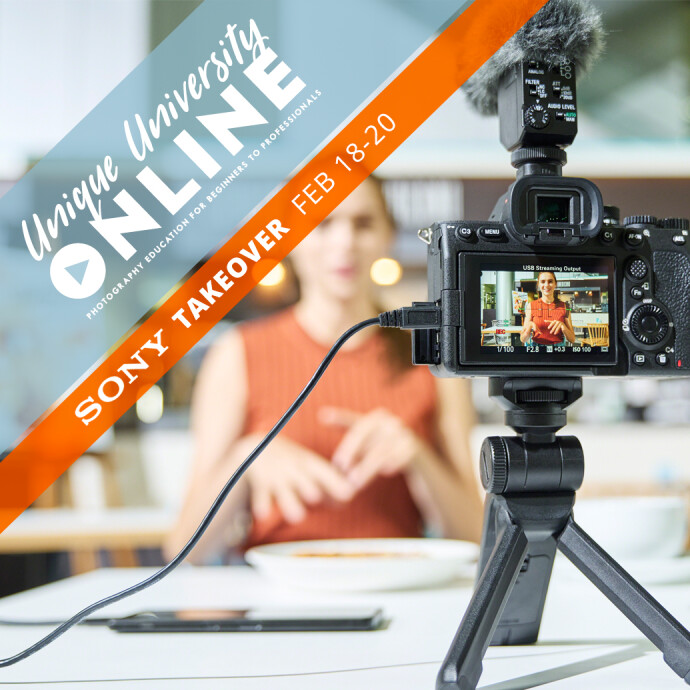
If you are building your hybrid setup, consider exploring related categories at Unique Photo such as mirrorless cameras, video tripods and fluid heads, external monitors and recorders, used video accessories, and warranty coverage. You may also want to check out learning opportunities like UUOnline (Sony Takeover): Videography Basics with Sony if you are sharpening your video skills alongside your gear upgrade.