Sony Lens Compare Beta for Video: What Filmmakers Should Really Evaluate
Comparison tools can be a helpful starting point when you are narrowing down lenses for a video shoot, but filmmakers usually need more than still-photo specs and marketing language. At Unique Photo, we recommend using a lens comparison tool as one part of your research, then translating those results into practical video concerns like focal length coverage, focus behavior, stabilization, size, and how a lens will actually fit your rig and shooting style.
If you are using Sony mirrorless bodies for content creation, documentary work, events, or commercial production, understanding which lens metrics matter most can save time and prevent expensive trial and error. Here are the most important questions videographers should ask when using a comparison tool for lens selection.
What is the Sony Lens Compare Beta most useful for in video planning?
For video shooters, a comparison tool is most useful for quickly identifying broad differences between lenses: focal length range, maximum aperture, likely use cases, physical size, and whether a lens includes optical stabilization. Those are the factors that immediately affect framing options, low-light flexibility, handheld shooting, and whether a lens can live on your camera all day or is better reserved for specialized setups.
For example, if you are choosing between an ultra-wide dramatic perspective and a general-purpose run-and-gun zoom, the differences are obvious on paper. The Sony FE 12-24mm f/2.8 GM Lens is ideal when you need expansive interiors, architecture, gimbal work in tight spaces, or a bold establishing-shot look on full-frame Sony cameras.
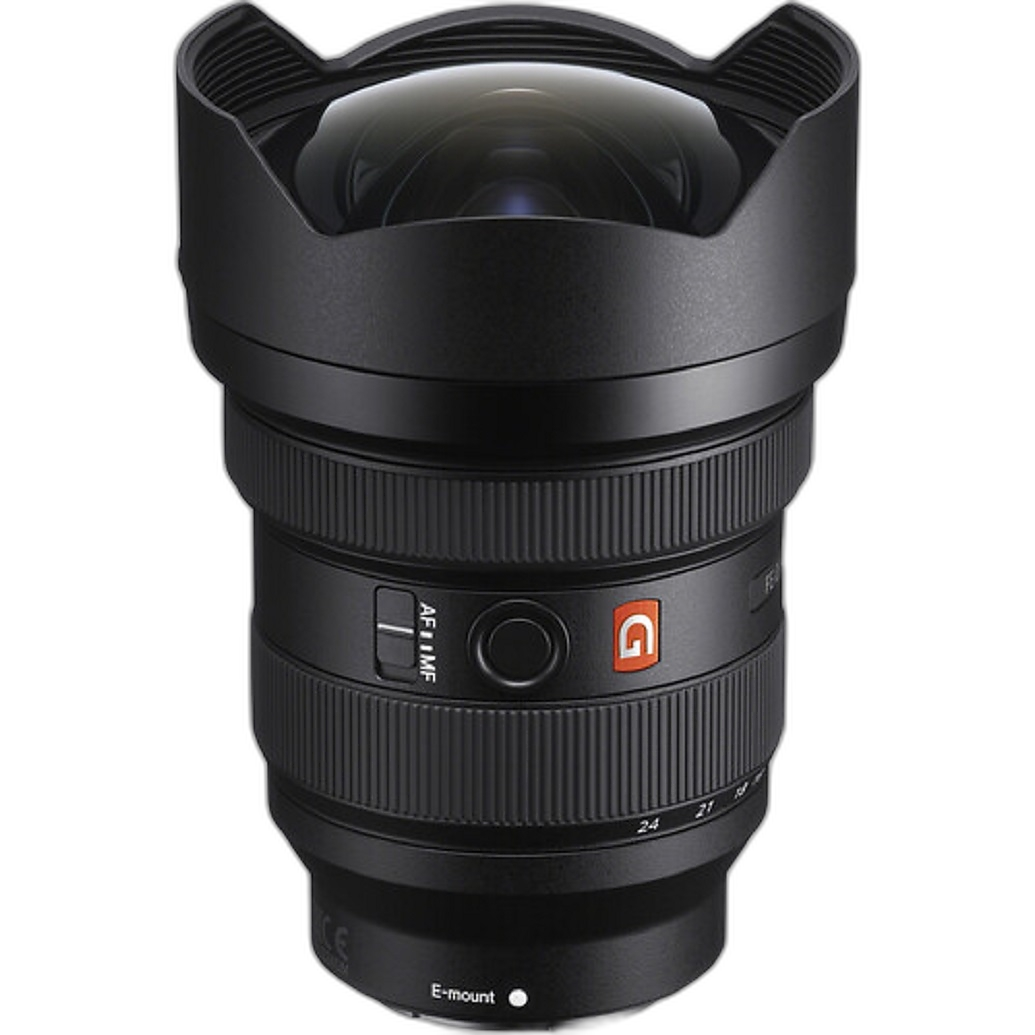
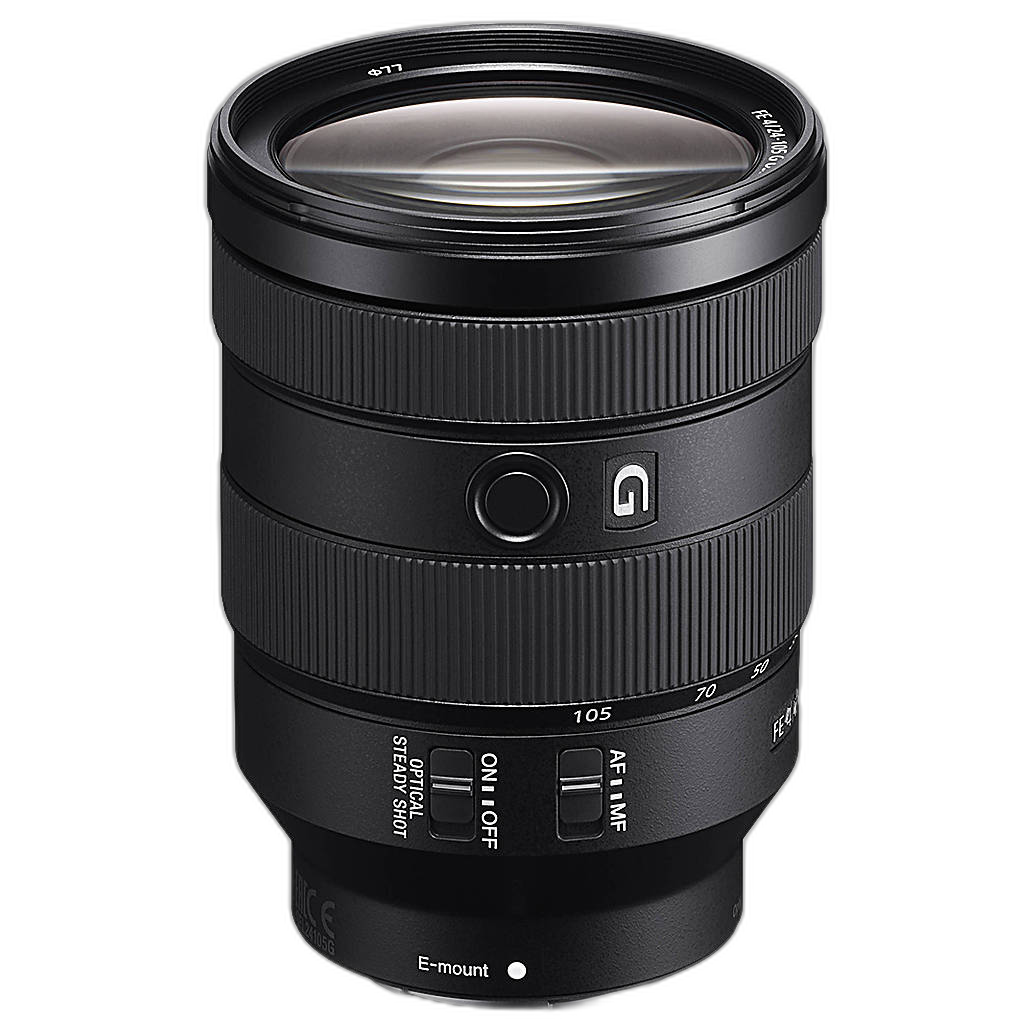
By contrast, the Sony FE 24-105mm f/4 G OSS Lens offers a much more flexible range for interviews, events, documentary coverage, and hybrid photo/video assignments. A comparison tool helps reveal that these lenses are built for very different jobs, even before you dig deeper into handling and rendering.
Which lens specs matter most for video, not just photography?
Videographers should prioritize a slightly different checklist than still photographers. Resolution and maximum aperture are important, but they are only part of the story. For motion work, the most relevant specs usually include focal length, aperture consistency, stabilization, size and weight, close-focus ability, and whether the lens is likely to work well with your support system, such as a gimbal, shoulder rig, tripod, or cage.
On a practical level, focal length determines how often you need to reposition the camera. Aperture affects exposure and subject isolation. Stabilization matters for handheld footage. Physical dimensions affect balance on motorized supports. Even filter compatibility can matter if you use variable NDs regularly.
The Sony FE 24-105mm f/4 G OSS is a strong example of a video-friendly lens because it combines a versatile zoom range with Optical SteadyShot, which can be especially useful for handheld coverage and fast-moving productions. Meanwhile, the Sony FE 12-24mm f/2.8 GM offers a faster aperture and a wider angle of view that suits real estate, travel films, and cinematic environmental shots where space is limited.
How important are focal length comparisons for filmmakers?
Focal length is one of the most important video decisions because it influences storytelling just as much as technical coverage. Wide lenses create a sense of space, movement, and immersion, while midrange zooms make it easier to adapt quickly during live or unscripted shoots. A comparison tool can show numerical differences, but the real question is how those focal lengths support the kind of footage you capture most often.
If you shoot interiors, vlogs, gimbal sequences, or dramatic establishing shots, a lens like the Sony FE 12-24mm f/2.8 GM can be a game changer. The wide field of view gives your footage scale and helps in cramped locations. If you primarily shoot interviews, weddings, corporate content, or documentary coverage, the Sony FE 24-105mm f/4 G OSS may be the more efficient choice because it covers wide, normal, and short telephoto perspectives without frequent lens swaps.
For many filmmakers, the best comparison outcome is not choosing one lens over another, but identifying which lens should be the foundation of a kit and which should be the specialist option.
Does a comparison tool tell you enough about autofocus performance for video?
Not always. Autofocus performance in video depends on more than whether a lens supports AF. Filmmakers care about how smoothly focus transitions occur, whether the motor is quiet, how reliably the lens tracks faces or subjects, and whether focus changes look natural on screen. A basic comparison tool may not fully communicate those real-world differences.
This is why we suggest treating autofocus data as a starting point, then matching lens choice to your workflow. Solo shooters, event videographers, and creators who rely heavily on continuous AF may prefer modern Sony native lenses because they are designed to work closely with Sony's video-oriented autofocus features. The Sony FE 24-105mm f/4 G OSS is especially appealing in this context because its zoom range reduces the need to interrupt a shoot for lens changes while still supporting modern camera-body AF systems.
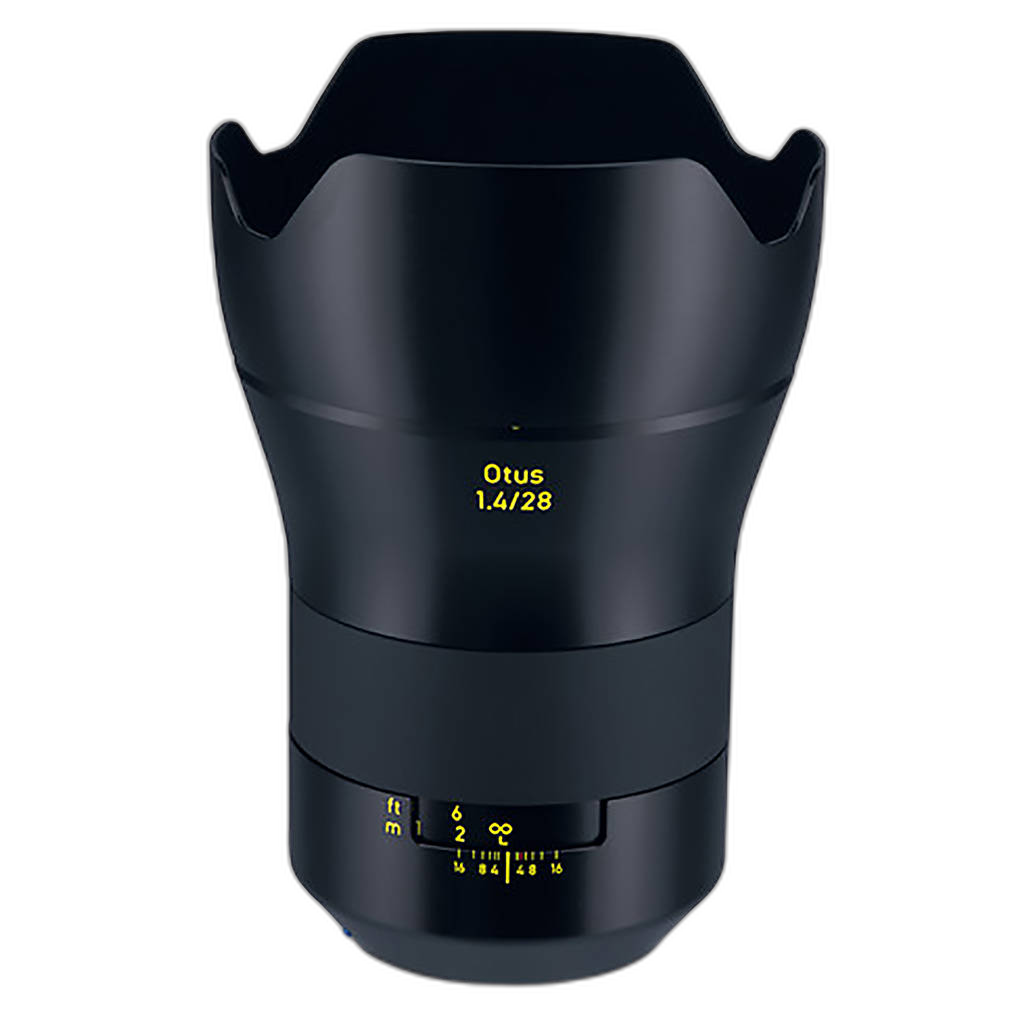
By contrast, some filmmakers intentionally choose manual-focus-oriented glass for a different creative feel. A lens such as the Zeiss 28mm f/1.4 OTUS Manual Focus Lens represents a very different shooting style, where tactile manual control and image character may matter more than autofocus convenience.
What video-specific features are often missing from lens comparison tools?
This is where many filmmakers want more detail. A stills-focused comparison may not emphasize focus breathing, parfocal-like behavior, manual focus feel, iris smoothness, balance on a gimbal, or how a lens behaves during a focus pull. Those factors can be critical in narrative, commercial, and documentary video work.
For example, a lens might look perfect on a spec sheet but feel front-heavy on a compact gimbal. Another may be optically excellent yet inconvenient for variable ND workflows because of front element design. Ultra-wide lenses can be especially tricky here. The Sony FE 12-24mm f/2.8 GM offers stunning width and speed, but as with many specialized ultra-wides, filmmakers should also consider practical rigging and filtration implications when building a shooting kit.
Likewise, comparison tools rarely explain how comfortable a lens feels for repeated manual adjustments or whether the zoom range is easy to manage during live capture. Those are things you notice quickly when handling gear in person.
Should videographers care about optical stabilization in a lens comparison?
Yes, especially if you shoot handheld, travel, events, documentary, or any project where a tripod or gimbal is not always practical. In-lens stabilization can complement camera-body stabilization and help produce steadier footage in real-world scenarios. Even when your camera offers excellent internal stabilization, optical stabilization in the lens can still improve usability at longer focal lengths.
The Sony FE 24-105mm f/4 G OSS Lens stands out here because its built-in stabilization makes it a smart choice for creators who need an all-around video zoom. If you are moving between wide coverage, medium shots, and tighter frames during a single assignment, OSS can make that flexibility more usable in the field.
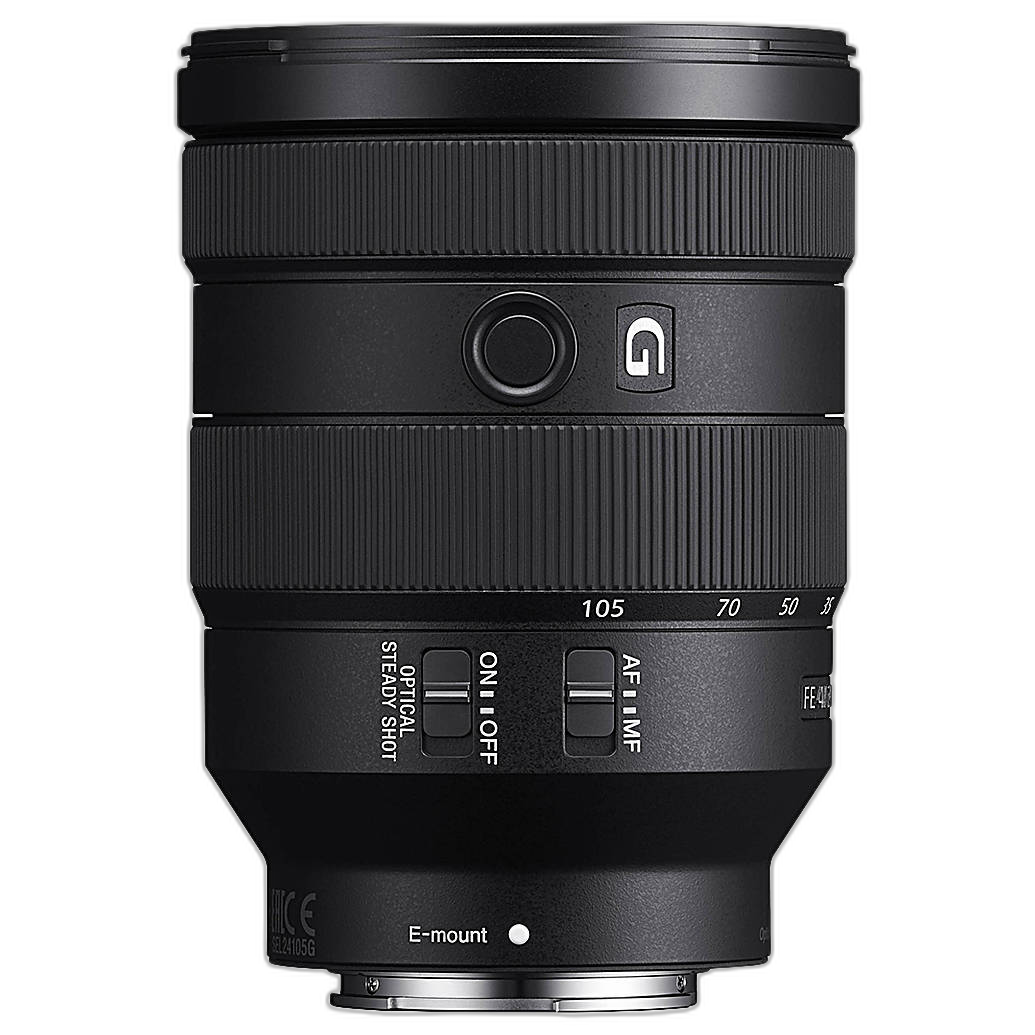
On the other hand, if your work is mostly gimbal-based, tripod-based, or intentionally wide where shake is naturally less obvious, you may place more value on aperture and field of view than on lens stabilization alone.
Can older or manual lenses still make sense for video work?
Absolutely. Many filmmakers intentionally use older or manual-focus lenses for their rendering, mechanical feel, or budget-friendly entry into a more character-driven look. While these lenses may not integrate with modern comparison tools in the same way as current native Sony lenses, they can still play an important role in a video kit.
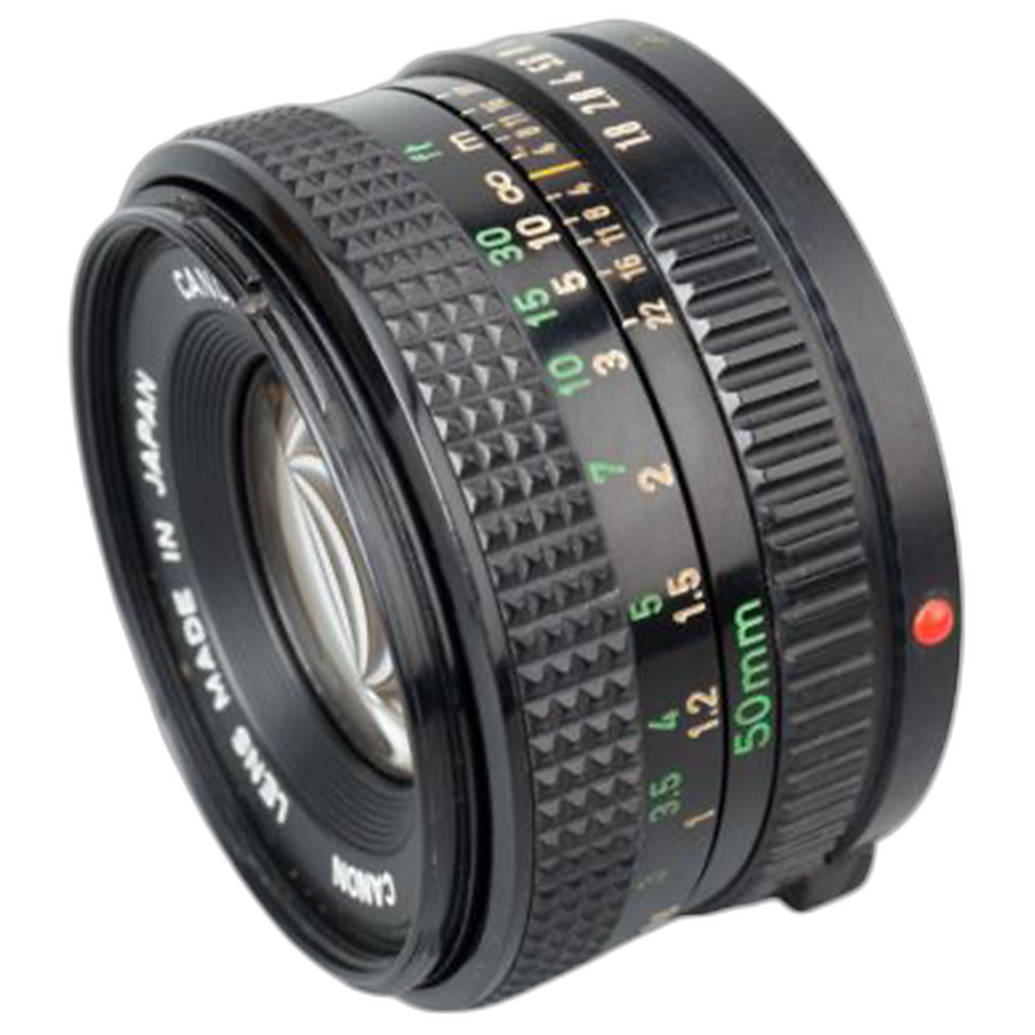
A good example is a classic manual lens like the Used Canon FD 50mm f/1.8 Lens - Good. Adapted vintage glass can be attractive for controlled shoots where autofocus is not essential and a softer, more organic image is welcome. It can also be a cost-effective option for experimenting with manual focus technique and lens character.
Similarly, highly refined manual-focus optics like the Zeiss 28mm f/1.4 OTUS appeal to filmmakers who want precision and a deliberate operating style. These choices will not be right for every production, but they highlight why comparison tools should never be the only source of information.
How should you choose between a specialized wide zoom and an all-purpose standard zoom for video?
The answer usually comes down to your most common assignments. If your work regularly involves cramped interiors, dynamic movement, architecture, travel, action, or immersive environmental storytelling, the Sony FE 12-24mm f/2.8 GM is the kind of lens that solves problems few other lenses can. It is a specialist tool with premium performance for high-impact wide-angle video.
If you need one lens to cover a wide variety of assignments with minimal interruptions, the Sony FE 24-105mm f/4 G OSS is often the more practical choice. It gives you a broad working range for interviews, B-roll, event coverage, and quick composition changes, making it one of the most versatile options for Sony hybrid shooters.
Many video kits eventually include both types of lenses: one that provides maximum versatility and one that opens up a more specialized visual style. A comparison tool can help identify the gap in your current setup, but your shooting history should guide the final decision.
What is the best way to use a comparison tool before buying a lens?
Start by narrowing your options based on focal length, aperture, and stabilization. Then ask more video-specific questions: Will this lens live on your camera for long shoots? Does it fit your support gear? Do you rely on autofocus or manual focus? Are you prioritizing speed, flexibility, compactness, or a particular cinematic look?
Once you have a shortlist, it helps to compare lenses against real shooting needs instead of only lab-style metrics. A documentary filmmaker may prioritize range and stabilization, making the Sony FE 24-105mm f/4 G OSS especially compelling. A commercial shooter building dramatic location visuals may get more value from the expansive perspective of the Sony FE 12-24mm f/2.8 GM. And a filmmaker exploring stylized manual focus work may want to supplement modern autofocus glass with something like a vintage Canon FD lens or a premium manual-focus Zeiss option.
At Unique Photo, we recommend using online comparisons to narrow the field, then pairing that research with hands-on evaluation and expert guidance. If you are ready to build out a Sony video lens kit, shop with Unique Photo to explore the right lenses for your camera, your workflow, and the kind of footage you want to create.