If you’re researching whether third-party lenses are worth buying, you’re probably trying to stretch your budget without giving up image quality, autofocus performance, or long-term system reliability. That’s a smart question—and one photographers ask all the time. Third-party lenses from brands like Sigma, Tamron, Samyang, and others can offer excellent value, but the right answer depends on your camera system, what you shoot, and how much convenience matters to you.
For many photographers, third-party lenses are worth it when they offer a focal length, aperture, size, or price advantage over first-party options. But there’s also a strong case for starting with a complete camera-and-lens kit from the camera maker itself, especially if you’re new to interchangeable-lens photography and want dependable compatibility right out of the box. That’s where these Canon mirrorless kits stand out: they give you practical, native-lens coverage from wide to telephoto without the guesswork. And if your interest in “multiple lenses” is more about fun experimentation than system building, there’s even a playful film option worth considering.
Third-Party Lenses: When They Make Sense
Third-party lenses can be a great buy for photographers who want more lens for the money. In many systems, they’re popular because they often deliver:
- Lower cost than first-party lenses
- Fast apertures that may be expensive in native-brand equivalents
- Unique focal lengths or compact designs
- Excellent optical quality in many modern designs
That said, there are tradeoffs. Autofocus behavior can vary by brand and camera body, firmware support may matter more, and some systems have more limited third-party options than others. If you want the simplest path with predictable performance, native kits are often the better starting point.
What to Watch Out for Before Buying Third-Party
Before investing in a third-party lens, think about these practical factors:
- Mount support: Some camera systems have broad third-party support, while others are more limited.
- Autofocus reliability: Eye detection, subject tracking, and video AF may perform best with native lenses.
- Firmware updates: Third-party lenses sometimes need updates for the best compatibility.
- Resale and long-term confidence: Native lenses can be easier for some buyers to trust.
- Your experience level: Beginners often benefit more from a balanced camera kit than from chasing individual lens deals.
For Canon RF users in particular, a native two-lens starter kit can be a very sensible alternative to piecing together a kit around hypothetical third-party savings.
Our Pick
Our Pick: Canon EOS R50 Mirrorless Camera (Black) with RF-S 18-45mm and 55-210mm Lenses
If you’re wondering whether it’s worth hunting for third-party glass right away, this kit is the easiest answer for most new photographers and content creators. You get native Canon compatibility, a useful zoom range, and room to grow before you even need to think about expanding your lens lineup.
Recommended Camera Kits and Alternatives
Canon EOS R50 Mirrorless Camera (Black) with RF-S 18-45mm and 55-210mm Lenses
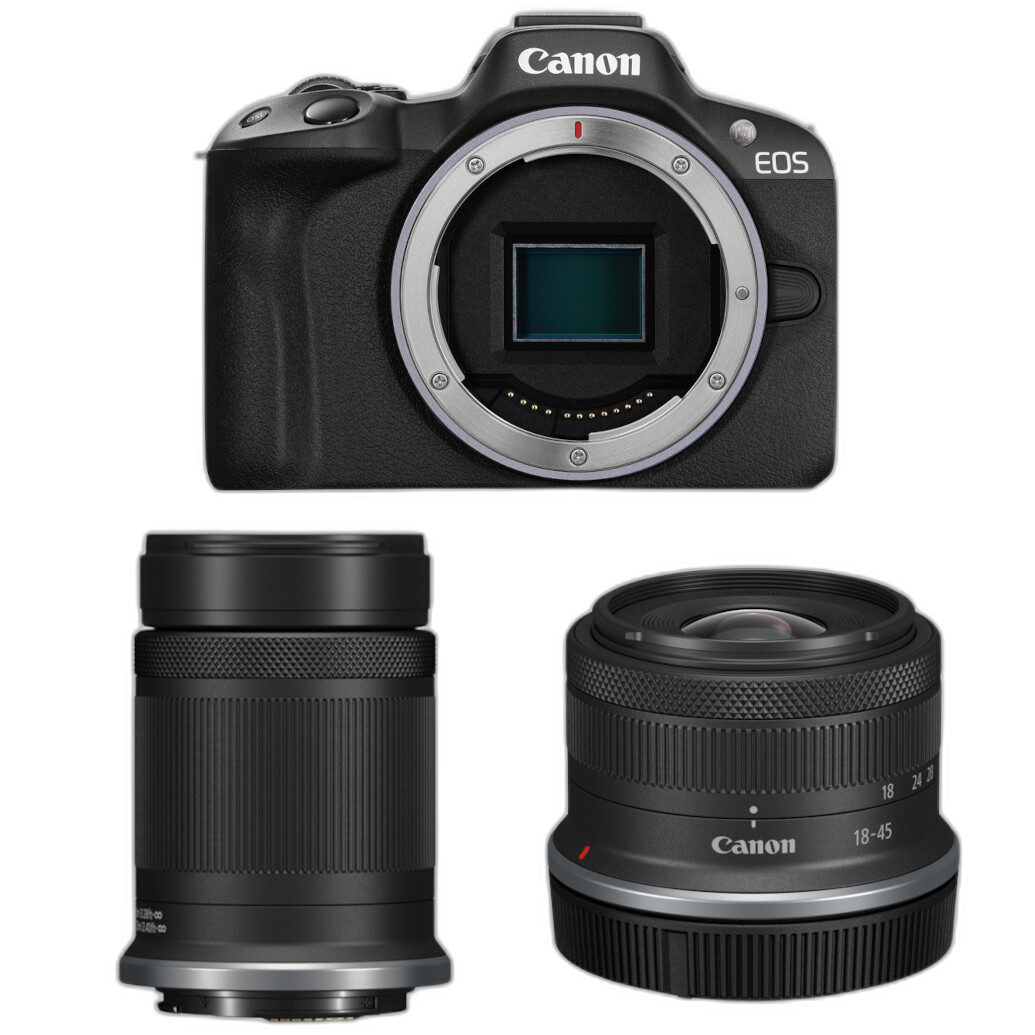
The Canon EOS R50 two-lens kit is one of the best arguments for not overthinking third-party lenses at the start. Instead of spending hours comparing compatibility charts and reviews, you get a clean native setup that covers everyday shooting, travel, portraits, and distant subjects in one purchase.
The included RF-S 18-45mm is a practical walkaround zoom for family photos, casual street shooting, and everyday video. The RF-S 55-210mm extends your reach for sports, wildlife, school events, and compressed portraits. For many beginners and enthusiasts, this is exactly the range they need before adding a specialty prime or faster zoom later.
Why it’s a strong buy:
- Native Canon RF-S lenses for straightforward compatibility
- Versatile focal range from wide to telephoto
- Great for beginners who want to avoid lens confusion
- A smarter starting point than buying a body and hoping a third-party lens ecosystem fits your needs later
Best for: first-time mirrorless buyers, travel shooters, families, and creators who want a flexible all-around kit.
Canon EOS R100 Mirrorless Camera with RF-S 18-45mm and RF-S 55-210mm Lenses
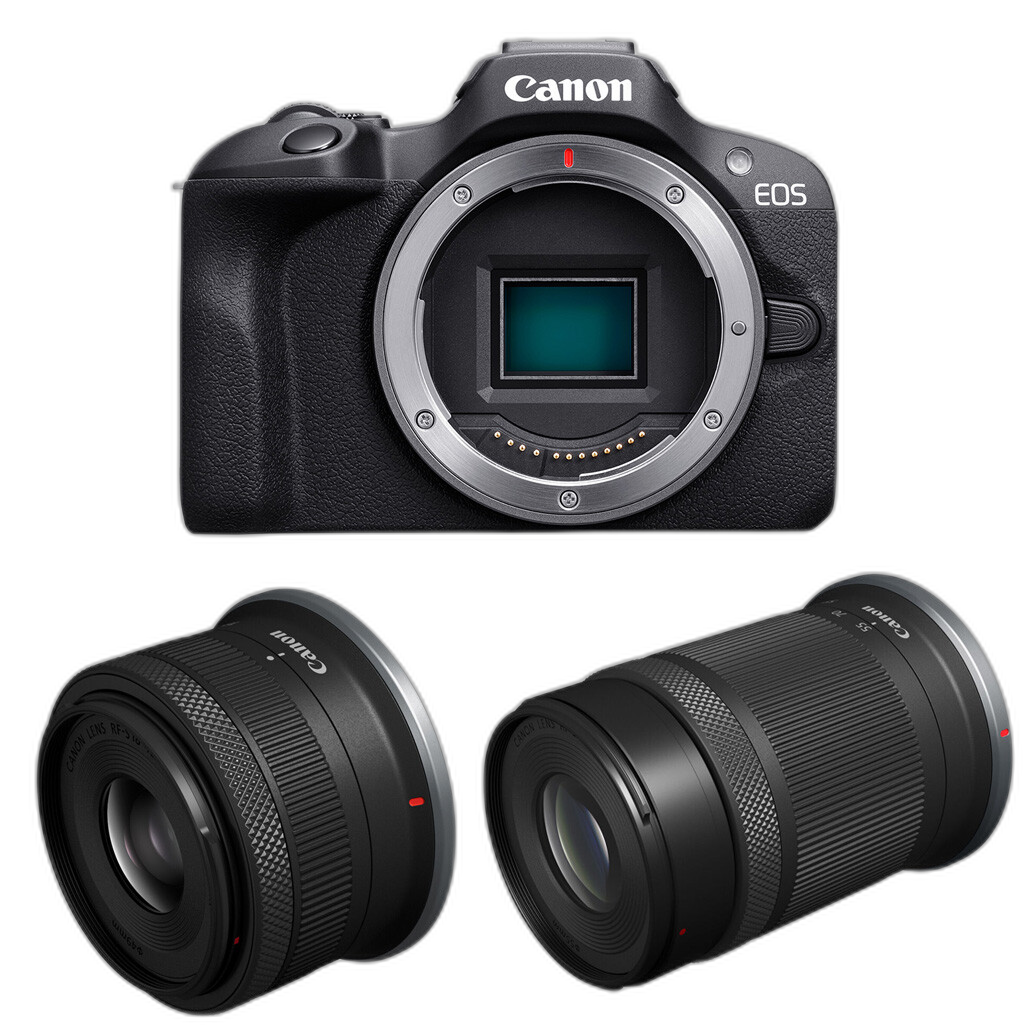
If your main reason for considering third-party lenses is budget, the Canon EOS R100 two-lens kit deserves a serious look. It gives you the same highly practical lens pairing concept—standard zoom plus telephoto zoom—while staying approachable for entry-level photographers.
This is a compelling option for someone stepping up from a smartphone or older compact camera and wanting system flexibility without jumping into expensive lens collecting right away. In other words, it solves the same problem many shoppers try to solve with third-party lenses: getting more shooting options for less money.
Why it’s worth considering:
- Budget-friendly path into Canon mirrorless photography
- Two native lenses included, reducing the need for immediate add-ons
- Excellent for learning focal lengths before deciding what specialty lens you really need
- A practical alternative to piecing together a cheaper but less certain lens setup
Best for: budget-conscious beginners, students, and casual photographers who want room to grow.
Reto 3D Film camera with three lenses and built-in flash
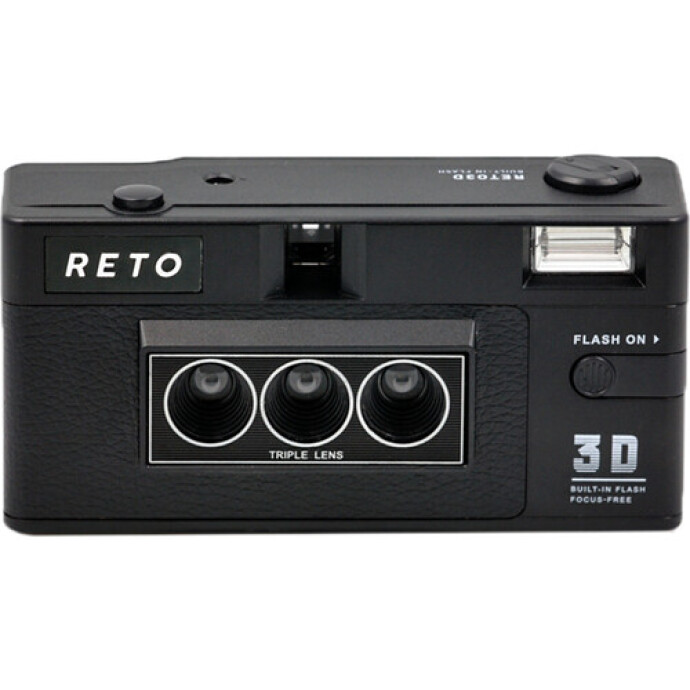
This one is different—but interesting in the context of the conversation. If your curiosity about third-party lenses is really about creative experimentation, unusual rendering, or just having more fun with the shooting experience, the Reto 3D Film camera offers a refreshingly playful alternative.
Rather than building a digital system around interchangeable lenses, this camera leans into novelty and analog character. Its three-lens design and built-in flash make it more of a creative specialty camera than a traditional substitute for a mirrorless kit, but it absolutely speaks to photographers who care about unique visual results over pure technical optimization.
Why it stands out:
- Creative, experimental shooting experience
- Film-based look and feel
- Fun alternative for photographers who enjoy lens effects and visual playfulness
- A reminder that “worth it” isn’t always about specs—it can be about inspiration
Best for: film fans, creative shooters, and gift buyers looking for something different.
Comparison Table
| Product | Type | Lens Setup | Why Buy Instead of Chasing Third-Party Options? | Best For |
|---|---|---|---|---|
| Canon EOS R50 with RF-S 18-45mm and 55-210mm | Mirrorless camera kit | Two native zoom lenses | Balanced native setup with excellent versatility and less compatibility guesswork | Beginners, travel, family, hybrid shooters |
| Canon EOS R100 with RF-S 18-45mm and RF-S 55-210mm | Mirrorless camera kit | Two native zoom lenses | Budget-friendly way to get useful focal lengths immediately | Students, first-time camera buyers, budget shoppers |
| Reto 3D Film camera | Film camera | Three-lens design | Creative fun over system building; ideal if experimentation matters more than ecosystem planning | Film enthusiasts, creative users, gift buyers |
So, Are Third-Party Lenses Worth It?
Yes—if they fill a specific need better than first-party options. Experienced photographers often love them for value, character, or access to focal lengths and apertures that would otherwise cost more. But if you’re still building your first real kit, third-party lenses are not always the best first move.
For many shoppers, a native two-lens Canon kit is the more practical choice because it gives you immediate shooting flexibility, strong compatibility, and a clear path to learn what you actually need next. Once you know whether you want a portrait prime, macro lens, ultra-wide, or faster telephoto, then third-party options become easier to judge intelligently.
Final Recommendation
If you want the most confidence and versatility from day one, the Canon EOS R50 with RF-S 18-45mm and 55-210mm lenses is our top recommendation. If your priority is value, the Canon EOS R100 two-lens kit is a smart, budget-friendly alternative. And if your idea of lens experimentation is more about creativity than system expansion, the Reto 3D Film camera is a fun wildcard.
If you’re still deciding whether to start with native lenses or branch into third-party glass later, Unique Photo is a great place to compare options and build a kit that fits how you actually shoot.