If you're searching for the best camera bags and backpacks for outdoor photography, this guide is for hikers, landscape photographers, wildlife shooters, travel creators, and anyone who needs to protect gear while staying mobile in the field. A great outdoor camera bag should balance comfort, weather resistance, access speed, and enough room for your camera setup without becoming a burden on long days outside.
Because the available product catalog here includes cameras rather than bags, this guide takes a practical approach: we’ll match common outdoor photography bag styles to real camera kits so you can choose the right carrying solution for your shooting style. Whether you're packing a compact everyday setup or a larger multi-lens kit, these recommendations will help you decide what kind of bag or backpack to shop for next.
How to Choose a Camera Bag for Outdoor Photography
Before buying, think about how and where you shoot most often. For outdoor use, the best bag usually comes down to five factors:
- Capacity: Do you carry one camera and lens, or a body plus multiple lenses, filters, batteries, food, and layers?
- Weather protection: Look for durable materials, water resistance, sealed zippers, or room for a rain cover.
- Comfort: Backpack harness design matters if you hike for hours.
- Access: Side access is great for trail shooting; top access works well for quick-grab essentials.
- Weight: The heavier the camera kit, the more important structure and support become.
In general, compact cameras pair well with sling bags or small shoulder bags, lightweight mirrorless kits fit best in daypacks or smaller photo backpacks, and larger professional systems need more structured backpacks with padded dividers and stronger suspension.
Best Bag Types by Outdoor Photography Setup
| Camera Setup | Best Bag Style | Why It Works Outdoors |
|---|---|---|
| Compact fixed-lens camera | Sling bag or padded insert in a hiking daypack | Low weight, easy access, minimal bulk |
| Lightweight mirrorless body + 1-2 lenses | Small photo backpack | Good balance of protection and hiking comfort |
| Mirrorless kit + telephoto + accessories | Medium outdoor camera backpack | More support, divider organization, extra room for layers and snacks |
| Medium format or heavy pro system | Structured backpack with robust harness | Better load transfer and better protection for expensive gear |
| Travel/outdoor hybrid kit | Modular backpack with removable camera cube | Versatile for both shooting and general travel |
Recommended Camera Setups and the Right Bag Style
OM SYSTEM OM-5 Mirrorless Camera (Silver, Body Only)
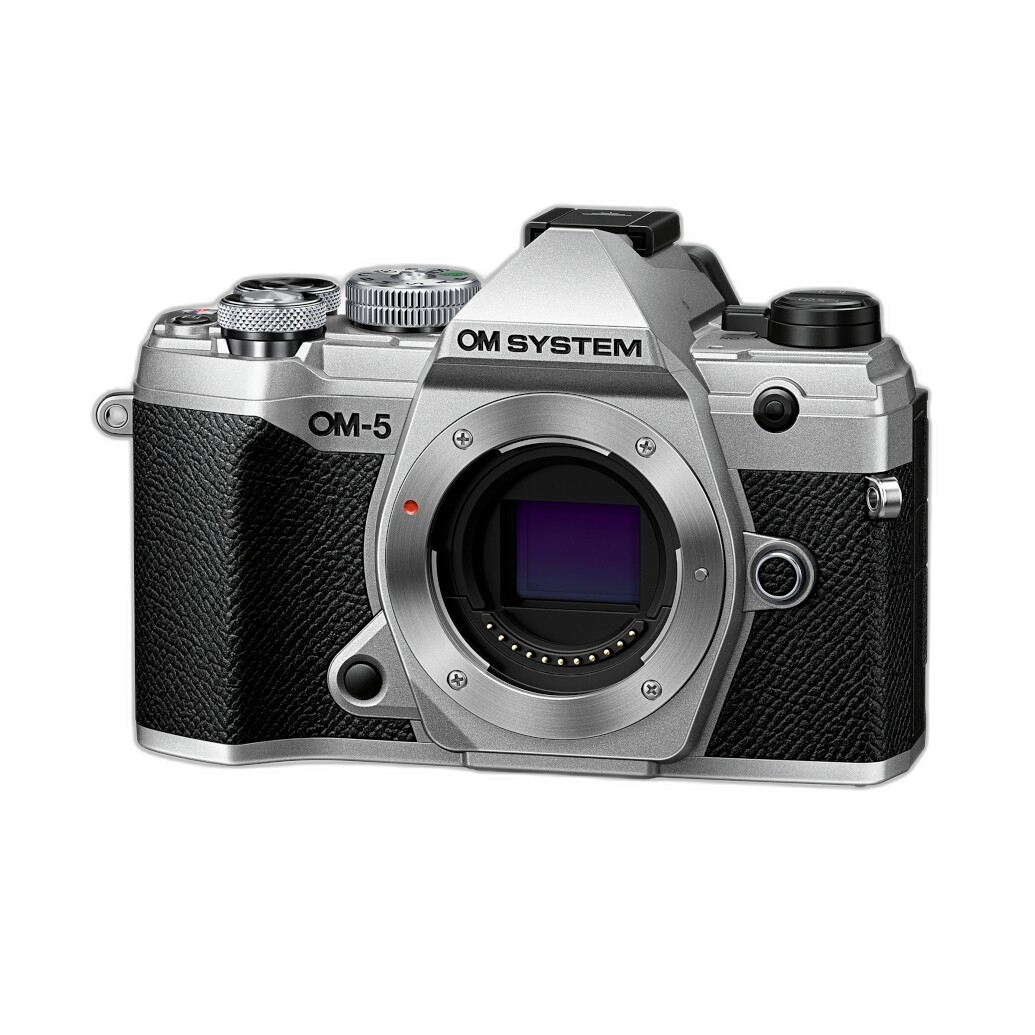
The OM SYSTEM OM-5 is exactly the kind of lightweight outdoor camera body that works beautifully in a compact hiking backpack or a weather-resistant sling. Since many outdoor photographers choose Micro Four Thirds for portability, this camera is ideal for anyone who wants to keep kit weight low on long treks.
Best bag pairing: a small weather-resistant photo backpack or a compact sling with room for the body, 1-2 extra lenses, batteries, and a microfiber cloth.
Why it suits outdoor bags well: the OM-5 encourages a lightweight system, so you don’t need an oversized pack. If you hike frequently, this is one of the easiest camera setups to build around a low-profile bag.
Who it’s best for: hikers, landscape photographers, and travelers who value mobility.
Canon EOS R10 Mirrorless Camera with 18-150mm Lens
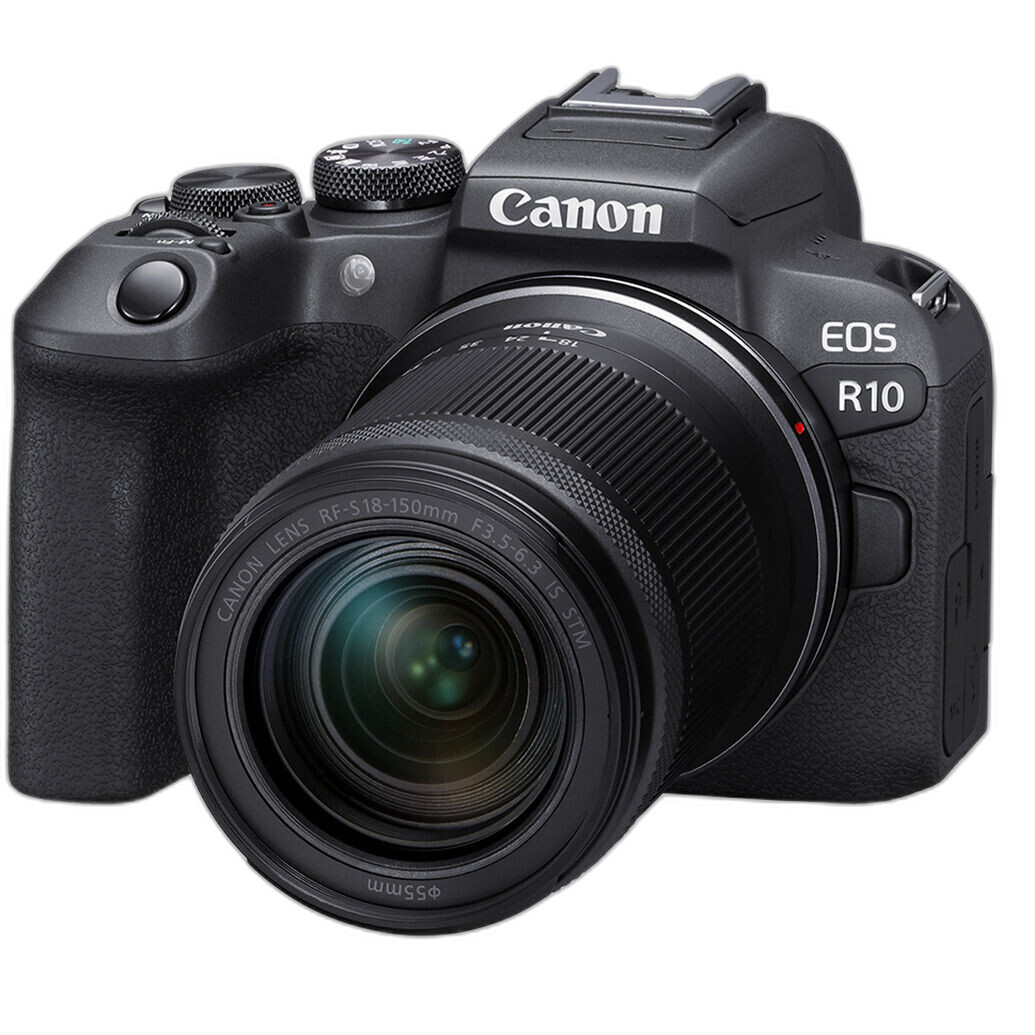
The Canon EOS R10 with the versatile 18-150mm lens is a strong all-in-one outdoor setup. Because this lens covers wide-to-telephoto shooting, many photographers can head out with a single-lens kit, which changes the type of bag they need.
Best bag pairing: a medium sling or small backpack with enough depth for the mounted lens, plus space for a spare battery, memory cards, a light jacket, and a few personal items.
Why it suits outdoor bags well: one-lens convenience means less lens swapping on dusty trails and less need for a large backpack. This setup is ideal if you want a bag that can handle both camera gear and day-hike essentials.
Who it’s best for: general outdoor photographers, family travelers, and beginner-to-intermediate users who want flexibility without overpacking.
FUJIFILM X-T30 III Mirrorless Camera Body - Charcoal Silver
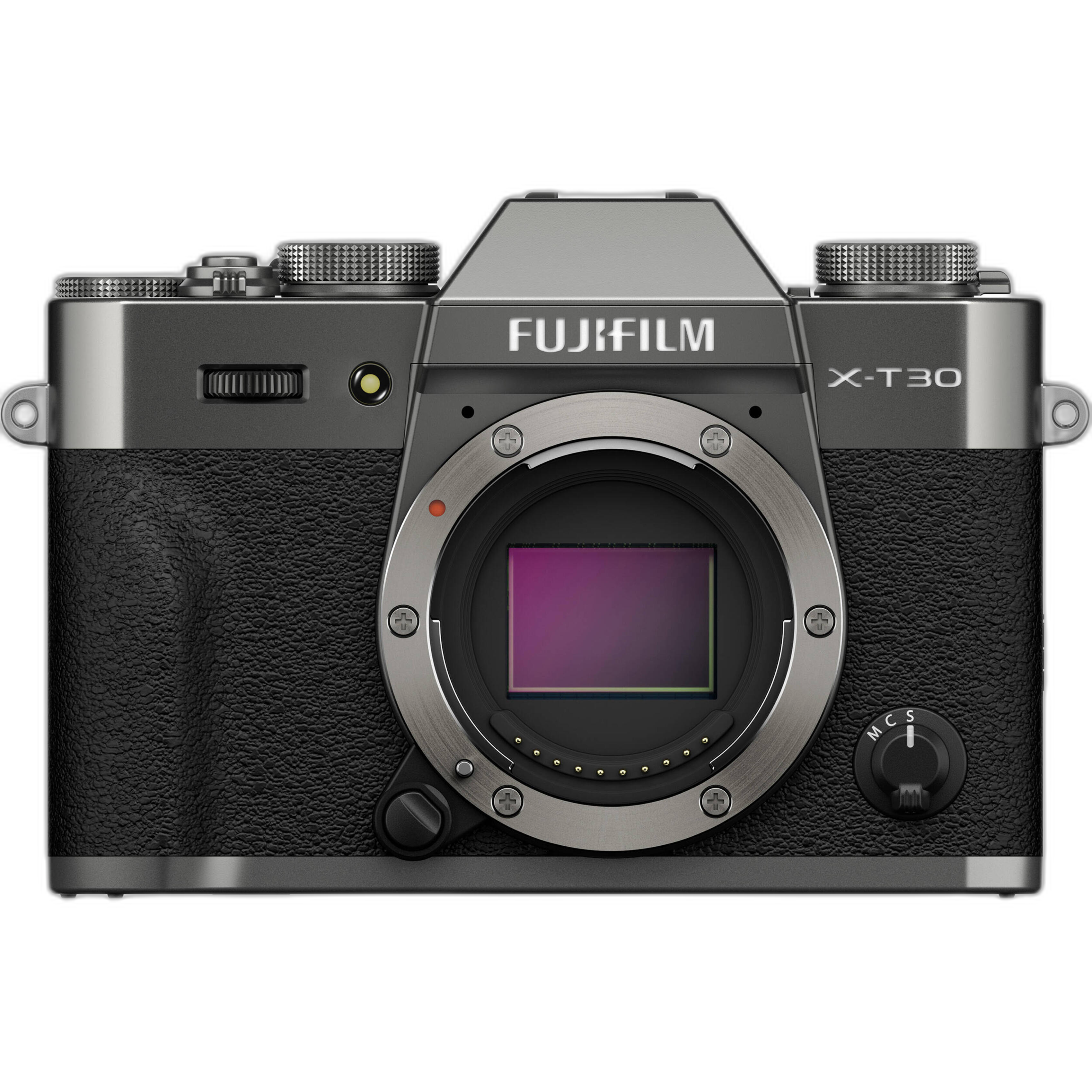
The Fujifilm X-T30 III is another excellent candidate for a compact outdoor bag system. It’s small enough for minimalist carry, yet capable enough for serious landscape and travel photography. If you tend to shoot with a small prime or compact zoom, you can often get away with a smaller sling or messenger-style bag.
Best bag pairing: a compact shoulder bag for quick-access shooting, or a slim backpack for all-day use.
Why it suits outdoor bags well: smaller APS-C kits often fit into bags that don’t scream “camera bag,” which can be useful for travel and casual outdoor use.
Who it’s best for: photographers who want a stylish, lightweight setup for trail walks, scenic travel, and day trips.
FUJIFILM X-T30 III Mirrorless Camera Body with XC13-33mm Lens Kit - Charcoal
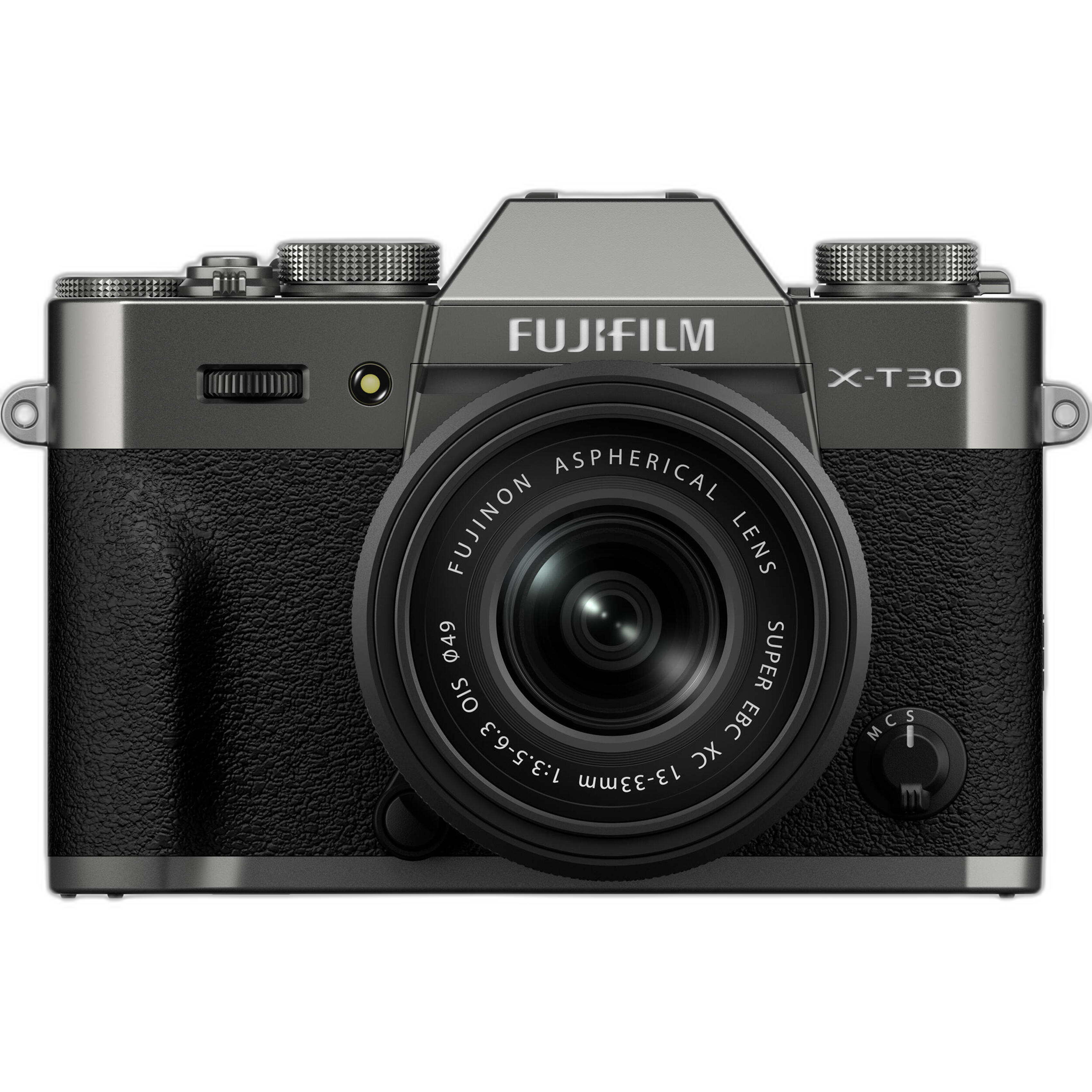
This X-T30 III kit shifts slightly more toward a practical outdoor day kit, since the included lens gives you a ready-to-go shooting range. For photographers who want a bag that handles camera gear plus a few trail essentials, this setup fits nicely into a small photo daypack.
Best bag pairing: a compact backpack with padded insert and room for one extra lens or a lightweight shell.
Why it suits outdoor bags well: it remains easy to carry while offering enough versatility for landscapes, environmental portraits, and travel scenes.
Who it’s best for: outdoor hobbyists who want a straightforward, efficient packing solution.
Sony RX1R III Premium Compact Camera
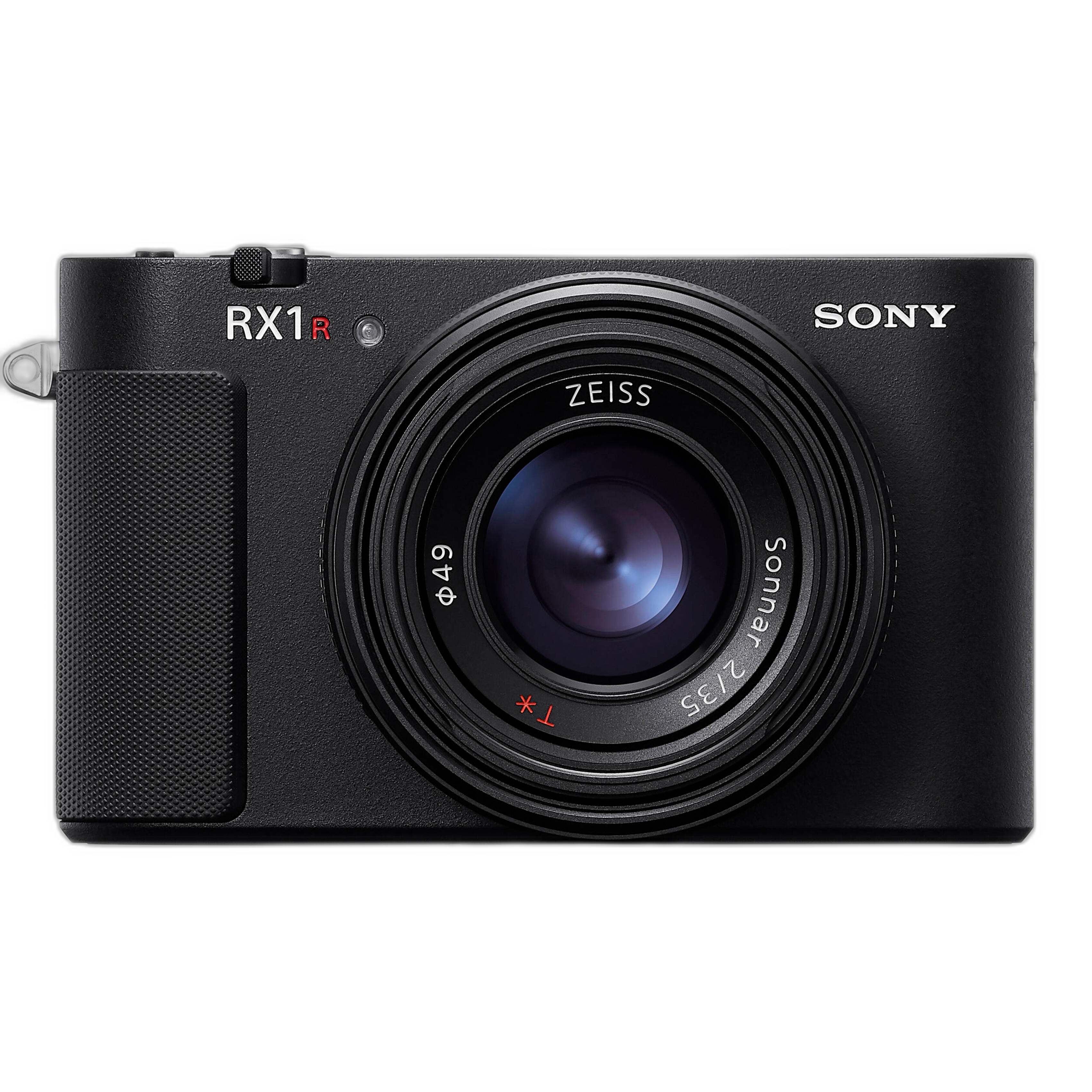
If your outdoor photography style is all about moving fast and traveling light, the Sony RX1R III makes a compelling case for a very small bag. Since it’s a premium compact camera, you may not need a full camera backpack at all.
Best bag pairing: a small sling, holster bag, or padded insert inside a regular hiking daypack.
Why it suits outdoor bags well: compact size lets you prioritize food, water, and layers instead of dedicating most of your pack to gear.
Who it’s best for: minimalist photographers, travel shooters, and walkers who want high image quality without a large kit.
Hasselblad H6D Medium Format Camera (Body Only)
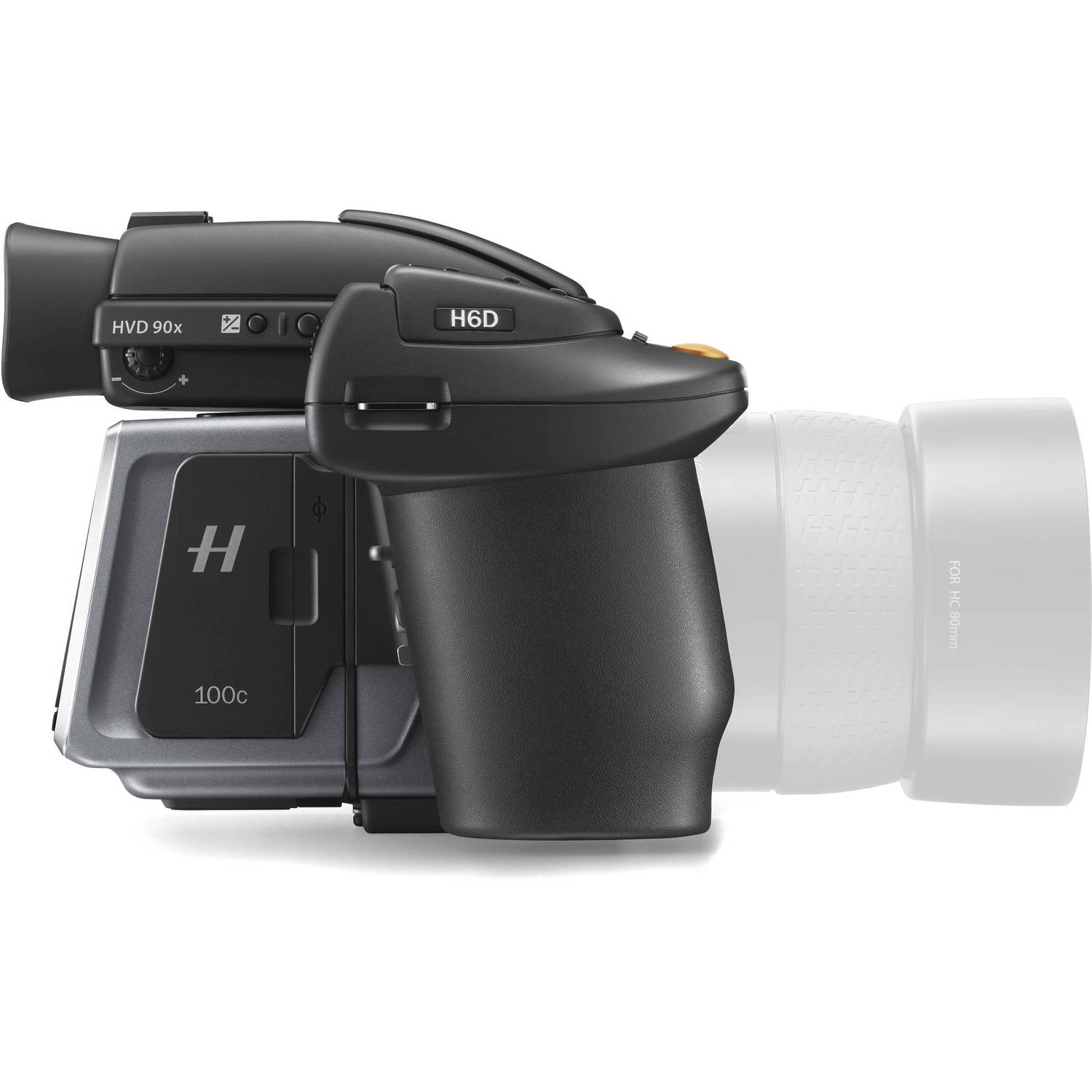
The Hasselblad H6D sits at the opposite end of the packing spectrum. This is not the kind of camera you casually toss into a basic daypack. For outdoor photography with a medium format system, you’ll want a serious backpack with excellent padding, structured internal organization, and a supportive harness.
Best bag pairing: a robust outdoor camera backpack with customizable dividers, waist support, and strong weather protection.
Why it suits outdoor bags differently: expensive, heavier systems demand better shock protection and load handling. If you’re carrying medium format outdoors, the bag matters even more.
Who it’s best for: professionals and advanced shooters prioritizing image quality over portability.
What Outdoor Photographers Should Look for in a Backpack
When you compare camera bags and backpacks, prioritize these features for real outdoor use:
- Rear or side camera access: Helps you grab the camera without putting the harness in dirt or snow.
- Room for non-camera essentials: Water, snacks, maps, gloves, and layers matter just as much as lenses.
- Tripod carry options: Landscape photographers especially benefit from secure external tripod attachment.
- Breathable back panel: Important for warm-weather hikes.
- Rain protection: Built-in weather resistance is good; a dedicated rain cover is better.
- Modular interior: Removable inserts can make one bag useful for both photography and general hiking.
Quick Comparison: Which Bag Size Makes Sense?
| Recommended Camera | Portability | Suggested Bag Size | Best Outdoor Use |
|---|---|---|---|
| Sony RX1R III | Excellent | Very small sling / insert | Walks, travel, minimalist day hikes |
| OM SYSTEM OM-5 | Excellent | Small photo backpack | Hiking, landscapes, lightweight adventure kits |
| FUJIFILM X-T30 III | Very good | Compact sling or slim backpack | Travel, casual outdoor shooting |
| FUJIFILM X-T30 III Kit | Very good | Small backpack | Day trips, general outdoor photography |
| Canon EOS R10 18-150mm Kit | Very good | Small-to-medium backpack | Versatile all-around outdoor use |
| Hasselblad H6D | Limited | Large structured backpack | Deliberate professional outdoor shoots |
Final Thoughts
The best camera bag for outdoor photography depends less on brand and more on how much gear you carry, how far you hike, and how quickly you need camera access. If you want the easiest setup to carry all day, a compact or lightweight mirrorless system is the smartest match for a small sling or hiking-friendly backpack. For most outdoor photographers, the sweet spot is a lightweight mirrorless body paired with a compact backpack that offers weather resistance, quick access, and room for essentials.
If we had to narrow it down, a lightweight setup like the OM SYSTEM OM-5 or the Canon EOS R10 with 18-150mm makes the most practical foundation for an outdoor bag system. And if you prefer ultra-minimal carry, the Sony RX1R III is especially easy to build around a small bag.
For photographers shopping for the right camera setup before choosing a bag, Unique Photo is a great place to compare outdoor-friendly cameras and build a kit that matches the way you actually shoot.