Hybrid photo/video: finding the right “best” for you
Ask 10 creators what the best hybrid camera is and you’ll get 10 different answers. That’s because “best” depends on what you shoot, how you deliver, and how you like to work. Sports and weddings demand fast autofocus and reliable 4K60; product and portraits lean on high-res stills and pleasing color; travel shooters want small bodies with great stabilization. Instead of chasing a single winner, use the tips below to zero in on the right hybrid body for your needs—and build a kit that helps you switch between stills and motion without missing a moment.
7 practical tips to choose (and set up) your hybrid kit
1) Start with your deliverable: sensor + codec priorities
Pick a camera whose strengths match your output. If you deliver graded videos, look for 10‑bit 4:2:2 and robust log profiles (and ideally internal ProRes or high‑bitrate H.265). Need crisp stills for large prints? Target 24–45 MP sensors with strong dynamic range and good skin tones. Rolling shutter performance matters for fast action and whip pans; oversampled 4K from a 6K/7K sensor boosts detail for interviews and social content.
2) Make autofocus and stabilization work for you
Real-time subject detection for people, animals, and vehicles can be the difference between keepers and missed shots. If you’re often handheld, in‑body image stabilization (IBIS) plus good electronic stabilization helps bridge the gap between a gimbal setup and run‑and‑gun. Test how the AF behaves in both stills and video modes—it can differ.
3) Dial-in fast switching between photo and video
Look for customizable mode banks and buttons so you can park your stills and video settings separately and swap instantly. A fully articulating screen, tally options, and a bright EVF make a big difference. For long days, a comfortable strap helps you keep the rig at the ready without fatigue—the PGYTECH Camera Strap Slim (Vintage-Olive Green) is a low-profile option that fits hybrid setups without getting in the way.
4) Power smarter to avoid missed moments
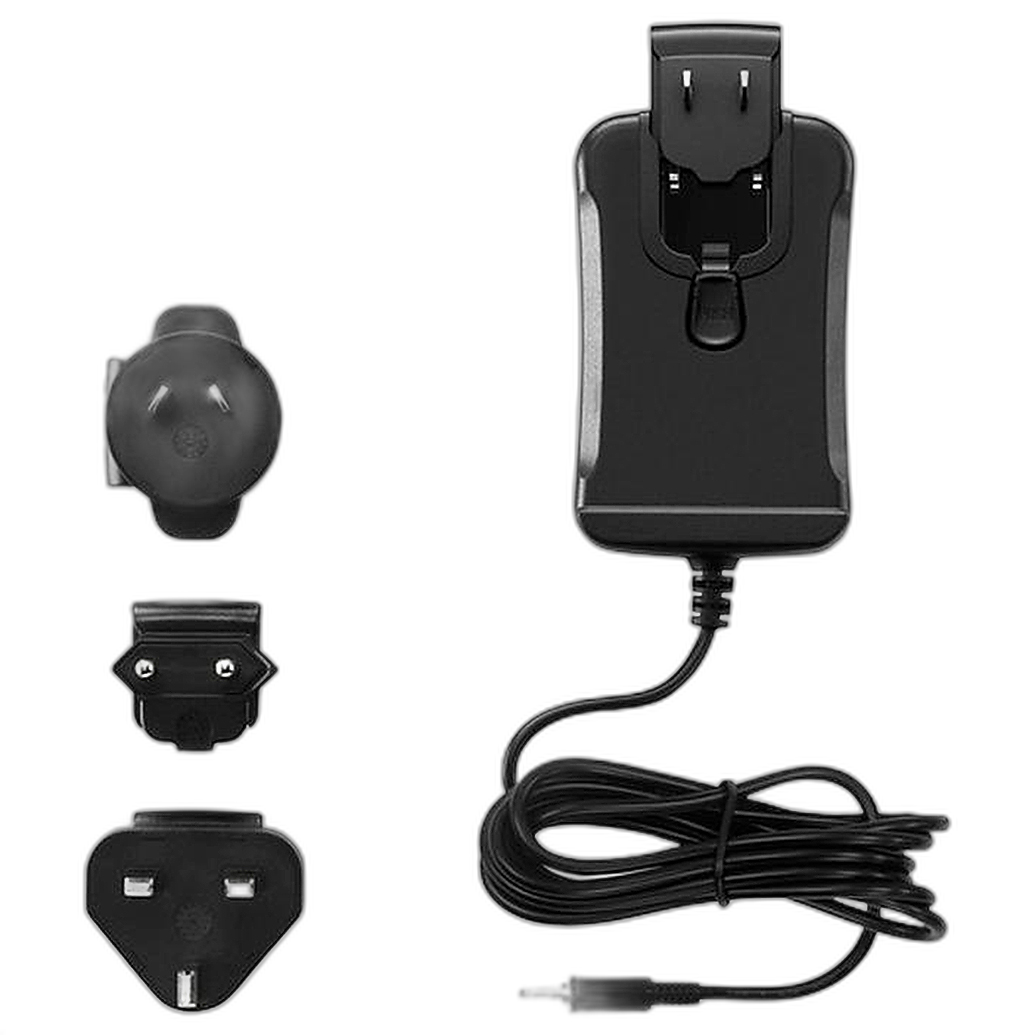
Hybrid shooting drains batteries fast—especially in 10‑bit or high frame‑rate video. Favor bodies that accept USB‑C PD power, and keep AC solutions handy for studio days. If your video workflow includes a Pocket Cinema Camera, a dedicated spare AC adapter keeps you rolling on set:
For field work, external batteries or a small hub powering camera, monitor, and mic can simplify your rig.
5) Build an audio path that scales with your shoots
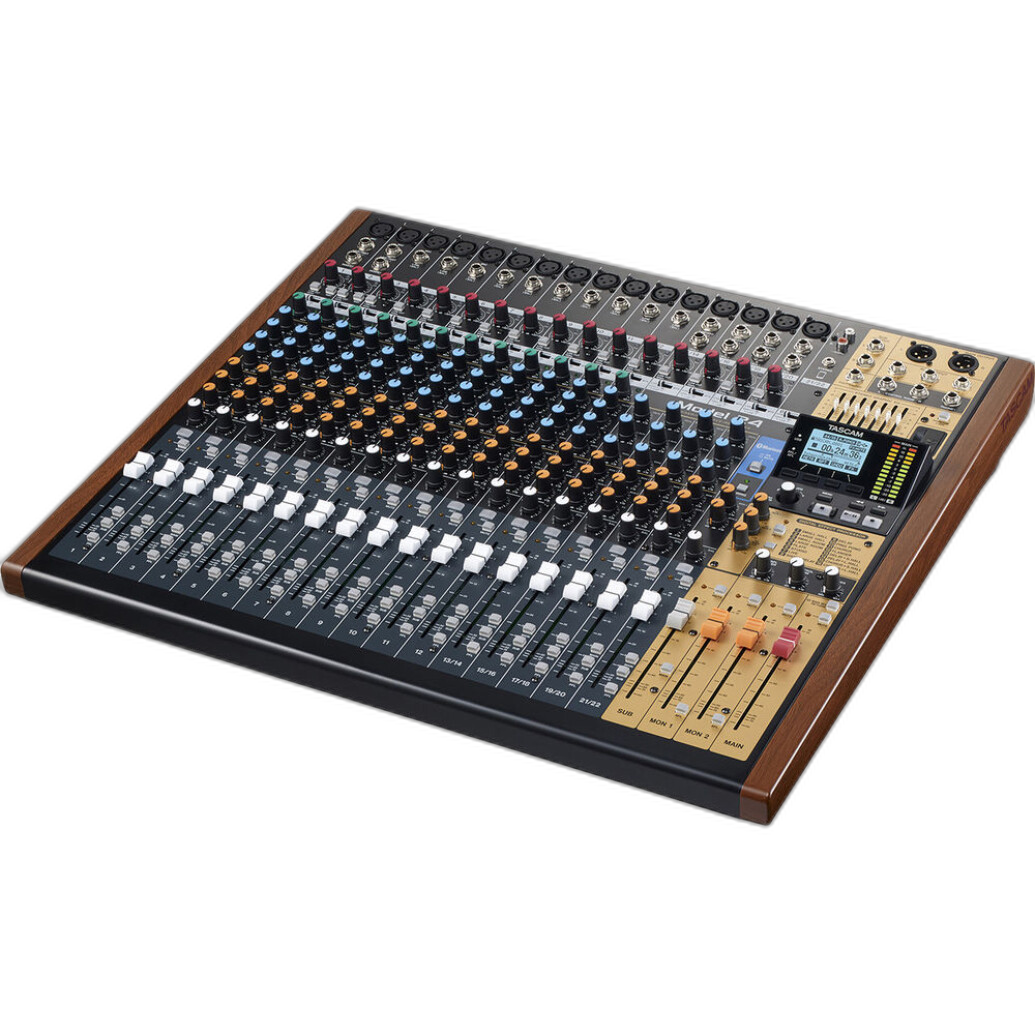
On-camera mics are fine for b‑roll, but hybrid assignments often need two or more mics. A compact mixer/recorder lets you manage multiple sources cleanly and hand off proper WAV files to your editor. In studio or podcast-style shoots, a versatile hub like the Tascam Model 24 can serve as a live mixer, SD recorder, and USB interface—great for interviews and music sessions that accompany your video deliverables.
6) Choose media and thermal performance with your frame rates in mind
High-bitrate 4K60/120 and 10‑bit recording demands fast cards—often CFexpress Type B for the most robust codecs. If you shoot long takes, test the camera’s thermal limits and consider bodies that offer proxy recording to speed your edits. For stills, dual slots (with redundant recording) are great insurance on paid jobs.
7) Carry it comfortably and keep it organized
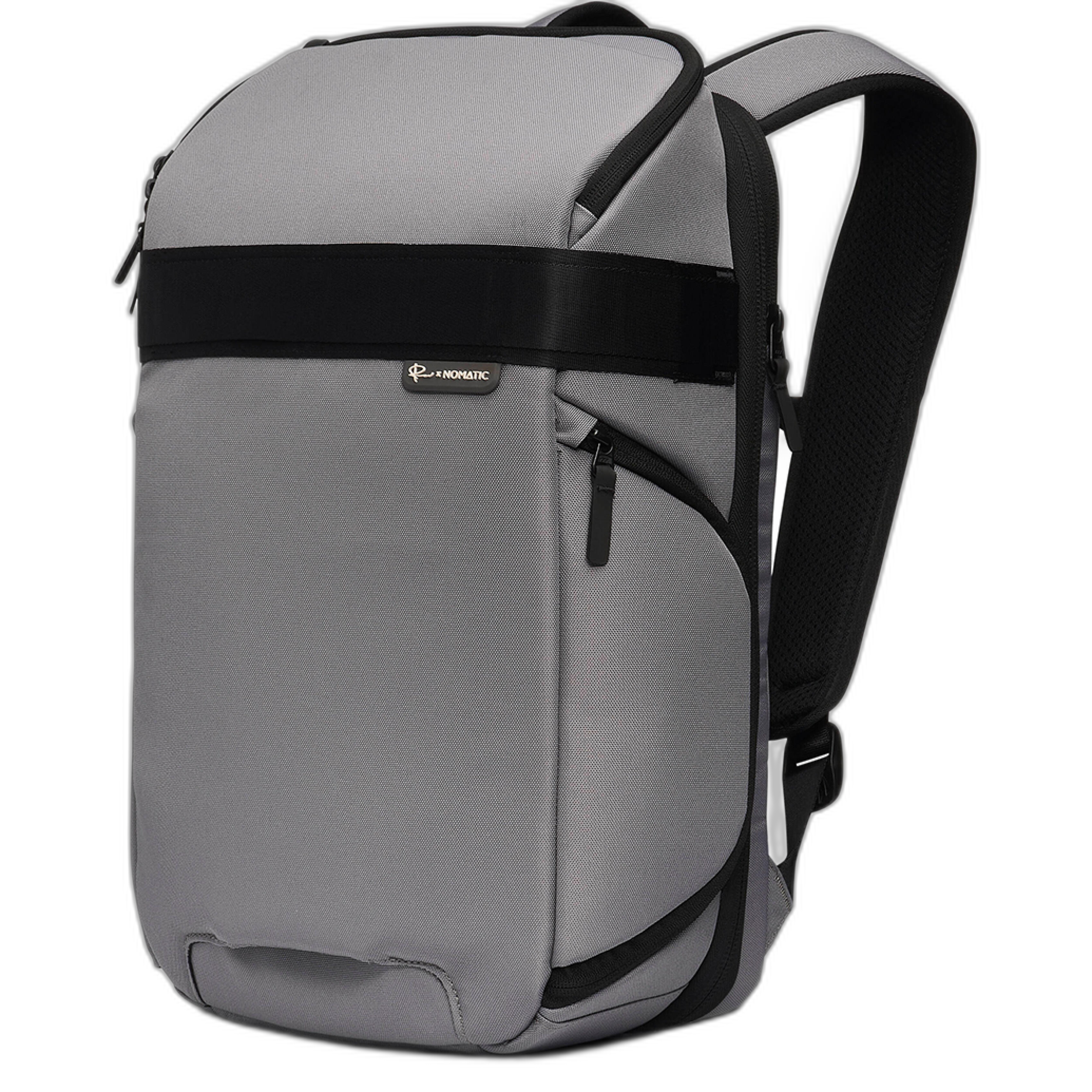
A dedicated hybrid bag keeps your camera, audio, and power organized so you can swap modes fast. The Nomatic Luma Camera Pack 18L fits a mirrorless body, key lenses, and a compact mic kit, with smart access points that make lens swaps and battery changes quick between stills and video sequences.
8) Protect your investment with the right coverage
Frequent hybrid work means lots of cycles on your gear. Manufacturer and extended coverage can pay for itself after a single repair. If your toolkit includes a cinema body like KOMODO‑X for the video side, consider an extended plan tailored for it:

Similarly, brand‑specific care programs on your mirrorless body add peace of mind for heavy hybrid use.
So…which model reigns supreme?
The real winner is the camera that matches your deliverables and workflow—and a kit that supports quick transitions between stills and motion. Try bodies side-by-side to feel the autofocus, menus, stabilization, and thermal behavior for your shoots. Then round out the system with thoughtful power, audio, and carry solutions. Visit or chat with the experts at Unique Photo—we’ll help you test, compare, and build the hybrid rig that’s best for you.