Best Beginner Camera Kits Under $800 in 2024: FAQ for First-Time Buyers
Shopping for your first camera can feel overwhelming, especially when you are trying to stay under an $800 budget. At Unique Photo, we help new photographers narrow the field by focusing on the features that matter most: ease of use, lens flexibility, image quality, and room to grow.
If you are comparing entry-level camera kits in 2024, this FAQ breaks down the most common questions beginners ask before making that first purchase.
What are the best beginner camera kits under $800 in 2024?
For most first-time photographers, the best kits under $800 are entry-level mirrorless or DSLR bundles that include a standard zoom lens, usually something in the 16-50mm, 18-45mm, or 18-55mm range. These kits are popular because they give you everything needed to start shooting right away without the added cost of a separate lens.
In this price range, we typically recommend prioritizing a camera with dependable autofocus, good JPEG color, intuitive menus, and a comfortable grip. A beginner-friendly kit should handle portraits, travel, family photos, and casual video without making the learning process harder than it needs to be. While exact model availability changes throughout the year, the best value often comes from current entry-level kits, previous-generation mirrorless bodies, or carefully selected used gear from a trusted retailer.
If your budget needs to cover more than just the camera, it is also smart to reserve part of that $800 for essentials like a memory card, extra battery, and a comfortable carrying solution.
Should I choose mirrorless or DSLR as my first camera?
For most beginners in 2024, mirrorless is the easier recommendation. Mirrorless cameras are generally lighter, offer live exposure preview in the screen or viewfinder, and often include modern autofocus features that help new users get sharp results faster. They are also where most brands are focusing their lens and body development today.
That said, DSLR kits can still be a very good value if your priority is affordability and a larger used-lens market. Many beginners appreciate the optical viewfinder feel and longer battery life that DSLRs can offer. If you find a DSLR kit at a strong price, it can absolutely still be a smart first camera.
The deciding factor usually comes down to how you want to learn. If you want the most modern shooting experience and a system that is easier to grow with, mirrorless is often the better fit. If you want the maximum value per dollar and do not mind starting with older technology, a DSLR can still make sense.
Are kit lenses good enough for beginners?
Yes, in most cases a kit lens is more than good enough for a beginner. The biggest advantage of a kit lens is flexibility. A standard zoom lets you try wide-angle, normal, and short telephoto framing in one affordable lens, which is perfect when you are still figuring out what you like to photograph.
Kit lenses also help you learn the basics of composition, exposure, focal length, and camera handling before you spend more on specialty glass. While they may not be as bright or as optically refined as premium lenses, they are often surprisingly capable in good light.
We usually suggest that first-time buyers start with the kit lens unless they already know they want a specific look, such as shallow-depth-of-field portraits or ultra-wide landscapes. The money you save can go toward practical accessories and future upgrades once your shooting style becomes clearer.
Should I buy a body-only camera and invest in a better lens instead?
For most beginners under $800, a body-only purchase is usually harder to justify. Once you remove the kit lens, you still need to buy glass, and that can push your total well beyond budget. Unless you already own compatible lenses or have a very specific goal, a kit is usually the more practical starting point.
There are exceptions. If you know you want a specialty focal length and you are comfortable stretching your budget over time, buying a body and adding a better lens later can be a smart path. For example, as photographers move deeper into a mirrorless system, premium lenses become attractive upgrades. A lens like the Zeiss Batis 18mm f/2.8 for Sony full-frame E-mount is a great example of the kind of high-quality wide-angle glass enthusiasts may aspire to later for landscapes, architecture, or travel work.
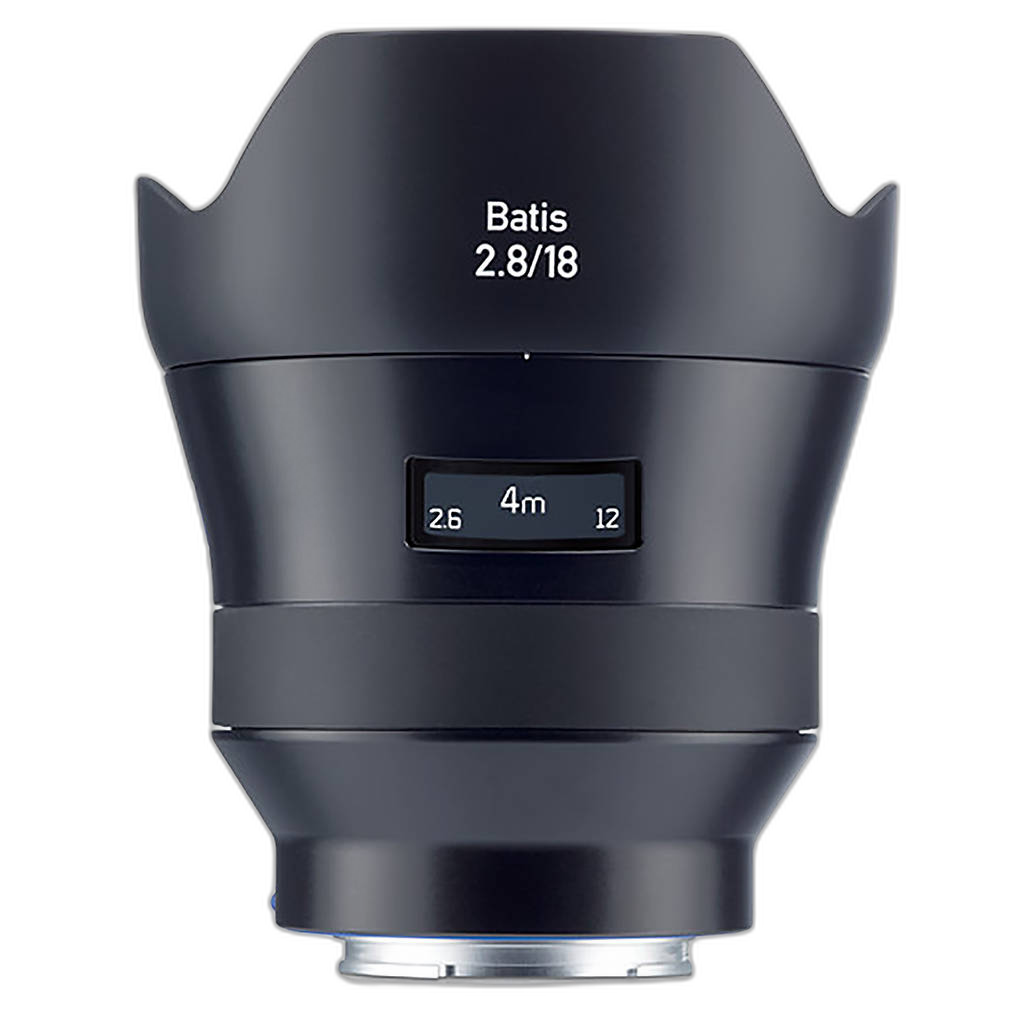
For a true beginner, though, it is usually better to learn with the included zoom first and invest in specialized lenses after you have more experience.
Which camera brands are easiest for beginners to learn?
The easiest brand is often the one whose menus, controls, and ergonomics feel natural in your hands. That said, some brands are especially beginner-friendly because of their approachable interfaces, reliable auto modes, and strong lens ecosystems.
Canon is often praised for intuitive menus and approachable color science. Nikon appeals to beginners who want clear handling and strong image quality with room to grow. Sony has a deep mirrorless ecosystem and excellent autofocus, though some newcomers take a little time to adjust to the menu system. Fujifilm can be especially appealing for those who enjoy tactile controls and creative JPEG looks.
The best way to choose is to think beyond the body itself. Look at the full system: available lenses, upgrade path, accessory costs, and how comfortable the camera feels in use. At Unique Photo, we often encourage first-time buyers to choose the system they can imagine staying with for several years, not just the cheapest body on the shelf today.
Is used gear a smart option for beginners on a budget?
Used gear can be one of the smartest ways to maximize an $800 budget, provided you buy from a reputable source that accurately describes condition and functionality. A used camera body or used kit can often get you into a stronger system than buying new at the same price.
That said, beginners should be careful not to confuse vintage or specialty gear with a practical learning tool. For example, collectible film cameras and "as-is" products may be fascinating, but they are rarely the easiest way to start learning photography fundamentals. A dependable digital camera with modern metering, autofocus, and interchangeable lenses will typically create a smoother learning experience than an older niche camera.
If you are considering used equipment, prioritize condition, shutter count when relevant, battery availability, and whether the camera includes a usable lens. Buying from an established retailer helps reduce the guesswork.
What accessories should I budget for with my first camera kit?
Your first camera purchase should include more than just the body and lens. Even a modest accessory budget can make your experience dramatically better. We recommend starting with a secure strap, a protective bag, and enough power to shoot confidently on a full day out.
A lightweight, comfortable strap can make carrying your camera much easier, especially for travel, events, and everyday walks. A compact option like the PGYTECH Camera Strap Slim is a practical add-on for beginners who want something more comfortable than a basic included strap.
For storage and protection, a dedicated camera bag keeps your kit organized and ready to go. The Nomatic Luma Camera Pack 18L is especially useful for new photographers who want room for a camera, lens, accessories, and personal items in one clean everyday bag.
These kinds of accessories may not be as exciting as a new lens, but they can have a big impact on how often you actually bring your camera with you and use it.
Do I need to think about warranties or protection plans on a beginner camera?
It is worth considering, especially if you plan to keep your camera for several years. Entry-level buyers are often focused on price alone, but long-term value matters too. A camera that is protected against certain service issues may be a better investment than replacing gear unexpectedly later.
Protection options vary by brand and product category, and the right plan depends on the camera you choose. While some warranty products are aimed at higher-end systems, they are a good reminder that support matters as your gear investment grows. If you eventually step up into more advanced equipment, thinking about service coverage early can be a smart habit.
How do I know when it is time to upgrade beyond my first kit lens?
The right time to upgrade is when your current lens starts limiting a clear creative goal, not just because you have owned it for a while. If you consistently want softer backgrounds for portraits, better low-light performance, or a much wider field of view for landscapes and interiors, that is when a specialized lens begins to make sense.
Many photographers spend months or even years learning with a kit zoom before they need anything else. Once you know your favorite subjects, upgrading becomes much easier and more cost-effective. A travel photographer might add an ultra-wide lens later, while someone focused on portraits may move to a fast prime. The key is to let your shooting habits guide the decision.
If you are shooting often, carrying your kit comfortably, and learning what focal lengths you use most, you are already building the knowledge needed to make a smarter second purchase.
Choosing the best beginner camera kit under $800 is really about balancing budget, simplicity, and future growth. If you are ready to compare beginner-friendly cameras, useful accessories, and upgrade options, shop Unique Photo for trusted gear, expert guidance, and the support to help you start shooting with confidence.