Entering a photo or video contest can be exciting, but strong submissions usually come down to two things: using the right gear for the job and exporting files with the correct settings. Whether you are submitting portraits, landscapes, action images, drone work, or short-form video, a polished workflow can help your work stand out. At Unique Photo, we regularly help creators prepare images and footage for competitions, portfolio reviews, and publication opportunities, and the same best practices apply here.
If you are getting ready for a contest submission, this guide covers recommended gear, camera settings, file preparation, and practical tips to improve your odds of delivering a clean, professional entry.
What gear do you need for contest submissions?
The best gear for contest submissions depends on the contest category, but the goal is always the same: capture technically strong work with enough flexibility for editing and export. In most cases, a dependable camera body, a sharp lens, stable support, and accurate file management matter more than simply having the newest equipment.
For still photography contests, the core kit usually includes:
- A camera that can shoot RAW files
- A lens suited to the subject, such as a fast prime for portraits or a wide-angle for landscapes
- Extra memory cards and batteries
- A tripod for low-light, long exposure, or carefully composed work
- Color-accurate editing workflow and calibrated monitor if possible
For video contests or hybrid creators submitting motion pieces, you may also want to add focus-control tools and lens accessories that support more precise shooting. Unique Photo carries a wide range of filmmaking accessories that can be especially useful when a contest calls for polished cinematic footage.
Best camera settings for photo contest entries
If you are wondering about the best camera settings for contest photography, start with settings that preserve maximum image quality and editing latitude. In most cases, these are the safest choices:
- File type: RAW
- ISO: Keep as low as practical for the scene
- Aperture: Match your creative intent, such as wide apertures for subject separation or narrower apertures for landscapes
- Shutter speed: Fast enough to avoid subject motion blur unless blur is intentional
- White balance: Auto can work, but a fixed setting often delivers more consistent files in controlled light
- Color space: Use what suits your workflow during editing, then export based on contest requirements
For portraits, many photographers begin around f/1.8 to f/4 depending on the look they want. For landscapes, f/8 to f/11 is a common starting point. For sports or wildlife contest entries, shutter speed often matters most, with 1/1000 second or faster frequently needed to freeze movement.
The most important step is to read the contest rules carefully. A great image can be disqualified if the final file size, dimensions, metadata, or editing approach does not match the submission guidelines.
Recommended lenses and accessories for sharper, more professional submissions
A lens choice can have a major impact on a contest image. Sharpness, contrast, focal length, and rendering style all contribute to how a submission feels. If you are building a kit for future contest work, consider these common pairings:
- Portraits: 50mm, 85mm, or 70-200mm lenses
- Landscapes: 16-35mm or 24-70mm lenses
- Street and documentary: 35mm or compact zooms
- Wildlife and sports: 100-400mm, 200-600mm, or faster telephoto primes
- Video storytelling: A set of primes or cinema-friendly zooms with focus accessories
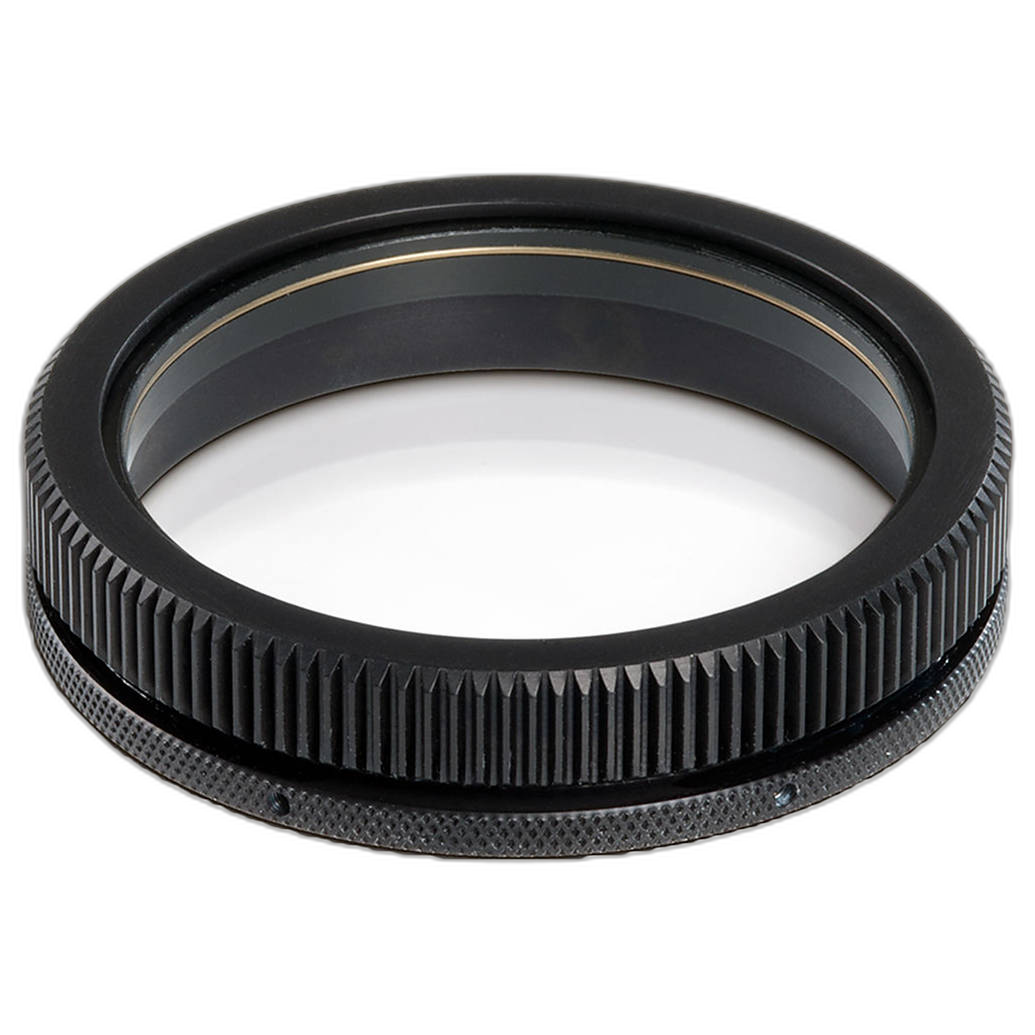
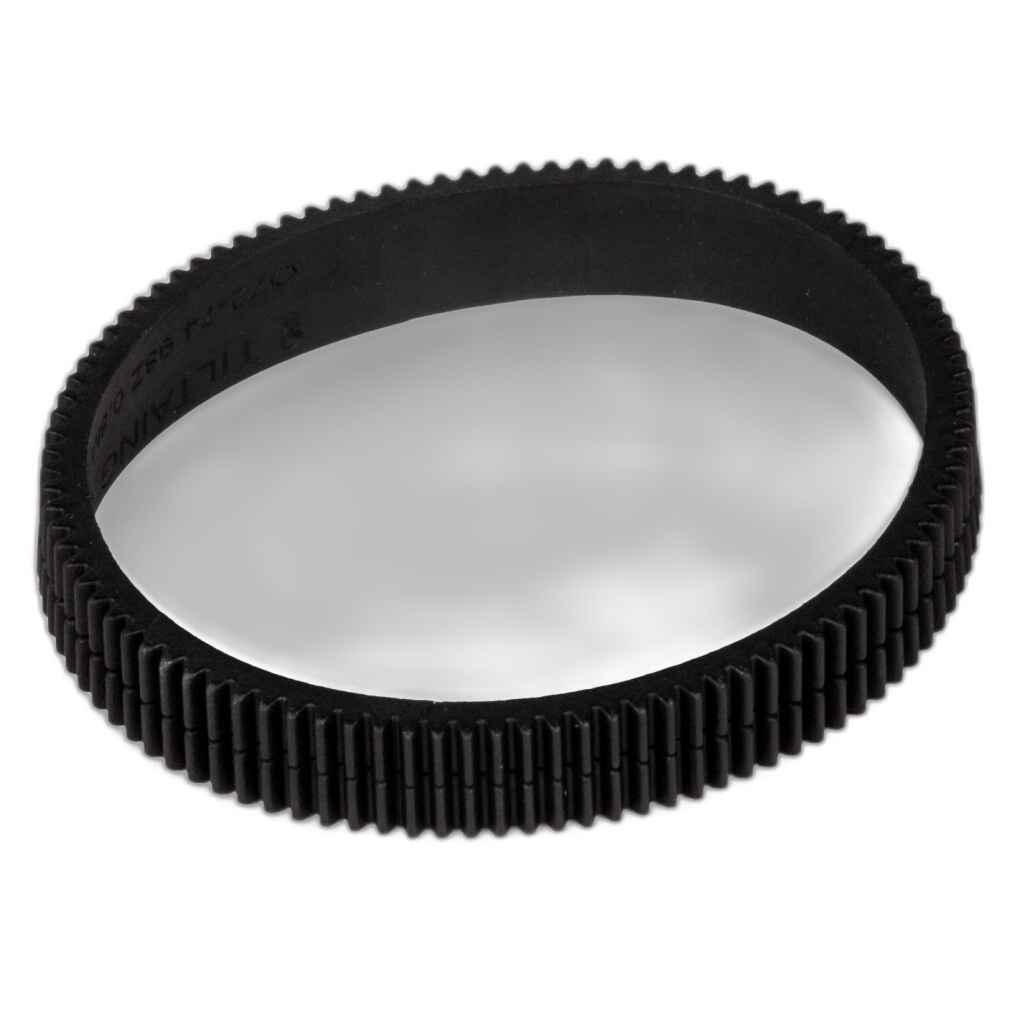
For filmmakers entering video contests, focus control can make a visible difference in production quality. Accessories like the Tilta Universal Focus Gear Ring - Pink, Tilta Universal Focus Gear Ring - Red, Tilta Seamless Focus Gear Ring - 53 to 55mm, and Zeiss Lens Gear - Large can help create more reliable manual focus transitions on compatible lenses and rigs.
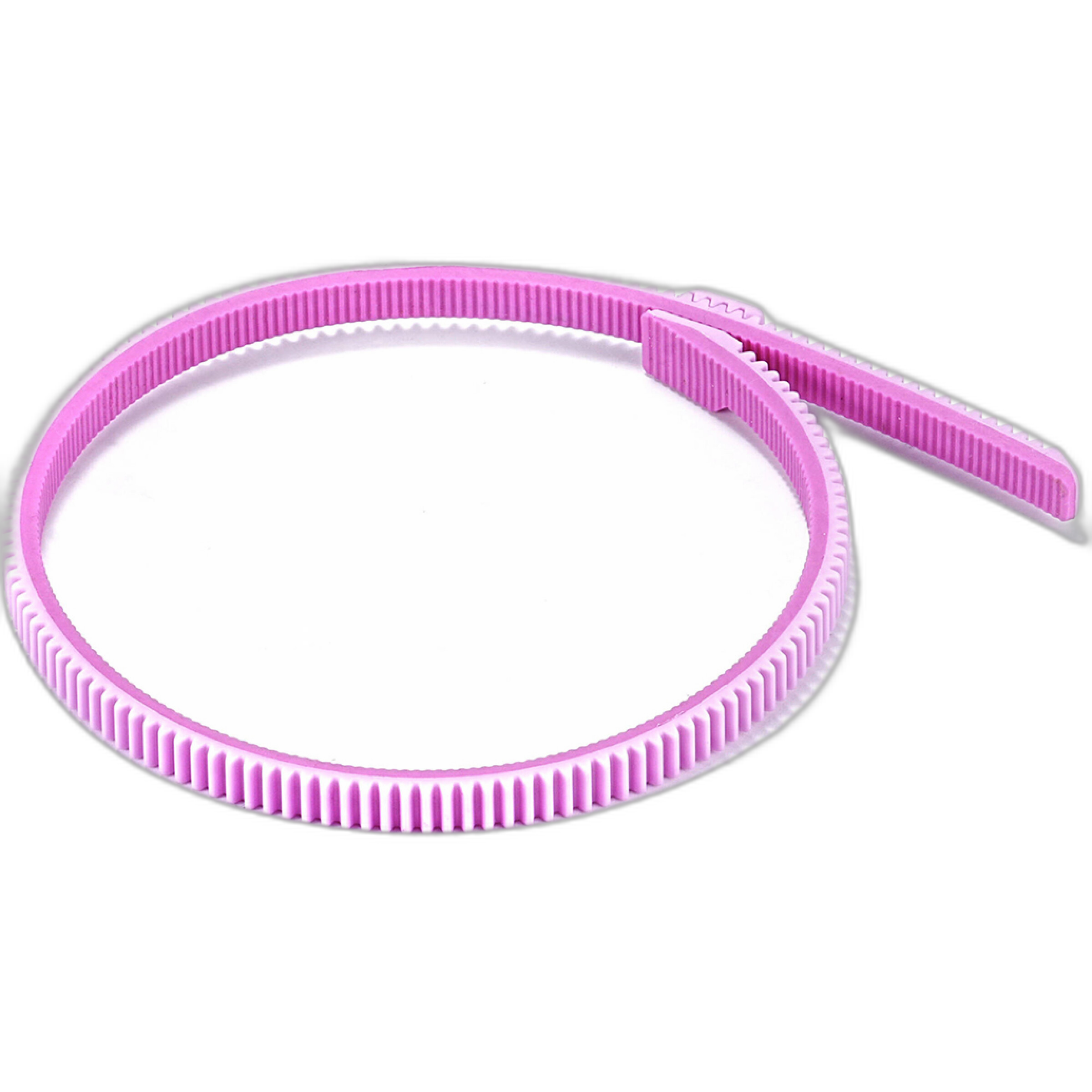
These types of accessories are particularly helpful for creators using follow focus systems when shooting narrative, commercial, or documentary-style contest entries. If your piece relies on controlled focus pulls, interview setups, or repeatable rack focus moves, small rigging improvements can translate to more polished results.
Recommended video settings for contest submissions
Many contests now accept short films, reels, hybrid multimedia projects, or behind-the-scenes content. If you are preparing a video contest submission, use capture settings that preserve detail while still matching the intended delivery format.
Good starting points for video contest work include:
- Resolution: 4K if available, even if final delivery is 1080p
- Frame rate: 23.98 or 24 fps for cinematic work, 30 fps for web-friendly delivery, higher frame rates only when needed for slow motion
- Shutter speed: Follow the 180-degree guideline when possible, such as 1/50 at 24 fps
- Picture profile: Use a profile you can confidently grade without introducing noise or banding
- Audio: Prioritize clean external audio if dialogue matters
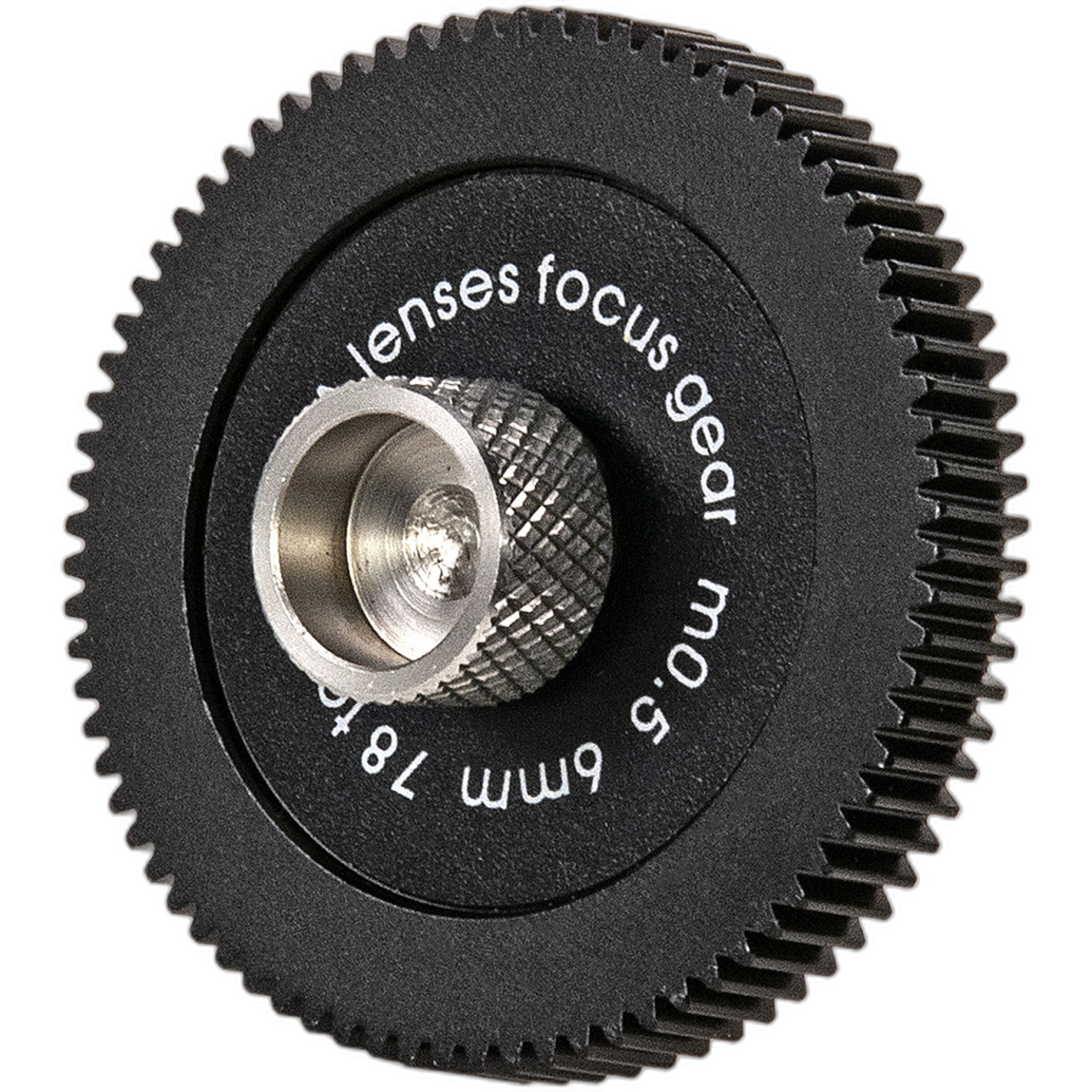
Manual focus accessories can be useful when you need repeatable focus marks for short films and branded storytelling. Products like the Tilta Follow Focus Lens Drive Gear for FF-T05 6mm 0.5 MOD -78-Tooth support more deliberate lens control in production workflows.
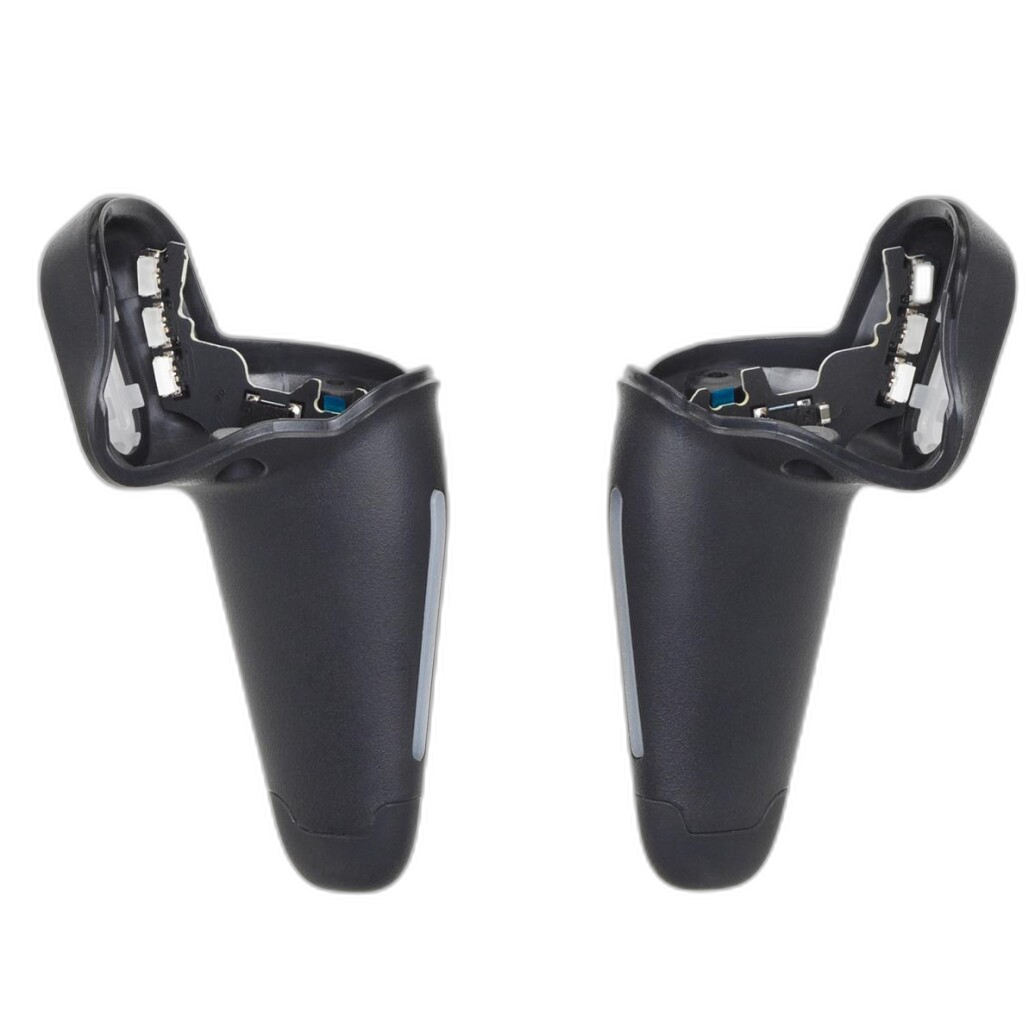
If you are filming drone footage for a contest, practical accessories can also protect your equipment and improve your workflow on location. For compatible setups, the DJI FPV Landing Gear can help provide additional clearance during takeoff and landing.
How to export files for photography and video contests
One of the most common mistakes in contest submissions is incorrect export. Before you upload anything, compare your file to the contest requirements line by line. Look for these details:
- Maximum and minimum file dimensions
- Accepted file formats such as JPEG, TIFF, PNG, MOV, or MP4
- Color space requirements, often sRGB for online image submissions
- File size limits
- Naming conventions
- Rules about watermarks, borders, and metadata
- Restrictions on AI tools, compositing, or heavy retouching
For stills, export the cleanest file allowed under the size limit. For online entries, JPEG at high quality in sRGB is common. For video, H.264 or H.265 in an MP4 wrapper is often accepted, but every contest is different. Watch your final export all the way through before submitting to catch audio sync issues, compression artifacts, or accidental title-card errors.
How to choose the right gear for your contest category
Different contests reward different strengths. Here is a simple way to think about gear selection by category:
- Portrait contests: Prioritize flattering focal lengths, strong lighting control, and clean skin tones
- Landscape contests: Prioritize dynamic range, edge-to-edge sharpness, and sturdy tripod support
- Street or documentary contests: Prioritize fast autofocus, compact gear, and responsive handling
- Wildlife contests: Prioritize telephoto reach, stabilization, and fast burst performance
- Video contests: Prioritize audio, stabilization, lens control, and consistent exposure tools
At Unique Photo, many creators discover that strategic accessories often improve real-world results more than a complete gear overhaul. A lens control accessory, better support system, or smarter export workflow can elevate your submission without requiring a full camera upgrade.
Contest submission checklist before you upload
Use this quick checklist before sending your final work:
- Confirm the category and deadline
- Review all technical rules
- Edit on a reliable display
- Export in the correct format and color space
- Proof your title, caption, and creator information
- Double-check that your file opens properly
- Save a backup copy of the final submission
- Submit early to avoid upload issues near the deadline
If the contest allows multiple entries, vary your selection thoughtfully. Choose images or clips that show consistency, originality, and strong execution rather than sending many similar files.
Final thoughts on gear and settings for contest submissions
The best contest submissions combine creative vision with technical polish. Use the highest-quality capture settings your workflow can support, choose lenses and accessories that fit the subject, and pay close attention to export requirements. For video creators, focus-control tools and support accessories can make a notable difference in how professional the final piece feels. For photographers, sharp optics, thoughtful exposure, and careful file prep remain essential.
Unique Photo is a great resource when you are preparing for your next contest, whether you need camera gear, filmmaking accessories, drone add-ons, or expert advice on choosing the right tools. If you are building out your setup, consider exploring internal site links to categories such as cameras, lenses, tripods, lighting, drone accessories, and video rig accessories to create a stronger submission workflow from capture to final export.