Essential Lenses Every Portrait Photographer Should Own
Choosing the right portrait lens can shape everything from facial perspective to background blur and overall shooting comfort. At Unique Photo, we help photographers build lens kits that match their style, camera format, and budget—whether they are creating classic headshots, environmental portraits, or creative lifestyle work.
Below, we answer some of the most common questions about portrait focal lengths, prime versus zoom choices, crop versus full-frame considerations, and smart ways to improve your results beyond lens selection alone.
What focal lengths are must-haves for portrait photography?
For many portrait photographers, the core focal lengths fall between roughly 50mm and 135mm in full-frame terms. A 50mm lens is versatile for environmental portraits and half-body compositions, giving you a natural field of view without forcing you too far from your subject. An 85mm lens is a classic portrait favorite because it flatters facial features, offers strong subject separation, and works beautifully for headshots and tighter compositions. A 135mm option can create even more compression and background blur, making it a great choice for polished outdoor portraits.
If you shoot on a crop-sensor body, you will often get similar portrait-friendly framing from lenses in the roughly 35mm to 85mm range, depending on how tight you like to compose. A lens that feels normal on full frame may become an excellent portrait focal length on APS-C. The key is to think about equivalent field of view, working distance, and how much environment you want to include around your subject.
Is it worth investing in prime lenses over zooms for portraits?
Prime lenses are often worth the investment for portrait specialists because they typically offer wider maximum apertures, smoother background blur, and excellent low-light performance. A fast prime like a 50mm, 85mm, or 135mm can help you isolate a subject more easily and achieve the shallow depth of field many portrait photographers want. Primes also encourage intentional composition, since you move your feet rather than relying on the zoom ring.
That said, zoom lenses remain extremely practical for portrait sessions. They let you move quickly between wider and tighter framing, which is especially helpful during events, family sessions, or fast-paced location shoots. If you photograph multiple subjects, changing poses, or limited-space interiors, a quality zoom can be the smarter tool.
For photographers working in hybrid photo and video portraiture, lens kits such as the Sigma 18-35mm T2 and 50-100mm T2 set can cover a broad creative range with a cinematic look and consistent operation.
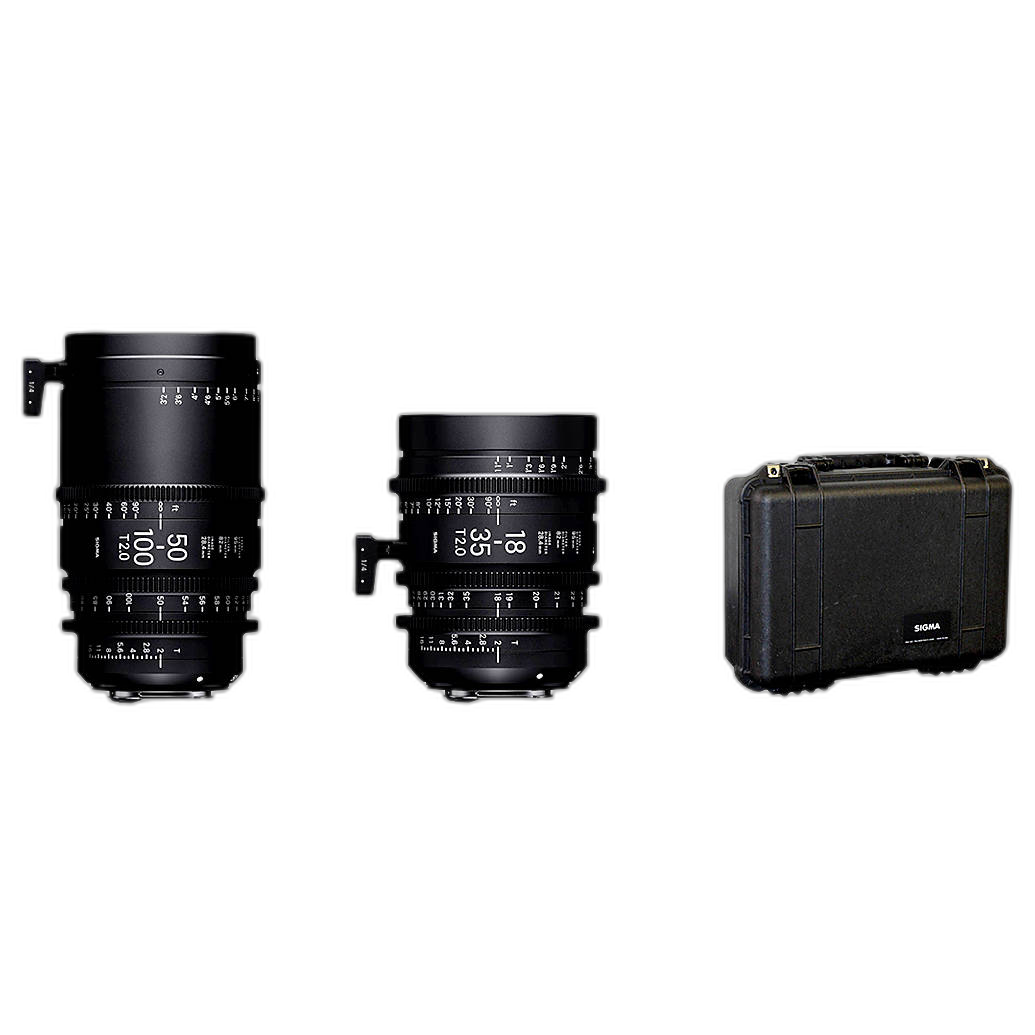
In short, primes excel when maximum subject isolation and speed matter most, while zooms win on flexibility. Many portrait photographers eventually keep both in their kit.
Which lenses offer the best bokeh for portraits on full-frame cameras?
On full frame, lenses in the 85mm to 135mm range are often the sweet spot for especially pleasing portrait bokeh. These focal lengths give you enough working distance for flattering perspective while allowing backgrounds to melt away when paired with wide apertures. An 85mm lens is often the first choice for classic portrait work, while 105mm and 135mm options can create even stronger separation and compression.
But bokeh is not just about focal length. Aperture, optical design, subject-to-background distance, and shooting distance all play major roles. Even a moderate lens can produce beautiful blur if the background is far enough away. Likewise, a lens with excellent rendering may produce more pleasing transitions than one that is technically faster but harsher in character.
If you want to add a softer, more atmospheric character to portraits, diffusion filters can also help. A filter like the Polar Pro 49mm Shortstache Everyday Filter combines a subtle black mist look with polarization, which can be useful for reducing harsh reflections while introducing a more cinematic feel to skin tones and highlights.
What are the best portrait lens choices for crop-sensor cameras?
Crop-sensor shooters can create stunning portraits without needing the longest or most expensive glass. A 35mm lens on APS-C often works well for environmental portraits, while a 50mm can become an excellent all-around portrait lens for waist-up compositions and tighter framing. An 85mm on crop can be superb for headshots if you have enough space to step back.
One advantage of crop bodies is that many lenses become more portrait-friendly because of the narrower field of view. The tradeoff is that achieving ultra-shallow depth of field can be a little more challenging compared with full frame, so fast apertures become especially valuable. If your goal is strong background separation on APS-C, prioritize wide-aperture lenses and thoughtful subject placement.
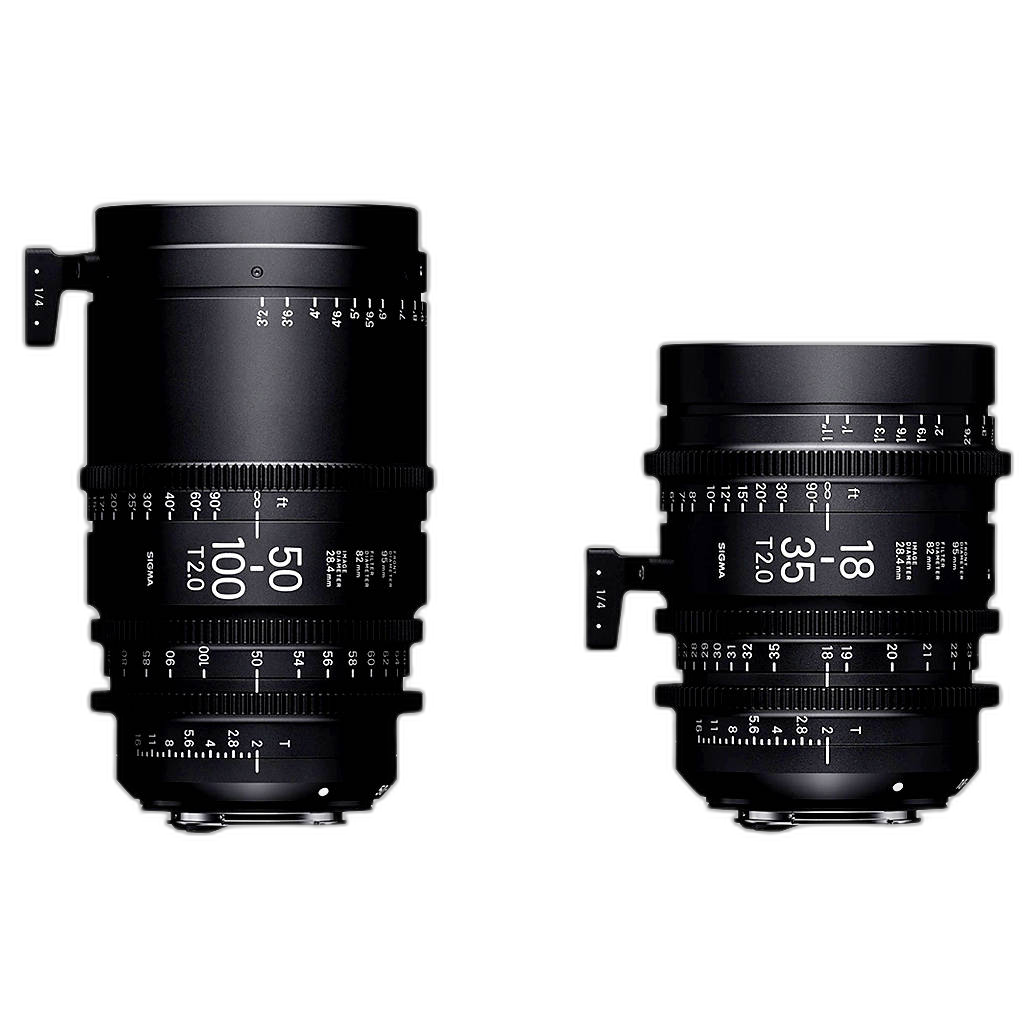
For photographers exploring both still portraits and motion work on crop-format systems, the Sigma 18-35mm T2 and 50-100mm T2 lenses are noteworthy because they cover highly useful equivalent portrait ranges while maintaining a premium, consistent rendering style.
Are budget-friendly portrait lenses still capable of professional-looking results?
Absolutely. Some of the best value portrait images are made with affordable 50mm and 85mm lenses, especially when paired with strong lighting, good posing, and careful background selection. A budget lens with a reasonably fast aperture can still deliver excellent sharpness and subject separation for portraits. In fact, photographers often see a bigger improvement from learning light and composition than from immediately purchasing the most expensive lens available.
If you are building a portrait kit on a budget, start with one dependable focal length that matches the way you like to shoot. A 50mm is often the most economical entry point, while an 85mm may be the better choice if your priority is traditional headshots. Add lighting skills before expanding too widely.
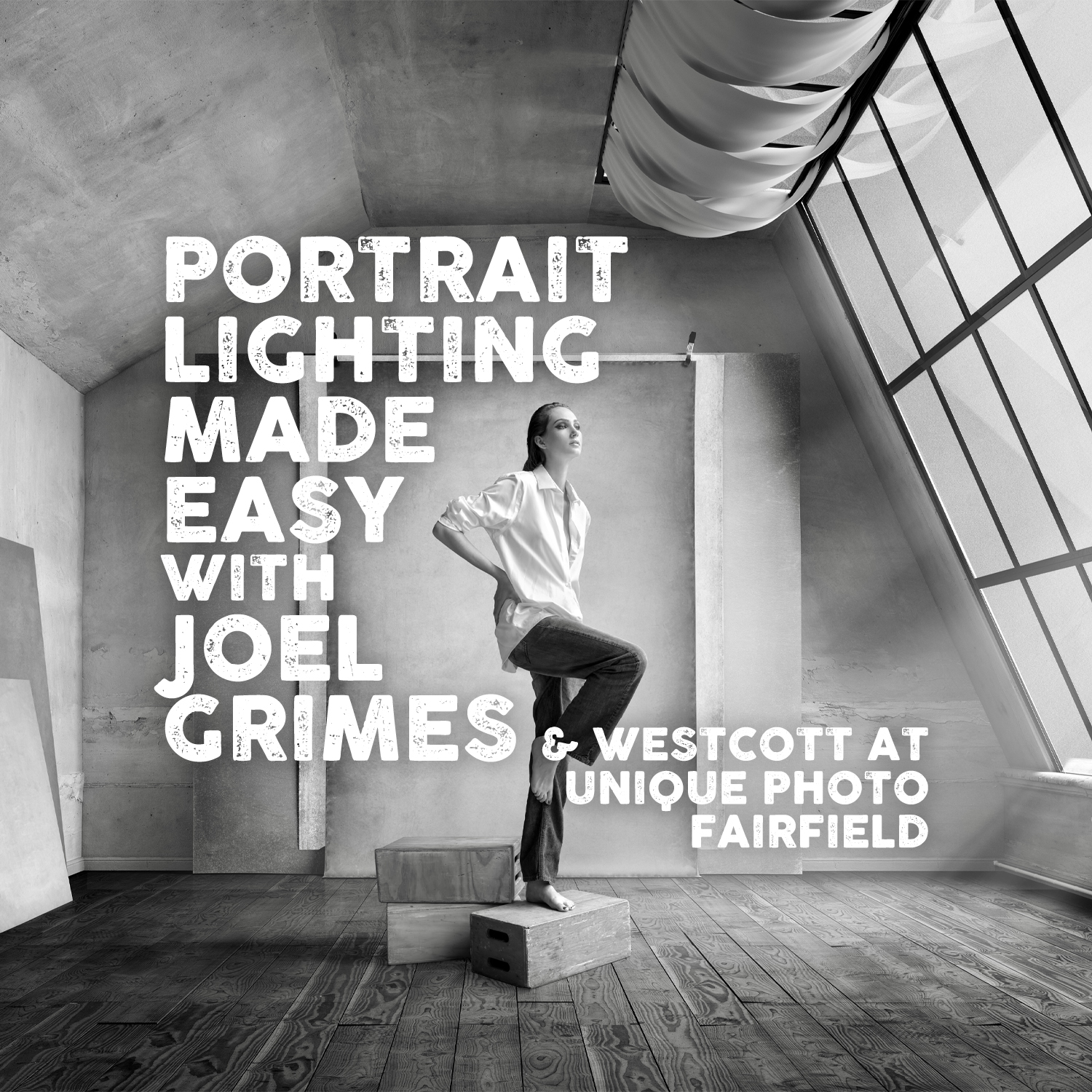
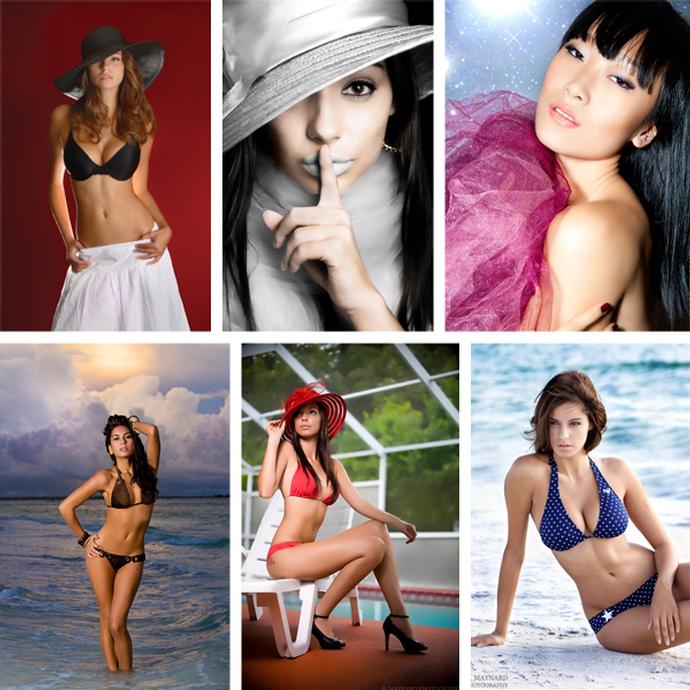
Education can be just as valuable as gear. Unique Photo offers portrait-focused learning options such as Portrait Lighting Made Easy with Joel Grimes and the Stunning Portraits Workshop with David Maynard and ExpoImaging, both of which can help you get more from any lens you own.
How important is lighting compared with lens choice in portrait photography?
Lighting is every bit as important as lens choice, and often more important. A great portrait lens can enhance background blur and perspective, but lighting defines mood, texture, dimension, and polish. If your portraits feel flat, investing time in understanding key light placement, fill, catchlights, and modifiers can transform your work more dramatically than swapping lenses.
This is why many portrait photographers combine lens upgrades with hands-on education. Learning how to shape light allows you to get premium-looking results from modest gear and helps you understand when a specific lens is actually limiting your creativity. For photographers looking to strengthen that foundation, Unique Photo educational resources are a smart addition to any portrait kit.
Should I choose a zoom for versatility or a prime for image quality?
If you primarily shoot controlled sessions and want the most classic portrait look, start with a prime. If you work in fast-changing environments or need to move quickly from full-length to headshot framing, start with a zoom. There is no universal answer—your workflow matters.
Many professionals use zooms for convenience and primes for signature shots. For example, a zoom can handle general session coverage while a fast prime comes out for the most important close portraits. Hybrid creators may also value specialized zoom and cine-style lens kits for their consistency across both still and video assignments.
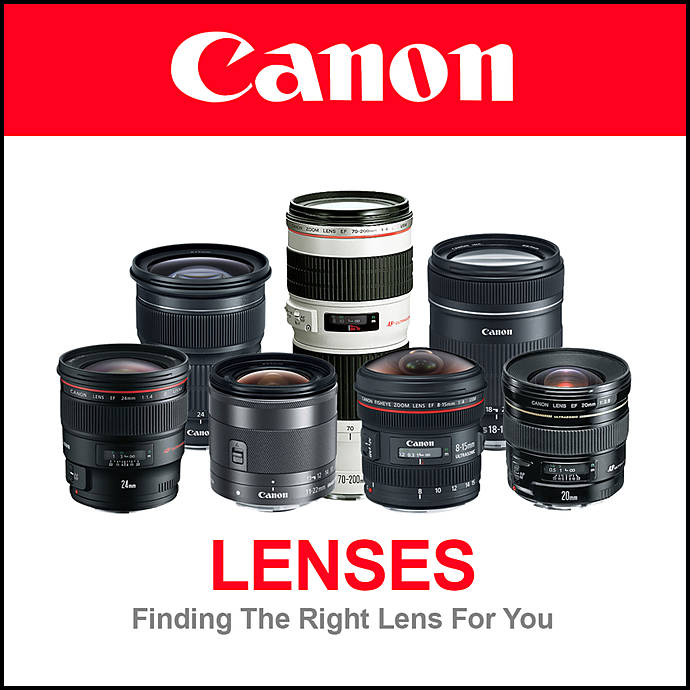
If you are comparing systems or trying to narrow down lens options for a specific mount, buying guides can help streamline the decision. Unique Photo's Canon Lenses: Finding the Right Lens for You is a useful starting point for Canon users weighing focal length and lens type options.
What accessories help portrait photographers get more from their lenses?
A well-rounded portrait setup is about more than the lens itself. A comfortable, protective bag makes it easier to carry multiple focal lengths to location shoots, and a good filter can subtly refine your look in-camera. Reliable transport also helps protect your investment when you are moving between studio, outdoor, and client locations.
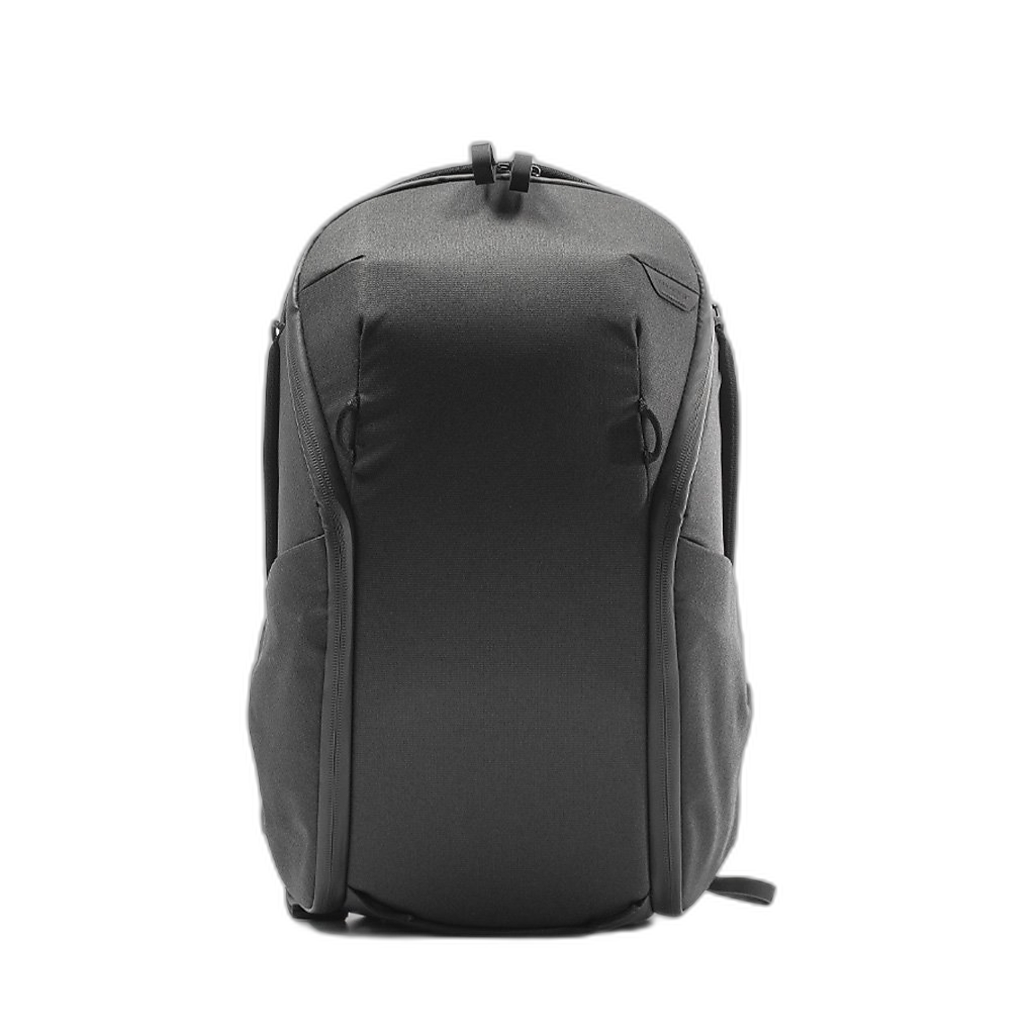
The Peak Design Everyday Backpack 20L Zip is a practical option for portrait photographers who want organized access to camera bodies, extra lenses, and accessories without carrying a bulky case.
If you are experimenting with mood and texture, selective filter use can also be worthwhile. A subtle diffusion effect can soften digital sharpness in a flattering way, while a polarizer can help control reflections during outdoor sessions.
How many portrait lenses does a photographer really need?
Most photographers can do excellent portrait work with one or two carefully chosen lenses. A simple kit might be a 50mm plus an 85mm on full frame, or a 35mm plus a 50mm on APS-C. That combination covers environmental portraits, half-body shots, and tighter headshots with very little overlap.
From there, add only when you identify a real need. If you routinely shoot in tight interiors, a wider option may help. If you prefer dramatic compression outdoors, a longer lens may be worth adding. The best portrait kit is not the largest one—it is the one that supports your style consistently and efficiently.
Building the right portrait lens setup is all about matching focal length, camera format, and shooting style. Whether you are looking for education, buying guidance, or practical accessories to support your next session, Unique Photo can help you create a portrait kit that fits your goals. Explore our classes, guides, and gear to take your portrait photography further.