If you're just getting started with 35mm black and white film, the best choice is usually one that is easy to expose, forgiving of small mistakes, widely available, and simple to develop or scan. For beginners, that means looking for film with moderate contrast, good latitude, and a speed that works in a variety of lighting conditions. This guide is for new film shooters who want to make confident first purchases, understand what separates one stock from another, and avoid wasting rolls while learning.
Because the available product feed for this page does not include actual 35mm black and white film listings, this guide focuses on the most beginner-friendly film types and what to look for when shopping at Unique Photo. Where helpful, we have included supporting accessories from the current catalog image set.
What Makes a Black and White Film Good for Beginners?
For most first-time film photographers, the easiest films to learn on share a few traits:
- Exposure latitude: They handle overexposure and minor metering errors gracefully.
- ISO 400 versatility: ISO 400 films are ideal because they work outdoors, in open shade, and indoors with decent light.
- Balanced contrast: Films that are not too flat or too punchy are easier to scan and print.
- Fine-to-moderate grain: A little grain is part of the black and white look, but beginners often prefer something not excessively rough.
- Availability: It is easier to learn when you can buy the same stock repeatedly and compare results.
Our Pick
Our Pick for most beginners: Ilford HP5 Plus 400. If you're unsure where to start, HP5 Plus 400 is one of the safest and most rewarding choices. It is forgiving, flexible in mixed light, and responds well whether you shoot it at box speed or experiment with pushing it later. Kodak Tri-X 400 is another classic choice, but HP5 Plus is often the easier recommendation for beginners who want a dependable all-rounder.
Best Beginner 35mm Black and White Film Recommendations
Ilford HP5 Plus 400
Ilford HP5 Plus 400 is one of the best entry points into black and white film photography. It offers excellent latitude, pleasing grain, and a classic look that works for street photography, portraits, travel, and everyday shooting. Beginners often appreciate that it tolerates imperfect exposure better than many slower or more contrast-heavy films.
Why beginners like it:
- Very forgiving exposure characteristics
- ISO 400 is flexible for many lighting situations
- Classic black and white tonality with manageable grain
- Great choice for learning to meter and develop
Best for: First-time film shooters who want one do-it-all black and white stock.
Kodak Tri-X 400
Kodak Tri-X 400 is a legendary film with a bold, timeless look. It tends to have a bit more punch and character than HP5 Plus, making it a favorite for documentary, street, and expressive portrait work. While still beginner-friendly, its signature contrast and grain give images a distinct style from the start.
Why beginners like it:
- Classic, iconic black and white rendering
- Strong midtones and satisfying contrast
- Easy to find and widely discussed, so learning resources are abundant
- Works well at box speed and can be pushed effectively
Best for: New photographers who want a more dramatic traditional film look.
Kentmere Pan 400
Kentmere Pan 400 is often recommended as a budget-friendly starter film. It is a smart option for beginners who want to practice frequently without spending as much per roll. While it may not have the exact refinement or signature look of premium stocks, it is accessible, capable, and ideal for building confidence.
Why beginners like it:
- Affordable way to shoot more often
- ISO 400 versatility
- A practical learning stock for testing cameras and exposure habits
- Good value for students and casual shooters
Best for: Anyone learning the basics and wanting maximum practice for the budget.
Ilford FP4 Plus 125
If you mostly shoot outdoors in good light and want finer grain, Ilford FP4 Plus 125 is an excellent beginner option. It is less flexible in dim light than ISO 400 films, but it rewards careful exposure with crisp detail and smooth tonality. For landscape, architecture, and controlled portrait shooting, it is a very approachable slower-speed film.
Why beginners like it:
- Finer grain than ISO 400 options
- Excellent detail and tonal smoothness
- Great for bright daylight and tripod-based photography
- Helpful for learning deliberate exposure technique
Best for: Beginners shooting in daylight who want cleaner, finer-grained negatives.
Kodak T-Max 400
Kodak T-Max 400 is a more modern-looking black and white film with fine grain and strong sharpness for its speed. It can be a great beginner choice for photographers who prefer a cleaner, more polished result when scanning. It is a bit less "classic gritty" than Tri-X, which some newcomers may actually prefer.
Why beginners like it:
- Fine grain for ISO 400
- Sharp, clean rendering
- Excellent for scanning and detailed enlargements
- Versatile enough for general use
Best for: Beginners who want a modern, crisp black and white look.
Quick Comparison Table
| Film | ISO | Look | Forgiveness | Best Use |
|---|---|---|---|---|
| Ilford HP5 Plus | 400 | Classic, balanced, versatile | Excellent | All-purpose beginner film |
| Kodak Tri-X | 400 | Punchy, gritty, iconic | Very Good | Street, portraits, documentary |
| Kentmere Pan | 400 | Simple, practical, budget-friendly | Good | Practice and everyday shooting |
| Ilford FP4 Plus | 125 | Smooth, fine-grained, detailed | Very Good | Daylight, landscape, controlled scenes |
| Kodak T-Max | 400 | Clean, sharp, modern | Very Good | Scanning, detail-oriented work |
How to Choose Your First Roll
If you want the simplest answer, start with an ISO 400 film. It gives you the most flexibility and the highest chance of success in varied conditions. Then narrow it down by look:
- Choose HP5 Plus 400 if you want the easiest all-around recommendation.
- Choose Tri-X 400 if you want more grit and classic contrast.
- Choose Kentmere Pan 400 if you want to keep costs lower while practicing.
- Choose FP4 Plus 125 if you mostly shoot in bright light and want finer grain.
- Choose T-Max 400 if you want cleaner scans and sharper detail.
Beginner Tips for Better Results
- Rate your film at the box speed when starting out.
- When in doubt, slightly overexpose black and white negative film rather than underexpose it.
- Use a reliable lab for your first few rolls so you can separate shooting mistakes from development variables.
- Shoot the same stock for several rolls in a row to learn its behavior.
- Take notes about lighting, camera settings, and results.
Useful Extras for New Film Shooters
Film photography often leads to printing, organizing, and carrying gear safely. Here are a few related accessories from the current catalog set that may be useful as your film hobby grows.
Peak Design Everyday Backpack 20L Zip - Black
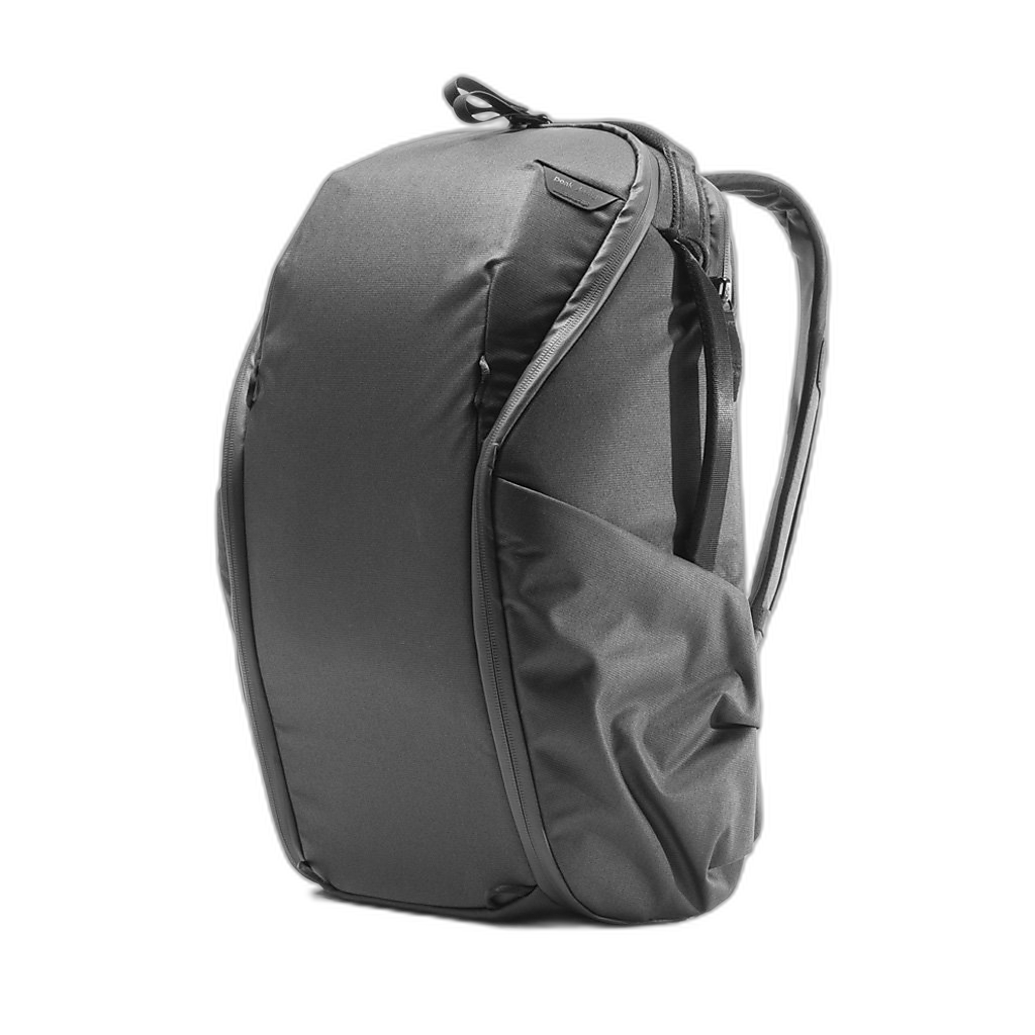
A comfortable everyday camera bag is helpful when carrying a 35mm film camera, extra rolls, and small accessories. This Peak Design backpack is a strong option for photographers who want better organization as they build a kit.
Canon PGI-35 Black Ink Cartridge
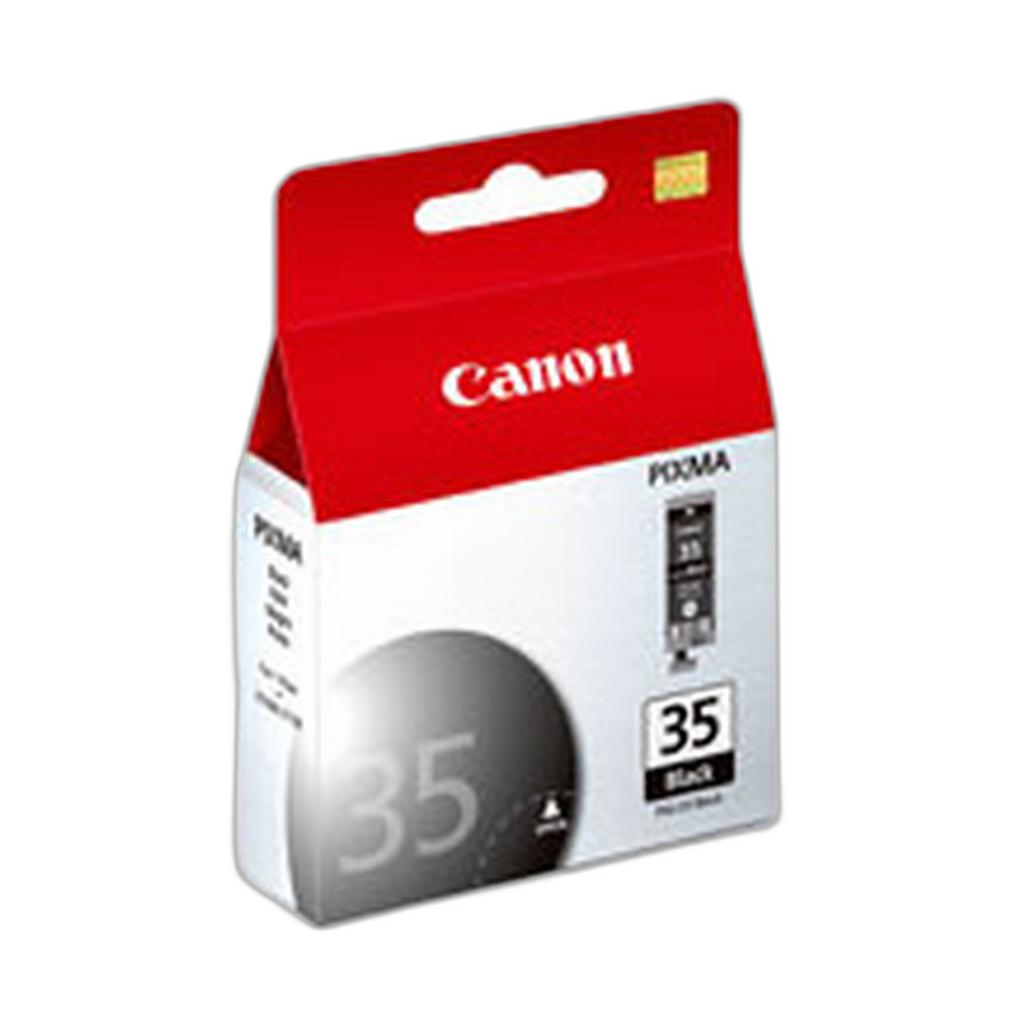
If your film workflow includes making contact sheets or small monochrome prints at home, a black ink cartridge can be part of your desktop output setup.
Fujifilm BC-T125 Battery Charger for GFX 50S 50R GFX100
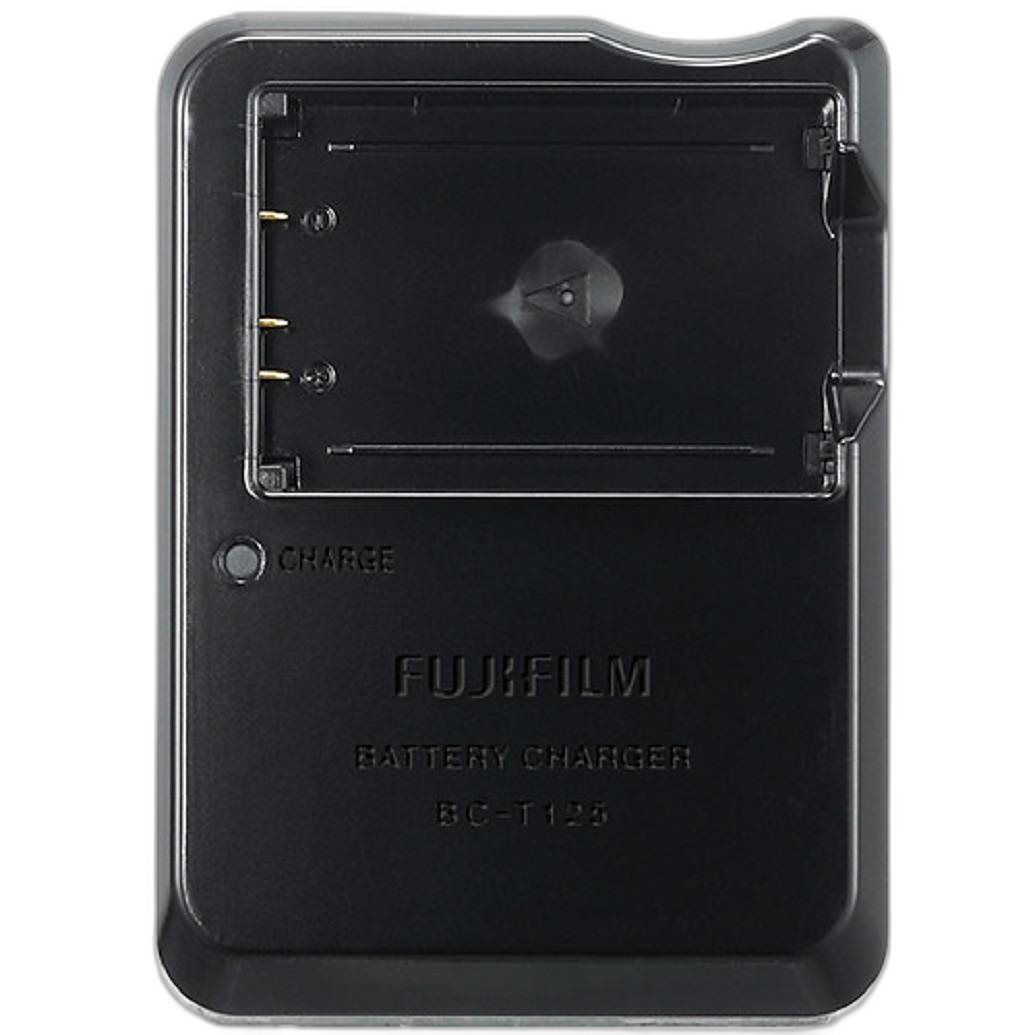
Many film photographers also scan negatives or shoot hybrid with digital gear. Keeping your digital system powered can help if you plan to digitize and share your black and white work.
Conclusion
For most new photographers, Ilford HP5 Plus 400 is the best 35mm black and white film to start with because it is forgiving, versatile, and consistently rewarding. If you prefer a more dramatic classic look, go with Kodak Tri-X 400. If budget matters most, Kentmere Pan 400 is a smart practice film. And if you mainly shoot outdoors and want finer grain, Ilford FP4 Plus 125 is an excellent alternative.
When you're ready to buy your first rolls, compare film stocks, labs, and accessories at Unique Photo to find the right match for your camera and shooting style.