If you shoot film and have ever wondered why one roll comes back moodier, grainier, cleaner, or brighter than expected, push and pull processing are two of the biggest reasons. This guide is for film photographers who want to understand how exposure and development changes affect contrast, grain, shadow detail, highlight control, and overall mood. Whether you're deciding how to rate your film for low light, trying to tame a high-contrast scene, or simply exploring more creative control in the darkroom or lab, understanding push versus pull processing can help you get more intentional results.
Because this is a buying guide, we’re also highlighting a few products that fit the spirit of this topic particularly well: a classic push/pull zoom lens for photographers who appreciate tactile control, plus smoke-effect tools that pair beautifully with pushed or pulled film looks in portrait and creative shoots.
What Push and Pull Processing Actually Mean
Push processing means rating your film at a higher ISO than its box speed and then increasing development to compensate. A common example is shooting ISO 400 film at ISO 800 or 1600, then asking the lab to push +1 or +2 stops.
Pull processing is the opposite: rating your film at a lower ISO than box speed and then reducing development. For example, shooting ISO 400 film at ISO 200 and requesting a -1 stop pull.
In practical terms, push processing is often used when you need more working speed in lower light, while pull processing is more often used to hold back contrast in bright scenes or to create a smoother tonal response.
How Push Processing Affects Results
When you push film, you should generally expect:
- More visible grain
- Higher contrast
- Deeper shadows, often with less detail
- A punchier, more dramatic look
- Possible color shifts, depending on the film stock
This can be excellent for concerts, street photography at night, documentary work, and any situation where getting the shot matters more than preserving every bit of shadow nuance. Many photographers intentionally push black-and-white film because the added grit and contrast can become part of the image style.
How Pull Processing Affects Results
When you pull film, you’ll usually see:
- Lower contrast
- Potentially finer-looking grain
- More open shadows and gentler highlights
- A softer, smoother tonal range
- More forgiving rendering in harsh daylight
Pulling can be useful for bright outdoor portraits, wedding work, high-noon scenes, or whenever you want a more restrained and balanced look. It can also help preserve highlight detail in scenes that might otherwise feel too harsh.
Push vs Pull Processing at a Glance
| Factor | Push Processing | Pull Processing |
|---|---|---|
| How film is rated | Above box speed | Below box speed |
| Development | Longer or stronger | Shorter or reduced |
| Contrast | Higher | Lower |
| Grain | More pronounced | Usually less apparent |
| Shadow detail | Can decrease | Often more open |
| Highlight control | Can get harsher | Usually improved |
| Best use case | Low light, dramatic look | Bright scenes, smoother tonality |
When Should You Push?
Push when light is limited and you need a faster effective ISO to keep shutter speed high enough or aperture stopped down enough for the shot. It’s also a smart creative choice when you want a more aggressive, cinematic, gritty result.
Typical situations include:
- Indoor events without flash
- Street photography after dark
- Live music and performance
- Atmospheric portrait sessions
When Should You Pull?
Pull when your scene is too contrasty, your film stock is giving you more speed than you need, or you want a cleaner, more delicate rendering.
Typical situations include:
- Bright midday portraits
- Outdoor fashion sessions
- Wedding photography in hard light
- Scenes with delicate highlight detail
Creative Gear Picks for the Push/Pull Photographer
While processing choices happen after exposure, the right gear and styling tools can strongly influence whether a pushed or pulled look succeeds. The products below are especially relevant for photographers who want tactile shooting control or dramatic visual atmosphere.
Used Canon EF 100-400mm f/4.5-5.6 L USM Push/Pull - Fair
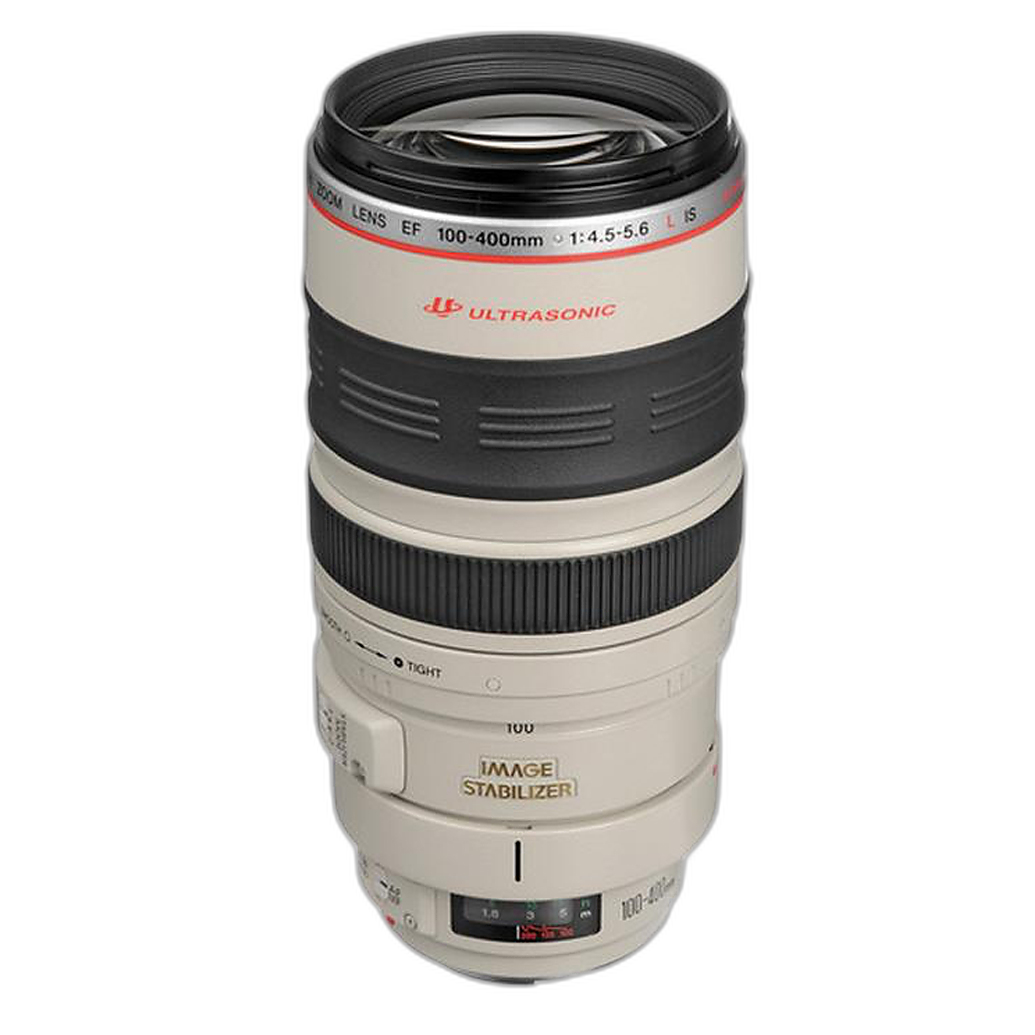
This lens is the most literal fit for the topic: a classic Canon push/pull zoom design that many photographers still appreciate for its fast framing changes and direct handling. If you shoot sports, wildlife, or compressed portraiture on film or digital, the push/pull zoom mechanism offers a tactile, immediate feel that mirrors the hands-on mindset of photographers who care about exposure and development choices.
Why it fits this guide: Push/pull processing is all about intentional control, and this lens reflects that same philosophy in the field. It’s a strong option for photographers who want reach, recognizable L-series rendering, and a more mechanical shooting experience.
Best for: Wildlife, outdoor action, distant portraits, and photographers who enjoy classic Canon handling.
Enola Gaye TP40 Top Pull Smoke Grenade (White)
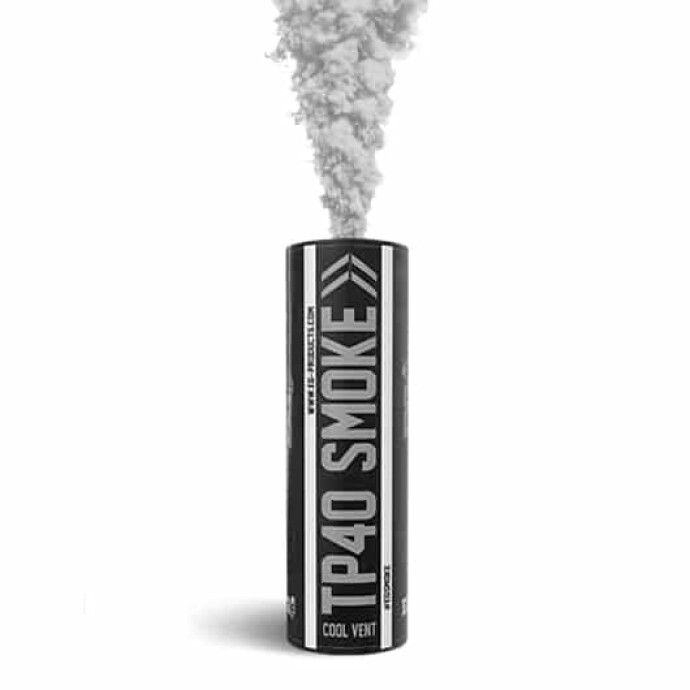
White smoke can look especially striking on pushed black-and-white film or slightly pulled color negative film, where tonal separation and atmosphere matter more than bold saturation. It’s one of the most versatile creative effects for portraits, editorial work, and conceptual shoots.
Why it fits this guide: If you’re experimenting with pushed film for mood or pulled film for a softer palette, white smoke gives you a neutral effect that works with almost any film stock.
Best for: Fine-art portraits, monochrome work, wedding-style editorial sessions, and layered atmospheric compositions.
Enola Gaye TP40 Top Pull Smoke Grenade (Orange)
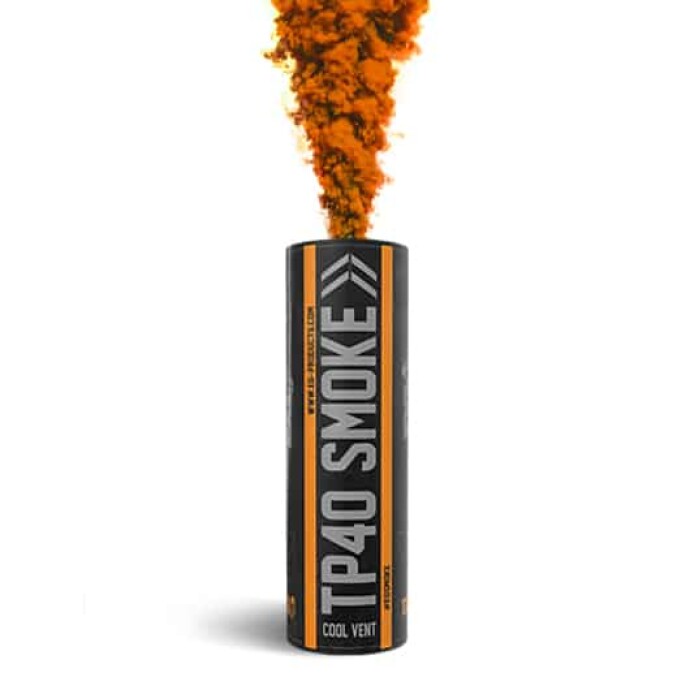
Orange smoke is ideal if you want color contrast and high visual energy. On pushed color film, the extra grain and contrast can make orange smoke feel especially vivid and cinematic. It’s a strong choice for fashion, sports-inspired portraits, and urban creative sessions.
Why it fits this guide: Bold smoke colors pair beautifully with the contrast and punch of pushed film stocks, helping you turn technical processing choices into a visible style decision.
Best for: Street portraits, athlete sessions, music imagery, and stylized environmental portraits.
Enola Gaye TP40 Top Pull Smoke Grenade (Green)
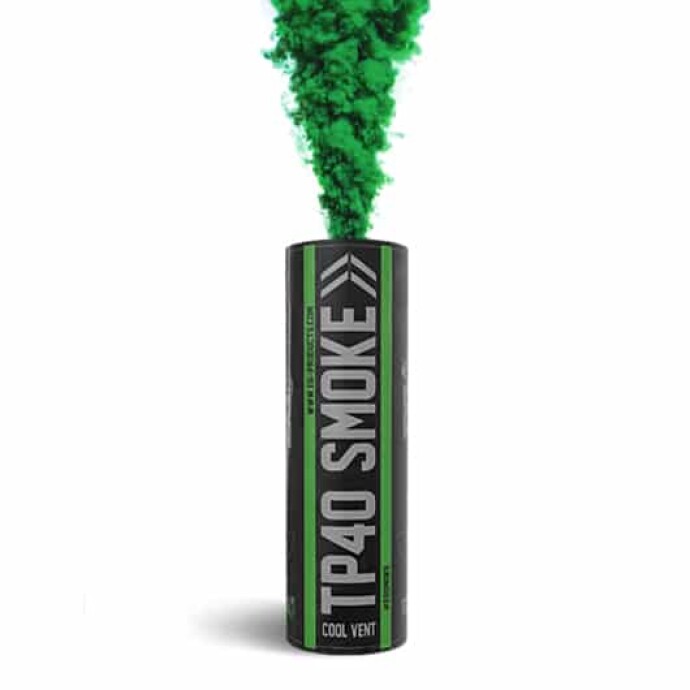
Green smoke can create an eerie, cinematic, or nature-inspired effect depending on wardrobe and location. It can work particularly well when pulling film in bright outdoor spaces where you want smoother tonal transitions but still need a strong visual subject.
Why it fits this guide: Pull processing often softens harsh daylight, and green smoke can add controlled drama without relying entirely on contrast.
Best for: Outdoor conceptual portraits, forest shoots, and creative branding sessions.
Enola Gaye EG18X High Output Wire Pull Smoke Grenade (Red)
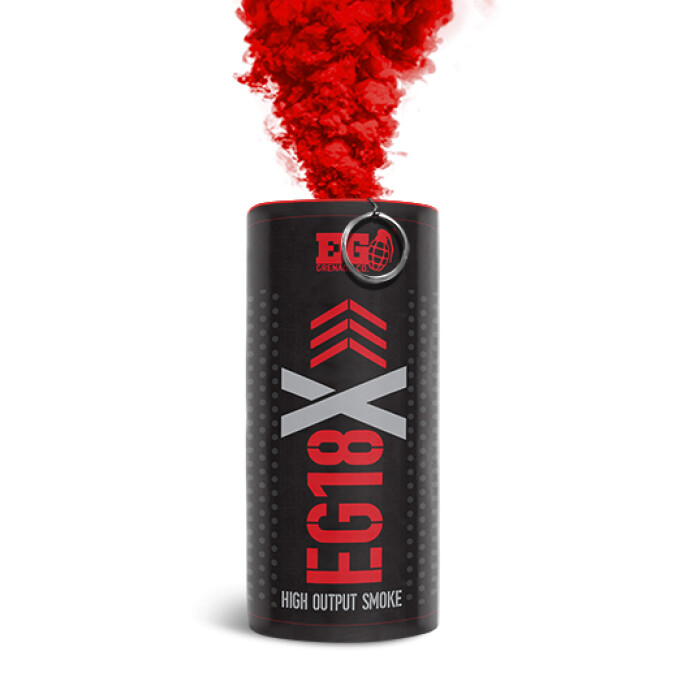
If you want maximum visual impact, high-output red smoke is hard to ignore. Red already photographs with intensity, and on pushed film it can become even more dramatic. This is the kind of effect tool that can define the entire frame.
Why it fits this guide: Push processing often rewards bold scenes and strong shapes. High-output red smoke delivers exactly that.
Best for: Action portraits, album-art style shoots, dramatic fashion, and cinematic set pieces.
Our Pick
Our Pick: Used Canon EF 100-400mm f/4.5-5.6 L USM Push/Pull - Fair
If you want the most direct match to the push vs pull theme while also adding a genuinely useful tool to your kit, this Canon lens stands out. The classic push/pull zoom design offers speed and tactile control, and it’s a compelling option for photographers who value hands-on shooting. Pair it with intentional film processing choices, and you have a setup that encourages experimentation both in camera and in the lab.
Quick Comparison: Recommended Products
| Product | Best For | Why It Stands Out |
|---|---|---|
| Used Canon EF 100-400mm f/4.5-5.6 L USM Push/Pull - Fair | Wildlife, sports, compressed portraits | Classic push/pull zoom handling and long telephoto reach |
| Enola Gaye TP40 Top Pull Smoke Grenade (White) | Editorial, monochrome, fine-art portraits | Neutral smoke effect that works across many film looks |
| Enola Gaye TP40 Top Pull Smoke Grenade (Orange) | Bold portrait and street sessions | High-energy color that pairs well with pushed film |
| Enola Gaye TP40 Top Pull Smoke Grenade (Green) | Outdoor conceptual shoots | Distinctive color with softer daylight-friendly appeal |
| Enola Gaye EG18X High Output Wire Pull Smoke Grenade (Red) | Dramatic visual impact | Strong output and cinematic color presence |
Final Thoughts
Push processing is usually the right move when you need speed, grit, and stronger contrast. Pull processing makes more sense when you want smoother tonality, lower contrast, and better highlight control. Neither is universally better; the right choice depends on your scene, your film stock, and the emotional result you want from the image.
If you're ready to experiment with exposure choices, classic push/pull handling, or creative styling tools for your next film-inspired shoot, Unique Photo is a great place to start. From used lenses to smoke effects for stylized portraits, Unique Photo has the gear to help you turn technical decisions into a signature look.