If you’ve been shooting on a Canon APS-C body and you’re ready for the next step, the good news is that Canon’s upgrade path is stronger than ever. Whether you want faster autofocus, better low-light performance, more professional video tools, or a move into full-frame, the right upgrade depends on how you actually shoot. Below are practical tips to help you choose the best camera body upgrade from your current Canon APS-C setup.
Start by deciding whether you want to stay APS-C or move to full-frame
1. Stay APS-C if you love reach, speed, and value
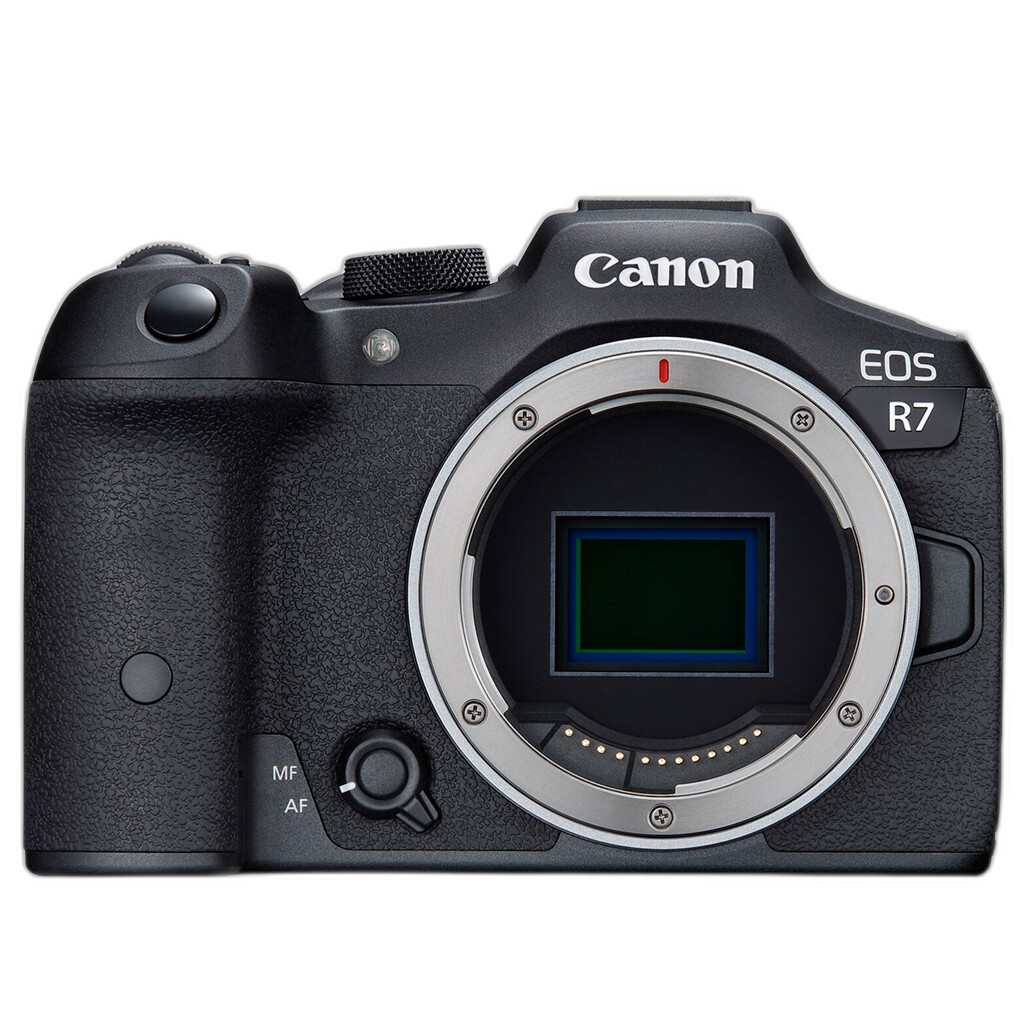
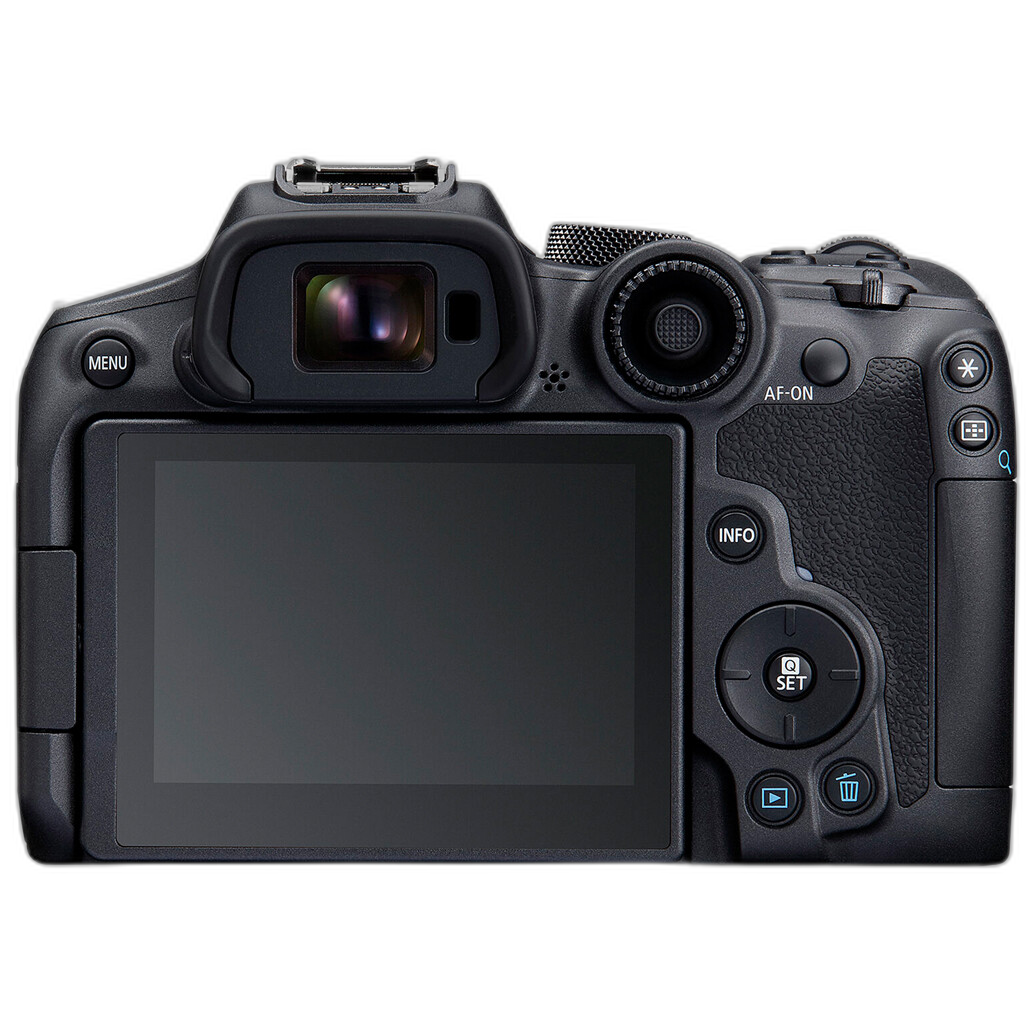
Not every upgrade has to mean switching sensor formats. If you shoot wildlife, sports, aviation, or kids on the move, an advanced APS-C body can be the smartest jump. The Canon EOS R7 Mirrorless Camera (Body Only) is a great example of a meaningful upgrade for Canon crop-sensor users who want more speed and a more modern autofocus system without giving up the extra field-of-view advantage APS-C offers with telephoto lenses.
For photographers coming from older Rebels, the 80D/90D line, or even earlier EOS M bodies, the R7 feels like a major leap in responsiveness and subject tracking. It makes a lot of sense if you already like how APS-C supports birding and action work.
2. Move to full-frame if low light and subject separation matter most
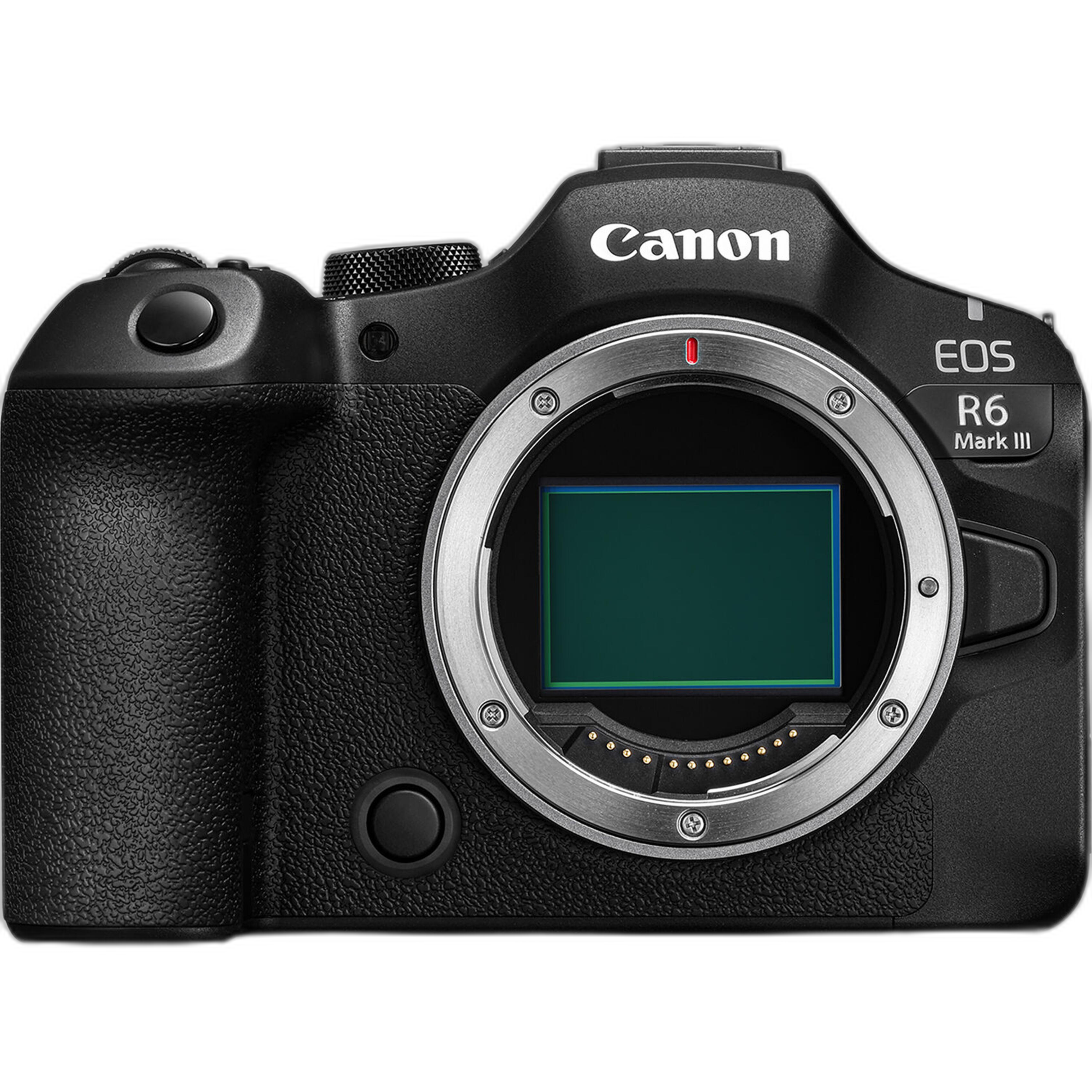
If your main goal is cleaner high-ISO files, wider-angle coverage, and shallower depth of field, full-frame is usually the most noticeable upgrade. A body like the Canon EOS R6 Mark III Body is a natural step up for enthusiasts and working shooters who want an all-around hybrid camera that feels significantly more advanced than a beginner or midrange APS-C body.
This kind of upgrade is especially worthwhile for portrait, wedding, event, and indoor photographers who frequently work in challenging light and want more flexibility from their files.
Match your upgrade to what you shoot most often
3. For sports and wildlife, prioritize autofocus and burst performance
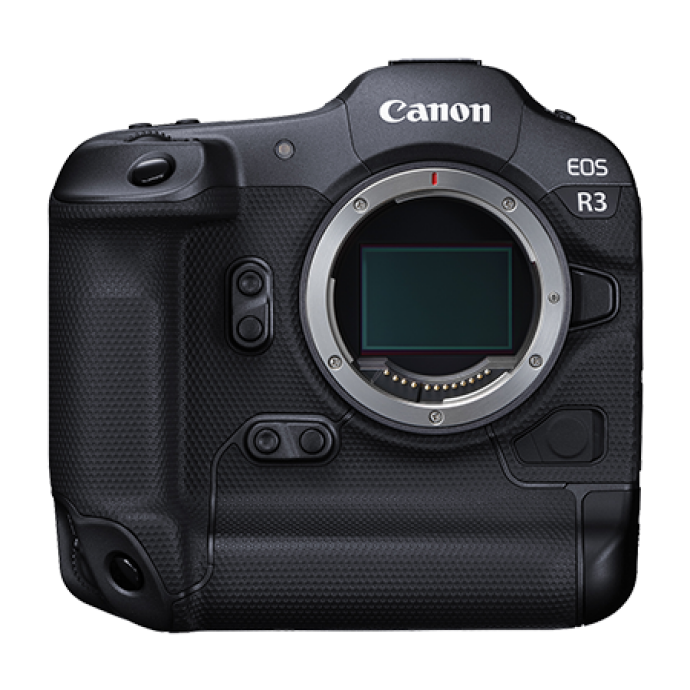
If action is your focus, your next body should help you lock onto subjects faster and keep up during critical moments. The Canon EOS R7 Mirrorless Camera (Body Only) is one of the strongest upgrades in this category because it combines crop-sensor reach with modern mirrorless subject detection. If you want something even more advanced and more professional, the Canon EOS R3 Mirrorless Digital Camera (Body Only) is built for demanding action shooters who need speed, durability, and top-tier tracking performance.
The R3 is a much bigger jump in both capability and budget, but for serious sports, news, or wildlife photographers, it represents a true flagship-style upgrade from APS-C.
4. For travel and everyday photography, keep size and simplicity in mind
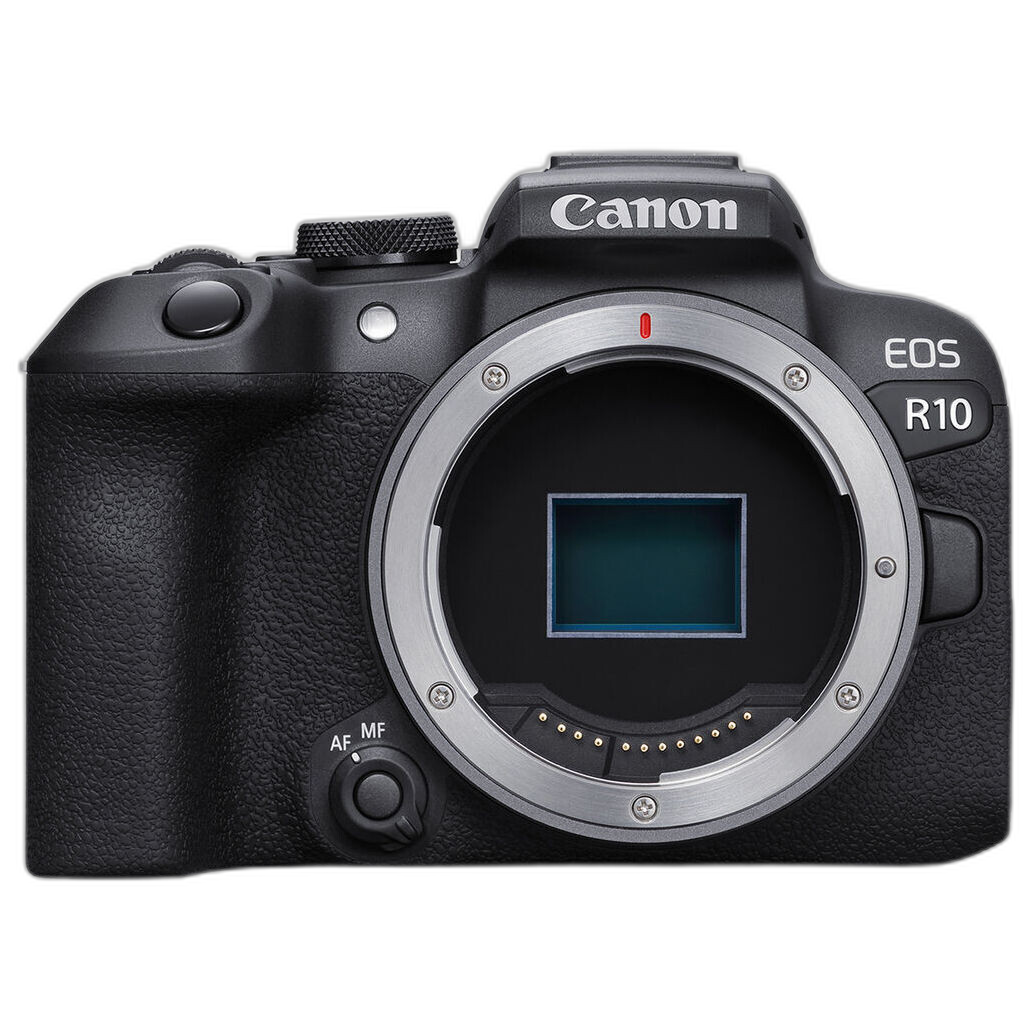
Some APS-C users want a better camera without jumping into a large professional body. The Canon EOS R10 Mirrorless Camera (Body Only) is a smart upgrade if you want a lighter, more modern system with improved autofocus and handling over older entry-level Canon cameras. It’s especially appealing for travel, family photography, and creators who want better performance while keeping the kit compact.
If your current camera feels slow, dated, or too basic, the R10 can be a very practical next step before considering a bigger full-frame investment.
5. For portraits, weddings, and events, look at full-frame all-rounders
Portrait and event shooters usually benefit most from strong low-light performance, reliable eye detection, and pleasing background blur. That’s where a body like the Canon EOS R6 Mark III Body stands out as one of the best upgrades from Canon APS-C cameras. It gives you the full-frame look many photographers want while remaining versatile enough for stills and video.
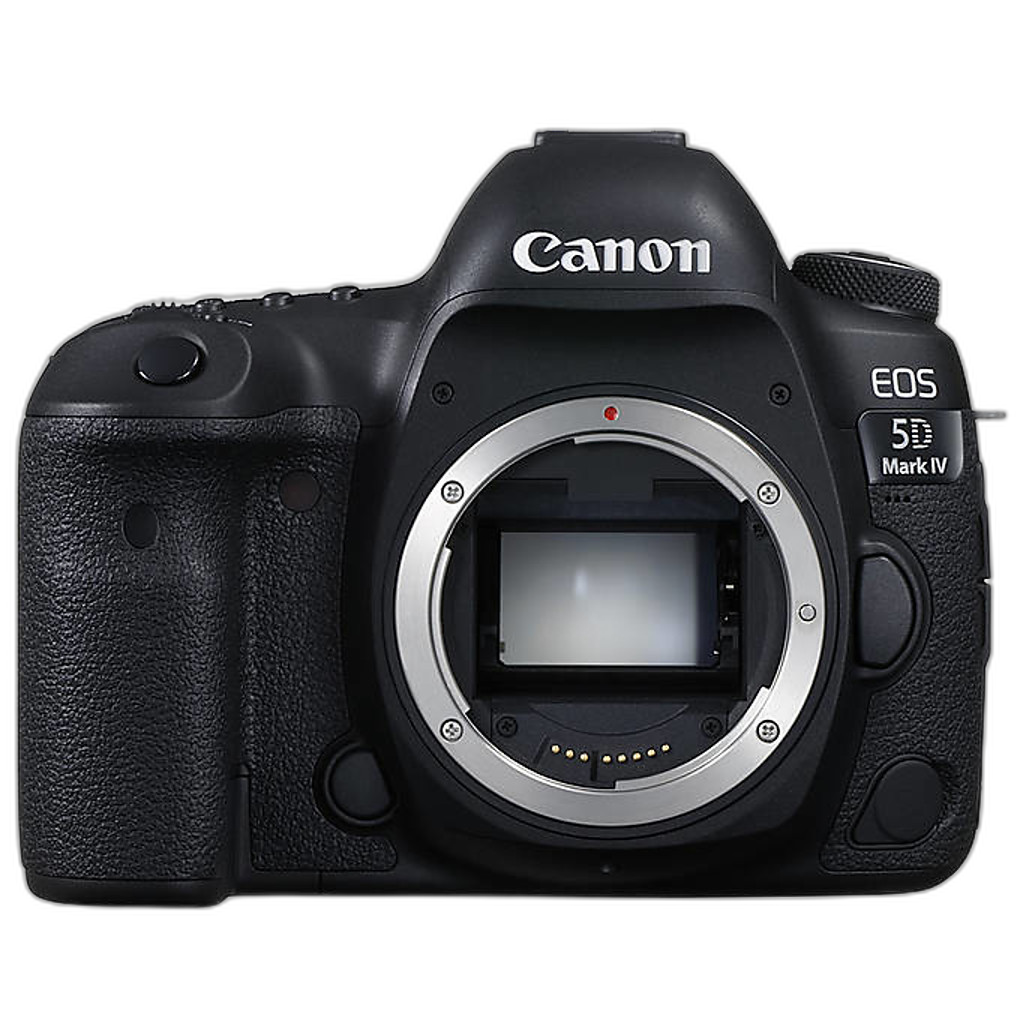
If you prefer the DSLR shooting experience or already have a strong EF lens kit and don’t want to move to mirrorless immediately, the Canon EOS 5D Mark IV DSLR Camera (Body Only) is still a respected upgrade path. It remains a solid choice for photographers who value familiar DSLR ergonomics and dependable image quality.
Think about lenses before you change bodies
6. Your best upgrade may depend on your current glass
Before buying a new body, take a close look at your lens lineup. If most of your lenses are built around APS-C shooting, staying with a body like the Canon EOS R7 Mirrorless Camera (Body Only) or Canon EOS R10 Mirrorless Camera (Body Only) may be more cost-effective. If you’ve been waiting for a reason to invest in higher-end lenses and want to build a system for the long term, stepping into full-frame with the Canon EOS R6 Mark III Body can make more sense.
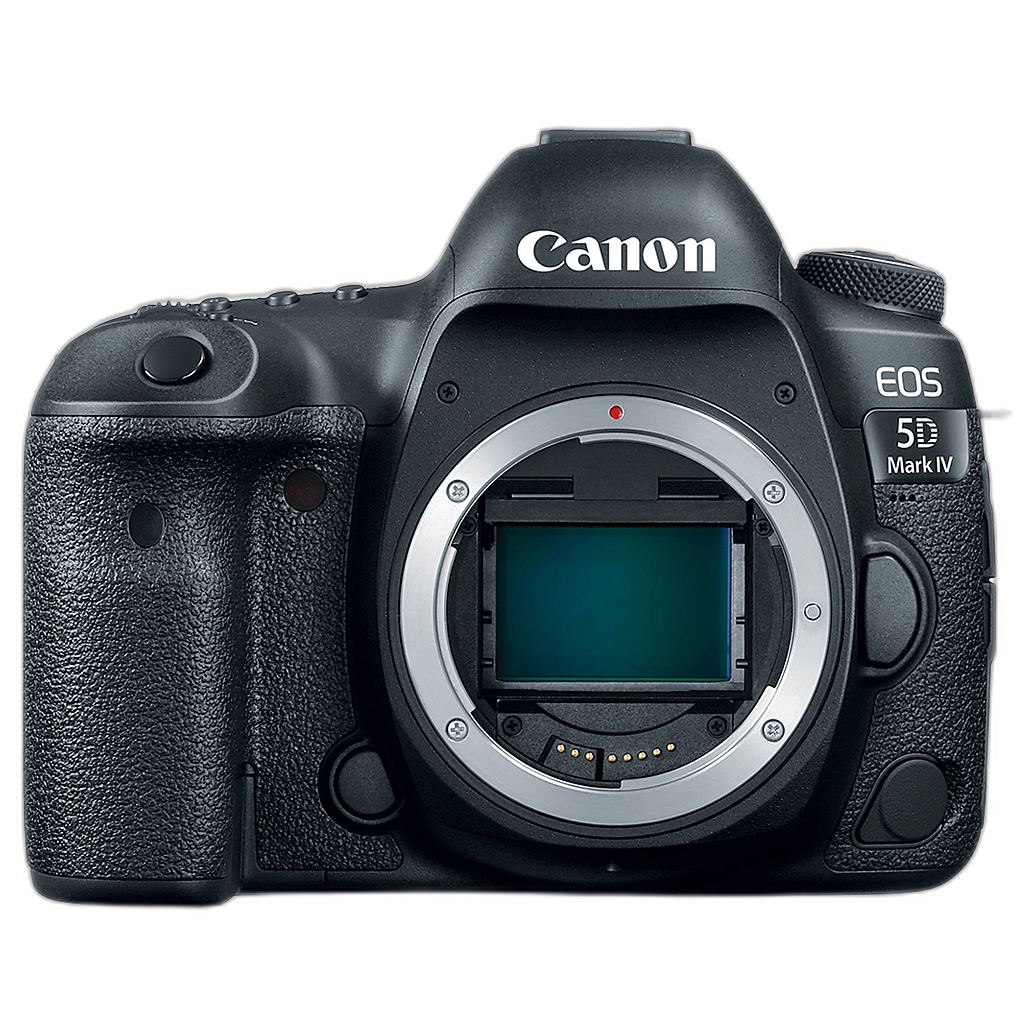
This is also where longtime Canon DSLR users should think carefully. If you own excellent EF lenses and love optical viewfinders, a body like the Canon EOS 5D Mark IV Digital SLR Camera Body Only with Canon Log could be appealing, especially for hybrid shooters who want extra video flexibility within a DSLR workflow.
Don’t ignore video features if you create content
7. Hybrid shooters should choose a body that won’t limit future projects
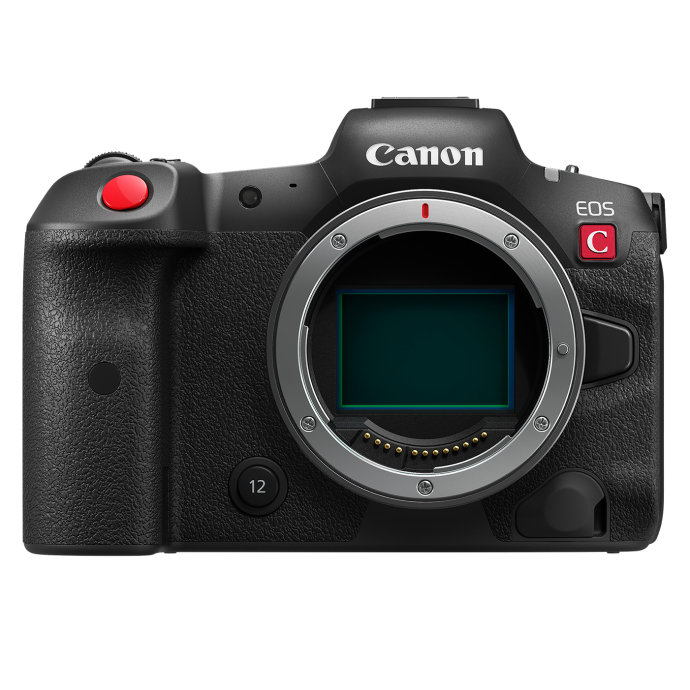
If your APS-C camera has mainly been a stills tool but you’re now shooting more reels, interviews, YouTube content, or commercial work, it’s worth upgrading with video in mind. The Canon EOS R6 Mark III Body is a strong hybrid option for creators who need a balanced stills-and-video camera. For more dedicated video production, the Canon EOS R5 C Digital Cinema Camera (Body Only) is a specialized upgrade for users who need serious cinema features in the Canon ecosystem.
The R5 C is not the default recommendation for every APS-C upgrader, but if your work is shifting toward professional filmmaking, it’s a body worth considering early so you don’t outgrow your gear too quickly.
Be realistic about budget and buying strategy
8. The best upgrade is the one you’ll actually use and grow into
It’s easy to chase the biggest possible jump, but a smart upgrade should fit both your budget and your shooting habits. For some photographers, the Canon EOS R10 Mirrorless Camera (Body Only) is the perfect performance boost without overspending. For others, the Canon EOS R7 Mirrorless Camera (Body Only) hits the sweet spot between advanced features and value. And if your work already demands pro-level performance, bodies like the Canon EOS R3 Mirrorless Digital Camera (Body Only) or Canon EOS R6 Mark III Body may be the right long-term investment.
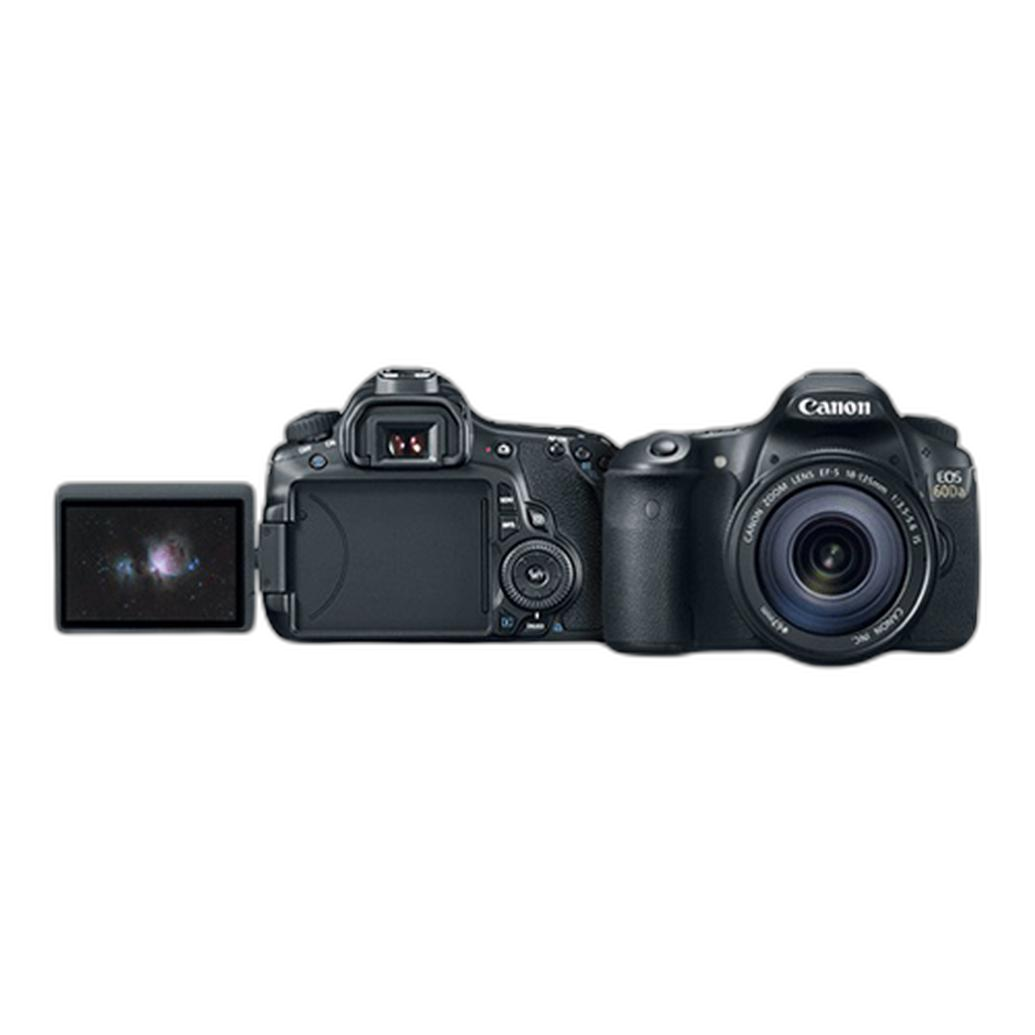
If you’re budget-conscious, don’t overlook used and niche options when they fit your needs. Even a specialized body like the Used Canon 60D-A Astrophotography Camera Body - Excellent can make sense for a photographer upgrading with a very specific purpose in mind, such as night sky imaging.
Conclusion
The best camera body upgrade from a Canon APS-C camera depends on what you shoot, the lenses you own, and how far you want your next step to take you. For many photographers, the Canon EOS R7 is the ideal advanced APS-C move. For those ready for full-frame, the Canon EOS R6 Mark III is a compelling all-around choice. And for specialized needs like pro sports, DSLR familiarity, or cinema production, Canon has strong upgrade paths there too.
If you’re ready to move up, Unique Photo is a great place to compare Canon bodies, explore your options, and find the right fit for your photography journey.