Introduction
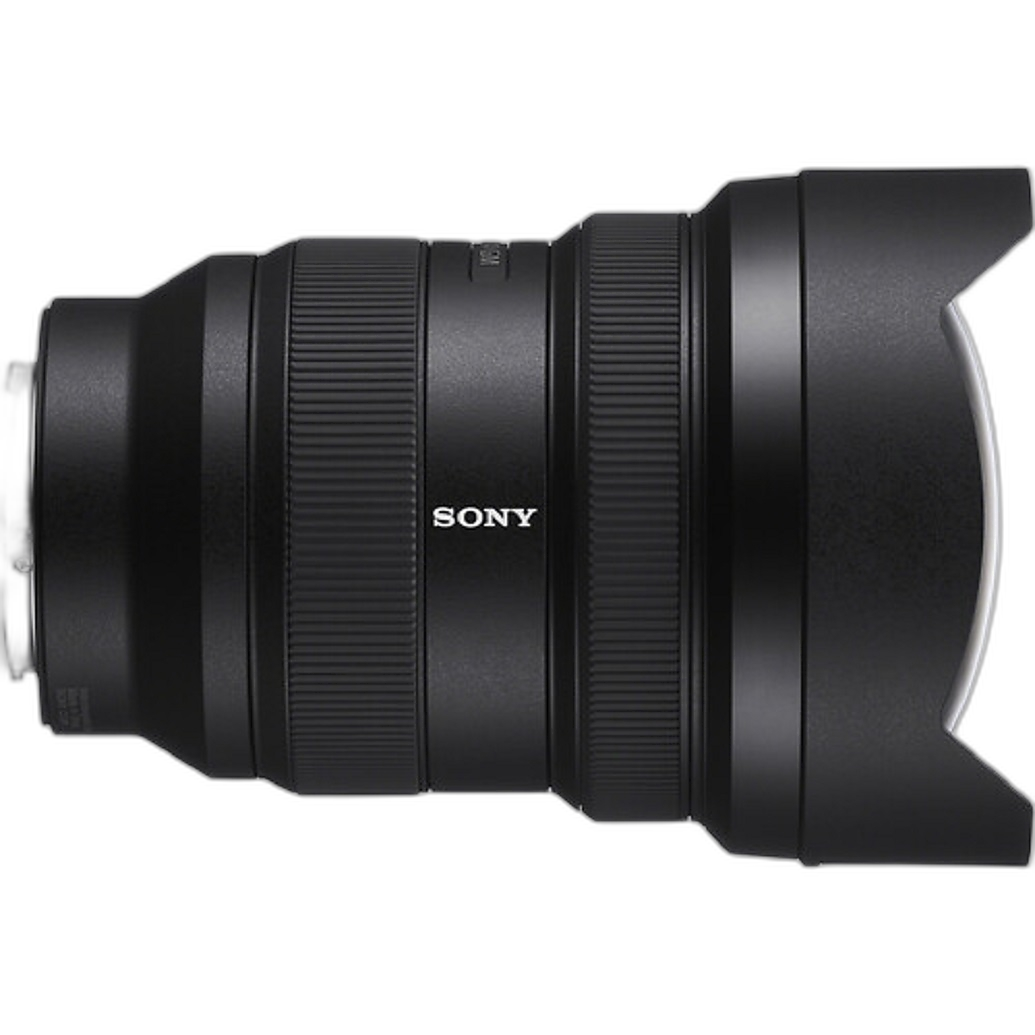
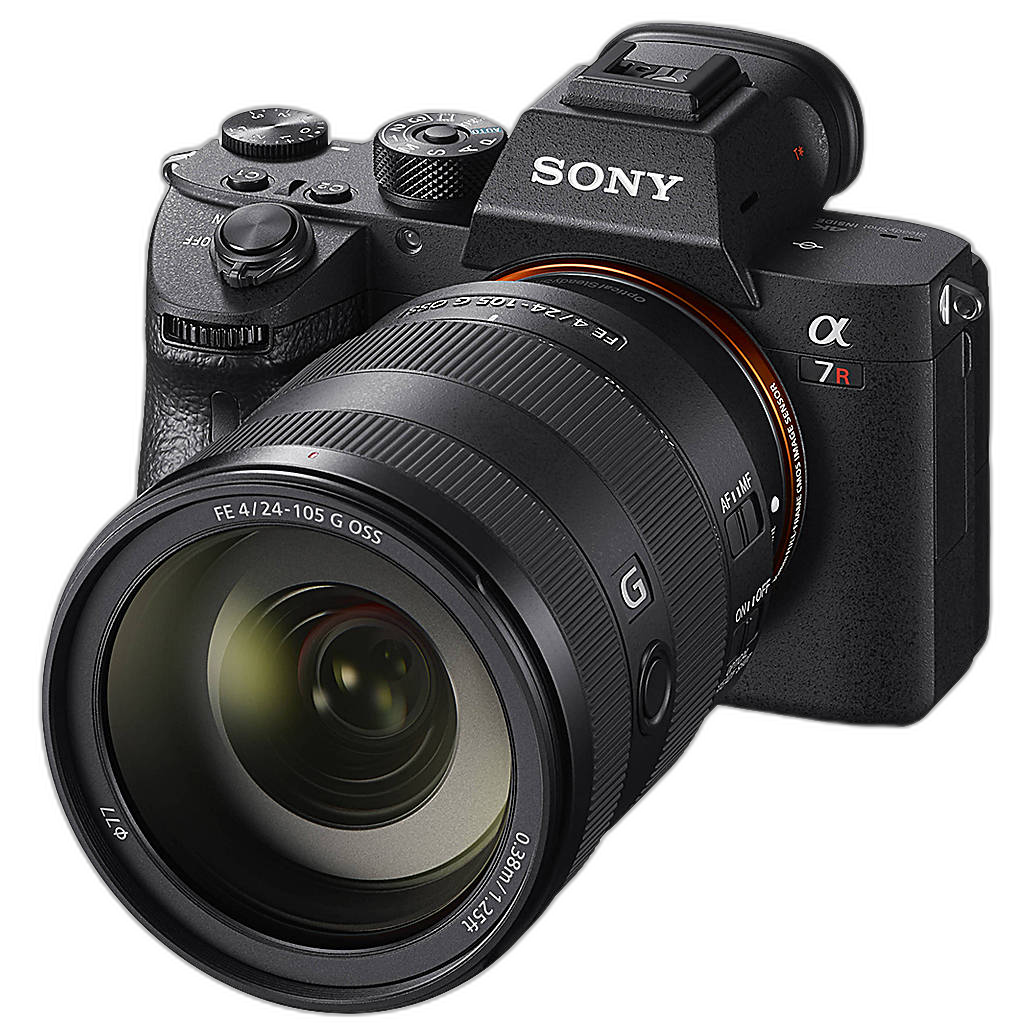
Sony’s Lens Compare Beta is designed to help shoppers see how different lenses stack up before buying, and for beginners, that kind of side-by-side view can be very helpful. To see whether it’s actually useful in real-world decision-making, it makes sense to compare two very different Sony options: the Sony FE 12-24mm f/2.8 GM and the Sony FE 24-105mm f/4 G OSS. One is a premium ultra-wide zoom built for dramatic landscapes, interiors, and architecture, while the other is a flexible everyday zoom that covers wide to short telephoto shooting. For a beginner trying to understand focal length, aperture, and overall practicality, this is exactly the kind of matchup a comparison tool should make easier.
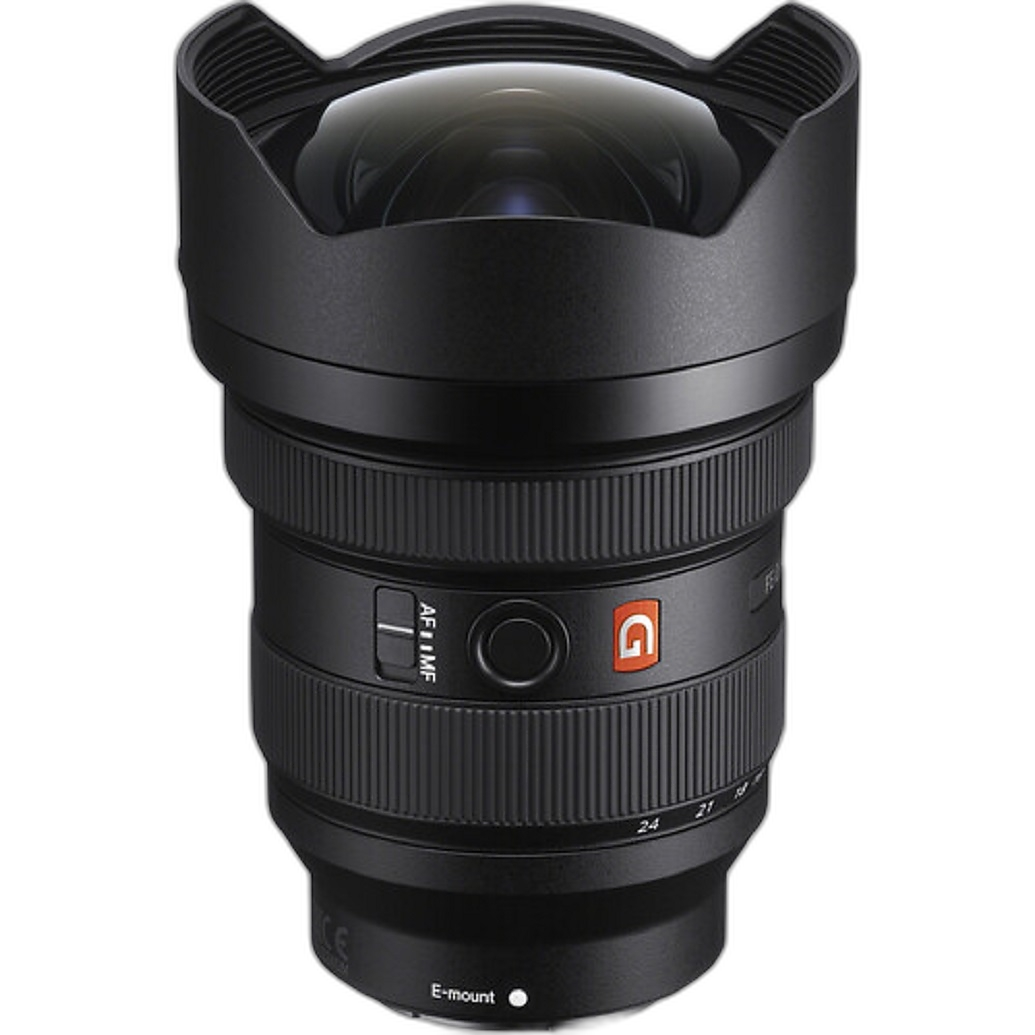
Side-by-Side Specs
| Feature | Sony FE 12-24mm f/2.8 GM | Sony FE 24-105mm f/4 G OSS |
|---|---|---|
| Lens Type | Ultra-wide zoom | Standard zoom |
| Focal Length | 12-24mm | 24-105mm |
| Maximum Aperture | f/2.8 | f/4 |
| Best For | Landscapes, architecture, interiors, dramatic video | Travel, portraits, events, everyday shooting |
| Zoom Range Flexibility | Specialized | Highly versatile |
| Beginner Friendliness | Better for specific creative goals | Better as a first all-around lens |
| System | Sony full-frame E-mount | Sony full-frame E-mount |
What Sony Lens Compare Beta Does Well
For beginners, Sony Lens Compare Beta can be useful because it simplifies a few complicated buying questions. At a glance, you can understand that 12-24mm gives you a much wider field of view than 24-105mm, and that f/2.8 is brighter than f/4. Those basic differences matter. A beginner usually does not need laboratory-level charts first; they need to know what kind of photos each lens is meant to make.
The tool is especially helpful when comparing lenses from the same system, like these two Sony full-frame options. It can quickly highlight whether a lens is specialized or general-purpose, and that alone may prevent a first-time buyer from choosing something impressive on paper but impractical for everyday use.
Understanding Focal Length
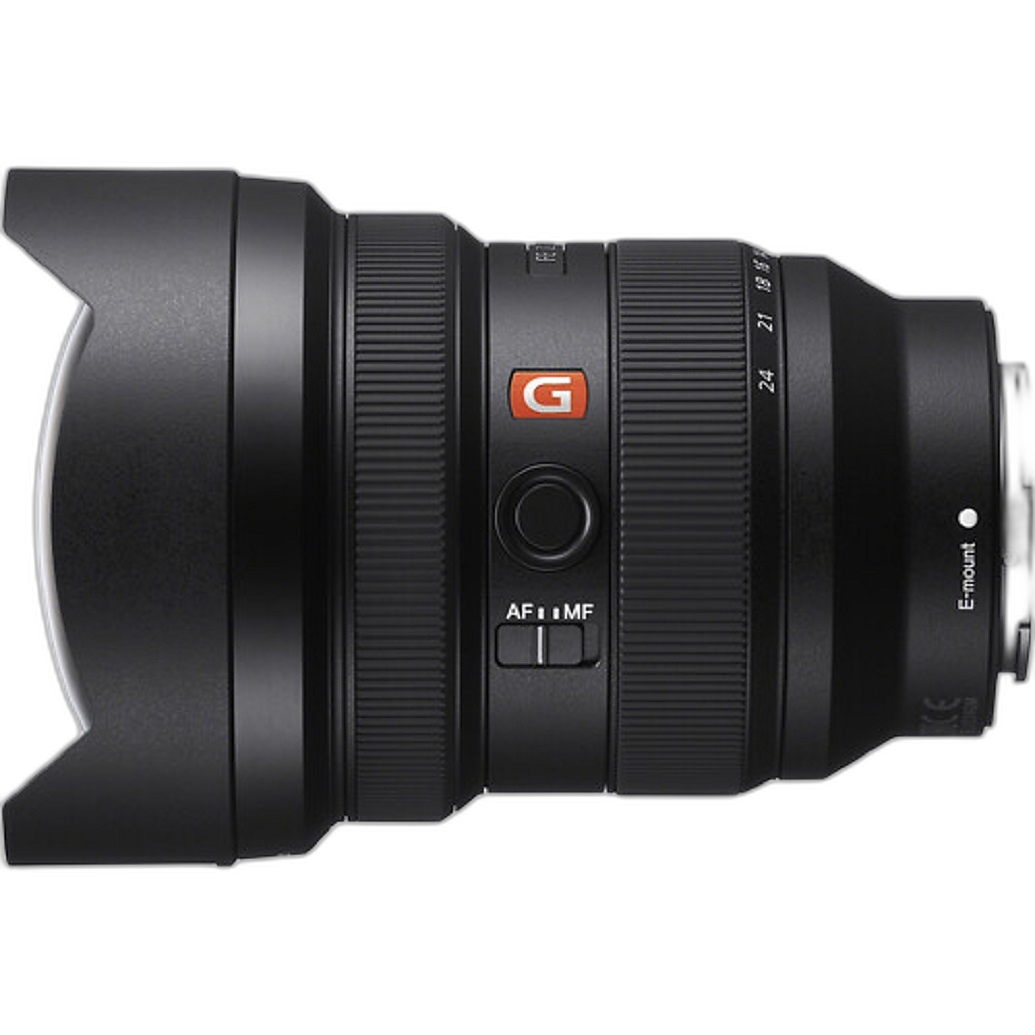
This is where a comparison tool can be most educational. The FE 12-24mm f/2.8 GM lives in an ultra-wide range. It captures sweeping scenes, emphasizes foregrounds, and can make small rooms feel larger. It is exciting and visually dramatic, but it is not the easiest single lens for a beginner to live with every day.
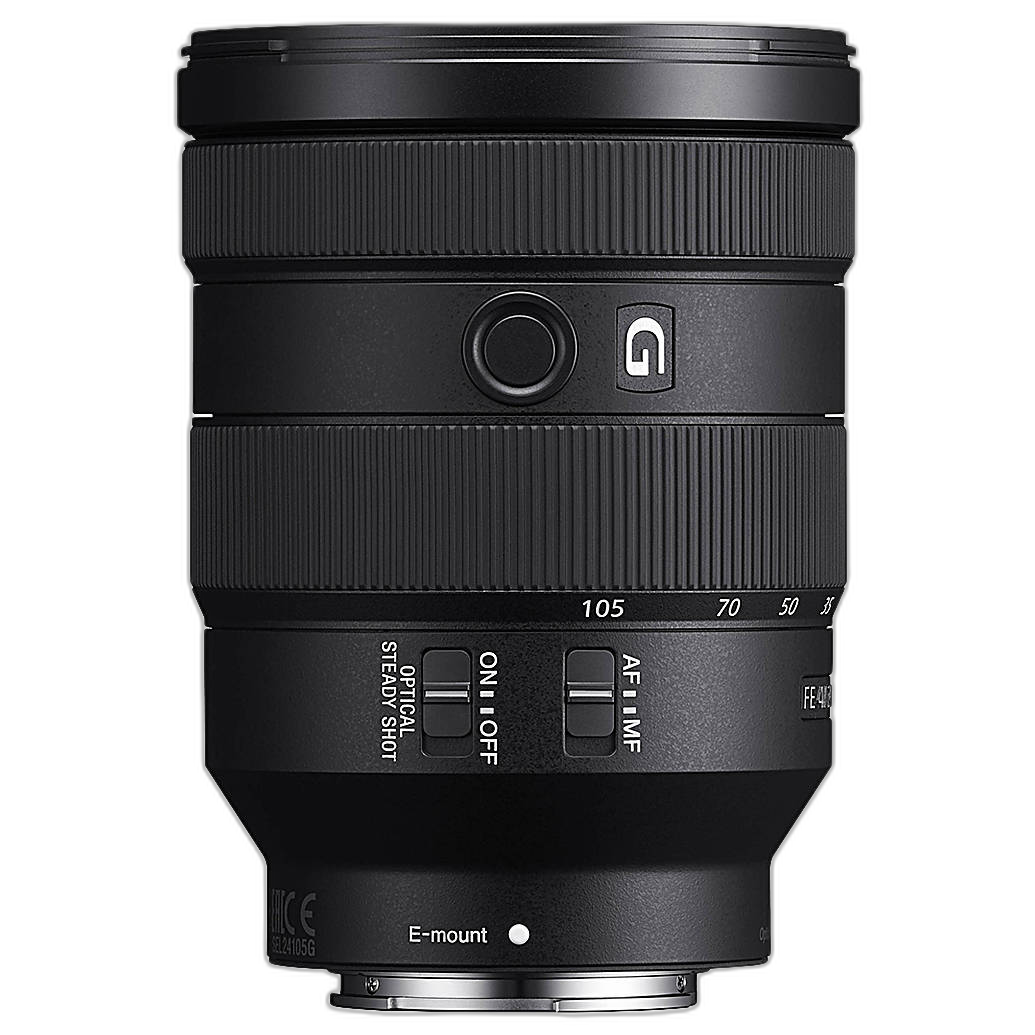
By contrast, the FE 24-105mm f/4 G OSS starts at a familiar wide angle and extends into short telephoto territory. That makes it a stronger fit for travel, family photos, street shooting, portraits, and general content creation. If Sony Lens Compare Beta helps a beginner visualize that one lens is niche and the other is broad-purpose, then it is doing its job.
Understanding Aperture
Beginners often assume the faster lens is automatically the better lens. Sony Lens Compare Beta can help correct that by showing aperture in context. Yes, f/2.8 on the 12-24mm GM lets in more light than f/4 on the 24-105mm. That can be valuable for low-light work, night scenes, and some video applications.
But a beginner also needs to know that aperture is only one part of lens choice. The 24-105mm’s broader zoom range may matter much more in day-to-day shooting than the one-stop light advantage of the 12-24mm. In other words, the tool is useful if it encourages balanced thinking instead of spec chasing.
Versatility vs Specialization
This is the biggest difference between these lenses. The 12-24mm f/2.8 GM is a high-end creative tool. It is ideal if you already know you love landscapes, real estate, architecture, or immersive video perspectives. It offers a premium look and standout width, but it asks the shooter to work within a very specific range.
The 24-105mm f/4 G OSS is easier to recommend to a newcomer because it can handle many more situations. One lens can cover casual walkaround shooting, portraits, travel details, and tighter framing without needing constant lens changes. For someone still discovering their style, versatility usually wins.
Is Sony Lens Compare Beta Actually Useful for Beginners?
Yes, with one important caveat: it is most useful as a starting point, not the final answer. For beginners, the tool works well when it helps translate specs into shooting experience. Comparing these two lenses makes the value clear. You can quickly see that one is a specialized ultra-wide GM lens and the other is a practical all-around zoom.
Where beginners may still need extra guidance is understanding why those differences matter in real life. A comparison tool can show the gap between 12mm and 24mm, but it may not fully explain that the 24-105mm is typically the safer first purchase for most people. That is where retailer expertise, sample use cases, and hands-on advice become important.
Our Pick
For most beginners, our pick is the Sony FE 24-105mm f/4 G OSS. It is the more useful everyday lens, the easier lens to learn with, and the better match for photographers and creators who are still figuring out what they like to shoot. The Sony FE 12-24mm f/2.8 GM is outstanding, but it makes the most sense for buyers who already know they need an ultra-wide premium lens for specific creative work.
Conclusion
Sony Lens Compare Beta is useful for beginners when it helps frame lens buying around real-world shooting needs instead of just isolated specs. In a matchup like the Sony FE 12-24mm f/2.8 GM versus the Sony FE 24-105mm f/4 G OSS, the tool can clearly show the difference between a specialized lens and a versatile one. For most first-time Sony shooters, the 24-105mm is the smarter choice, while the 12-24mm is a more focused creative investment. If you want help turning those comparisons into the right purchase, Unique Photo is a great place to explore Sony lenses and get more expert guidance.