Choosing a wildlife lens can feel complicated, especially when you are balancing reach, subject size, low-light performance, weight, and budget. Sony Lens Compare Beta can be a very useful starting point because it helps you look at focal lengths and lens characteristics side by side before you commit. The key is knowing how to interpret what you see for real wildlife situations, not just spec-sheet comparisons. Below are practical tips for using Sony Lens Compare Beta more effectively when narrowing down wildlife photography lens choices.
Start with the Animal and the Distance
1. Build your comparison around real shooting scenarios
Before comparing lenses, think about the subjects you photograph most often. Small birds at a distance need a very different lens approach than larger animals at closer range. Sony Lens Compare Beta is most helpful when you compare options based on how you actually shoot.
- If you often work in forests, dawn light, or shaded habitats, pay attention to maximum aperture and handling.
- If you photograph larger wildlife in environmental scenes, a wider focal length may still have a place in your kit.
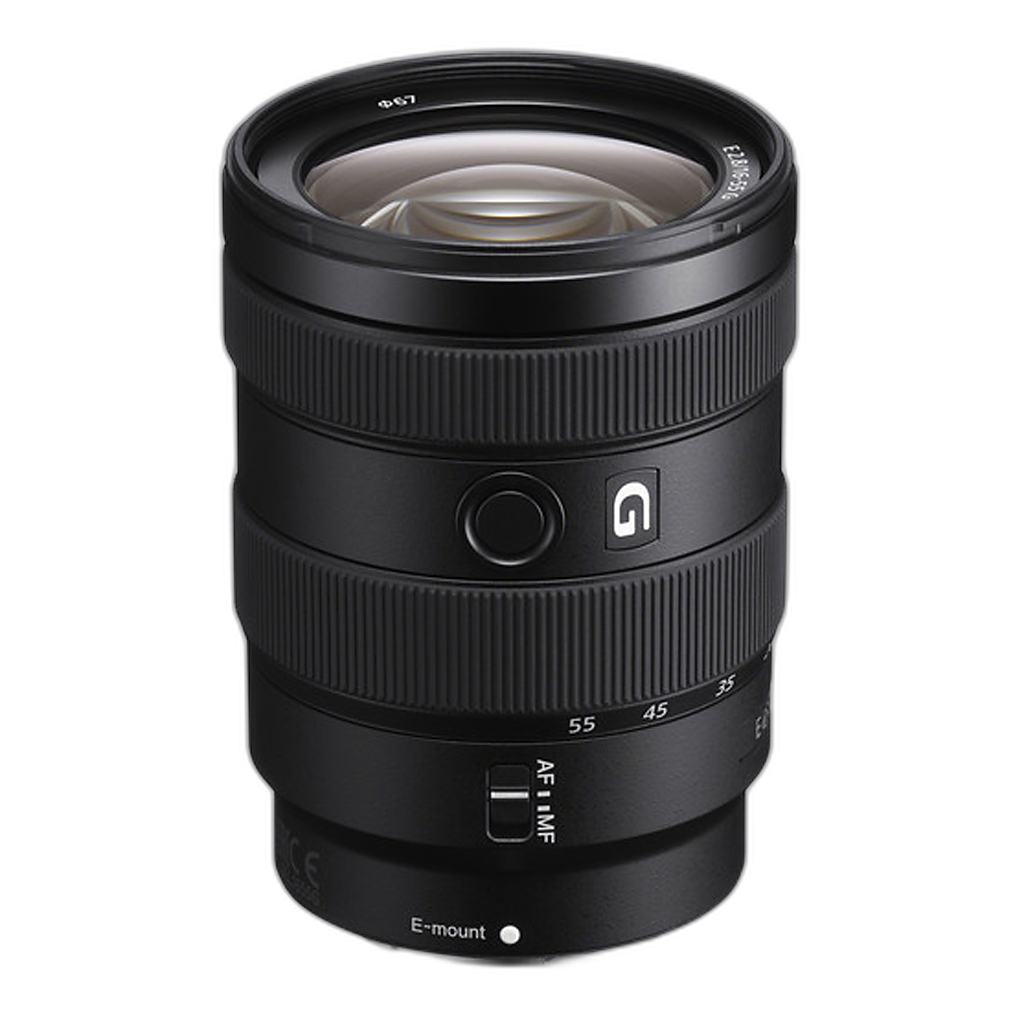
- If you want habitat storytelling, something like a Used Sony 16-55mm f/2.8 G Lens for Sony E Mount - Excellent can help create wide context frames, even though it would not be your primary choice for distant subjects.
Using the tool with a clear subject-distance plan makes the comparison much more meaningful.
Compare Focal Lengths for Framing, Not Just Specifications
2. Use focal length differences to predict composition choices
One of the smartest ways to use Sony Lens Compare Beta is to evaluate how much tighter or looser each lens frames your subject. For wildlife, composition is often everything. Even a modest focal length jump can change whether you are getting a portrait, a headshot, or an environmental image.
For example, if you are deciding between shorter telephoto-style primes such as the Used Sigma 85mm f/1.4 ART for Sony E - Excellent, Used Sigma 105mm f/1.4 DG HSM Art Lens for Sony E - Excellent, and Used Sigma 135mm f/1.8 DG HSM Art Lens for Sony E - Excellent, the tool can help visualize how each focal length changes subject size in frame. While these are not classic super-telephoto wildlife lenses, they can still be useful for wildlife at zoos, larger animals in managed settings, detail shots, and tighter portraits when you can work relatively close.
Pay Attention to Maximum Aperture for Low-Light Wildlife Work
3. Use the comparison to judge light-gathering potential
Wildlife photographers often work early in the morning or late in the day, which makes aperture an important part of lens selection. Sony Lens Compare Beta can help you quickly identify which lenses may better support faster shutter speeds in lower light.
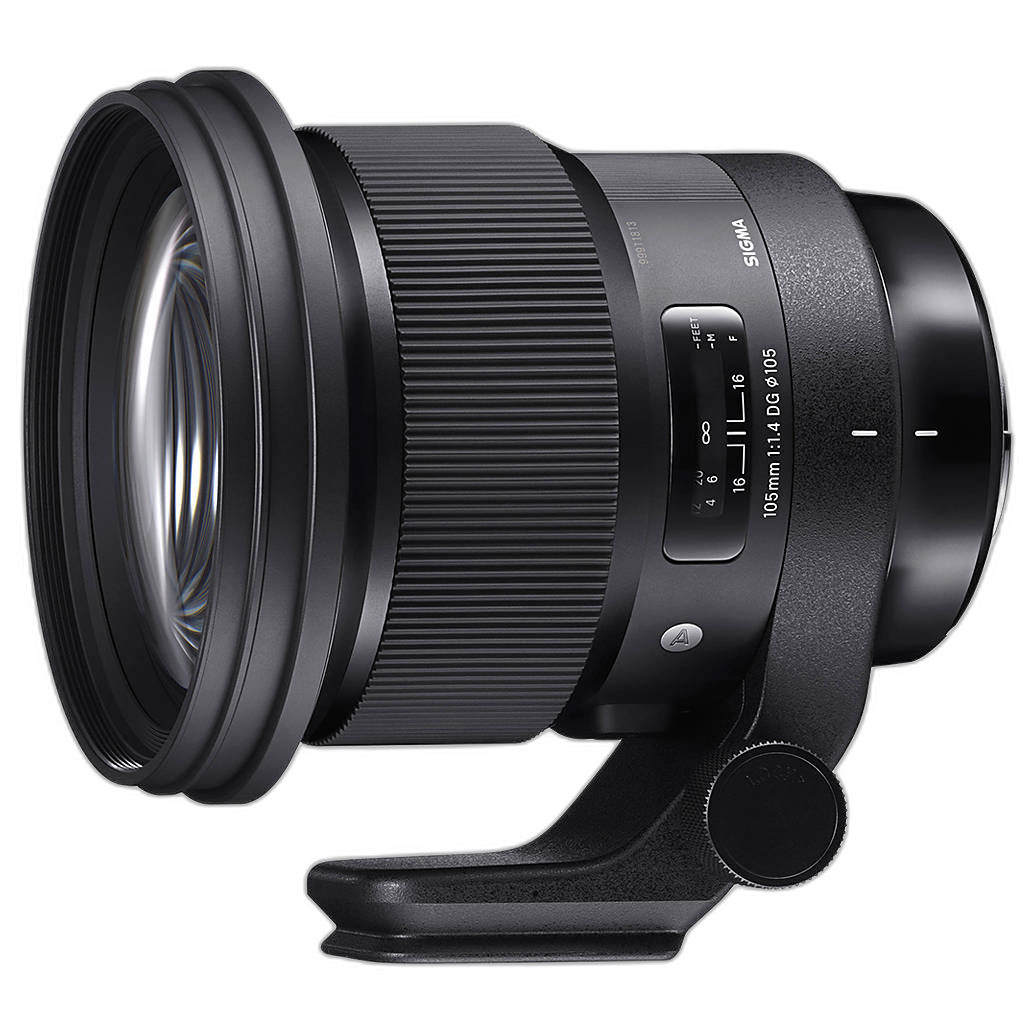
- A lens like the Used Sigma 105mm f/1.4 DG HSM Art Lens for Sony E - Excellent offers exceptional brightness for isolating subjects and keeping ISO lower.
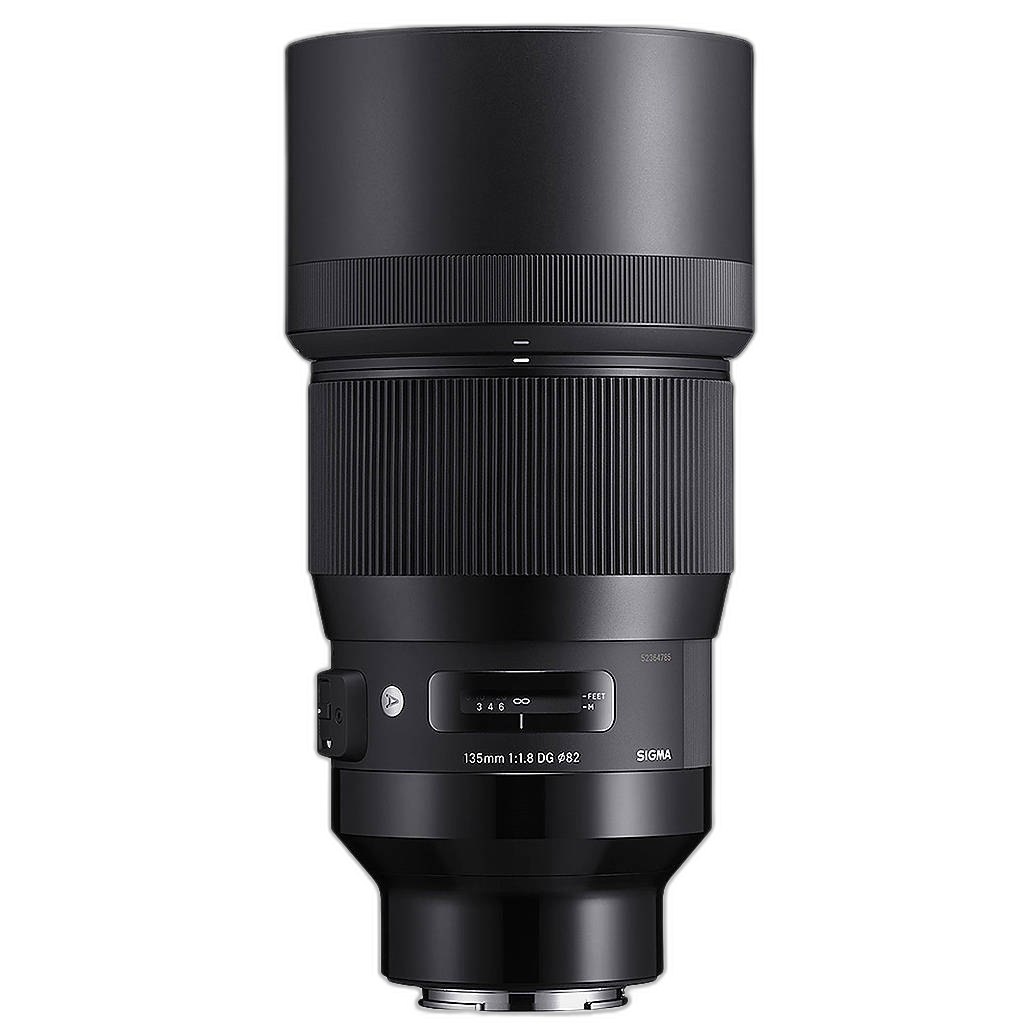
- The Used Sigma 135mm f/1.8 DG HSM Art Lens for Sony E - Excellent gives you a bit more reach while still remaining very bright.
- For wider wildlife storytelling or nocturnal environment scenes, the Used Sigma 24mm f/1.4 DG HSM Art Lens for Sony E - Excellent or Used Sigma 14mm f/1.8 ART for Sony E - Excellent may be worth comparing if your goal includes animals within broader landscapes.
Remember that a fast aperture helps with shutter speed and subject separation, but it does not replace the need for enough reach when your subjects are far away.
Think Beyond Reach and Consider Subject Isolation
4. Compare depth-of-field potential for cleaner backgrounds
Wildlife images often stand out when the background falls away and the subject remains crisp and prominent. Sony Lens Compare Beta can help you evaluate lenses that produce stronger background blur, which matters when shooting in busy natural environments.
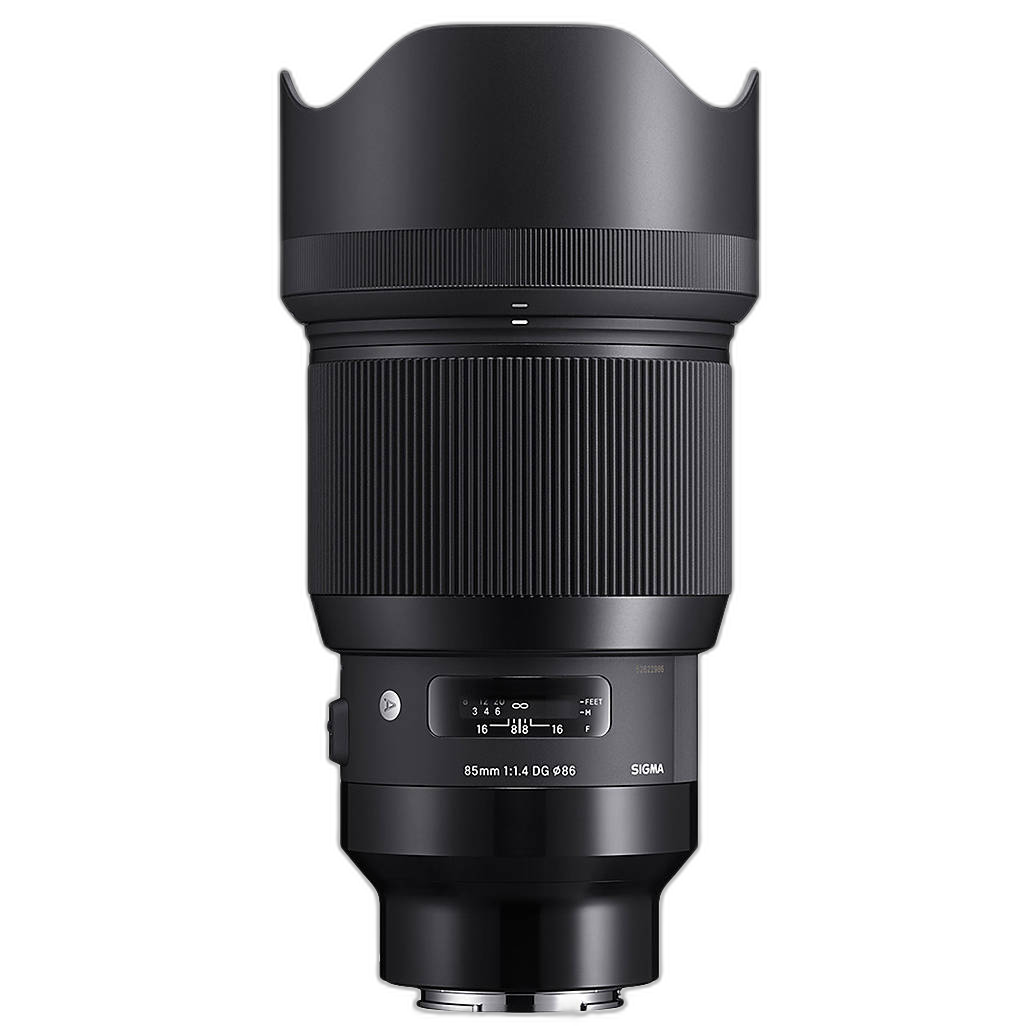
The Used Sigma 85mm f/1.4 ART for Sony E - Excellent and Used Sigma 105mm f/1.4 DG HSM Art Lens for Sony E - Excellent are both interesting examples. While neither is a long-distance birding lens, both can create striking separation for wildlife portraits when you are close enough to your subject. This can be especially useful for rehabilitation centers, wildlife parks, butterfly houses, or larger animals that allow closer working distances.
Use the Tool to Balance Image Goals with Portability
5. Be realistic about how and where you hike or travel
One of the easiest mistakes in wildlife photography is choosing only by image potential without considering how long you can comfortably carry the lens. Sony Lens Compare Beta can help you narrow options before you do deeper research into real-world handling.
If your outings involve long walks, travel, or quick reaction shooting, ask yourself:
- Will I handhold this comfortably for extended periods?
- Do I need a lens that doubles for portraits or general nature work?
- Am I shooting from blinds, trails, vehicles, or stationary positions?
A lens such as the Used Sony 16-55mm f/2.8 G Lens for Sony E Mount - Excellent may not be your wildlife specialist, but it can be a practical companion for landscapes, habitat shots, and travel-friendly nature coverage. Using Sony Lens Compare Beta as part of a broader kit-building strategy can help you avoid overbuying for narrow use cases.
Compare Used Options When Budget Shapes the Decision
6. Let lens condition and value guide your shortlist
Wildlife photography gear can get expensive quickly, so it makes sense to compare not just focal lengths and apertures, but also realistic purchase options. If Sony Lens Compare Beta helps you decide that a 105mm f/1.4 fits your style for close wildlife portraiture, you may then compare condition grades to find the best fit for your budget.
For example, there are multiple used versions of the Sigma 105mm f/1.4 available, including the Used Sigma 105mm f/1.4 DG HSM Art Lens for Sony E - Excellent, Used Good Sigma 105mm f/1.4 DG HSM Art Lens for Sony E, and Used Fair Sigma 105mm f/1.4 DG HSM Art Lens for Sony E. Once the comparison tool helps you confirm the focal length and aperture suit your needs, shopping used can be a smart way to stretch your wildlife budget further.
Include Environmental Wildlife Images in Your Comparison Plan
7. Don’t overlook wide and normal focal lengths for storytelling
Wildlife photography is not only about tight portraits. Environmental frames can add scale, mood, and narrative. Sony Lens Compare Beta can help you see when a wider lens belongs in your bag alongside longer options.
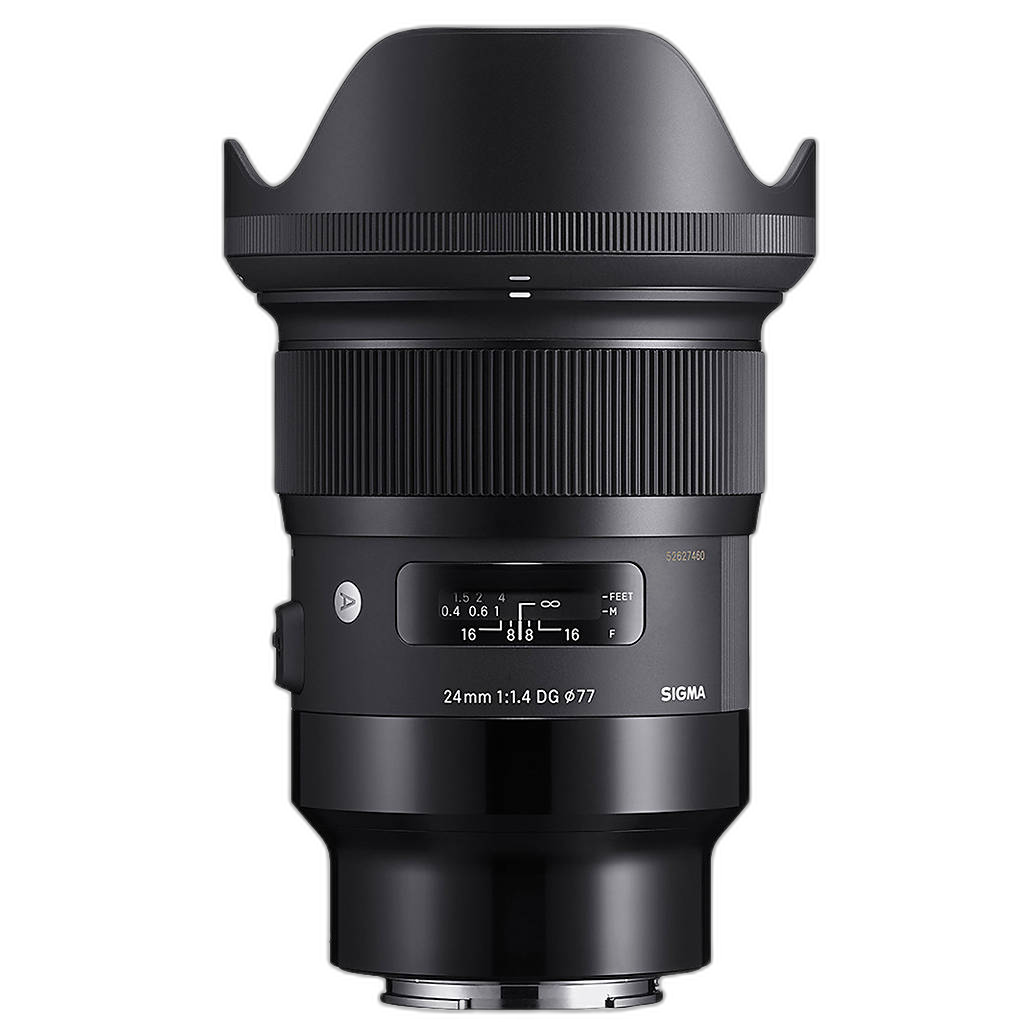
The Used Sigma 24mm f/1.4 DG HSM Art Lens for Sony E - Excellent can be useful for dramatic habitat scenes, camera-trap style concepts, or low-light nature storytelling. The Used Sigma 14mm f/1.8 ART for Sony E - Excellent pushes even wider and may suit astrophotography-inspired wildlife environments or immersive foreground-heavy nature compositions. While these are specialized uses, comparing them against standard and short telephoto lenses can help you build a more complete wildlife kit.
Use Sony Lens Compare Beta as a Filter, Not the Final Word
8. Finish with field-based questions before buying
Sony Lens Compare Beta is best used as an early decision tool. It can narrow your options, but your final decision should also consider autofocus behavior, ergonomics, compatibility, and how the lens fits your style of wildlife photography.
- Do you need speed for erratic animal movement?
- Will you mostly photograph perched, slower, or predictable subjects?
- Do you want one lens for wildlife, portraits, and nature travel?
- Will you crop heavily, or do you prefer getting composition right in-camera?
By combining the tool’s visual comparisons with these practical questions, you can make much smarter lens decisions.
Conclusion
The best approach to using Sony Lens Compare Beta for wildlife photography is to compare lenses through the lens of real field conditions: distance, light, composition, portability, and budget. Whether you are considering a versatile option like the Used Sony 16-55mm f/2.8 G Lens for Sony E Mount - Excellent for environmental work or a brighter short telephoto like the Used Sigma 135mm f/1.8 DG HSM Art Lens for Sony E - Excellent for close wildlife portraits, the comparison process becomes much more useful when tied to actual shooting goals. Explore your options carefully, think about the kinds of wildlife images you want to create, and check out Unique Photo for used lens choices that can help you build a smarter Sony wildlife kit.