Natural Light vs. Studio Flashes for Portrait Photography
Portrait photographers often start with natural light because it is accessible, flattering, and easy to experiment with. But as soon as consistency, control, and repeatability become priorities, studio flashes enter the conversation. In this comparison, we are looking at the practical differences between working with available light and building a dedicated flash-based portrait setup, while also comparing several popular lighting kits that make the move into flash easier.
Natural light can be beautiful, especially during golden hour or near a large window, but it changes constantly with weather, time of day, and location. Studio flashes give photographers the ability to shape, repeat, and refine light regardless of conditions. For portrait shooters deciding whether to stay simple or invest in a more controlled setup, this head-to-head breakdown highlights where each approach shines.

Side-by-Side Comparison
| Setup / Product | Type | Best For | Key Advantage | Trade-Off |
|---|---|---|---|---|
| Natural Light | Ambient light | Beginners, lifestyle portraits, travel, window-light sessions | No gear required beyond camera and modifiers | Limited control and changing conditions |
| Godox SK400II-V Studio Flash Monolight (3-Light Kit) | AC-powered studio flash kit | Home studios, controlled indoor portrait work | Multi-light setup with strong studio workflow potential | Less portable than battery-powered kits |
| Godox SK300III-V Studio Flash Monolight (3-Light Kit) | AC-powered studio flash kit | Entry-level studio portrait photographers | Affordable route into three-light studio setups | Requires mains power and indoor-oriented workflow |
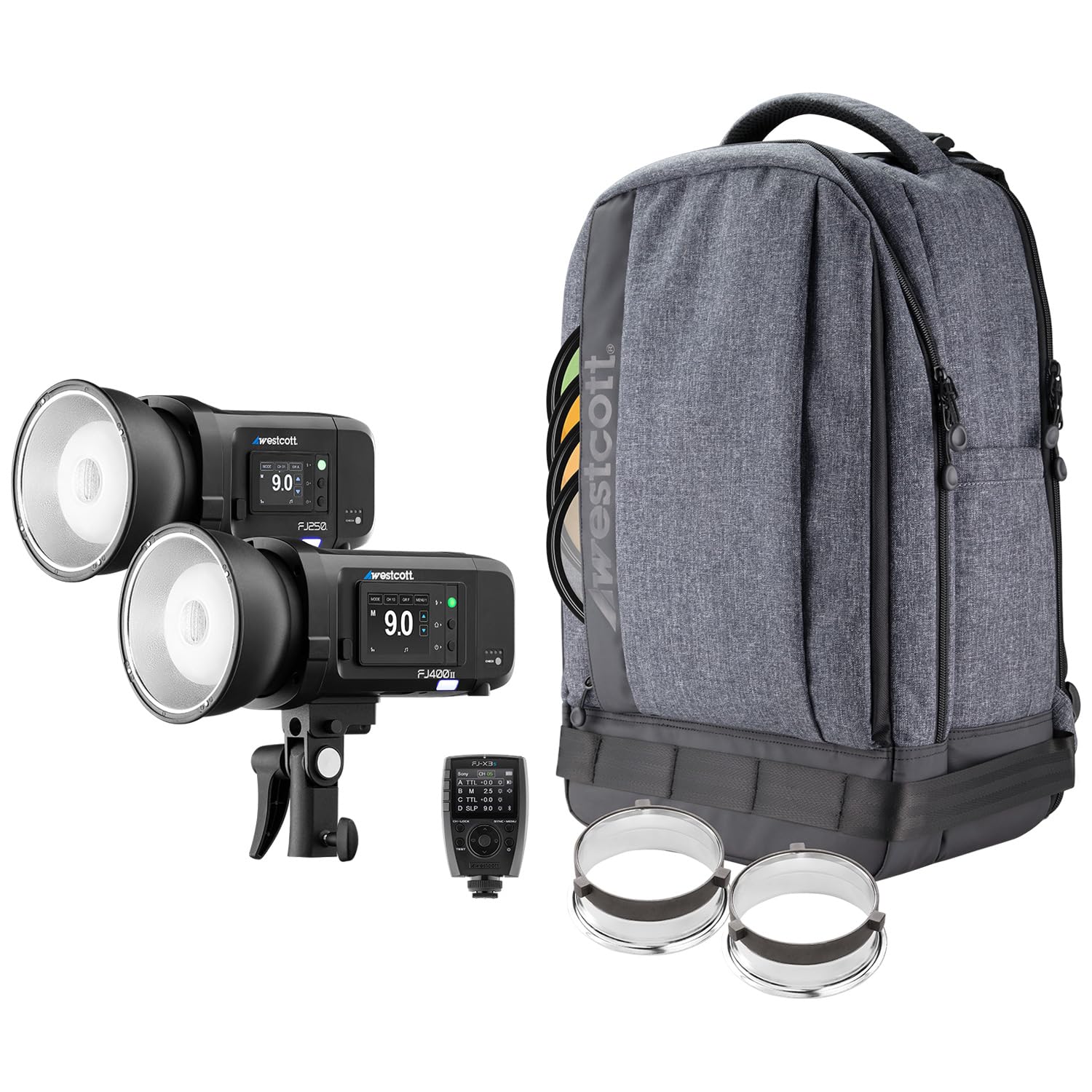
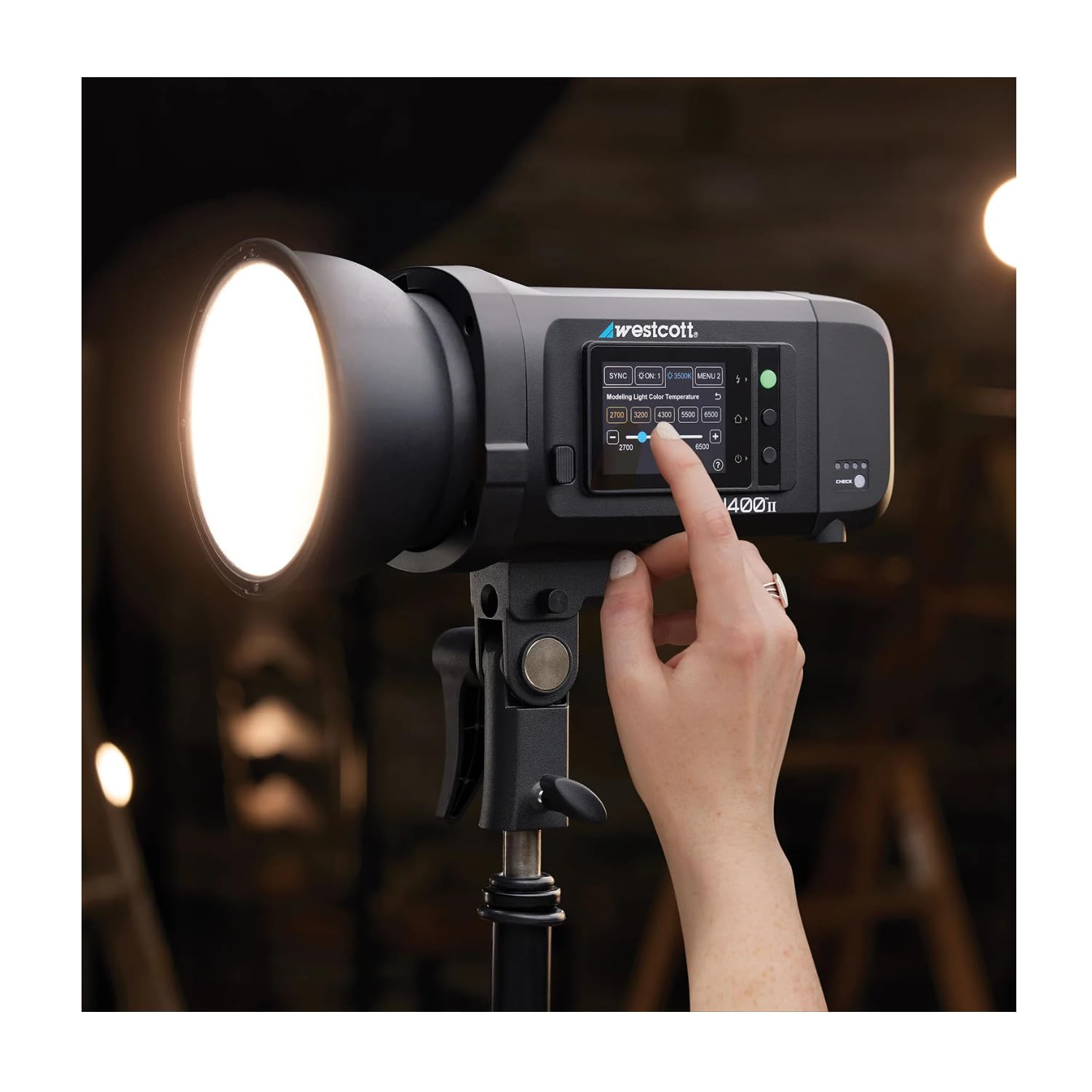
| Westcott FJ Wireless 2-Light Portable Portrait Flash Kit with FJ-X3S Trigger | Portable wireless flash kit | Location portrait photographers and hybrid shooters | Easy mobility with wireless operation | Two-light setup may be less expansive than a three-light studio kit |
| Westcott FJ Wireless 2-Light Portable Portrait Flash Kit with FJ-X3M Universal | Portable wireless flash kit | Cross-system shooters needing flexibility | Portable portrait lighting with universal trigger support | Smaller footprint than full studio systems |
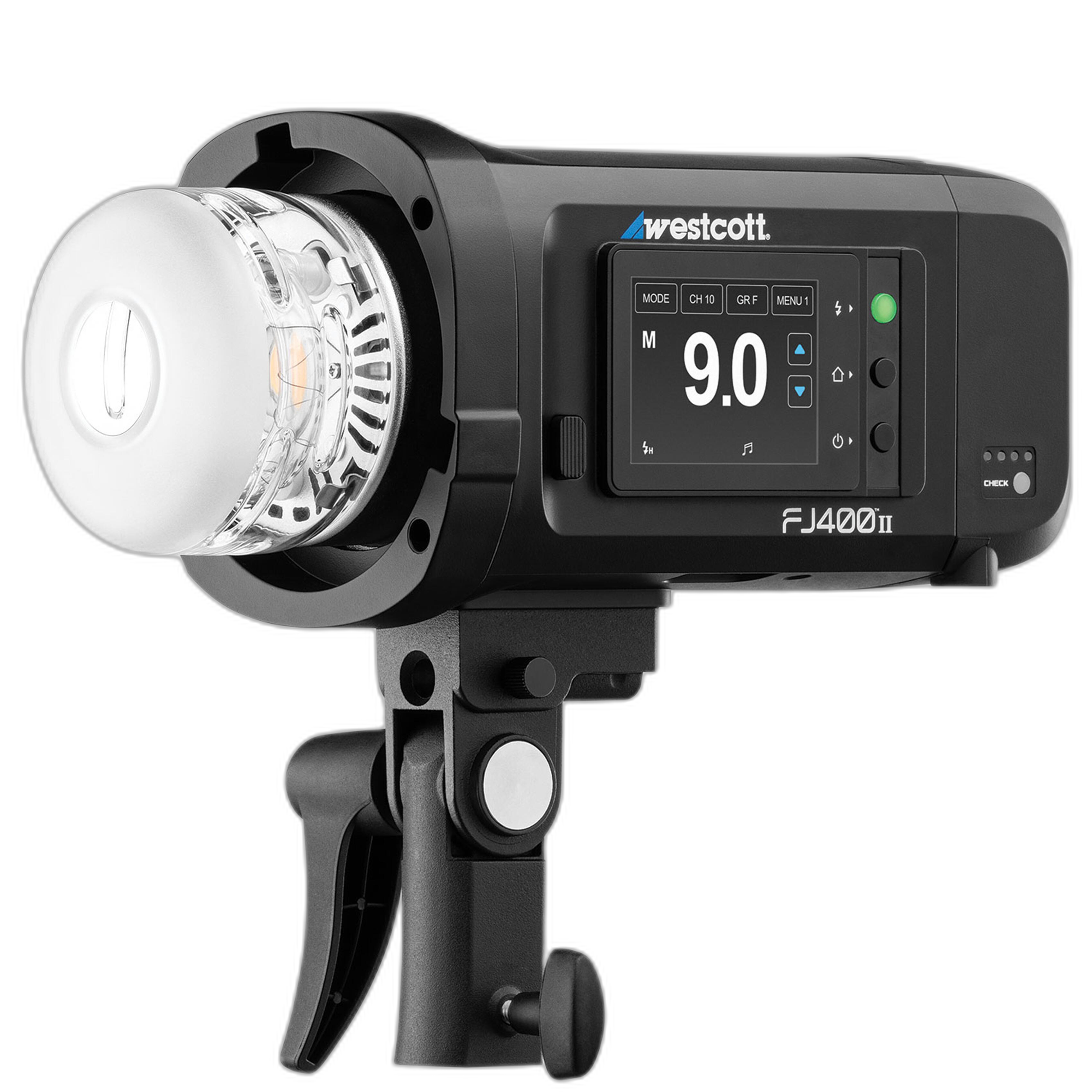
| Westcott FJ400 II Wireless 2-Light Portable Portrait Flash Kit with FJ-X3 M | Portable pro flash kit | Advanced portrait, editorial, and location work | Powerful portable kit with professional wireless control | Higher investment than entry-level options |
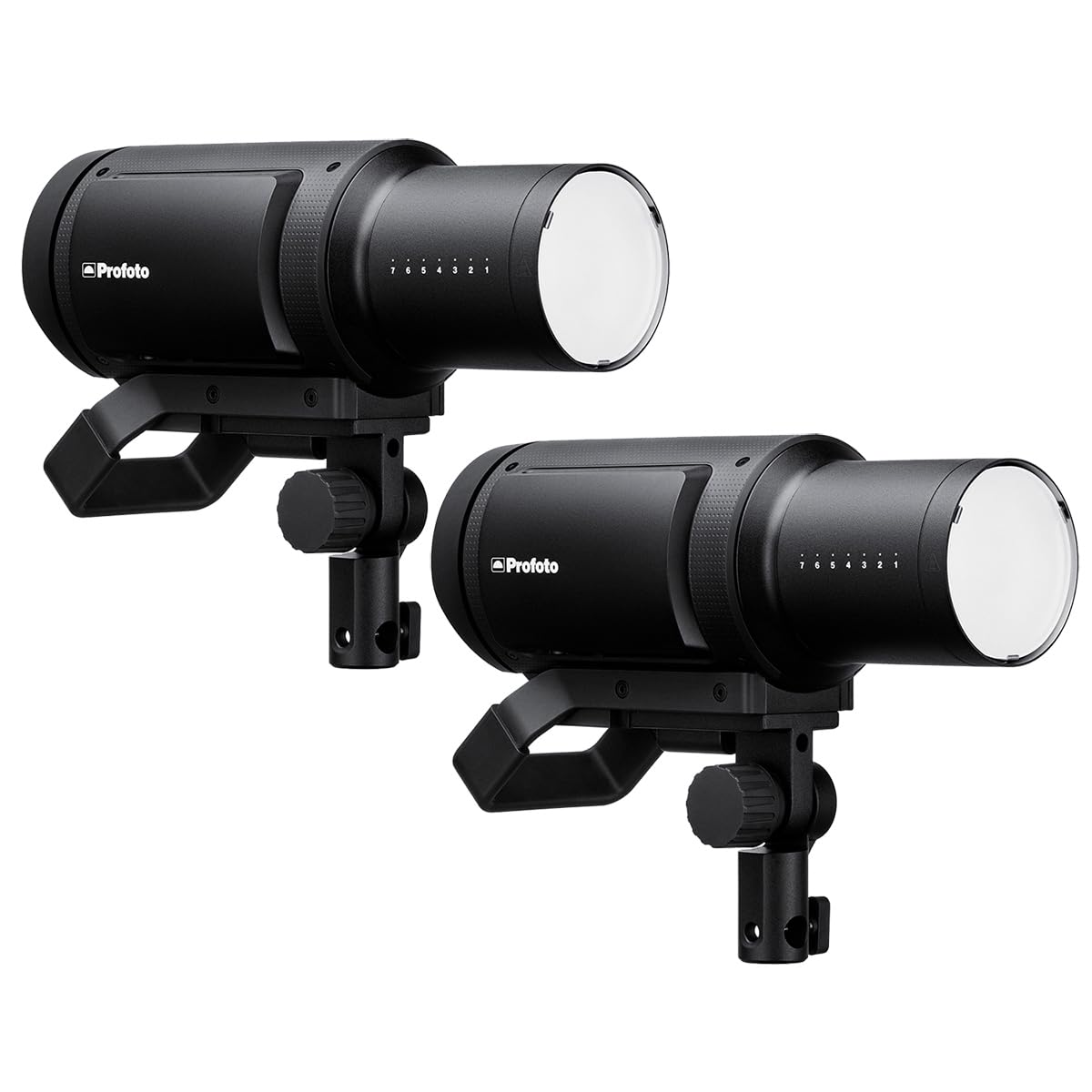
| Profoto Pro-B3 Duo 750Ws Monolight (2-Light Kit) | High-end battery-powered monolight kit | Professional portrait and commercial production | Premium output, portability, and brand ecosystem | Premium price point |
| OPEN BOX Profoto B20 OCF Flash Head Duo Kit | Portable OCF flash kit | Profoto users seeking value | Compact off-camera flexibility with potential open-box savings | Open-box availability can vary |
What Natural Light Does Best
Look and Simplicity
Natural light is often the fastest path to flattering portraits. A large north-facing window, open shade outdoors, or soft sunset light can produce dimensional, pleasing skin tones with minimal setup. This makes it ideal for newer photographers, family portraits, and spontaneous sessions where mobility matters more than technical control.
Low Barrier to Entry
If you already own a camera and lens, natural light lets you start immediately. Adding a reflector can stretch its usefulness even further without dramatically increasing cost or setup time. For photographers who mostly shoot environmental portraits or lifestyle work, natural light may remain a preferred aesthetic rather than simply a beginner stage.
Where It Falls Short
The main challenge is inconsistency. Clouds roll in, sunsets end, windows vary by location, and mixed lighting can complicate color. If you need to match a look from one client session to the next, or create portraits at any hour, natural light alone can become limiting.
Why Studio Flashes Change the Game
Control and Repeatability
Studio flash systems allow you to control intensity, direction, spread, and consistency. That means you can create soft key light, dramatic rim light, clean high-key portraits, or moody low-key setups on demand. Instead of waiting for perfect light, you build it.
Better Performance for Professional Work
For headshots, branding sessions, school portraits, fashion, and studio family work, flashes provide dependable output and a more repeatable workflow. They also help you keep ISO low, sharpen detail, and overpower ambient light when needed.
Scalability
Flash setups scale well. A two-light portable kit can cover a surprising amount of portrait work, while a three-light studio kit opens more room for background, hair, and separation lighting. As your style develops, adding modifiers and refining placement becomes part of a more polished visual signature.
Category-by-Category Analysis
Best for Beginners
If you are just learning portrait lighting, natural light remains the most approachable place to start. It teaches observation, subject placement, and how to read highlights and shadows. But among flash options, the Godox SK300III-V Studio Flash Monolight (3-Light Kit) stands out as a strong step into structured lighting because a three-light kit encourages experimentation with key, fill, and background lighting from day one.
Best for Portability
Natural light wins if you want ultimate simplicity, but among dedicated flash systems, the Westcott FJ series and Profoto portable kits are much better suited to on-location use than AC-powered studio monolights. The Westcott FJ Wireless 2-Light Portable Portrait Flash Kits are especially appealing for photographers who shoot in homes, offices, or outdoor locations and need quick deployment.
Best for Studio Control
When absolute consistency indoors is the goal, dedicated studio monolights have a clear advantage over natural light. The Godox SK400II-V Studio Flash Monolight (3-Light Kit) is particularly attractive for portrait photographers building a home or small commercial studio because it gives you a more complete multi-light arrangement out of the box.
Best for High-End Professional Use
For photographers working in commercial portraiture, editorial environments, or demanding client settings, premium flash systems offer workflow advantages in speed, reliability, and ecosystem depth. The Profoto Pro-B3 Duo 750Ws Monolight (2-Light Kit) is the luxury option here, combining portability with high-end output and the benefits of a mature professional lighting system.
Best Value Upgrade from Natural Light
If you have outgrown window light but do not want to jump straight into a larger premium system, Westcott and Godox offer compelling paths. Godox makes sense for photographers prioritizing studio-based value and multiple lights, while Westcott is ideal for shooters who want portability and wireless convenience. The right choice depends on whether you mostly shoot in a fixed studio or on location.
Our Pick
Our Pick: Westcott FJ400 II Wireless 2-Light Portable Portrait Flash Kit with FJ-X3 M
For most photographers choosing between the freedom of natural light and the consistency of flashes, the Westcott FJ400 II Wireless 2-Light Portable Portrait Flash Kit with FJ-X3 M is the most balanced recommendation. It delivers the biggest practical benefit of studio flashes—control—without forcing you into a fully studio-bound workflow. That makes it a smart fit for portrait photographers who shoot both on location and indoors, want room to grow, and need professional-looking results in a more flexible package.
Natural light is still unbeatable for simplicity and atmosphere, but if you are ready to improve consistency and shape light with intention, this Westcott kit is the clearest all-around upgrade.
Final Thoughts
Natural light and studio flashes are not enemies—they are tools for different creative and professional needs. Natural light is perfect for ease, spontaneity, and soft environmental portraiture. Studio flashes are the better choice when you need consistent quality, greater creative control, and a repeatable client-ready setup.
If your portrait work is becoming more deliberate, more commercial, or simply more frequent, investing in flash can be one of the most meaningful upgrades you make. Unique Photo carries a strong range of portrait lighting options, from approachable portable kits to advanced professional systems, making it easier to find a setup that matches your shooting style and budget.