Portrait Lens FAQ: 50mm vs 85mm, Third-Party Options, and Stabilization
Choosing the right portrait lens is one of the biggest gear decisions photographers make, whether they are just starting out or building a paid portrait kit. The best investment depends on your shooting distance, preferred look, camera system, and budget—but a few lens categories consistently stand out for flattering perspective, strong subject separation, and dependable performance.
At Unique Photo, we help portrait photographers compare classic focal lengths like 50mm, 75mm, 85mm, and 90mm, while also weighing premium first-party glass against modern third-party alternatives. Below, we answer the most common portrait lens questions and highlight a few standout options available now.
Are third-party lenses reliable for portrait photography?
Yes—today's third-party lenses can be excellent choices for portrait work, especially if you are looking for a strong balance of image quality, size, and price. For portraits, reliability usually comes down to three things: autofocus consistency, rendering style, and build quality. Many third-party options now perform at a level that makes them serious tools for enthusiast and professional photographers alike.
A great example is the Sigma 90mm F2.8 DG Contemporary. It offers a classic short-telephoto portrait perspective with a compact design that is easy to carry for location sessions, travel portraits, or environmental work. While an f/2.8 lens will not blur the background quite as dramatically as an f/1.4 or f/1.8 prime, it can still produce clean subject separation when paired with thoughtful composition and adequate subject-to-background distance. For photographers who prioritize portability and sharpness, it is a very appealing third-party choice.
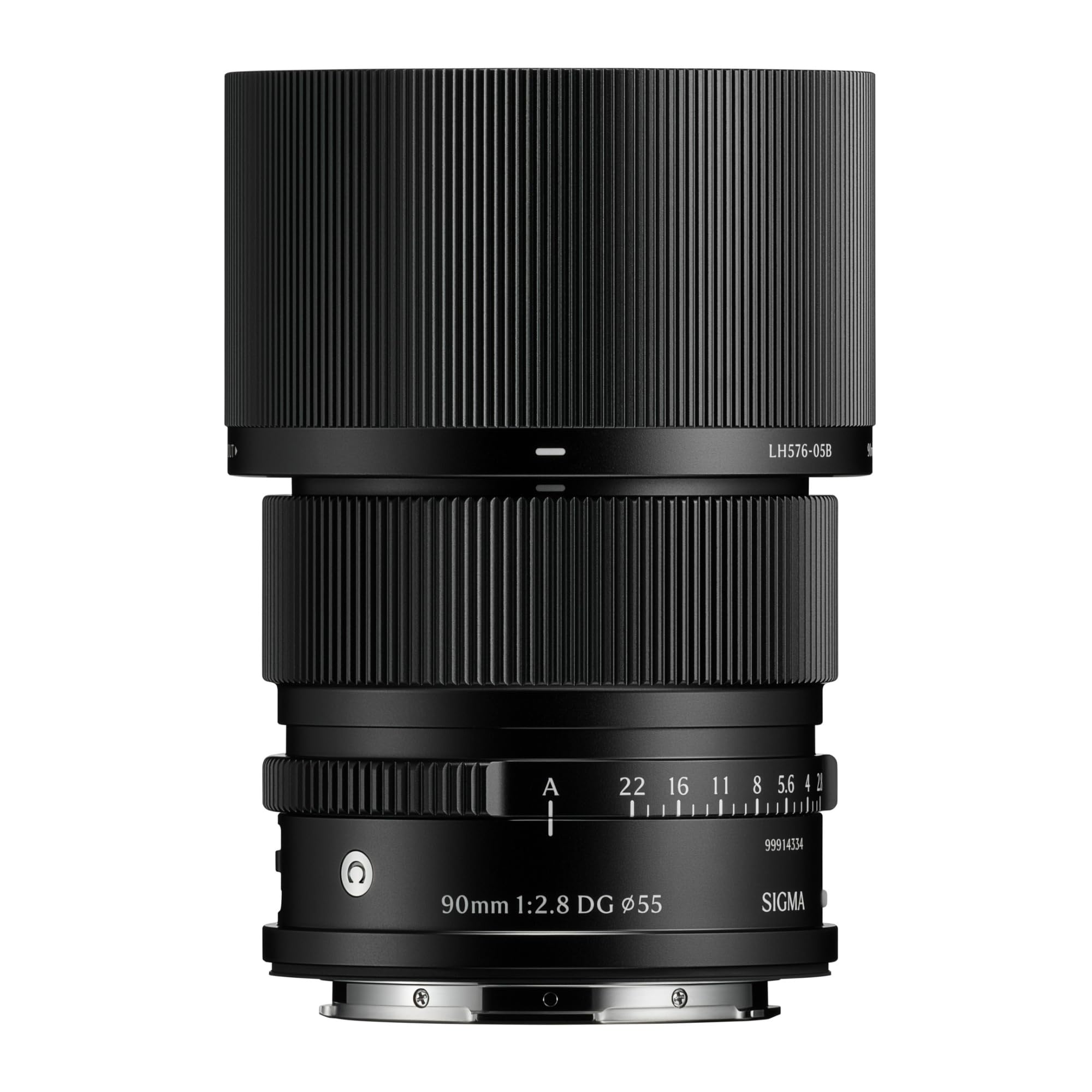
If your goal is the softest possible background blur and maximum low-light flexibility, a faster 85mm lens may still be the better investment. But if you want a modern third-party portrait lens that feels refined and practical, Sigma is absolutely worth considering.
Should I start with a 50mm f/1.8 or invest in an 85mm prime?
For most dedicated portrait photographers, an 85mm prime is the more specialized and rewarding investment. That focal length gives you a flattering perspective for headshots and tight portraits because it avoids the facial exaggeration that can happen when you shoot too close with a wider lens. It also makes it easier to separate your subject from the background without forcing you into extremely shallow depth of field.
If you are deciding where to put your money first, ask how you actually shoot. A 50mm lens is more versatile for everyday use, couples, half-body portraits, and indoor scenes where space is limited. An 85mm lens is the classic choice for polished portraits, especially outdoors or in larger studios. If portraits are your clear priority, moving straight to 85mm often makes sense.
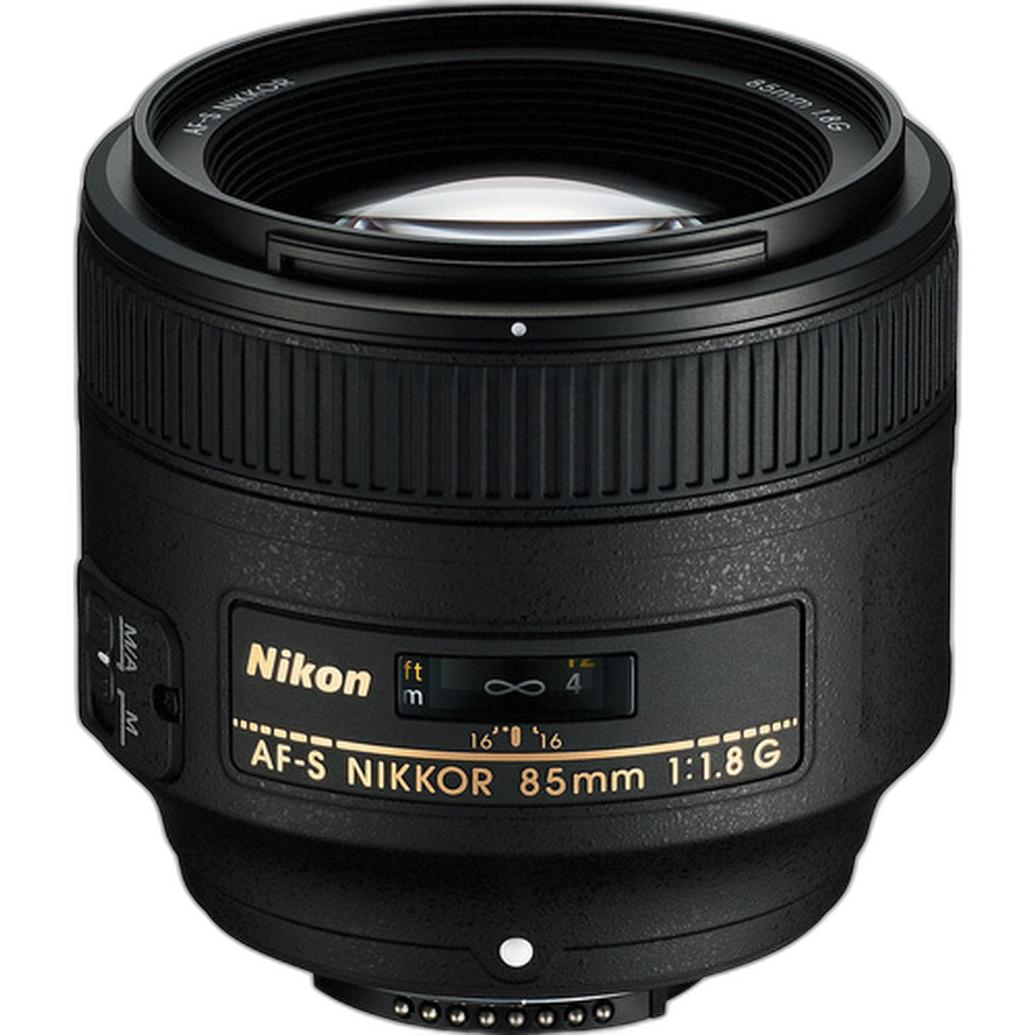
The Nikon AF-S Nikkor 85mm f/1.8G is one of the smartest starting points for Nikon portrait shooters because it combines a highly useful focal length with a bright aperture and a more accessible price point than premium f/1.4 options. It is a lens many photographers can grow with for years.
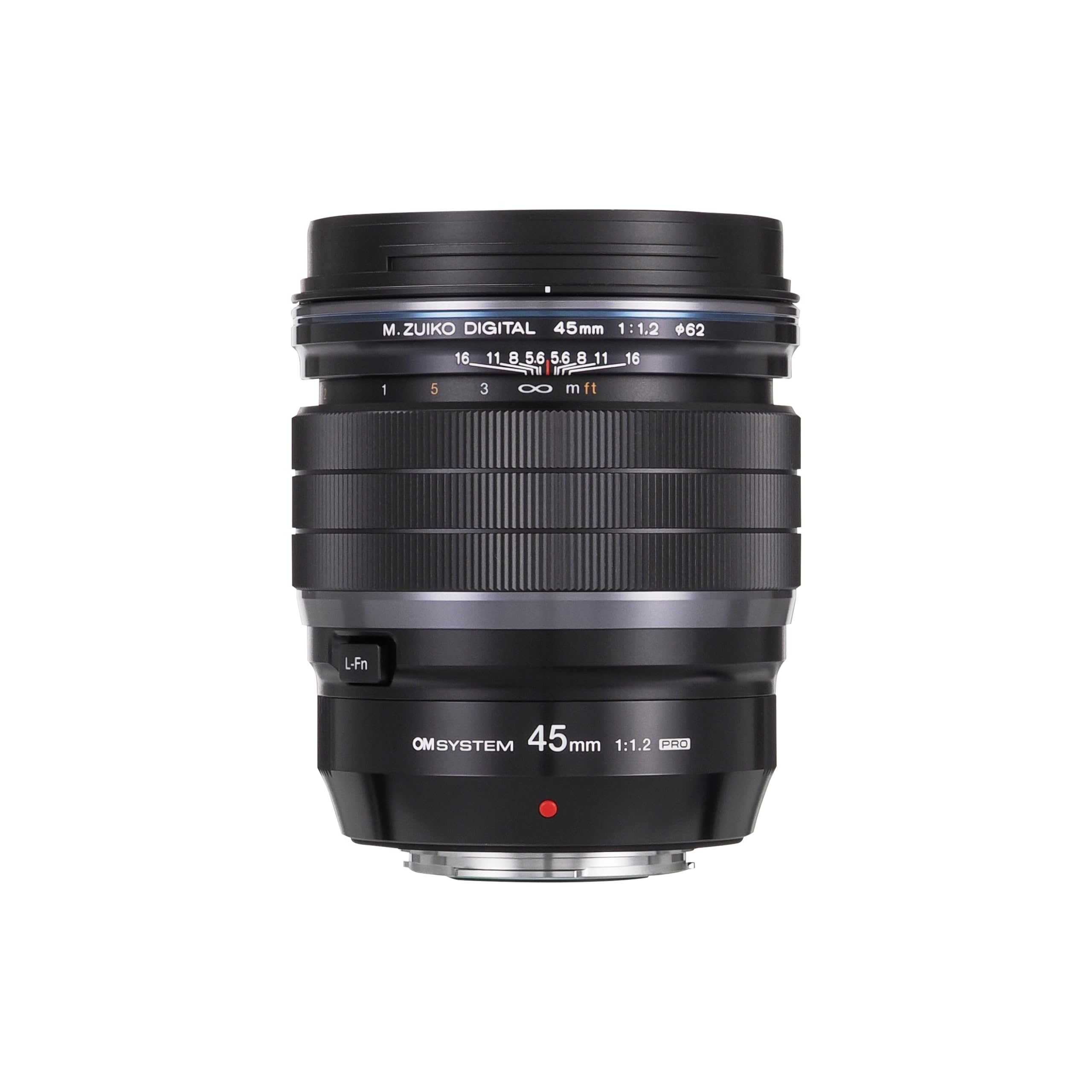
For photographers using Micro Four Thirds, the OM SYSTEM M.Zuiko Digital ED 45mm f/1.2 PRO delivers a field of view comparable to a classic short telephoto portrait lens on full frame, making it an outstanding option for those who want a premium portrait look in a smaller system.
Is 85mm really the best focal length for portraits?
It is one of the best, but not the only best. The reason 85mm is so popular is that it strikes an ideal balance: flattering facial proportions, comfortable working distance, and beautiful background compression. That makes it especially strong for headshots, senior portraits, beauty work, and wedding portraits.
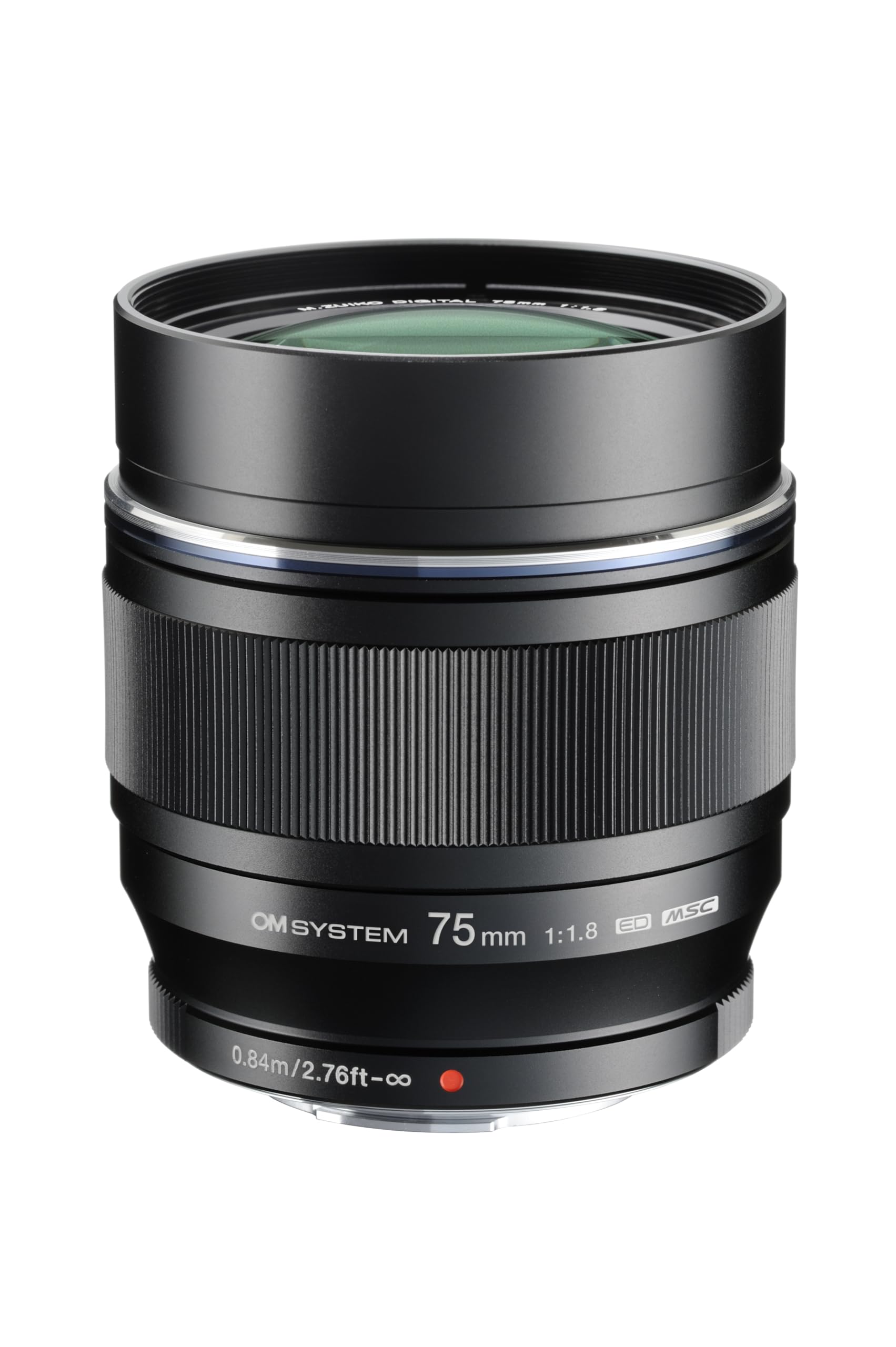
That said, equivalent portrait focal lengths on different systems can be just as effective. For example, the OM SYSTEM M.Zuiko Digital ED 75mm f/1.8 is a superb portrait lens for Micro Four Thirds users who want a tighter, elegant rendering with excellent subject isolation. It is especially useful for outdoor portraits and detail-oriented compositions where you want a little more reach.
Similarly, a 90mm lens like the Sigma Contemporary can give you a slightly tighter framing than 85mm while retaining that flattering telephoto look. The real answer is that the best portrait focal length is the one that matches your style, shooting space, and preferred framing.
What is the difference between an 85mm f/1.8 and an 85mm f/1.4 for portraits?
The biggest differences are background blur, low-light capability, size, weight, and price. An 85mm f/1.4 lens lets in more light and can create a shallower depth of field, which helps produce that highly polished portrait look with creamy backgrounds and strong subject separation. It is often the choice for photographers who shoot professionally, work in available light, or simply want the richest rendering possible.
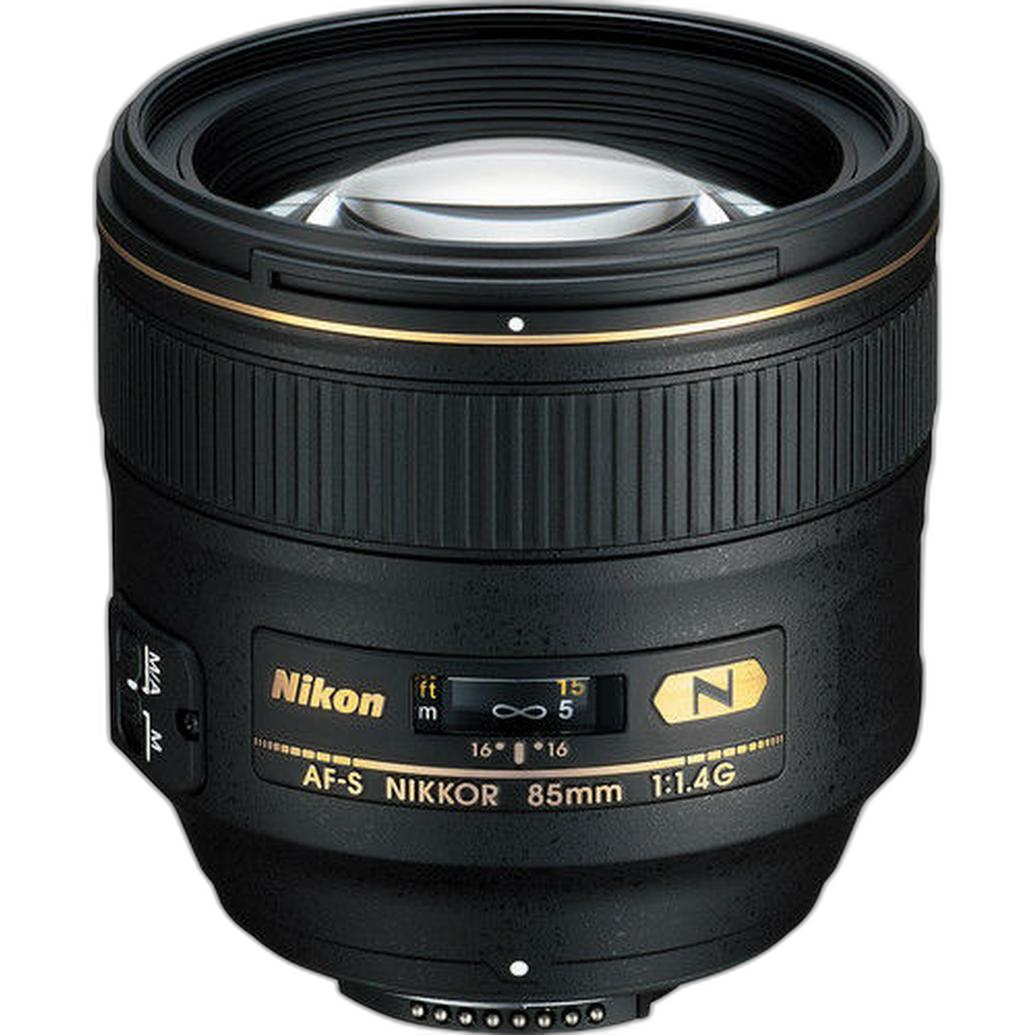
The Nikon AF-S Nikkor 85mm f/1.4G is a premium example. It is built for photographers who want a classic portrait focal length with extra speed and a refined look. For wedding portraiture, fashion, and low-light sessions, that wider aperture can be a real advantage.
By comparison, an 85mm f/1.8 lens is usually smaller, lighter, and more affordable, while still delivering excellent portrait results. In practice, many photographers find the f/1.8 version gives them nearly everything they need. If budget matters, the 85mm f/1.8 category is often the best value in portrait photography.
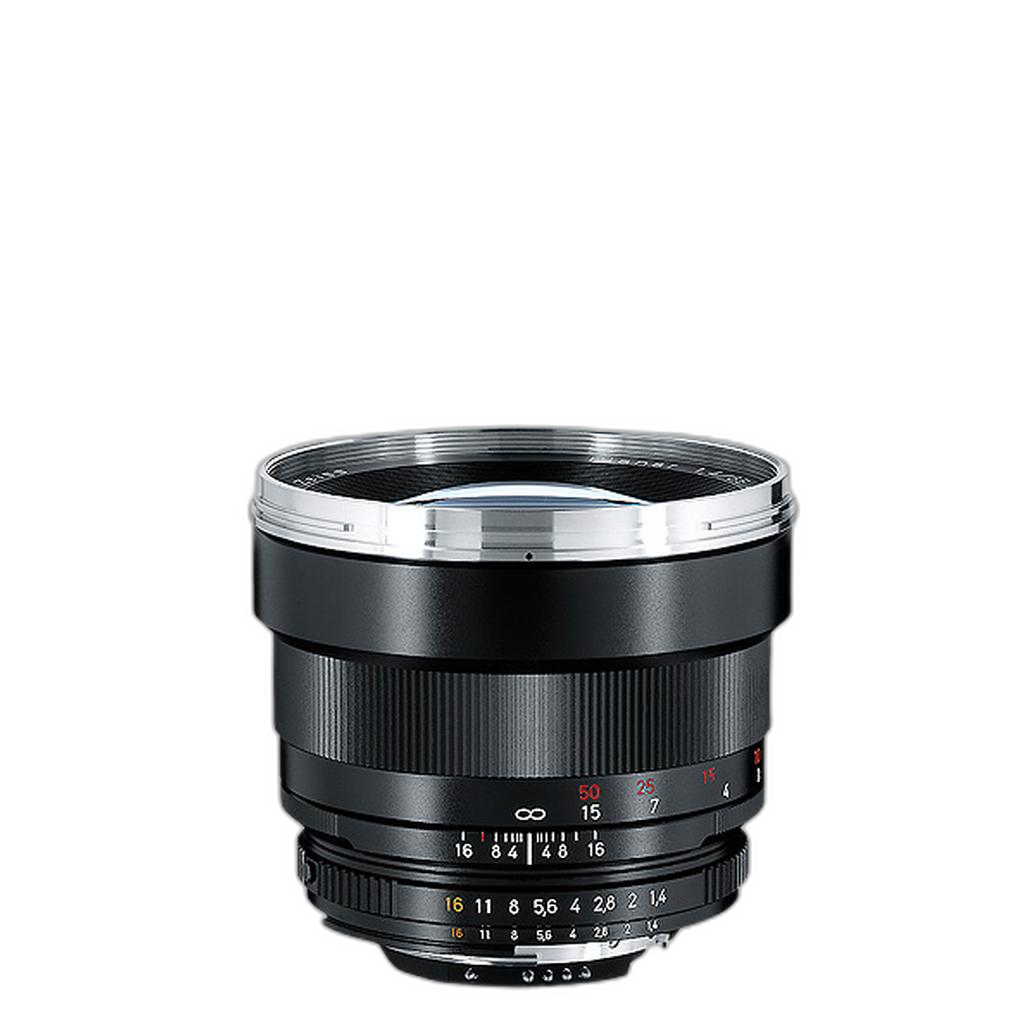
For photographers who prefer manual-focus precision and a classic rendering style, the Zeiss Planar T 85mm f/1.4 ZF.2 is another compelling option. It appeals especially to portrait artists who enjoy a deliberate shooting pace and distinctive image character.
Is image stabilization important for portrait lenses?
Image stabilization can be helpful, but it is not the first feature most portrait photographers should prioritize. Stabilization reduces blur from camera shake, which is useful in low light or when shooting static subjects at slower shutter speeds. However, portraits often involve subject movement—small expressions, blinking, shifting posture—so shutter speed still matters even if the lens or camera is stabilized.
For that reason, many photographers place more value on aperture and autofocus performance than stabilization when choosing a portrait lens. A fast aperture such as f/1.8, f/1.4, or f/1.2 helps you keep shutter speeds up while also creating a softer background. If your camera body has in-body image stabilization, that can further reduce the need for lens-based stabilization in portrait work.
In short, stabilization is nice to have, especially for indoor available-light portraits, but it is rarely the deciding factor. For most buyers, focal length, subject rendering, and low-light speed matter more.
Are premium portrait lenses worth it for hobbyists?
They can be, but only if you will genuinely use what makes them special. Premium portrait lenses typically offer wider maximum apertures, more refined optics, stronger build quality, and a more distinctive rendering style. If portrait photography is your favorite genre and you are chasing a specific look, stepping up to a premium lens can absolutely be worthwhile.
For example, the Nikon AF-S Nikkor 85mm f/1.4G gives Nikon shooters a top-tier portrait option, while the OM SYSTEM 45mm f/1.2 PRO gives Micro Four Thirds users a professional-grade lens with excellent low-light capability and subject isolation. These are lenses that can remain in your kit long after your skills improve.
That said, hobbyists should not feel pressured to start at the top. A well-chosen mid-tier portrait lens often produces results that are more than enough for family sessions, creative portraits, and even entry-level paid work. The best investment is the lens you can comfortably afford and use often.
Should I choose autofocus or manual focus for portraits?
For most photographers, autofocus is the more practical choice—especially when photographing children, couples, events, or fast-changing expressions. Reliable autofocus helps you work faster and maintain accuracy, particularly when shooting wide open at f/1.8 or faster, where depth of field becomes very thin.
Manual focus, however, is still valuable for controlled portrait sessions, studio work, and photographers who enjoy a slower, more intentional approach. A lens like the Zeiss Planar T 85mm f/1.4 ZF.2 can be a wonderful creative tool in experienced hands, particularly when the subject is cooperative and composition is carefully planned.
If you are still building confidence, autofocus will usually make your portrait sessions easier and more consistent. As your style develops, manual-focus portrait lenses may become more appealing for their tactile shooting experience and signature rendering.
What is the best portrait lens investment for different types of photographers?
If you are a beginner who wants a classic portrait look without overspending, start with an 85mm f/1.8-style lens. For Nikon DSLR shooters, the Nikon AF-S Nikkor 85mm f/1.8G is an easy recommendation because it offers excellent value and proven portrait performance.
If you are an advanced enthusiast or professional who wants maximum subject isolation and stronger low-light performance, consider an 85mm f/1.4 such as the Nikon AF-S Nikkor 85mm f/1.4G. If you want a more artistic, manual-focus experience, the Zeiss Planar T 85mm f/1.4 is a standout choice.
If you shoot Micro Four Thirds, the OM SYSTEM 45mm f/1.2 PRO is a premium portrait lens, while the OM SYSTEM 75mm f/1.8 is ideal for tighter, elegant portrait framing. And if portability is high on your list, the Sigma 90mm F2.8 DG Contemporary is a smart, compact third-party option that still delivers a portrait-friendly perspective.
There is no single correct answer—only the right fit for your camera system, style, and budget. The strongest portrait lens investments are the ones that help you shoot more confidently and more often.
Whether you are comparing your first dedicated portrait prime or upgrading to a premium lens, Unique Photo has options for Nikon, OM SYSTEM, Sigma, and more. Explore our portrait lens selection, compare features side by side, and find the lens that matches the way you like to create.