Buying your first interchangeable-lens camera is exciting, but it can also feel overwhelming. Sensor sizes, autofocus systems, body styles, and budgets can make every option sound important. The good news: beginners do not need to know everything on day one. What matters most is choosing a camera that fits how you want to shoot, feels comfortable in your hands, and gives you room to grow. If you are comparing DSLR and mirrorless options, these practical tips will help you shop smarter and feel more confident before you buy.
1. Start by thinking about what you want to photograph
Match the camera to your real-world use
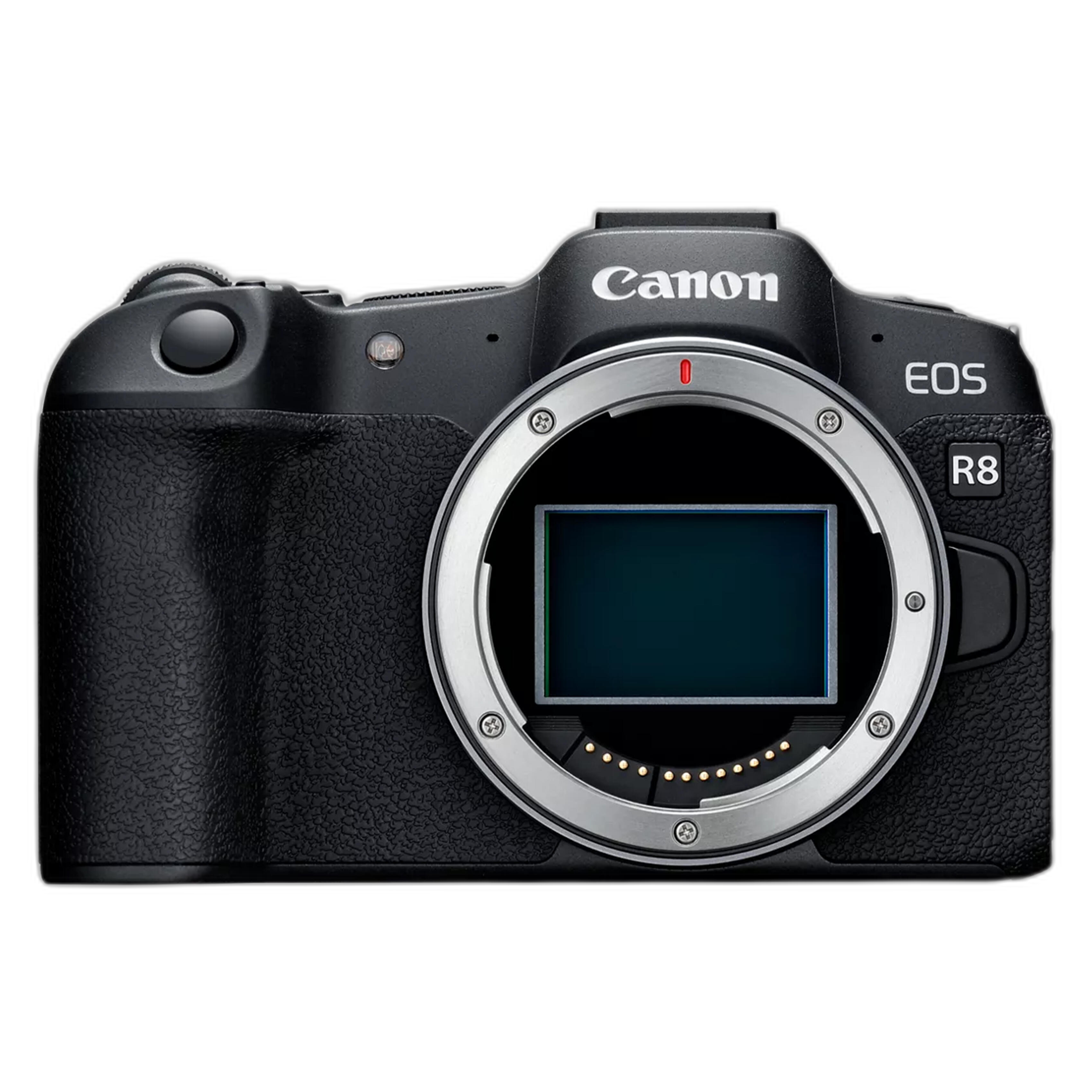
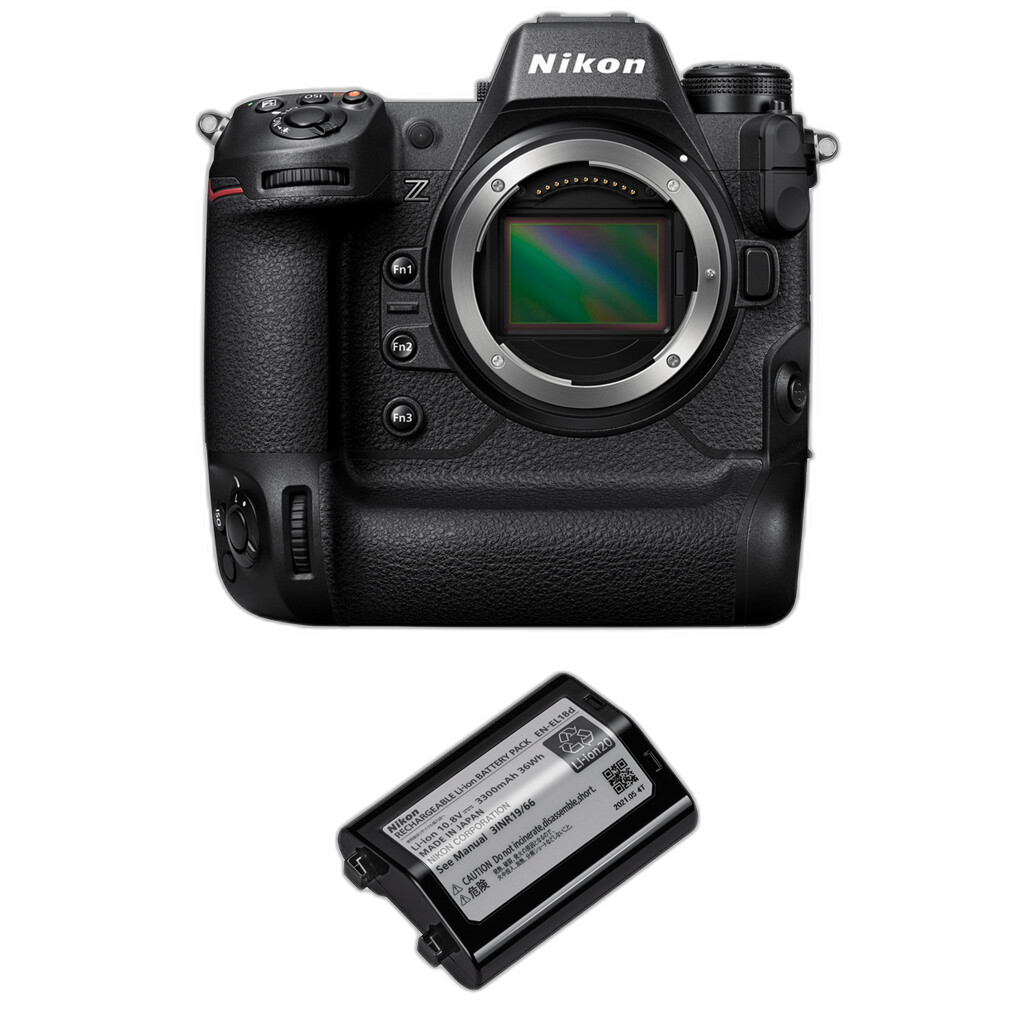
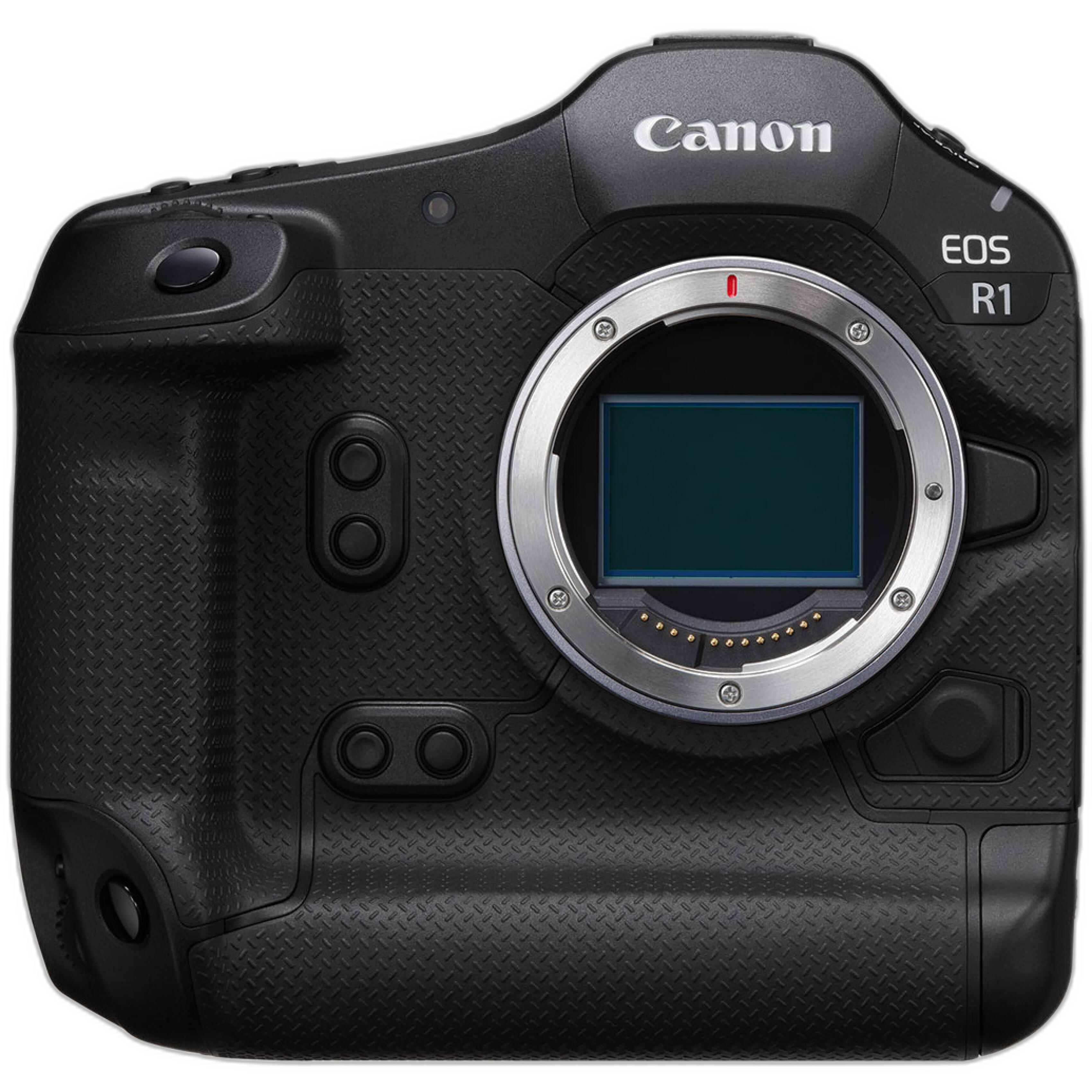
Before worrying about specs, ask yourself a simple question: what will you photograph most often? Travel, family moments, sports, portraits, wildlife, or video all place different demands on a camera body. A beginner who wants a lightweight all-around camera may be better served by something approachable and versatile like the Canon EOS R8 with Cropping Guide Firmware, while someone interested in high-speed action may eventually look toward advanced bodies such as the Nikon Z9 Mirrorless Digital Camera or Canon EOS R1 Mirrorless Camera.
For many first-time buyers, mirrorless cameras make the most sense because they offer excellent autofocus, modern video tools, and smaller system options than traditional DSLRs. If portability matters to you, keep that near the top of your list.
2. Understand DSLR vs. mirrorless before you commit
Know why many beginners now choose mirrorless
- DSLRs use an optical viewfinder and mirror mechanism. They are familiar, dependable, and still capable of excellent image quality.
- Mirrorless cameras remove the mirror, often making bodies more compact while adding features like real-time exposure preview, advanced subject tracking, and strong video performance.
Today, many new photographers start with mirrorless because the systems are growing quickly and are easier to recommend long-term. Cameras like the Canon EOS R8 show why mirrorless is so appealing for beginners: modern autofocus, full-frame image quality, and a body that is easier to carry than larger flagship cameras.
3. Do not buy more camera than you need on day one
Leave room in your budget for lenses and accessories
One of the most common beginner mistakes is spending the entire budget on the camera body alone. While flagship models like the Sony Alpha a1, Canon EOS R1, and Nikon Z9 are extraordinary tools, they are designed for demanding professional workflows. For a first camera, it is often smarter to choose a body that covers your needs and save money for an extra battery, memory cards, a camera bag, and—most importantly—lenses.
If you are working with a tighter budget but want premium performance, shopping used can also be a smart move. A Used Canon EOS R1 Mirrorless Camera (Body Only) - Excellent can be worth considering for buyers who want high-end capability while stretching their dollars further.
4. Pay attention to size, weight, and comfort
The best camera is one you will actually carry
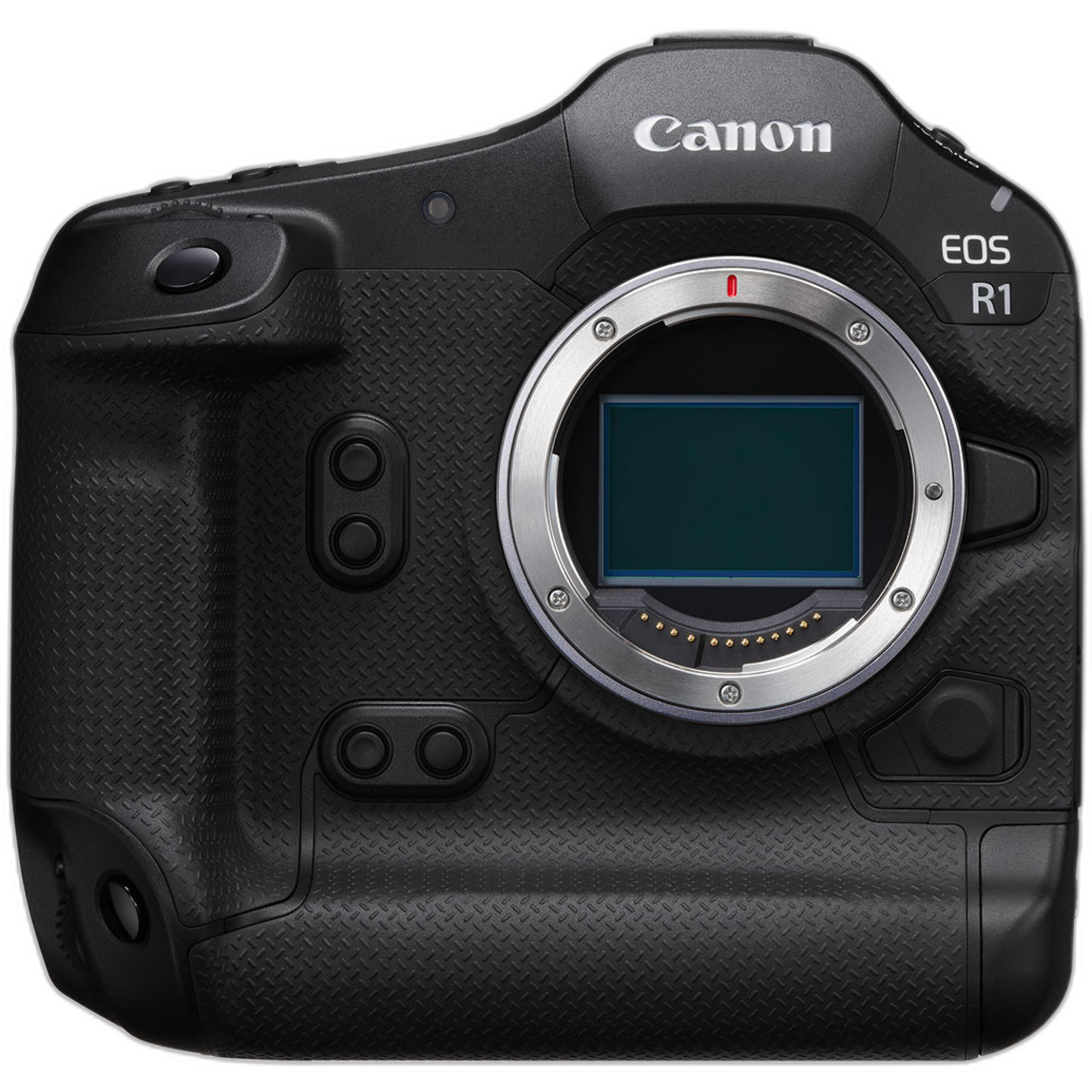
Comfort matters more than many beginners expect. A camera may look perfect online, but if it feels too heavy or awkward, you may leave it at home. Larger professional bodies like the Canon EOS R1 and Nikon Z9 offer rugged handling and exceptional controls, but they can be more camera than a casual beginner wants to carry every day.
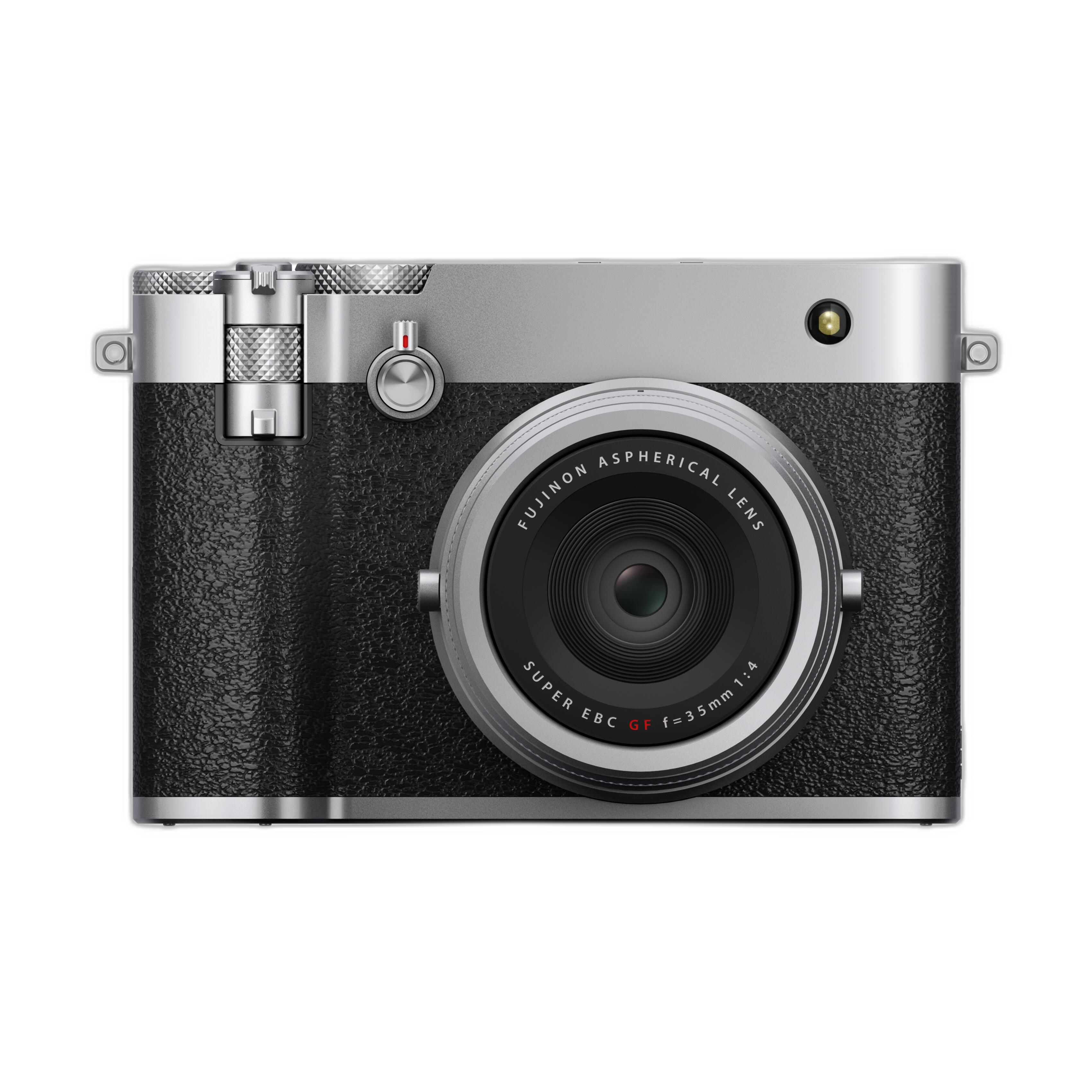
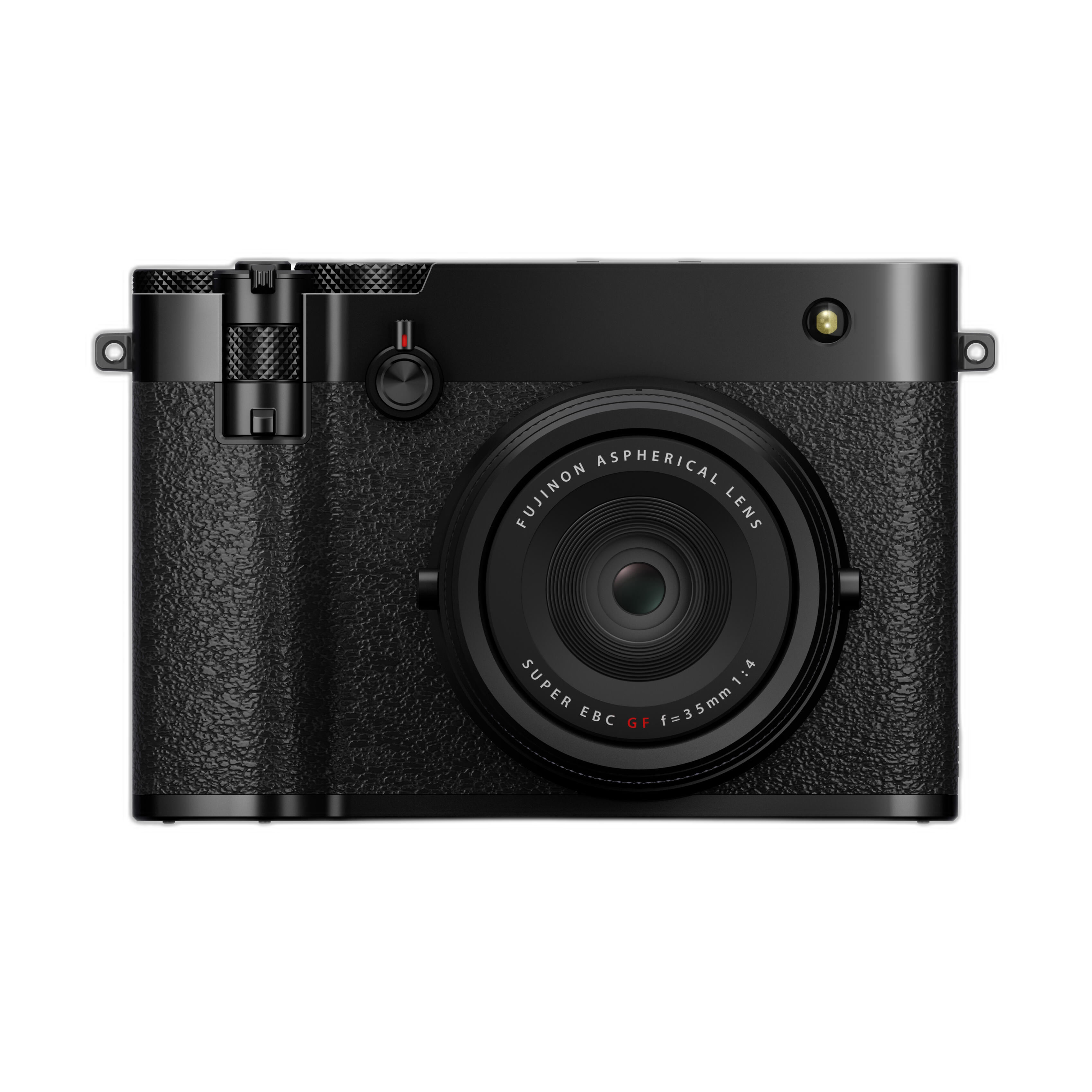
On the other hand, if you love travel or street photography, a more compact design may keep you shooting more often. Even premium models with elegant design language, like the Fujifilm GFX100RF Mirrorless Digital Camera, can appeal to photographers who value a refined shooting experience and portability in the field.
5. Learn the difference between full-frame and medium format
Bigger sensors are impressive, but not always necessary
Sensor size affects image quality, depth of field, low-light performance, and system size. Many beginners will be thrilled with a full-frame camera, especially one that balances quality and usability well. The Canon EOS R8 is a great example of a camera that introduces new photographers to full-frame performance without pushing them straight into the largest, most specialized systems.
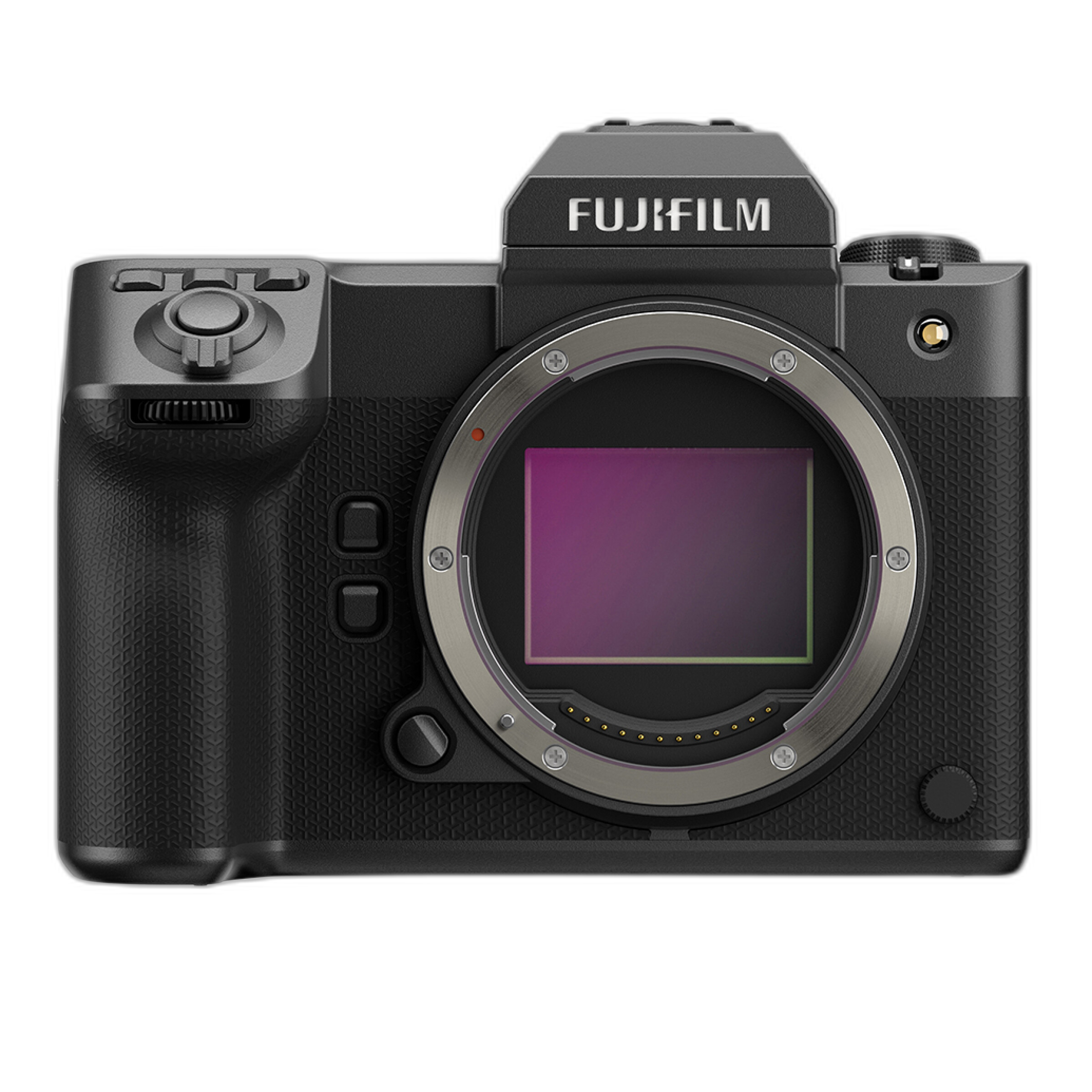
Medium format options like the Fujifilm GFX100 II Medium Format Mirrorless Digital Camera or the Fujifilm GFX100RF deliver incredible resolution and tonal detail, but they are often better suited to photographers who already know they need that level of output for commercial, fine art, or high-end portrait work. Bigger is not automatically better for a first camera—better is what fits your goals.
6. Autofocus matters more than megapixels for many beginners
Sharp photos are more rewarding than extra resolution
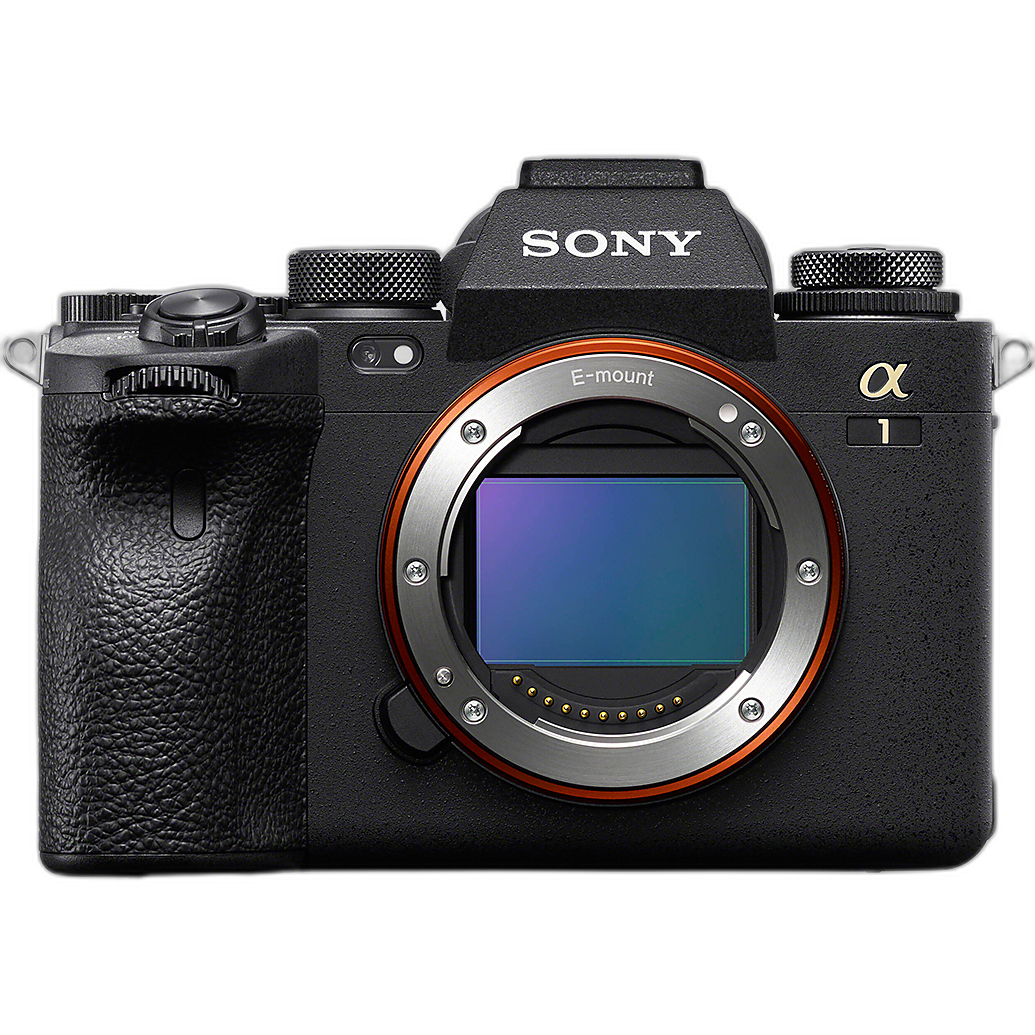
It is easy to get distracted by megapixel numbers, but autofocus performance often has a bigger impact on your daily experience. Fast, reliable eye detection and subject tracking make it easier to capture pets, kids, events, and moving subjects. This is one reason cameras like the Sony Alpha a1, Canon EOS R1, and Nikon Z9 are so admired—they are built for speed and precision.
Even if you do not need pro-level performance, understanding autofocus will help you make a better first purchase. A camera that helps you consistently get sharp images will build confidence faster than one with extreme resolution you rarely use.
7. Think about lenses before choosing a camera system
Your camera body is only part of the investment
When you buy your first DSLR or mirrorless camera, you are also choosing a lens ecosystem. That matters because your interests may change over time. You might start with family photos, then get interested in portraits, wildlife, or macro photography. Make sure the system you choose gives you a clear path forward.
Canon, Nikon, Sony, and Fujifilm all offer compelling mirrorless systems, but each has its own strengths. If you think you will grow into action, hybrid shooting, or professional work, bodies like the Canon EOS R1, Nikon Z9, and Sony Alpha a1 sit inside deep systems with strong lens options. If your style leans more toward image quality and thoughtful composition, Fujifilm’s GFX line may be especially inspiring.
8. Buy with growth in mind, but keep learning simple
Choose a camera that helps you improve without overwhelming you
Your first camera should encourage you to shoot more, not intimidate you. Look for a model with a manageable control layout, good ergonomics, and features you will actually use. If you are still developing your eye and technique, a balanced body like the Canon EOS R8 can be a smart starting point. If you already know you want a specialized high-end system, comparing advanced options from Canon, Nikon, Sony, and Fujifilm may make sense—but only if those features match your goals.
Remember, the best beginner camera is not the most expensive one. It is the one that gets you excited to practice composition, exposure, focus, and storytelling.
Conclusion
Buying your first DSLR or mirrorless camera is less about chasing the biggest specs and more about finding the right fit for your photography journey. Start with your subject matter, set a realistic budget, think about lenses, and choose a camera you will enjoy using regularly. Whether you are drawn to a versatile full-frame option like the Canon EOS R8, exploring premium systems from Sony, Nikon, or Canon, or dreaming about the remarkable image quality of Fujifilm GFX, the key is to begin shooting and learning. Unique Photo is a great place to explore new and used camera options, compare systems, and take the next step with confidence.