If you’ve ever wondered whether photography contests are actually worth your time, money, and creative energy, the short answer is: yes, they can be—if you approach them strategically. This guide is for photographers who want more than a ribbon or a social media brag. Whether you shoot wildlife, portraits, street, or fine art, contests can help sharpen your editing discipline, strengthen your portfolio, build confidence, and even open doors to publication, networking, or client work. Just as importantly, preparing strong submissions often highlights gaps in your gear setup, from stability and reach to lighting precision and creative inspiration.
Below, we’ll break down the real benefits of entering photography contests, what kinds of tools can help you create more competitive work, and which products from Unique Photo are especially relevant if you’re serious about submitting stronger images.
Why Enter Photography Contests in the First Place?
The best photography contests do more than hand out prizes. They create deadlines, push you to edit ruthlessly, and encourage you to think in terms of a cohesive body of work rather than isolated images. For many photographers, that alone is a major benefit.
- Creative growth: Contest themes can push you outside your usual habits.
- Portfolio refinement: Selecting only your strongest frames is an excellent editing exercise.
- Visibility: Winning isn’t the only goal—shortlists, honorable mentions, and juried selections can still add credibility.
- Motivation: Deadlines help turn unfinished ideas into completed projects.
- Professional feedback: Some competitions offer critiques or exposure to editors, curators, and industry judges.
That said, contests reward more than talent. Technical execution matters. Sharpness, composition, exposure, consistency, and presentation all play a role—which is where the right gear can support your efforts.
What Kind of Gear Helps You Compete?
You do not need an extravagant setup to enter contests, but you do benefit from tools that improve consistency and help you execute intentional images. Depending on your genre, that might mean a tripod for tack-sharp landscapes, a teleconverter for distant wildlife subjects, a light meter for controlled portrait work, or a book that helps refine your visual voice.
For many contest photographers, consistency is everything. A lightweight, travel-friendly tripod is one of the most universally useful tools for sharper landscapes, low-light work, self-portraits, architectural scenes, and carefully composed fine-art images.
Best Products to Support Contest-Ready Photography
Open Box Freewell FW-T1 Carbon Fiber Real Travel Tripod with Ball Head
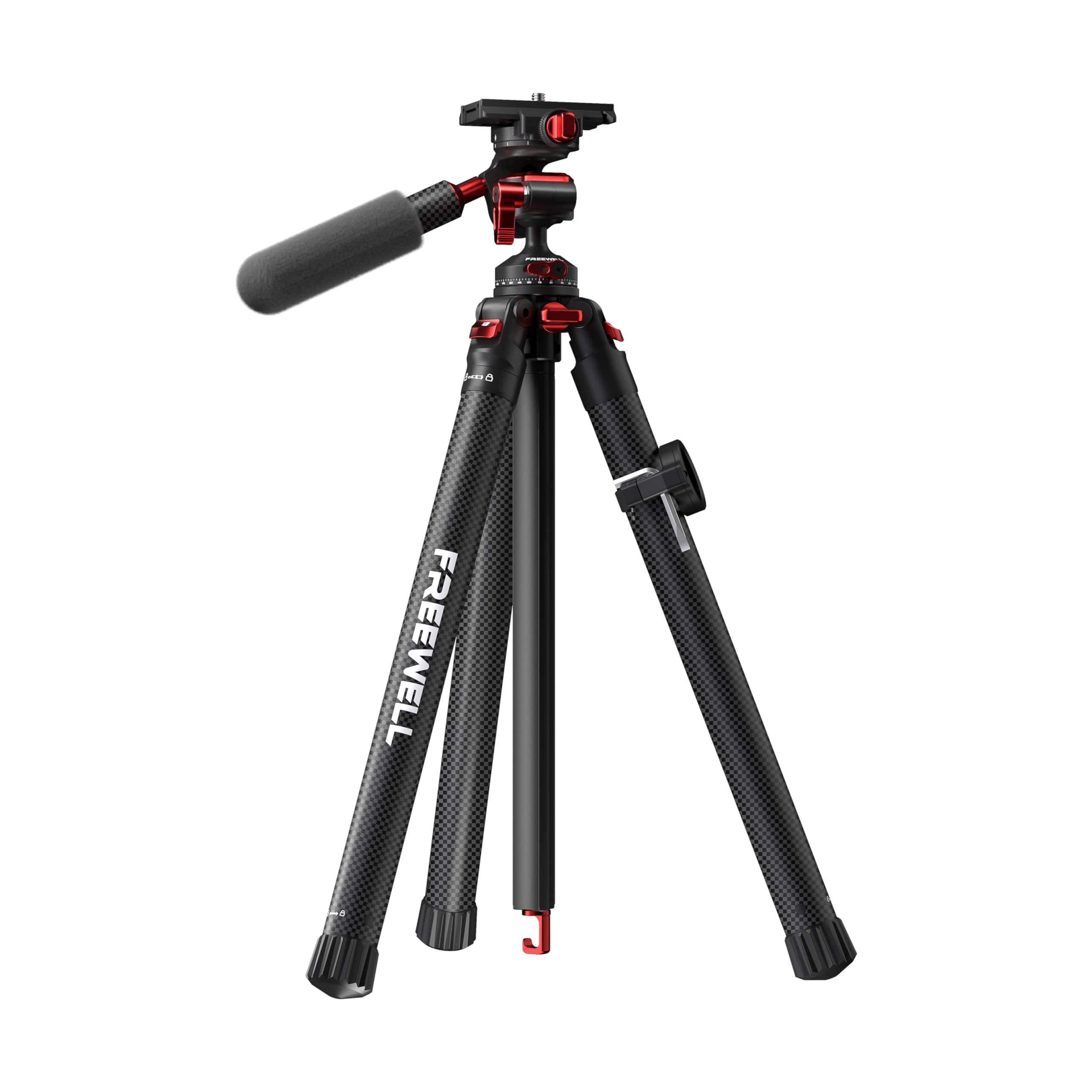
A tripod may not be glamorous, but it is one of the smartest upgrades for photographers entering contests. Judges often respond to images that feel deliberate, polished, and technically clean. A carbon fiber travel tripod helps you slow down, refine framing, and maintain sharpness at slower shutter speeds or lower ISOs.
This Freewell model is especially appealing for contest shooters who work on location. It’s portable enough for travel and outdoor use, while the included ball head adds flexibility for quick composition changes. If your contest interests lean toward landscape, architecture, long exposure, or conceptual self-portraiture, this kind of support tool can make a meaningful difference.
Best for: landscape, cityscape, long exposure, architecture, travel, and fine-art submissions.
Nikon AF-S TC-14E III 1.4x Teleconverter Lens - Black
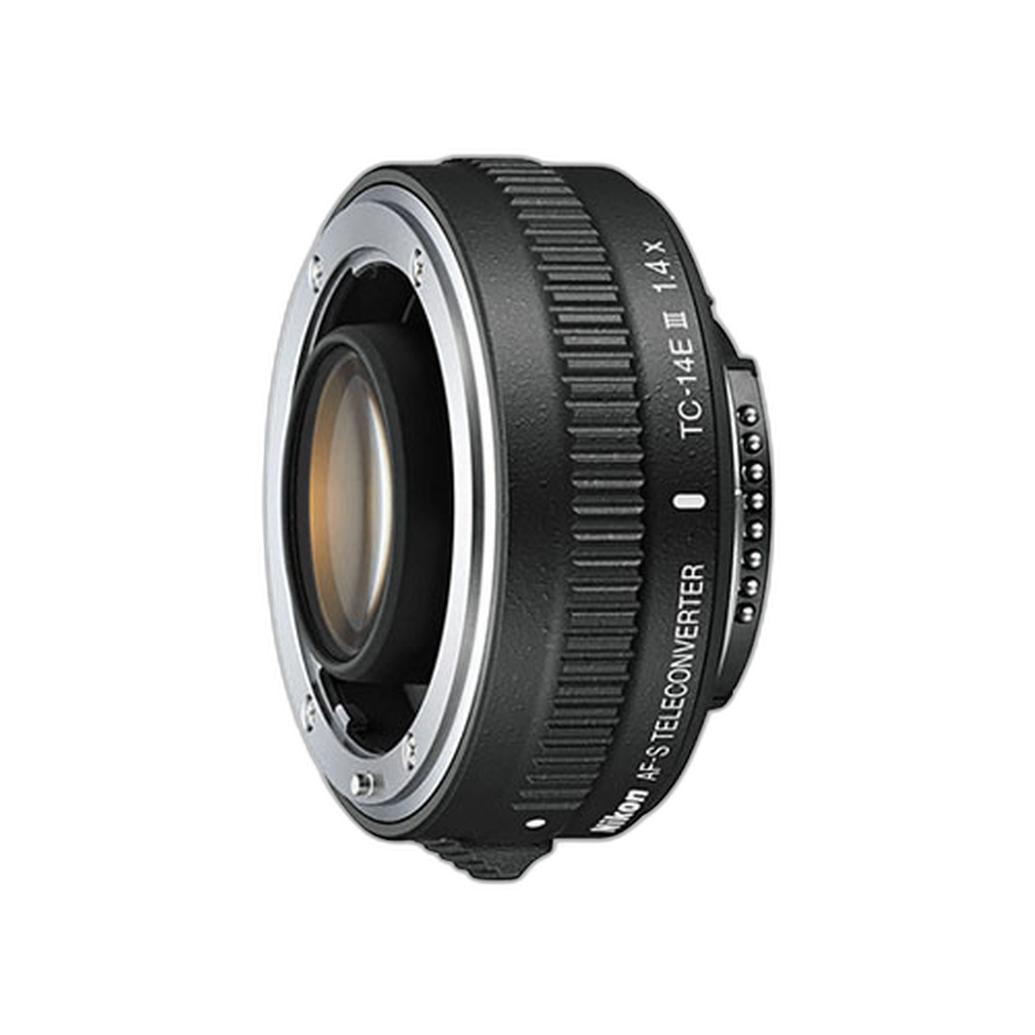
If you enter wildlife, birding, or sports photography contests, reach matters. A 1.4x teleconverter gives you extra focal length without the cost or bulk of stepping up to a dramatically larger super-telephoto lens. That can be a practical advantage when you’re trying to fill the frame with distant subjects while maintaining strong image quality.
The Nikon AF-S TC-14E III is a smart option for photographers who want more versatility from compatible Nikon telephoto glass. It’s especially useful when contest categories reward behavior, peak action, or environmental wildlife moments where getting physically closer isn’t realistic.
Best for: wildlife, birds, outdoor sports, and nature contests.
Open Box Nikon AF-S TC-14E III 1.4x Teleconverter Lens - Black

For budget-conscious photographers, an open-box version of a proven teleconverter can be an even smarter contest-prep purchase. Entering contests often comes with fees, printing costs, and travel expenses, so saving on gear where you can makes sense.
This open-box Nikon teleconverter offers the same category-specific advantage—more reach for distant subjects—while potentially stretching your budget further. If you’re building a competition-ready wildlife or sports kit without overspending, this is a practical route.
Best for: Nikon shooters seeking value for wildlife and sports contest entries.
Used Canon Tele Extender EF 2x III - Excellent
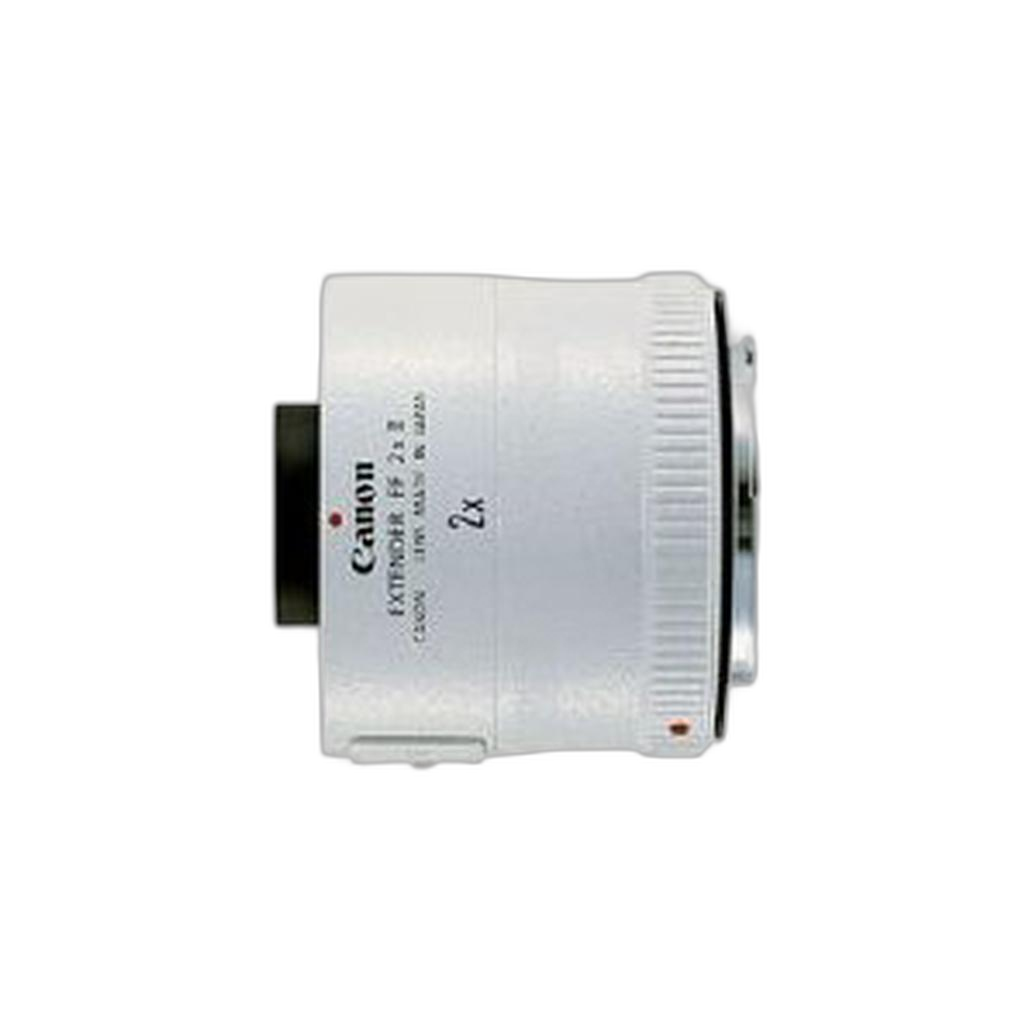
For Canon photographers who need even more subject reach, a 2x extender can be extremely useful. Contest imagery in wildlife and field sports often benefits from tighter framing, especially when heavy cropping would otherwise reduce file quality.
A used extender in excellent condition is also appealing for photographers who want to expand capability while keeping costs under control. If you already own compatible Canon telephoto lenses, this can be a practical way to adapt your kit for more competition-oriented shooting.
Best for: Canon wildlife and sports photographers who need maximum reach.
Used Nikon AF-S Teleconverter TC-20E III - Excellent
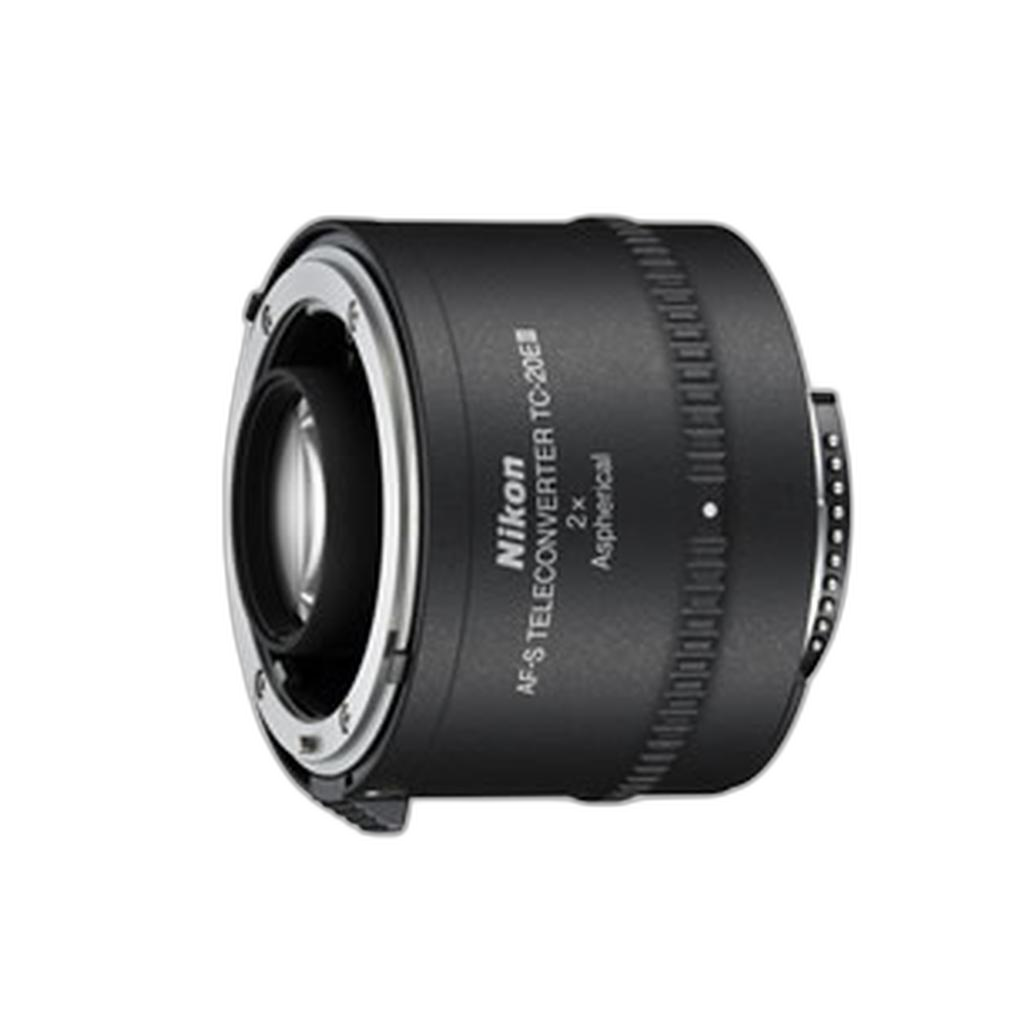
This used Nikon 2x teleconverter is another strong pick for photographers entering subject-driven contests where close framing matters. Compared with a 1.4x teleconverter, a 2x option provides more dramatic reach—helpful for distant birds, field sports, and compressed compositions in nature work.
As with any teleconverter choice, the best fit depends on your lens compatibility and your tolerance for the tradeoffs that come with increased magnification. But for photographers who routinely find themselves wishing they had more reach when editing contest candidates, this is worth a serious look.
Best for: Nikon users prioritizing reach for wildlife and action categories.
Sekonic L-478DR-U-PX Meter with Phottix ARES II Trigger and Receiver
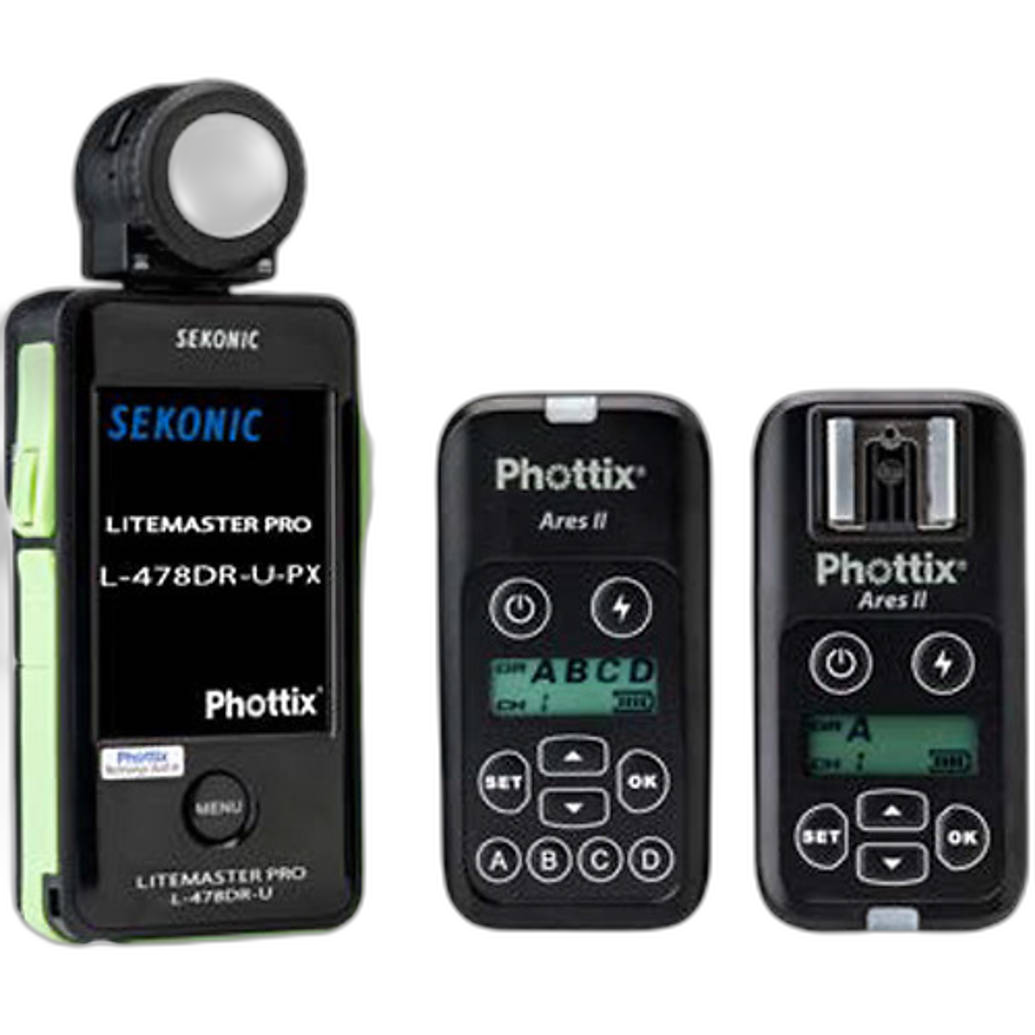
Contest-winning portrait, commercial, and fine-art images often stand out because the lighting feels intentional. A dedicated light meter can help you dial in repeatable, accurate exposure when working with strobes or complex lighting setups, reducing guesswork and improving consistency across a series.
This Sekonic meter is especially relevant if you enter studio portraits, conceptual work, fashion, or controlled still life competitions. When judges review a series, consistent lighting and tonal control can make the work feel more professional and cohesive.
Best for: portrait, studio, fashion, still life, and fine-art contest submissions.
You Are What You Do - Daniel Arnold
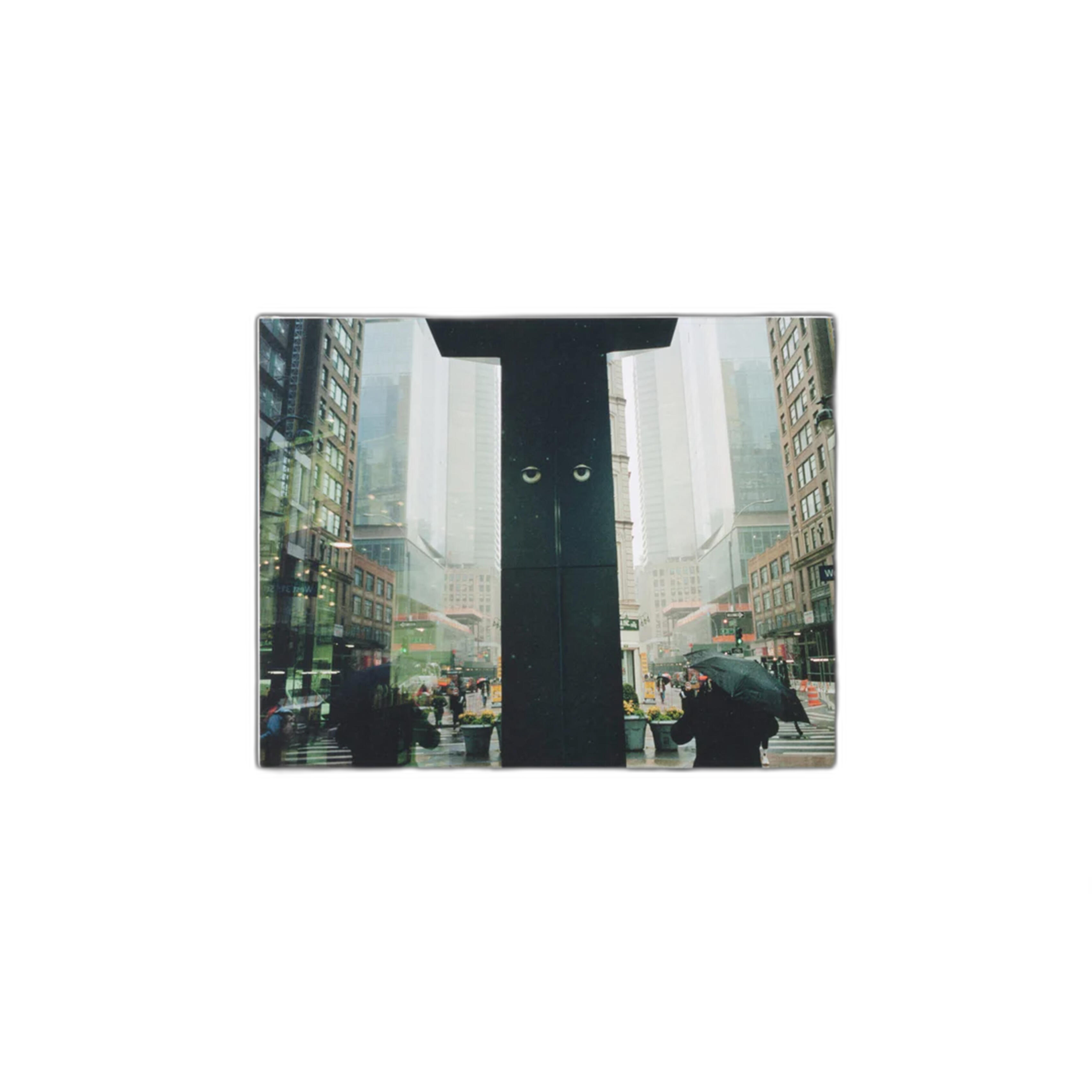
Not every contest upgrade has to be hardware. Sometimes the strongest thing you can improve is your perspective. A photography book can be one of the best low-cost investments for photographers trying to build a more distinctive voice, especially if your contest entries feel technically competent but creatively familiar.
You Are What You Do by Daniel Arnold is a strong choice for photographers interested in visual storytelling, observation, and developing a point of view. If contests are helping you clarify what kind of photographer you want to become, inspiration matters just as much as equipment.
Best for: street, documentary, storytelling, and photographers refining their creative voice.
Quick Comparison Table
| Product | Best Use for Contests | Why It Helps |
|---|---|---|
| Open Box Freewell FW-T1 Carbon Fiber Real Travel Tripod with Ball Head | Landscape, architecture, long exposure | Improves sharpness, stability, and deliberate composition |
| Nikon AF-S TC-14E III 1.4x Teleconverter Lens | Wildlife, sports | Adds reach with less bulk than a new long lens |
| Open Box Nikon AF-S TC-14E III 1.4x Teleconverter Lens | Wildlife, sports on a budget | Provides similar benefits with better value |
| Used Canon Tele Extender EF 2x III | Canon wildlife, action | Helps fill the frame with distant subjects |
| Used Nikon AF-S Teleconverter TC-20E III | Nikon wildlife, action | Maximizes reach for distant subjects |
| Sekonic L-478DR-U-PX Meter with Phottix ARES II Trigger and Receiver | Portrait, studio, fine art | Enables accurate, repeatable lighting control |
| You Are What You Do - Daniel Arnold | Street, documentary, creative growth | Helps develop vision and a stronger personal voice |
So, Are There Real Benefits?
Yes—but the biggest benefits often come before the results are announced. Entering photography contests can make you more intentional, more selective, and more disciplined. You start thinking like an editor, not just a shooter. You learn how your work holds up in a competitive context. You also begin to see where better support gear, more reach, more precise lighting, or stronger inspiration could help elevate your images.
If you’re preparing to enter contests, the most broadly useful place to start is with stability and consistency, which is why the Open Box Freewell FW-T1 Carbon Fiber Real Travel Tripod with Ball Head stands out as the best all-around recommendation here. For wildlife and sports photographers, one of the teleconverters may be the smarter upgrade. For portrait and studio work, the Sekonic meter is a compelling tool. And for photographers looking to deepen their voice, Daniel Arnold’s book is a meaningful addition.
Whatever category you shoot, Unique Photo offers practical options to help you build a contest-ready kit with new, open-box, and used gear choices that fit different budgets and goals.