Pushing and Pulling Film: What Photographers Are Really Comparing
For film photographers, the choice is often not just which camera to use, but how to expose and develop the film already loaded in it. That is where pushing and pulling come in. In practice, photographers are comparing two approaches: changing film development to match creative or lighting needs, or changing gear entirely to get a different result. In this head-to-head, we compare the workflow flexibility of home development with the shooting experience of two classic medium-format cameras, and look at when push/pull processing is the smarter move.
Pushing film typically means rating film at a higher ISO than box speed, then compensating during development. Pulling means rating it lower and reducing development accordingly. Both methods can reshape contrast, grain, shadow detail, and overall mood. Instead of immediately reaching for another camera system, many photographers find that development choices give them more creative control with the gear they already trust.
Side-by-Side Comparison
| Product | Type | Best Use in Push/Pull Discussion | Main Strength | Tradeoff |
|---|---|---|---|---|
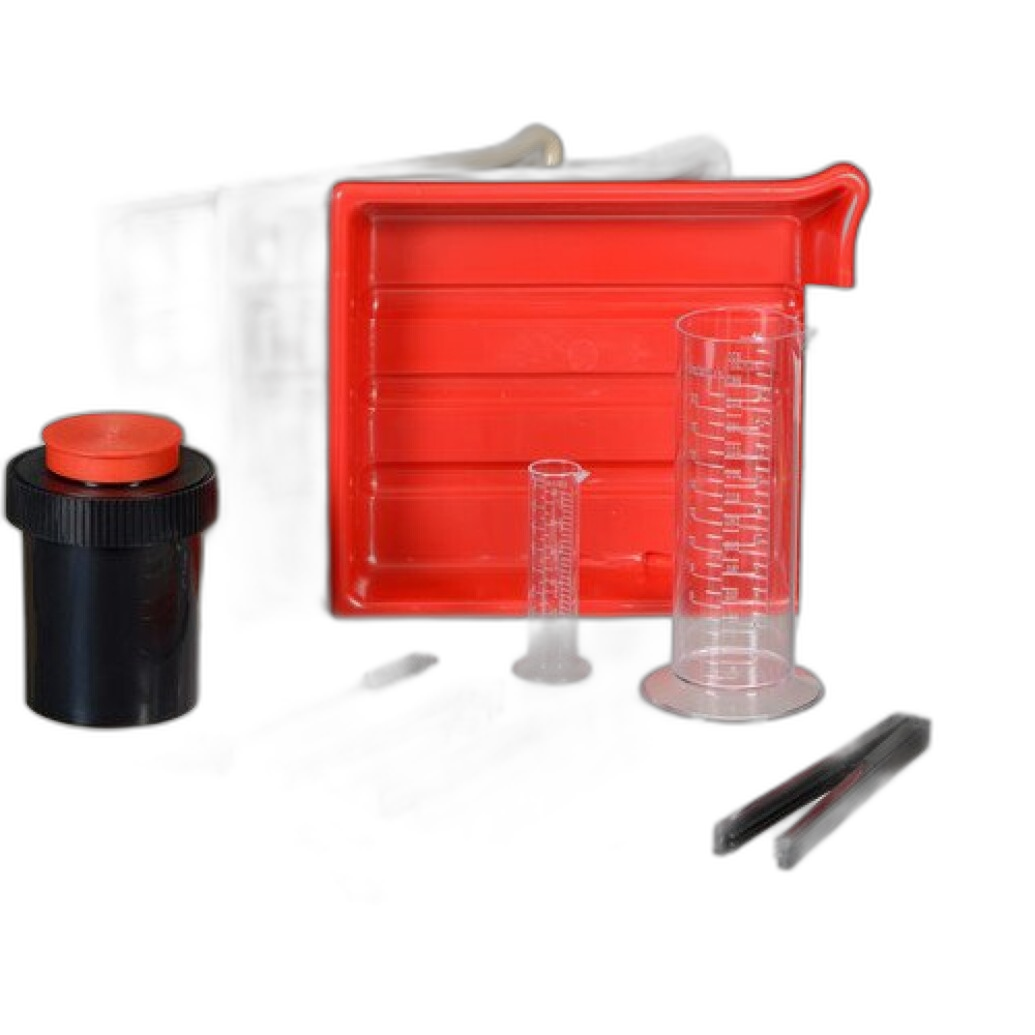
| Photographic Darkroom Film and Paper Developing Kit | Home developing kit | Testing push/pull techniques yourself | Direct control over development time and process | Requires practice and consistency |
| Used Contax 645 w/ 80mm f/2 Planar T* and 2 Film Backs | Medium format film camera | Fast-paced portrait and editorial work where film latitude matters | Premium lens rendering and interchangeable backs | Changing gear does not replace development control |
| Used Hasselblad 500CM w/ 80mm CF T*, WLF and A12 Film Back | Medium format film camera | Deliberate shooting where tonal discipline and exposure precision shine | Classic modular system and methodical shooting experience | Slower workflow may still benefit from push/pull planning |
The Gear in Context
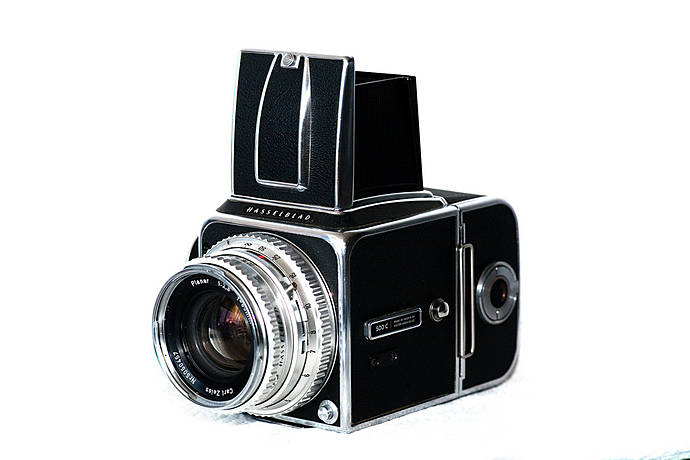
These products represent two sides of the film conversation. The darkroom kit is about control after exposure. The Contax 645 and Hasselblad 500CM represent camera choice at the moment of exposure. Photographers often debate whether a different camera, lens, or format will solve a problem that might actually be better handled by pushing or pulling film.
Push Processing: Why Photographers Choose It
Pushing is commonly used when light is limited, when a photographer wants to keep shooting a lower-speed film, or when the final look benefits from extra contrast and grain. For example, a portrait photographer working indoors with medium format may choose to rate ISO 400 film at 800 or 1600 instead of swapping systems or abandoning a preferred camera body.
With a camera like the Contax 645, this can be especially attractive. Its refined portrait-oriented handling and fast 80mm f/2 lens already support shallow depth of field and low-light work. Pushing film extends that flexibility further without forcing a switch to another camera or format.
Pull Processing: Why Less Can Be More
Pulling is often chosen for bright conditions, scenes with high contrast, or when smoother tonality is the goal. Rating a film below box speed and reducing development can help tame highlights and preserve a softer tonal roll-off. Landscape and studio photographers often appreciate this approach when they want a more open, less aggressive negative.
The Hasselblad 500CM is a natural fit for this mindset. Its slower, more intentional shooting style encourages careful metering and composition. In those conditions, pulling film can produce negatives with a graceful tonal response that complements the camera’s classic medium-format look.
Image Quality Effects: What Changes on the Negative
Pushing and pulling are not just exposure tricks. They change the character of the image. Pushed film often shows more visible grain, stronger contrast, denser highlights, and weaker shadow detail if exposure gets too ambitious. Pulled film usually produces gentler contrast, finer apparent grain, and a more forgiving highlight structure, though it can look flatter if overdone.
This is the key comparison point: changing cameras changes ergonomics, lens rendering, format handling, and shooting speed. Changing development changes the negative itself. If your goal is mood, contrast, texture, or tonal response, push/pull technique may have more impact than switching bodies.
When to Push or Pull Instead of Switching Gear
Push or pull processing is often preferable when:
- You already like the camera and lens rendering you are getting.
- The lighting changed after you loaded the film.
- You want a creative look rather than technical neutrality.
- You are working on a budget and want more versatility from one film stock.
- You want to learn how development affects the final image in a hands-on way.
Switching gear may be better when:
- You need a different format entirely.
- You need features your current camera lacks, such as faster handling or interchangeable backs.
- Your shooting style is limited by the body, not the film response.
Why Home Development Matters
This is where the Photographic Darkroom Film and Paper Developing Kit becomes the real comparison winner for experimentation. Sending film to a lab can produce excellent results, but home development gives photographers direct control over time, agitation, and consistency while testing push and pull methods. If you are serious about understanding what one stop or two stops of push really looks like, developing your own film is one of the fastest ways to learn.
Contax 645 vs. Hasselblad 500CM for Push/Pull Shooters
The Contax 645 is often the better choice for photographers who want a more fluid, modern-feeling medium-format shooting experience, especially in portrait settings where pushing film can help under mixed or dim light. The Hasselblad 500CM suits photographers who slow down, meter carefully, and want maximum intentionality, making it especially rewarding when pulling film for smooth tonal control.
But neither camera replaces the role of development technique. In both cases, push/pull decisions can shape the final image more dramatically than changing from one premium medium-format body to another.
Our Pick
Our Pick: Photographic Darkroom Film and Paper Developing Kit
If the real question is whether to push/pull film or switch gear, the developing kit is the strongest recommendation. It gives photographers the ability to experiment, compare results, and understand exactly how development affects grain, contrast, and exposure latitude. For creative growth and practical flexibility, learning push/pull processing often delivers more value than buying another camera body.
Conclusion
Pushing and pulling film is one of the most useful creative tools available to analog photographers. It can help you adapt to changing light, shape the emotional tone of an image, and get more versatility from a single film stock. While cameras like the Contax 645 and Hasselblad 500CM each bring their own strengths, development choices often have the bigger influence on the final negative. If you are ready to explore film technique more deeply, Unique Photo is a great place to find the cameras, darkroom tools, and expert support to keep experimenting.