Beginner Mirrorless Cameras in 2024: Your Essential Buying FAQ
Getting your first mirrorless camera should feel exciting, not overwhelming. At Unique Photo, we help new creators cut through spec sheets and brand hype to find a system that fits their budget, style, and goals. Use this FAQ to make confident choices and build a starter kit you’ll love.
Should I choose Sony, Canon, or Fujifilm for my first mirrorless camera?
All three brands offer excellent beginner-friendly mirrorless bodies with strong autofocus, solid image quality, and approachable ergonomics. Your decision should revolve around lens ecosystem, ergonomics, and features that match your priorities. Sony’s E-mount offers a vast range of native and third-party lenses—great if you plan to grow quickly or explore niche glass. Canon’s RF-mount entry bodies emphasize user-friendly menus, color science many beginners enjoy straight out of camera, and strong autofocus. Fujifilm’s X Series (APS-C) offers film simulations and physical dials that make learning exposure feel tactile and fun, with a robust lens lineup tuned for compact kits. Try them in hand—comfort and control layout often seals the deal.
Should I start with a kit lens or buy body-only and choose my own lenses?
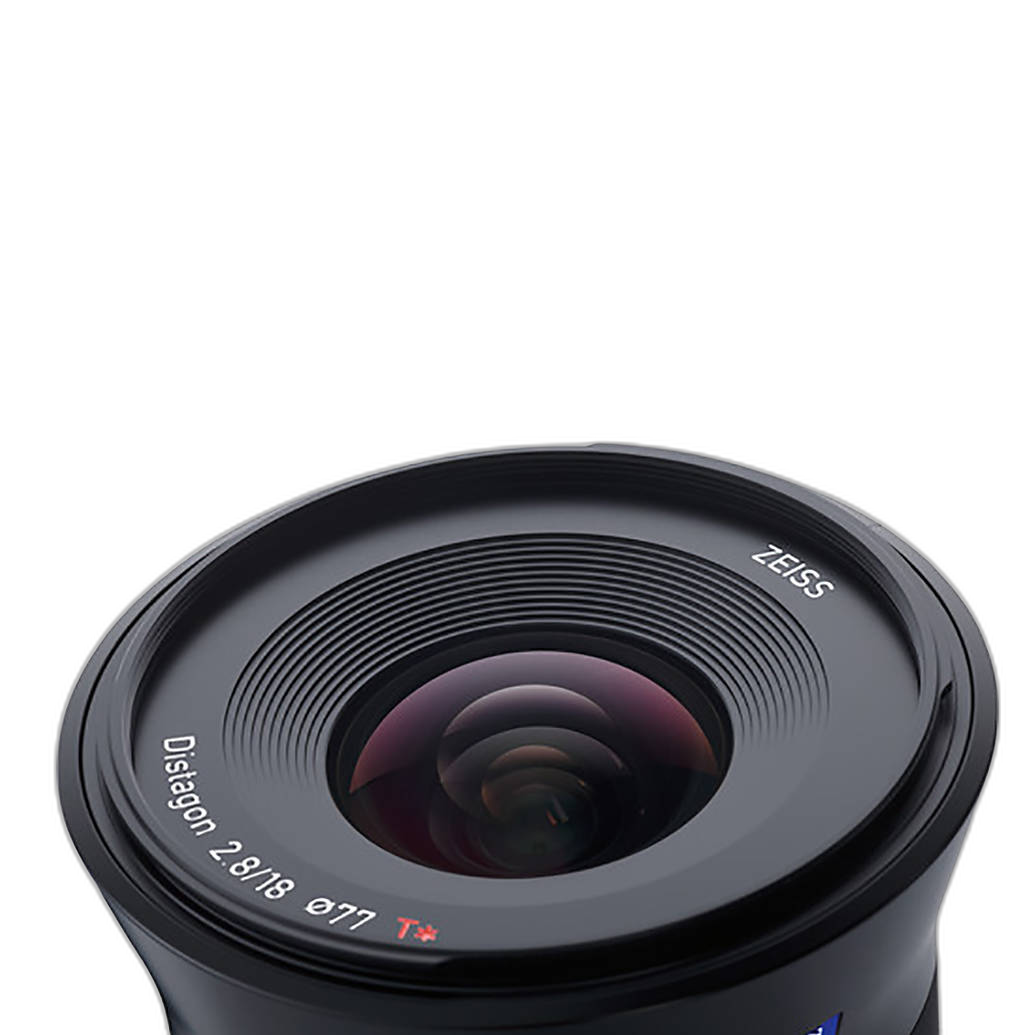
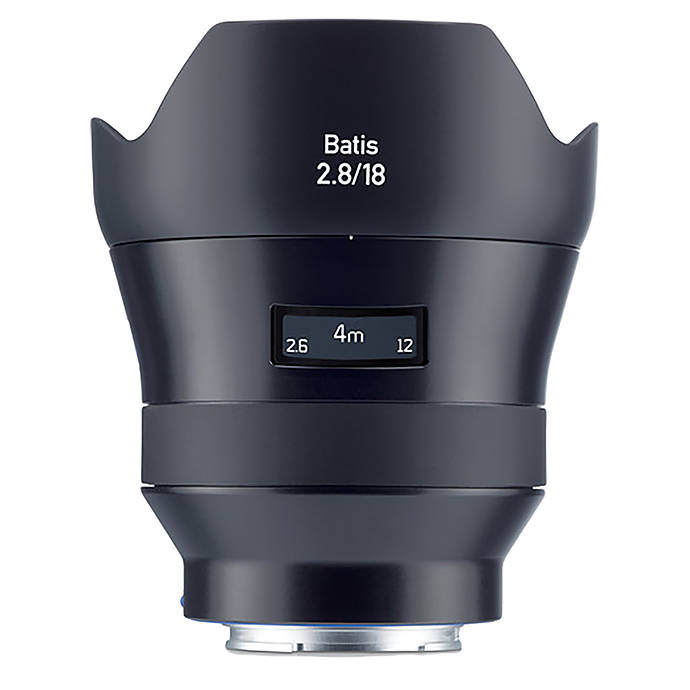
For most beginners, a kit lens is the smartest start. Modern 16–50mm or 18–55mm kit zooms are light, stabilized on many systems, and cover everything from casual portraits to travel scenes. If you already know your style—say, landscapes or architecture—body-only plus a specialized prime or ultra-wide zoom can make sense. For example, Sony shooters ready to expand into dramatic wide-angle work can consider premium options like the Zeiss Batis 18mm f/2.8, which delivers crisp, distortion-controlled results for interiors, cityscapes, and astro.
Start with a kit to learn, then add a lens that solves a specific creative need. That progression keeps budgets in check while accelerating your growth.
How important is IBIS (In-Body Image Stabilization) for a beginner?
IBIS helps you handhold at slower shutter speeds and smooths video footage. It’s especially valuable if you shoot indoors, at night, or with primes that lack optical stabilization. That said, many entry-level cameras without IBIS still produce beautiful results when paired with stabilized lenses and good technique. If you expect to shoot a lot of handheld video or low-light photos, IBIS is worth prioritizing; otherwise, it’s a nice-to-have, not a must-have.
Are there big differences between entry-level full-frame and APS-C cameras?
Yes—mostly in sensor size trade-offs:
- Image quality and low light: Full-frame sensors generally offer cleaner high-ISO performance and broader dynamic range.
- Depth of field: Full-frame provides shallower depth of field at the same framing/aperture, useful for portraits and subject isolation.
- Size and cost: APS-C bodies and lenses are typically smaller and more affordable—great for travel and tighter budgets.
- Reach: APS-C’s crop effectively gives telephoto lenses more “pull,” helpful for wildlife or sports.
If you’re budget-conscious and value portability, APS-C is an excellent start. If low-light work, bokeh, and long-term lens investment are priorities, consider stepping into full-frame.
How much autofocus performance do I actually need?
Modern entry-level mirrorless cameras deliver fast, reliable AF with face/eye detection for people—and often animals or vehicles. For general family, travel, and casual action, a current-generation beginner body is more than enough. If you’ll consistently shoot fast sports or low-light events, prioritize newer processors and the latest subject-detection algorithms; otherwise, choose the body that feels best in hand and fits your lens plans.
I want to vlog—what video features matter in a beginner mirrorless?
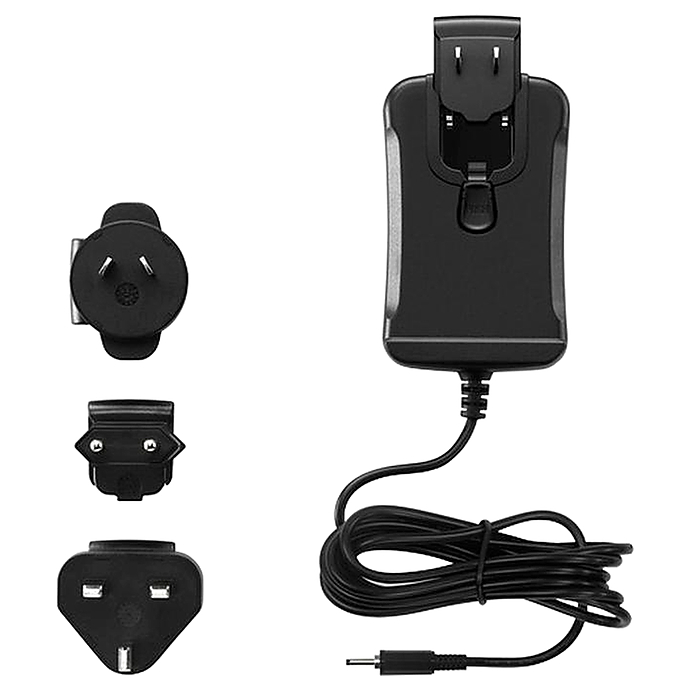
Look for oversampled 4K, clean HDMI if you’ll use an external recorder, reliable continuous AF, a fully articulating screen, and headphone monitoring if possible. Unlimited or extended record times and USB-C power delivery are big wins for long takes. If you eventually branch into dedicated cinema cameras, know that power workflows change—cinema bodies often need dedicated power accessories. For example, Blackmagic Pocket Cinema Camera users commonly rely on dedicated power solutions like the Blackmagic Design Power Supply for reliable studio or set use.
For your first mirrorless, a couple of high-speed UHS-II cards, a spare battery, and a compact USB-C PD power bank will cover most video needs.
Should I buy extended protection for my first camera?
Accidents happen—especially while you’re learning. Extended protection can be smart if you shoot frequently or travel. Unique Photo offers brand-backed and third-party options across categories. Nikon shooters, for example, can choose Nikon Care plans for added peace of mind. Creators stepping into cinema systems later can explore extended coverage tailored to those platforms—like extended warranties for RED cameras that safeguard pro investments as your gear grows.

Talk to our team about coverage that fits your budget and use case; the right plan can save time and money if the unexpected happens.
What accessories should I budget for on day one?
A well-rounded starter kit keeps you shooting, not troubleshooting. We recommend:
- Two memory cards (UHS-II for 4K video) and one spare battery.
- A comfortable strap—lightweight and easy to adjust for all-day shooting.
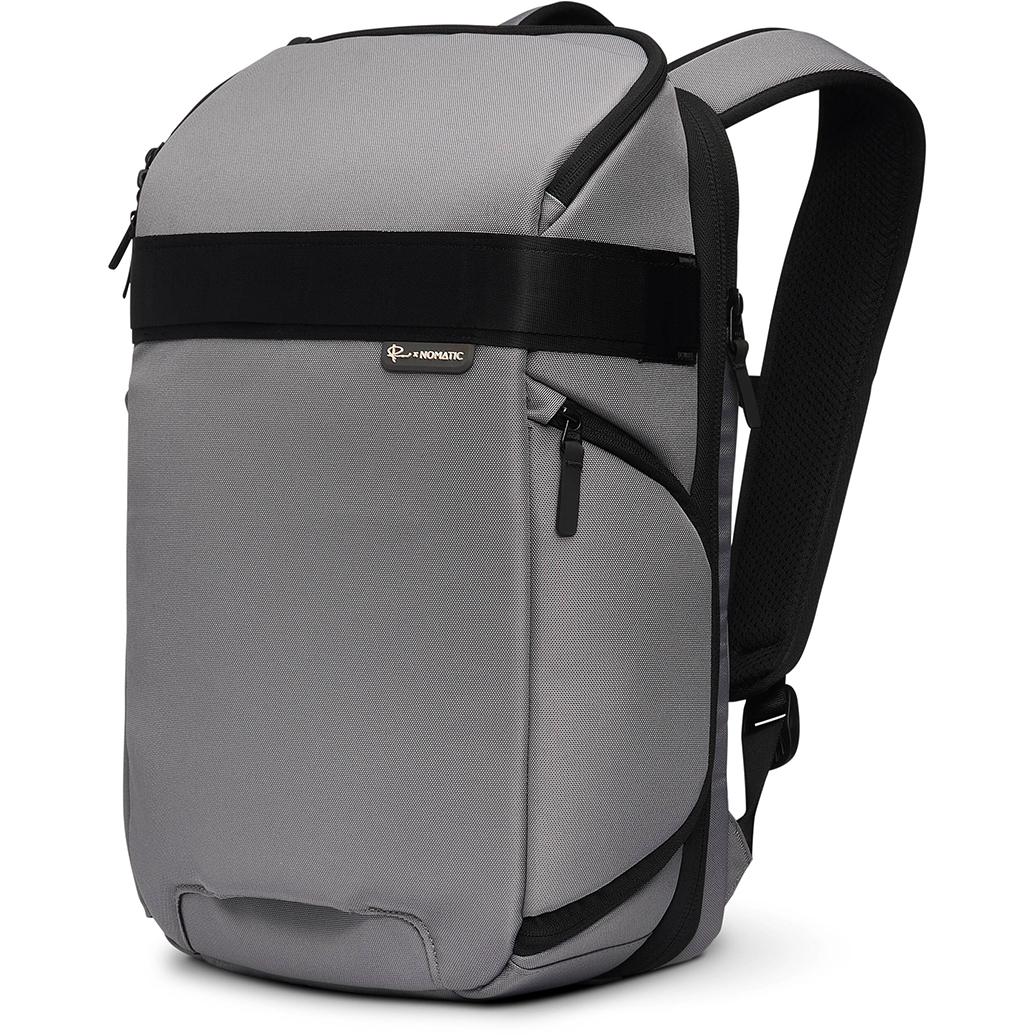
- A protective, organized camera bag sized for growth. The Nomatic Luma Camera Pack 18L is a compact, travel-friendly option with smart internal dividers and weather-resistant materials that scale from a kit lens setup to multiple lenses as you grow.
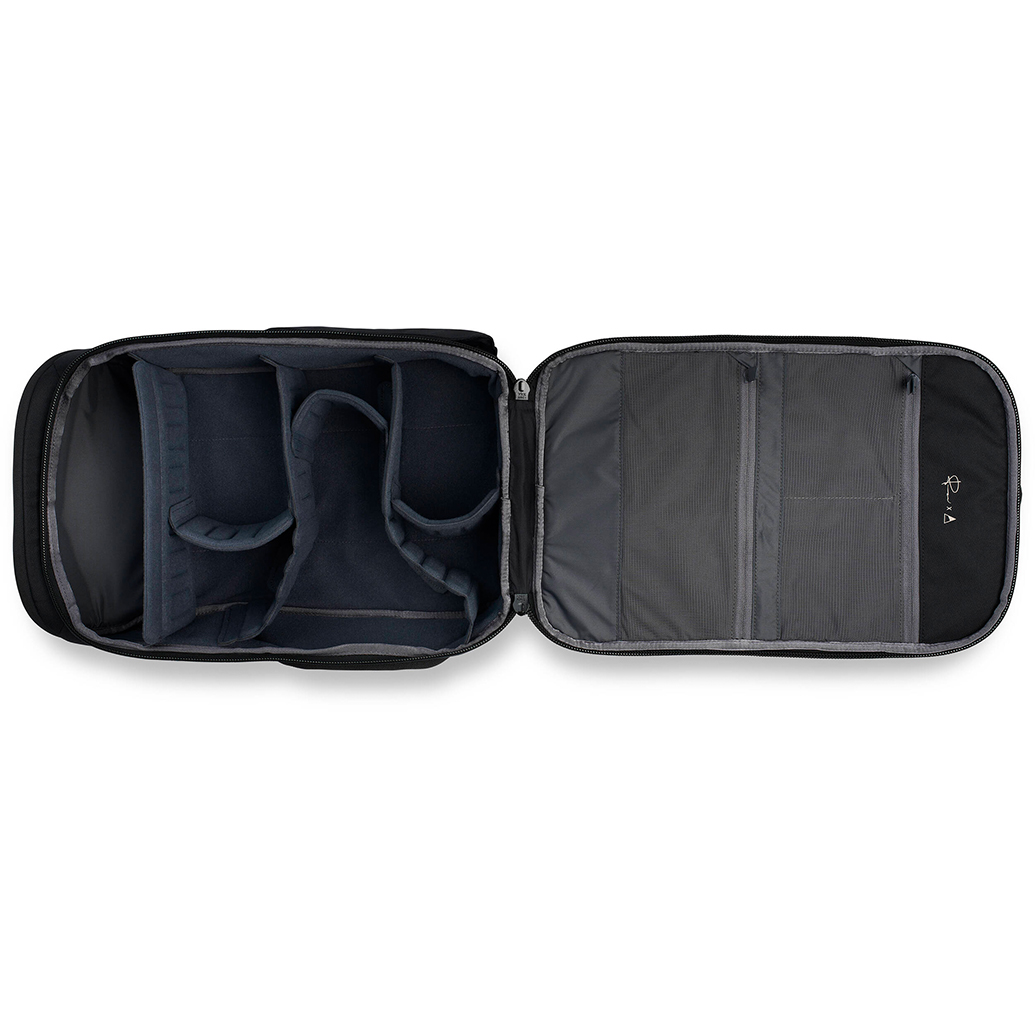
Plan your budget to include protection and organization—it pays off every time you head out to shoot.
When should I upgrade from the kit lens?
Upgrade when you feel limited by focal length, low-light performance, or look. A fast prime (like a 35mm or 50mm f/1.8) adds subject separation and better low-light capability. A stabilized telephoto helps for sports and wildlife. For expansive scenes or architecture, a high-quality wide like the Zeiss Batis 18mm f/2.8 for Sony E-mount delivers edge-to-edge sharpness and robust weather sealing—an excellent second lens once you’ve mastered the basics.
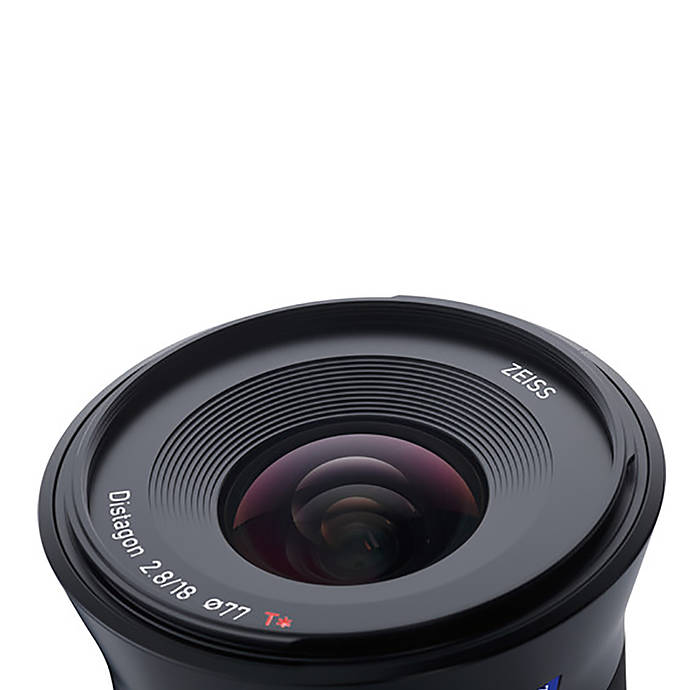
Choose your next lens to solve a specific challenge; that’s the fastest way to see a visible improvement in your images.
Ready to try these systems in person? Visit Unique Photo in New Jersey or shop online to compare kits, explore lens options, and get one-on-one advice from our experts. We’ll help you build a beginner-friendly setup that’s fun today and flexible for tomorrow.