2024 Portrait Camera Buying Guide: Best Features, Lenses & Smart Upgrades
Shopping for a portrait camera can feel overwhelming—especially when you’re balancing budget, features, and how you actually shoot. As New Jersey’s destination for photographers, Unique Photo put together this practical FAQ to help you choose the right body, lens, and accessories for portraits in 2024.
What are the must-have features in a portrait camera under $2,000?
For portraits, prioritize consistency and control over spec-sheet flash. Under $2,000, look for: reliable Eye/Face AF that locks onto a subject quickly and stays there; 24–33MP resolution for detailed retouching without massive files; robust color and dynamic range at base ISO; in-body image stabilization (IBIS) to keep handheld shots sharp at slower shutter speeds; a responsive EVF and tactile controls for quick adjustments; easy flash compatibility (standard hot shoe, PC sync or a reliable wireless trigger ecosystem); and tethering via USB-C for studio workflow. Weather sealing and strong battery life are valuable if you shoot on location. Don’t ignore ergonomics—if the camera fits your hand and your menus make sense, you’ll work faster and keep clients more comfortable.
For studio portraits, should I prioritize sensor size or autofocus performance?
In a controlled studio, lighting and posing slow the pace, so you’ll often benefit more from sensor quality (color depth at low ISO, dynamic range for handling bright backgrounds or hair highlights) and workflow features like tethering. That said, modern Eye-AF is a real time-saver for fast-paced sessions or when subjects move naturally (kids, lifestyle, editorial). If your portrait work is mostly static, sensor performance and ergonomics can take priority; if it’s dynamic or you shoot wide open with razor-thin depth of field, premium Eye-AF earns its keep.
Is upgrading from APS-C to full-frame worth it for portraits?
Full-frame offers shallower depth of field for smoother background blur, cleaner high-ISO performance, and a wider choice of fast portrait glass—all helpful for headshots and beauty work. Still, APS-C remains a powerful option: it’s lighter, more affordable, and can deliver excellent results with the right lens and lighting. Consider upgrading if you frequently shoot at wide apertures, want a roomier field of view in tight spaces, or plan large prints/retouch-heavy workflows. If you’re happy with your current AF, color, and lenses, invest in lighting and education first—you may see more immediate improvement than swapping formats.
Which lenses give flattering portraits on a budget?
You don’t need to spend a fortune to get flattering results. Start with a fast prime: 50mm and 85mm are classics for natural compression and bokeh; f/1.8 versions balance price and optical quality. For tighter framing and buttery backgrounds, a 75–90mm equivalent works beautifully on APS-C. Environmental portraits? A 35mm prime adds context without unflattering distortion (stay mindful of edges). Older 70–200mm f/2.8 lenses on the used market can be great value for headshots and half-body work. Macro lenses around 90–105mm double for beauty detail. When in doubt, try the lens in-store at Unique Photo and compare real portraits at your typical shooting distances.
Do I need very high megapixels for portraits?
Not necessarily. Around 24MP is a sweet spot for headshots, online delivery, and prints up to 16×24 inches with great detail. Higher-resolution bodies (40MP+) help with tight crops, large-format prints, and retouching where skin texture editing benefits from extra pixels. The trade-offs are bigger files and storage needs. If you’re refining your lighting, posing, and expression coaching, those skills will often yield more impact than jumping from 24MP to 45MP.
How much does lighting matter compared to the camera?
Lighting and direction are the secret sauce of portraiture. Even a midrange camera can produce premium results with smart light placement, quality modifiers, and consistent color. If you’re building your kit, budget for lighting education and practice time. We host hands-on workshops that accelerate your learning so your camera—whatever it is—performs at its best.
Recommended learning at Unique Photo:
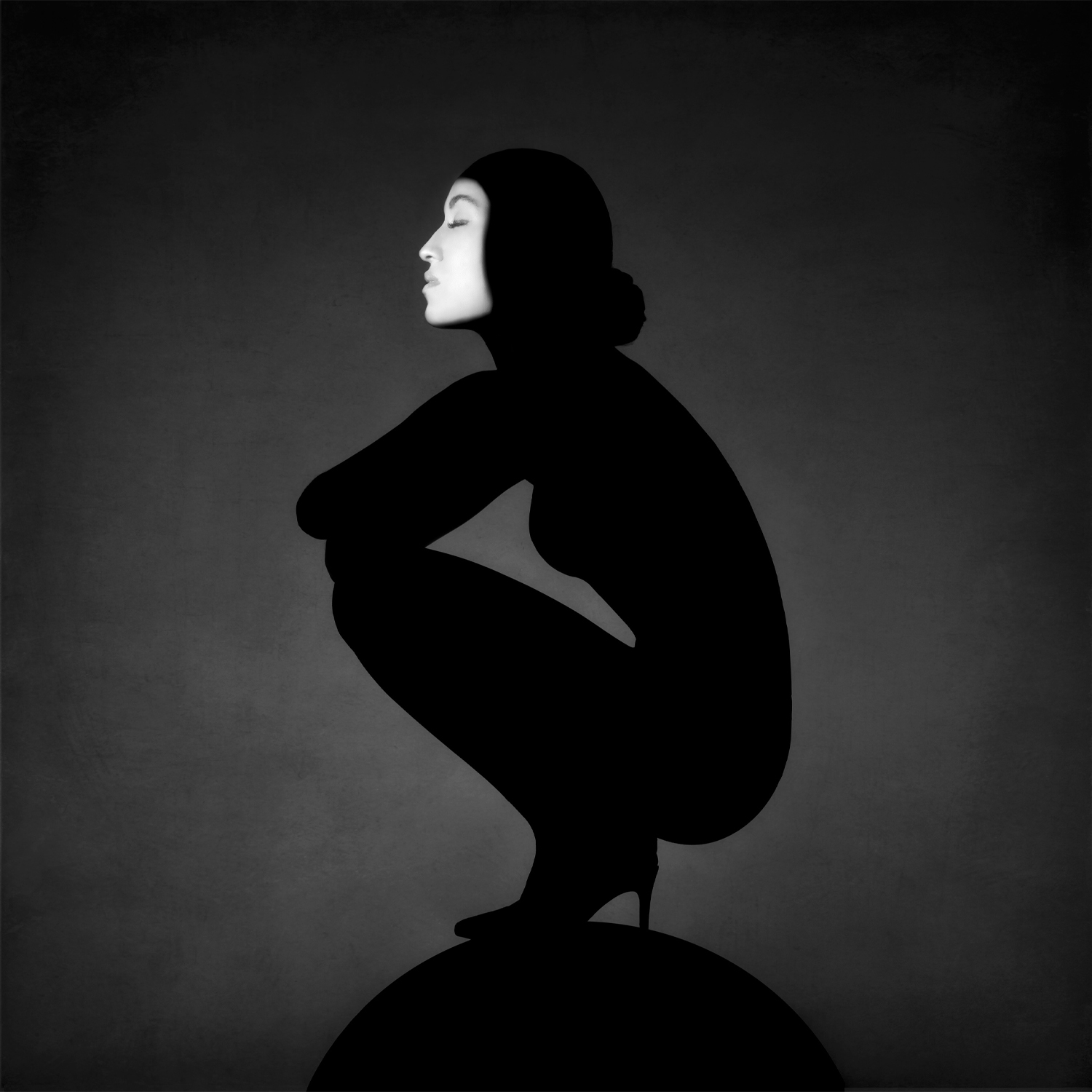
Master light shaping and learn repeatable setups with this portrait-focused class:
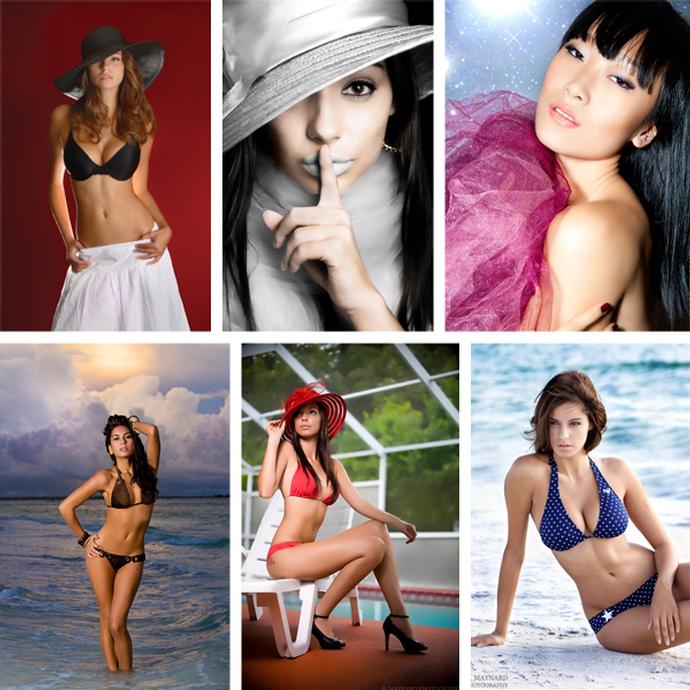
Level up your posing, direction, and creative techniques in a live portrait workshop:
Is tethered shooting worth it for portraits?
Yes—especially for headshots, beauty, and commercial sessions. Tethering lets you check focus, expression, wardrobe details, and color consistency on a calibrated display in real time. Look for reliable USB-C ports, compatible tethering software, and a stable rig (carts, cables, and strain reliefs). It speeds collaboration with clients and hair/makeup, reduces reshoots, and can automate file naming and backup during the session. If tethering is central to your workflow, test your camera-software-cable combo in-store before buying.
Should I consider extended protection for my portrait gear?
If you shoot frequently or on location, extended coverage can be worth the peace of mind. Unique Photo offers brand-specific plans (like Nikon Care) and other extended warranties. Coverage varies by brand and model, but plans typically help with manufacturer defects beyond the standard term and can streamline support if issues arise.

Not sure what you need? Our team can explain which protection options apply to your specific camera and shooting volume.
Ready to build your portrait kit? Visit Unique Photo in NJ or chat with our experts online. We’ll help you choose the right body, lens, lighting, and education—so you can deliver consistent, flattering portraits for every client.