Beginner Lens FAQ: Prime vs Zoom, Kit Lens Quality, and Best Value
Choosing your first lens setup can feel harder than choosing your first camera. Many beginners want sharper photos, smoother background blur, and room to grow—but they also need flexibility and a realistic budget. At Unique Photo, we usually recommend starting with the lens that helps you shoot more often, learn faster, and cover the subjects you actually enjoy.
The good news is that modern starter lenses are better than their reputation suggests. Whether you are deciding between a prime and a zoom, comparing kit lenses, or thinking about buying used gear, the right answer depends on how you plan to learn and what you want to photograph.
Should I start with a prime or zoom lens for learning composition?
For most beginners, a zoom lens is the easiest and most practical place to start. A good zoom lets you experiment with wide, normal, and short telephoto perspectives without changing lenses, which is especially helpful while you are still discovering whether you prefer landscapes, portraits, travel, family photos, or everyday street shooting.
That said, primes are excellent teachers. Because a prime gives you one focal length, it encourages you to move your feet, pay closer attention to framing, and become more intentional with composition. If your goal is to train your eye quickly, a prime can be very useful—but it is less flexible for daily use.
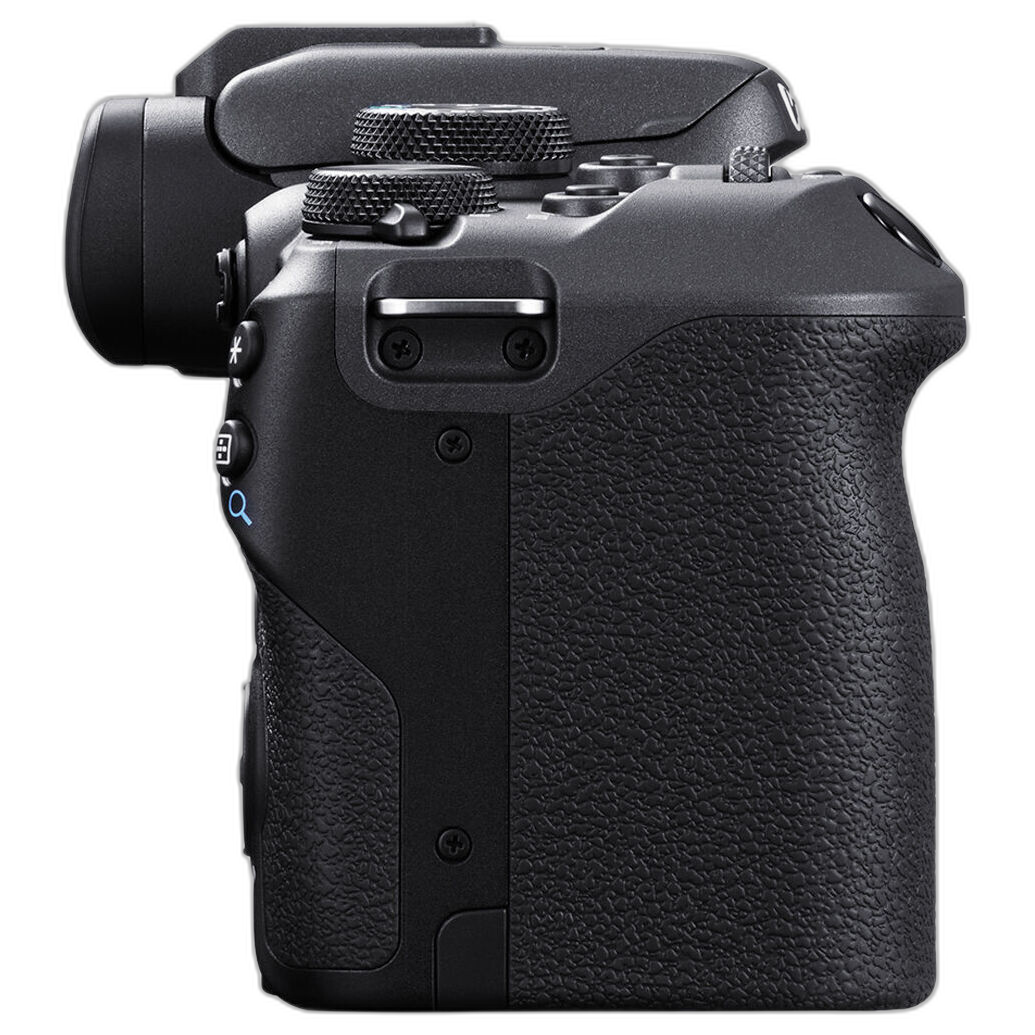
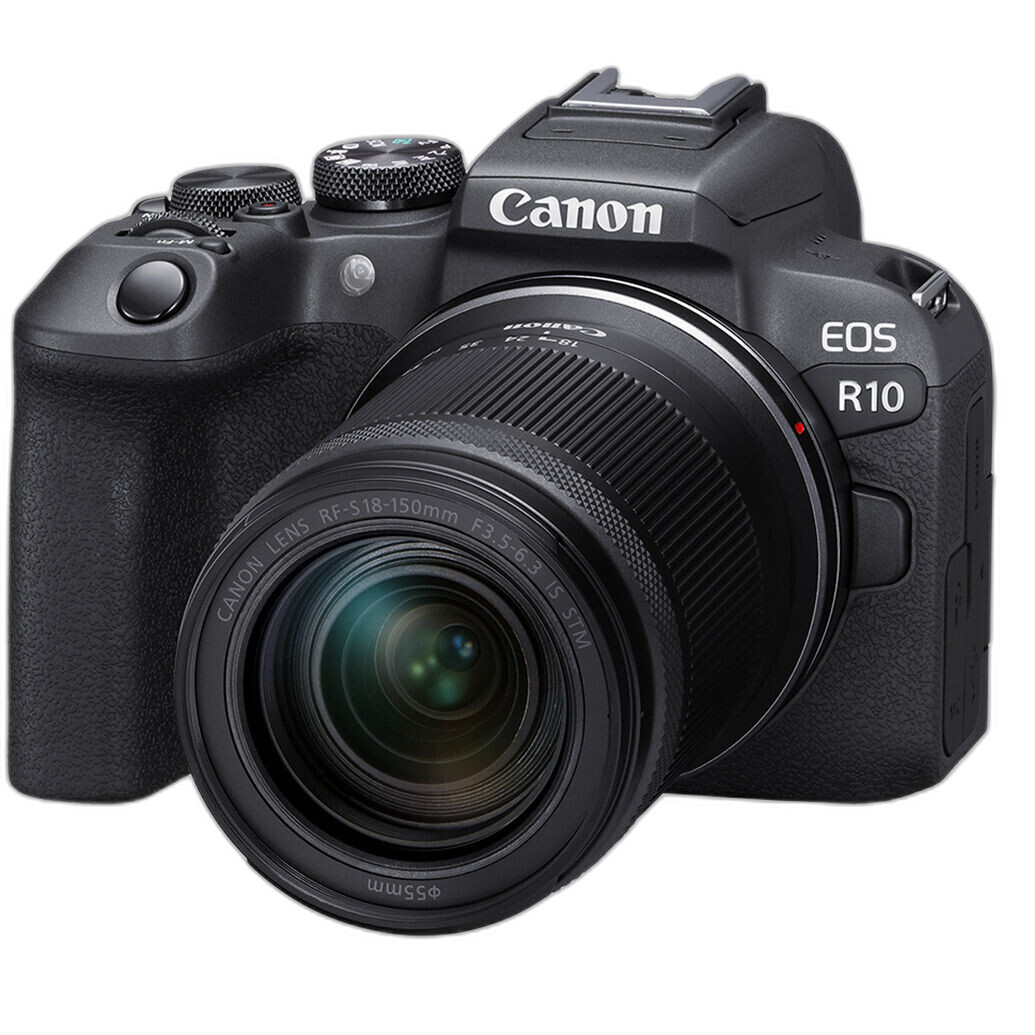
For a beginner who wants maximum versatility, a kit built around a zoom is often the strongest value. The Canon EOS R10 Mirrorless Camera with 18-150mm Lens gives new photographers a broad focal range in one package, making it easy to practice everything from wide environmental shots to tighter portraits and distant subjects.
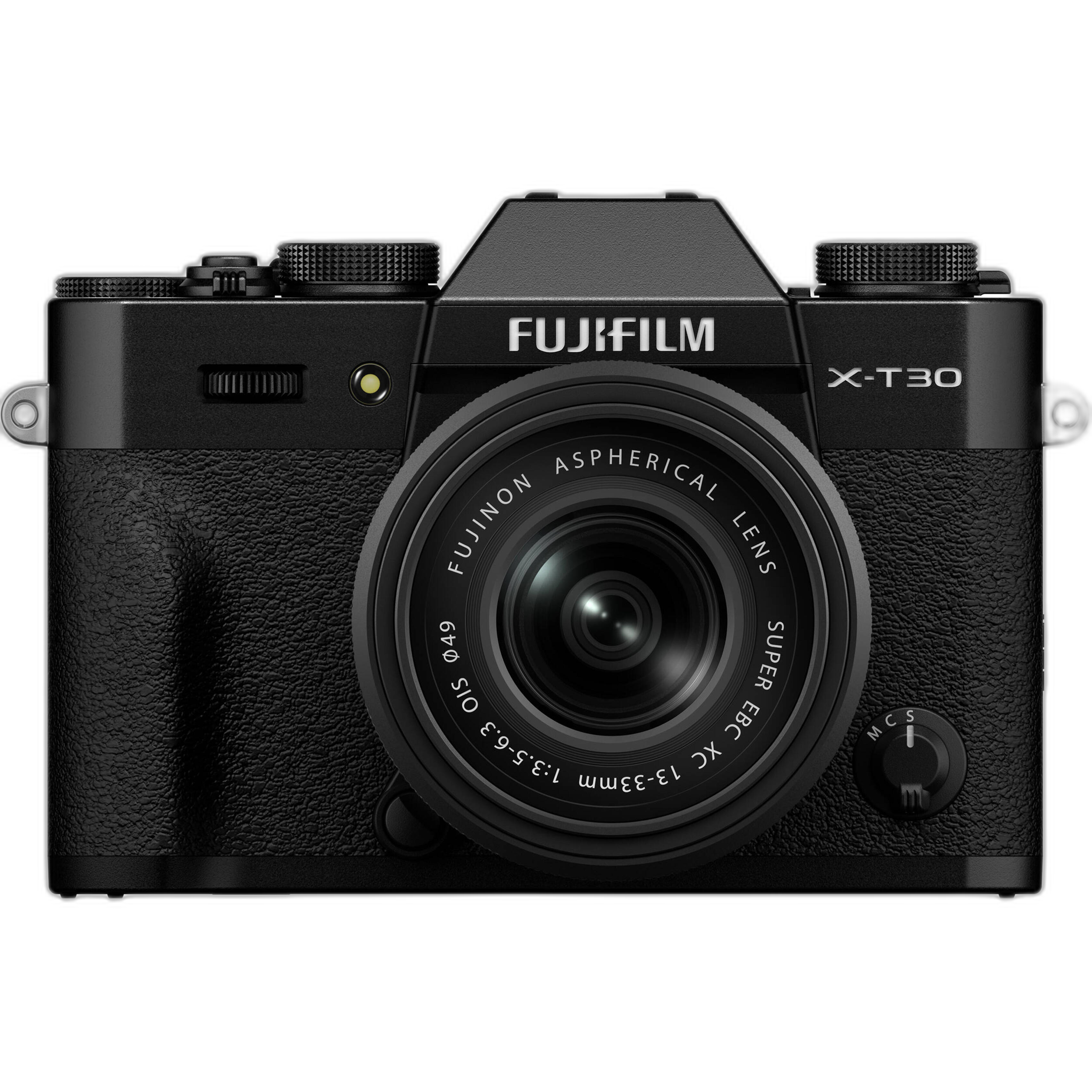
If you want a more compact standard zoom experience, the FUJIFILM X-T30 III with XC13-33mm Lens Kit is another smart beginner-friendly option that covers everyday shooting well while keeping the setup lightweight.
Are kit lenses really that bad for sharpness and bokeh?
No—modern kit lenses are generally much better than many first-time buyers expect. They may not match premium fast primes in edge-to-edge sharpness, low-light performance, or background blur, but they are absolutely capable of producing crisp, attractive images when used well.
Sharpness depends on more than the lens alone. Focus accuracy, shutter speed, lighting, and technique all matter. Many beginners blame a lens when the real issue is motion blur, missed focus, or shooting wide open in poor light. Stopping a kit zoom down slightly and using good light often delivers impressive results.
As for bokeh, kit lenses usually have slower maximum apertures, so they will not blur backgrounds as dramatically as a fast prime. But background separation is still possible if you zoom in, get closer to your subject, and keep the background farther away. A longer focal length can make a major difference.
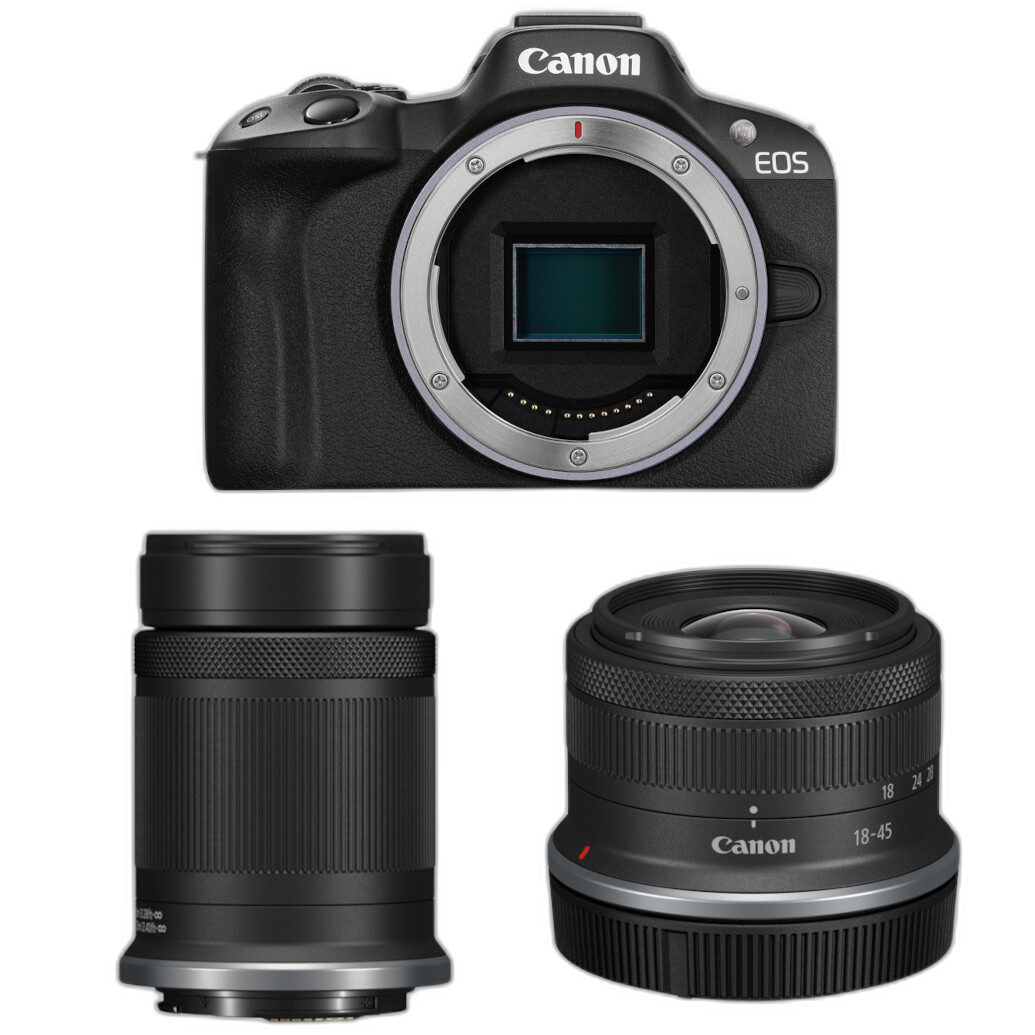
The Canon EOS R50 Mirrorless Camera with RF-S 18-45mm and 55-210mm Lenses is a good example of how a beginner can get both everyday coverage and stronger subject isolation from a telephoto lens included in the kit. The longer 55-210mm zoom can help create more pleasing portrait compression and blur than many people expect from a starter setup.
Which affordable lens kits offer the best value for image quality?
The best value is usually the kit that balances image quality, focal range, portability, and room to grow. Instead of focusing only on absolute sharpness, think about whether the lens range supports the way you actually shoot. A lens that stays on your camera and gets used every week is a better value than a technically better lens that feels limiting.
For all-in-one convenience, the Canon EOS R10 with 18-150mm Lens stands out because it covers a very useful range for travel, family photos, events, and learning different styles without immediate additional lens purchases.
For photographers who want a compact everyday system with strong image quality and a classic shooting experience, the FUJIFILM X-T30 III with XC13-33mm Lens Kit is appealing. It is especially well suited for daily carry, street photography, and general-purpose shooting.
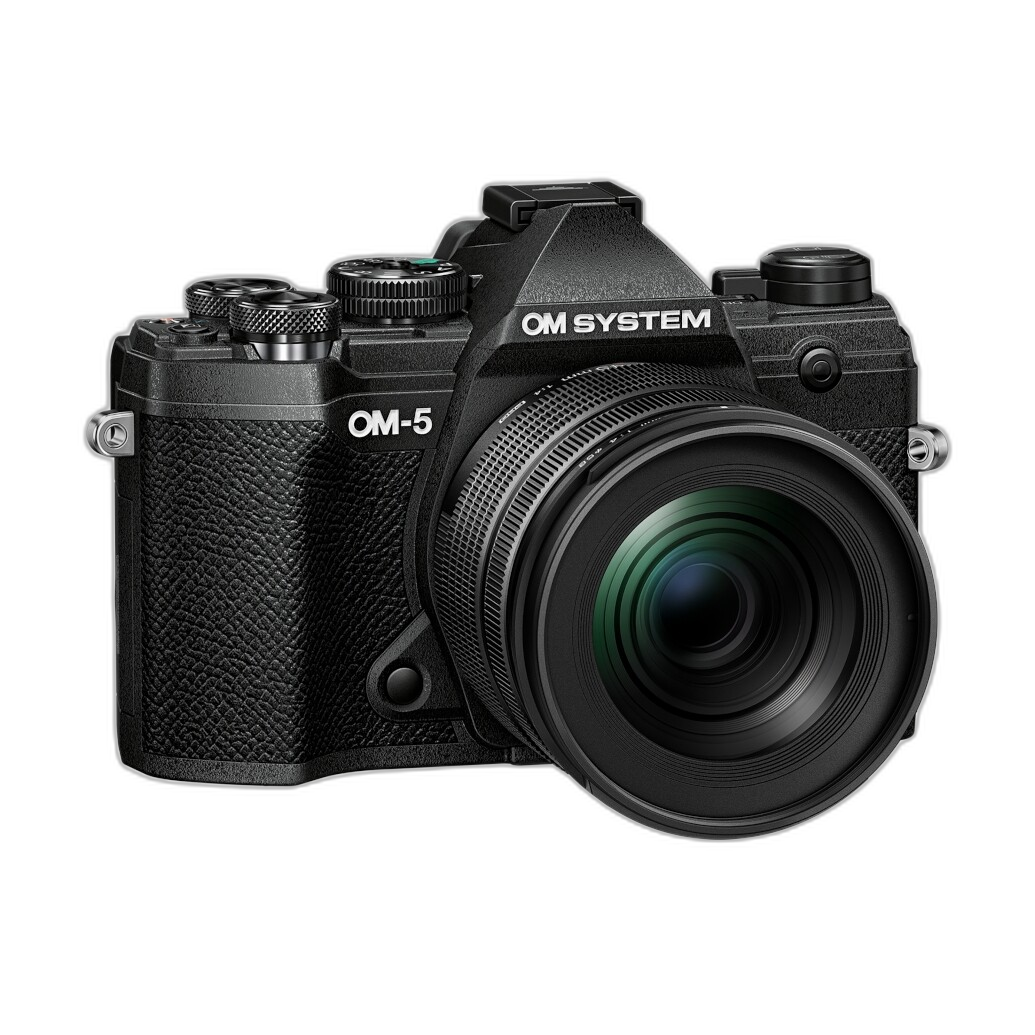
If you want a more rugged, enthusiast-oriented lens kit, the OM SYSTEM OM-5 with 12-45mm f/4.0 PRO Lens is an excellent step-up option. While it is more premium than a basic entry kit, the included PRO lens offers a strong combination of optics, handling, and durability for beginners who know they want to invest in a more advanced system early.
If I care most about sharp photos, should I skip versatility?
Not necessarily. Sharpness is important, but it is only one part of a successful image. A versatile zoom often helps beginners get the shot in the first place, and that matters more than chasing a small optical advantage on paper. A lens you can adapt to different scenes often leads to more practice, and more practice leads to better photos.
If you shoot mostly in good light, a modern zoom can be more than sharp enough for learning and sharing images, making prints, and building skills. If you find yourself consistently wanting more background blur or better low-light performance later, that is a great time to add a prime.
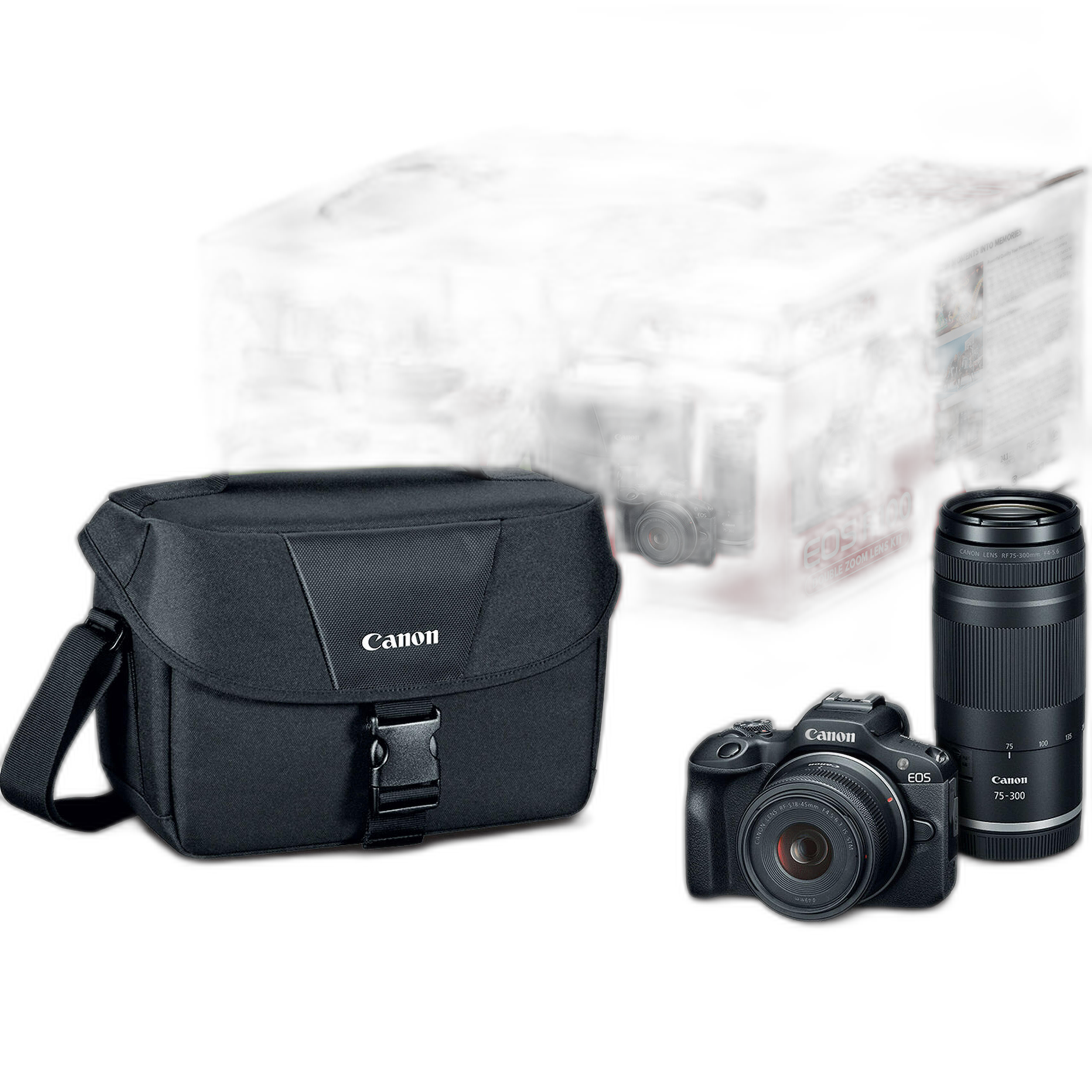
This is one reason double-lens bundles can be so helpful. The Canon EOS R100 Double Lens Zoom Kit gives beginners multiple focal lengths to explore, helping them understand what perspectives they enjoy before spending more on specialized glass.
What focal lengths help beginners learn fastest?
A standard zoom is usually the most useful starting point because it teaches you how focal length changes the feel of an image. Wide settings help you understand environment and perspective, while mid-range focal lengths are great for everyday scenes and portraits of friends and family.
A longer telephoto option is also valuable because it teaches framing from a distance, subject compression, and background separation. Beginners often discover that portrait-style images become easier once they have access to a little more reach.
That is why flexible bundles like the Canon EOS R50 with 18-45mm and 55-210mm lenses are so practical. You can learn wide-angle storytelling with one lens and more flattering portrait compositions with the other, all while staying within a beginner-friendly system.
Is investing in a used lens a good idea for beginners?
Yes, a used lens can be an excellent move for a beginner—provided you buy carefully. Used gear can stretch your budget, let you step into better optics sooner, and reduce the cost of experimentation while you are still figuring out your style.
The most important thing is condition and source. Check for clean glass, smooth zoom and focus action, healthy mounts, and normal autofocus performance. Cosmetic wear is often harmless, but haze, fungus, impact damage, and severe internal dust are red flags. Buying from a trusted retailer matters because you want accurate grading and confidence in what you are getting.
Beginners often do best by starting with a reliable kit lens or bundle first, then adding a used lens once they know what they need more of—whether that is wider coverage, longer reach, or better low-light performance. At Unique Photo, that usually means building from a practical starter camera-and-lens package into a more personalized setup over time.
How do I know when I have outgrown my kit lens?
You have probably outgrown your kit lens when its limitations are consistently blocking the kinds of photos you want to make. Common signs include wanting more low-light capability, needing stronger background blur for portraits, wishing for more reach for sports or wildlife, or wanting a wider lens for interiors and landscapes.
If you are still learning exposure, focus, and composition, your lens is probably not the main thing holding you back yet. But if you know exactly what shots you are missing, then it may be time to upgrade or expand your lens lineup.
For many photographers, starting with a flexible package like the Canon EOS R10 with 18-150mm or the FUJIFILM X-T30 III with XC13-33mm delays that upgrade pressure because these kits already cover a lot of everyday needs well.
What is the best beginner strategy if I want both quality and flexibility?
The smartest strategy is usually to begin with a versatile zoom, learn what focal lengths you use most, and then add a specialized lens later. This approach keeps your first purchase practical while giving you real-world experience before making a more targeted investment.
For example, a beginner might start with an all-purpose setup like the Canon EOS R10 with 18-150mm Lens for travel, family, and general photography, or choose the OM SYSTEM OM-5 with 12-45mm f/4.0 PRO Lens if they want a more premium lens from day one. From there, it becomes much easier to decide whether the next step should be a portrait lens, a wider lens, or a longer telephoto.
In most cases, the best first lens is not the one with the most impressive specifications—it is the one that helps you shoot confidently, often, and with fewer limitations in the situations you care about most.
If you are ready to build a beginner-friendly camera kit with room to grow, Unique Photo can help you compare starter systems, lens bundles, and upgrade paths so you can choose gear that fits both your goals and your budget.